11 Most Beautiful Places In California You Should Visit This April
Something shifts in April. Colors feel brighter. Air feels lighter. The outdoors starts pulling you in without much effort at all. It becomes harder to stay inside when everything outside looks this good.
Wildflowers begin to take over entire hillsides, adding bursts of color that feel almost unreal in places. Waterfalls run stronger with fresh snowmelt, and the coast carries that crisp, clean breeze that makes even a short walk feel refreshing.
Every landscape seems to wake up at once, creating moments that feel easy to enjoy without needing much planning.
April in California is when everything finally comes together.
Mountains, deserts, and shorelines all hit their stride at the same time, offering completely different experiences within a single stretch of days.
Some spots feel quiet and open, while others bring bold, dramatic views that leave a lasting impression. The destinations ahead capture that range, each one offering its own pace, its own mood, and a reason to get out and see what the season has to offer.
1. Carlsbad Flower Fields, Carlsbad
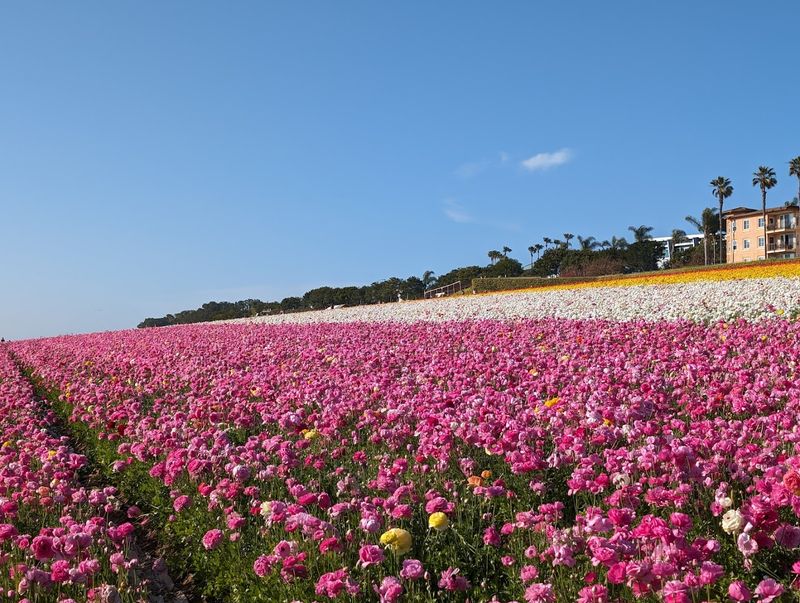
Stretching across 50 acres of rolling coastal hills, the Carlsbad Flower Fields burst into full color each spring with dense rows of giant tecolote ranunculus flowers in shades of red, orange, yellow, pink, and white.
Located at 5704 Paseo Del Norte, Carlsbad, CA 92008, the fields are open to the public from early March through early May, placing April squarely in the heart of the season.
The display is organized and walkable, with clear paths guiding visitors through the rows.
A modest admission fee covers entry, and the experience moves at a relaxed pace that suits families, couples, and solo visitors equally well.
Beyond the main flower rows, the grounds also feature a sweet pea maze, a working tractor, and demonstration gardens that add variety to the visit.
The fields sit close to the Pacific Ocean, so a mild coastal breeze is common throughout the day.
Photography enthusiasts tend to find the golden hour lighting in the late afternoon particularly rewarding here.
Comfortable walking shoes are recommended since the terrain includes some gentle slopes. The nearby town of Carlsbad offers plenty of dining options for before or after the visit.
2. Yosemite National Park, Yosemite Valley
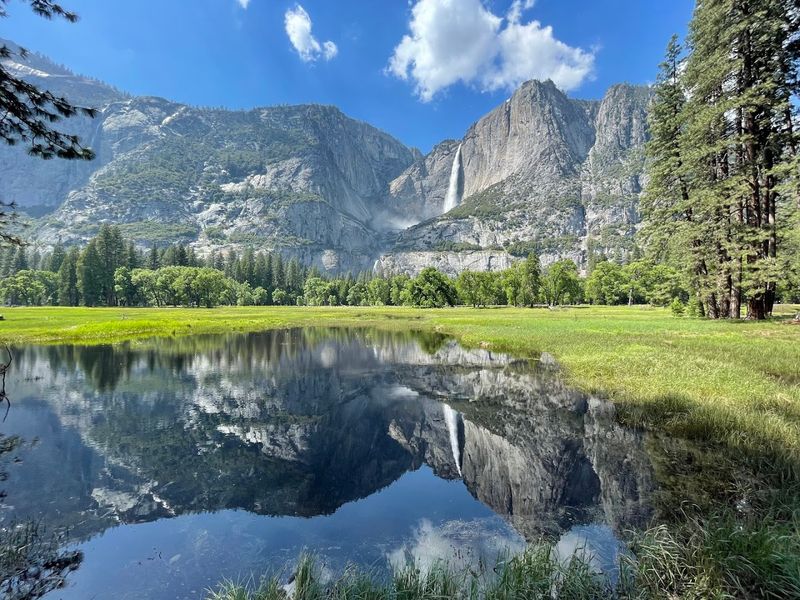
April is arguably the most dramatic month to visit Yosemite Valley, when the snowmelt from the high country sends waterfalls like Yosemite Falls, Bridalveil Fall, and Vernal Fall rushing at full force.
The valley floor transitions from winter quiet to spring activity as meadows begin greening up and the granite walls reflect afternoon light in warm golden tones.
Temperatures in April can range from cool mornings near freezing to mild afternoons in the mid-50s Fahrenheit.
Some higher elevation trails and roads may still have snow or be closed in early April, so checking the National Park Service website before visiting is strongly recommended.
Valley floor trails such as the Mirror Lake Loop and the path to Lower Yosemite Fall are generally accessible and offer stunning views without requiring technical gear.
But bear in mind that crowds can build significantly on weekends. Staying in or near the valley mid-week gives visitors a noticeably quieter experience.
Yosemite Valley is located within a large national park, and the nearest full-service gateway towns include El Portal and Mariposa.
Bringing layers is essential since temperatures shift considerably from morning to afternoon.
3. Lake Tahoe, South Lake Tahoe
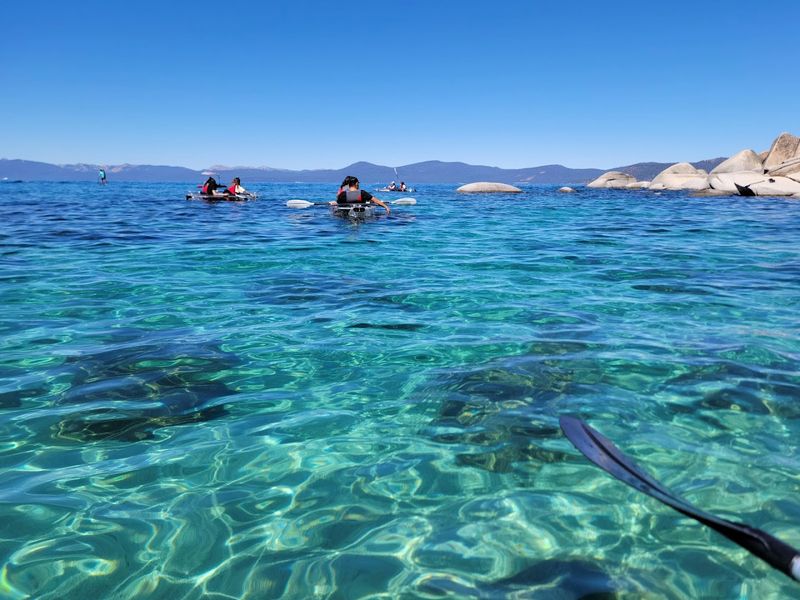
Crystal-clear water that shifts between shades of turquoise and deep cobalt makes Lake Tahoe one of the most visually striking lakes in North America.
April sits at an interesting crossroads here, where ski resorts on the surrounding mountain slopes may still be operating while the lower elevations begin to thaw and open up hiking and biking trails.
South Lake Tahoe serves as a practical base for exploring both sides of the lake and offers a range of lodging and dining options.
The lake itself spans about 22 miles long and 12 miles wide, sitting at an elevation of roughly 6,200 feet above sea level.
That elevation means cooler temperatures than much of California in April, so packing warm layers is important even if the sun feels strong.
Emerald Bay State Park, located on the western shore, is one of the most photographed spots around the lake and tends to be less crowded in early spring.
Beaches around South Lake Tahoe are generally quiet in April, offering peaceful spots to sit and take in the mountain scenery without the summer crowds.
Road conditions can vary depending on late-season snowfall, so checking current conditions before traveling is a practical step.
4. Big Sur Coastline, Big Sur
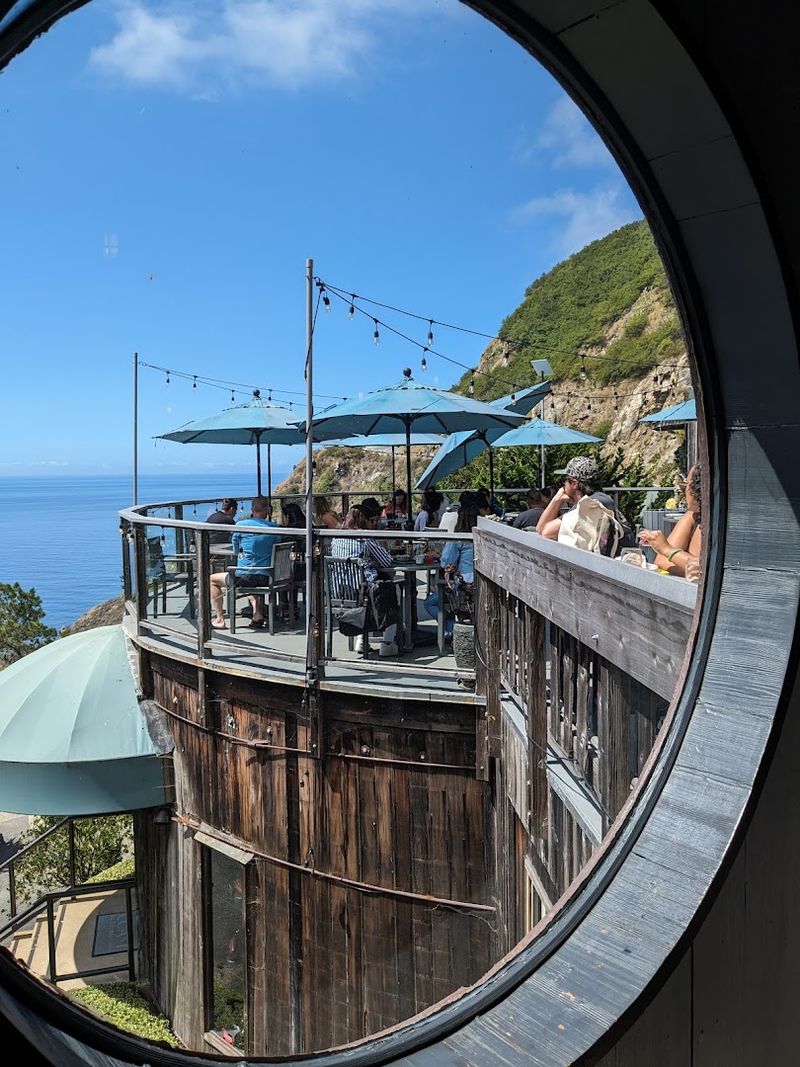
Driving through Big Sur in April feels like moving through a living painting, where wildflowers cling to steep cliffs above a churning Pacific and the air smells like salt and pine.
Highway 1 winds along some of the most dramatic coastal scenery in the country, and spring brings clearer skies and green hillsides that contrast beautifully with the deep blue water below.
The stretch between Carmel and San Simeon is roughly 90 miles and can take several hours to drive when stopping at viewpoints.
McWay Falls, which drops directly onto a beach within Julia Pfeiffer Burns State Park, is one of the most iconic stops along the route and remains accessible via a short trail.
Pfeiffer Big Sur State Park offers campgrounds and redwood forest trails that feel cool and sheltered even on warmer spring days.
Road conditions along Highway 1 can sometimes be affected by slides or closures, so checking Caltrans updates before the trip is always a wise move.
Cell service is limited through much of Big Sur, making a downloaded offline map a helpful tool.
April crowds are lighter than summer, giving visitors more room to breathe at popular pullouts and overlooks.
Sunrise and late afternoon light tend to be the most rewarding times to drive the coast.
5. Santa Ynez Valley, Santa Ynez
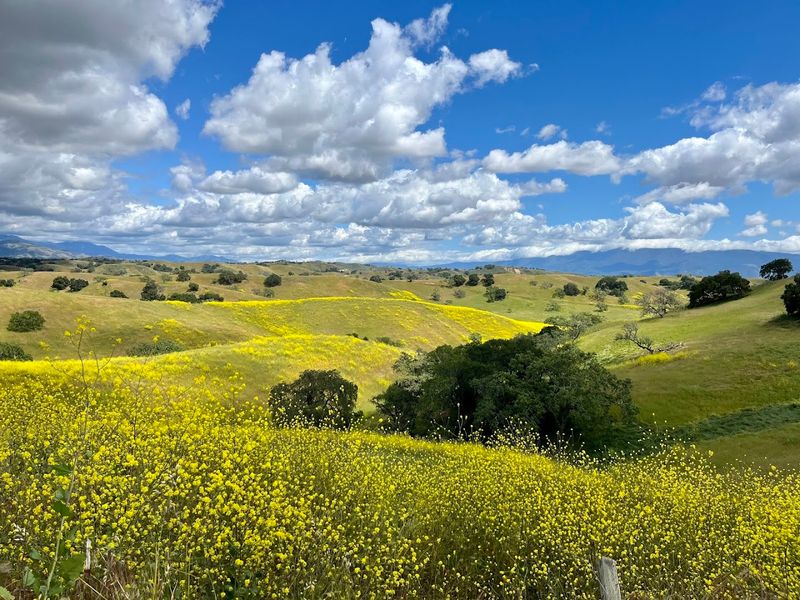
Nestled between the Santa Ynez Mountains and the San Rafael Mountains, the Santa Ynez Valley takes on a lush, almost storybook quality in April when the hills are at their greenest and wildflowers dot the roadsides.
The valley is home to a cluster of small towns including Solvang, Los Olivos, and Buellton, each with its own distinct character and things to explore.
Solvang in particular draws visitors with its Danish architectural style, bakeries, and pedestrian-friendly streets.
Hiking in the surrounding Los Padres National Forest opens up in spring as trails dry out from winter rain and temperatures stay mild.
Figueroa Mountain, accessible via Figueroa Mountain Road north of Los Olivos, offers sweeping valley views and wildflower displays that can be exceptional in a good rain year.
The road itself is scenic and worth driving slowly with windows down. Horseback riding, cycling through ranch land, and visiting local farms and markets all fit naturally into a spring visit here.
The pace of life in the valley feels unhurried, which makes it a good destination for those looking to slow down and take in the scenery without a packed itinerary.
April temperatures typically stay in a comfortable range of the mid-60s to low 70s Fahrenheit.
6. Point Reyes National Seashore, Point Reyes Station
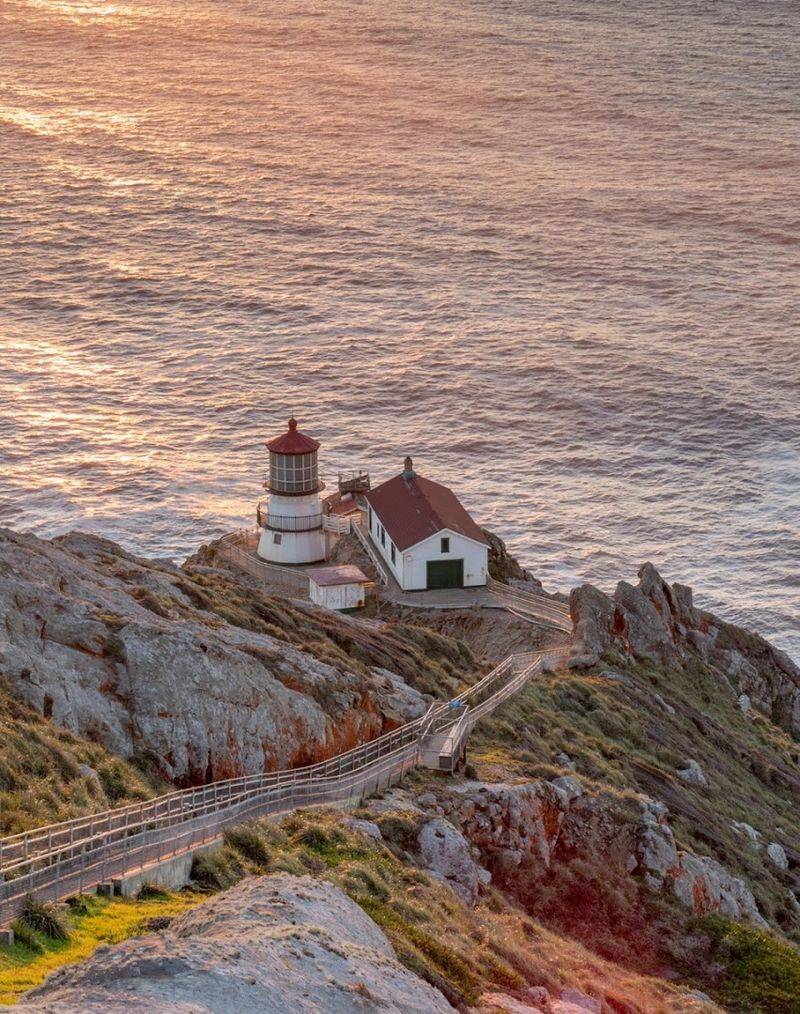
Tucked along the Marin County coast about an hour north of San Francisco, Point Reyes National Seashore offers a quieter and more intimate coastal experience than many of California’s more well-known shorelines.
April brings migrating gray whales passing offshore, spring wildflowers along the bluff trails, and newborn tule elk calves at the Tomales Point elk reserve.
The combination makes it one of the most rewarding months to visit this stretch of protected coastline.
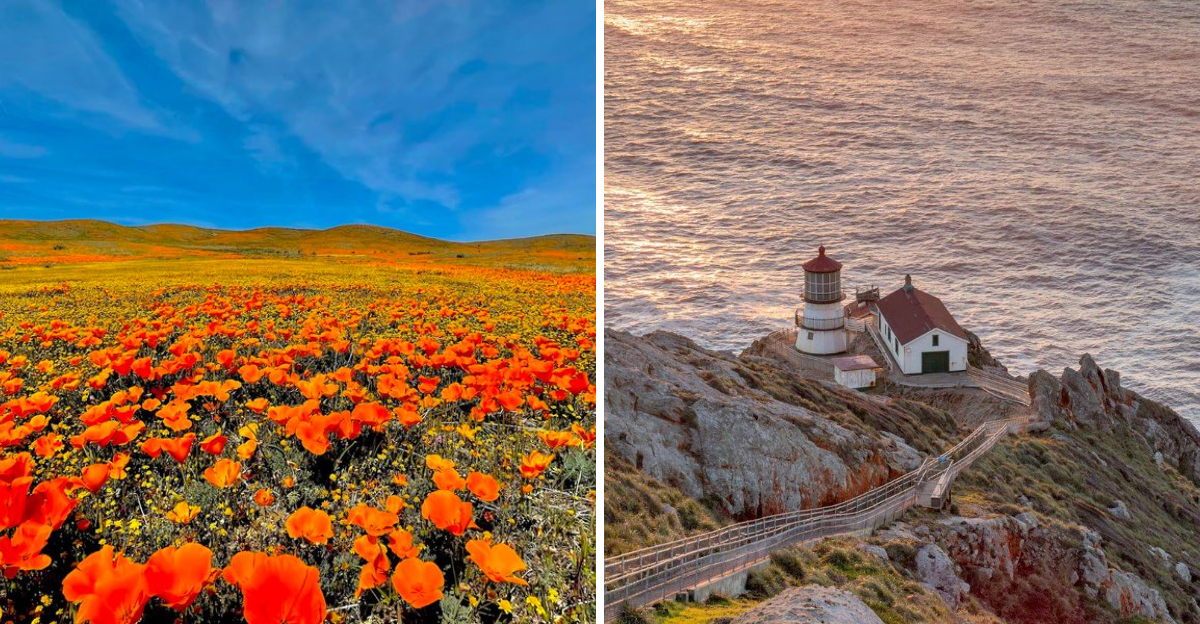
The lighthouse at the tip of the Point Reyes peninsula sits at the end of a steep staircase descending from the visitor center, and the views from the overlook on clear days stretch far across the Pacific.
Fog is common along this part of the coast, and mornings can feel cool and damp even when the afternoon clears up. Layered clothing and waterproof shoes make the experience more comfortable.
Drakes Beach and Limantour Beach are two accessible sandy stretches within the seashore that feel especially calm in spring before summer visitor numbers increase.
The nearby town of Point Reyes Station has a small but well-regarded selection of bakeries and local shops worth exploring after a morning hike.
Parking at trailheads fills up on sunny weekends, so an early start is helpful.
7. Channel Islands National Park, Ventura
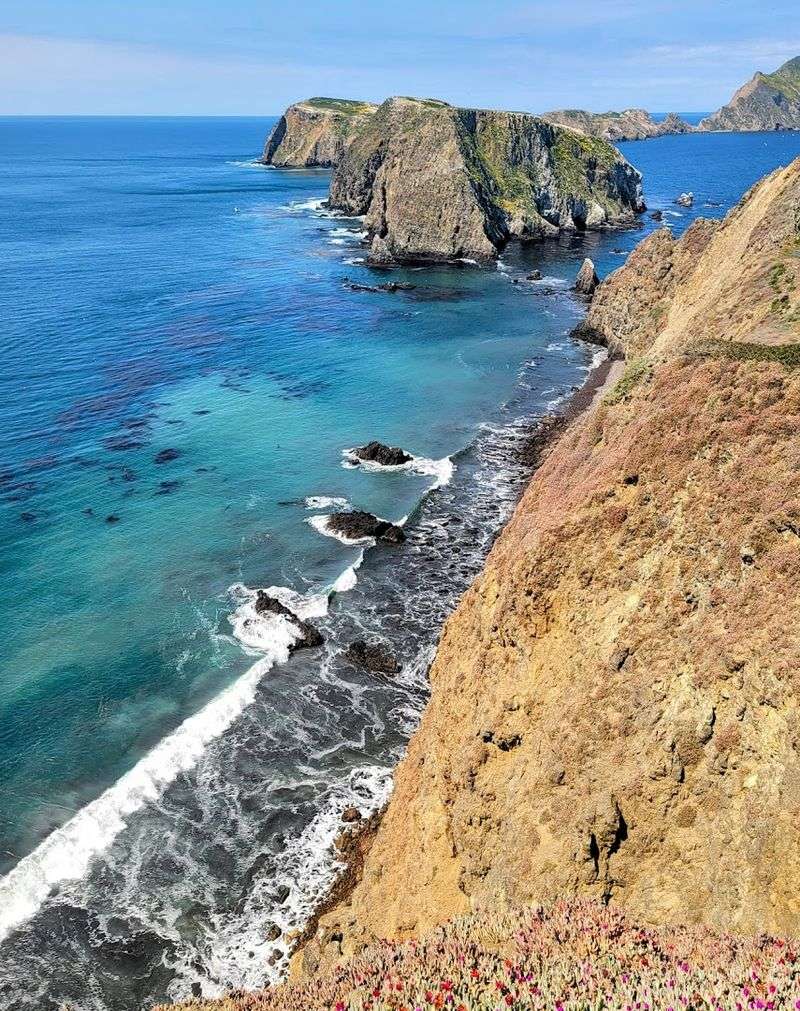
Often called the Galapagos of North America, Channel Islands National Park sits just off the coast of Ventura and offers one of the most genuinely wild nature experiences available in California.
The park encompasses five islands, with Santa Cruz Island being the most visited and easiest to reach by ferry.
April is a particularly good time to visit because the island vegetation is green from winter rains and the surrounding ocean is active with marine life including sea lions, dolphins, and migrating whales.
Island Packers, the authorized concessionaire ferry service, departs from Ventura Harbor and offers day trips and overnight camping transport to several of the islands.
Crossing times vary by island and sea conditions, and the channel can be choppy, so those prone to motion sickness should plan accordingly.
Santa Cruz Island features trails ranging from easy coastal walks to more strenuous ridge hikes with panoramic ocean views.
Snorkeling and kayaking in the kelp forests around the islands are popular activities for visitors comfortable in cooler Pacific waters.
There are no food services on the islands, so bringing sufficient food and water for the day is essential.
The visitor center in Ventura, located near the harbor, provides helpful orientation before the ferry departure.
8. Death Valley National Park, Furnace Creek
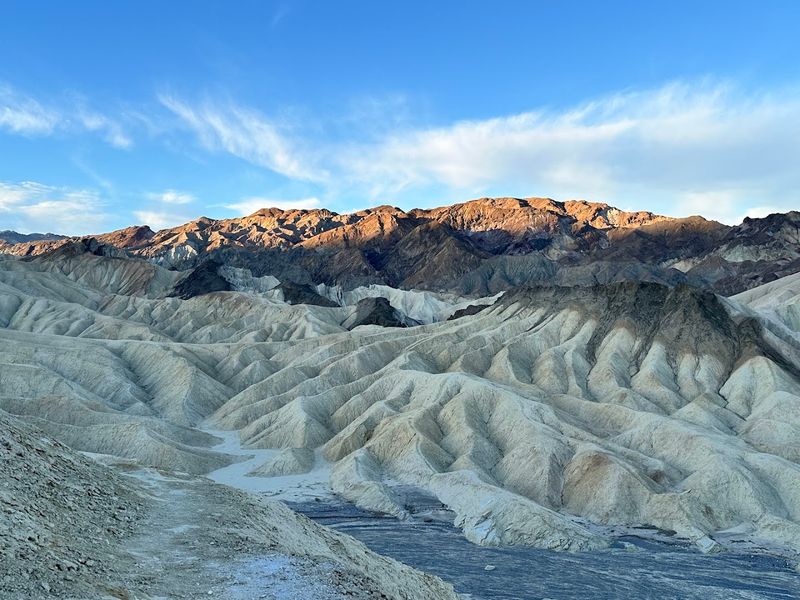
April marks one of the last comfortable months to visit Death Valley before summer temperatures climb to extremes, making it an ideal window for exploring one of the most geologically dramatic landscapes on Earth.
Daytime highs in April typically range from the mid-80s to low 90s Fahrenheit near Furnace Creek, which sits below sea level at around 190 feet below the ocean’s surface.
Morning hikes to spots like Badwater Basin, Golden Canyon, and Zabriskie Point are manageable before the midday heat builds.
The Furnace Creek area serves as the main hub of the park and includes the Oasis at Death Valley resort, a visitor center, and a general store.
In years with sufficient winter rainfall, the valley floor can still show traces of the superbloom wildflower displays that sometimes occur in late winter and early spring.
Even without full bloom conditions, the palette of ochre, rust, and lavender across the badlands is visually striking on its own.
Carrying a minimum of one gallon of water per person per day is the standard recommendation for visitors in this desert environment.
Cell service is extremely limited throughout the park, and gas prices at the only in-park station tend to run higher than outside the park.
Arriving with a full tank and a downloaded map makes the visit safer and more comfortable.
9. Mendocino Coast, Mendocino
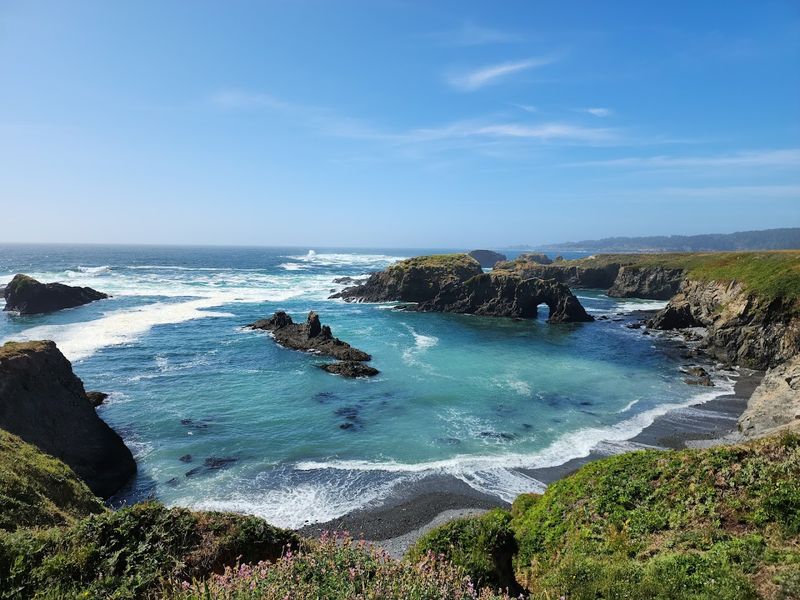
Perched on bluffs above the Pacific in Mendocino County, the town of Mendocino has a quiet, weathered charm that feels distinctly different from California’s more polished coastal destinations.
April brings blooming wildflowers to the Mendocino Headlands State Park, which wraps around the town on three sides and offers easy walking paths along the cliff edges with sweeping ocean views.
The headlands are free to access and require no reservations, making them a relaxed and unhurried place to spend a morning.
The town itself is compact and walkable, with independent shops, galleries, and cafes lining its main streets.
Fog is a regular presence along this stretch of coast, particularly in the mornings, and it tends to lift by midday on clearer days.
The combination of moody light and rugged scenery makes the Mendocino Coast especially appealing to photographers and those who appreciate a slower, more contemplative kind of travel.
Van Damme State Park, located just south of town, offers a unique pygmy forest trail where centuries-old trees grow to only a few feet tall due to the unusual soil conditions.
The drive along Highway 1 approaching Mendocino from either direction is scenic in its own right and worth taking slowly.
April weekdays in Mendocino tend to be noticeably quieter than weekends.
10. Mount Tamalpais State Park, Mill Valley
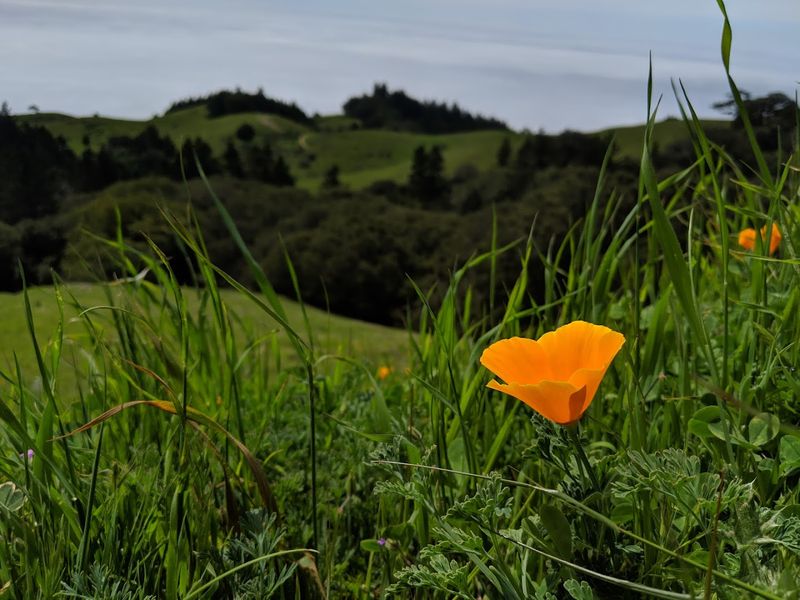
Rising above the Marin County hills just north of San Francisco, Mount Tamalpais offers some of the most rewarding panoramic views in the Bay Area, stretching on clear days from the Pacific Ocean to the Sierra Nevada foothills.
April is a sweet spot for hiking here because the trails are lined with blooming wildflowers including lupine, California poppies, and trillium while the hills are still green from winter rain.
The mountain’s network of trails ranges from gentle fire roads to steeper single-track paths suited for more experienced hikers.
The East Peak summit area includes a small visitor center and a historic stone amphitheater called the Mountain Theater, where outdoor performances take place each spring.
Reaching the East Peak by car involves driving up Panoramic Highway and then East Ridgecrest Boulevard, with a small parking area near the summit.
Parking fills quickly on sunny April weekends, so arriving before 9 a.m. is a practical strategy.
The nearby Muir Woods National Monument sits at the base of the mountain and offers old-growth coastal redwood forest walks that pair well with a Mount Tamalpais hike for a full day outdoors.
Mill Valley below the mountain has a lively small-town atmosphere with independent restaurants and shops worth exploring after a day on the trails.
Temperatures on the summit can be 10 to 15 degrees cooler than in the valley below.
11. Antelope Valley California Poppy Reserve, Lancaster
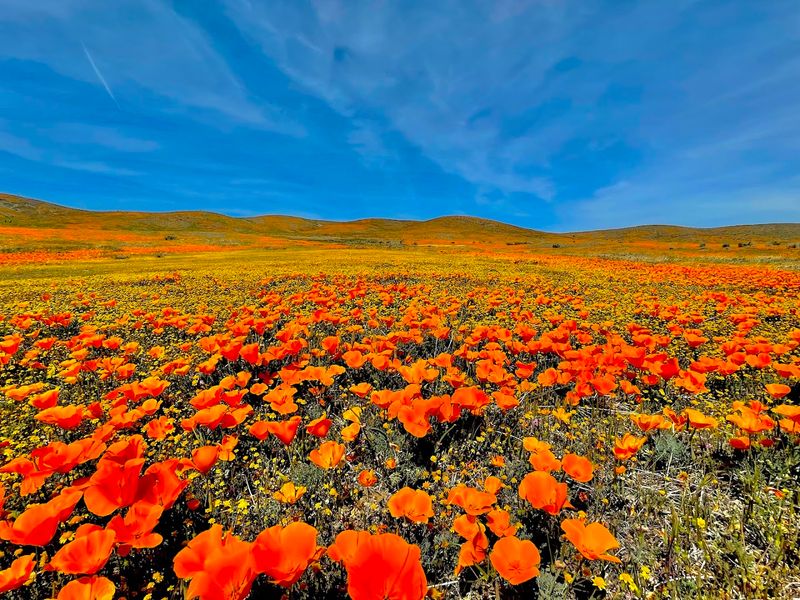
Few sights in the American West match the electric orange carpet that rolls across the hills of Antelope Valley each spring.
Located at 15101 W Lancaster Rd, Lancaster, CA 93536, the Antelope Valley California Poppy Reserve opens to visitors during bloom season, typically peaking between mid-March and mid-April depending on rainfall.
The trails here are easy to moderate, making the reserve accessible for most visitors including families with older children.
Weekends during peak bloom can draw large crowds, so arriving early in the morning on a weekday tends to offer a more relaxed experience.
The light during morning hours also makes the orange fields look especially vivid against the rolling hills. Parking fills up quickly on busy days, so planning ahead is helpful.
No food vendors operate within the reserve, so packing snacks and plenty of water is a smart move before heading out.
The reserve spans over 1,700 acres and includes several looping trails with scenic overlooks.
April visitors also have a chance of spotting other wildflowers like goldfields, cream cups, and lupine growing alongside the iconic poppies.