These 10 California Islands Exist And Many People Never Overlook Them
Most people think of beaches, mountains, and highways when they picture the Golden State. But there is more to it.
California also has a surprising collection of islands scattered along its coastline and tucked inside its bays.
Some of these islands are protected wilderness areas teeming with rare wildlife. Others carry layers of military history or urban grit that most visitors never get to see.
A handful are open to hikers and campers. A few remain completely off-limits to the public.
From the rugged Channel Islands rising out of the Pacific Ocean to the industrial shoreline of Terminal Island, the range feels wider than expected.
California’s island geography tells a story that rarely makes it into travel guides. It offers a different side of the state.
Whether someone is a curious day-tripper or a seasoned adventurer, these ten islands offer a completely different perspective. It is a side of California most people think they already know, but have not fully seen.
1. Anacapa Island, Ventura County
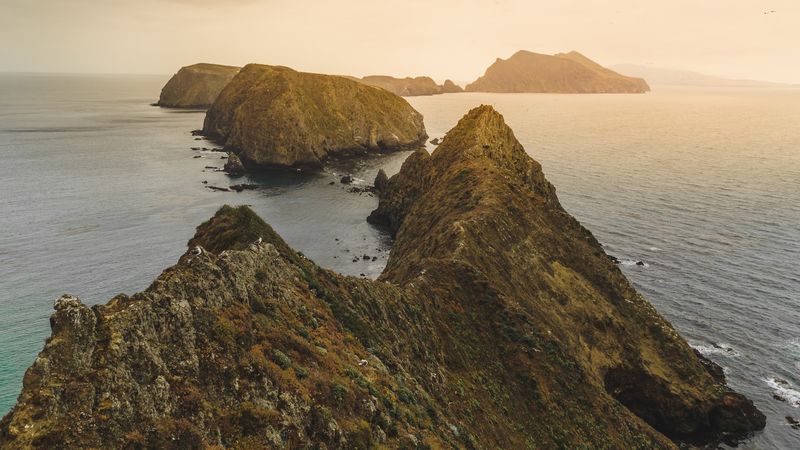
Sitting just 14 miles off the coast of Oxnard, Anacapa Island is actually made up of three separate islets strung together like a broken necklace.
The name itself comes from a Chumash word that roughly translates to “ever-changing” or “mirage,” which feels fitting once the island seems to float above the ocean haze on a warm afternoon.
Anacapa is part of Channel Islands National Park and can be reached by boat through Island Packers, the official concessionaire operating out of Ventura Harbor.
The eastern islet is the only section open to visitors and features a short trail system that loops around the top of the island.
Arch Rock, a naturally formed stone arch rising 40 feet above the waterline, is one of the most photographed landmarks in the entire Channel Islands chain.
The island also serves as a critical nesting ground for Brandt’s cormorants and western gulls, which can make hiking feel surprisingly loud during spring nesting season.
Camping is available on Anacapa with advance reservations through Recreation.gov, and the sites sit right on the cliff edge with sweeping ocean views.
Conditions on the island can change quickly, so checking the National Park Service forecast before visiting is strongly recommended.
2. Santa Cruz Island, Ventura County
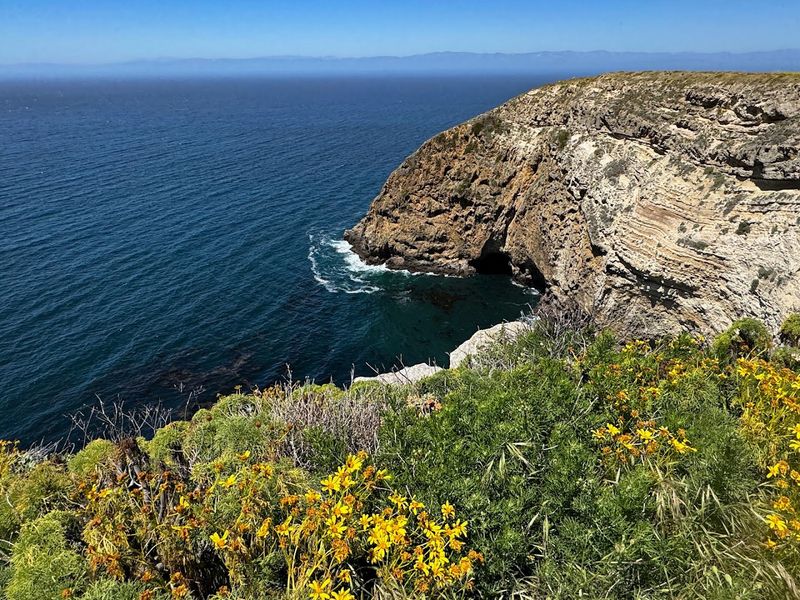
The largest island in the Channel Islands chain, Santa Cruz Island stretches across roughly 96 square miles of rugged terrain, deep canyons, and dramatic sea cliffs.
About 76 percent of the island is managed by The Nature Conservancy, while the National Park Service oversees the eastern end where most visitors land.
The island is accessible by boat through Island Packers departing from Ventura Harbor, with trips typically running around an hour each way depending on sea conditions.
Scorpion Anchorage on the eastern side serves as the main visitor hub, offering a campground, kayak rentals, and trailheads that fan out across the hillsides.
Painted Cave, located on the northwestern coast, is considered one of the largest and deepest sea caves in the world, with an entrance tall enough for a small boat to pass through.
The cave is accessible only by kayak and requires calm conditions to explore safely. Santa Cruz Island is also home to the island scrub-jay, a bird species found nowhere else on Earth.
Wildlife encounters on the trails are common, including island foxes that have recovered remarkably well after a successful conservation program restored their population over the past two decades.
3. Santa Barbara Island, Ventura County
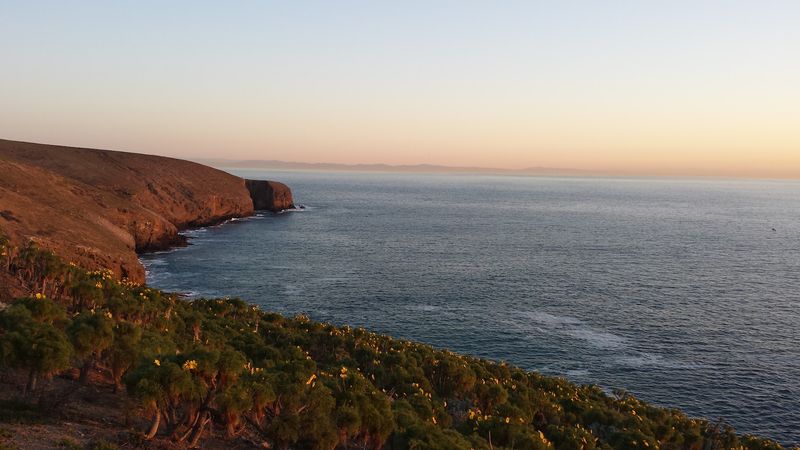
The smallest of the five islands in Channel Islands National Park, Santa Barbara Island covers just one square mile of flat-topped terrain sitting 38 miles southwest of San Pedro.
Despite its modest size, the island packs in a surprising amount of ecological variety, including nesting seabirds, a healthy population of island foxes, and seasonal wildflower blooms that can turn the hillsides vivid yellow during spring.
Boat access is available through Island Packers though trips to Santa Barbara Island run less frequently than service to the northern islands.
A small visitor center and ranger station are located near the landing cove, and a network of trails covers most of the island’s surface area within just a few hours of easy walking.
The cliffs on the southern end drop sharply to the ocean and offer some of the most dramatic coastal scenery in the entire park system.
Brown pelicans, Xantus’s murrelets, and Scripps’s murrelets all nest here, making it a genuinely rewarding destination for birdwatchers.
Camping is permitted on the island with reservations, and the experience of sleeping under a sky with virtually no light pollution is one the island’s quiet rewards.
Conditions at sea can limit access on certain days, so flexibility in travel planning is always a practical advantage when visiting Santa Barbara Island.
4. San Nicolas Island, Ventura County
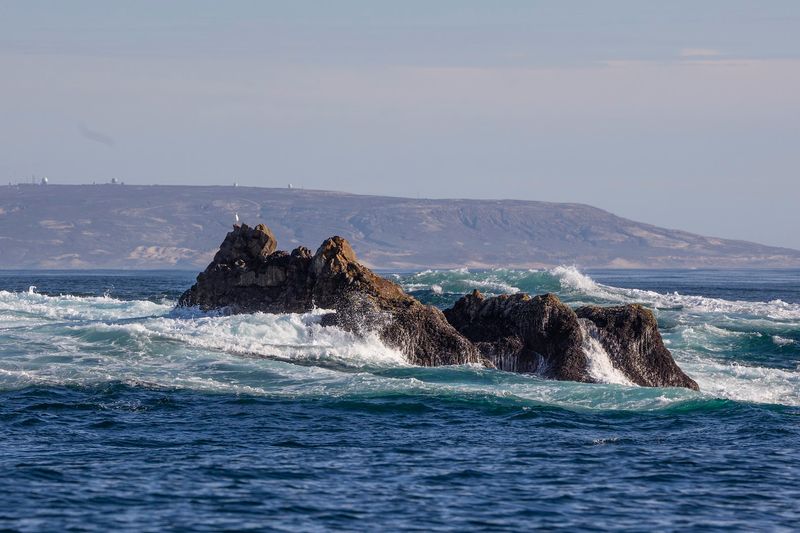
San Nicolas Island is the most remote of the Channel Islands, sitting roughly 60 miles offshore and entirely under the control of the United States Navy.
Public access to the island is not permitted, which means most Californians will never set foot on its sandy shores.
The island gained widespread attention through the historical story of the Lone Woman of San Nicolas, a Nicoleño woman who lived alone on the island for 18 years before being found in 1853, a story later fictionalized in the novel Island of the Blue Dolphins.
The Navy has operated facilities on San Nicolas since World War II and continues to use the island for weapons testing and other military operations.
Despite being closed to the public, the island supports a thriving ecosystem that includes a significant population of island foxes and a large elephant seal colony along its beaches.
Marine research conducted near the island has contributed meaningfully to the understanding of Pacific Ocean ecosystems.
The waters surrounding San Nicolas are part of the Channel Islands National Marine Sanctuary, which provides some level of environmental protection even though the island itself remains restricted.
For those curious about its history and ecology, the Channel Islands National Park visitor center in Ventura offers informational exhibits that touch on San Nicolas and its unique place in California’s coastal story.
5. San Clemente Island, San Diego County
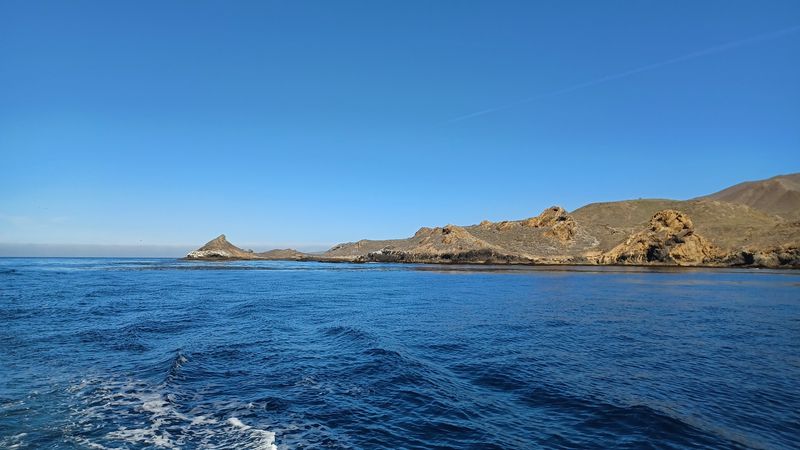
Located about 68 miles west of San Diego, San Clemente Island is the southernmost of the Channel Islands and has been under continuous Navy control since 1934.
The island is used primarily as a live-fire training range, which means civilian access is completely prohibited and has been for decades.
Its restricted status has had an unintended conservation benefit: the island’s interior and coastline have remained largely undisturbed, allowing native species to persist in conditions found almost nowhere else on the mainland.
San Clemente Island is one of the last remaining strongholds for the San Clemente Island loggerhead shrike, a critically endangered subspecies found only here.
Conservation efforts coordinated between the Navy and wildlife agencies have helped stabilize the shrike population over the years.
The island also supports the San Clemente Island fox, a distinct subspecies that was once listed as endangered but has recovered to healthier numbers through active management.
Underwater, the waters around San Clemente are known among the diving community for their clarity and marine biodiversity, though access requires special permits that are rarely granted to the general public.
The island remains one of those places that most Californians know exists but will never actually see up close, which gives it a certain mythic quality in conversations about the state’s more secretive geography.
6. Treasure Island, San Francisco
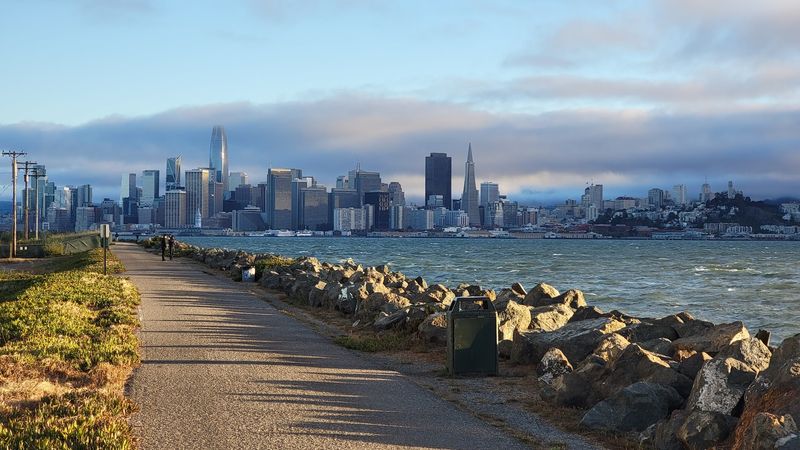
Built entirely by hand between 1936 and 1937 using fill material dredged from the bay, Treasure Island is one of the few places in California that can accurately be called a man-made island.
It was constructed specifically to host the 1939 Golden Gate International Exposition, a World’s Fair celebrating the completion of both the Golden Gate and Bay Bridges.
After the exposition ended, the island was transferred to the Navy and served as a military base for decades before being returned to the City of San Francisco in 1997.
Today, Treasure Island is an active residential neighborhood connected to Yerba Buena Island by a short causeway, and it sits directly along the Bay Bridge between San Francisco and Oakland.
The island offers some of the most striking unobstructed views of the San Francisco skyline available from any point in the bay.
A farmers market runs on select weekends, and several small businesses and food vendors have set up along the waterfront promenade.
Redevelopment plans have been underway for years, with a long-term vision that includes new housing, parks, and expanded public transit access.
The island has a gritty, in-between energy right now that feels genuinely interesting to walk through, especially with those panoramic bay views available at almost every turn.
7. San Miguel Island, Ventura County
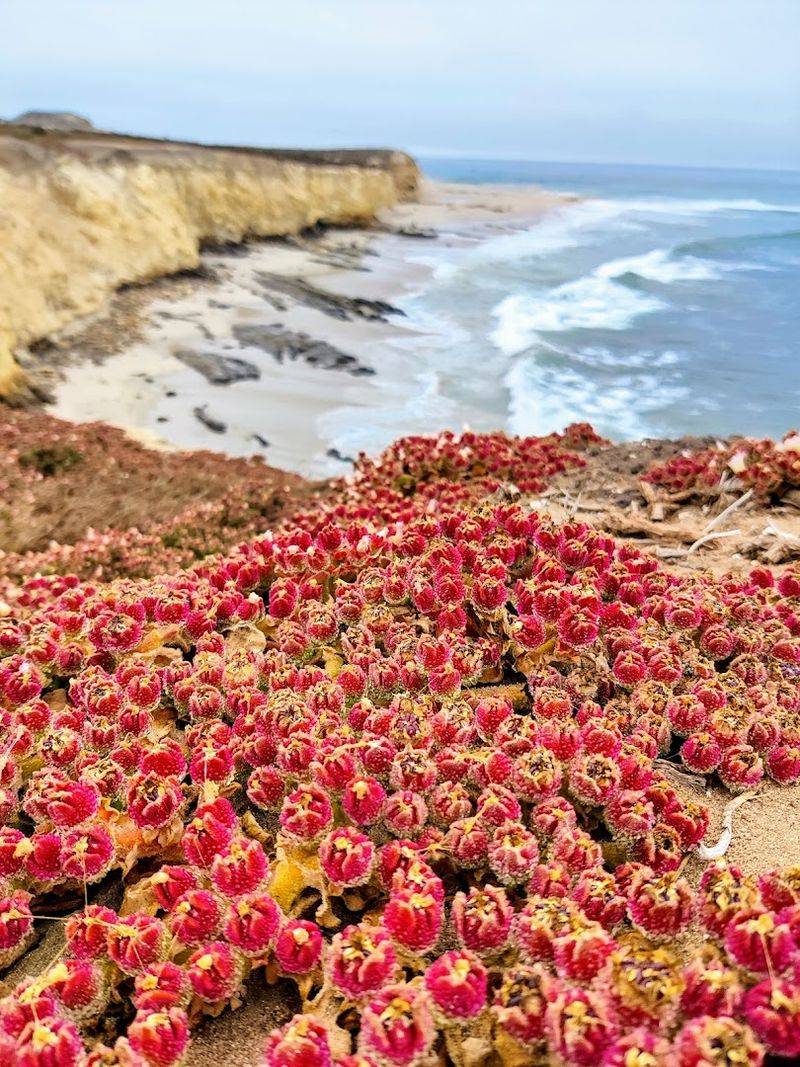
Few places in California feel as genuinely remote as San Miguel Island, the westernmost point in the Channel Islands chain.
Getting there requires a boat trip of roughly four hours from Ventura Harbor, and the crossing can be rough enough that seasickness is a real consideration for many visitors.
The island sits at the convergence of cold northern currents and warmer southern waters, which creates a nutrient-rich marine environment that supports one of the largest pinniped rookeries in the world.
Point Bennett on the western end of the island hosts up to 30,000 seals and sea lions during peak season, representing five different species gathered in one place.
Reaching Point Bennett requires a ranger-guided hike of about 16 miles round trip across a landscape that feels almost lunar in its sparse, windblown character.
The caliche forest near the center of the island is another unusual feature, formed by calcium carbonate casts of ancient plants that hardened into ghostly white formations.
San Miguel receives far fewer visitors than the other Channel Islands, which means wildlife encounters feel undisturbed and the sense of solitude is genuine.
A small campground is available for those who want to stay overnight, though advanced planning and a high tolerance for wind are both essential for a comfortable visit.
8. Yerba Buena Island, San Francisco
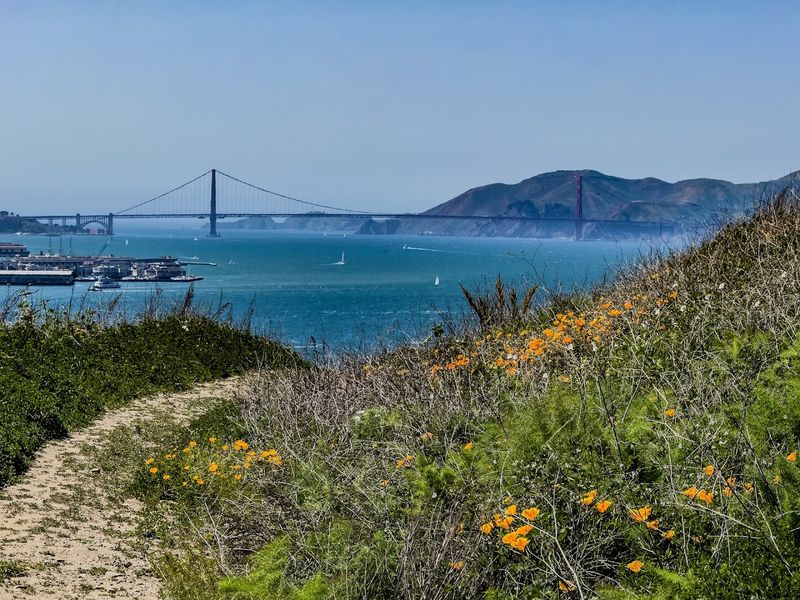
Tucked right in the middle of San Francisco Bay, Yerba Buena Island is the natural rocky core that anchors the eastern span of the Bay Bridge.
Unlike its flat, engineered neighbor Treasure Island, Yerba Buena is a real geological island with steep wooded hillsides, native chaparral, and a history stretching back long before any bridge was built.
Spanish explorers named it in the early 1800s after the wild mint plant that grew across its slopes, though the vegetation has changed considerably since then.
The island has been under federal and then military jurisdiction for most of its modern history, and large portions remain restricted from general public access.
A tunnel bored directly through the island carries Bay Bridge traffic between the western and eastern spans, making Yerba Buena an invisible but essential part of the daily commute for hundreds of thousands of people.
The Coast Guard maintained facilities here for many years, and some historic structures from that era are still visible on the hillsides.
A small portion of the island’s western shoreline is accessible to pedestrians via a path connecting to Treasure Island, offering a quiet spot to watch bay traffic and take in views of the San Francisco waterfront.
The contrast between the island’s forested quiet and the constant hum of bridge traffic just overhead makes for a genuinely unusual urban experience.
9. Terminal Island, Los Angeles
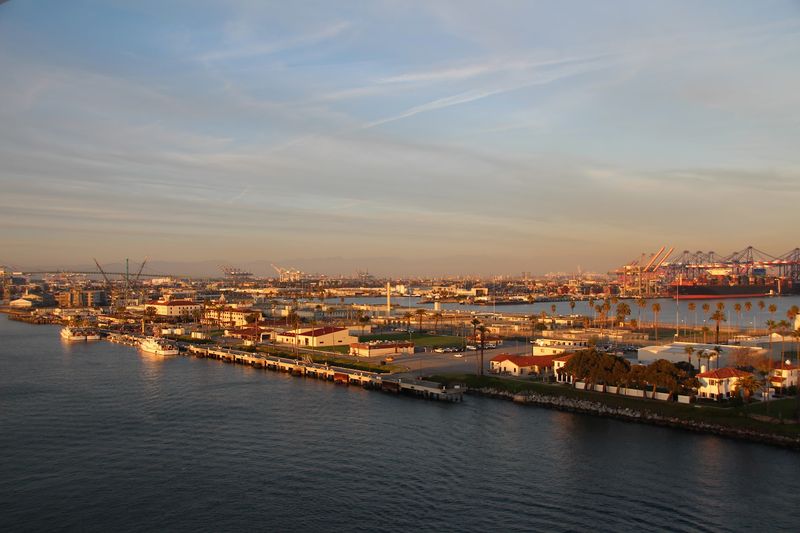
Sandwiched between the ports of Los Angeles and Long Beach, Terminal Island is one of the most industrially dense pieces of land in the entire state.
The island is dominated by shipping terminals, fish canneries, a federal correctional institution, and the infrastructure of one of the busiest port complexes in the Western Hemisphere.
Getting there involves crossing the Gerald Desmond Bridge or the Vincent Thomas Bridge, both of which offer striking elevated views of the sprawling container yards below.
Before World War II, Terminal Island had a thriving Japanese-American fishing community of several thousand residents who built a distinct neighborhood with its own schools, shops, and social organizations.
That community was forcibly removed in February 1942 following Executive Order 9066, and the neighborhood was demolished almost immediately afterward.
A small memorial on the island acknowledges this history, and it stands as one of the lesser-known but deeply significant sites connected to the Japanese American incarceration experience in California.
The island today is almost entirely industrial and not set up for casual tourism, though the memorial is accessible and the views from the bridges are genuinely impressive.
Understanding Terminal Island requires sitting with the tension between its current function as an economic engine and the human community that was erased from it within days of the order being signed.
10. Santa Rosa Island, Ventura County
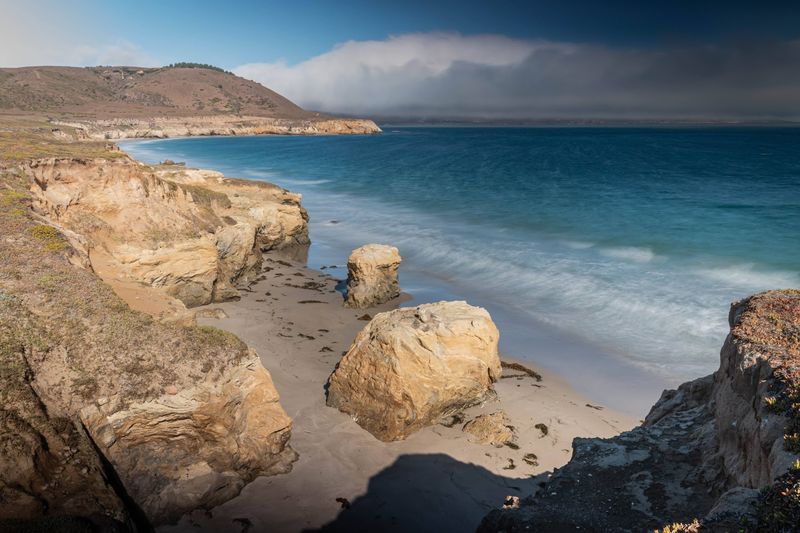
At 83 square miles, Santa Rosa Island is the second-largest of the Channel Islands and one of the most ecologically interesting places in all of California.
Fossil records found here include remains of pygmy mammoths, a species that roamed the island thousands of years ago when sea levels were lower and the northern Channel Islands formed a single landmass.
The island is part of Channel Islands National Park and is reached by boat through Island Packers, with crossing times typically ranging from two to three hours depending on departure point and conditions.
One of the most remarkable features of Santa Rosa is its native Torrey pine grove, a rare species that grows naturally in only two places in the entire world: here and a small coastal area near San Diego.
The trees have a windswept, sculptural quality shaped by decades of ocean gusts.
Hiking trails range from easy beach walks to more demanding routes that climb into the island’s interior canyons.
Camping is available at Water Canyon Campground, which sits in a sheltered eucalyptus grove that offers some protection from the steady coastal winds.
Visitors should pack layers regardless of season, as temperatures and wind conditions can shift considerably throughout the day on Santa Rosa.