A 536-Acre California Theme Park Inspired By Garlic, Artichokes, And Gardens
Theme parks usually move fast. Loud rides. Long lines. A constant push from one attraction to the next. Not every place follows that rhythm. Some feel calmer. More thoughtful.
There is a California theme park that takes a different approach and turns the entire experience into something more relaxed and unexpectedly engaging.
It blends rides with living landscapes, creating a setting where fun and nature exist side by side. The pace feels easier. More open.
Colorful gardens stretch between attractions, and sculpted trees turn simple paths into something worth noticing.
Rides are designed with families in mind, which makes the day feel less rushed and more enjoyable for younger visitors.
There is space to pause, look around, and take in details that would normally be missed in a traditional park.
The result feels different from the moment you walk in. It leans less on intensity and more on atmosphere, offering an experience that stays with you long after the visit ends.
A Theme Park Rooted In Garlic And Artichoke Country
Not many theme parks can say their identity was shaped by a vegetable, but Gilroy Gardens wears that distinction with genuine pride.
The park draws its character directly from Gilroy, California, a city long celebrated as the Garlic Capital of the World.
Garlic and artichokes are woven into the park’s visual identity, ride names, food offerings, and overall personality in ways that feel organic rather than forced.
Located at 3050 Hecker Pass Hwy, Gilroy, CA 95020, the park sits in a region where agriculture has defined the local culture for generations.
Visitors who know Gilroy’s farming roots tend to appreciate the thematic choices more deeply, recognizing that the park is genuinely connected to its surroundings rather than simply using a quirky marketing angle.
The agricultural theme also makes the park feel approachable and grounded in a way that larger commercial parks often do not.
Families who visit with curious kids may find that the food, signage, and garden displays naturally spark conversations about where produce comes from and how farming shapes a community.
That sense of place is one of the more quietly compelling things about spending a day here.
26 Developed Acres Packed With Over 40 Rides And Attractions
Covering 26 acres might not sound enormous compared to mega-parks, but the layout of Gilroy Gardens uses that space remarkably well.
More than 40 rides and attractions are spread across the grounds, offering plenty to do without the exhausting distances that larger parks demand.
The compact-yet-varied layout means families can move between attractions at a comfortable pace without spending half the day walking.
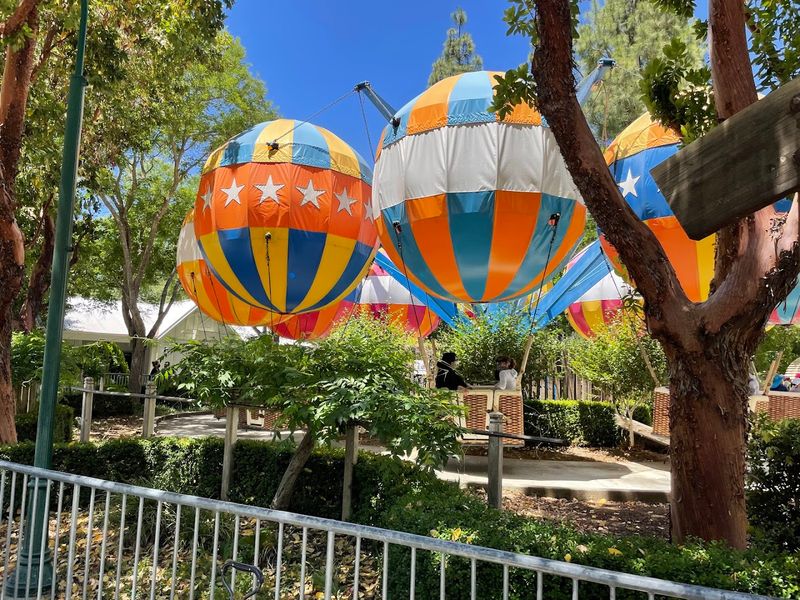
Rides range from gentle carousels and slow-moving train loops to mild coasters and spinning attractions that bring a bit more excitement.
Most of the rides skew toward younger children, making the park an especially practical choice for families with kids roughly between the ages of two and twelve.
Older kids and adults can still find enjoyment in the gardens, seasonal shows, and unique tree exhibits scattered throughout the property.
Planning around the park’s operating schedule is worth doing before arrival since hours vary by season and the park is not open every day of the week.
Weekends during warmer months tend to draw larger crowds, so arriving closer to opening time can make a noticeable difference in wait times and overall comfort.
Checking the official website at gilroygardens.org before visiting ensures the most current schedule information.
The Remarkable Circus Trees That Stop Visitors In Their Tracks

Few things at Gilroy Gardens generate as much genuine wonder as the Circus Trees.
The park is home to 19 of these extraordinary specimens, each one shaped into a sculptural form through a technique called arborsculpture.
The shapes include baskets, arches, and spiraling trunks that look more like living art installations than anything that grew naturally from the ground.
These trees were originally created by Axel Erlandson starting in the 1920s, and their presence at Gilroy Gardens gives the park a connection to horticultural history that is genuinely rare.
Erlandson spent decades perfecting his craft, grafting and training young trees into forms that seemed impossible.
The trees were later acquired and preserved at the park, where they continue to grow and evolve as living structures.
Walking through the Circus Tree area tends to slow people down in the best possible way.
Children and adults alike stop to examine the twisted trunks and interlocking branches, trying to figure out how such shapes came to exist.
Signs near the trees provide context about their origins and the techniques used to create them, turning the stroll into a genuinely educational experience that does not feel like a lecture.
A Nonprofit With An Educational Mission At Its Core

Behind the rides and gardens, Gilroy Gardens operates as a 501(c)(3) nonprofit educational institution, which sets it apart from nearly every other theme park in California.
The mission centers on educating and inspiring families, particularly children, to appreciate horticulture, the importance of trees, and the broader natural world.
That mission shapes the experience in subtle but meaningful ways throughout the park.
Interactive learning stations are placed throughout the grounds, giving visitors opportunities to engage with plant science, ecology, and agricultural history in hands-on ways.
The park also offers structured educational field trips for school groups, providing a curriculum-connected experience that combines outdoor exploration with classroom-relevant content.
Teachers and parents who prioritize learning alongside fun tend to find the park’s approach genuinely refreshing.
Being a nonprofit also influences how the park reinvests its resources.
Rather than directing profits toward shareholders, the organization channels revenue back into maintaining the gardens, expanding educational programming, and preserving the unique living collections like the Circus Trees.
For families who want their spending to support something meaningful, knowing that admission fees contribute to an educational mission rather than a corporate bottom line adds a layer of satisfaction to the visit.
Seasonal Events That Transform The Park Throughout The Year

One of the more appealing aspects of Gilroy Gardens is how dramatically the park changes with each season.
Special events throughout the year give returning visitors a fresh reason to come back, and each event brings its own distinct atmosphere, decorations, and programming.
The calendar includes celebrations tied to Halloween, winter holidays, and the region’s agricultural heritage.
The Halloween season brings a popular event called The Great Big BOO, which features candy stations, festive decorations, themed lighting, and a trick-or-treat trail through the park.
During the winter holiday season, North Pole Nights transforms the grounds with seasonal lights and entertainment that creates a noticeably different feel from the daytime summer experience.
Both events tend to draw larger crowds, so purchasing tickets in advance and arriving early is a practical approach.
Summer visits offer access to the water attractions that are not available in cooler months, adding another layer of variety to the seasonal rotation.
The park also connects to Gilroy’s broader garlic heritage through celebrations that reflect the region’s agricultural identity.
Checking the events calendar on the official website before planning a visit helps ensure families choose the experience that best fits their interests and the ages of the children in their group.
Water Attractions That Make Summer Visits Especially Fun

Summer days at Gilroy Gardens carry a different energy than visits in cooler months, largely because of the water play areas that open when temperatures climb.
Two notable water attractions, Water Oasis and Lakeside Splash, offer splash zones and water slides designed with younger children in mind.
The areas provide a welcome break from the heat and give kids a chance to burn off energy in a completely different way than the dry rides do.
Water Oasis tends to cater to toddlers and smaller children with gentler water features and shallow splash areas that keep things manageable for parents watching multiple kids at once.
Lakeside Splash steps up the intensity slightly with slides and more active water play suited for older children who want a bit more adventure.
Both areas are included with regular park admission during the summer season, which adds considerable value to the overall ticket price.
Bringing a change of clothes and a small bag for wet items is a practical move that most experienced visitors recommend.
Towels and sun protection are also worth packing since the water areas are largely open to the sky.
The water attractions are not available during seasonal evening events, so families specifically interested in those features should plan a daytime summer visit to make the most of them.
Interactive Educational Exhibits Woven Into The Landscape
Education at Gilroy Gardens does not feel like a detour from the fun.
Instead, the park weaves learning opportunities directly into the landscape so that families encounter them naturally while moving between rides and gardens.
Interactive stations invite visitors to explore topics like plant growth, tree biology, and the role of pollinators in the food system without requiring anyone to sit in a classroom setting.
The educational programming extends beyond casual exhibits to include organized field trip experiences for school groups.
Teachers can arrange visits that align with curriculum standards, giving students a hands-on outdoor learning environment that complements what they cover in the classroom.
The combination of live plants, shaped trees, butterfly habitats, and garden ecosystems provides a genuinely rich setting for science education.
Even families visiting without any educational agenda tend to absorb information organically simply by reading the signs, observing the gardens, and asking questions that the park’s environment naturally prompts.
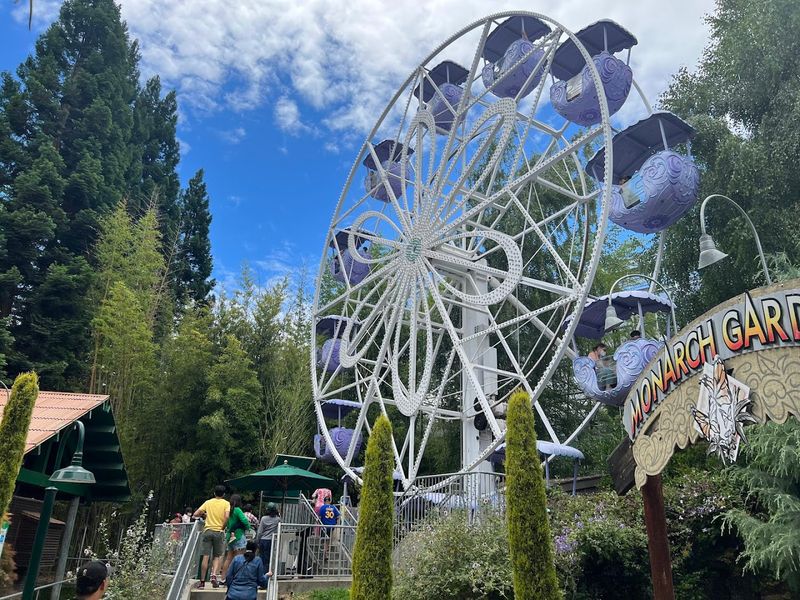
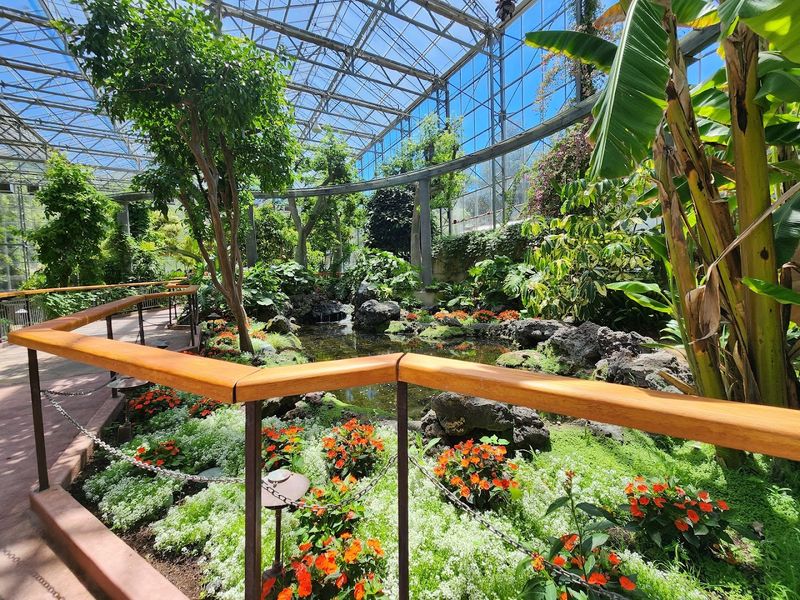
The presence of a 60-foot greenhouse, living Circus Trees, and a dedicated Monarch Garden means that curious minds of all ages have plenty to discover beyond the rides.
That layered quality, where entertainment and learning coexist without competing, is part of what makes the park feel distinct from a conventional amusement park.
Meet Gil And Roy: The Park’s Beloved Mascots
Every great theme park has a character that kids instantly recognize, and Gilroy Gardens has two.
Gil and Roy serve as the park’s official mascots, representing the city of Gilroy in a playful and approachable way that resonates especially well with young visitors.
Their names are a direct nod to the city itself, reinforcing the park’s strong sense of local identity.
Mascot appearances throughout the park add a layer of excitement for younger children who light up at the chance to interact with a familiar character.
Meet-and-greet opportunities and seasonal event appearances give families a chance to capture photos and create memories that go beyond the rides themselves.
For toddlers and preschool-aged children especially, these character interactions can become the most talked-about part of a visit.
The mascots also appear on park merchandise, signage, and promotional materials, making them recognizable symbols of the Gilroy Gardens brand.
Their design reflects the agricultural and garden-themed identity of the park, tying the characters back to the broader story the park tells about food, nature, and community.
Families visiting for the first time may want to check the park’s daily schedule to find out when and where character appearances are planned so younger kids do not miss the chance to say hello.
Sustainable Water Practices Behind The Scenes
Running a theme park responsibly requires thinking beyond the guest experience, and Gilroy Gardens takes its environmental responsibilities seriously.
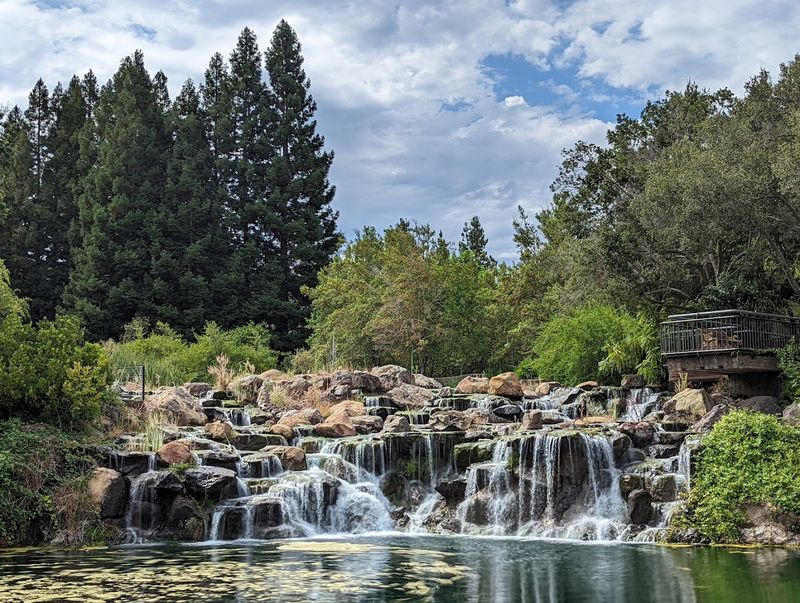
The park actively recycles water used for irrigating plants and filling its lake, creeks, and waterfall features.
Rather than drawing continuously from outside water sources, the system recirculates water throughout the property in a way that reduces overall consumption.
That commitment to sustainability fits naturally with the park’s broader mission as an educational institution focused on horticulture and environmental appreciation.
Teaching visitors, especially children, about the importance of conservation becomes more credible when the park itself models those practices in its daily operations.
The water recycling system is one of the more behind-the-scenes examples of how the nonprofit’s values extend beyond programming and into infrastructure.
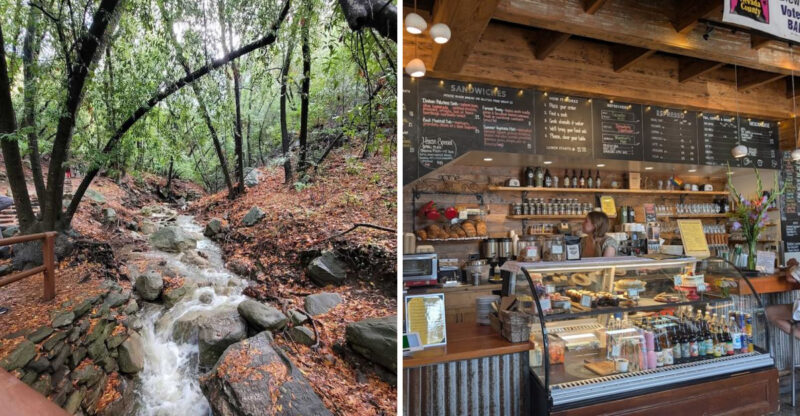
Visitors exploring the park may notice the creek pathways, small waterfalls, and the central lake that give the grounds a naturalistic quality distinct from typical concrete-and-steel amusement parks.
Those water features contribute to the park’s peaceful atmosphere and support the plant life that makes the gardens so visually appealing.
Knowing that those same features are part of a closed-loop water system adds a quiet layer of meaning to what might otherwise seem like purely decorative landscaping.
Six Distinct Gardens Including A 60-Foot Tropical Greenhouse
The garden experiences at Gilroy Gardens go well beyond decorative flower beds placed between rides.
The park features six distinct garden areas, each with its own character, plant collection, and educational focus.
Together they create a living landscape that shifts in color, texture, and atmosphere as visitors move through the grounds.
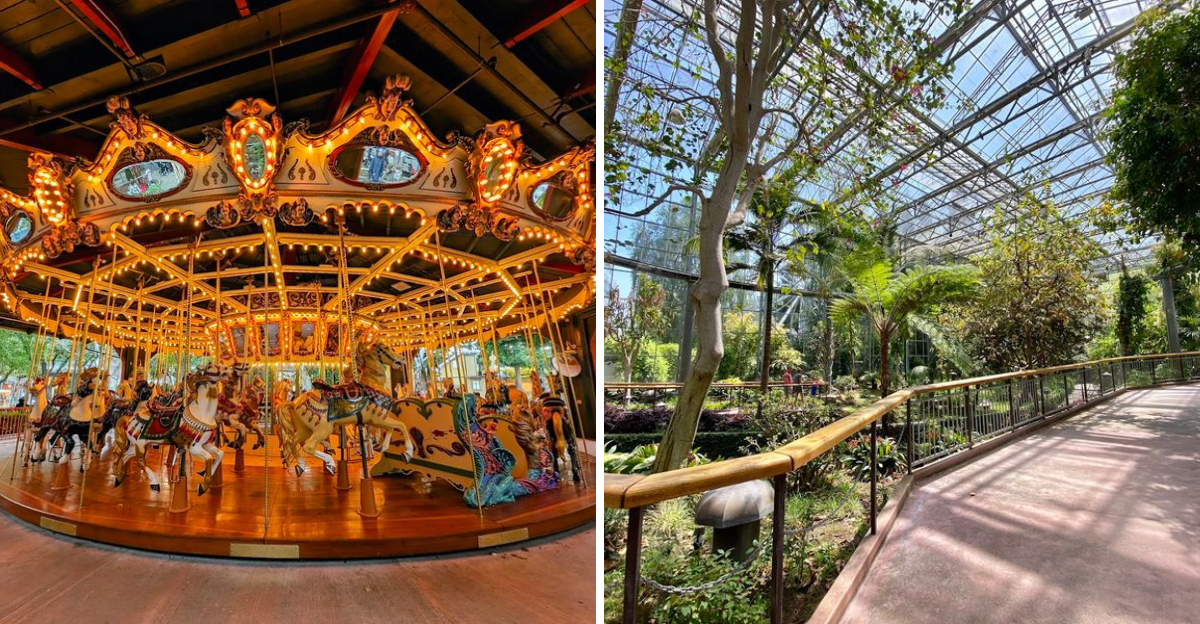
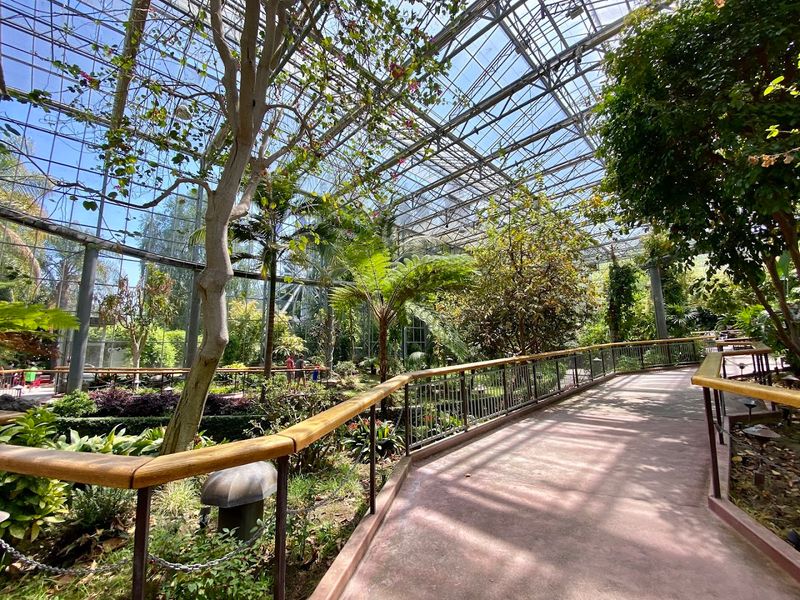
The standout among these is the Monarch Garden, a 60-foot-tall greenhouse that houses an impressive collection of tropical plants alongside monarch butterflies.
Stepping inside the greenhouse offers a sensory shift that feels genuinely transportive, with warm humidity, lush greenery, and the occasional flutter of butterfly wings at eye level.
It is the kind of space that tends to quiet even the most energetic children for a few minutes.
The other garden areas throughout the park feature plants suited to California’s climate alongside specimens that reflect the region’s agricultural heritage.
Seasonal blooms and carefully maintained plantings mean the visual experience changes depending on when a visit takes place.
Families who visit multiple times throughout the year often notice meaningful differences in what is flowering or growing, which gives the gardens a dynamic quality that static exhibits simply cannot replicate.
The overall effect is a park that feels genuinely alive in a way that goes beyond the movement of rides.
A Family-Friendly Atmosphere Built For Young Children

The design philosophy at Gilroy Gardens centers on making the experience genuinely comfortable for families with young children rather than simply tolerating their presence.
Ride heights and intensity levels skew toward toddlers and elementary-aged kids, with most attractions accessible to children who might be turned away at larger, thrill-focused parks.
That intentional calibration creates an environment where young visitors feel like the main audience rather than an afterthought.
The relaxed pacing of the park also contributes to its family-friendly reputation.
Wide pathways, shaded garden areas, and seating distributed throughout the grounds make it easier for parents to manage the natural rhythm of a day with small children, including rest breaks, snack stops, and the occasional meltdown recovery moment.
The overall atmosphere tends to feel unhurried compared to larger parks where crowds and queues create a constant sense of pressure.
Admission pricing at Gilroy Gardens is generally considered more accessible than major California theme parks, and membership options provide additional value for families who plan to visit more than once in a year.
Parking carries a separate fee, so factoring that into the budget before arrival avoids surprises at the gate.
For families with children roughly between the ages of two and ten, the park consistently delivers a day that feels well-matched to what that age group actually enjoys.