This Unassuming California Preserve Is Secretly Home To Some Of The World’s Most Exotic Big Cats
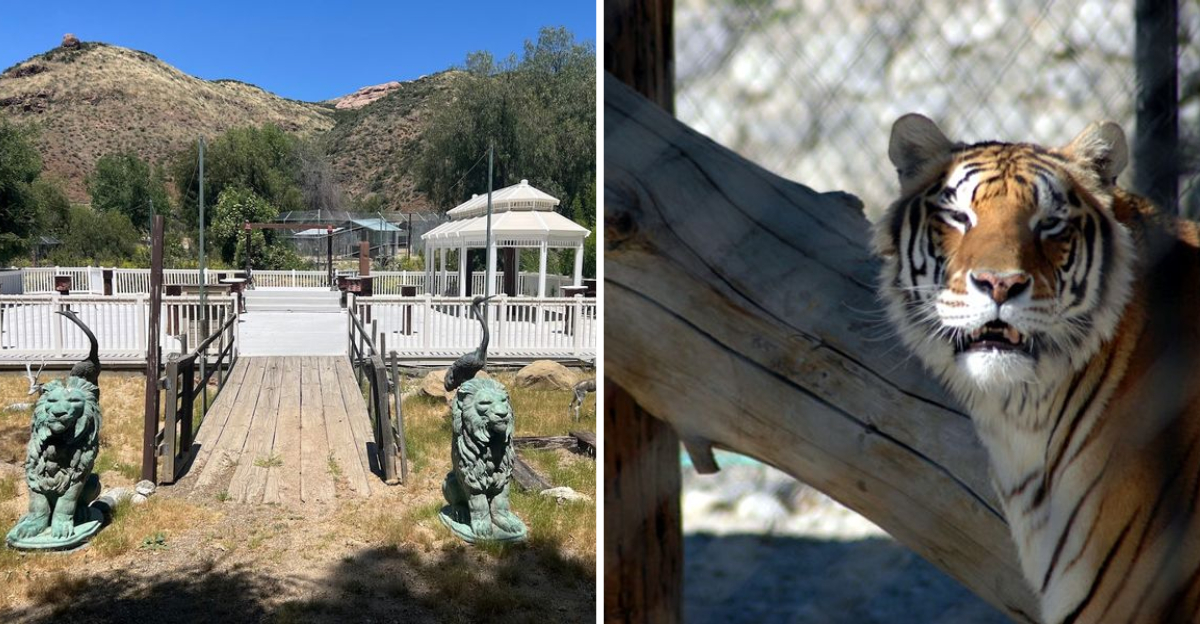
You don’t expect to see something like this up close. Not really. Big cats usually feel distant. Out of reach. Then you realize this isn’t a zoo, and everything about the experience shifts.
The space feels quieter than expected, but it carries a kind of presence that’s hard to ignore, with each enclosure built around what the animals actually need rather than what looks impressive from the outside.
You slow down without thinking. Watch longer. Listen more carefully.
Movement catches your eye. A tiger pacing. A lion resting in the shade. Nothing feels staged. That’s what makes it land. You’re seeing them on their terms, not yours.
There are places in California that make you rethink how animals should be cared for.
That’s where it stays with you. Not just the animals, but the intention behind it. And by the time you leave, it feels less like a visit and more like something you were lucky to experience at all.
Hedren And The ROAR Foundation
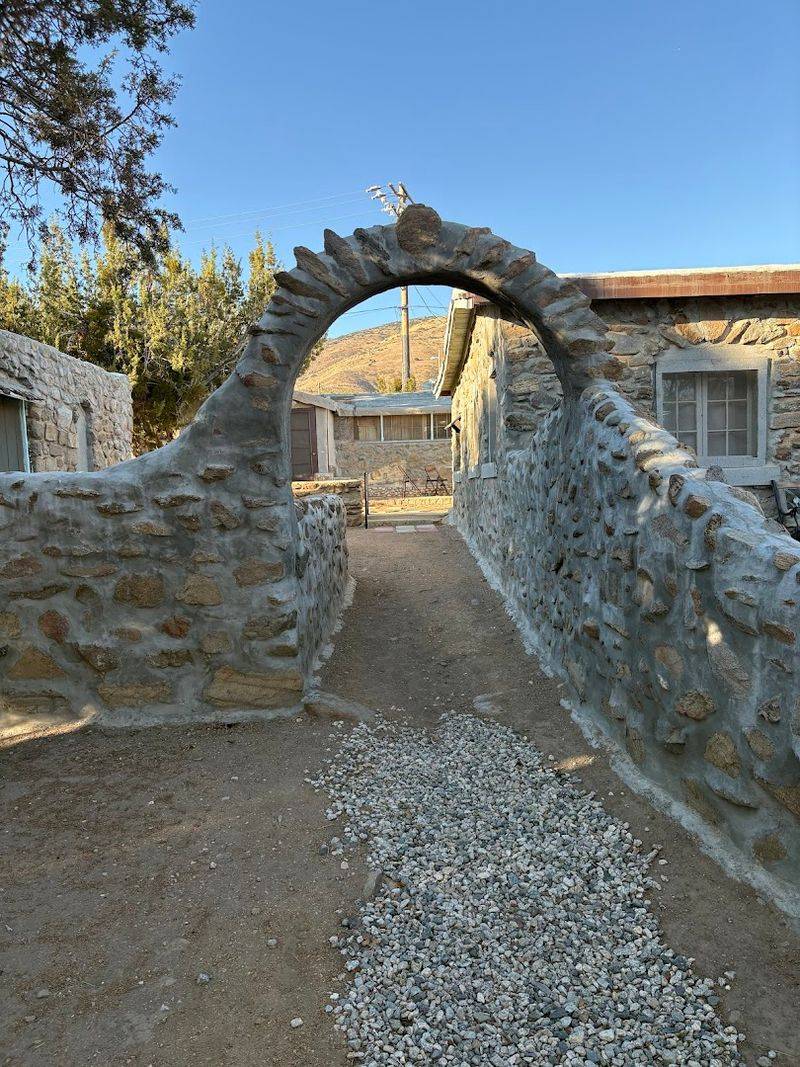
Few wildlife sanctuaries in America possess an origin story as unexpected as this specific haven.
Hollywood actress Tippi Hedren established the preserve after her profound experiences with big cats during a film production.
That movie project introduced her family to lions and leopards, leading to a lifetime commitment to their welfare.
The nonprofit organization provides permanent care for exotic felines that suffered from previous neglect or private ownership.
Hedren has resided on this property for decades and continues as its most vocal advocate for animal rights.
The mission has remained steadfast for over fifty years, focusing entirely on the well-being of the rescued residents.
This sanctuary became a leading model for how legitimate rescue operations should function within the state of California.
Every corner of the land reflects a devotion to these animals that is authentic rather than merely a performance.
The facility is found at 6867 Soledad Canyon Road, Acton, CA 93510, where the high desert air meets the rescue mission.
My visit allowed me to see how this space serves as a sanctuary for those with no other options.
Tour Experience And Logistics
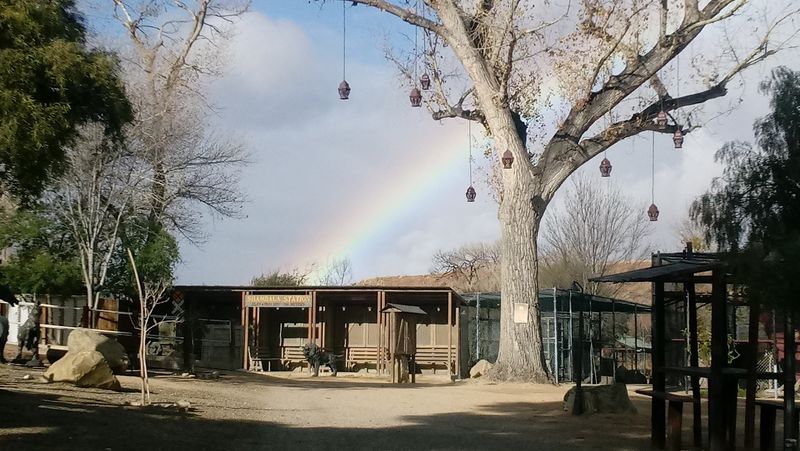
Reservations for the monthly tours require significant planning because the limited spots fill up almost immediately.
The entrance feels like a private ranch, lacking the loud advertisements usually associated with major wildlife attractions.
I followed a knowledgeable guide along a path that winds through the natural enclosures under the bright sun.
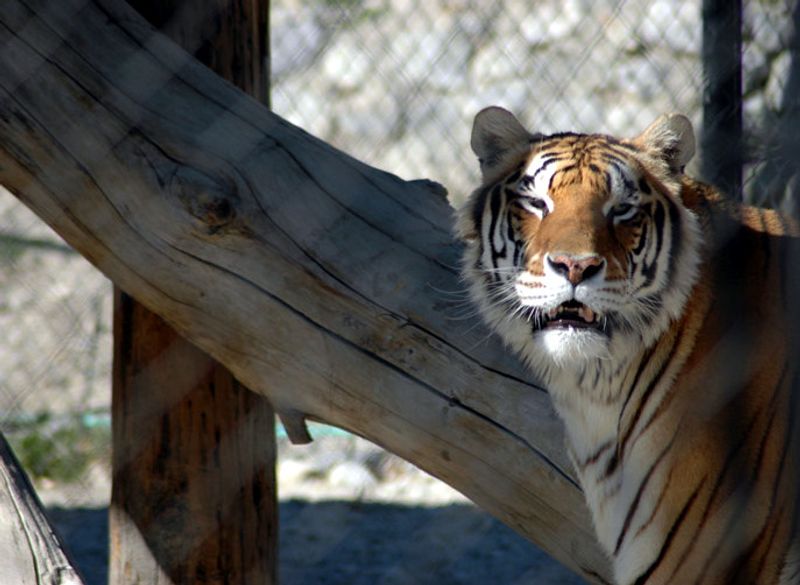
Standing a few feet from a full-grown Bengal tiger provided a sense of awe that stayed with me.
Guides share the specific history of each resident, explaining the circumstances that brought them to this desert refuge.
Small group sizes ensure that the animals are not stressed by a constant flow of foot traffic.
Interaction is kept to a minimum to prioritize the comfort and natural behavior of the lions and tigers.
This context transforms a simple walk into a meaningful educational journey about the exotic animal trade.
I appreciated the silence of the high desert which allowed the sounds of the cats to be heard clearly.
Wearing sturdy shoes proved essential because the tour covers the uneven terrain of the rugged canyon property.
A camera with a long lens is helpful for capturing the cats from a safe and respectful distance.
Species And Resident Profiles
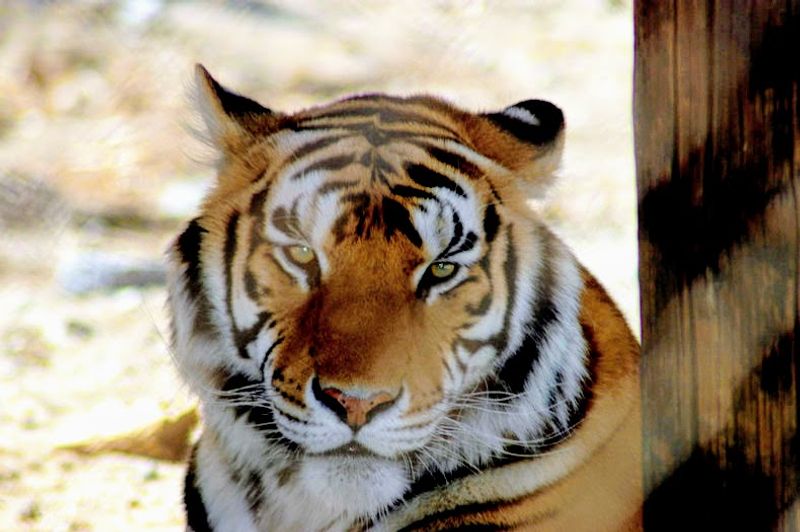
The word exotic is used with precision here to describe the lions, leopards, and cougars resting in the shade.
Employees prepare specific diets to ensure every feline receives the proper nutrition for their age and health.
They recognize each cat by their distinct personality, from the shyest cougar to the most social lion.
One expert I spoke with mentioned how the feeding schedule is the most demanding part of the day.
The enclosures allow the cats to move freely and survey their surroundings from elevated wooden platforms.
The leopards use the natural rocks to blend into the landscape during the heat of the afternoon.
Every animal has a name and a documented history that the foundation tracks with professional care.
The population shifts over time as the sanctuary provides a final home for these aging predators.
High Desert Sanctuary Setting
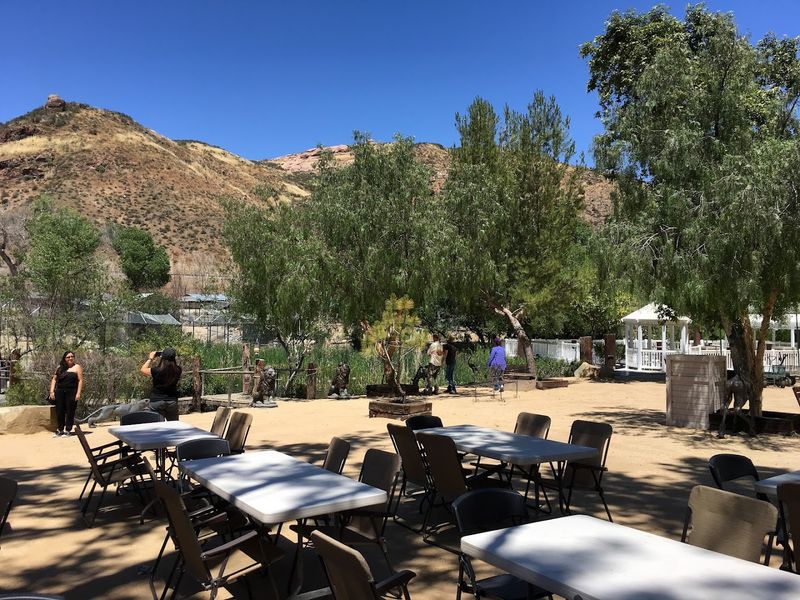
The terrain consists of rocky hillsides and native scrub that feels completely removed from the nearby urban sprawl.
Rugged beauty defines the forty-acre property where the enclosures are built to follow the existing desert topography.
I noticed the scent of sage and warm earth which added to the primitive feeling of the environment.
A dry stream bed winds through the canyon, occasionally offering greenery during the wetter months of the year.
Some felines enjoy pools for cooling off when the California sun reaches its daily peak.
The open sky and natural desert sounds create an atmosphere far superior to any concrete city facility.
This rugged scenery allows the lions to behave more naturally than they would in a standard zoo setting.
I felt the stillness of the landscape which seemed to suit the slow pace of the lounging predators.
Topography plays a vital role in the quality of life, offering varied heights for the cats to explore.
The land itself feels alive and perfectly suited for a mission of this magnitude and importance.
Ethics And Advocacy Efforts
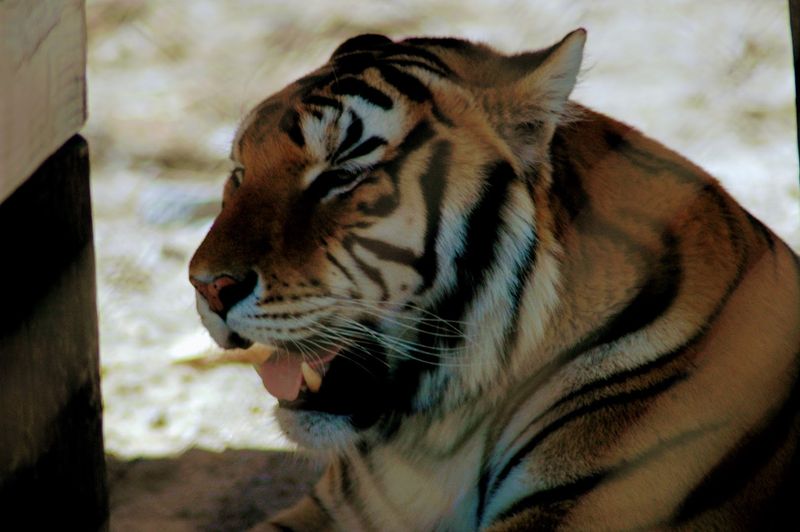
The foundation takes a firm stance against cub petting and any hands-on encounters with the exotic residents.
Guides explain the pipeline of private ownership that often begins with photo opportunities in other facilities.
I learned that the admission fee directly supports veterinary care and food sourced from across the country.
Policy conversations often include voices from this preserve to push for stricter ownership laws on a national level.
Ethical clarity remains the hallmark of the operation, ensuring that the animals never have to perform.
The organization educates the public about why these magnificent creatures cannot be released back into the wild.
I found the transparency regarding the financial challenges of running a nonprofit to be quite refreshing.
Supporting this mission means funding a lifetime of safety for creatures that were once discarded by society.
Legislation like the Big Cat Public Safety Act received significant support from the leaders of this sanctuary.
The focus stays on the cats, proving that true welfare requires a total rejection of commercial exploitation.
Staff And Volunteer Dedication
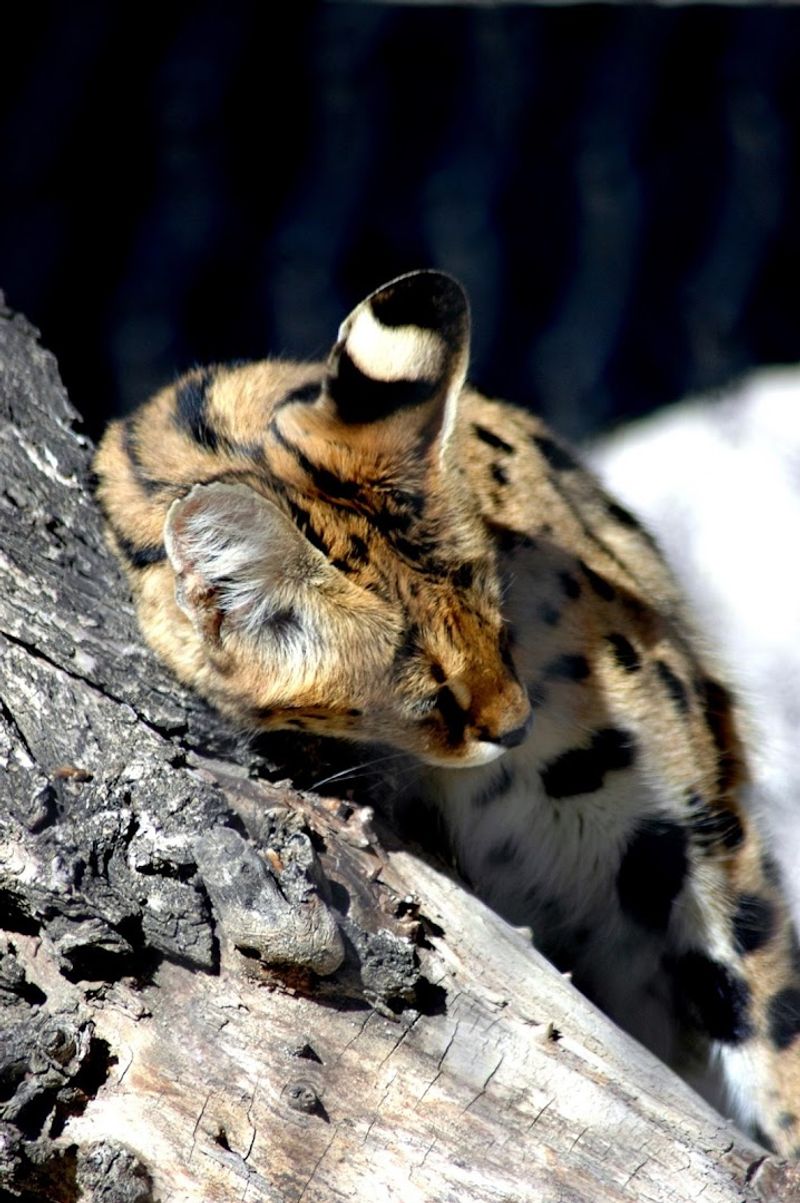
The daily operations depend on a team that handles everything from maintenance to public education with grace.
I spoke with several people who chose this demanding work because of a deep passion for animal protection.
Feeding these large predators is a massive undertaking that costs thousands of dollars every single morning.
Fundraising remains a constant necessity to keep the medical facility and enclosures in top condition.
Guides answer difficult questions about the future of the species with honesty and technical expertise.
I witnessed the genuine care in the eyes of the handlers as they spoke about the oldest residents.
Nothing about the presentation felt scripted, allowing the real stories of the animals to shine through.
The scale of the logistics required to run a desert sanctuary is truly impressive to witness in person.
Every individual I met carried a wealth of knowledge about the specific needs of the various cat species.
The love for the work is visible in every interaction between the staff and the animals they guard.
Educational Mission And Impact
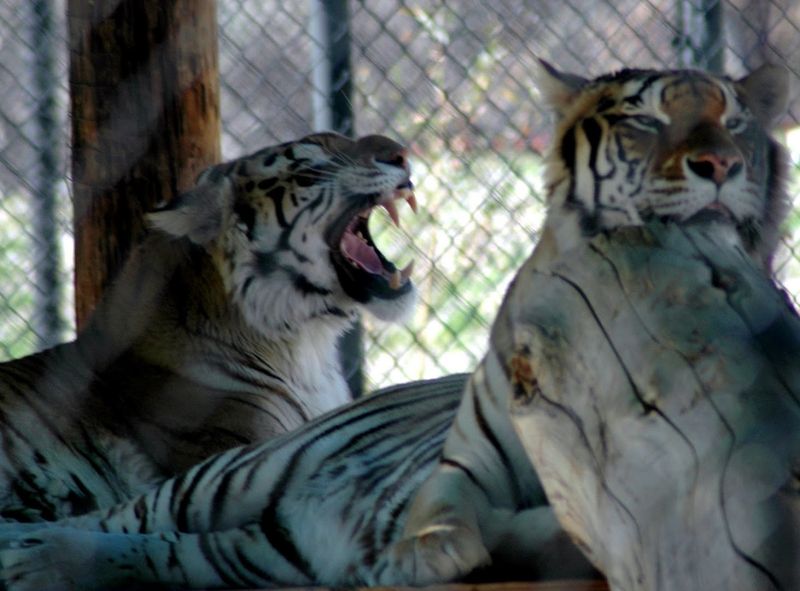
A visit here does not just show you beautiful animals; it provides the vocabulary to understand a national issue.
The preserve uses educational materials throughout the property to make its case clearly and without any sensation.
I was struck by the fact that more tigers live in rescue places than remain in the wild globally.
This information is intended to push visitors toward real action and support for legislative reform.
The foundation educates the public about the dangers of wildlife trafficking and the ethics of captive breeding.
My time spent reading the displays helped me grasp the complexities of animal conservation in the modern world.
Advocacy is woven into every tour, encouraging a deeper respect for these predators and their natural rights.
The program reflects a long history of testifying before lawmakers to ensure safer conditions for all big cats.
Walking out of the property, I felt informed in a way that no standard zoo visit has ever managed to achieve.
This dedication to truth-telling is what sets the mission apart from traditional entertainment-based wildlife attractions.
Preparing For Your Visit
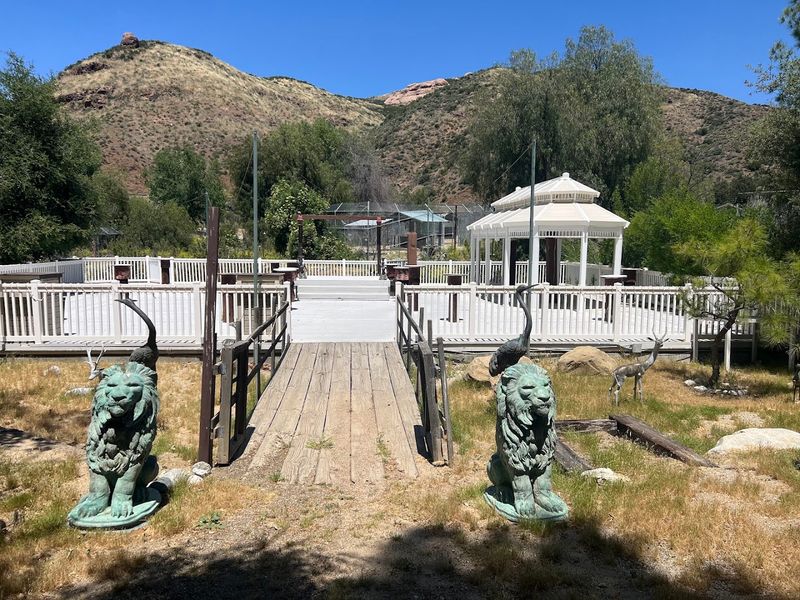
Planning ahead is essential since the designated weekend slots are extremely limited and sought after by travelers.
I recommend checking the website early to secure tickets before they vanish due to high local demand.
The phone line is available for specific questions regarding the terrain or weather conditions in the high desert.
Comfortable walking shoes are mandatory because you will be navigating rocky and uneven paths across the canyon.
I found that wearing layers helped me stay comfortable as the morning chill turned into desert heat by noon.
Parking is located on site, but the drive from central Los Angeles can take over an hour depending on traffic.
Bringing a bottle of water and a hat is a smart decision for anyone spending several hours outdoors.
The preserve requested that I leave my own pets at home to maintain a calm environment for the residents.
A small gift shop offers items that directly fund the ongoing medical and food costs for the rescued felines.
Preparing properly allowed me to focus entirely on the experience of seeing these majestic creatures up close.
Supporting The Future Sanctuary
This organization has thrived for decades on a combination of admission fees and the sheer willpower of its staff.
The longevity of the nonprofit is truly impressive in a world where funding for wildlife can be quite volatile.
I believe that choosing to visit such a transparent facility is a powerful way to vote with your tourism dollars.
The preserve represents a global model for how wildlife centers can operate with total integrity and heart.
Donations from individuals like me ensure that the lions and leopards have a safe home for the rest of their lives.
Seeing a tiger look you in the eye is a rare moment that underscores the importance of this ongoing work.
A place this quietly extraordinary deserves to remain a priority for every thoughtful traveler visiting the state.
The future of these animals depends on the continued engagement of a public that values welfare over entertainment.
Every contribution helps provide the peace and safety that these rescued felines have rightfully earned over time.
I left feeling that my support had made a tangible difference in the life of a creature with no other voice.
If you care about animal welfare and unforgettable experiences, isn’t this a place you have to visit for yourself?