A 1-Mile Hike To Secluded Northern California Beach Rewards Visitors With Redwood Views, Seals, And Wildflowers
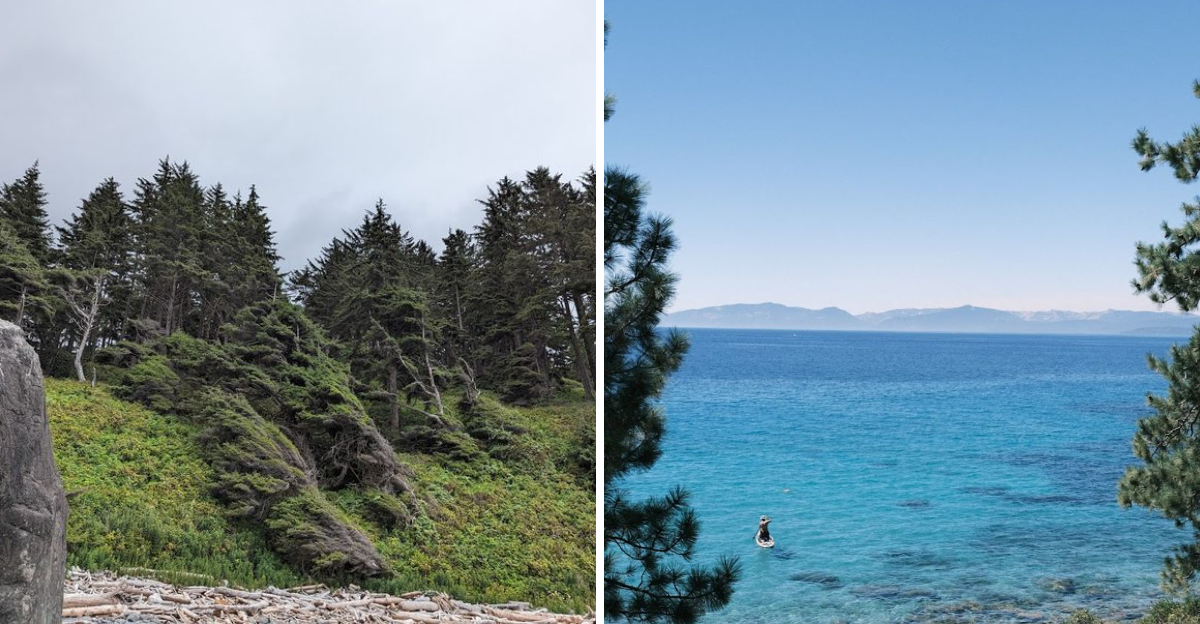
Getting there takes a little effort, and that is exactly why it feels so different. The path winds through dense forest where the light filters softly through towering trees and the air carries that cool coastal edge.
Each step pulls you further away from everything familiar and closer to something that feels untouched.
The shift happens all at once. Trees open up. The ocean comes into view. The shoreline stretches out in a way that feels quiet and almost private.
Dark sand, scattered driftwood, and the steady rhythm of waves create a setting that does not try to impress but still manages to do exactly that.
This California beach feels like one of those places you almost want to keep to yourself.
Wildflowers add small bursts of color in spring, and seals can often be seen resting offshore without much movement at all.
Nothing feels rushed here. Time slows down in a way that is hard to explain until you stand there.
Tucked within Redwood National and State Parks near Klamath, this stretch of coastline offers a rare kind of escape that rewards anyone willing to make the short hike down.
The Location That Keeps Hidden Beach Off The Radar
Not every great beach announces itself with a sign and a parking lot.
Hidden Beach earns its name honestly, sitting within Redwood National and State Parks near Klamath in Del Norte County, California, completely out of sight from Highway 101.
Drivers passing through the area would have no idea it exists unless they already knew to look for it.
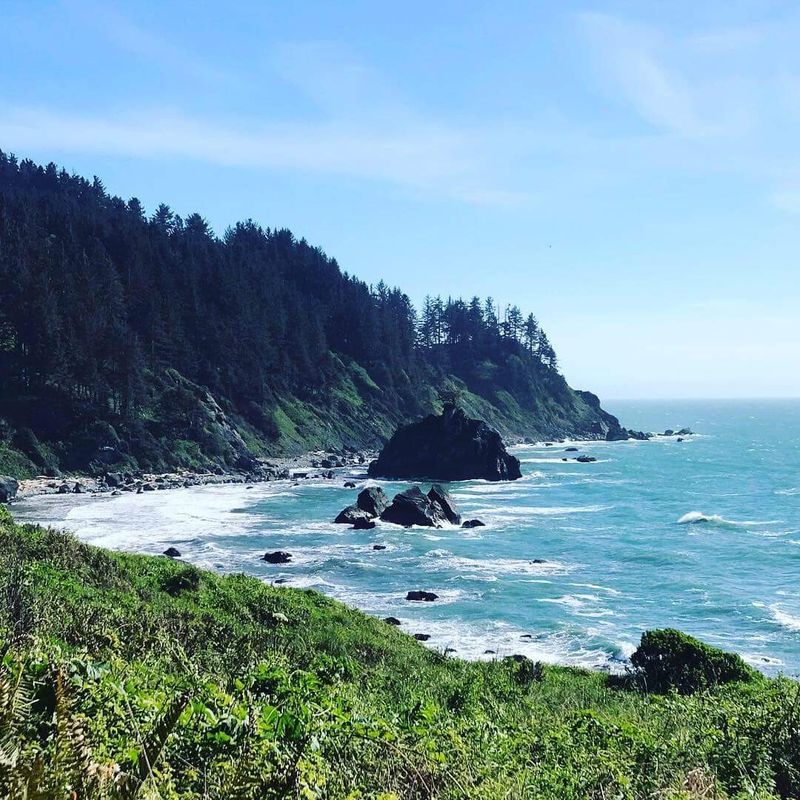
The beach is positioned along one of the most wild and undeveloped stretches of the Northern California coastline.
Steep, overgrown hillsides wrap around the shoreline, creating a natural enclosure that blocks views from above and keeps the area feeling private.
There are no concession stands, no lifeguards, and no facilities of any kind once visitors reach the sand.
That remoteness is precisely the draw.
The surrounding landscape within Redwood National and State Parks protects the area from development, which means the beach stays in a largely natural state year-round.
Visitors who make the trip tend to find far fewer people than at more accessible beaches, making it a genuinely quiet place to spend a few hours along the coast.
How The Trailhead Is Found Near Trees Of Mystery
Finding the trailhead takes a little attention since it does not have the kind of bold signage visitors might expect.
The starting point starts at near the Trees of Mystery area along Highway 101, a well-known attraction near Klamath, California.
Knowing that landmark makes the trailhead much easier to locate.
The entrance is somewhat tucked against the tree line, which adds to the overall sense of discovery before the hike even begins.
Parking is available near the highway, and from there the trail leads almost immediately into dense coastal forest.
The transition from roadside to forest happens quickly, and the noise of passing cars fades within just a few minutes of walking.
For visitors using a GPS or mapping app, searching for Hidden Beach Trail near Klamath, California tends to bring up reliable directions.
Arriving earlier in the day helps secure a parking spot, especially during summer weekends when traffic along the 101 corridor picks up.
The trailhead itself is modest but functional, marking the beginning of a short and scenic journey toward the coast.
Trail Distance And What Hikers Can Expect Underfoot
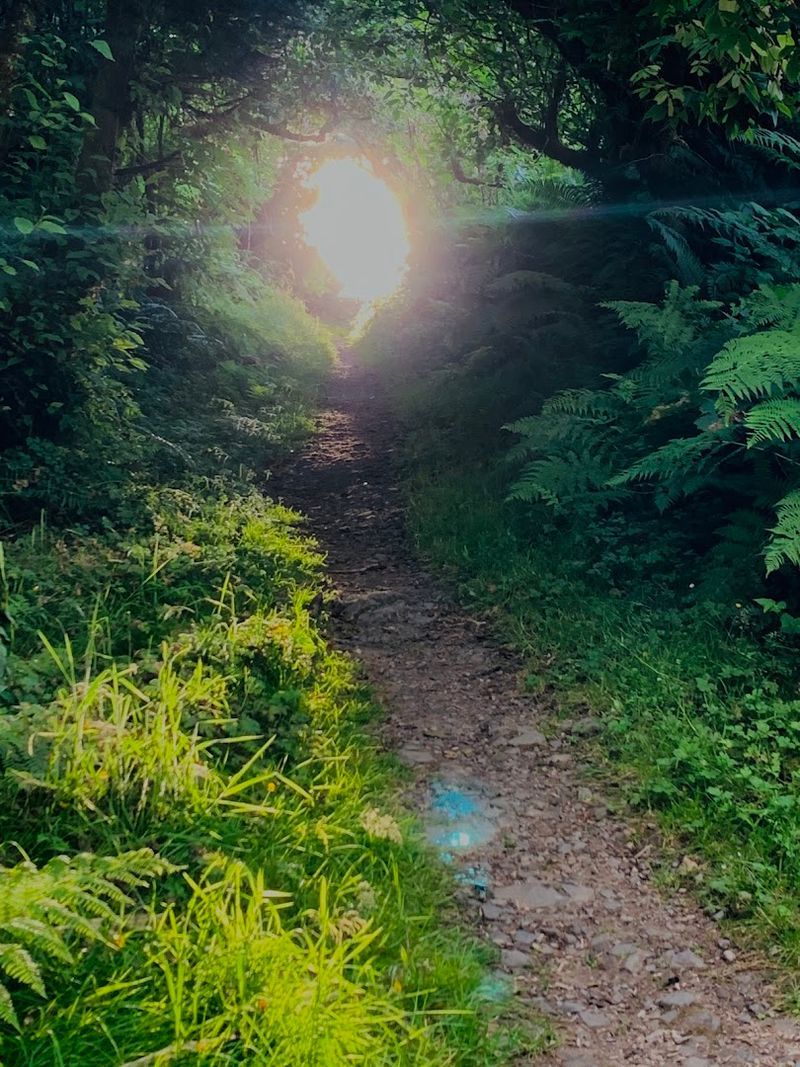
The most direct route to Hidden Beach covers approximately 0.7 miles one way from the trailhead near Highway 101.
That distance makes it accessible to a wide range of hikers, including families with older children, though the terrain adds a layer of challenge that is worth knowing about in advance.
Tree roots cross the path in several places, and sections of the trail can become muddy after rain.
There are also steep portions, particularly as the trail descends toward the beach, where footing requires more care.
Sturdy closed-toe shoes or hiking boots make a noticeable difference in comfort and stability compared to sandals or sneakers.
An alternative route follows the Coastal Trail and extends the journey to roughly 3 miles one way, offering sweeping ocean views and more time among the redwoods.
That longer path begins at the Klamath Overlook on Requa Road and provides a more gradual approach to the beach.
Both routes deliver a satisfying payoff at the end, though the shorter trail is the more practical choice for visitors with limited time or younger hikers in the group.
The Coastal Trail Route From Klamath Overlook
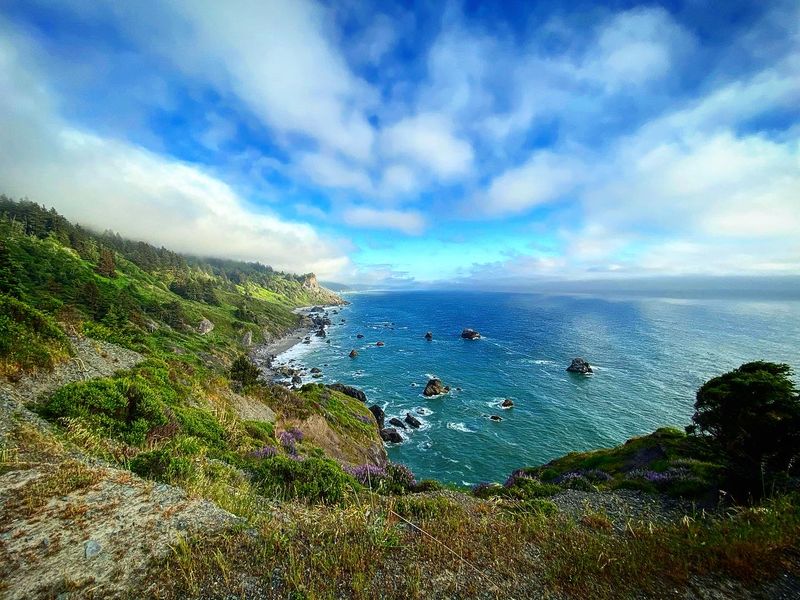
For hikers who want a longer and more scenic approach, the Coastal Trail from the Klamath Overlook on Requa Road offers a genuinely memorable alternative.
The round trip on this route covers approximately 6 miles, making it a half-day commitment that rewards the effort with some of the most dramatic coastal scenery in Northern California.
Much of the trail runs at elevation, providing intermittent views down to the Pacific through breaks in the tree canopy.
The path moves in and out of forest cover, alternating between shaded stretches beneath towering redwoods and open sections where the ocean becomes visible far below.
Sea lions can sometimes be heard calling from rocky coves along the route, adding an unexpected layer of wildlife sound to the walk.
The trail is generally well maintained and clearly marked, which helps hikers stay on course even when the forest feels dense.
Starting from the Klamath Overlook also provides a strong sense of orientation, with the Pacific stretching out to the west before the descent into the trees begins.
Carrying water and wearing layers is advisable since coastal temperatures can shift throughout the day.
What The Beach Looks Like When Visitors Arrive
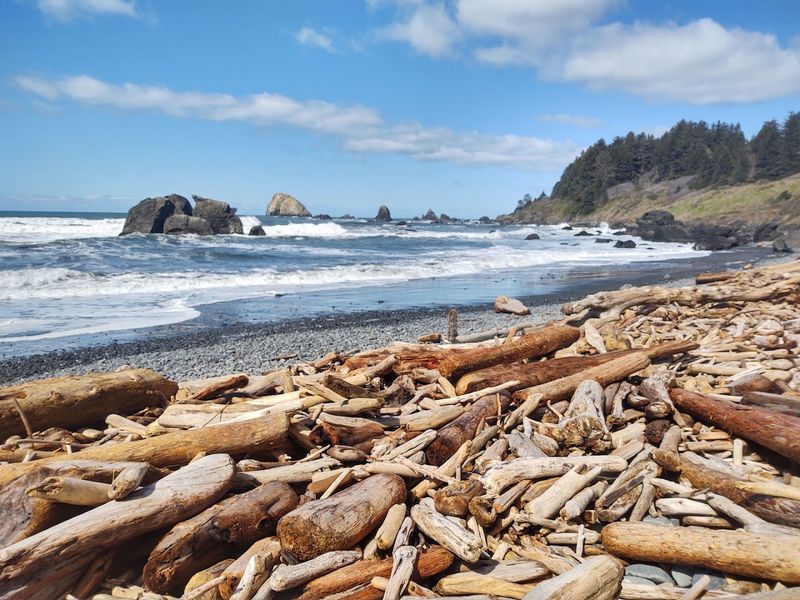
Arriving at Hidden Beach for the first time tends to produce a genuine pause.
The sand is dark grey rather than the pale tan of more familiar California beaches, and massive driftwood logs are scattered across the shoreline in dense, layered piles.
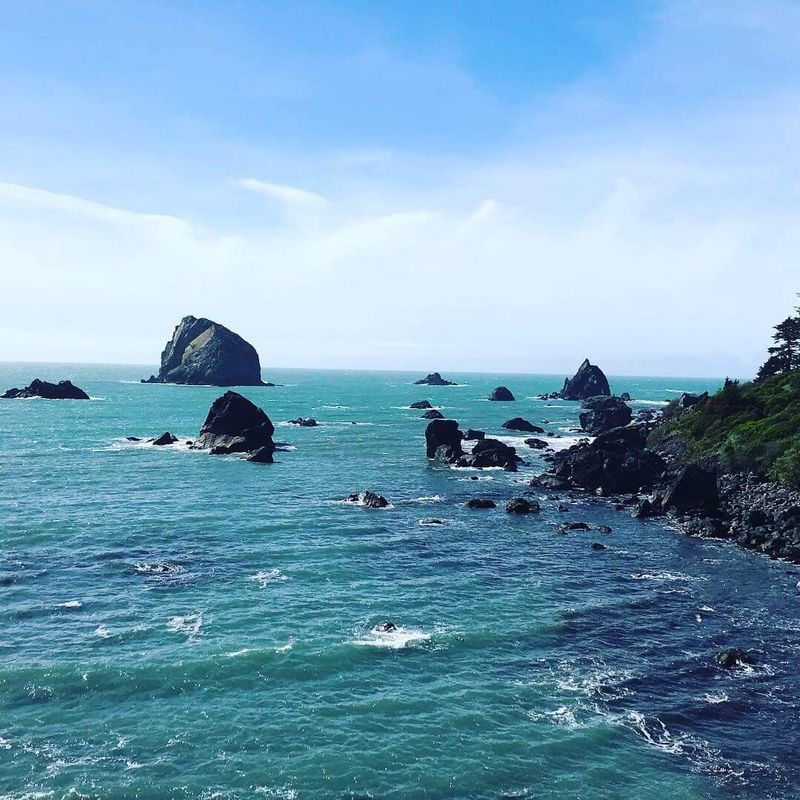
Offshore, a prominent sea stack rises from the water, giving the view a dramatic focal point.
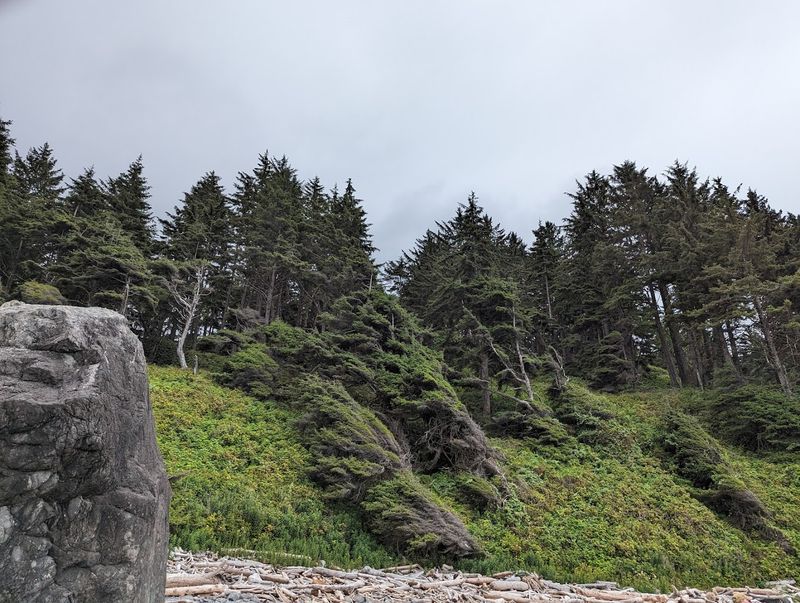
The beach is enclosed by steep hillsides covered in thick coastal vegetation, which creates a bowl-like feeling that amplifies the sense of seclusion.
Boulders of varying sizes are distributed across the sand and into the surf zone, adding texture and making the landscape feel more like a wilderness setting than a typical beach destination.
The overall atmosphere is raw, quiet, and unhurried.
Visitors should be aware that the driftwood can make walking along the beach physically demanding.
Logs are sometimes stacked several feet high in certain areas, requiring careful footing.
The shoreline also tends to be narrower than at open-coast beaches, especially during high tide, so checking tide tables before visiting helps with planning.
Arriving at or near low tide generally provides the most accessible and enjoyable experience on the sand.
Harbor Seals And The Marine Life Near The Shore
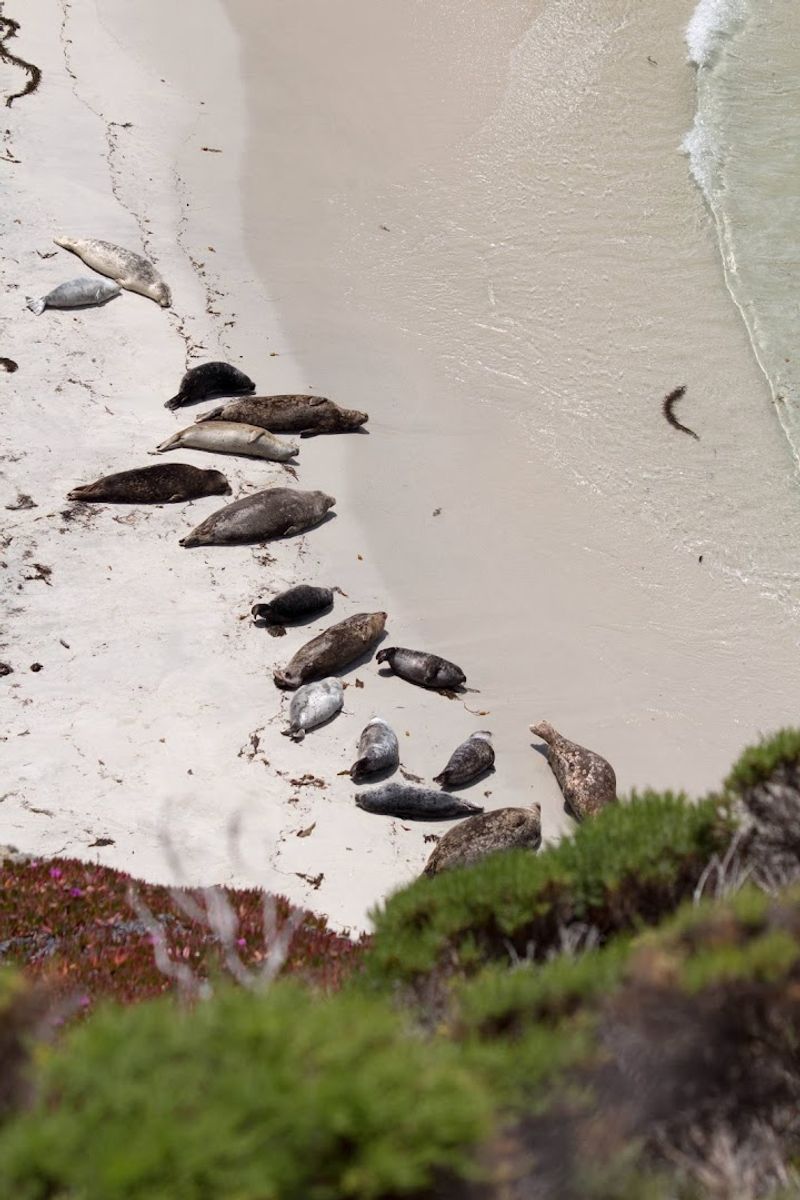
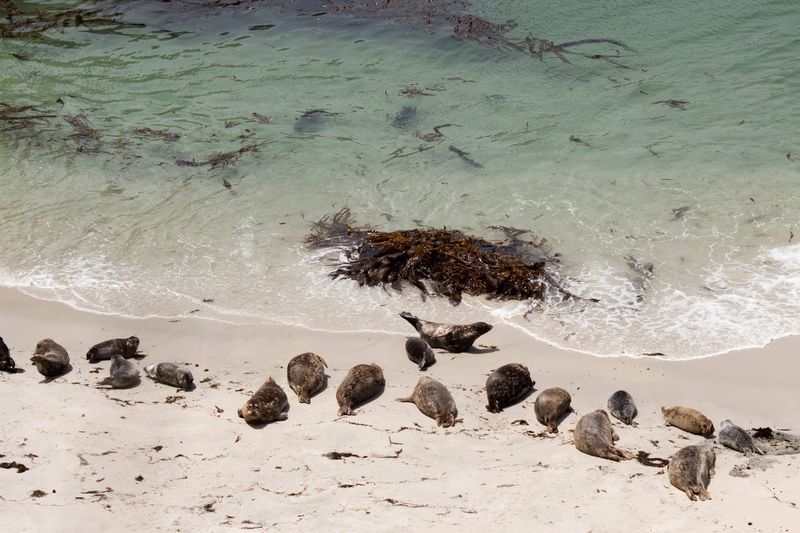
Harbor seals are among the most reliable wildlife sightings at Hidden Beach, and spotting them requires very little effort once visitors reach the shoreline.
The seals tend to haul out on offshore rocks, where they rest in loose groups between feeding sessions in the Pacific.
Watching them from the beach is easy since the rocks sit close enough to shore for clear observation.
California sea lions also appear in the area, particularly adult and subadult males, and they are often heard before they are seen.
Their calls carry across the water and can sometimes be detected from the Coastal Trail well before reaching the beach.
River otters have also been documented in the coastal estuaries and surf zones near Redwood National and State Parks, though sightings are less predictable.
Keeping a respectful distance from any marine mammals encountered near the water is important for both safety and the animals’ wellbeing.
Getting too close can cause unnecessary stress to the animals, particularly seals that are resting or nursing young.
Binoculars are a practical addition to any packing list for visitors hoping to observe wildlife without disturbing it during the visit.
Seasonal Wildflowers Along The Trail And Beach Edges
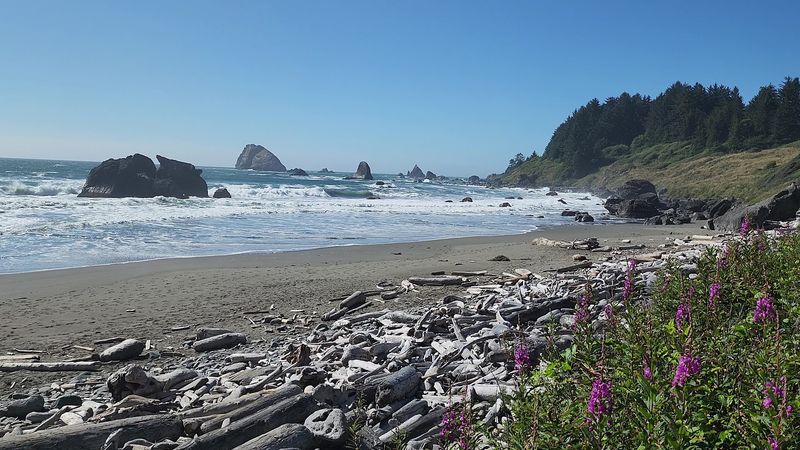
Spring transforms the trail to Hidden Beach into something that feels unexpectedly lush and colorful.
Yellow sand verbena, coast Indian paintbrush, Pacific bleeding heart, and seaside woolly sunflower are among the species that bloom along the coastal path and at the edges of the beach during the warmer months.
The variety of colors against the backdrop of dark forest and grey sand creates a striking contrast.
Beach strawberry grows low along sandy margins, while California fuchsia adds bright red-orange tones later in the season.
Common monkeyflower appears near wetter sections of the trail, often clustering around areas where water drains across the path.
Together these species contribute to a layered and dynamic coastal plant community that changes noticeably from month to month.
For visitors with an interest in plant identification, carrying a regional wildflower guide or using a plant identification app adds depth to the hike.
The diversity of species in and around Redwood National and State Parks reflects the unique conditions created by coastal fog, mild temperatures, and nutrient-rich soils.
Even visitors without a strong interest in botany tend to notice and appreciate the color and variety on display during peak bloom season.
The Best Time Of Year To Plan A Visit
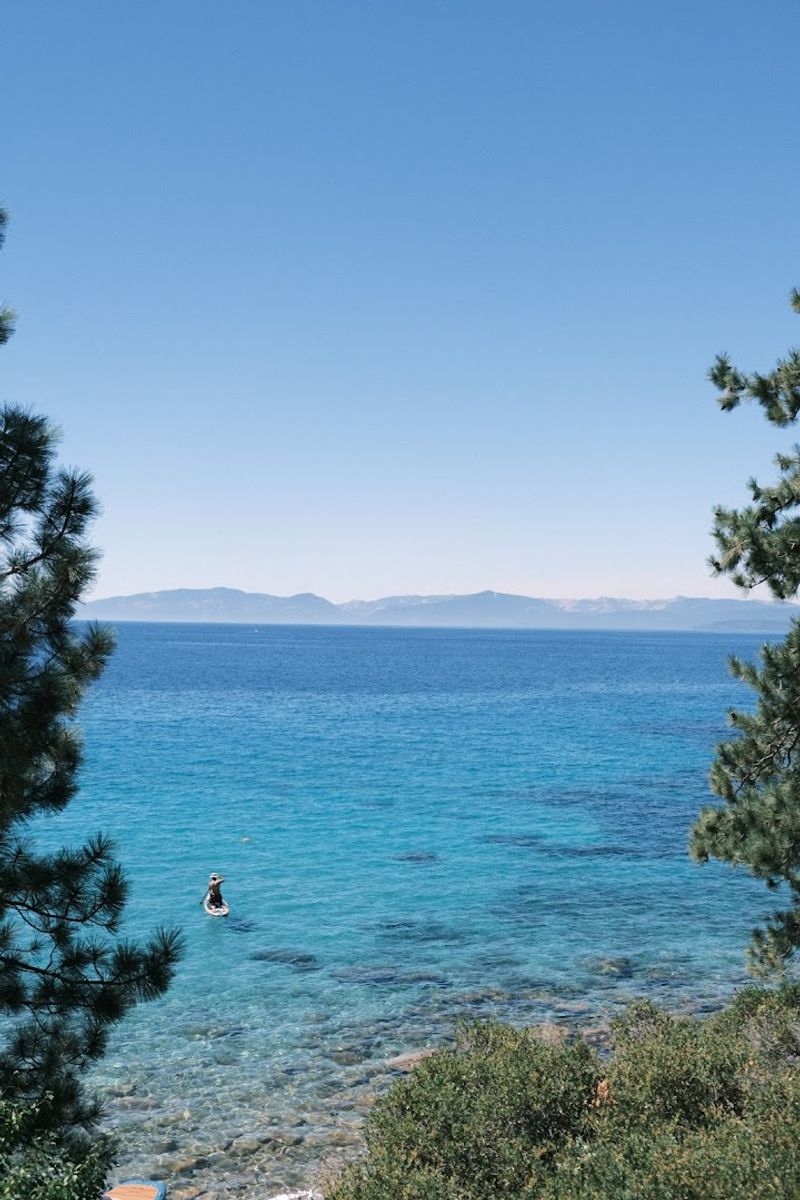
Hidden Beach is technically open to visitors year-round, but the experience changes considerably depending on the season.
Spring offers the most visually dynamic combination of blooming wildflowers, moderate temperatures, and longer daylight hours for hiking.
Late April through early June tends to be a particularly good window for visitors hoping to see both coastal flora and wildlife activity at their peak.
Summer brings warmer conditions inland but the Northern California coast typically stays cool and foggy, especially in the mornings.
Afternoon fog can roll in quickly and reduce visibility along the shore, so layering with a wind-resistant jacket is a practical habit regardless of the forecast.
The fog also creates a moody, atmospheric quality that many visitors find appealing rather than discouraging.
Fall can offer clearer skies and calmer surf compared to winter, making it a quieter and often underappreciated time to visit.
Winter brings heavier rain and rougher wave conditions, which can limit beach access and make the trail more slippery in spots.
Checking the National Park Service website or a local weather service before heading out helps visitors prepare for whatever conditions the coast may deliver on any given day.
Redwood Trees That Frame The Hike To The Beach
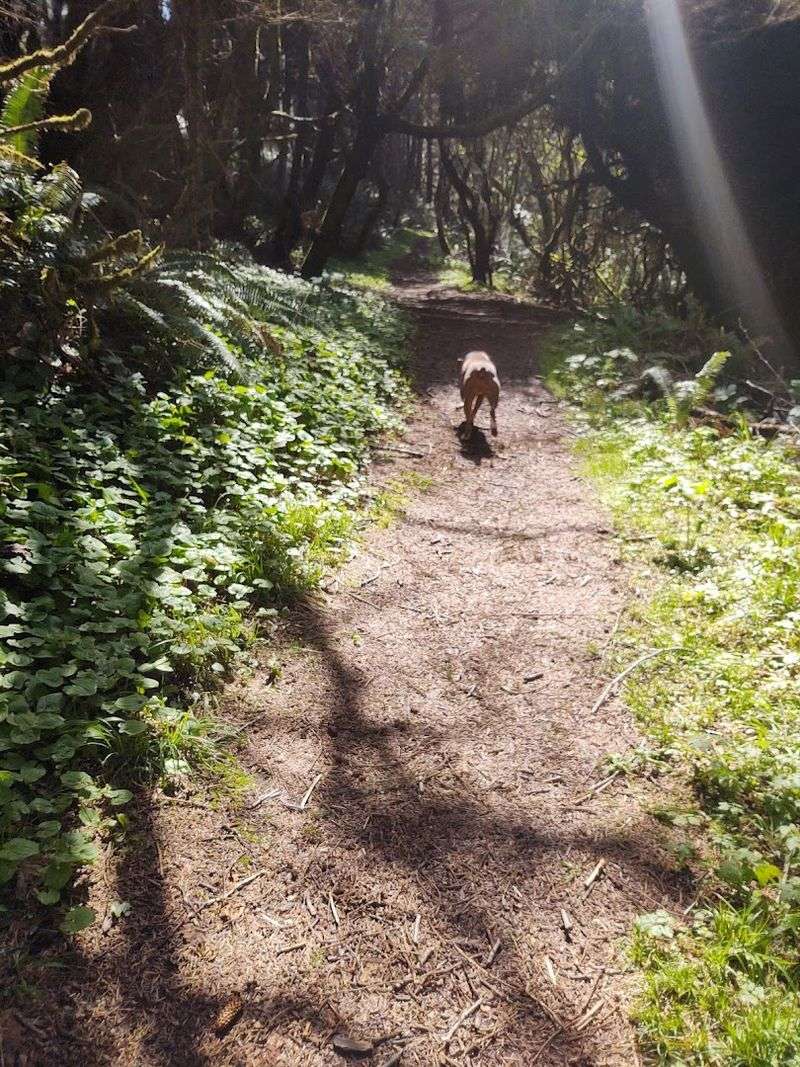
One of the most memorable parts of reaching Hidden Beach is not the beach itself but the forest that surrounds the trail leading to it.
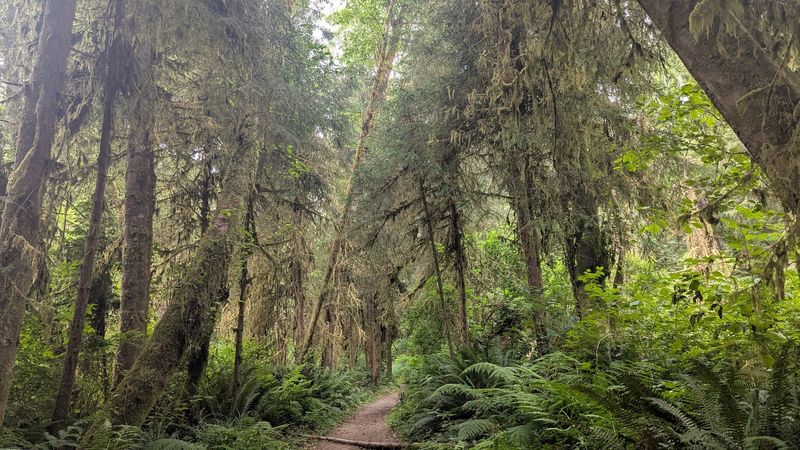
Coastal redwoods line much of the path, creating a canopy that filters sunlight into soft, diffused beams that move across the trail as the day progresses.
The trees are massive in scale and the silence beneath them feels noticeably different from the open coast just minutes away.
Ferns carpet the forest floor in thick, layered mats, and the air carries the distinctive cool, damp scent that is unique to old-growth coastal forest.
Tree roots cross the trail frequently, creating natural steps in steeper sections and requiring steady footing throughout the descent.
The forest has a quality that many visitors describe as deeply calming, as though the scale and age of the trees naturally slow everything down.
Redwood National and State Parks collectively protect some of the tallest trees on Earth, and the groves near the Hidden Beach trail offer an accessible introduction to that landscape without requiring a long drive into the interior of the park.
The combination of ancient forest and wild coastline within a single short hike is genuinely unusual and worth experiencing firsthand.
Tide Pools And Low Tide Exploration
Low tide at Hidden Beach reveals a different world entirely.
Rocky outcroppings and boulders that sit submerged during high tide become exposed and accessible, uncovering tide pools filled with small marine life.
Visitors with a curiosity for intertidal ecosystems tend to find the low tide hours among the most engaging parts of the visit.
Sea anemones, small crabs, mussels, and barnacles are commonly found in the pools, clinging to rock surfaces or tucked into crevices.
The water in the pools is often remarkably clear, making observation straightforward even without any special equipment.
Moving carefully and avoiding stepping on marine life is essential since the organisms in tide pools are living animals that can be damaged by careless foot traffic.
Checking a tide chart before visiting is one of the most practical steps any visitor can take when planning a trip to Hidden Beach.
Many free tide prediction tools are available online and through smartphone apps, and they provide accurate timing for low tide windows at specific coastal locations.
Planning to arrive an hour or two before low tide gives visitors the maximum amount of time to explore the exposed rocks before the water begins to return.
Leave No Trace Principles At A Protected Coastal Area
Hidden Beach sits within a federally protected national and state park system, which means the rules for visiting are tied to conservation principles that apply throughout Redwood National and State Parks.
Practicing Leave No Trace is not just encouraged here but genuinely necessary to keep the area in the condition that makes it worth visiting in the first place.
Packing out everything brought in, including food wrappers, water bottles, and any other waste, is a baseline expectation.
Staying on designated trails helps protect the surrounding vegetation and prevents erosion on the steep hillsides that border the beach.
Picking wildflowers, collecting rocks, or disturbing wildlife are all prohibited within the park and can result in fines.
The lack of facilities at the beach means visitors need to plan accordingly before they leave the trailhead.
Bringing enough water for the hike and time on the beach is important since there are no water sources available along the route.
Carrying a small bag specifically for packing out trash makes it easier to keep the area clean without adding much weight to a daypack.
Small habits practiced consistently by every visitor add up to meaningful protection for a place this special.
Photography Opportunities And What Makes The Light Special
Few places along the California coast offer the kind of layered visual depth that Hidden Beach provides for photography.
The combination of dark sand, pale driftwood, offshore sea stacks, and enclosing forested hillsides creates a natural composition that works well in almost any light condition.
Morning fog softens contrast and adds atmosphere, while afternoon light can break through in ways that illuminate the tree line dramatically.
The offshore sea stack serves as a reliable focal point for wide landscape shots, and the driftwood piles offer strong foreground textures that add dimension to images.
Wildlife subjects such as harbor seals on the rocks provide opportunities for telephoto work, though patience and a long lens are necessary for quality results at a respectful distance from the animals.
Sunset and golden hour timing varies by season but can produce striking results when the sky is partially clear and light filters through the coastal mist.
Arriving early enough to explore the beach before the best light window helps photographers identify the best angles and positions in advance.
The trail itself also offers strong photographic moments, particularly where light filters through the redwood canopy onto the fern-covered forest floor during the middle of the day.