This Unique Atlanta Georgia Museum Will Make You Feel Like A Kid Again With Its World-Class Puppet Collection
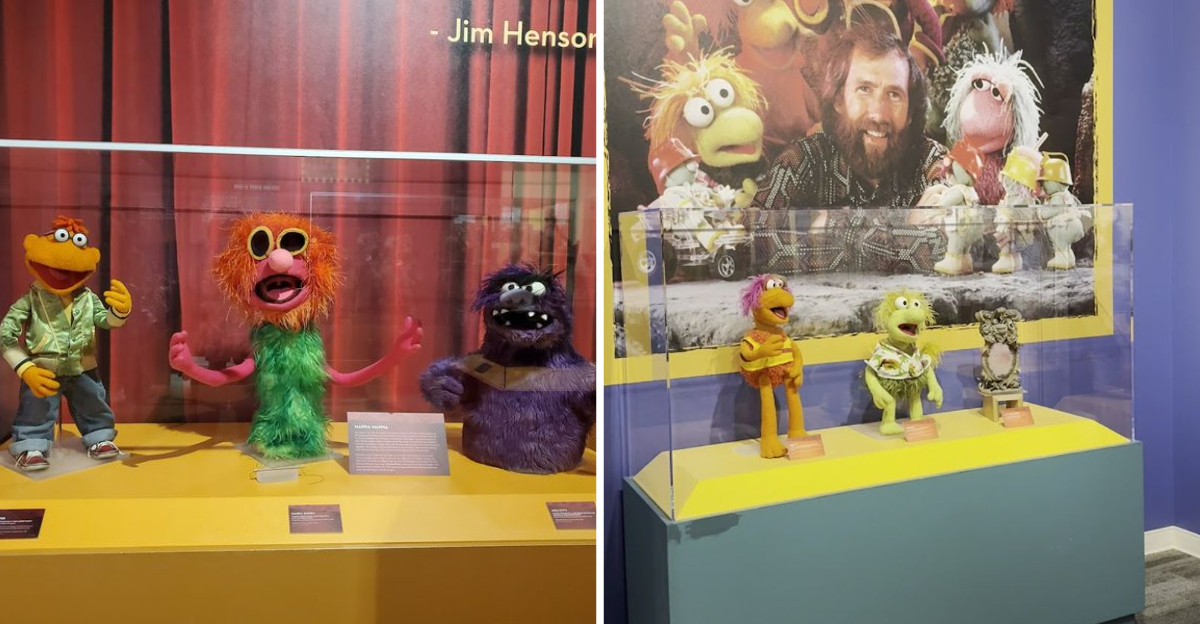
Step inside a place where imagination takes center stage, and it is easy to forget everything else for a while. The Center for Puppetry Arts in Midtown Atlanta offers an experience that blends creativity, storytelling, and hands-on discovery in a way that feels both nostalgic and completely fresh.
Since opening in 1978, it has grown into the largest puppetry museum in the United States, showcasing an impressive collection that spans cultures, styles, and generations. Visitors can explore exhibits, watch live performances, and even learn how puppets are brought to life behind the scenes. The connection to beloved characters adds another layer of excitement, especially for those who remember them from childhood.
The atmosphere encourages curiosity and play, making it just as engaging for adults as it is for kids. For anyone looking to experience something truly different in Atlanta, this museum offers a visit that feels both meaningful and unforgettable.
1. World-Class Jim Henson Collection
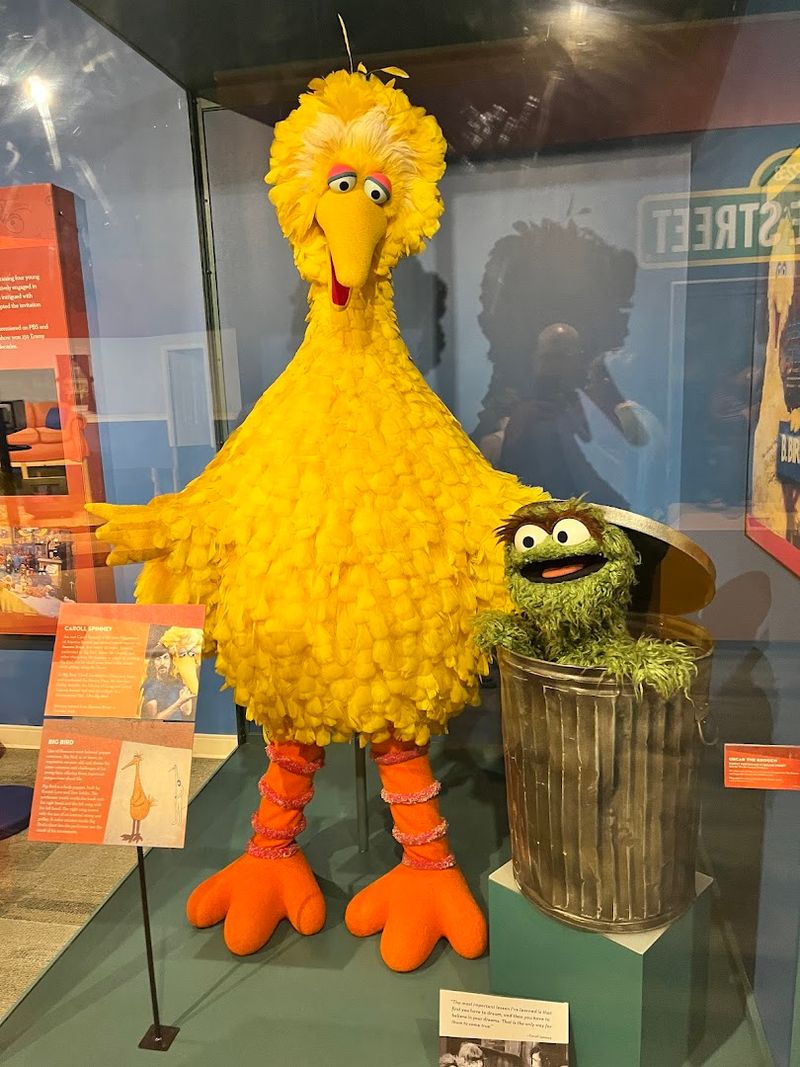
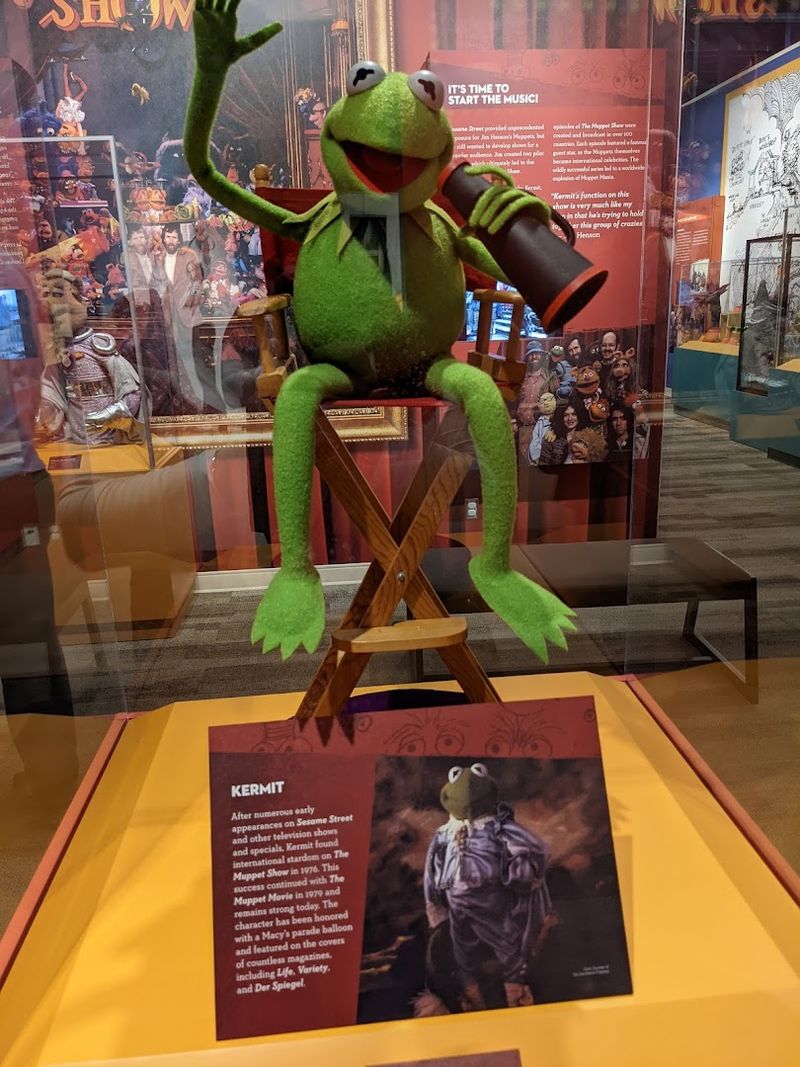
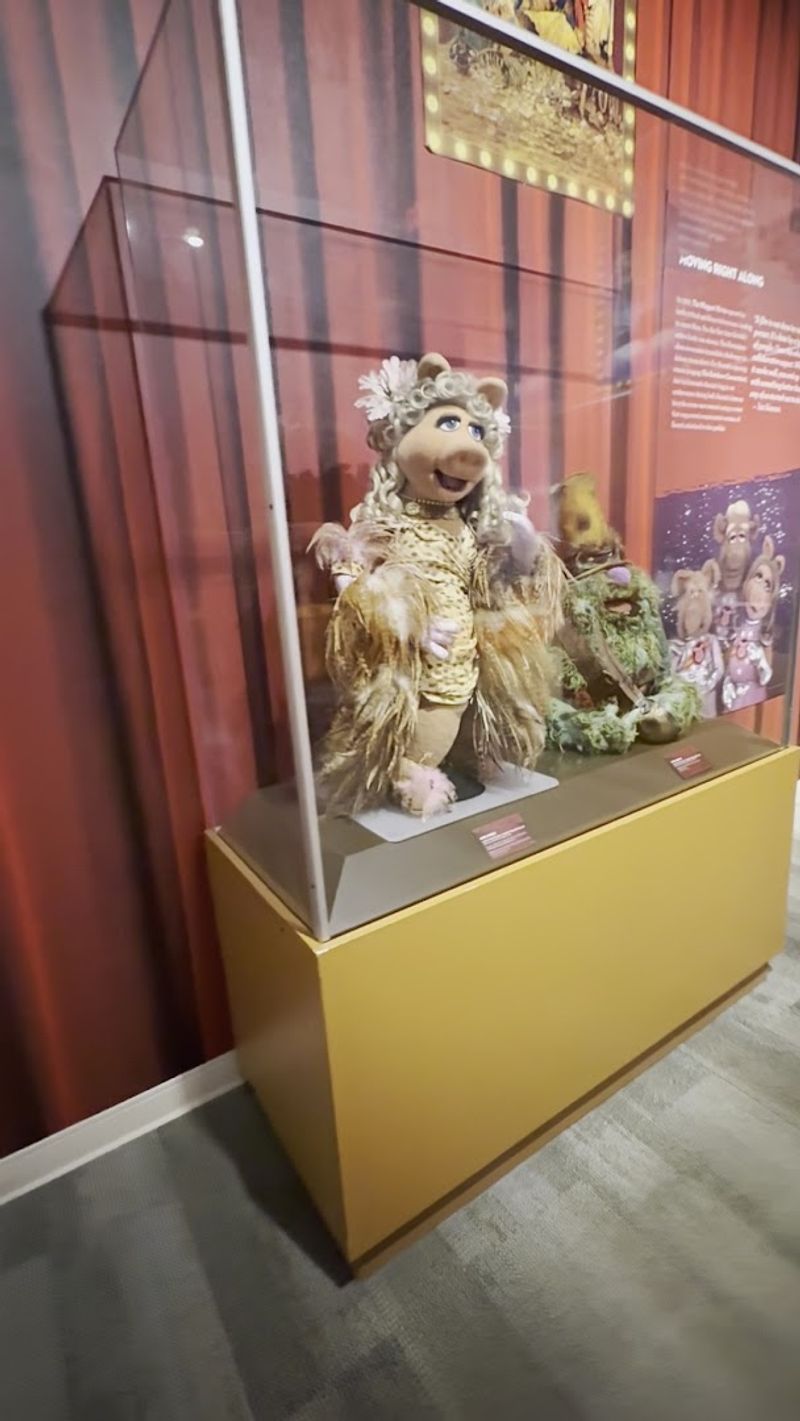
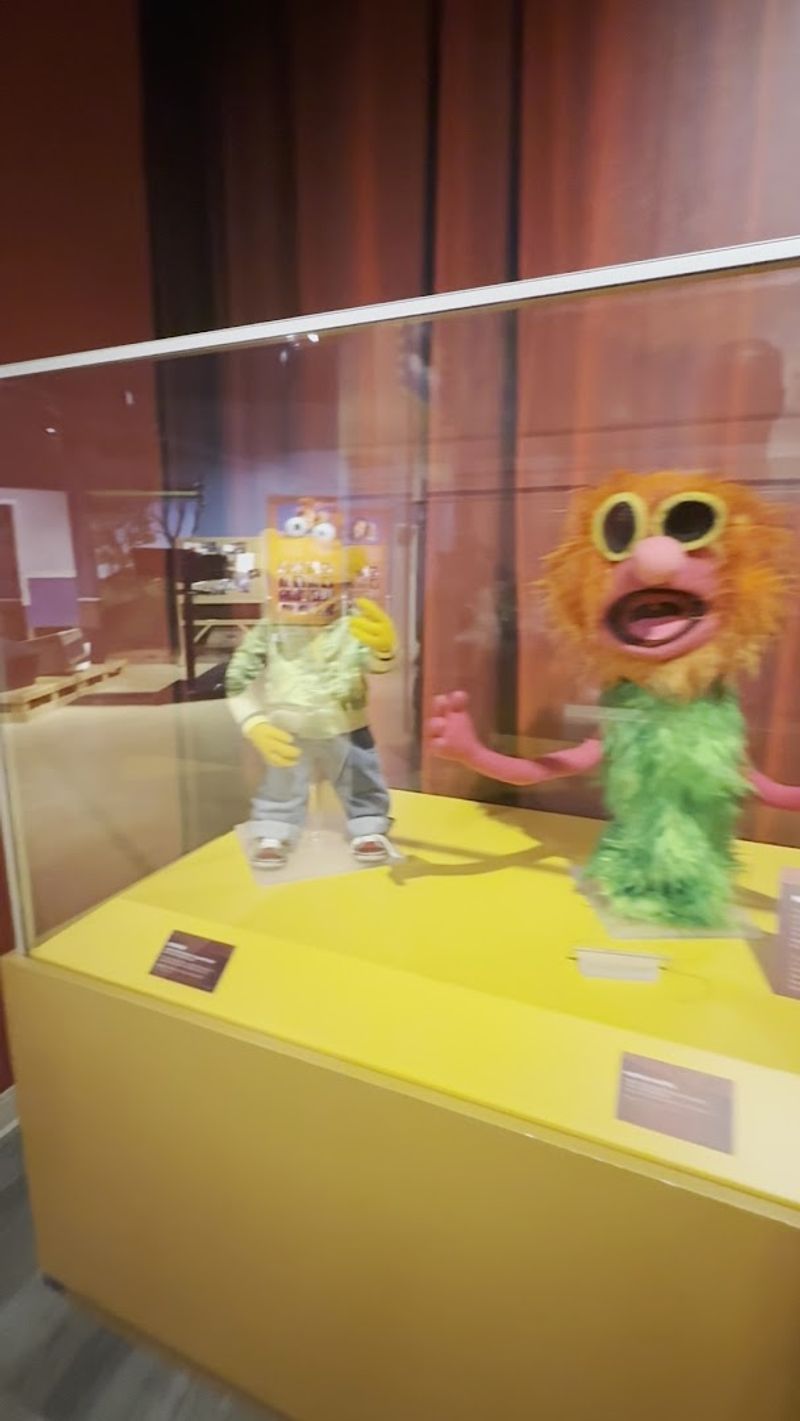
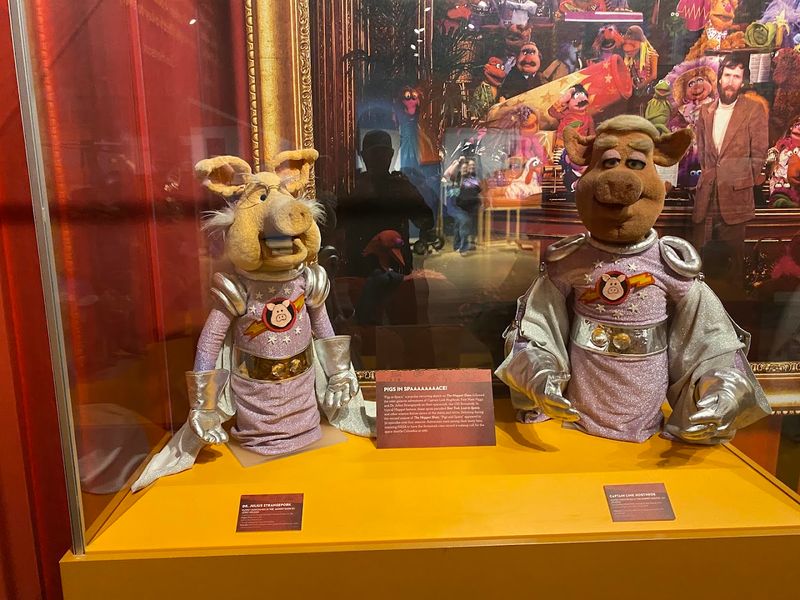
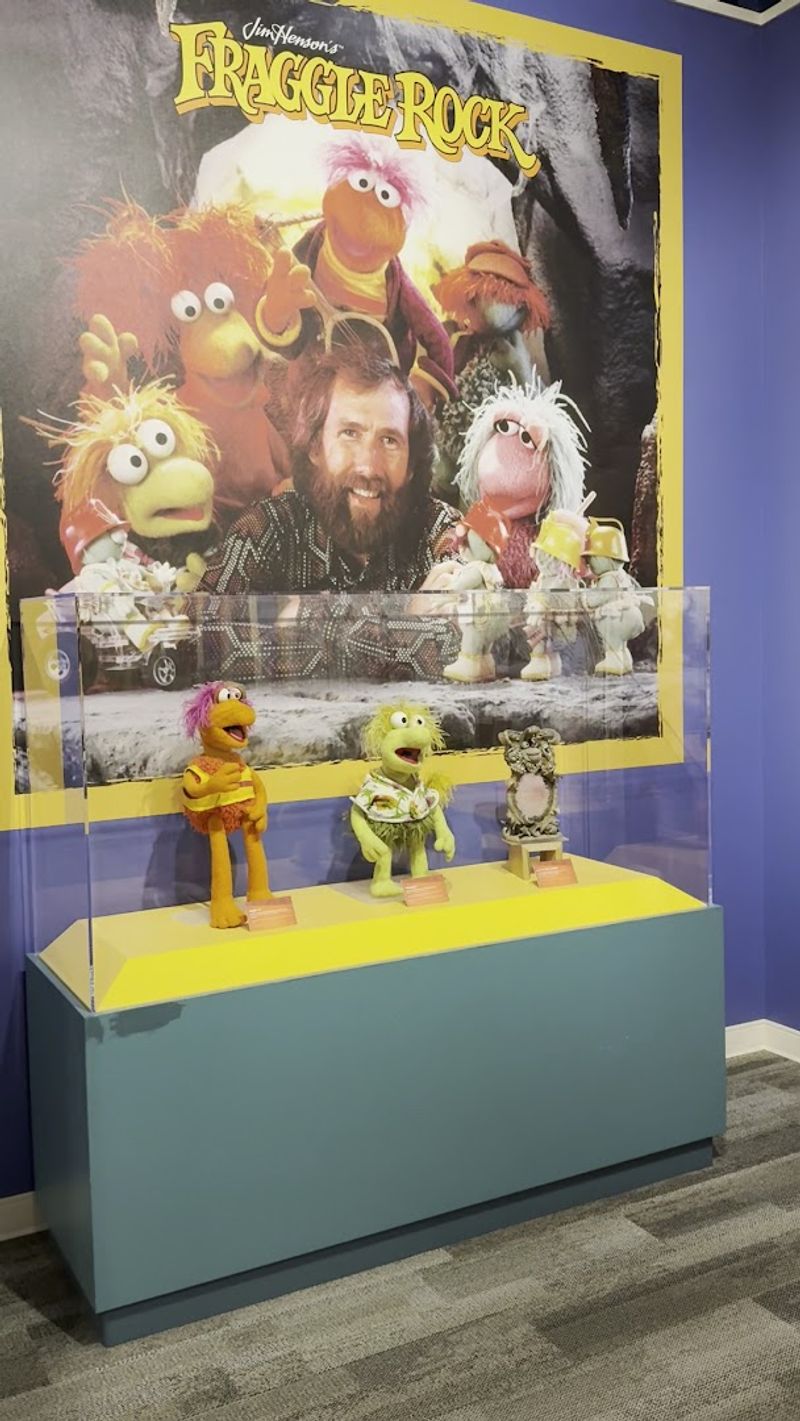
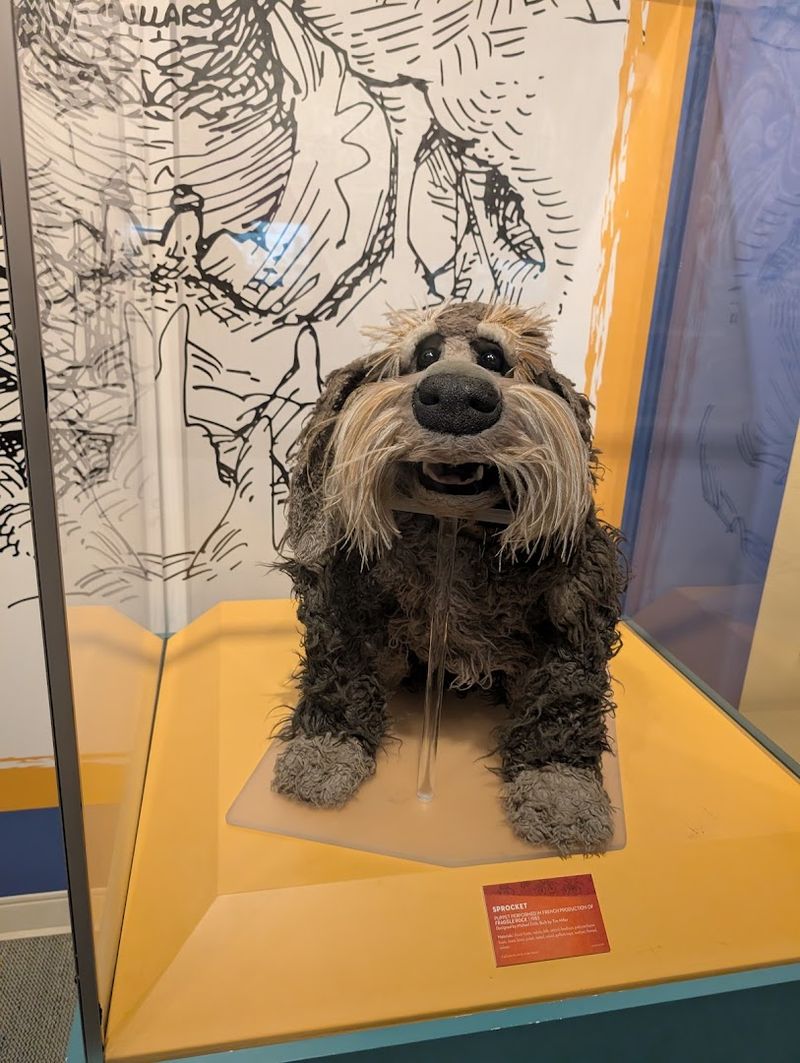
Kermit the Frog sitting behind glass in a museum display has a way of making grown adults go completely quiet. The Center for Puppetry Arts, located at 1404 Spring Street NW, Atlanta, GA 30309, houses the largest collection of Jim Henson artifacts anywhere in the world, including original Muppet characters that appeared on television and film.
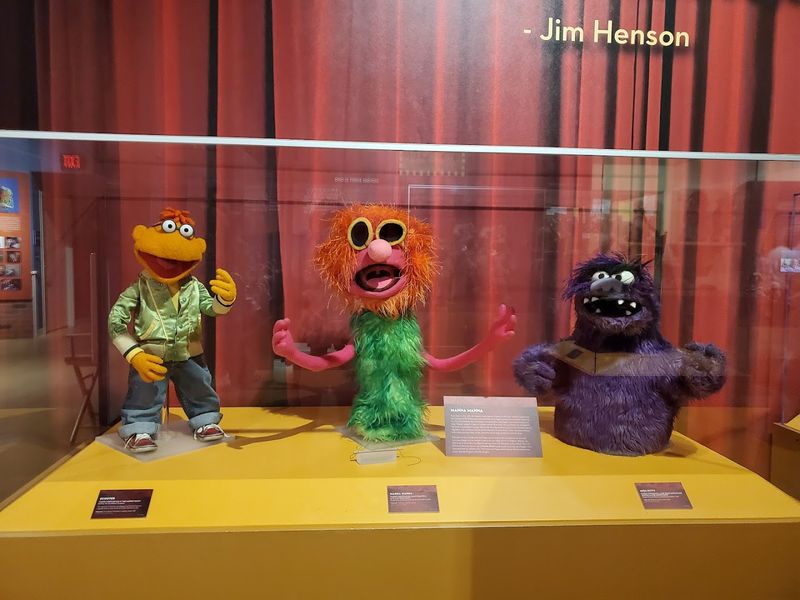
Seeing Miss Piggy, Rowlf the Dog, and other beloved characters up close feels surprisingly emotional. These are not replicas or recreations they are the real, original puppets that entertained generations of fans.
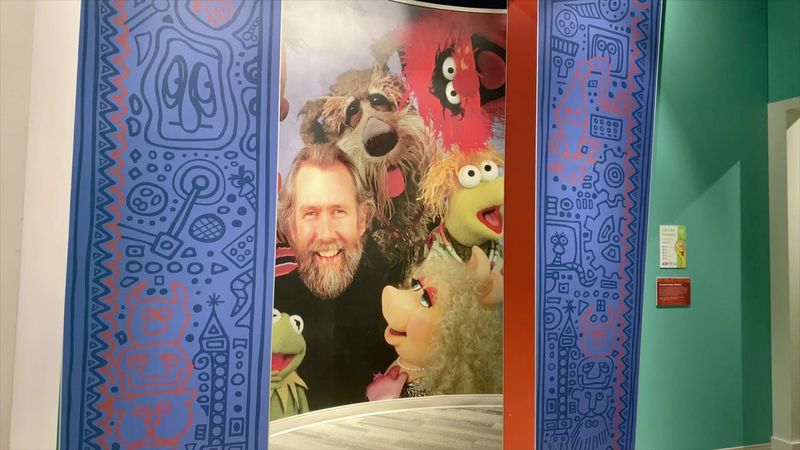
The collection includes sketches, personal notes, and behind-the-scenes photographs that offer a rare look into Henson’s creative mind. Museum curators have arranged the exhibit to tell a story, not just display objects. For anyone who grew up loving the Muppets, this room alone is worth the trip to Atlanta.
2. Diverse Global Puppet Exhibits
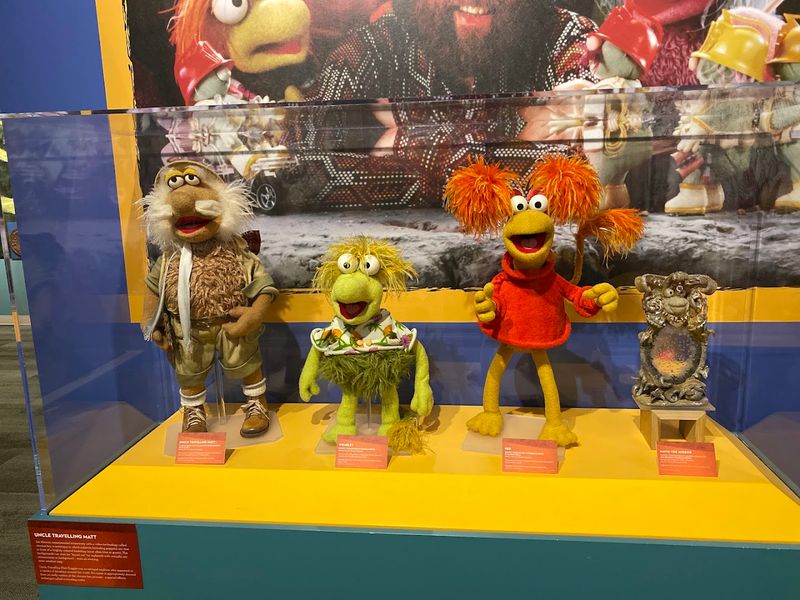
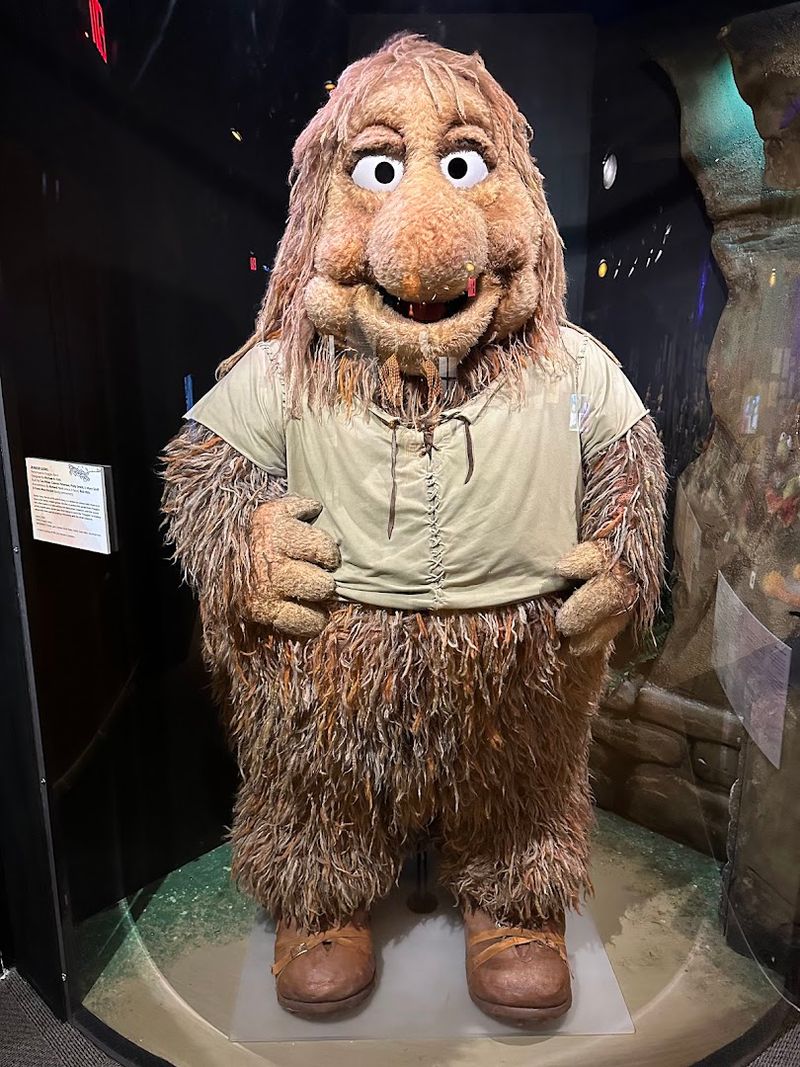
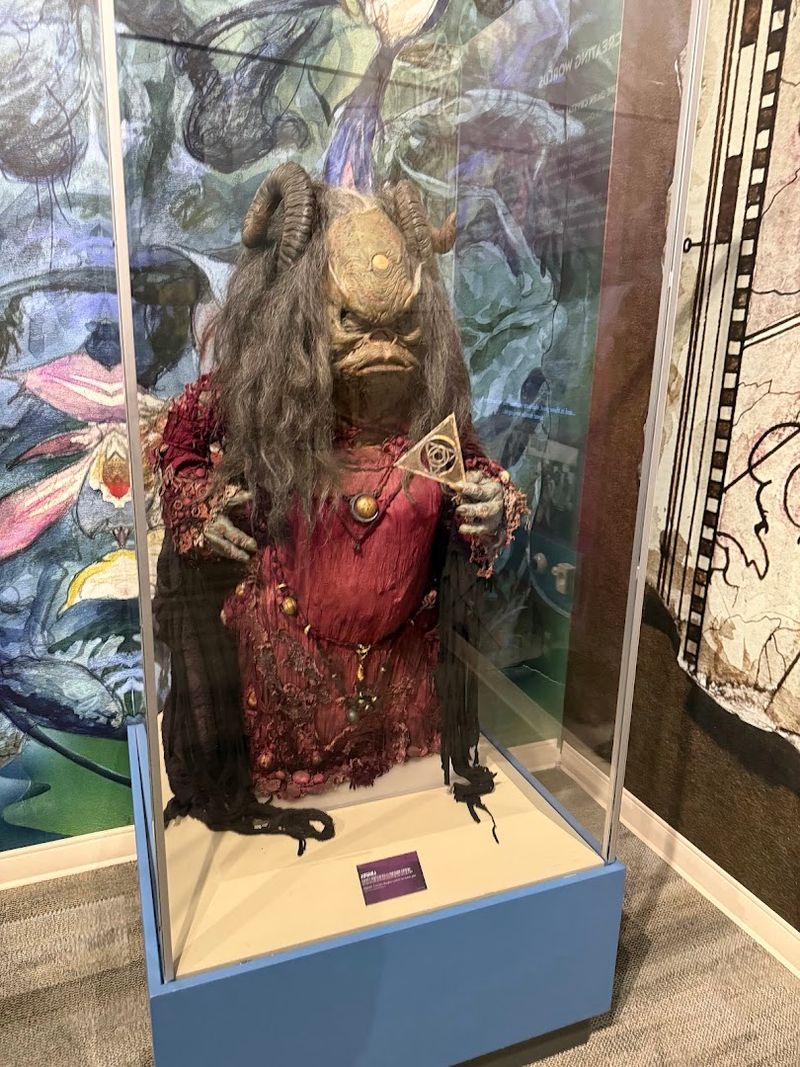
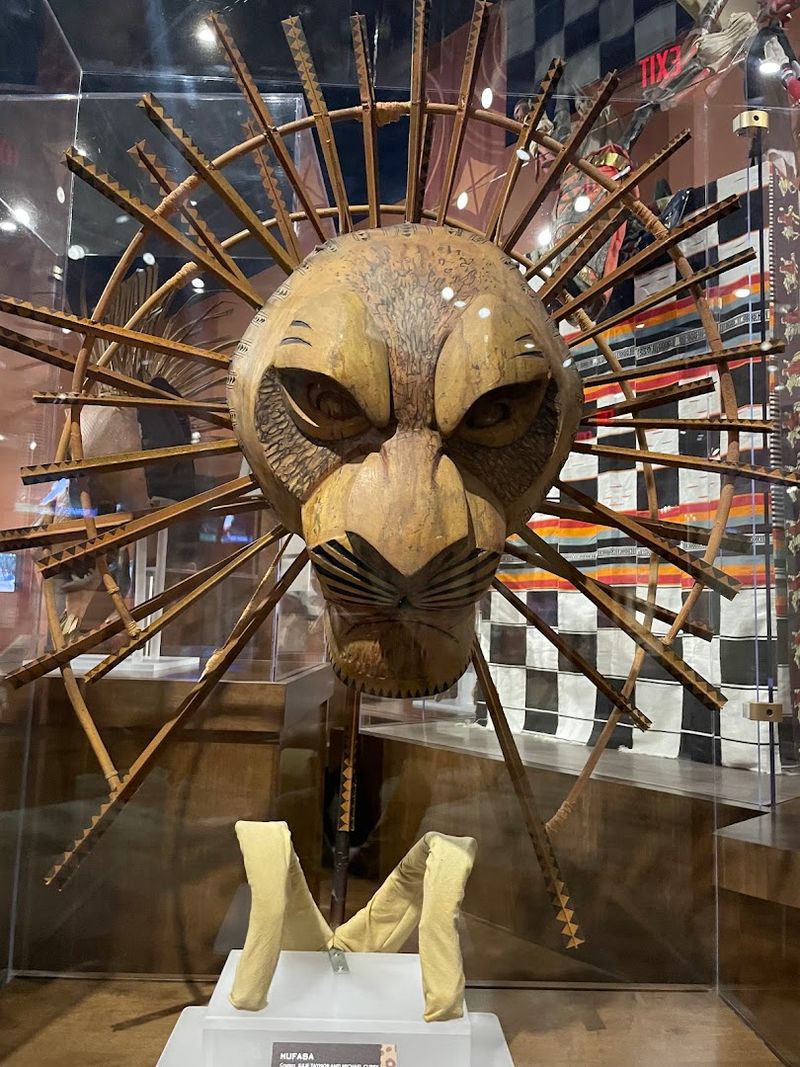
Puppetry is one of the oldest storytelling traditions on Earth, and cultures around the world have developed their own extraordinary versions of the craft. The Center for Puppetry Arts celebrates this global heritage with exhibits featuring puppets from dozens of countries, each with its own distinct visual style and cultural meaning.
Visitors can explore shadow puppets from Indonesia, hand-carved marionettes from the Czech Republic, and vibrant rod puppets from West Africa, all displayed with clear, informative context. The museum does a thoughtful job of explaining the role each puppet tradition plays in its home culture.
Walking through these galleries feels a bit like taking a passport-free world tour, one puppet at a time. Kids tend to gravitate toward the more colorful pieces, while adults often linger over the craftsmanship and history. It is a genuinely enriching experience that broadens perspective in the most unexpected and delightful way.
3. Engaging Live Puppet Performances
There is something almost magical about watching a skilled puppeteer bring a character to life right in front of you. The Center for Puppetry Arts runs a rotating schedule of live performances throughout the year, with shows designed for different audiences including toddlers, school-age children, families, and adults.
Productions range from classic fairy tales to original works, and the quality of performance is consistently high.
Seasonal programming means the show lineup changes regularly, so repeat visitors always have something new to look forward to. Adult-oriented evening shows tend to explore more complex themes and push the boundaries of what puppetry can express. Checking the schedule before booking a visit is a smart move to make sure the timing lines up with the right show for your group.
4. Hands-On Create-A-Puppet Workshops
Few museum experiences are more satisfying than leaving with something you actually made yourself. The Create-A-Puppet Workshop at the Center for Puppetry Arts gives visitors exactly that opportunity, guiding participants through building their own puppet inspired by the current featured performance.
Workshops are available as an add-on to museum admission and typically run about 45 minutes. The staff leading these sessions are encouraging and patient, making the process accessible for kids as young as three and surprisingly enjoyable for adults who have not touched a glue gun in years.
Materials are provided, and the finished puppets are sturdy enough to actually play with once you get home. Parents often report that the workshop ends up being the highlight of the entire visit for their children. Booking in advance is recommended, especially on weekends and during school holidays when spots tend to fill up quickly.
It is hands-on creativity at its most fun.
5. Curriculum-Based Educational Programs
Beyond the exhibits and performances, the Center for Puppetry Arts operates as a serious educational institution. Its curriculum-based programs connect puppetry to core academic subjects including language arts, social studies, and visual arts, giving teachers a creative way to reinforce classroom learning.
The museum welcomes school groups throughout the academic year and offers programs tailored to specific grade levels. Students do not just watch they participate, ask questions, and often get to handle puppets under guided supervision.
Homeschool families also find the educational offerings particularly valuable, as the museum provides structured programming that fits neatly into flexible learning schedules. For educators looking to take students somewhere genuinely meaningful, this is a field trip that tends to generate real enthusiasm. Teachers frequently note that students talk about the experience for weeks afterward, which says a great deal about the lasting impact of hands-on arts education.
6. Sensory-Friendly Performances and Spaces
Not every museum takes meaningful steps to welcome visitors with sensory sensitivities, which makes the Center for Puppetry Arts stand out in a genuinely important way. The museum offers specially designed sensory-friendly performances for guests with Autism Spectrum Disorder and related sensory processing differences.
These performances feature adjusted lighting, reduced sound levels, and a more relaxed atmosphere where movement and noise from the audience are welcomed rather than discouraged. Touch tables are also available, allowing visitors to explore puppet textures and materials in a low-pressure setting.
Staff members receive training to support guests with a range of needs, and the overall environment during these events feels noticeably calmer and more accommodating. Families who have previously felt excluded from cultural outings often describe these visits as a breakthrough experience. Checking the museum website for scheduled sensory-friendly event dates before planning a trip ensures families can choose the experience that works best for everyone in their group.
7. Affordable Admission Pricing
Cultural experiences in major cities can sometimes feel financially out of reach, but the Center for Puppetry Arts keeps its pricing genuinely reasonable. General admission covers both the museum galleries and a live performance, meaning visitors get substantial value for the cost of a single ticket.
Discounts are available for members, groups, seniors, and military families, and the museum participates in programs that offer reduced or free admission to qualifying visitors. Schools and community organizations can access additional pricing support to make group visits more feasible.
Membership packages are worth considering for Atlanta-area residents, as they provide unlimited visits throughout the year along with discounts on workshops and special events. Compared to many other family-friendly attractions in Midtown Atlanta, the Center for Puppetry Arts offers one of the better value propositions around. Planning ahead and checking the museum website for any current promotions or combo deals can stretch the budget even further on a family day out.
8. Free On-Site Parking
Anyone who has tried to park in Midtown Atlanta knows that finding free, convenient parking is basically a small miracle. The Center for Puppetry Arts offers complimentary on-site parking for visitors, which removes one of the most common headaches associated with a day out in the city.
The parking area is located directly adjacent to the museum making it easy to unload strollers, bags, and excited children without a long walk. This is particularly appreciated by families with young kids or visitors with mobility considerations.
Having parking sorted out in advance also takes the stress out of the arrival experience, so visitors can focus on enjoying the day rather than circling the block. For those coming from outside the city, this small but significant perk can make the Center for Puppetry Arts feel noticeably more welcoming than many comparable Atlanta attractions that charge separately for parking.
9. Toddler-Friendly Programming and Family Series
Getting a toddler to sit still for anything is a well-known parenting challenge, but the Center for Puppetry Arts has clearly thought carefully about its youngest visitors. The museum offers programming specifically designed for children ages two through five, with shorter shows, bright visuals, and stories simple enough for little ones to follow and love.
The Family Series performances are structured to be engaging for both children and the adults accompanying them, so nobody ends up staring at the ceiling. Shows in this series tend to run around 45 minutes, which hits the sweet spot for young attention spans.
Many parents describe the toddler-friendly shows as one of the first live performance experiences their children genuinely enjoyed from start to finish. That kind of early positive association with arts and culture can have a lasting effect. The museum creates a space where little kids feel included rather than just tolerated, and that matters enormously.
10. Rotating and Diverse Performance Programming
One of the smartest things about the Center for Puppetry Arts is that it never stays the same for long. The performance schedule rotates seasonally, with productions spanning classic fairy tales, original contemporary works, literary adaptations, and culturally inspired storytelling from around the world.
This variety means the museum has genuine replay value a family that visits in the fall for a Halloween-themed show will find something completely different waiting for them in the spring. Adult programming runs alongside family shows, with evening performances that explore more sophisticated themes through the art form.
The range of storytelling styles on display throughout the year reflects the museum’s commitment to treating puppetry as a serious and versatile art form rather than just a children’s novelty. Visitors who check back on the website regularly often discover new productions they had not anticipated. For Atlanta residents looking for a consistently fresh cultural outing, this museum delivers reliable variety throughout the calendar year.
11. Interactive Puppet Exhibits
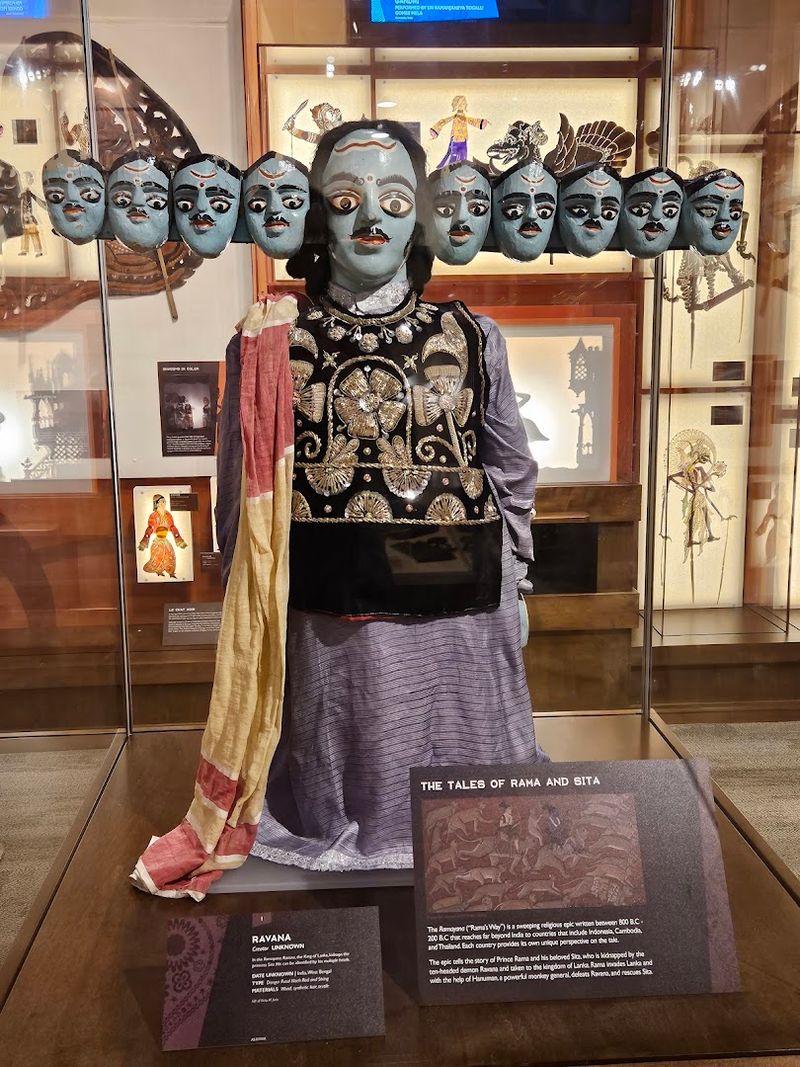
Touching the exhibits is usually a firm no in most museums, which is part of what makes the Center for Puppetry Arts feel so refreshingly different. Several areas of the museum invite visitors to actually handle and operate puppets, giving a hands-on understanding of how these characters come to life.
Interactive stations are thoughtfully designed to be accessible for different ages and ability levels, so younger children and older visitors alike can participate without frustration. The experience of manipulating a puppet even a simple one quickly builds appreciation for the skill professional puppeteers develop over years of practice.
These interactive zones tend to be lively and social, with strangers often laughing together as they figure out how to make a character wave or speak. That spontaneous shared joy is genuinely hard to manufacture, and the museum seems to understand that. Giving visitors permission to play is one of the most effective ways to create a memory that sticks long after the visit ends.
12. Cultural Celebrations and Special Events
Throughout the year, the Center for Puppetry Arts hosts special events and themed exhibitions that go beyond the regular programming calendar. These events often align with cultural celebrations, holidays, or community initiatives that highlight diversity and inclusion through the lens of puppetry.
Past events have included celebrations tied to specific cultural traditions, collaborative community puppet-building projects, and exhibitions featuring the work of emerging puppetry artists.
Special events often draw visitors who might not otherwise think to visit a puppetry museum, creating a broader community conversation around art, culture, and shared human experience. Following the museum’s social media channels and newsletter is the best way to stay informed about upcoming events. These limited-time programs tend to sell out or fill up quickly, especially when they include interactive components or feature well-known guest artists.
13. Unique Birthday Party Packages
Birthday parties at a puppet museum sound like an idea a very creative parent came up with at two in the morning, and honestly, it works brilliantly. The Center for Puppetry Arts offers birthday party packages that include tickets to a puppet show, priority seating, and a special announcement for the birthday child during the visit.
Packages are designed to accommodate groups and can be tailored to fit different budgets and group sizes, making the planning process relatively straightforward. The museum handles a lot of the logistics, which takes pressure off the party organizer and lets everyone actually enjoy the day.
Kids tend to respond enthusiastically to the novelty of celebrating at a place that feels completely different from a standard party venue. The combination of live entertainment, hands-on activity options, and a memorable setting creates an event children genuinely talk about afterward. For parents tired of the same old pizza-and-arcade formula, this is a genuinely fresh and charming alternative worth exploring.
14. Proximity to Midtown Atlanta Attractions
A visit to the Center for Puppetry Arts fits naturally into a broader Midtown Atlanta day out, thanks to its location near several other well-regarded cultural destinations. The High Museum of Art, one of the Southeast’s most respected art institutions, sits just a short drive away and offers a completely different but complementary cultural experience.
Piedmont Park, Atlanta’s beloved green space is close enough to serve as a relaxed lunch or picnic stop between museum visits. The surrounding Midtown neighborhood also offers a solid range of dining options at various price points, making it easy to build a full day around the area.
Having multiple worthwhile destinations within reasonable proximity means visitors driving in from outside Atlanta can maximize their time in the city without excessive travel between stops. For first-time Atlanta visitors especially, pairing the Center for Puppetry Arts with one or two nearby attractions creates a satisfying and well-rounded introduction to what Midtown has to offer.
15. Non-Profit Mission and Commitment to the Arts
Supporting the Center for Puppetry Arts means doing more than buying a museum ticket it means contributing to the health of a non-profit organization that has spent over four decades championing puppetry as a legitimate and valuable art form. Founded in 1978, the museum operates with a clear educational and cultural mission that goes well beyond entertainment.
The center invests its resources into community outreach, artist development, and accessible programming that reaches underserved populations across Georgia. This commitment to equity in arts education sets it apart from purely commercial entertainment venues.
Membership purchases, workshop fees, and donations directly support programming that benefits Atlanta schools and community groups throughout the year. Knowing that a visit contributes to something meaningful adds a layer of satisfaction to the experience. For visitors who care about where their cultural dollars go, the Center for Puppetry Arts represents an institution genuinely worth supporting, both for what it preserves and for what it continues to build.