10 Washington Food Terms That Instantly Reveal Whether You Are From Here Or Not
Every state has its food quirks, but Washington takes them to a level that feels almost like a test you did not know you were signing up for.
I moved here thinking I understood coffee, seafood, and farmers markets. I was wrong about all three, and the locals were polite enough to let me figure that out slowly and in public.
Washington State has built an entire food vocabulary that outsiders stumble through while residents watch with the quiet patience of people who have seen it happen a hundred times before.
Nobody laughs, nobody explains, and nobody makes it easy. They just wait for you to catch up.
The good news is that once you crack the code, everything makes perfect sense.
The Dungeness crab suddenly has a context. The coffee order clicks.
The farmers market stops feeling overwhelming and starts feeling like exactly where you are supposed to be on a Saturday morning.
This is the guide that nobody handed you at the border.
1. Geoduck
Most people read it as “gee-oh-duck” and then wonder why everyone at the Pike Place Market fish counter is quietly smiling. The correct pronunciation is “gooey-duck,” and yes, it sounds exactly as strange as it looks.
Geoduck is the largest burrowing clam in the world, native to the Pacific Northwest coastline.
It can live over 100 years, which makes it both impressive and slightly unsettling to eat. Washington State harvests more geoduck than anywhere else on the planet.
The flavor is surprisingly sweet and clean, not at all what the appearance suggests. Locals slice it thin for sashimi or chop it into chowder.
If you visit a seafood spot and see it on the menu, order it without hesitation. Just make sure you say the name right before you do, or the server will know immediately that you are not from here.
2. Seattle Dog
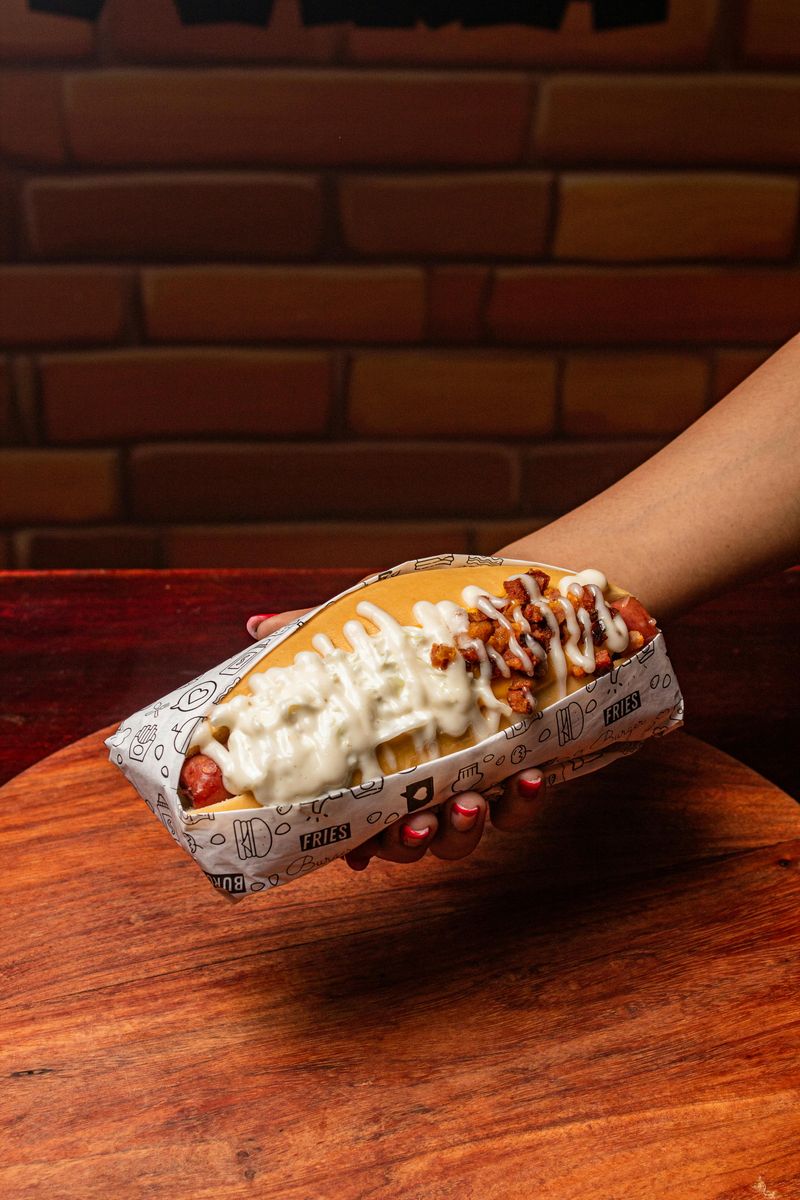
Cream cheese on a hot dog sounds like a dare, but in Seattle it is simply Tuesday night outside a stadium. The Seattle Dog is a beloved street food tradition that confuses every visitor who orders a hot dog expecting ketchup and mustard.
The combination of a grilled sausage, softened cream cheese, and caramelized onions on a toasted bun became popular in the late 1980s around Seattle’s entertainment venues.
Street cart vendors near KeyArena helped make it a city staple. Nobody is entirely sure who invented it, but Seattleites claim it without argument.
First-timers always hesitate when they see the cream cheese being spread directly onto the bun. Then they take one bite and go completely quiet.
The richness of the cream cheese against the smoky sausage is genuinely hard to argue with. If someone from Seattle offers you one at a game or a late-night event, do not overthink it.
Just eat it and accept that your hometown hot dog has been doing it wrong this entire time.
3. Fish & Chips
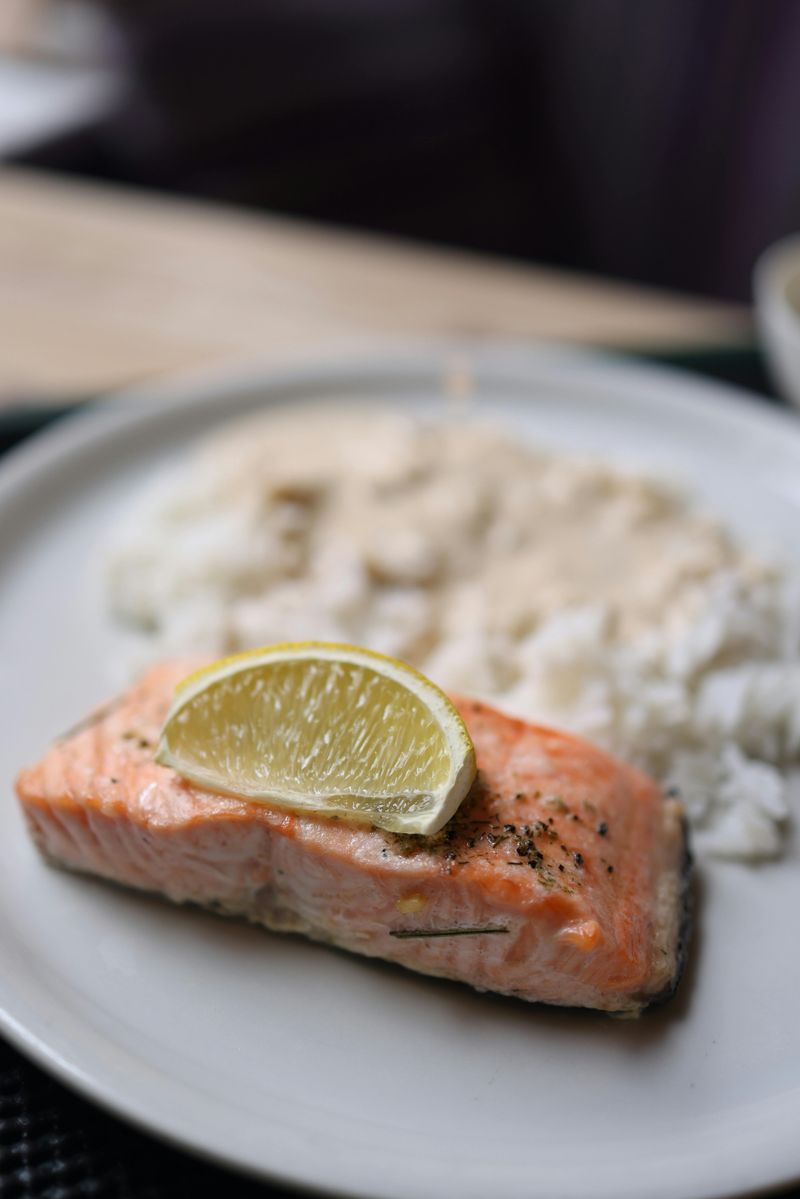
Outsiders see fish and chips on a Seattle menu, expect a cheap pub meal, and then nearly fall off their chair when the bill arrives.
Welcome to Washington, where fish and chips means fresh Pacific halibut or wild salmon, not a frozen fillet from a bag.
The price reflects the sourcing. Washington seafood vendors work directly with local fishing boats, and the fish on your plate may have been caught that same morning.
That is a very different product from what most people are used to ordering at a boardwalk stand somewhere else.
Locals never blink at the cost because they understand exactly what they are paying for. The batter is usually light and crisp, the fish is flaky and sweet, and the tartar sauce is made in-house.
Complaining about the price marks you as an outsider faster than mispronouncing geoduck. Next time you see fish and chips in Washington and the price feels steep, just order it anyway.
One bite and the math will suddenly make complete sense to you.
4. Aplets & Cotlets
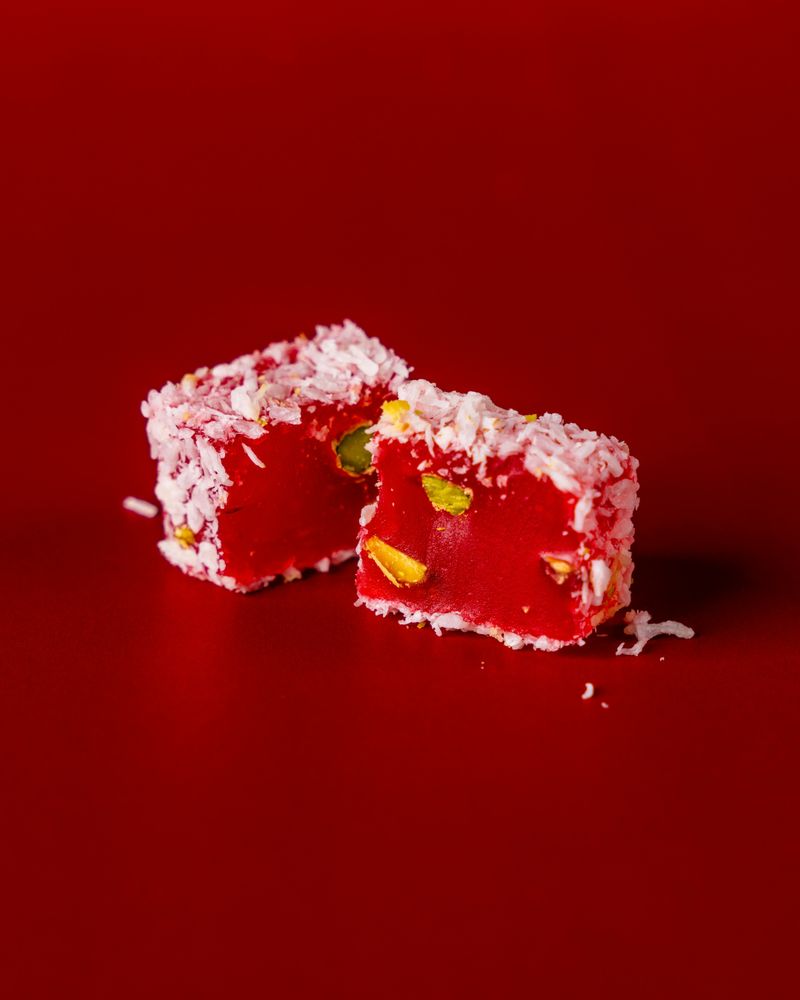
Ask someone from Eastern Washington about Aplets and Cotlets and watch their face light up with genuine nostalgia.
Ask someone from outside the state and you will get a blank stare followed by a very reasonable question about what those words even mean.
Aplets and Cotlets are soft fruit-and-nut candies made from apples and apricots, dusted in powdered sugar.
They were created in the early 1920s by two Armenian immigrants in Cashmere, Washington, who adapted a traditional Turkish confection using local orchard fruit.
The candy became a Washington institution and a popular holiday gift for generations.
The texture is somewhere between a gummy and a soft caramel, and the flavor is delicate and fruity rather than aggressively sweet.
Many Washington families grew up receiving a box every Christmas. Finding them outside the Pacific Northwest used to be nearly impossible, which only added to their local legend.
If someone offers you a piece and calls it a Washington classic, they are absolutely right. Try one before forming any opinions based on the name alone.
5. Snohomish County
Nobody outside Washington can say Snohomish on the first try.
It comes out as “Sno-HO-mish” when locals say it smoothly, but visitors usually produce something closer to “Sno-HOME-ish” or just give up and point on a map.
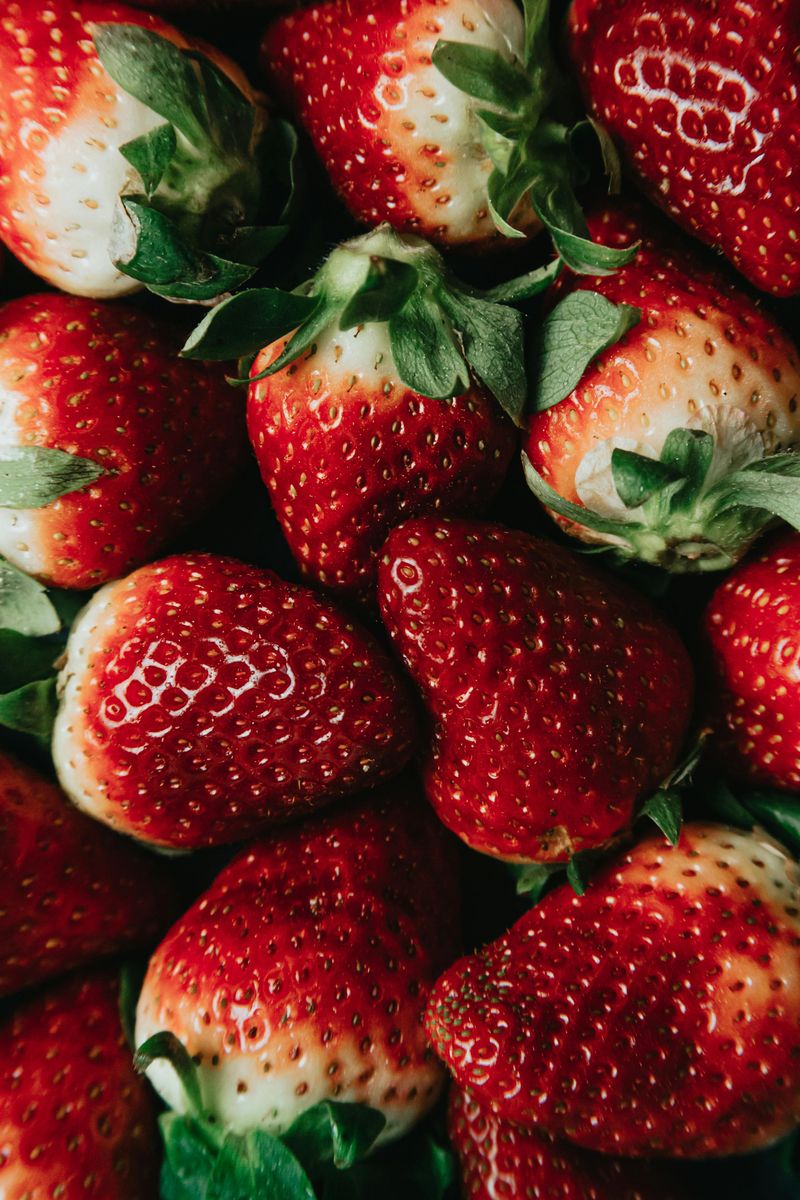
Snohomish County sits just north of Seattle and is one of Washington’s most productive agricultural regions. It is known for strawberries, peas, and some of the best farm-stand produce in the state.
The county seat, also called Snohomish, is famous for its antique shops and its monster cinnamon rolls that draw visitors from across the region.
The name comes from the Snohomish people, a Coast Salish tribe indigenous to the area. Getting the pronunciation right is a small but meaningful sign of respect for that history.
Locals notice when you say it correctly and appreciate the effort immediately. If you are planning a drive through the Puget Sound farming communities, Snohomish County belongs on your route.
Just practice saying the name a few times before you arrive so you can ask for directions without giving yourself away.
6. Double Tall
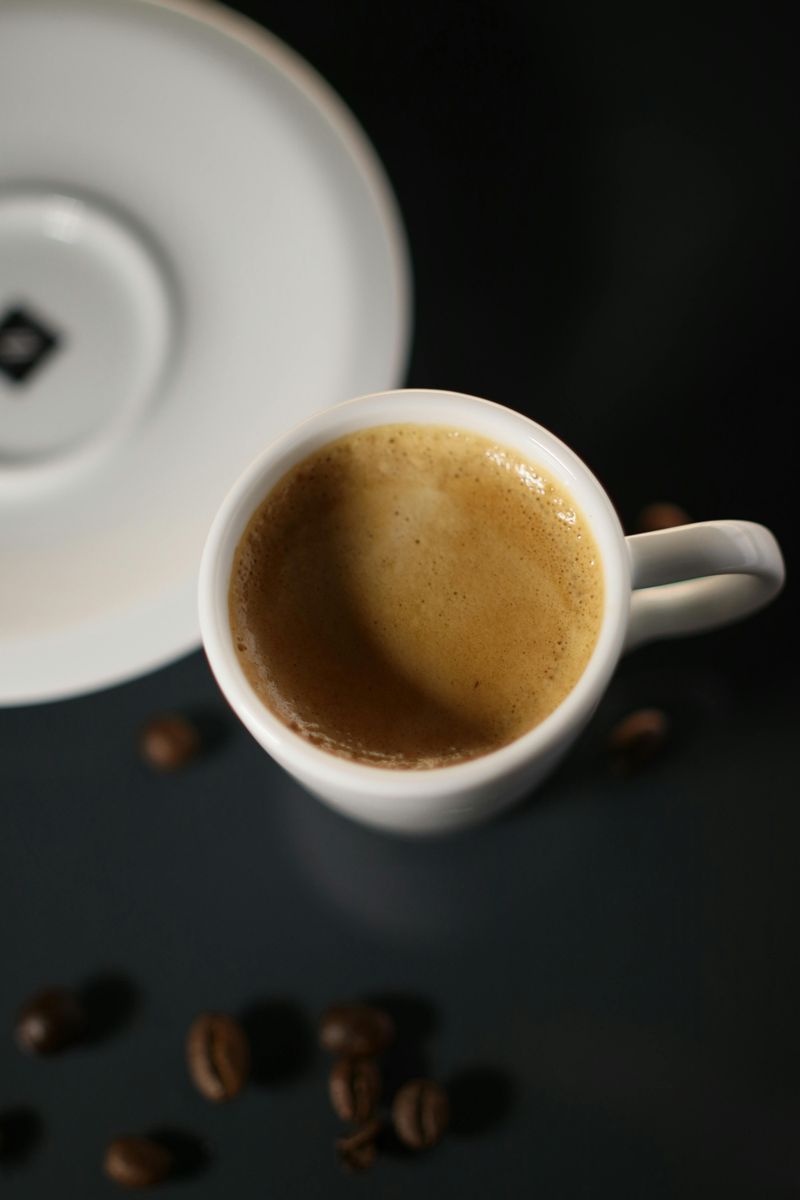
Ordering coffee in Seattle, Washington is a skill you develop over time, and nothing exposes a newcomer faster than saying the wrong thing at a coffee counter.
A double tall is two shots of espresso in a 12-ounce cup, and in Seattle that is basically the baseline for a functioning human being.
Seattle has a coffee culture that predates the national coffeehouse boom by decades.
Independent espresso stands and drive-through coffee windows are woven into daily life here in a way that feels almost infrastructural.
The vocabulary that comes with it, double, tall, short, breve, reflects a local precision that outsiders often find intimidating.
Tall in Seattle means small, which is the opposite of what a major national chain has trained the rest of the country to believe. Locals find this endlessly amusing.
If you walk into a Seattle cafe and order a large coffee, the barista will be patient with you, but internally they are recalibrating.
Learn the local sizing language before you go, and your morning will go much more smoothly. A double tall with oat milk is a perfectly reasonable starting point for the uninitiated.
7. Copper River
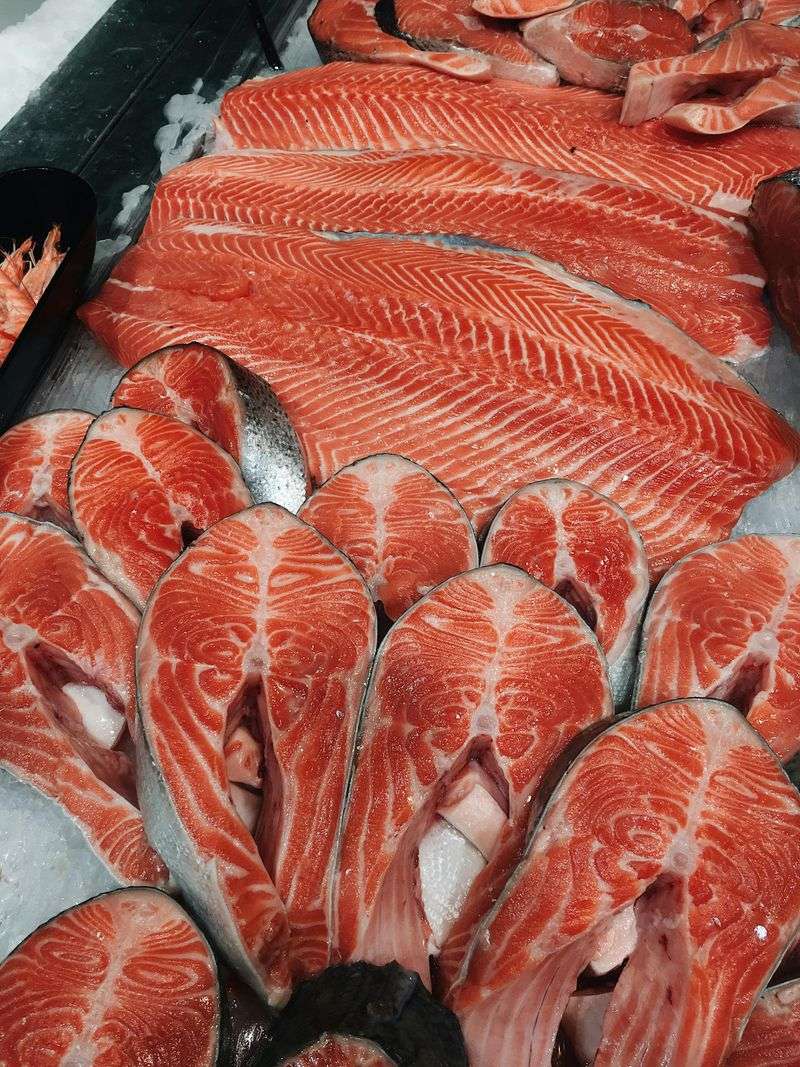
Say “Copper River” to a Washingtonian in late spring and watch them get genuinely emotional about fish. Copper River salmon season is a real event here, the kind of thing people plan meals around and talk about for weeks in advance.
Copper River salmon come from a river system in Alaska, but they are deeply embedded in Pacific Northwest food culture and arrive at Washington fish markets every May.
The fish are prized for their exceptionally high fat content, which develops because the salmon must swim nearly 300 miles upstream.
That journey produces some of the richest, most flavorful salmon available anywhere.
Outsiders sometimes assume it is just marketing language for regular salmon. It is not.
The difference in flavor and texture compared to farmed or standard wild salmon is noticeable from the very first bite.
Locals line up at fish counters when Copper River season opens, and restaurants feature it prominently on seasonal menus.
If you see it offered during your visit to Washington, order it simply prepared. A little butter and heat is all it needs to be completely unforgettable.
8. Teriyaki
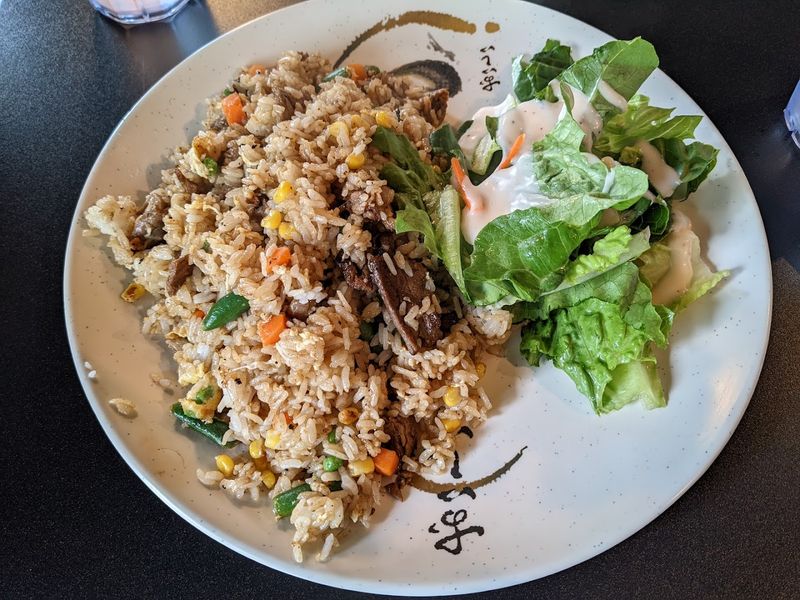
Every state has its fast food comfort zones, and in Washington, teriyaki fills the role that other regions give to barbecue joints or taco stands.
There is a teriyaki restaurant on practically every block in the greater Seattle area, and locals eat it with the same casual regularity as a sandwich.
Washington-style teriyaki is distinct from Japanese teriyaki. It was developed in Seattle in the 1970s by Japanese immigrants who adapted the cooking style for American tastes and portions.
The sauce is sweeter and thicker, the chicken is grilled and sliced generously, and the whole thing comes over a pile of steamed rice with a simple salad on the side.
Outsiders often expect a fancier experience when they hear the word teriyaki and are surprised by the no-frills, counter-service format. That is exactly the point.
It is fast, filling, affordable, and genuinely delicious. Locals have their favorite spots and defend them with surprising passion.
If someone in Washington tells you their neighborhood teriyaki place is the best one, believe them and go. You will leave full, happy, and probably planning a return visit before you even get back to your car.
9. Dutch Baby
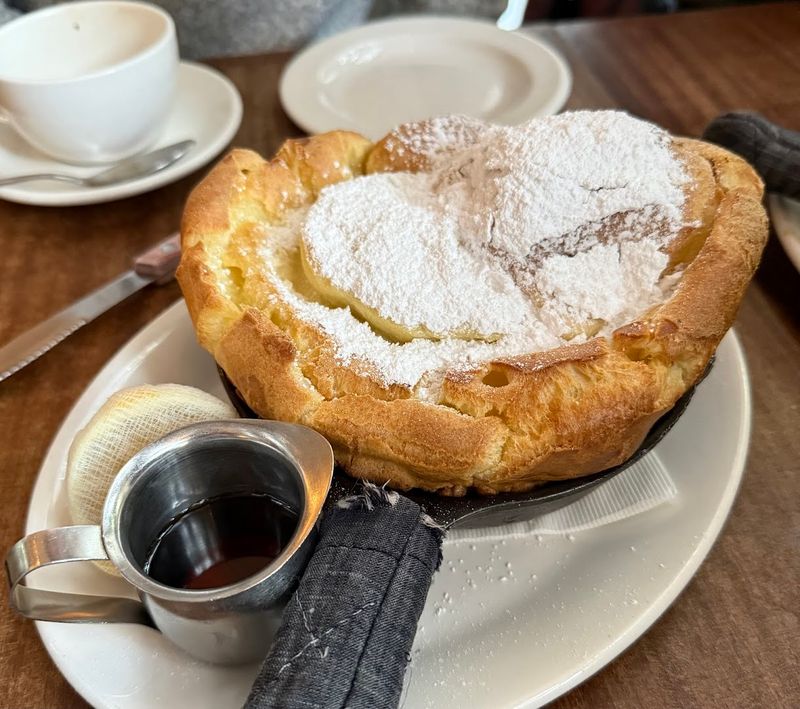
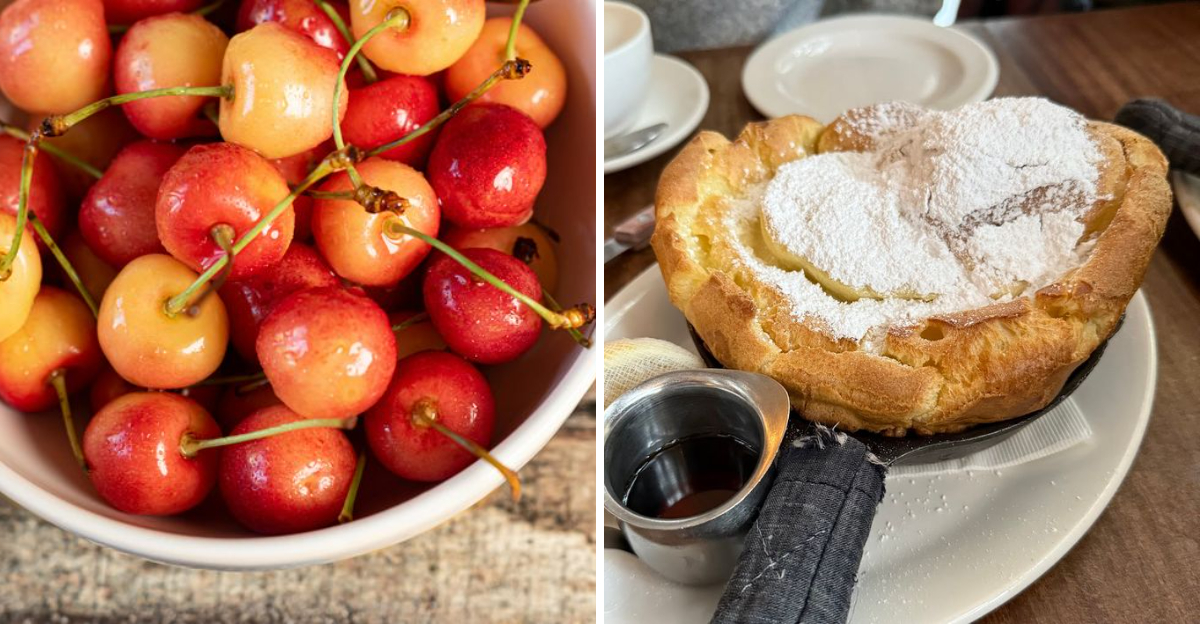
Ordering a Dutch baby at a Seattle brunch spot and receiving a giant puffy pancake baked in a cast iron skillet is a genuinely delightful surprise the first time it happens.
Most people from outside the Pacific Northwest picture something entirely different when they see the name on a menu.
The Dutch baby, sometimes called a German pancake, became closely associated with Seattle through Manca’s Cafe, which served them for decades starting in the early 1900s.
The pancake is made from a simple egg-heavy batter that puffs dramatically in the oven and then deflates slightly when it hits the table.
It is usually served with lemon juice and powdered sugar, though toppings vary by restaurant.
The texture is somewhere between a crepe and a popover, eggy and light with slightly crisp edges. It is not as sweet as a traditional American pancake, which surprises people expecting a sugary stack.
Seattleites grew up eating them and consider them a brunch staple without much ceremony. If you are visiting and see one on a breakfast menu, order it without hesitation.
It arrives looking dramatic, tastes wonderful, and makes for a very good photograph before you eat it.
10. Rainier Cherries
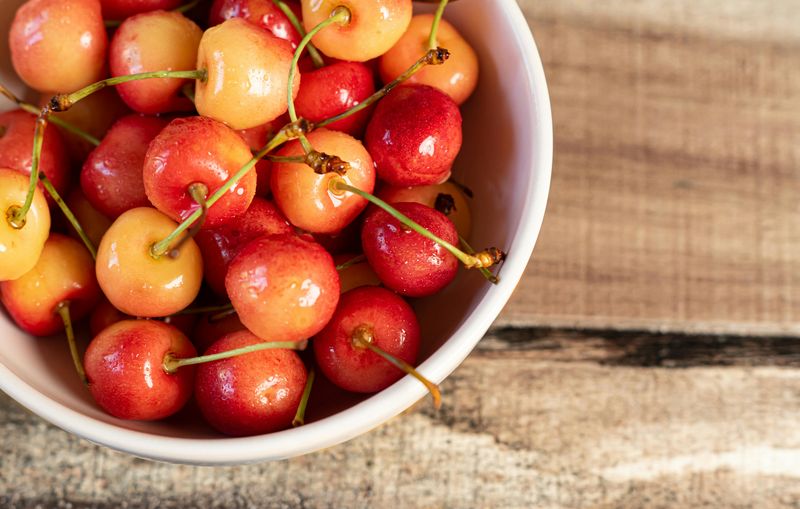
Biting into a Rainier cherry for the first time feels almost unfair to every other cherry you have ever eaten. They are plump, golden-yellow with a rosy blush, and so sweet they taste like someone added honey to the fruit without telling anyone.
Rainier cherries were developed at Washington State University in 1952 by crossing Bing and Van cherry varieties.
They are named after Mount Rainier, the iconic volcano that dominates the Washington skyline.
The state produces the vast majority of Rainier cherries grown in the United States, and the harvest window is short, typically just a few weeks in late June and July.
Because they are fragile and highly perishable, Rainier cherries are expensive and hard to find outside the Pacific Northwest during peak season.
Locals buy them by the pound at roadside stands and farmers markets and eat them like they are running out of time, because they are.
Outsiders who try them for the first time often cannot believe a cherry can taste that good. If you are in Washington during summer and spot a bag of Rainiers, buy them immediately and eat them the same day.
That is the correct approach and the only one worth taking.