This 93,000-Acre California Preserve Feels Like Driving Through A Real-Life Screensaver
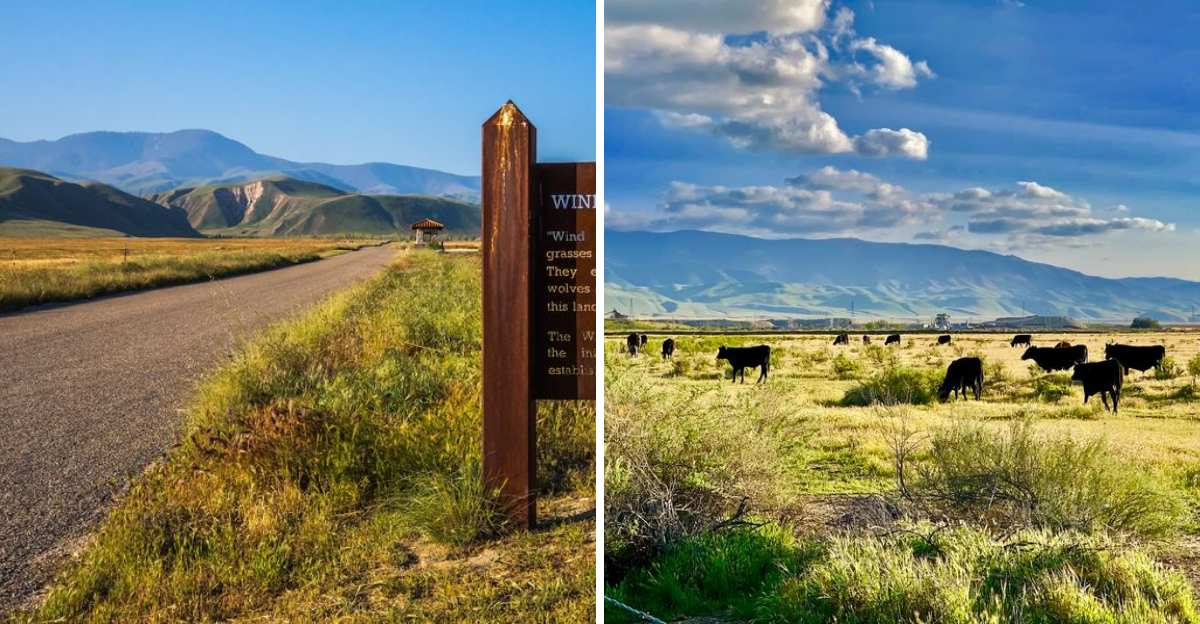
A place like this does not need much buildup. The scale speaks first. Open land stretches out without interruption, and the sky feels wider than usual.
It creates a sense of distance from everything else almost instantly, as if the outside world has been turned down rather than shut off.
Walking here feels different from the start. Paths cut through grasslands and wind toward low hills where the terrain shifts just enough to keep things interesting.
Oak trees break up the space in quiet clusters, and the landscape changes with the light as the day moves along. It is not dramatic in a loud way. It holds attention in a slower, more grounded way.
Wide open spaces like this are harder to find in California than most people expect.
Nothing about the visit feels complicated. No ticket. No pressure to follow a strict plan. You arrive, step out, and move at your own pace. Time stretches a little longer than expected.
Ecological Diversity Across Dramatic Elevations
Few places in California pack so many different ecosystems into one continuous stretch of land.
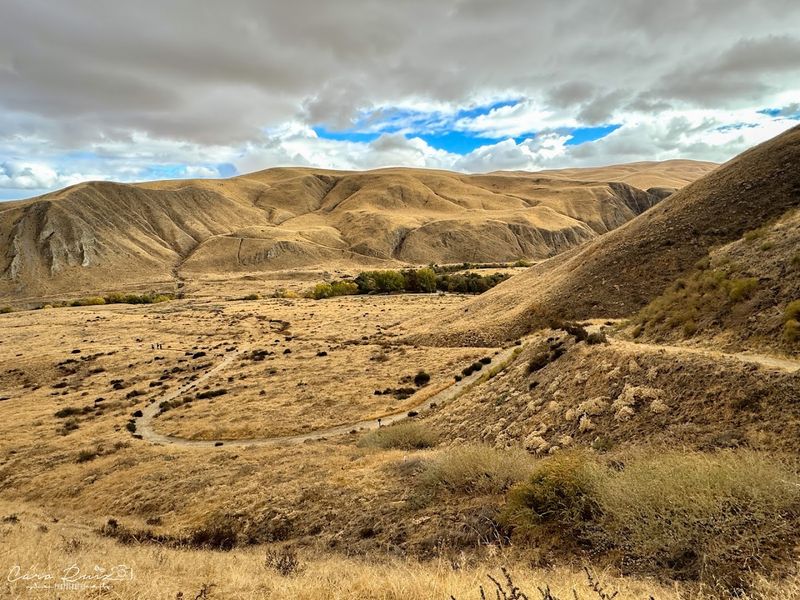
At Wind Wolves Preserve, the terrain shifts from valley floor grasslands all the way up to montane habitats, with elevations ranging from 640 feet to 6,005 feet above sea level.
That kind of vertical range creates a surprisingly varied landscape within a single visit.
Visitors moving through the preserve may notice how the plant life, soil color, and even the air temperature change as the trail climbs higher.
Oak woodlands give way to open ridgelines, and canyon floors feel cooler and shadier than the exposed hilltops above.
The diversity is not just visual. Each habitat zone supports its own community of plants, insects, birds, and animals. Grasslands attract foraging raptors while shaded canyons shelter different species entirely.
Spending time across multiple elevation zones during one trip gives visitors a sense of just how much biological variety exists within those 93,000 acres. It rewards slow exploration more than speed.
A Critical Wildlife Corridor Between Mountain Ranges

Some preserves protect a single habitat. Wind Wolves does something bigger by serving as a living bridge between two of California’s most significant mountain systems.
The preserve connects the Sierra Nevada to the east with the Coast Ranges to the west, creating a movement corridor that wildlife depends on for survival.
Without connected habitats, animal populations become isolated and vulnerable.
The corridor function of Wind Wolves Preserve helps species like the San Joaquin kit fox and the blunt-nosed leopard lizard move between landscapes in search of food, mates, and shelter.
Both of those species are listed as endangered, making the preserve’s role in their survival genuinely significant.
Visitors are unlikely to spot a kit fox on a casual afternoon hike since the animal is mostly nocturnal and naturally elusive.
Still, knowing the preserve plays an active role in protecting such rare species adds a layer of meaning to any walk through the grasslands.
The land is doing important conservation work whether visitors see the wildlife or not.
The Remarkable Return Of The Tule Elk
Back in 1998, something historic happened on these rolling hillsides.
Nineteen tule elk were reintroduced to Wind Wolves Preserve, marking the beginning of one of the more successful wildlife recovery efforts in the region.
Between 1998 and 2005, a total of 88 elk were brought to the preserve. By 2022, that herd had grown to 445 individuals.
Tule elk are native to California and were once hunted nearly to extinction during the Gold Rush era.
Seeing a thriving population on land specifically managed for their protection tells a compelling story about what conservation efforts can accomplish over time.
Spotting elk in the preserve is genuinely possible, especially during early morning hours or in the late afternoon when animals tend to move more actively.
The Tule Elk Trail is one of the named routes on the preserve and gives hikers a reasonable chance of observing the herd from a respectful distance.
Visitors are encouraged to stay on trails and avoid approaching wildlife to keep both the animals and guests safe.
Ancient Native American Archaeological Sites
Long before the preserve had a name, this land held deep significance for the people who lived here.
Wind Wolves Preserve contains several important Native American archaeological sites, including the Pleito rock art site and Cache Cave, both of which feature intricate rock art and artifacts that reflect centuries of human presence.
Rock art sites like these are considered irreplaceable cultural records.
The markings at Pleito and the materials found at Cache Cave offer researchers and visitors alike a rare window into the lives of the Indigenous communities who once called this valley home.
Access to specific archaeological areas may be restricted to protect the sites from damage.
For visitors with an interest in history and culture, the existence of these sites adds a profound dimension to the preserve that goes well beyond hiking or bird watching.
The land carries layers of meaning that stretch back thousands of years.
Checking with preserve staff about any guided cultural tours or educational materials related to these sites is a good step before visiting.
Free Public Access To 93,000 Acres
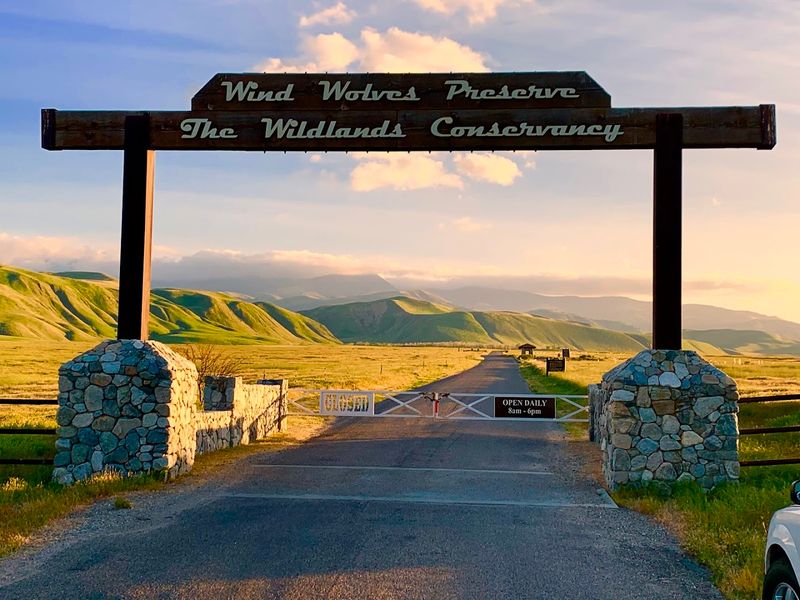
There are not many places in the United States where 93,000 acres of protected wilderness can be explored completely free of charge.
Wind Wolves Preserve, located at 16019 CA-166 in Bakersfield, CA 93311, offers exactly that with no entrance fee for hiking, wildlife watching, or picnicking.
The preserve is open daily with closures on select holidays, so checking the official website before visiting is a smart habit.
Camping is also available at no cost but requires advance notice, which can be arranged through The Wildlands Conservancy. Biking is permitted on designated routes as well.
The free access model reflects the mission of The Wildlands Conservancy, which operates the preserve as a nonprofit focused on connecting people with nature.
For families, budget travelers, or anyone looking for a meaningful outdoor experience without a price tag, the preserve represents real value.
Arriving early on weekends is advisable since parking near the trailheads can fill up quickly during peak seasons like spring wildflower season.
Spring Wildflower Displays Worth Planning A Trip Around

Every spring, something extraordinary happens across the hillsides of Wind Wolves Preserve.
The grasslands erupt in color as California poppies, lupine, goldfields, and other native wildflowers bloom across the slopes in dense, sweeping patches that stretch as far as the eye can see.
The timing of the bloom varies depending on rainfall and temperature, with peak color typically falling somewhere between late February and mid-April.
Wet winters tend to produce more dramatic displays while dry years may result in thinner coverage.
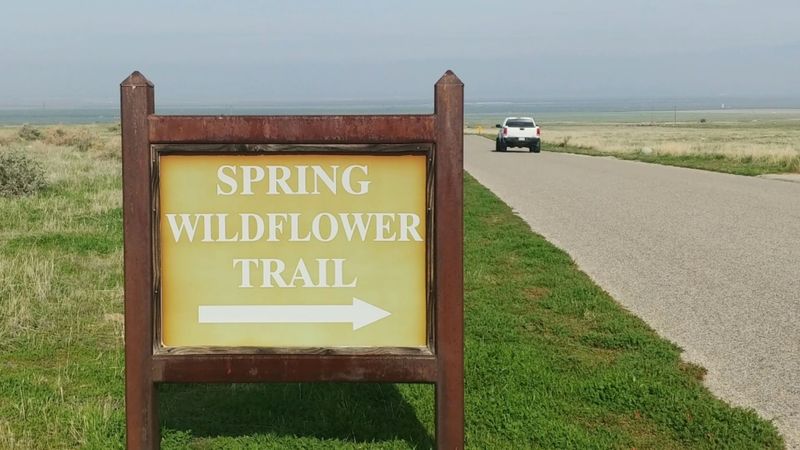
The preserve even has a designated area specifically for wildflower viewing, making it easier for visitors to find the best spots without wandering off trail.
Photographs taken during peak bloom have a way of looking almost unreal, which is part of why the preserve earns comparisons to a screensaver.
The poppies alone can blanket entire hillsides in deep orange, creating a visual contrast against green grass and pale sky that feels almost painted.
Visiting on a weekday morning during peak bloom offers the best combination of light and smaller crowds.
Visitor Amenities That Make The Experience Comfortable

A preserve this large could easily feel overwhelming without the right infrastructure in place.
Fortunately the facilities at Wind Wolves are well maintained and thoughtfully laid out for visitors of all kinds.
Campgrounds, picnic areas, clean restrooms, and ponds are all available on the property. The picnic areas are spread out enough to feel private even when the preserve has a good number of visitors.
Ponds on the property attract birds and other wildlife, making them pleasant spots to pause and observe without doing any strenuous hiking.
Water is available along certain trails, which is helpful for longer outings especially in warmer months.
Clean restrooms at a free outdoor preserve may sound like a small thing but it genuinely improves the experience for families with young children or visitors who plan to spend several hours on the property.
Bringing sunscreen, sturdy shoes, and enough snacks is still recommended since the terrain can be exposed and the distances between amenities may be longer than expected on certain trail routes.
Outdoor Education Programs Reaching Over 157,000 Students

Since 1996, Wind Wolves Preserve has welcomed more than 157,000 students through its outdoor education programs.
The curriculum covers subjects like ecology, geology, and California natural history, giving young people hands-on learning experiences that are difficult to replicate inside a classroom.
Programs are designed to connect students with the natural world in a direct and memorable way.
Standing in a grassland and learning about soil types feels very different from reading about them in a textbook.
The preserve’s varied terrain makes it an ideal outdoor classroom where multiple scientific concepts can be explored in a single visit.
For teachers and school groups looking to supplement science or environmental education, the preserve offers a resource that is both accessible and meaningful.
The nonprofit structure of The Wildlands Conservancy means that educational outreach is genuinely part of the organization’s core mission rather than an afterthought.
Families visiting independently may also find informational kiosks and brochures throughout the preserve that offer educational context about the plants, animals, and geology visible along the trails.
Nearly 15,000 Acres Permanently Protected In 2021
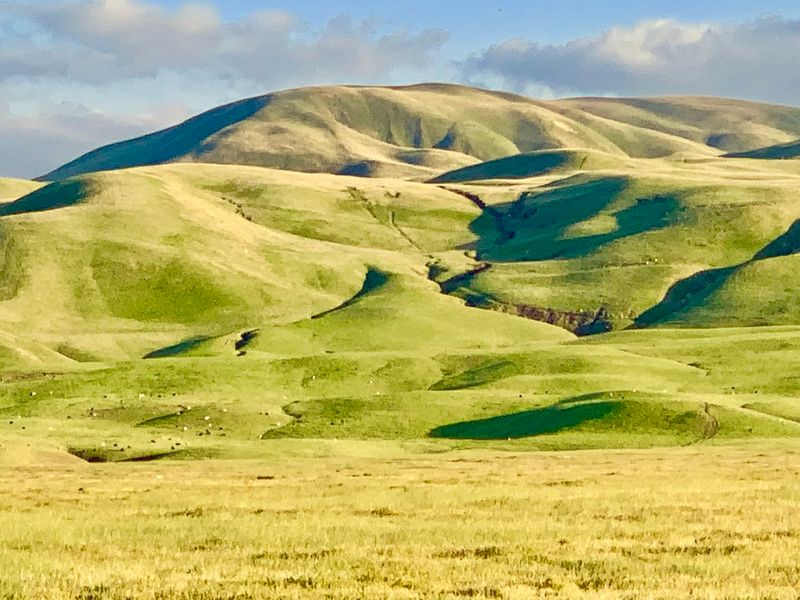
Conservation work at Wind Wolves Preserve took a major step forward in 2021 when nearly 15,000 acres were permanently protected through a formal conservation agreement.
The agreement specifically benefits endangered species that depend on the preserve’s habitats for long-term survival.
Permanent protection means the land cannot be converted to development or other incompatible uses regardless of future ownership changes.
For species like the blunt-nosed leopard lizard and the San Joaquin kit fox, that kind of legal permanence matters enormously.
Habitat loss is one of the leading threats to California’s endangered wildlife, and securing large connected parcels reduces that risk significantly.
The 2021 agreement was made possible through a partnership involving Trust for Public Land and other conservation organizations.
It reflects the kind of collaborative effort that large-scale land protection typically requires.
For visitors walking the trails today, that protected acreage represents land that will remain wild and accessible for generations to come.
The work happening behind the scenes at preserves like this one tends to be invisible to most visitors but its impact is long-lasting and real.
The Meaning Behind The Name Wind Wolves
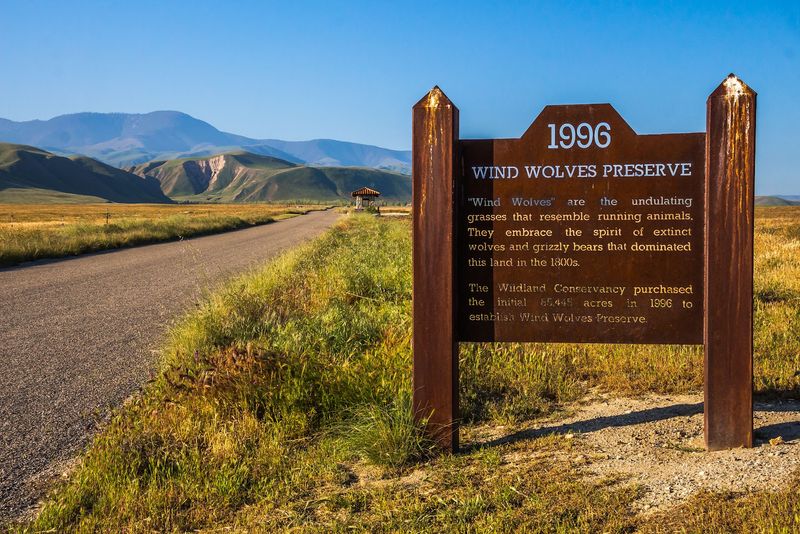
The name Wind Wolves is one of those phrases that sticks with a person long after a visit.
It refers to a specific visual phenomenon that happens when gusts of wind move through the tall grasses covering the preserve’s hillsides.
The bending grasses create a rippling, flowing motion that resembles unseen animals running across the slopes. Once that image is in mind it becomes impossible to look at the grasslands the same way.
A strong gust rolls through and suddenly the hillside seems alive with movement, the grass parting and surging like something large is passing through just out of sight.
The effect is most dramatic in open areas with long unbroken stretches of grass and a steady wind. The name captures something genuinely poetic about the place without overstating it.
Visitors who arrive on a windy day get the full experience and often describe it as one of the most striking things about the preserve.
Calmer days offer their own beauty but the wind is what gives the landscape its personality and its name.
Diverse Wildlife From Bears To Rare Birds
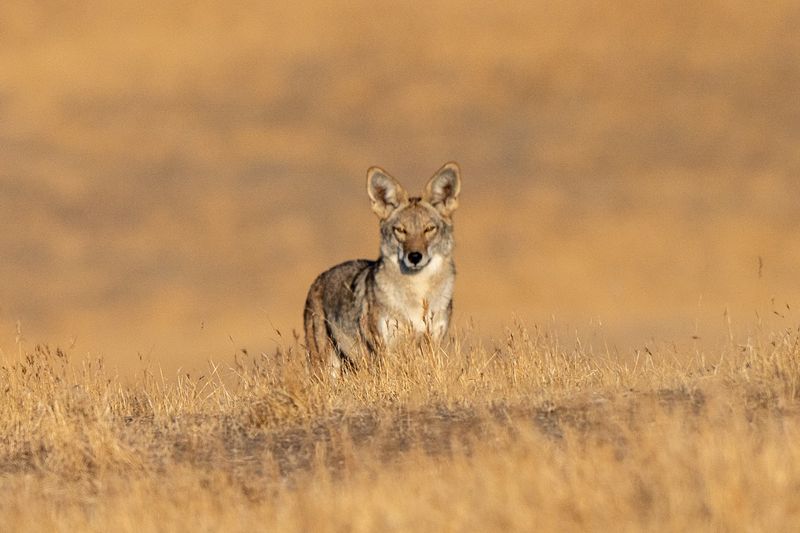
The animal life at Wind Wolves Preserve spans a wide range of species that reflects the ecological diversity of the land itself.
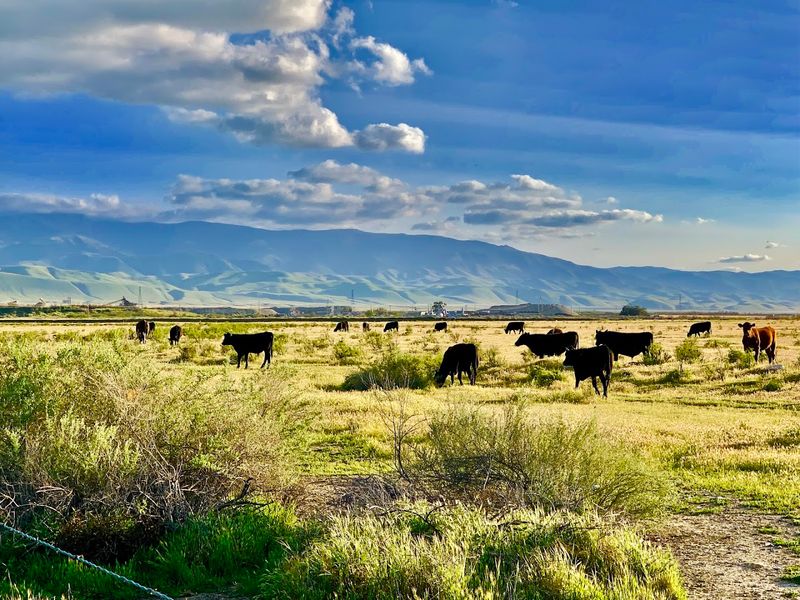
Mule deer, black bears, mountain lions, coyotes, and numerous bird species all make their home within the preserve’s boundaries.
Bird watchers find the preserve particularly rewarding since the varied habitats attract both resident and migratory species throughout the year.
Open grasslands attract raptors like red-tailed hawks and American kestrels while riparian corridors along creek beds support entirely different communities of songbirds and waterbirds.
Early morning visits tend to produce the most wildlife activity before the heat of the day sets in.
Mountain lions and black bears are present in the preserve but sightings are uncommon during typical daytime hiking hours.
Staying on marked trails, making noise while hiking, and keeping dogs on leashes are all practical habits that reduce the chance of unexpected close encounters.
The preserve’s wildlife is genuinely wild rather than habituated to human presence, which makes any sighting feel earned and authentic.
Over 28 Miles Of Trails For All Skill Levels
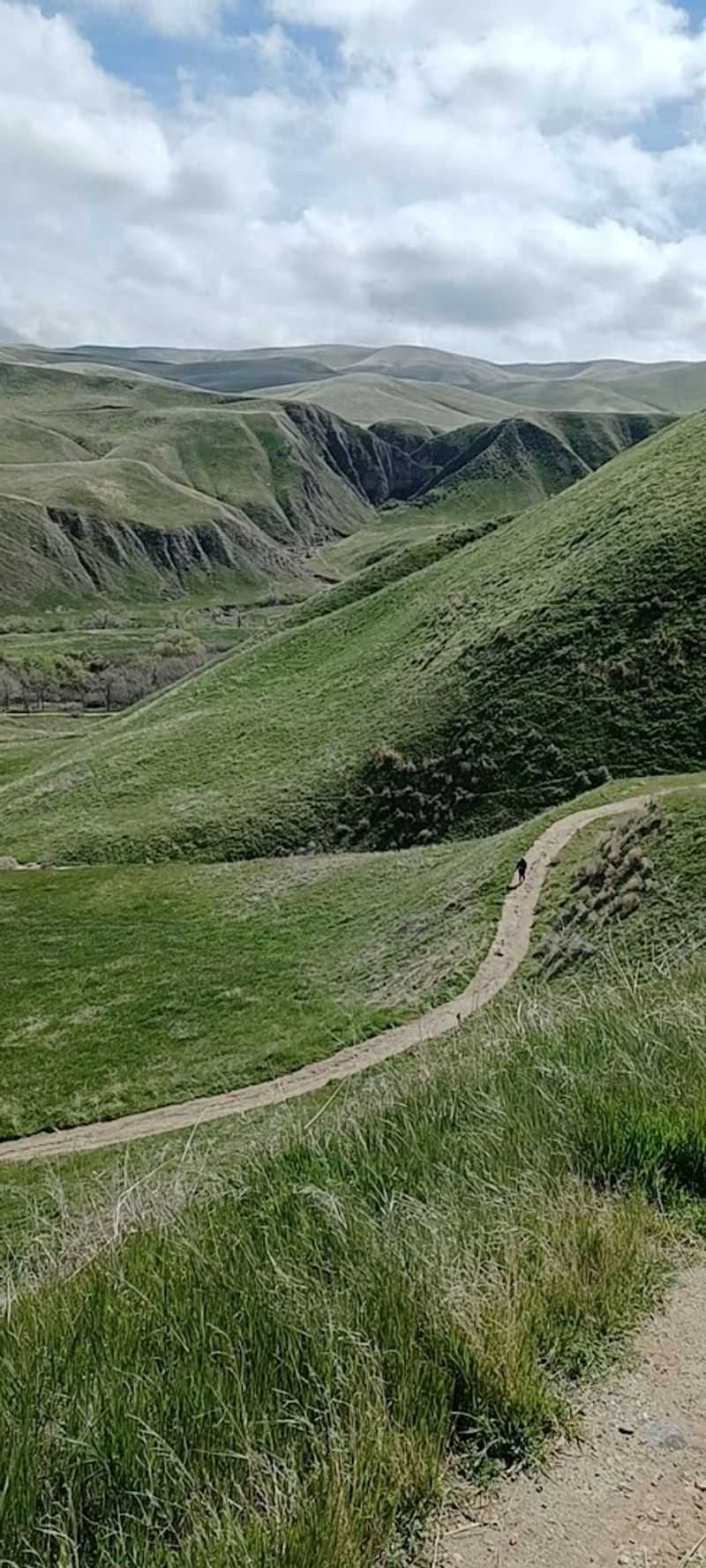
With more than 28 miles of trails spread across the property, Wind Wolves Preserve has something for nearly every type of outdoor visitor.
Routes range from easy flat walks near the entrance to more demanding climbs that lead to ridge-top views spanning the southern Central Valley.
Ravens Landing is one of the more popular trails and features a notable set of stone steps before the final climb to a sweeping overlook.
The Tule Elk Trail covers roughly three miles and gains significant elevation, taking most hikers between one and three hours depending on pace and fitness level.
A longer route leads to a lake nestled in the lower valley, covering approximately nine miles round trip.
Trail conditions are generally well maintained and signage throughout the preserve helps visitors stay oriented without needing a dedicated navigation app.
Carrying a printed trail map from the information kiosk near the entrance is still a smart move.
Tick checks after any hike through the grasslands are strongly recommended since the tall vegetation provides ideal habitat for ticks year-round.
Seasonal Events Including The Spring Nature Festival

Throughout the year, Wind Wolves Preserve hosts events that bring the community together around nature, education, and exploration.
The Spring Nature Festival is one of the most anticipated annual gatherings, featuring guided hikes, wildlife presentations, and wildflower viewing during the season when the landscape is at its most colorful.
Volunteer days are also organized regularly, giving visitors a chance to contribute to trail maintenance or habitat restoration alongside preserve rangers.
Information kiosks near the trailheads post upcoming events and volunteer opportunities so visitors can plan ahead.
Staff at the preserve are consistently described as knowledgeable and approachable, making events feel welcoming rather than formal.
For families especially, event days offer a structured way to experience the preserve with activities designed for children alongside adults.
Checking the official Wildlands Conservancy website before planning a visit is the most reliable way to find current event schedules since dates can shift from year to year.
The combination of free admission and organized programming makes Wind Wolves one of the more accessible nature destinations in the Central Valley for people of all backgrounds and experience levels.