10 North Carolina Lakes That Make Every Mile Worth It
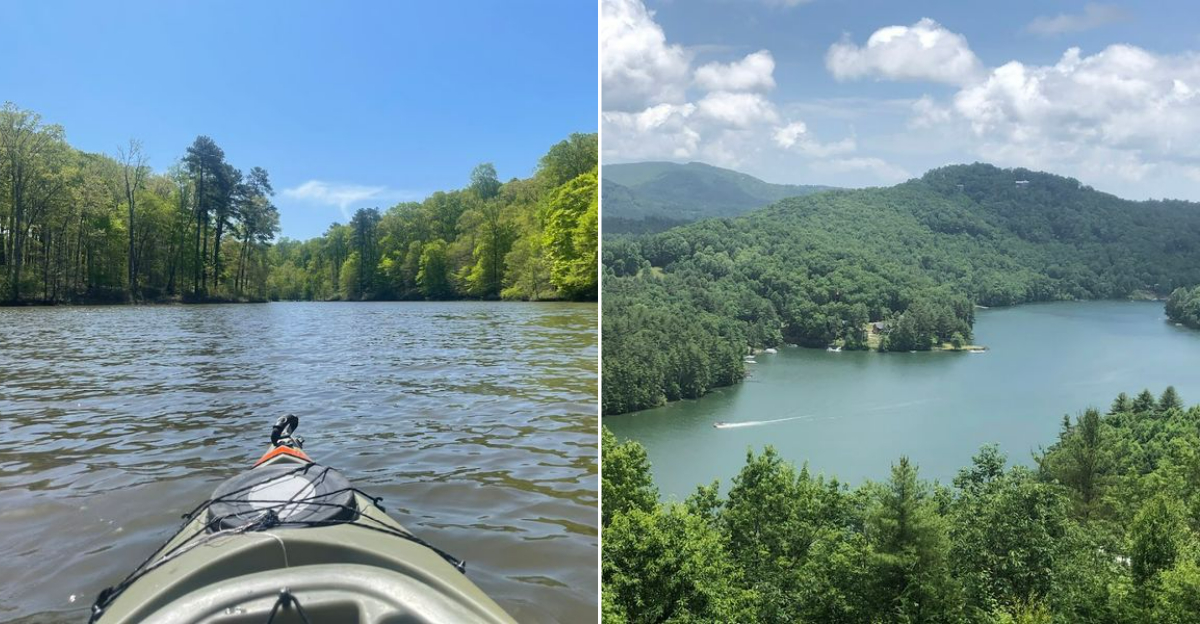
I’ve driven past a lot of “scenic overlooks” in North Carolina that turned out to be anything but. Lakes are different.
The state has over 30 major lakes, and somehow, most people outside the South have never heard of half of them. Mountain reservoirs with water so clear it almost looks untouched.
Coves where you won’t see another boat for hours. Shorelines that make you pull over and just stare.
I put together this guide after taking a closer look at what each of these lakes actually offers, not just a quick stop for photos. Hauling a kayak or just looking for somewhere to sit and decompress, North Carolina delivers either way.
Every single lake on this list earned its spot, and each one will give you a reason to book that road trip you’ve been putting off.
1. Lake Norman
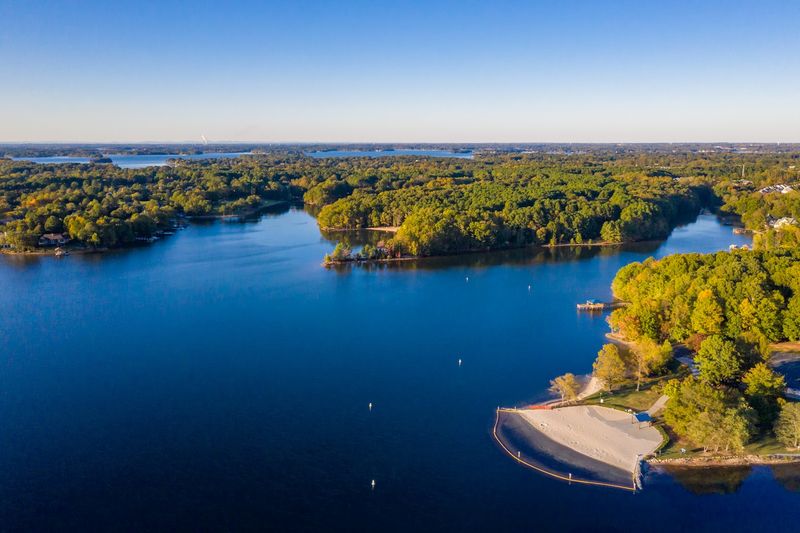
Calling Lake Norman the big dog of North Carolina lakes is not an exaggeration. Stretching over 500 miles of shoreline, it is the largest man-made lake in the state, and it sits close enough to Charlotte that you can be out on the water before the morning traffic even picks up.
Boating here feels like a sport unto itself. On any given weekend, you will see pontoon boats, jet skis, sailboats, and fishing rigs all sharing the same stretch of sparkling water.
The variety of watercraft is almost as entertaining as the views.
Fishing is serious business at Lake Norman. Striped bass, largemouth bass, and catfish are regulars here, so bring a rod even if you think you are just going for a swim.
The lake stretches across Iredell, Catawba, Lincoln, and Mecklenburg counties, easily accessible from Interstate 77.
Shoreline restaurants and marinas make this lake feel like a full vacation destination rather than just a day trip. Families, solo adventurers, and weekend warriors all find their version of fun here.
Lake Norman does not ask you to choose between relaxation and excitement because it genuinely offers both without trying too hard.
2. Fontana Lake
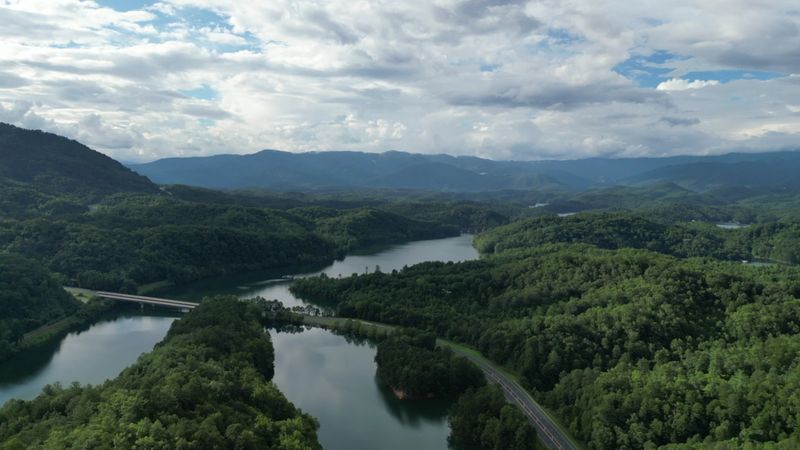
Few lakes in the Southeast can match this kind of setting. Bordered by Great Smoky Mountains National Park on one side and Nantahala National Forest on the other, Fontana Lake does not mess around when it comes to scenery.
It is also the deepest lake in North Carolina, which makes it a fascinating place to fish. Smallmouth bass, walleye, and trout live in those cold, clear depths, rewarding anglers who know how to read deep water.
Early mornings here are genuinely magical, with mountain fog rolling across the surface.
Getting to Fontana Lake requires a bit of effort, and that is honestly part of its charm. The roads narrow, the trees get taller, and by the time you arrive you feel like you have earned the view.
Fontana Village Resort near the dam offers lodging and boat rentals if you want to make a full weekend of it.
Hikers love this area because the Appalachian Trail crosses Fontana Dam, making it easy to combine a water day with a trail day. The lake sits in Graham and Swain counties in the western part of the state.
Few places anywhere manage to feel this remote while still offering real amenities nearby.
3. Lake Lure
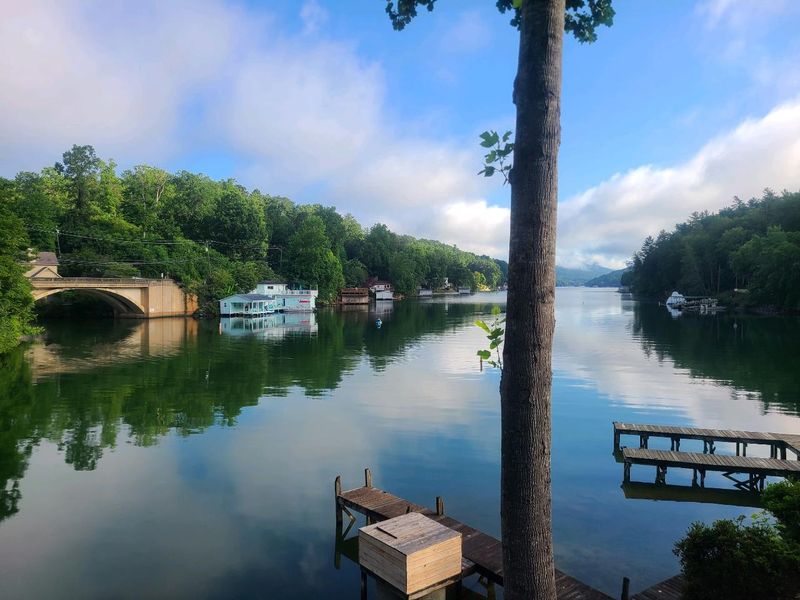
Most people first heard of Lake Lure from a certain 1987 movie involving a summer camp and a famous final dance scene. Yes, Dirty Dancing was filmed here, and the lake still carries that nostalgic energy without leaning too hard on the Hollywood history.
What makes Lake Lure genuinely worth visiting is the mountain setting. The Blue Ridge Mountains wrap around the water like a bowl, creating a backdrop so cinematic you will reach for your camera constantly.
The colors in fall are absolutely ridiculous in the best possible way.
Boat tours have long been one of the classic ways to experience the lake, though recent recovery efforts have affected operations in the area. When available, they offer a relaxed and informative way to see the shoreline without handling your own boat.
Kayak and paddleboard rentals are also easy to find near the shoreline.
Chimney Rock State Park is just minutes away, so you can easily pair a morning on the water with an afternoon hike to dramatic rock formations overlooking the same valley.
The combination of lake, mountains, and park makes Lake Lure one of the most well-rounded day trips in the western part of the state. It earns the drive every single time, movie fame or not.
4. Jordan Lake
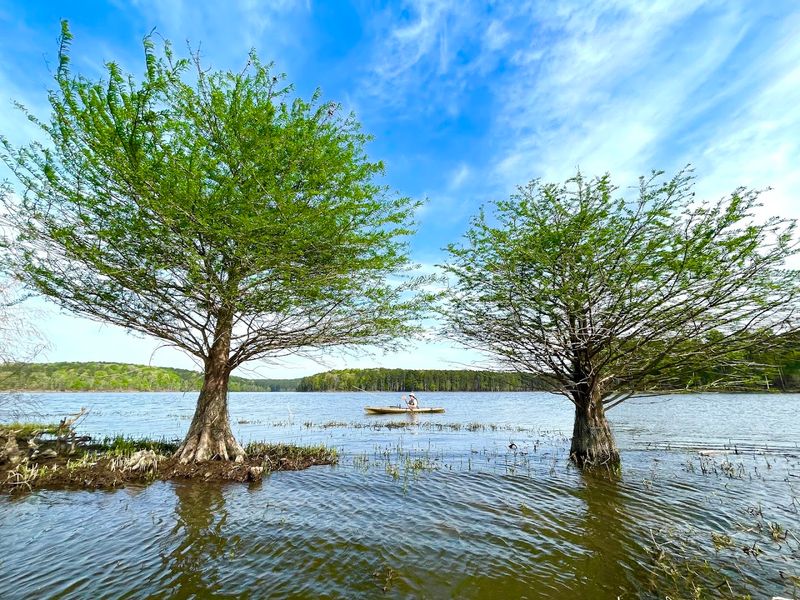
Bald eagles don’t usually show up on a Tuesday afternoon. At Jordan Lake, they do.
Located in Chatham County just southwest of the Research Triangle, this reservoir covers over 13,000 acres and draws swimmers, boaters, campers, and birdwatchers without ever feeling crowded.
Spotting an eagle glide low over the water is a moment that sticks with you. Jordan Lake is one of the best places in the state to observe these birds outside a national park setting.
Binoculars are worth the bag space.
Jordan Lake State Recreation Area manages several access points, each with its own personality. Some beaches work great for families, while other areas suit kayaking or nature photography.
Campgrounds fill fast on summer weekends, so booking early matters.
Fishing produces crappie, catfish, striped bass, and largemouth bass year-round. The lake sits close enough to Raleigh, Durham, and Chapel Hill that it functions as the Triangle region’s go-to escape, and it handles that role with real grace.
5. Lake James
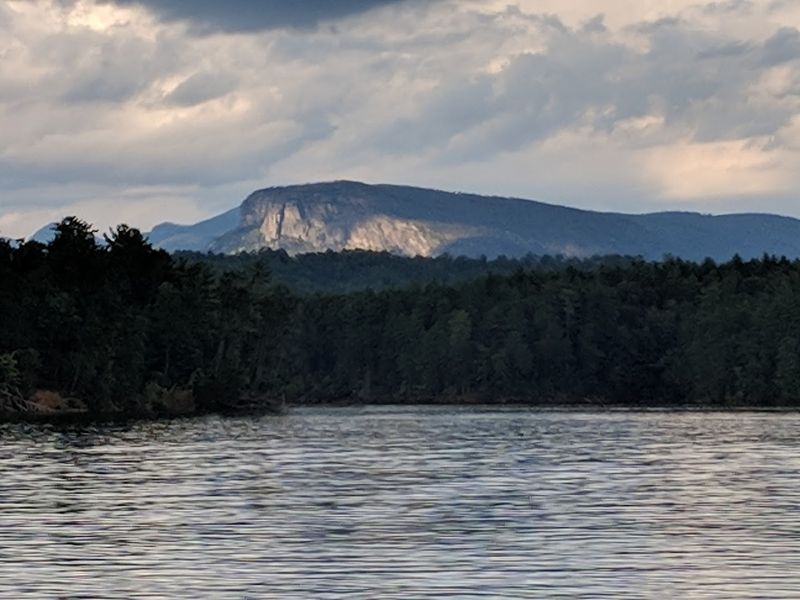
Clear water is Lake James’s calling card, and it delivers on that promise consistently.
Sitting in Burke and McDowell counties at the edge of the Appalachian foothills, this lake offers a level of water clarity that makes you want to stare straight down from the side of a kayak just to see how deep the view goes.
Lake James State Park wraps around a large portion of the shoreline and offers some of the best hiking in the region. Trails wind through hardwood forests and along rocky bluffs with water views that feel genuinely earned.
The Paddy Creek area on the west side of the park is especially popular with paddlers.
Fishing here leans toward trout, smallmouth bass, and catfish, with the cooler mountain water keeping conditions favorable for cold-water species. Early fall is a particularly rewarding time to visit because the foliage turns spectacular around the surrounding ridgelines.
Camping at Lake James is a real pleasure. Sites near the water fill up during peak season, but even the interior sites feel peaceful and removed from the usual noise of everyday life.
The town of Marion is nearby on US-70 if you need supplies or a meal after a long day on the water. Lake James rewards visitors who slow down and actually pay attention to where they are.
6. White Lake
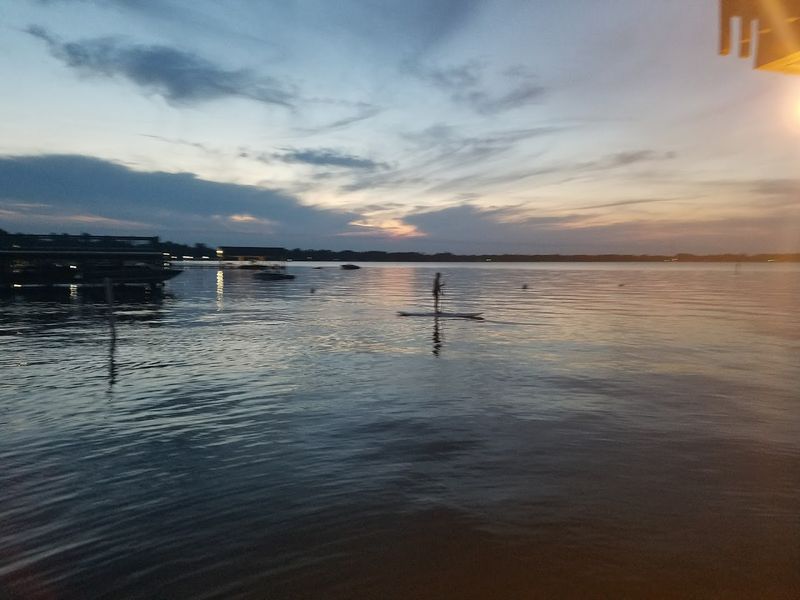
Chest-deep water and you can still see your feet. That is White Lake.
Located in Bladen County in the coastal plain of the state, this natural Carolina Bay lake has a sandy bottom and water so transparent it almost looks artificial, like someone filled a natural bowl with filtered pool water.
The clarity comes from the lake’s geology. White Lake sits in a shallow depression with a clean sand substrate and no major inflow streams carrying sediment.
The result is water that never really gets murky.
Swimming is the main event here, and it has been for generations. Families from across the region have been making the trip for decades, and the shoreline reflects that history with old-school cottages, small resorts, and water parks.
Longstanding resorts and family-run spots line parts of the shore, keeping that old-school lake tradition alive.
Boating rules are designed to keep the lake calm and safe, especially in near-shore areas where activity is more controlled. Paddleboats and canoes are popular for exploring the edges.
White Lake is not a dramatic mountain lake, but its clarity and easy warmth make it completely unforgettable.
7. High Rock Lake
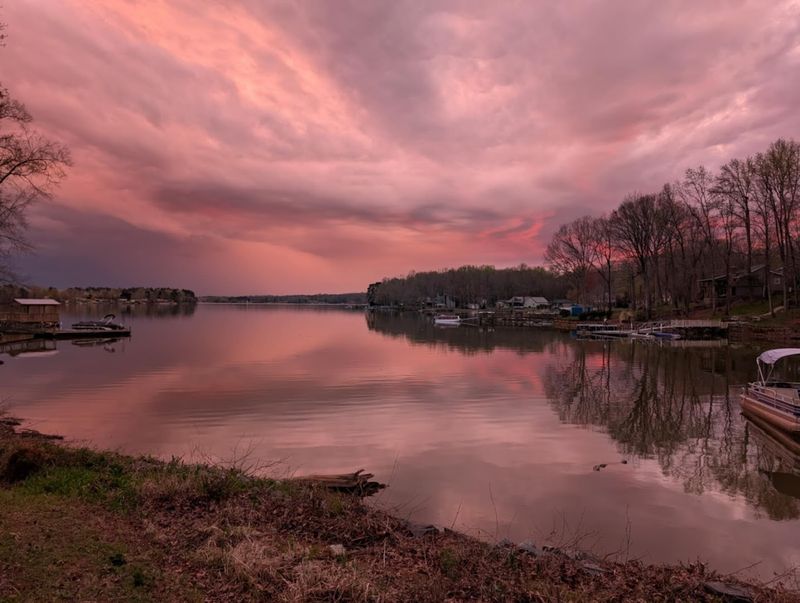
Anglers treat High Rock Lake like a personal treasure, and honestly they are not wrong.
Sitting on the Yadkin River in Davidson and Rowan Counties, this is the second-largest lake in the state, and its reputation for largemouth bass fishing is strong enough to draw tournament competitors from across the Southeast.
The lake covers around 15,000 acres and has a network of coves, creek arms, and shallow flats that bass absolutely love. Crappie fishing is also excellent here, particularly in the spring when fish move into the shallows to spawn.
A well-rigged rod and some patience will take you far.
High Rock is not a polished resort destination, and that is a genuine part of its appeal. The atmosphere is laid-back and unpretentious, the kind of place where people back their trailers down the ramp before sunrise and nobody gives it a second thought.
Several public boat ramps provide easy access around the lake.
The surrounding landscape is gentle and green, with rolling piedmont terrain that feels distinctly different from the mountain lakes to the west. Sunsets over High Rock Lake can be quietly stunning, turning the wide water surface into something that looks almost painted.
Old US-29 Business runs near the lake if you are navigating from the Salisbury or Lexington area. Give this one a real chance.
8. Lake Glenville
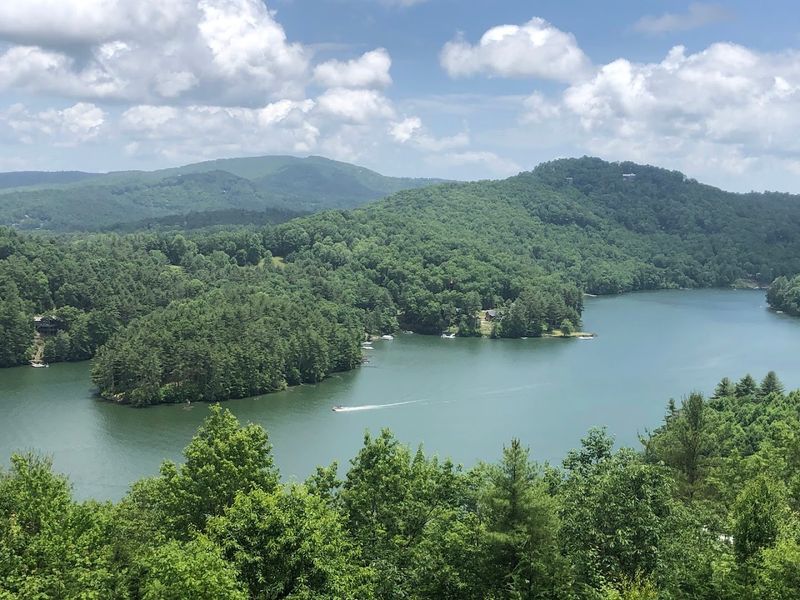
At 3,400 feet above sea level, Lake Glenville is the highest lake in the state. The views from that elevation are exactly what you would hope for.
Located in Jackson County near the town of Glenville, this reservoir sits inside a ring of forested mountain ridges that turn gold and red every October without fail.
The water temperature stays noticeably cooler than lakes at lower elevations, which makes summer swimming feel like a genuine reward after a hot drive up winding mountain roads.
Fishing here produces rainbow trout, smallmouth bass, and walleye, and the cooler water keeps fish active even during the warmest months.
Waterfalls are part of the Lake Glenville experience. Bust Your Butt Falls and Schoolhouse Falls are both within a short drive, and combining a waterfall hike with a morning on the lake makes for an incredibly full day in the mountains.
The area rewards explorers who do not stick strictly to the main road.
Boat rentals and access points are available near the dam, and the lake is popular with kayakers who appreciate the calm, clear conditions. The surrounding Nantahala National Forest adds layers of hiking and wildlife watching options.
Lake Glenville sits off NC-107 south of Cashiers, and the road itself is scenic enough to make the approach feel like part of the destination.
9. Falls Lake
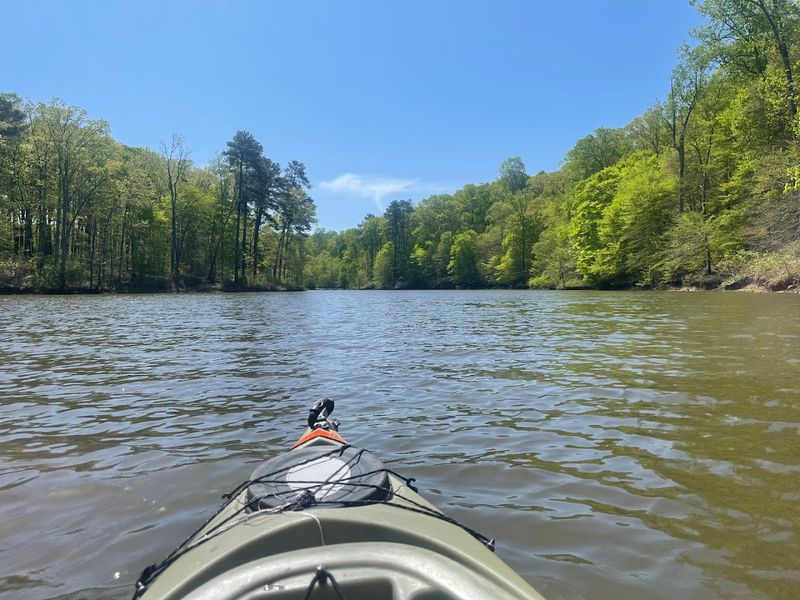
Most people in Raleigh drive right past the exit. That’s their loss.
Falls Lake sits just north of the city in Wake and Durham Counties, covering around 12,000 acres with a long, winding shoreline that rewards anyone willing to explore it.
Falls Lake has a strong trail network, including a long stretch of the Mountains-to-Sea Trail for hikers and a separate mountain bike system at Beaverdam Access. Together, they give the area far more range than most visitors expect.
Swimming beaches here are genuinely good. The B.W.
Wells and Rolling View areas offer sandy shores, picnic facilities, and calm water suited for families. Lifeguards are present during peak season.
Fishing produces striped bass, largemouth bass, crappie, and catfish throughout the year. Multiple boat launch ramps make getting on the water simple.
For anyone living in the Triangle who hasn’t made the short drive north yet, this lake is long overdue for a visit.
10. Lake Kerr
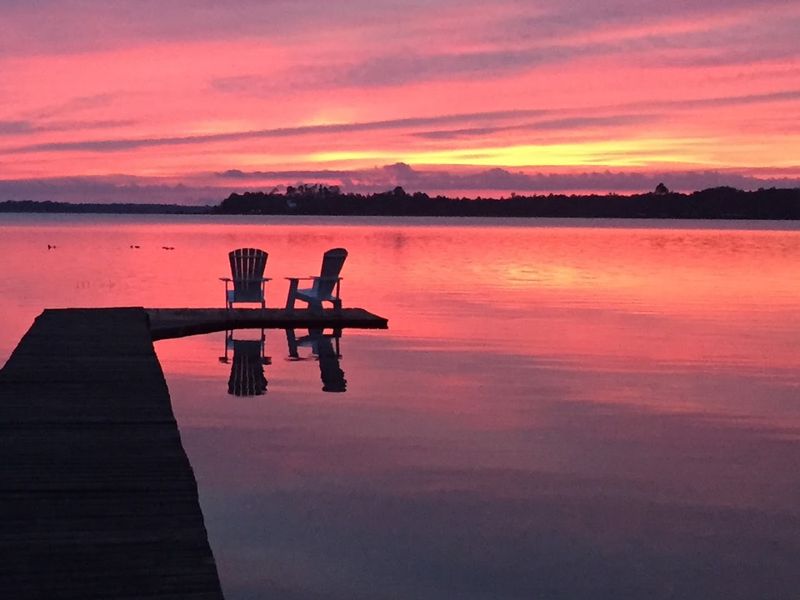
800 miles of shoreline. Let that number sit for a second.
Lake Kerr, sometimes called Buggs Island Lake, straddles the Virginia border in Vance and Warren counties and covers nearly 50,000 acres. First-time visitors consistently underestimate its size until they’re actually on the water.
Striped bass fishing here has legendary status among regional anglers. The lake produces trophy-sized stripers regularly, and tournaments draw serious competitors from multiple states.
Even casual anglers with modest gear tend to leave with a story worth telling.
Lake Kerr State Recreation Area manages several campgrounds around the lake. Securing a waterfront campsite ranks among the better outdoor experiences the region offers.
Morning light shifting across that enormous surface has a way of recalibrating your whole sense of scale.
Boating, swimming, and water skiing are all common, and the sheer size means quiet coves exist even on busy weekends. The red clay banks give Kerr Lake a look that sets it apart from anything you’d find in the mountains.
Henderson sits just south on US-1, making it the closest city for supplies and food. This lake rewards anyone willing to make the drive north.