The Untold Side Of Pennsylvania’s Amish Life Tourists Don’t See
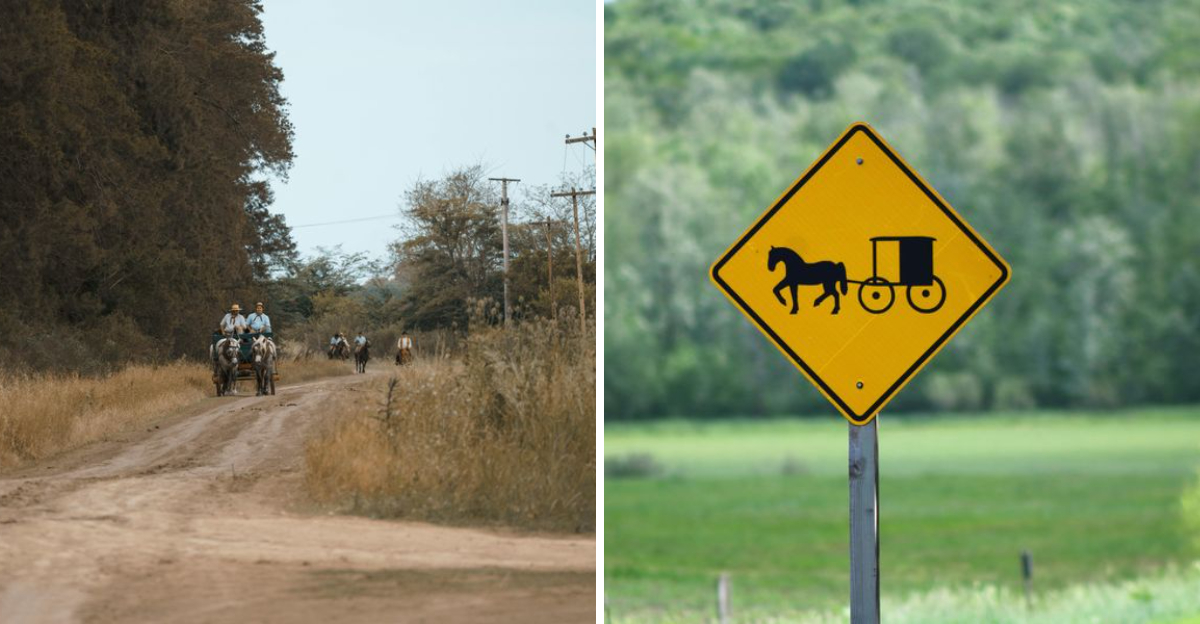
Most people think they already know the Amish story. Horse-drawn buggies, plain clothing, no electricity, and a general commitment to living in a way that makes the rest of us feel mildly guilty about our screen time.
It is a tidy narrative, and like most tidy narratives, it leaves out the parts that are actually interesting.
The real Amish world is more layered, more practical, and considerably more surprising than the version that ends up on postcards and in documentary series.
There are communities debating what technology serves them without compromising their values. There are teenagers navigating a period of genuine freedom before committing to the faith.
There are businesses, negotiations with the modern world, and a level of community organization that most towns twice their size could not pull off.
I went looking for the version that goes deeper than the quilt stands and roadside farm markets. What I found genuinely shifted how I think about what it means to choose a life deliberately.
1. Misunderstood Rumspringa
Rumspringa gets a dramatic reputation, mostly from reality TV shows that turned it into something barely recognizable.
The word itself simply means “running around” in Pennsylvania Dutch, and it refers to the period when Amish teens enter young adulthood, typically around age 16.
For most young people in the community, Rumspringa looks nothing like a wild escape.
It usually means attending youth singings, spending more time with peers, and slowly deciding whether to be baptized into the Amish church.
Some teens do experiment with outside culture, but it is far less extreme than pop culture suggests.
The choice to be baptized and stay is made freely, and the majority do choose to stay. That part rarely makes it into the headlines.
Rumspringa is really about growing up and making a meaningful, informed commitment to a way of life, not a chaotic rebellion. Understanding that changes the entire story of what the Amish community is actually about.
2. Modern Medicine Acceptance
Somewhere along the way, a myth got started that the Amish refuse all modern medical care. That is simply not accurate.
Most Amish communities do seek medical treatment, visit doctors, and go to hospitals when needed. They are not opposed to medicine itself.
What guides their decisions is a combination of community values, financial considerations, and a preference for natural remedies when practical.
Many Amish families use herbal treatments for minor ailments, but they do not hesitate to seek professional care for serious conditions. Cancer treatments, surgeries, and specialist visits are all part of life for many Amish families.
One fascinating detail is how Amish communities often handle the cost.
Since most do not carry commercial health insurance, they rely on a community-based system where members contribute to cover each other’s medical bills.
It functions a bit like a cooperative, and it works remarkably well. Seeing an Amish family calmly navigating a modern hospital is a reminder that their choices are thoughtful and practical, not fearful or rigid.
They simply approach healthcare on their own terms, which honestly sounds pretty reasonable.
3. Battery-Powered Homes

People assume Amish homes are completely dark after sunset, lit only by candles and oil lamps. The reality is more nuanced and honestly a little clever.
Many Amish households use 12-volt battery systems to power certain appliances and lights without connecting to the public electrical grid.
The grid connection is what most Old Order Amish avoid, not electricity itself in every form.
Batteries, solar charging systems, and even pneumatic power from air compressors are all used in various Amish communities.
The specific rules vary by district, and each community votes on what is acceptable based on their shared values.
Propane and natural gas are also common for cooking and refrigeration in many homes.
So while you will not find a big-screen TV or a microwave plugged into the wall, you might find a gas-powered refrigerator keeping the butter cold just fine.
The logic behind these choices is about maintaining community interdependence and avoiding the cultural influences that come with full grid connection.
It is a deliberate, reasoned boundary, not a fear of modern convenience. Honestly, the ingenuity involved is pretty impressive.
4. Technology’s Selective Embrace
Spotting an Amish person using a cell phone might make you do a double take.
It feels contradictory at first, but there is a clear logic behind it once you understand how Amish communities make decisions about technology.
The key question they ask is whether a technology strengthens or weakens family and community bonds.
Cell phones, for example, are permitted in some districts for business use, as long as they are not kept inside the home. Shared community phones placed in small outbuildings have been common for decades.
The boundary is about managing influence, not banning tools entirely.
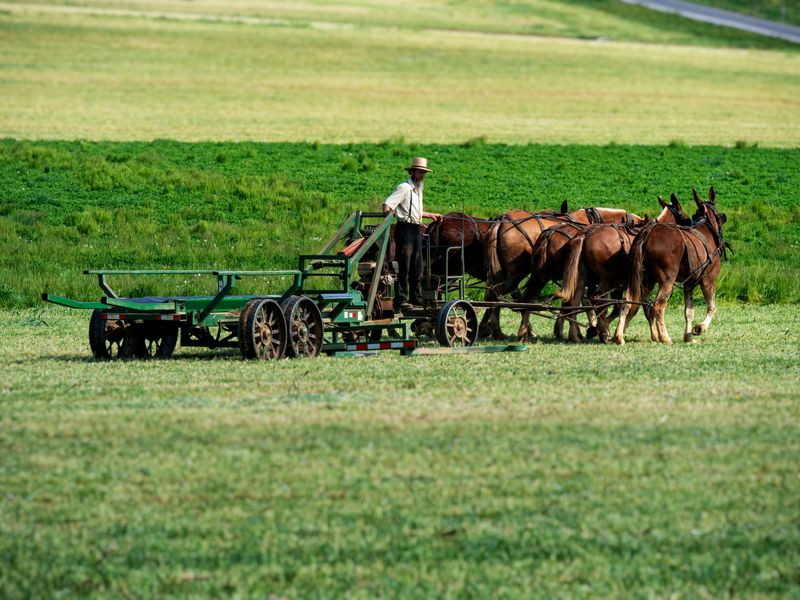
Farming equipment offers another interesting example. Some Amish farmers use modern machinery in the fields but have it powered by horses or modified to avoid grid electricity.
The line can look inconsistent from the outside, but each community carefully deliberates over every new technology before deciding. These are not arbitrary rules handed down without thought.
They are ongoing community conversations about values and identity. Watching that process in action is actually one of the more fascinating things about Amish culture that most tourists never get close enough to observe.
5. Diverse Occupations
Farming is the first job most people associate with the Amish, and historically that connection made complete sense.
But land prices in Pennsylvania have risen sharply over the decades, and the Amish population has grown significantly. Not every family can farm anymore, and the community has adapted in remarkable ways.
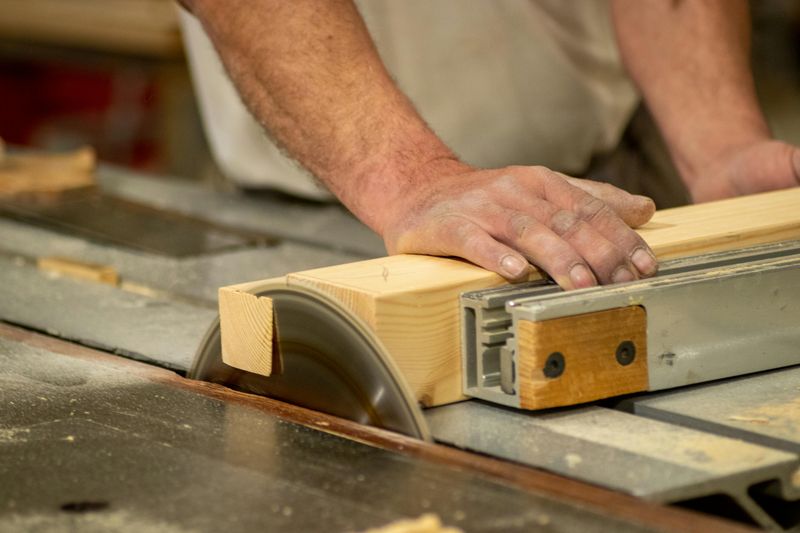
Today, Amish men and women work in furniture making, construction, cabinetry, quilt production, food businesses, and retail.
Some run successful small companies that sell products well beyond their local communities. Amish-built furniture has a serious following across the country because of its quality and craftsmanship.
What remains consistent across occupations is the emphasis on work that can be done with integrity and skill, ideally close to home and family.
Many Amish-owned businesses operate out of converted barns or small shops on family property. The goal is always to support the community rather than build individual wealth or status.
Watching an Amish craftsman work is genuinely humbling. The focus, the patience, and the pride in getting something right without rushing is a refreshing contrast to the disposable-everything culture most of us live in every single day.
6. Banking And Debit Cards
Cash and the Amish seem like a natural pairing, and many transactions within the community do happen that way. But the idea that the Amish avoid banks entirely is another misconception worth clearing up.
Most Amish families maintain bank accounts and manage their finances through standard financial institutions.
Some Amish business owners use debit cards for purchasing supplies and managing transactions with outside vendors.
The use of credit cards is far less common and often discouraged because of concerns around debt and financial dependence, but banking itself is simply practical and accepted.
Amish entrepreneurs who run successful businesses need to manage payroll, pay taxes, and handle invoices just like any other small business owner.
Financial literacy within the community is actually quite high because money management is taught early and treated seriously.
There is no romantic notion that the Amish operate entirely outside the modern economy. They are embedded in it in many ways, just on their own carefully considered terms.
Watching a confident Amish business owner walk out of a bank with a receipt and a handshake is a perfectly ordinary scene in Lancaster County on any given Tuesday morning.
7. Mirrors Over Photos
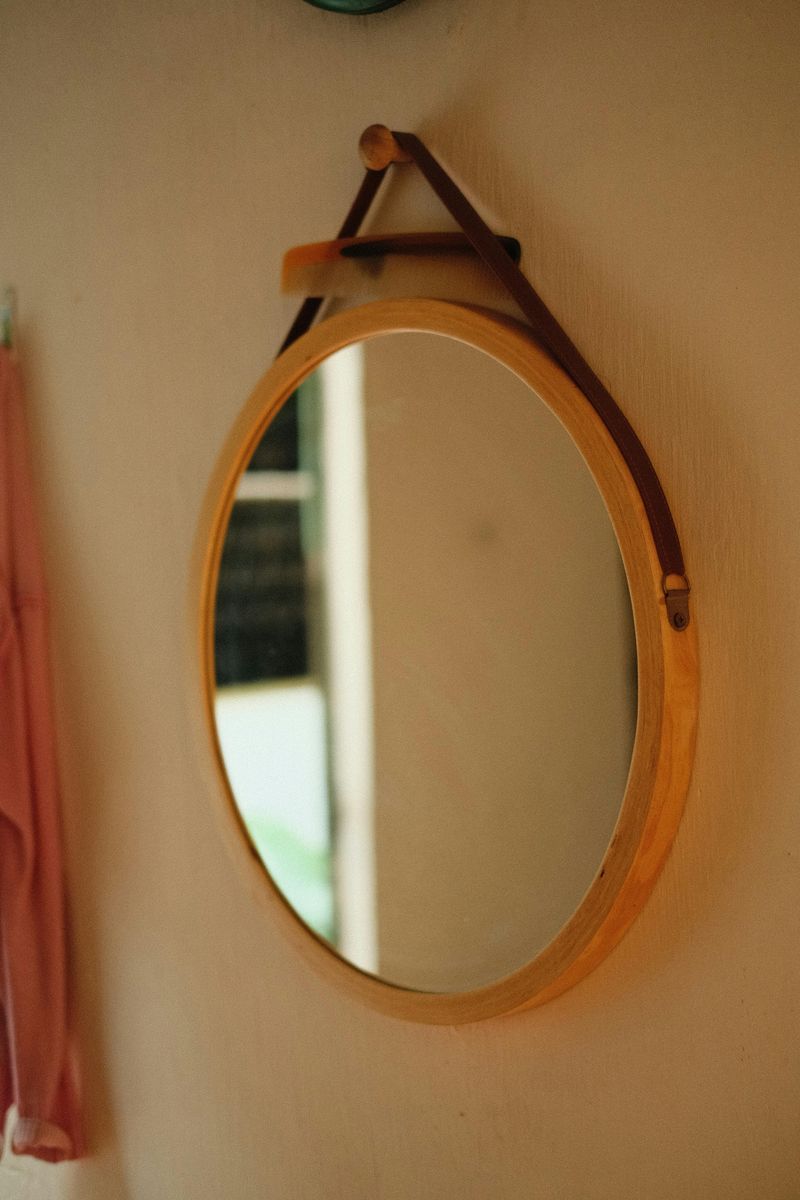
Walk through an Amish home and you will notice something immediately. There are no framed family photos on the walls, no portraits, no snapshots pinned to the refrigerator.
Yet there is almost certainly a mirror somewhere in the house. That contrast surprises a lot of visitors who expect both to be absent.
The reasoning comes from a core Amish value called Gelassenheit, which roughly translates to yielding or humility. Photographs, particularly posed portraits, are seen as promoting individual pride and vanity.
A mirror serves a practical function without celebrating the self in the same way a preserved image does.
This is also why many Amish are uncomfortable being photographed by tourists, which is worth respecting.
The discomfort is not shyness. It is a sincere expression of a deeply held belief about humility and community over individual identity.
Some Amish do allow candid photography in certain contexts, but asking permission first is always the right move.
Understanding the mirror and photo distinction gives you a small but meaningful window into how Amish values show up in everyday domestic life in ways that are easy to overlook on a casual drive through Lancaster County.
8. Varied Diet
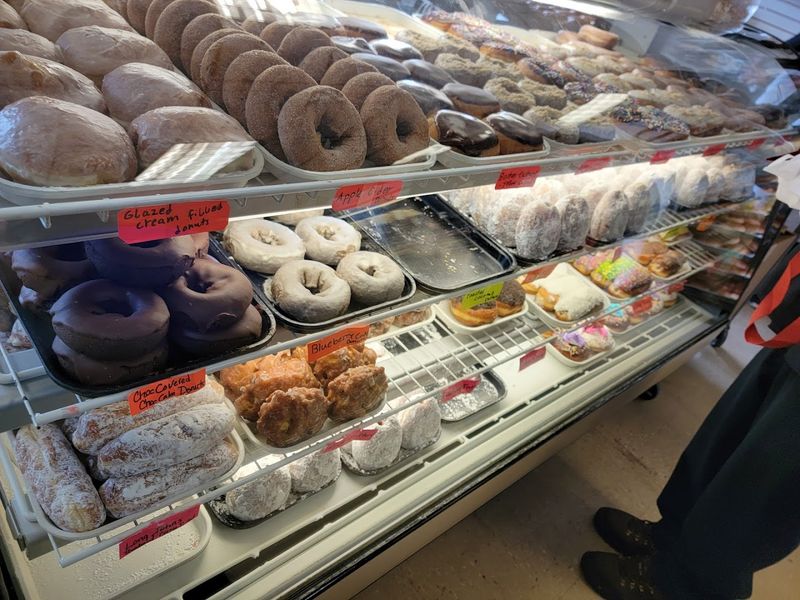
Amish cooking has a reputation for being heavy, hearty, and meat-forward, and there is truth to that. But the full picture of what Amish families eat day to day is more varied and seasonal than the stereotype suggests.
Gardens are central to Amish life, and fresh vegetables play a much bigger role than outsiders typically assume.
Canning season is a serious event in most Amish households. Tomatoes, green beans, corn, pickles, and fruit preserves line the shelves of Amish pantries and carry families through the winter months.
The connection to seasonal, homegrown food is genuine and deeply embedded in daily routines.
Baked goods get a lot of attention, and rightly so. Amish pies, breads, and cookies made from scratch with quality ingredients are genuinely outstanding.
But the diet also includes plenty of soups, stews, egg dishes, and dairy products from community farms. Meals are eaten together as a family, often three times a day, and food preparation is a shared responsibility passed down through generations.
The Amish relationship with food is rooted in gratitude and practicality rather than trend-chasing, which makes the flavors feel honest and satisfying in a way that is hard to replicate elsewhere.
9. Tax Contributions
A surprisingly common belief is that the Amish do not pay taxes.
This misconception probably comes from the fact that Old Order Amish are exempt from Social Security taxes under a specific religious exemption that Congress granted in 1965.
That exemption is real, but it applies only to self-employed Amish workers and comes with conditions.
In exchange for the exemption, Amish individuals also do not collect Social Security benefits. They rely on their community rather than the government for support in old age.
It is a self-sufficient arrangement that they have maintained with consistency and integrity for generations.
Beyond Social Security, Amish families pay property taxes, sales taxes, and income taxes just like their non-Amish neighbors. Amish business owners file business taxes and comply with applicable regulations.
They contribute to local school funding through property taxes even though their children attend Amish parochial schools rather than public ones. That last point is particularly worth sitting with.
They fund a system their children do not use, without complaint, because they see it as part of being a responsible neighbor.
That kind of civic-minded generosity tends to get left out of most conversations about the Amish and taxes entirely.
10. Language Nuances
Most people know that the Amish speak a distinctive language among themselves, but few realize just how layered their linguistic world actually is.
Pennsylvania Dutch, also called Deitsch, is the primary language spoken at home and within the community. It is a German dialect brought to America by early Amish and Mennonite settlers in the 1700s.
Here is the part that catches people off guard. Pennsylvania Dutch has very little to do with the Netherlands.
The word Dutch in this context is a version of Deutsch, meaning German.
So calling it Pennsylvania Dutch is technically a centuries-old mislabeling that stuck around and confused everyone ever since.
Children grow up speaking Pennsylvania Dutch at home and learn English when they start school, making most Amish adults genuinely bilingual.
High German is also used in church services and religious texts, giving many Amish individuals a working knowledge of three distinct language forms.
Conversations with Amish community members often shift fluidly between English and Deitsch depending on context and audience.
That linguistic flexibility is something most visitors never notice or think to ask about.
Paying attention to how the Amish communicate reveals a richness and complexity in the culture that goes far deeper than the plain clothing and buggies ever could.