This Georgia State Park Near Atlanta Is Quietly Full Of History And Natural Beauty
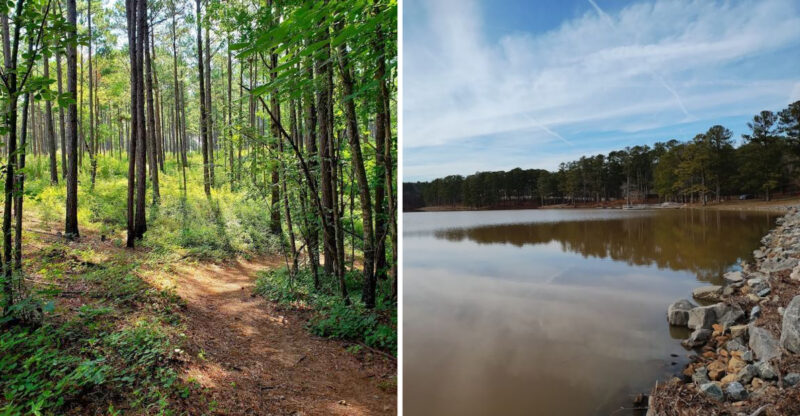
History and nature tend to feel even more meaningful when they exist side by side, and Indian Springs State Park offers exactly that balance. Located in Flovilla, Georgia, this longtime park carries a sense of place shaped by both its natural setting and its deep historical roots.
Visitors can explore grounds connected to Creek Indian heritage while also taking in stone structures built during the Depression era, adding layers of story to every walk through the park. The landscape itself invites a slower pace, with trails, open spaces, and quiet corners that make it easy to unwind.
Whether spending a few hours or planning a full weekend, the experience feels both peaceful and engaging. For families, history enthusiasts, and anyone looking to step away from the rush of daily life, Indian Springs State Park offers a visit that is both relaxing and memorable.
1. Historic Significance Dating Back to 1826
Few state parks in the entire country can claim a founding year as early as 1826, and Indian Springs wears that distinction with quiet pride. Located at 678 Lake Clark Road, Flovilla, GA 30216, the park is widely recognized as one of the oldest state parks in the United States. That age alone makes stepping through its entrance feel a little different from a typical weekend outing.
The layers of history here are not just decorative they are woven into the land itself. Visitors often walk the same grounds where Creek Indians gathered, where resort visitors once sought healing waters, and where New Deal workers shaped stone into lasting structures.
Coming here with even a little historical curiosity makes the visit richer. Reading the interpretive signs along the paths adds real context to what might otherwise look like a pretty lake and some old buildings. This place genuinely rewards the attentive visitor.
2. Natural Artesian Mineral Springs
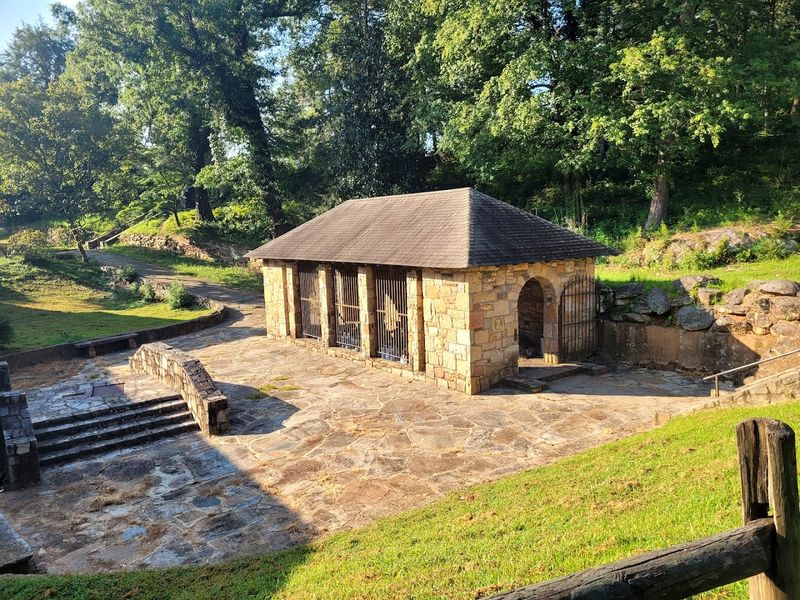
The mineral springs at the heart of this park have drawn visitors for centuries, long before the park officially existed. The iconic spring house was built by the Civilian Conservation Corps and still shelters the natural artesian spring that gives the park its name. The water carries a distinctive sulfur scent that catches first-time visitors a little off guard.
Creek Indians believed the water held healing properties, and word of those springs eventually attracted resort-goers from across the Southeast during the 1800s. Today, visitors can still taste and collect the mineral water directly from the spout a genuinely unusual experience that connects the present to a very long past.
Bringing a small container to take some water home is a popular tradition. The spring house itself is also a beautiful piece of stonework worth photographing from multiple angles during any season.
3. Creek Indian Heritage and the Treaty of Indian Springs
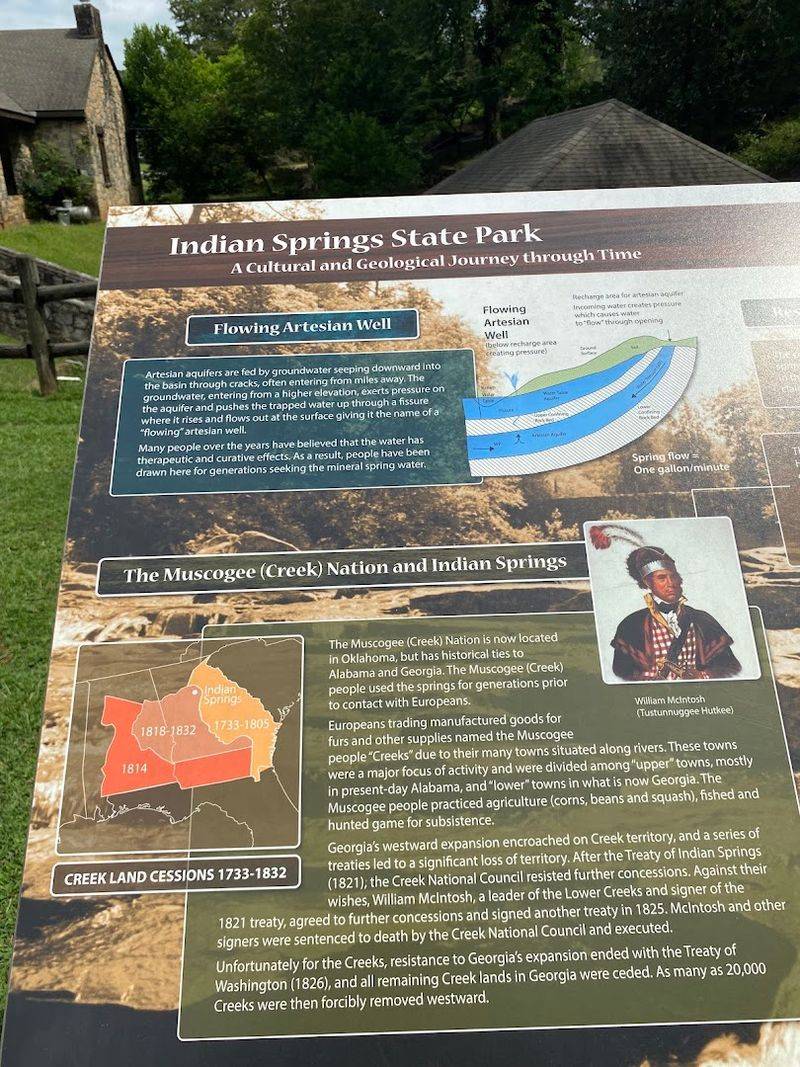
History here carries real weight. The Treaty of Indian Springs, signed in 1825, marked one of the most consequential land cessions in Georgia history, transferring vast Creek Nation territories to the state. That event unfolded on the very ground visitors walk today making the park a site of genuine national significance.
Chief William McIntosh, a Creek leader of mixed heritage, signed the treaty against the wishes of the Creek National Council a decision that ultimately cost him his life. Understanding that backstory transforms a pleasant park visit into something more thoughtful and sobering.
Historical markers and exhibits throughout the park help explain this complicated chapter without oversimplifying it. Visiting with older children or teenagers can spark meaningful conversations about land, identity, and history. The park handles this legacy with care, presenting it as an honest part of the landscape rather than a footnote.
4. Civilian Conservation Corps Stone Architecture
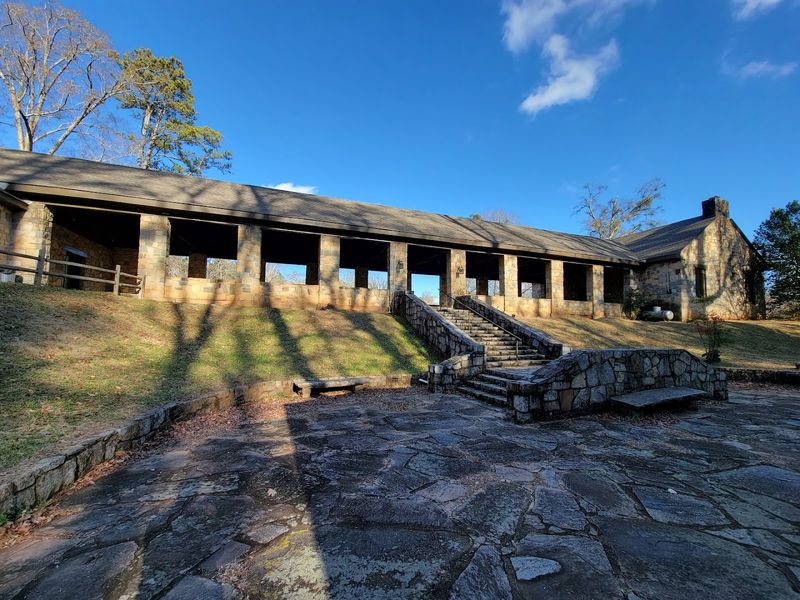
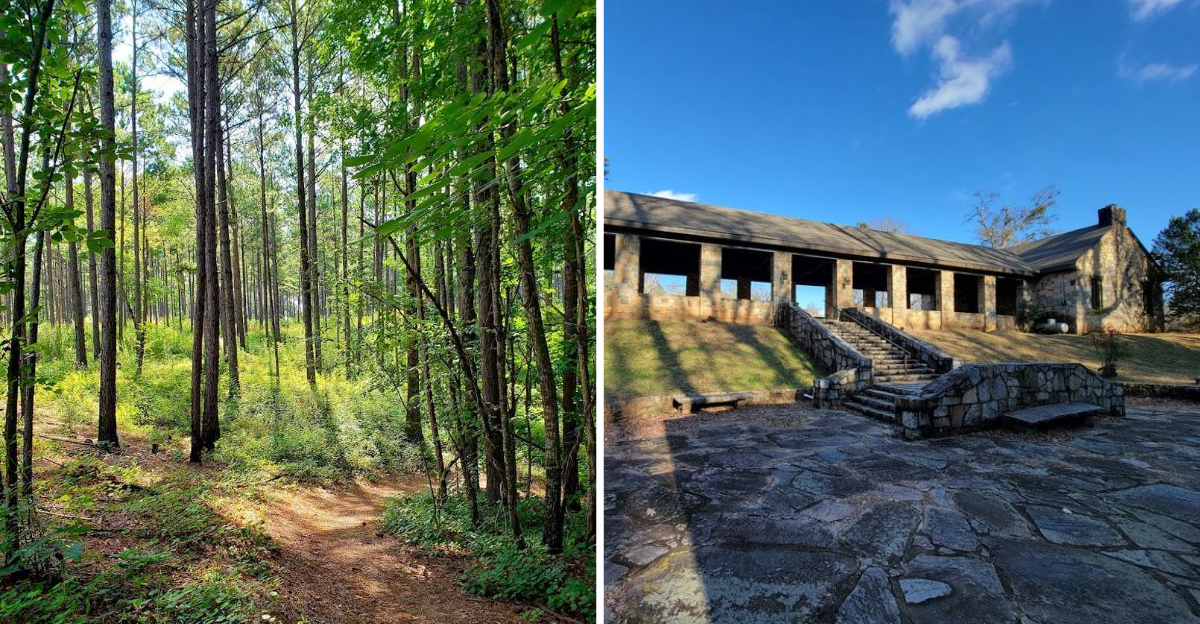
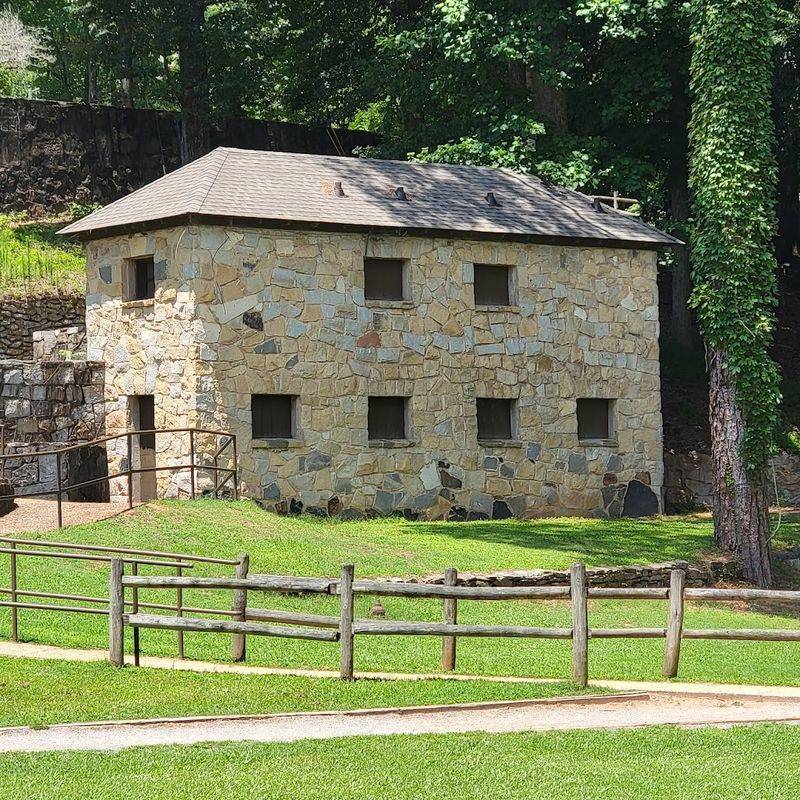
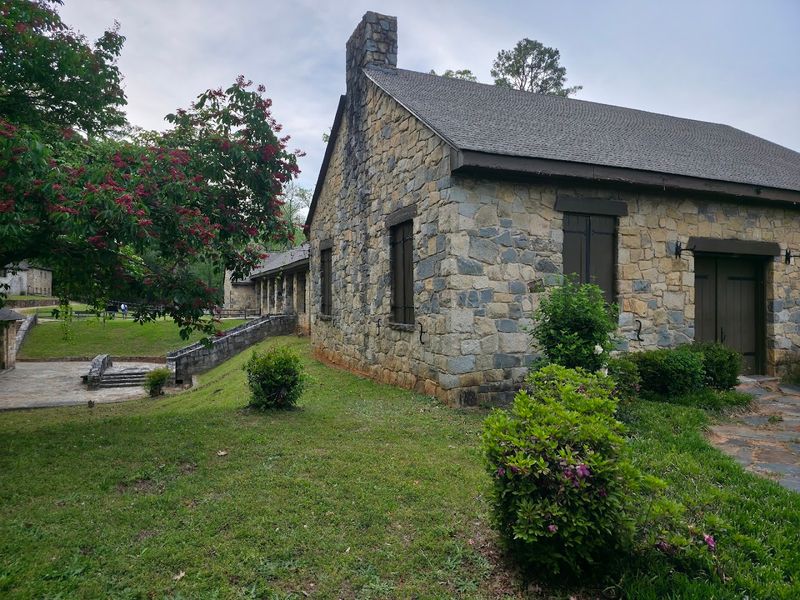
There is something deeply satisfying about stonework that has survived nearly a century of Georgia weather. During the Great Depression, the Civilian Conservation Corps a federal work program that employed young men across the country built many of the park’s most enduring structures. The spring house, shelters, and various stone buildings are all products of that era.
The craftsmanship is unmistakably hand-done, with irregular stones fitted together in ways that feel more like art than construction. Walking past these structures, it is easy to appreciate both the skill and the sheer physical effort involved. The CCC program gave work to thousands during one of America’s hardest economic periods, and Indian Springs preserves that legacy in tangible form.
Architecture enthusiasts and history lovers alike tend to linger around these buildings longer than expected. Bringing a camera specifically for the stonework details is a worthwhile idea — the textures photograph beautifully in morning or late afternoon light.
5. Chief McIntosh Lake for Fishing and Boating
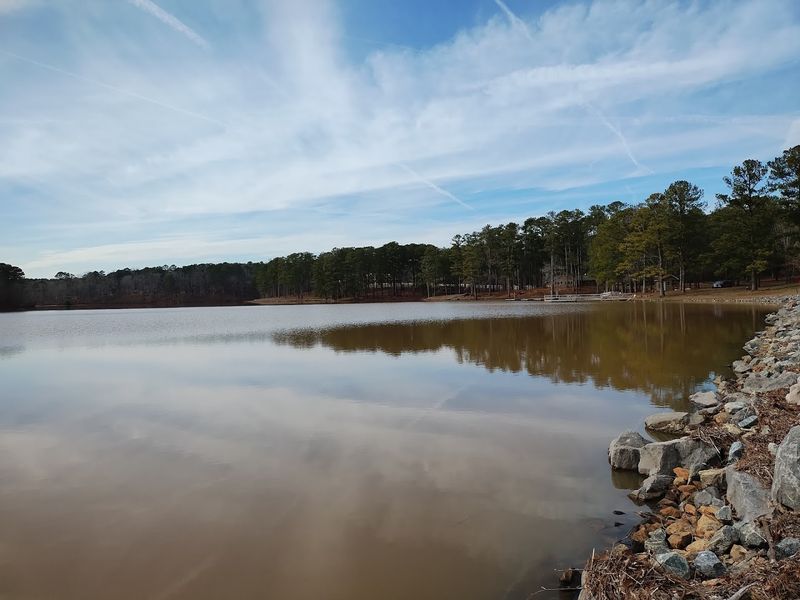
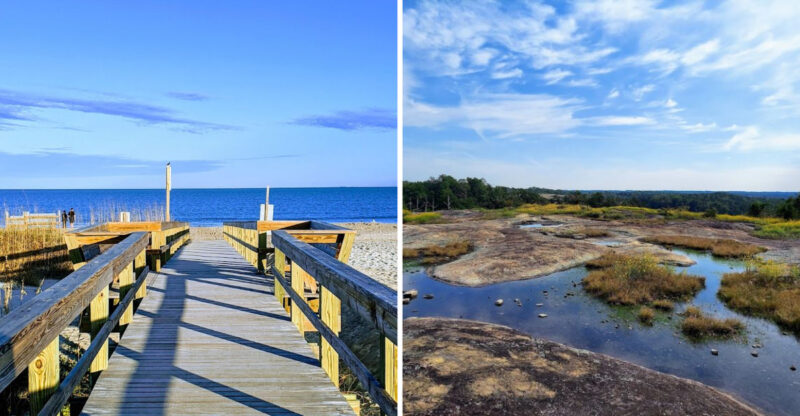
A 105-acre lake named after the controversial Creek chief sits at the scenic center of the park, offering some genuinely relaxing water-based activities. Chief McIntosh Lake welcomes anglers and non-motorized boaters throughout the warmer months. Bass, bream, and catfish are among the species commonly caught here, making it a reliable fishing spot for families and solo anglers alike.
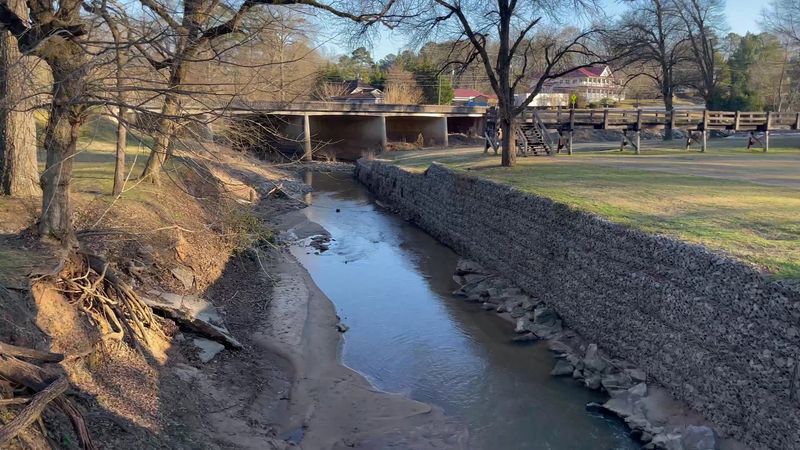
Non-motorized boats including kayaks and canoes can be launched from the park, keeping the lake calm and quiet in a way that motorized recreation simply cannot replicate. Sandy Creek, which flows through the park and connects to the lake area, is especially popular with younger visitors who enjoy wading in shallow water during summer.
Arriving early on weekday mornings tends to offer the most peaceful experience on the water. Weekends during summer can get busier, so planning accordingly makes the outing more enjoyable for everyone in the group.
6. Hiking Trails for All Skill Levels
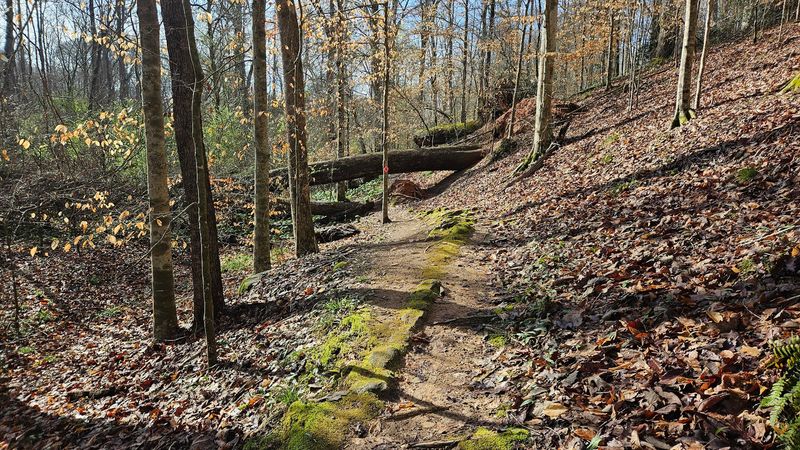
Not every visitor wants to spend the whole day near the water, and the trails here offer a welcome change of pace. The park features a 3/4-mile nature trail that works well for casual walkers, young children, or anyone wanting a short, scenic stroll. For those craving more distance, a 3.25-mile trail connects the park to the adjacent Dauset Trails Nature Center.
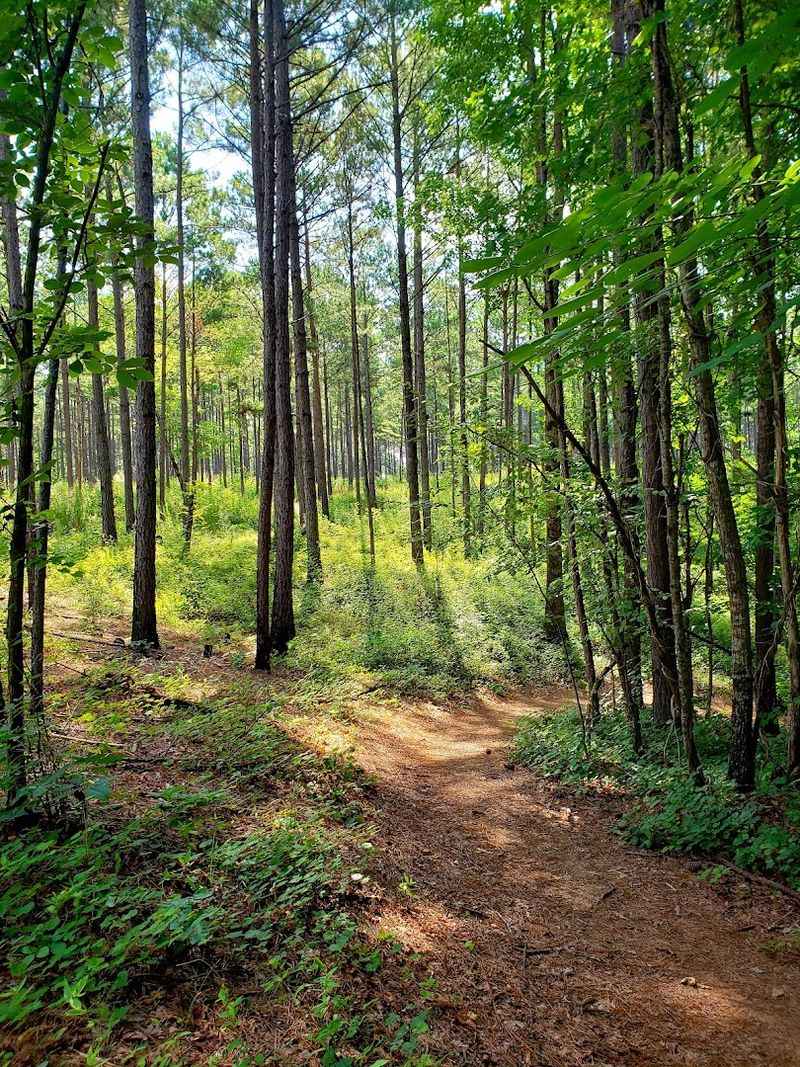
That connector trail opens up a much larger network of paths through varied terrain, including forest, creek crossings, and open meadows. Wildlife encounters along the way are genuinely common deer, hawks, and various songbirds tend to appear when the pace stays slow and quiet.
Wearing comfortable closed-toe shoes rather than sandals is a practical suggestion, especially after rain when the trail surface gets slippery. Bringing water and a small snack makes the longer route comfortable without requiring any serious gear investment. Trail maps are available at the park office.
7. Camping Options for Every Style
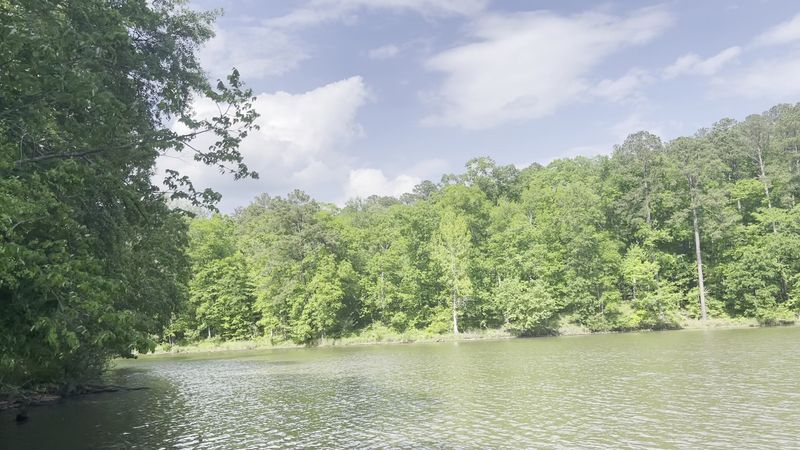
Spending a night or two at Indian Springs transforms a day trip into something much more immersive. The park offers 62 RV-friendly campsites equipped with water and electric hookups, making it accessible for both experienced campers and those just getting started with RV travel. The sites are spread through a forested setting that provides reasonable privacy between neighbors.
For visitors who prefer solid walls and a real bed, the park also maintains 10 vacation cottages that offer a comfortable middle ground between roughing it and staying at a hotel. The cottages tend to book up quickly during summer and holiday weekends, so reserving well in advance is genuinely necessary rather than just a suggestion.
Waking up to birdsong and morning mist over the lake is one of those small experiences that makes camping at a place like this feel worthwhile. The park atmosphere shifts noticeably in the evenings when day visitors leave and the grounds grow quieter.
8. Seasonal Museum with Fascinating Exhibits
History told through objects and photographs hits differently than history read in a textbook, and the park museum leans into that advantage well. Open seasonally the museum covers three distinct eras: the Creek Indian period, the resort heyday of the 1800s, and the Civilian Conservation Corps construction years. Each chapter of the park’s story gets its own dedicated exhibit space.
The resort era section is particularly eye-opening for visitors who did not know that Indian Springs was once a fashionable destination for wealthy Georgians seeking the mineral waters. Old photographs and artifacts from that period paint a vivid picture of what the grounds looked like a hundred and fifty years ago.
Checking the park’s official website or calling ahead before visiting is worthwhile since seasonal hours can vary. The museum visit typically adds only thirty to forty-five minutes to a park day but meaningfully deepens the overall experience for curious visitors of any age.
9. Scenic Picnic Areas Perfect for Families
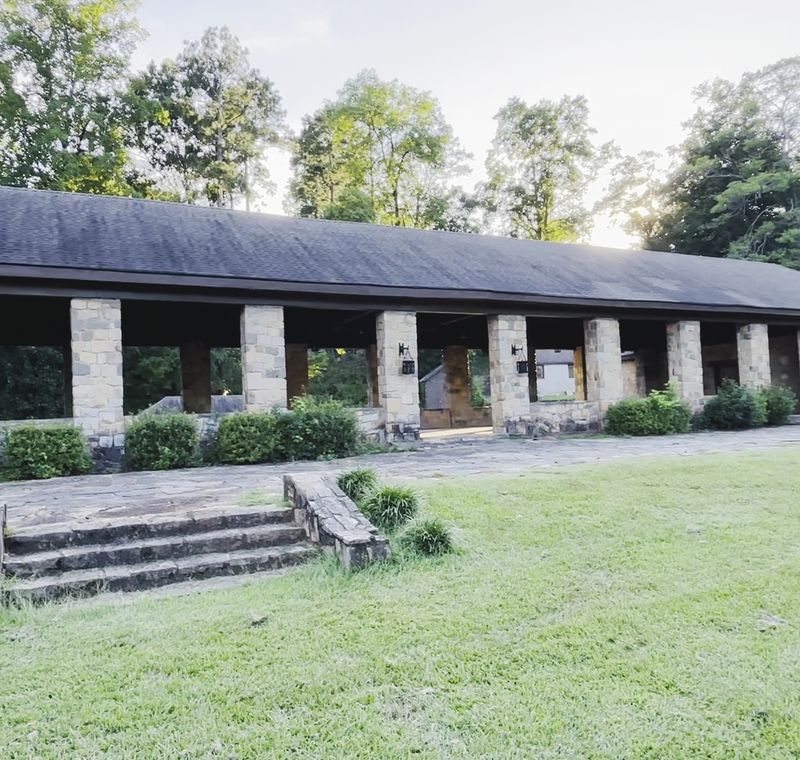
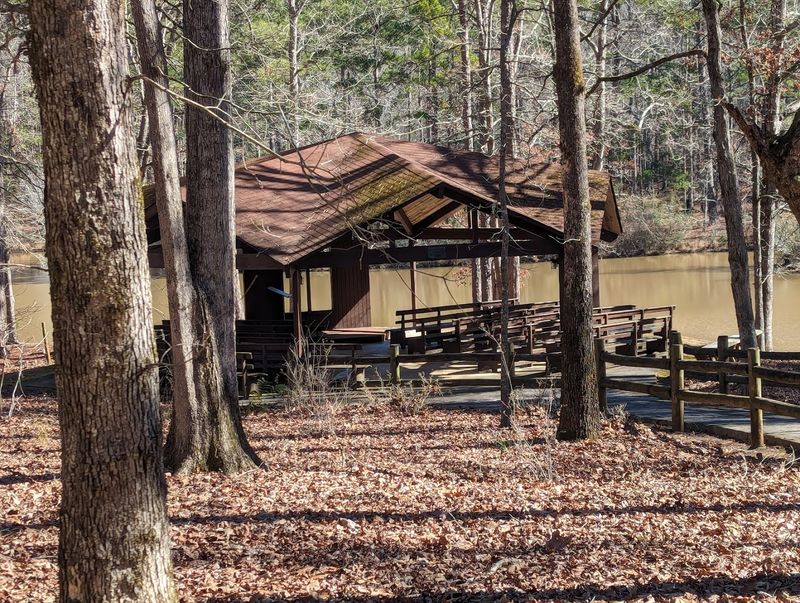
Sometimes the best part of a park visit is simply sitting still somewhere beautiful with good food and good company. Indian Springs provides multiple picnic shelters equipped with grills and tables, many positioned with views of Chief McIntosh Lake that make the meal feel a little more special than a backyard barbecue.
The shelters offer shade even during Georgia’s hottest summer months, which is a practical blessing rather than a minor detail. Families with young children especially appreciate having a covered, shaded base to return to between activities. Larger groups can reserve shelters in advance through the Georgia State Parks reservation system to guarantee availability on busy weekends.
Packing a cooler with simple grillable foods and cold drinks is the most common approach, though plenty of visitors bring sandwiches and snacks for a low-effort afternoon. The lake views from the picnic areas are genuinely lovely during golden hour, making a late-afternoon arrival a smart timing choice.
10. Miniature Golf for Family Fun
Not every state park offers miniature golf, which makes finding an 18-hole course here a genuinely pleasant surprise. The miniature golf facility at 678 Lake Clark Road, Flovilla, GA 30216, sits within the natural surroundings of the park rather than looking like it was dropped in from a suburban strip mall. That setting makes even a casual round feel a little more connected to the outdoor experience.
It works especially well as a family activity that bridges the gap between younger children who may not be ready for longer hikes and adults who want to stay active. The course is accessible to most age groups and skill levels, keeping the energy light and competitive in a fun rather than frustrating way.
Combining a round of miniature golf with a picnic lunch and a short nature walk makes for a well-rounded park day without requiring much advance planning. Fees are modest, and the course tends to be less crowded on weekday afternoons compared to weekend mornings.
11. Wildlife Viewing Opportunities Throughout the Park
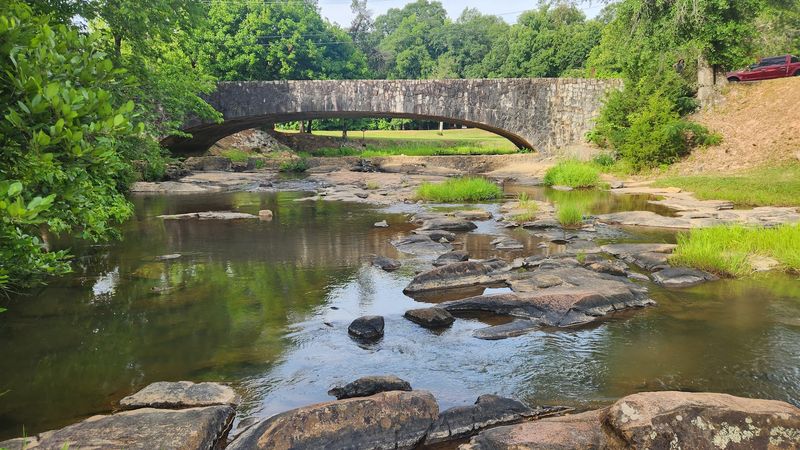
The diversity of wildlife at Indian Springs tends to catch first-time visitors off guard in the best possible way. The park provides habitat for gray squirrels, white-tailed deer, red-shouldered hawks, barred owls, swallowtail kites, and a wide variety of wading birds that gather near the lake and creek edges. That range of species reflects the healthy mix of forest, wetland, and open water environments within the park boundaries.
Early morning visits consistently offer the best wildlife encounters, particularly along the trail edges and near the lake shoreline before the day’s foot traffic picks up. Bringing binoculars makes a real difference for birdwatching, especially when trying to spot raptors perched high in the canopy.
Children who enjoy animals often become unexpectedly engaged during wildlife spotting walks, especially when given a simple checklist of species to look for. The park’s natural quiet — absent of motorized boat noise — creates ideal conditions for patient observation throughout the year.
12. Geocaching Adventures Across the Grounds
Modern treasure hunting has found a comfortable home at Indian Springs, blending technology with the park’s layered landscape in a way that appeals to both kids and adults. Geocaching opportunities are available throughout the grounds turning a standard park walk into an active puzzle-solving adventure. The mix of historic structures, forested trails, and lakeside areas creates genuinely varied hiding spots that keep the hunt interesting.
For families introducing younger children to geocaching for the first time, this park provides a manageable and rewarding environment without overwhelming terrain. The excitement of finding a hidden cache near a century-old stone building adds an extra layer of discovery that a plain hike does not always deliver.
Creating a free account on geocaching platforms before arriving allows visitors to load cache coordinates directly onto a smartphone, eliminating the need for a dedicated GPS device. Visiting on a quieter weekday afternoon tends to make the searching experience feel more like genuine exploration.
13. Idlewilde Event Center for Weddings and Gatherings
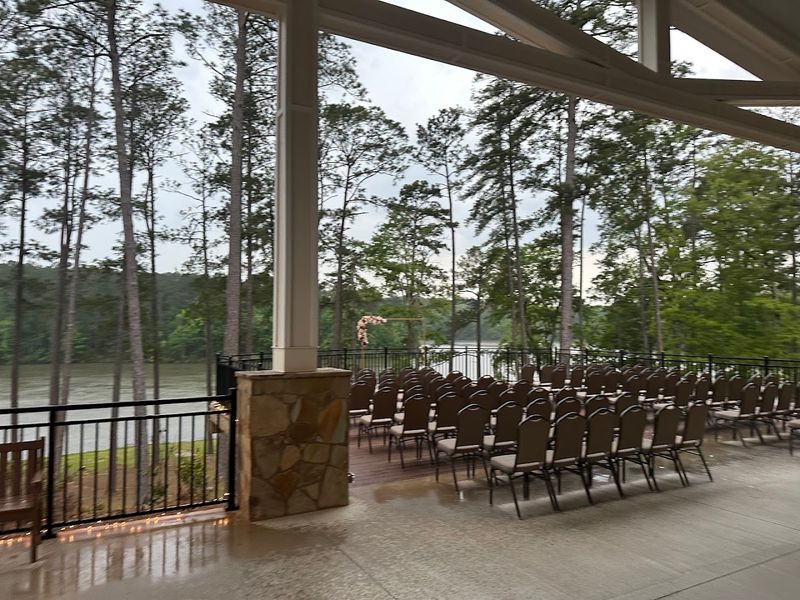
Choosing a venue with genuine character and natural surroundings makes any event more memorable, and the Idlewilde Event Center delivers both without much effort. Located within the park the center accommodates up to 500 guests, making it suitable for weddings, corporate conferences, reunions, and large celebrations. The natural park setting surrounding the venue provides a backdrop that purpose-built event spaces simply cannot replicate.
Couples looking for an outdoor-adjacent wedding venue that still offers indoor capacity and practical amenities often find Idlewilde hits that balance well. The combination of historic park atmosphere, lake proximity, and event infrastructure makes it a distinctive choice compared to more conventional banquet halls.
Booking well in advance is essential since popular dates fill up quickly, particularly during spring and fall when Georgia weather tends to be most cooperative. Contacting the park directly through the Georgia State Parks reservation system provides the most accurate and current availability information for event planning purposes.
14. Easy Access from Atlanta for a Quick Getaway
Living in or near Atlanta means having one of the country’s oldest state parks just a short drive away a fact that many metro residents have not yet discovered. Indian Springs State Park sits approximately 45 minutes south of Atlanta, making it realistic for a spontaneous weekday afternoon trip or a planned weekend escape without the need for an overnight stay. The drive itself is straightforward along well-maintained Georgia highways.
That proximity to a major metropolitan area makes the park unusually accessible compared to many historic natural sites that require significantly more travel time. Families who want a break from urban life without committing to a long road trip find this distance genuinely workable on short notice.
Weekday visits tend to offer a noticeably calmer experience than weekend arrivals, when Atlanta-area families understandably flock to the park in larger numbers. Arriving before noon on any day helps secure parking and picnic shelter availability during peak summer months.
15. Year-Round Activities Across Every Season
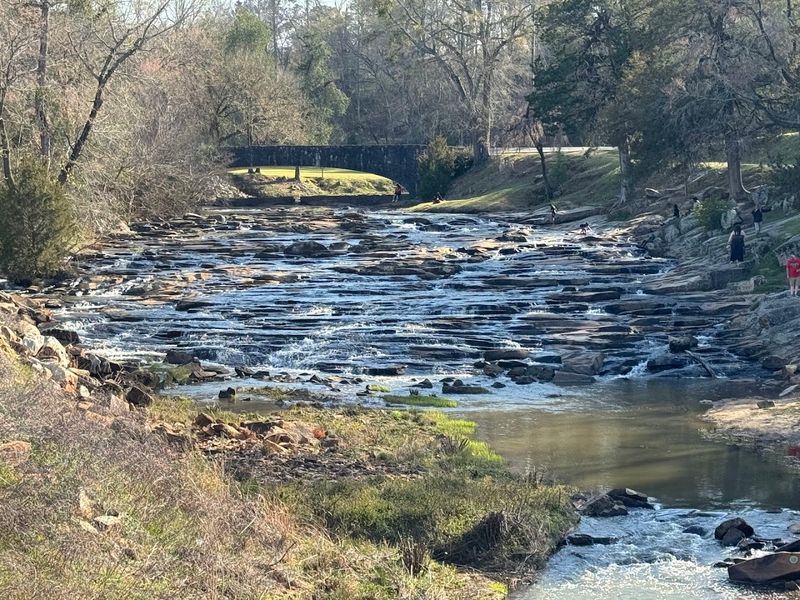
A park that offers compelling reasons to visit in January deserves just as much attention as one that peaks in July, and Indian Springs earns visits across all four seasons. The grounds shift character noticeably with the weather summer brings water activities, fishing, and crowded picnic shelters, while cooler months open up the hiking trails with fewer visitors and more vivid wildlife sightings.
Fall foliage along the trail connecting to Dauset Trails Nature Center provides particularly scenic hiking conditions between October and November. Winter visits offer a contemplative, uncrowded experience where the stone CCC structures and bare tree lines create a quietly atmospheric setting that summer greenery actually obscures.
Spring brings wildflowers along the trail edges and migrating birds to the lake, making it a favorite season for birdwatchers and photographers. Checking the Georgia State Parks event calendar before any visit is worthwhile since the park hosts seasonal programs and ranger-led activities throughout the year that add extra value to the trip.