The Small Towns In North Carolina That Redefine Charm And Cozy Living
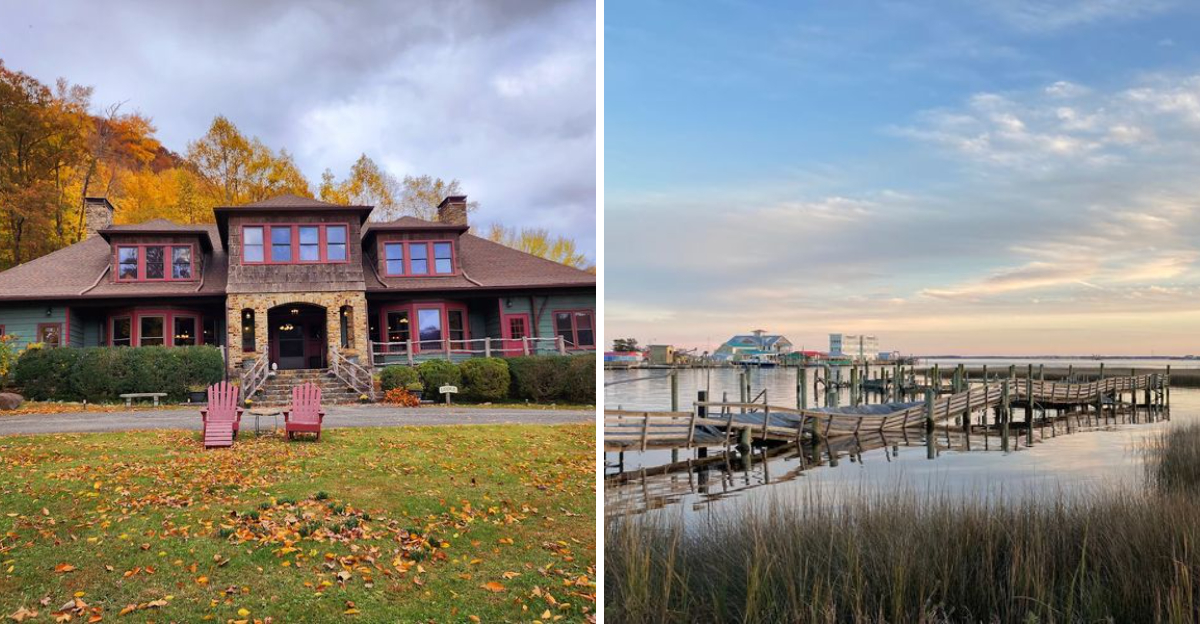
Some places don’t announce themselves, they sneak up on you.
You pull into a small North Carolina town for a quick stop, maybe gas or coffee, and somehow two hours disappear.
You’re chatting with a shop owner like you’ve known them for years, debating if you really need that handmade candle, and casually checking real estate listings like this wasn’t supposed to be a five-minute detour.
There’s something about these towns that feels disarmingly personal.
No big attractions screaming for attention, just front porches, friendly nods, and that quiet sense that life moves exactly as fast as it should.
North Carolina seems to specialize in these places, the kind that don’t try too hard but completely win you over anyway.
And the strangest part? You don’t just remember them.
You start plotting your return before you’ve even left town limits.
1. Beaufort
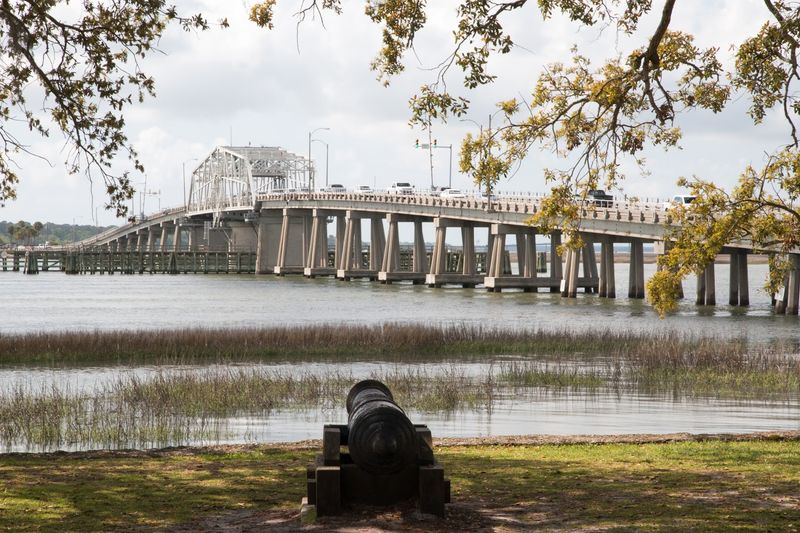
Beaufort is the kind of town that makes you check your map twice, just to make sure a place this good actually exists. Sitting on the Crystal Coast, it is one of North Carolina’s oldest towns, dating back to 1709.
The streets are laid out in a simple grid, lined with homes that have been standing since before the American Revolution.
The waterfront is the real star here. You can watch wild horses on nearby Shackleford Banks from the docks, which feels almost too cinematic to be real.
The North Carolina Maritime Museum on Front Street is genuinely fascinating, housing artifacts from Blackbeard’s flagship, the Queen Anne’s Revenge, which was discovered offshore in 1996.
Front Street itself is a slow, satisfying stroll. Local shops sell everything from hand-painted pottery to fresh catch straight off the boat.
The food scene is small but serious, with waterfront restaurants serving up shrimp so fresh they practically introduce themselves.
Beaufort rewards the curious traveler who is willing to slow down, park the car, and just wander. It earns every single minute you give it.
2. Blowing Rock
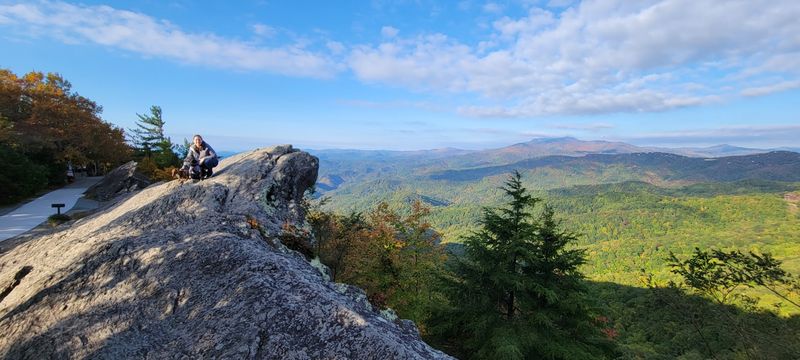
There is a legend about Blowing Rock that says a Cherokee brave was once blown back up to his love after leaping from the famous cliff.
Whether you believe it or not, the story sets the tone perfectly for this mountain town. It is romantic, dramatic, and just a little bit magical.
Perched at over 3,500 feet in elevation, Blowing Rock stays cool in summer when the rest of the state is sweating through their shirts.
Main Street is genuinely walkable, filled with galleries, boutiques, and bakeries that smell like cinnamon and fresh coffee from half a block away.
The Blowing Rock attraction itself, located at 432 Rock Road, offers stunning views across the Johns River Gorge.
Fall is almost unfair here. The leaf colors hit a level of intensity that makes your phone camera feel completely inadequate.
Tweetsie Railroad nearby keeps families busy, while Cone Manor and its trails offer hikers a quieter kind of beauty.
Blowing Rock is small enough to feel personal but polished enough to feel special. It is the kind of mountain town that people come back to every single year, and completely understand why.
3. Brevard
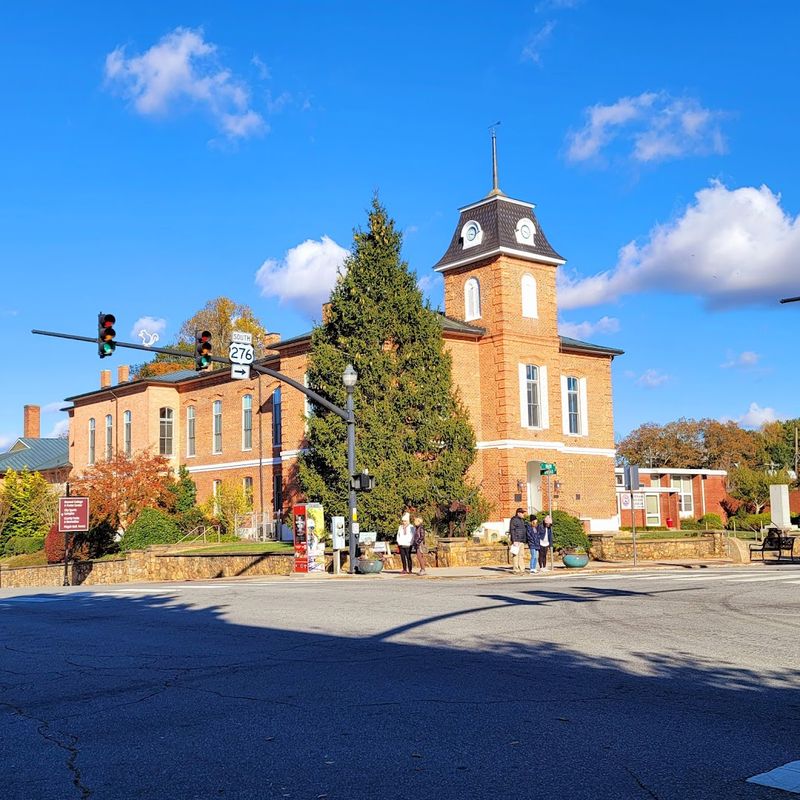
Brevard has a secret weapon, and it is not the waterfalls, although those are spectacular. It is the white squirrels.
Yes, actual white squirrels dart around the town center like tiny fluffy celebrities, and locals celebrate them with an annual festival that is as delightfully weird as it sounds.
The White Squirrel Festival draws thousands every spring and sets the playful tone this town wears year-round.
Beyond the squirrels, Brevard sits at the edge of Pisgah National Forest, one of the most gorgeous stretches of Appalachian wilderness in the country.
The forest has over 250 miles of trails and more than 250 named waterfalls. Looking Glass Falls, just a short drive from downtown, is one of the most photographed spots in all of western North Carolina.
Downtown Brevard on Main Street is alive with independent bookshops, art galleries, and music venues. The Brevard Music Center brings world-class performances to town every summer, which feels almost comically impressive for a place this size.
The overall vibe is artsy, outdoorsy, and genuinely welcoming. It is the kind of small town that people stumble into for a weekend and end up talking about for years afterward.
4. Manteo
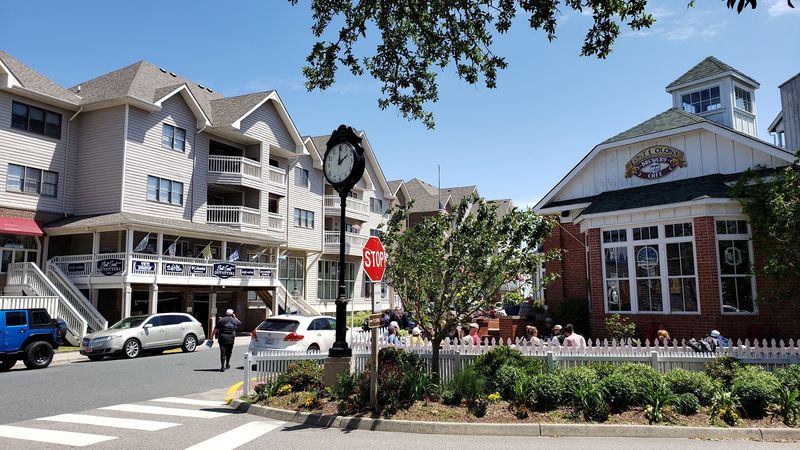
This town sits on Roanoke Island, sandwiched between the Outer Banks barrier islands and the mainland, and it carries that in-between energy beautifully.
Manteo feels like a coastal town that decided to take history seriously without becoming a museum piece.
The downtown waterfront along Shallowbag Bay is one of the most genuinely pleasant places to spend an afternoon in all of eastern North Carolina.
History runs deep here. The Lost Colony, America’s first English settlement, vanished from this very island in the late 1500s, and nobody has ever fully explained what happened.
The outdoor drama of the same name has been performed at the Waterside Theatre since 1937, making it the longest-running outdoor drama in the country. That fact alone makes Manteo worth the trip.
The Elizabeth II, a replica 16th-century sailing vessel, is open for tours.
Shops along Queen Elizabeth Avenue sell locally made crafts, books about Outer Banks history, and the kind of sea-glass jewelry that you cannot find anywhere else.
Manteo is small, walkable, and full of stories. It rewards slow exploration more than almost any other town on this list.
5. Highlands
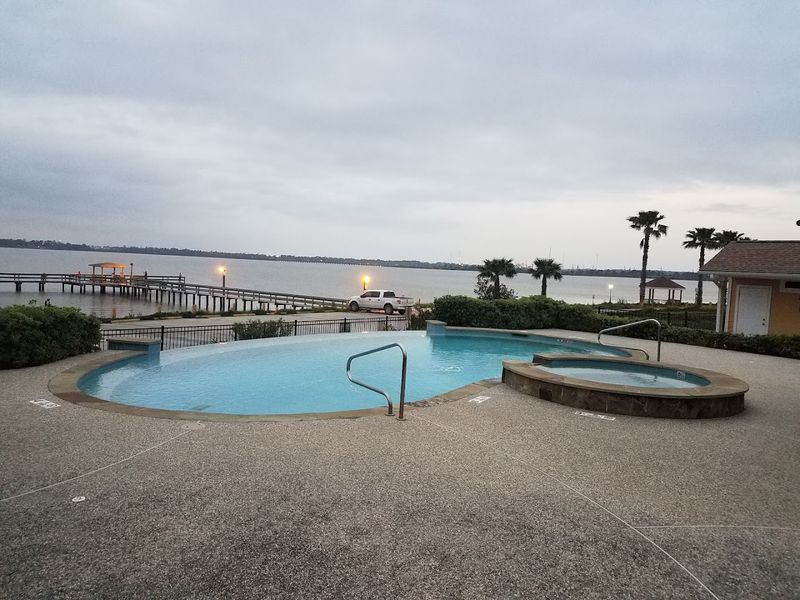
At 4,118 feet above sea level, means Highlands gets more rainfall than almost anywhere else in the eastern United States.
You would think that might dampen the mood, but instead it creates something extraordinary: a landscape so lush and green it looks like someone turned up the saturation on reality.
The forests around Highlands are genuinely otherworldly.
The town itself is compact and surprisingly sophisticated for somewhere this remote.
Main Street is lined with upscale galleries, fine jewelry shops, and restaurants that would not look out of place in a much larger city.
The Highlands Playhouse has been staging performances since 1938, which tells you everything you need to know about the cultural ambition of this tiny mountain community. Waterfalls are everywhere around Highlands.
Dry Falls, located on US-64 just outside town, lets you walk behind the cascade without getting soaked, which is exactly the kind of quirky experience that makes a trip memorable.
Glen Falls and Bridal Veil Falls are both within easy reach. The combination of natural drama and refined small-town living makes Highlands feel like a completely unique place.
It is polished without being pretentious, and beautiful without even trying.
6. Banner Elk
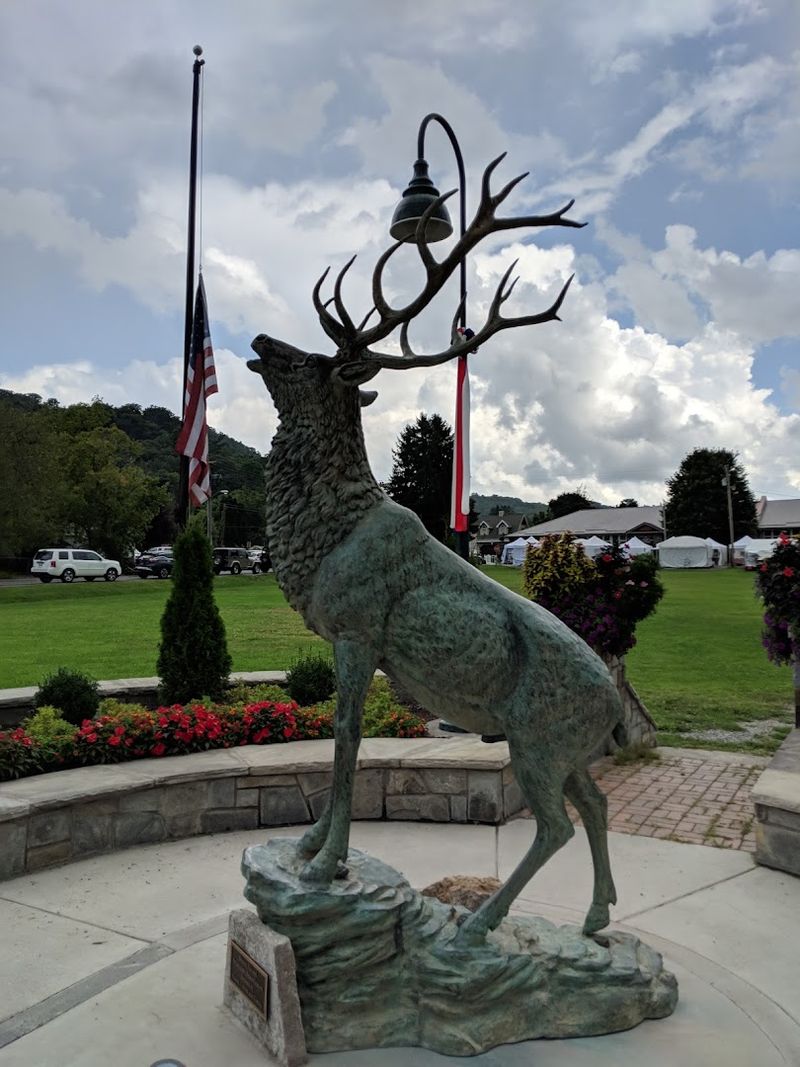
It is the kind of place that skiers dream about in July.
Nestled in the High Country near Grandfather Mountain, Banner Elk sits at nearly 3,800 feet and gets real snow in winter, which is not something most of North Carolina can claim.
Ski Beech and Sugar Mountain are both just minutes from the tiny town center, making Banner Elk the unofficial winter sports capital of the state.
But Banner Elk is not just a cold-weather destination. Come summer, the same slopes turn into hiking trails with views that stretch across multiple states on a clear day.
The Woolly Worm Festival, held every October, is a genuinely beloved tradition where woolly bear caterpillars race to predict the coming winter.
It sounds silly until you are there, and then it sounds absolutely essential.
The town itself is small enough to walk in under twenty minutes, but it has good coffee shops, farm-to-table restaurants, and a warm community feel that is hard to manufacture.
Lees-McRae College gives the town a youthful energy that keeps things interesting year-round.
Banner Elk, located along NC-184, rewards visitors who want mountain life without the crowds that hit more famous destinations. It is refreshingly real and completely worth the winding drive up.
7. Pittsboro
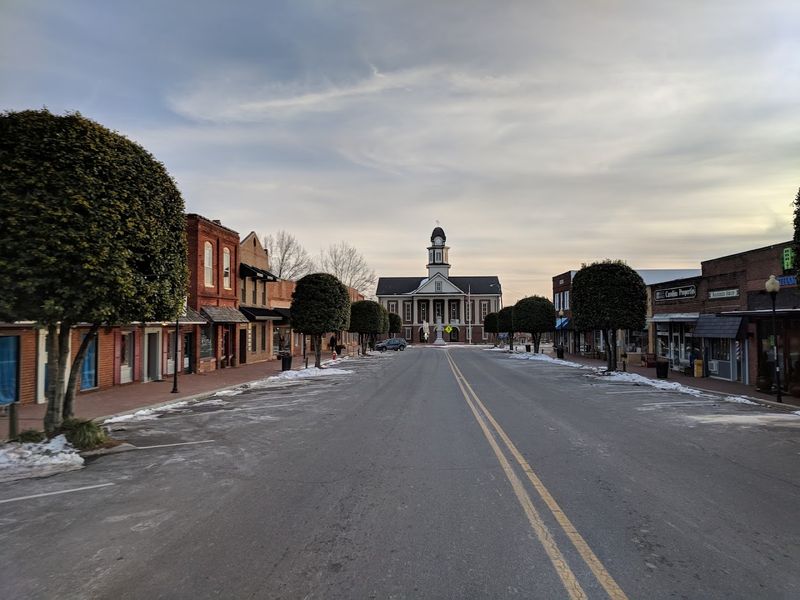
Pittsboro is having a moment, and it has been having it quietly for years.
Located in Chatham County about 17 miles southwest of Chapel Hill, this courthouse town has attracted artists, farmers, and free-thinkers who wanted small-town life without small-town thinking.
The result is a community that feels genuinely original.
The Historic Courthouse Square is the heart of downtown, and the surrounding blocks are full of independent businesses that feel curated rather than accidental.
There are antique shops, farm supply stores, and restaurants sourcing ingredients from within a few miles of the kitchen.
The Chatham Mills complex on Small Street has turned an old textile mill into a hub for local food, craft, and community events.
Pittsboro also sits close to Shakori Hills, a community farm that hosts two major grassroots music festivals each year.
The surrounding countryside is gorgeous rolling Piedmont farmland, and the farm-to-table culture here is not a trend but a lifestyle that has been building for decades.
It feels like a town on the edge of something exciting, but still grounded in its roots. For people who want authenticity over polish, Pittsboro delivers in a way that bigger, trendier towns simply cannot replicate.
8. Southport
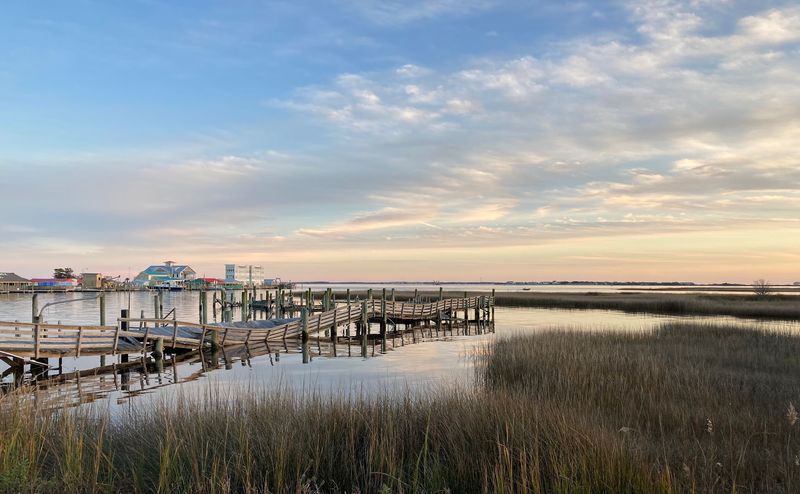
This city has been called one of the most livable small towns in America, and after spending even half a day there, it is hard to argue.
Sitting at the mouth of the Cape Fear River, Southport has the kind of coastal beauty that does not require a beach to make its case.The oak trees draped with Spanish moss over quiet streets do most of the convincing.
The town has been around since 1792, and many of its historic homes still stand along Bay Street and surrounding blocks.
The North Carolina Maritime Museum at Southport, located at 204 E Moore Street, Southport, does a wonderful job of telling the story of the region’s fishing and seafaring heritage.
Walking the waterfront at sunset here is one of those experiences that stays with you.
Southport also has a surprisingly strong film industry connection. Several movies and television shows have been filmed here, drawn by the photogenic streets and classic Southern architecture.
The local food scene leans heavily on fresh seafood, and the casual waterfront restaurants deliver without the tourist-trap prices you might expect.
Southport is genuinely relaxed, genuinely beautiful, and genuinely welcoming in a way that feels effortless rather than performed.
9. Pinehurst
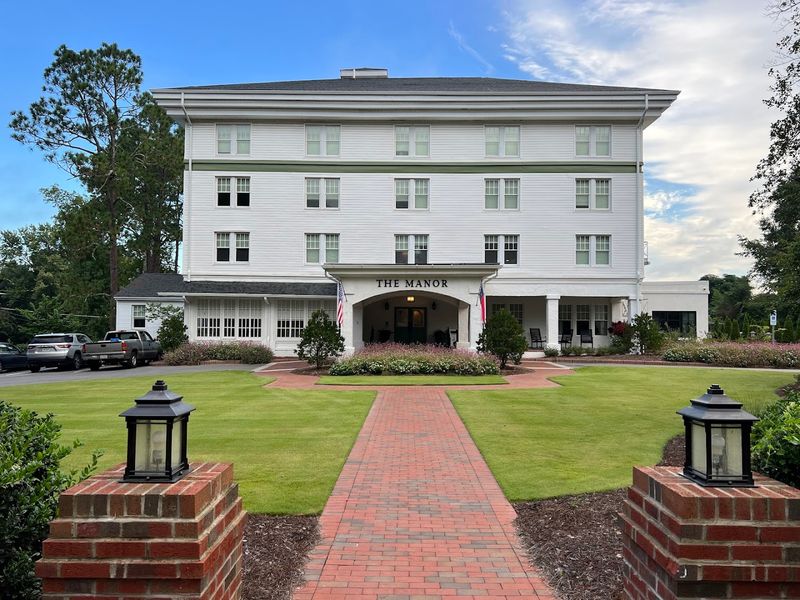
Pinehurst is basically what happens when someone decides to design a perfect town from scratch and actually pulls it off.
Frederick Law Olmsted, the legendary landscape architect behind New York’s Central Park, designed the original village layout in the 1890s.
The result is a place that feels intentionally graceful, with curving streets, manicured greens, and longleaf pines everywhere you look.
Golf is the obvious draw. Pinehurst Resort, located at Carolina Vista Drive, has hosted more major golf championships than any other course in American history.
The No. 2 course is considered one of the finest in the world, and even non-golfers find themselves charmed by the perfectly kept grounds and the old-money elegance of the resort itself.
But the village is genuinely worth exploring even if you have never held a club. The Village of Pinehurst has boutique shopping, excellent dining, and a central park that feels like something out of a storybook.
The Tufts Archives inside the Given Memorial Library hold fascinating records of the town’s history. Pinehurst manages to feel both timeless and alive, which is a difficult combination to pull off.
It is not trying to be anything other than exactly what it is, and that confidence is completely irresistible.
10. Hot Springs
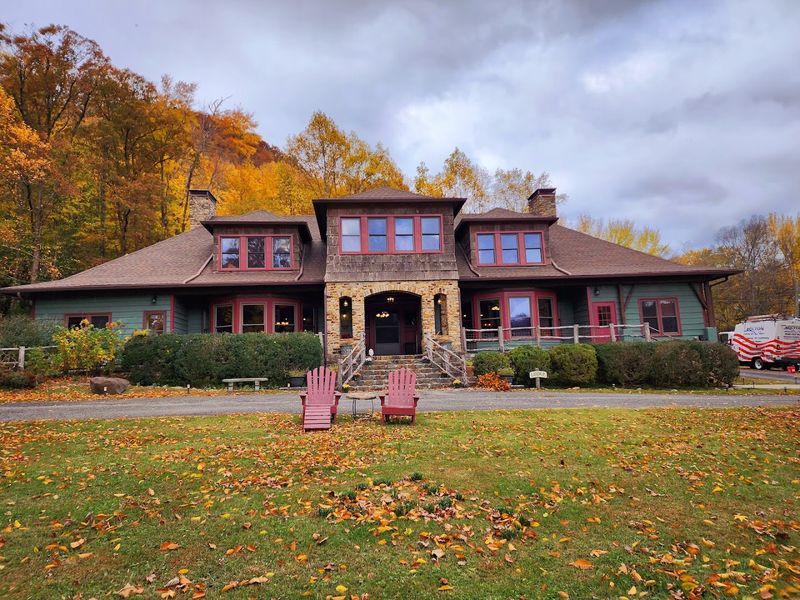
The only place in North Carolina where the Appalachian Trail runs directly through the middle of town, which tells you exactly what kind of crowd Hot Springs attracts.
Thru-hikers, river paddlers, and mountain lovers all converge on this tiny Madison County town, and somehow it absorbs them all with ease.
The population hovers around 500 people, but the energy is surprisingly vibrant.
The natural hot springs are the obvious headline. The resort at 315 Bridge Street channels warm mineral water into private soaking tubs right next to the French Broad River.
Sitting in a hot spring while listening to river rapids nearby is one of those simple pleasures that sounds modest until you are actually doing it, and then it sounds like the best idea anyone has ever had.
The French Broad River itself is a serious draw for whitewater enthusiasts, with rapids ranging from gentle floats to genuinely challenging runs.
Downtown Hot Springs has a handful of great restaurants, a beloved outfitter, and a community feel that is warm without being overwhelming.
The surrounding Pisgah National Forest adds endless hiking options. Hot Springs is small, unpretentious, and deeply satisfying in a way that only places with real natural gifts can manage.
It is 100 percent worth the winding road to get there.