Avila Beach, California In April Offers An Ocean Safari You Won’t Get Anywhere Else
It starts off simple. Step onto the boat, head out, take in the views. That idea changes almost immediately.
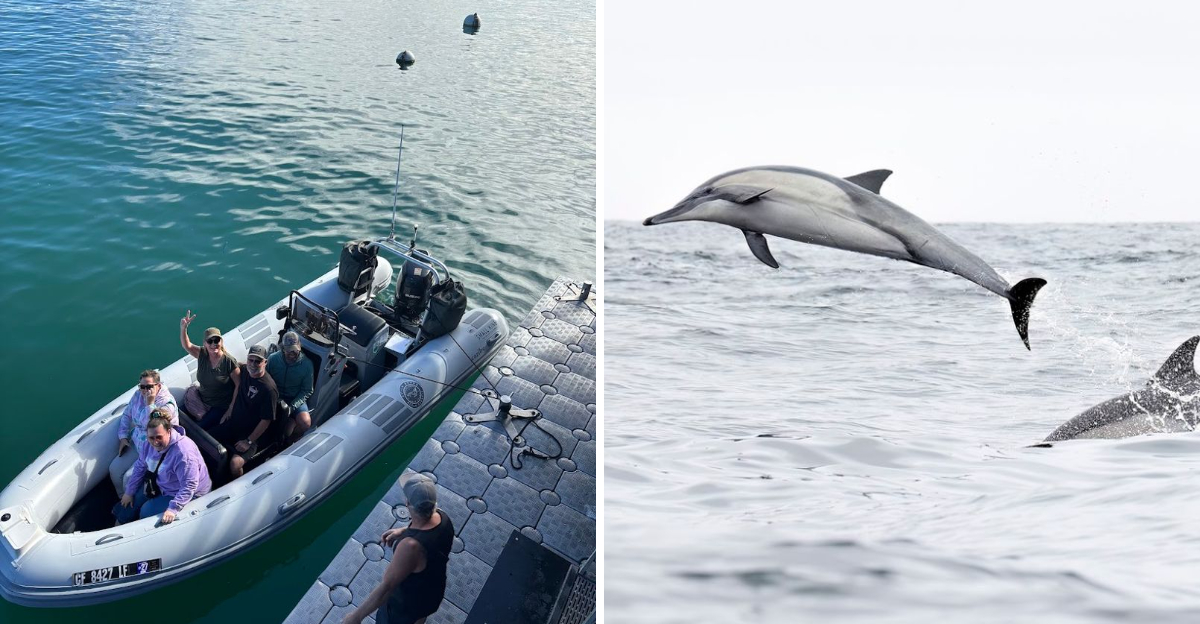
The harbor slips behind. Open water takes over. Then movement breaks the surface. A flash, a curve, dolphins cutting through the waves close enough to follow every turn without guessing.
The boat stays close to the coastline. Kelp beds roll past. Sea otters drift between swells. Every stretch reveals something different, and nothing follows a set pattern.
One moment it’s quiet water, the next it’s sudden activity that pulls all attention outward.
Out here, California shifts the pace and pulls everything into the moment.
A short ride turns into something far more absorbing. Cameras come up, then lower again as watching takes over. That change is what makes the entire outing stay with people long after returning to shore.
Small-Group Tours That Put You Close To The Action
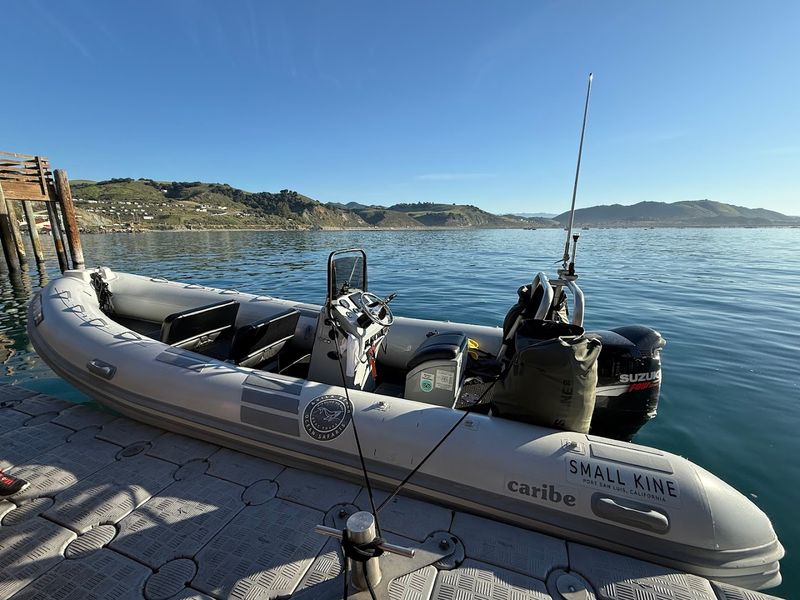
Most whale-watching trips load dozens of people onto a large vessel where the wildlife feels distant and the experience feels crowded.
Avila Beach Ocean Safaris takes a completely different approach by running small-group tours on a nimble Zodiac boat called “Small Kine,” which allows the vessel to get much closer to wildlife without disturbing it.
The compact size of the boat changes everything about how a tour feels.
Passengers sit near the waterline, which means the sights and sounds of the ocean are immediate rather than filtered through layers of fiberglass and railing.
Spray from the water, the sound of dolphin clicks, and the sight of a sea otter floating on its back become genuinely close-up encounters.
For families with children or first-time ocean tour guests, the smaller format can feel more personal and less overwhelming than a large commercial vessel.
The pace of the trip also tends to feel more relaxed because the guide can adjust the route based on what is happening in real time.
Booking is available through the official website at avilabeachoceansafaris.com and tours depart from Port San Luis Harbor in Avila Beach.
Departures From Port San Luis Harbor
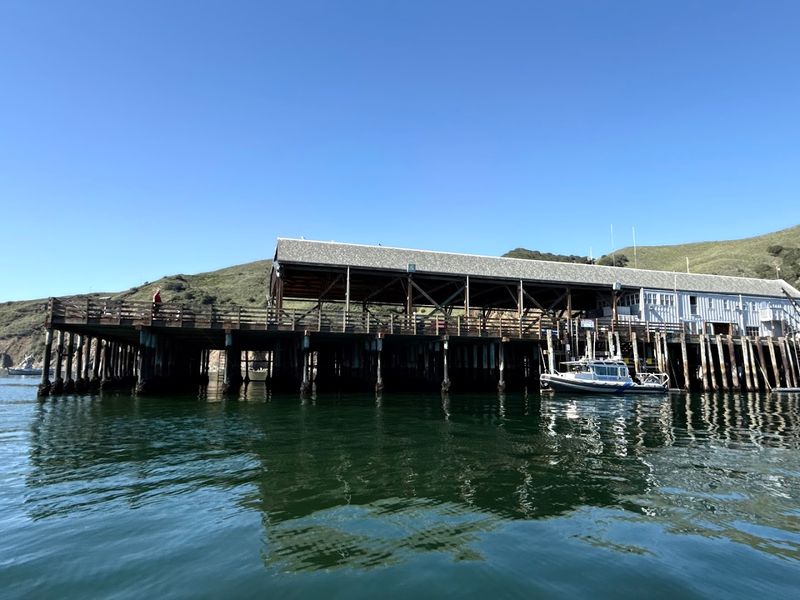
Port San Luis Harbor serves as the launching point for every ocean safari, and the location itself adds something to the overall experience before the boat even leaves the dock.
Situated in a naturally sheltered bay, the harbor tends to offer calmer conditions than exposed coastlines, which makes it a comfortable starting point especially for guests who are cautious about ocean motion.
Avila Beach Ocean Safaris operates out of 3950 Avila Beach Dr, Avila Beach, CA 93424, putting it right at the edge of one of the most wildlife-rich stretches of the Central Coast.
The harbor is surrounded by rolling hills and backed by a charming beach town, so the scenery begins well before the boat reaches open water.
April conditions at Port San Luis are generally favorable, with relatively mild winds and manageable swells compared to the stormier winter months.
The harbor also hosts sea lions and sea otters year-round, so guests often spot wildlife even during the short walk from the parking area to the boat.
The combination of easy access, protected waters, and abundant nearby wildlife makes this departure point genuinely well-suited for a first ocean safari experience.
April Is A Transitional Month For Marine Wildlife
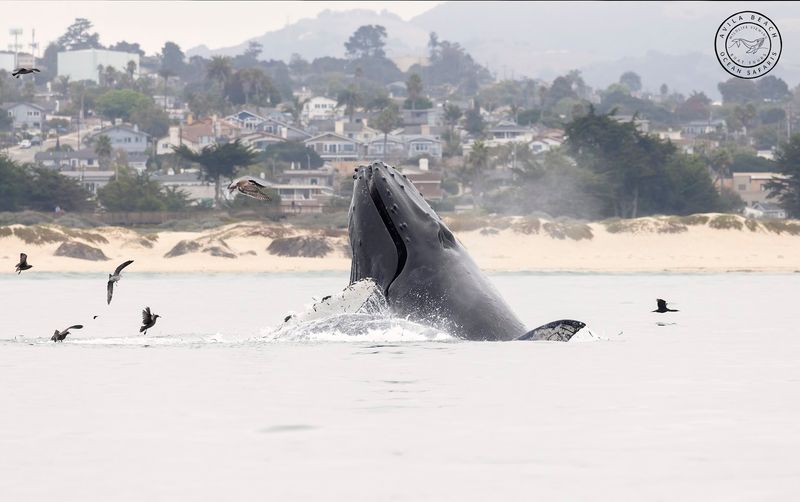
April lands in a fascinating gap between two of the most active wildlife seasons along this stretch of coast.
Gray whales typically migrate southward from January through March, and humpback whales generally begin arriving in June to feed on anchovies and sardines.
April sits right in the middle, which means there is a real chance of catching the tail end of gray whale sightings while the ocean begins warming up for the humpback season ahead.
Beyond whales, April consistently delivers sightings of dolphins, sea lions, sea otters, and a wide variety of coastal seabirds.
The spring transition brings increased marine activity as fish populations shift and feeding behavior picks up along the nearshore zone.
Guests who visit during this month often describe the variety of species spotted in a single trip as surprisingly broad.
Water clarity in April also tends to be good, which helps with spotting wildlife both at the surface and just below it.
The light during spring mornings along the Central Coast is soft and clear, which photographers tend to appreciate.
Conditions can still vary day to day, so checking in with the Avila Beach Ocean Safaris team before a trip helps set realistic expectations for what each outing might deliver.
Humpback Whale Season Starts Building Toward Summer
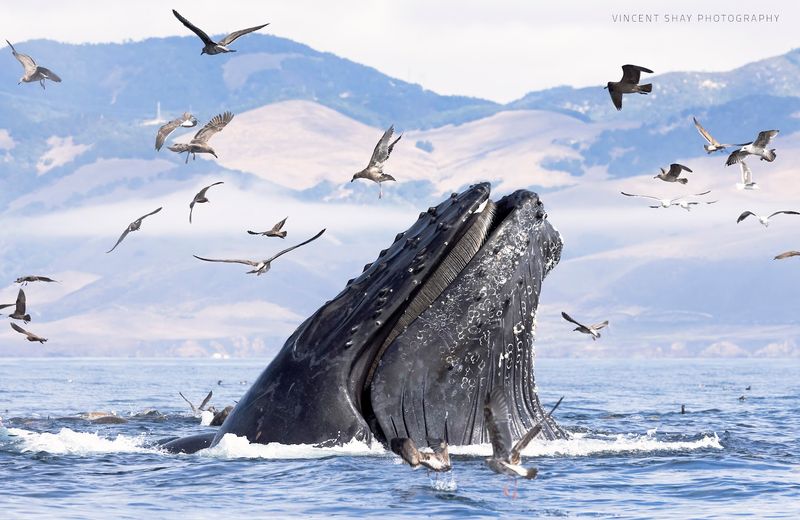
Humpback whales are among the most dramatic marine animals a person can encounter from a small boat, and the Central Coast is one of the better places in California to see them.
The official humpback season runs from June through November, but activity along this stretch of coast sometimes begins picking up in late spring as anchovies and sardines start concentrating in the nearshore waters.
By April, the conditions that support humpback feeding are beginning to develop even if the whales themselves have not fully arrived.
Water temperatures, prey availability, and upwelling patterns all start shifting in ways that set the stage for the summer feeding frenzy that makes this region so productive for whale watching.
Guests on April tours occasionally report early humpback sightings, though it is not guaranteed.
The behaviors associated with humpbacks, including breaching, tail slapping, and lunge feeding, are among the most visually striking things a person can witness on the water.
A small Zodiac boat brings guests close enough to feel the scale of these animals in a way that larger tour vessels simply cannot match.
Checking the Avila Beach Ocean Safaris captain’s journal on their website offers updated seasonal wildlife reports that help guests plan their visits with realistic expectations.
Gray Whale Migration Wraps Up Through Early April
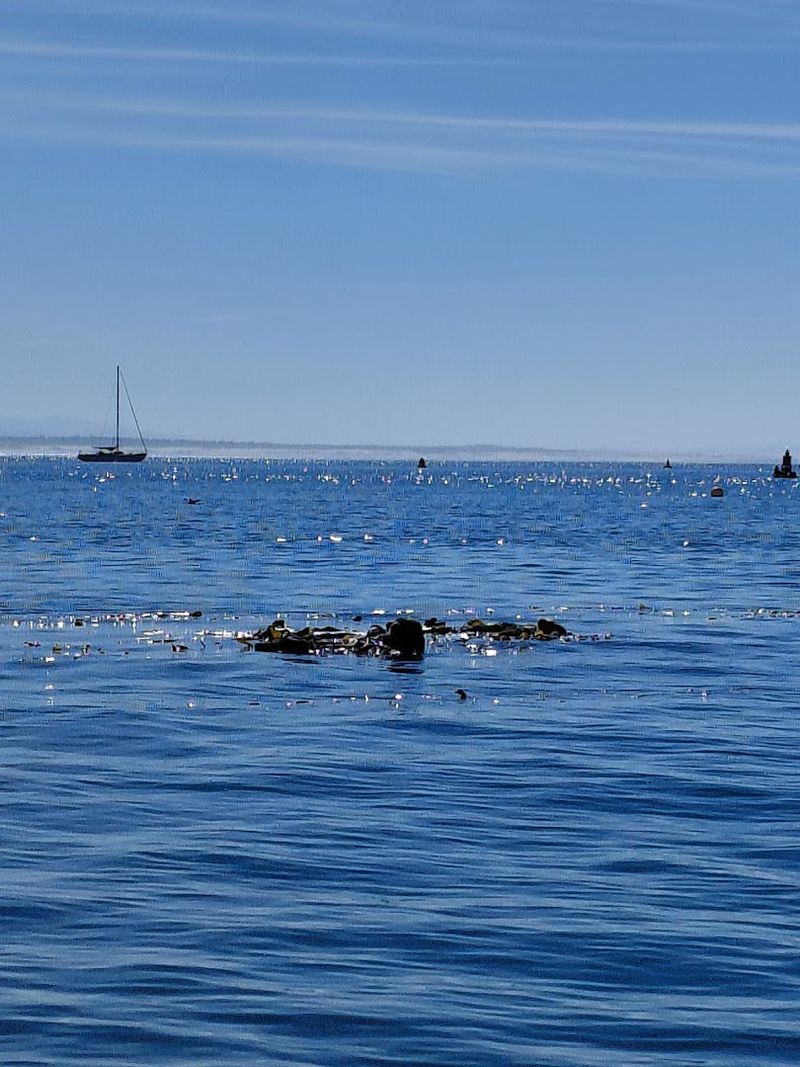
Gray whales travel one of the longest migration routes of any mammal on Earth, moving between Arctic feeding grounds and warmer breeding waters off the coast of Baja California.
The northbound return migration, which brings them back past the Central Coast, typically runs from January through March with stragglers sometimes visible into early April.
That timing means April visitors have a reasonable chance of catching a late-season gray whale sighting.
Unlike humpbacks, gray whales during migration tend to be traveling rather than feeding, so they often surface in a steady rhythm and move along the coastline at a consistent pace.
Spotting one from a small Zodiac boat still delivers a memorable moment, especially when the animal surfaces close enough to reveal its mottled gray skin and distinctive spout pattern.
The Avila Beach Ocean Safaris captain’s journal documents real-time wildlife observations from recent trips, which gives prospective guests a reliable way to check what has been spotted lately before booking.
April sits right at the edge of gray whale season, which means sightings are possible but not guaranteed every day.
That uncertainty is part of what makes each trip feel like a genuine wildlife adventure rather than a scripted performance.
Dolphins Are A Reliable Year-Round Highlight
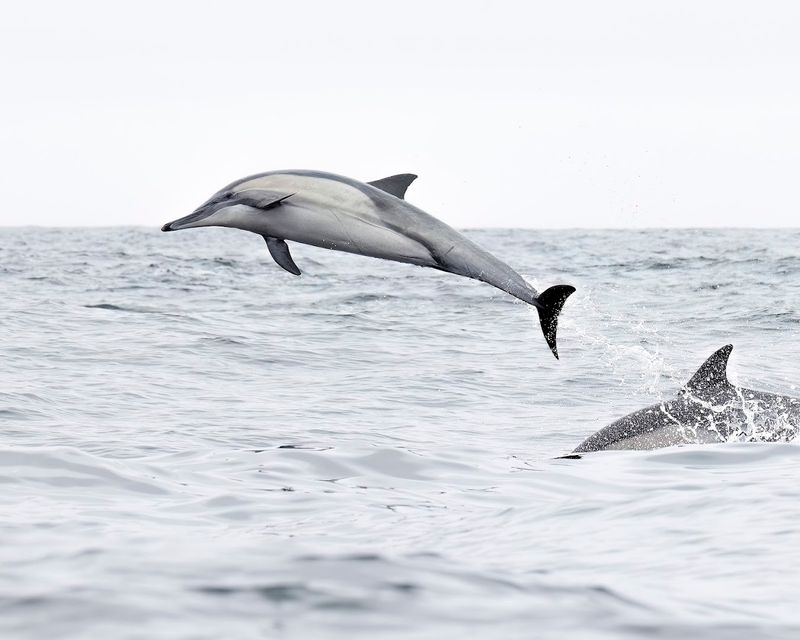
Common dolphins and Pacific white-sided dolphins are frequent visitors along this stretch of the Central Coast, and April tends to be a strong month for dolphin activity.
Schools of fish moving through the nearshore zone attract dolphins in numbers, and a small fast-moving boat like the one used by Avila Beach Ocean Safaris can position itself to observe these animals without disrupting their natural behavior.
Watching a pod of dolphins ride the bow wake of a Zodiac is one of those experiences that tends to produce genuine laughter and excitement regardless of age.
The animals are fast, curious, and often seem as interested in the boat as the passengers are in them.
Groups of dozens or even hundreds of dolphins are sometimes spotted during a single trip, moving through the water in coordinated bursts of speed and direction.
For families with children, dolphin sightings tend to be the most consistently thrilling part of a tour because the animals are active at the surface and easy to observe.
Unlike whales, which surface briefly before disappearing, dolphins often stay near the boat for extended periods.
April trips offer a strong likelihood of dolphin encounters, though wildlife sightings are always subject to natural conditions and cannot be guaranteed on any specific outing.
Sea Otters Float In The Kelp Beds Near Shore
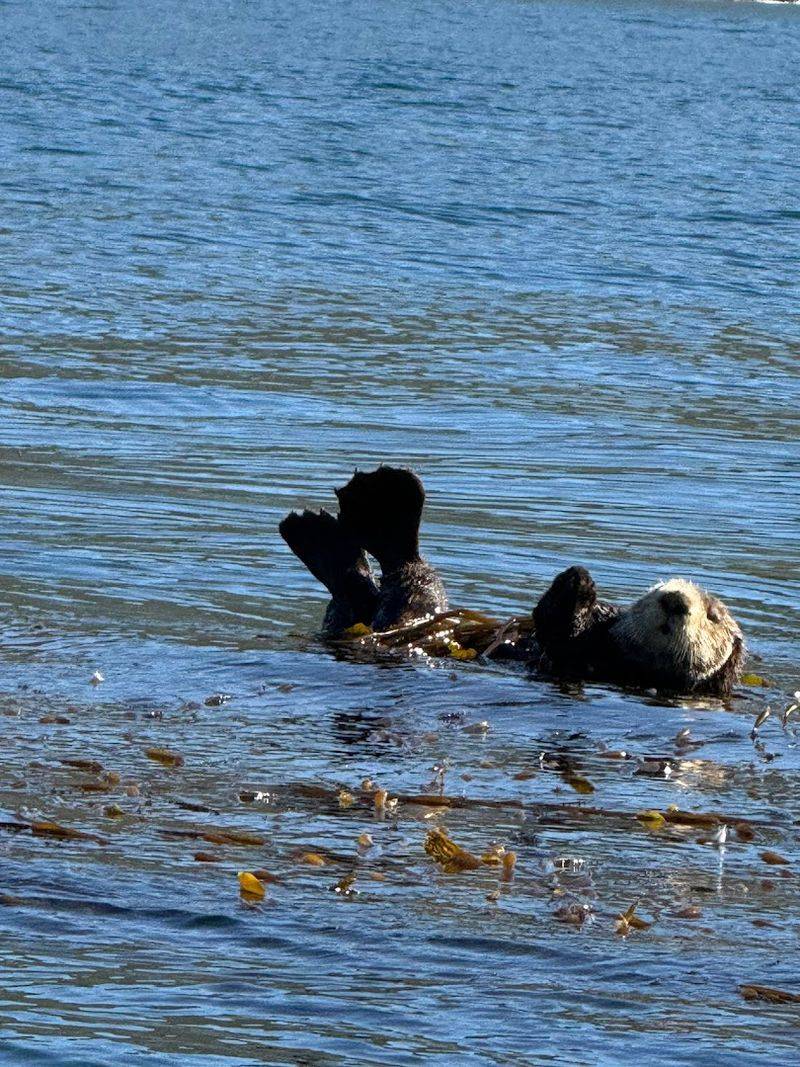
Sea otters are one of the most charming and ecologically important animals along the California coast, and the waters near Avila Beach support a resident population that can be observed on most tours.
These animals spend much of their time floating on their backs in kelp beds, grooming themselves, cracking open shellfish on their chests, or simply drifting in the current with an air of complete contentment.
Seeing a sea otter up close from a small boat is a qualitatively different experience from watching one through binoculars from a beach.
The Zodiac used for these tours can approach slowly and quietly, giving passengers a genuine look at the animal’s texture, behavior, and size without causing it to flee.
Sea otters are protected under federal law, and guides maintain respectful distances that prioritize the animals’ wellbeing.
The kelp forests near the harbor also serve as nursery habitat for many fish species, so the area around otter sightings is often rich with additional wildlife activity.
Cormorants, pelicans, and various shorebirds tend to gather where otters feed because leftover scraps attract fish to the surface.
April is a particularly pleasant month to observe otters because the spring light makes their wet fur gleam and the calm water conditions allow for extended and unhurried observation.
The Point San Luis Lighthouse Adds Coastal History To Each Tour
Not every highlight of an ocean safari involves wildlife.
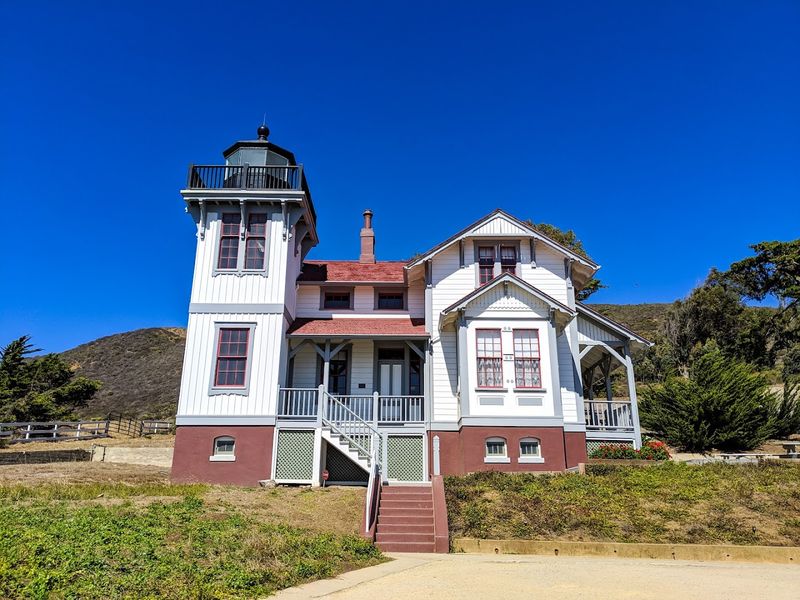
The harbor and coastal tours offered by Avila Beach Ocean Safaris pass by the Point San Luis Lighthouse, a historic structure that sits on the rocky headland separating Port San Luis from the open ocean.
The lighthouse has been guiding ships along this stretch of coast since 1890 and its setting on the cliffs above the water makes it one of the more visually striking landmarks on the Central Coast.
Seeing the lighthouse from the water provides a perspective that is simply not available from land.
The way the structure sits against the hillside, with the ocean below and the sky above, creates a composition that photographers tend to respond to strongly.
The surrounding cliffs are also home to nesting seabirds, which adds another layer of wildlife activity to that portion of the tour.
The guide’s knowledge of the area’s history brings the lighthouse into context during the tour, connecting its past function to the current use of the harbor and the surrounding coastline.
Understanding why the lighthouse was placed where it was, and what kinds of vessels it once guided, adds depth to what might otherwise be just a scenic backdrop.
April’s clear skies and soft spring light tend to make the lighthouse particularly photogenic during morning tours.
Private Tours Are Available For Families And Photographers
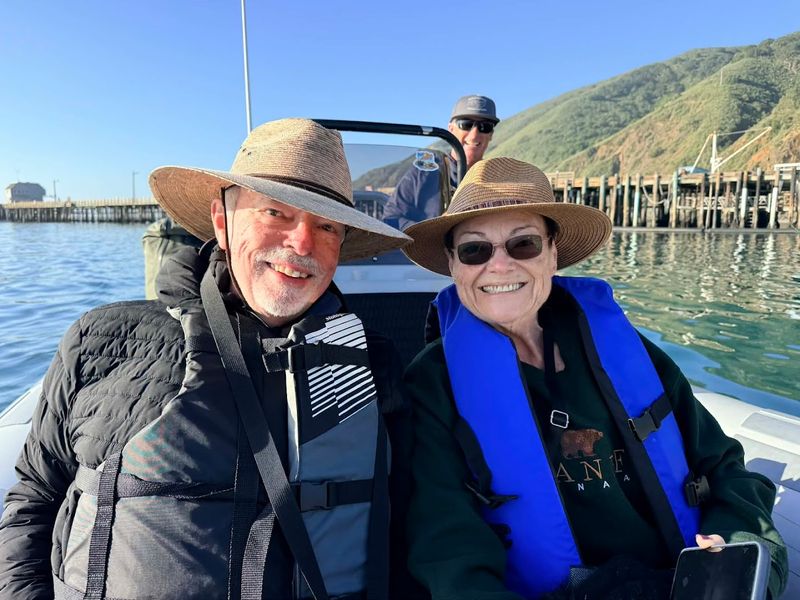
Standard group tours are a great fit for most visitors, but Avila Beach Ocean Safaris also offers private ocean safaris tailored to specific interests or group needs.
Families celebrating a birthday, photographers looking for extended time with a particular subject, or groups wanting a more relaxed and flexible pace can book a private outing that adjusts the itinerary based on what matters most to them.
Private tours allow for a longer time on the water and give the guide more freedom to linger near a sea lion haul-out or wait patiently near a feeding area in a way that a standard tour schedule may not always allow.
For wildlife photographers especially, that extra time can make a meaningful difference in the quality of images captured.
The boat’s low profile and quiet approach make it well-suited for photography without disturbing animals.
Families who have brought their dogs on past tours have noted that the boat accommodates pets comfortably, which adds a fun and personal dimension to the experience.
Booking details for private tours are available directly through the Avila Beach Ocean Safaris website at avilabeachoceansafaris.com.
Reservations can be made up to nine months in advance, which is worth considering for anyone planning a spring trip to the Central Coast during a busy travel period.
Booking Logistics And What To Know Before You Go
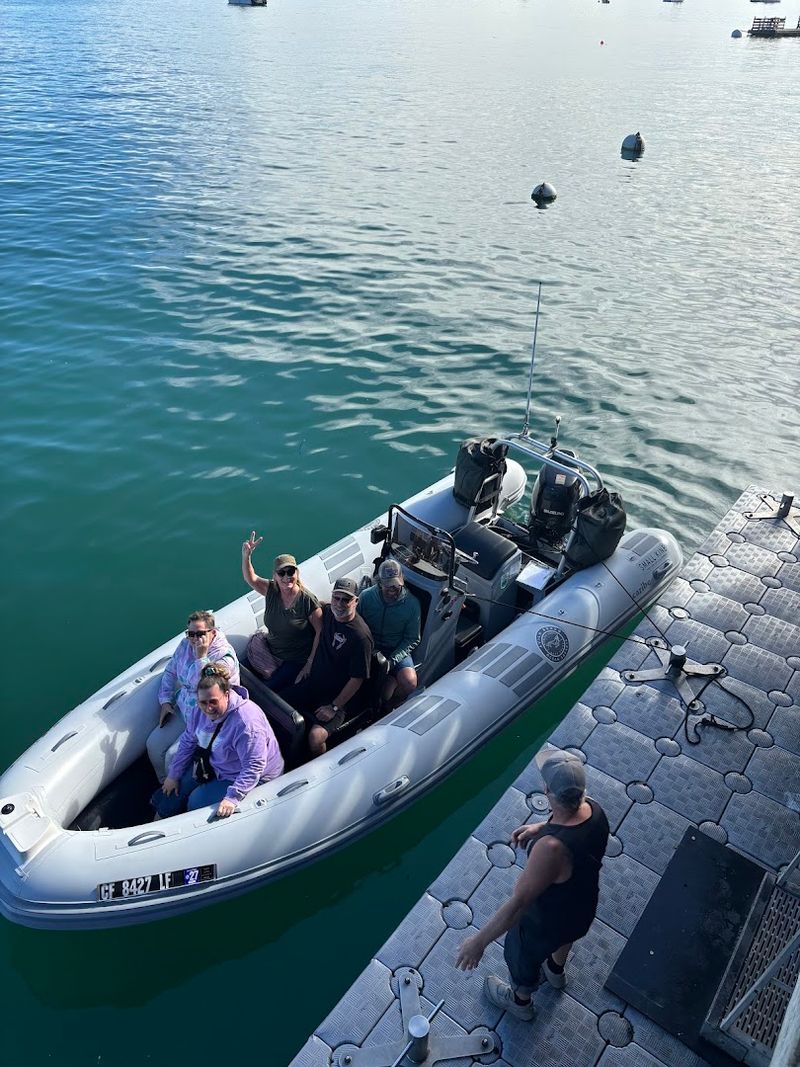
Planning ahead makes a clear difference when booking with Avila Beach Ocean Safaris, especially in April when weekend spots fill quickly with visitors from across California.
The company offers several small-group tours with different pricing and seasonal availability, so checking the booking calendar early is the most reliable way to secure a preferred date.
Sea Otter and Harbor Safaris start at $49 per person (ages 5+) and run up to about 1.5 hours.
These tours operate on a seasonal schedule with varied departure times, and capacity is limited to small groups, typically up to six passengers.
The Coastal Discovery & Wildlife Safari costs $125 per person (ages 12+) and lasts around 2.5 to 3 hours, focusing on coastal landmarks and marine life rather than whales.
Whale Watching Safaris are seasonal from June through November, priced at $125 per person (ages 12+), with a duration of about 2 to 2.5 hours.
Private Wildlife Safaris are available for $600 per boat (up to four passengers, ages 12+), lasting up to four hours.
In April, only non-whale tours are available.
Departure times vary by season, so availability should be confirmed when booking.
Dress in layers, and bring sun protection for changing coastal conditions.