This 805-Acre California Park Lets You Walk Through One Of The Most Beautiful Redwood Forests In The State
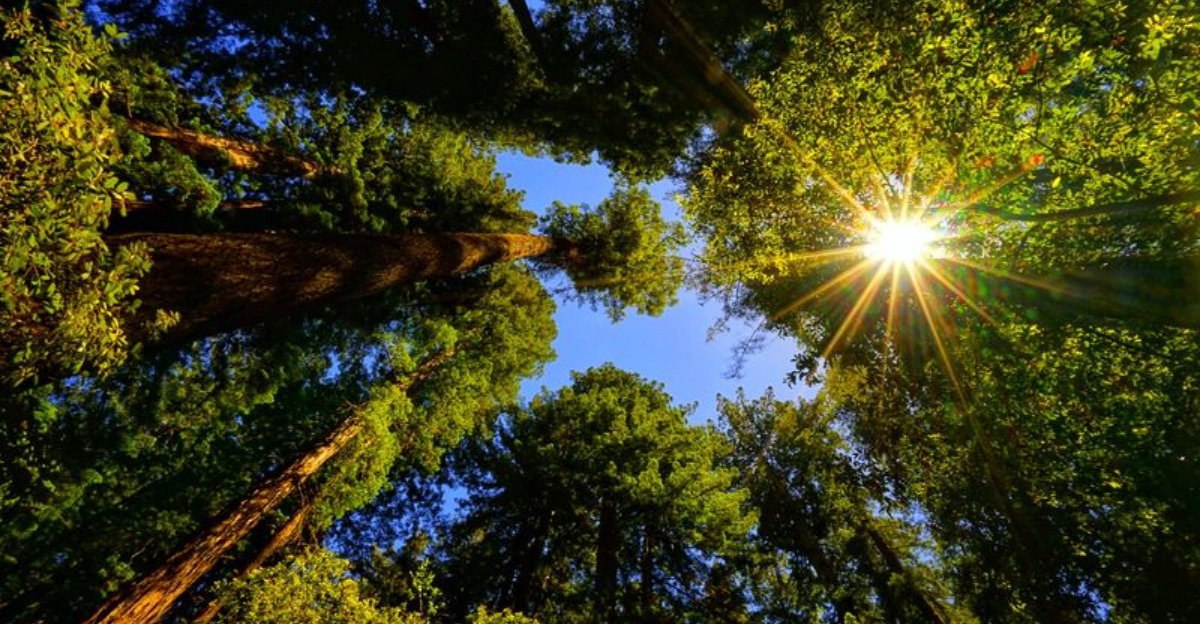
You run ahead and then stop. Not because the trail ends, but because something finally registers.
A trunk the size of a room. Bark ridged and dark, rising straight up until it disappears into shadow. No rush now. Just standing there, trying to take in how something this old still exists without asking for attention.
The path keeps going, but it doesn’t feel like a hike anymore. It turns into a series of pauses.
Hands brushing against the wood. Heads tilted back. Small conversations that fade out before they finish. Every step pulls deeper into a place that has been doing its own thing for centuries.
There are forests in California that don’t need signs to explain why they matter.
A short visit turns into lingering without noticing the time. The outside world fades in a way that doesn’t feel forced, just distant. California holds spaces like this that don’t try to impress, yet leave a mark that stays long after stepping back out.
The Reserve Has A Visitor Center And An Outdoor Amphitheater
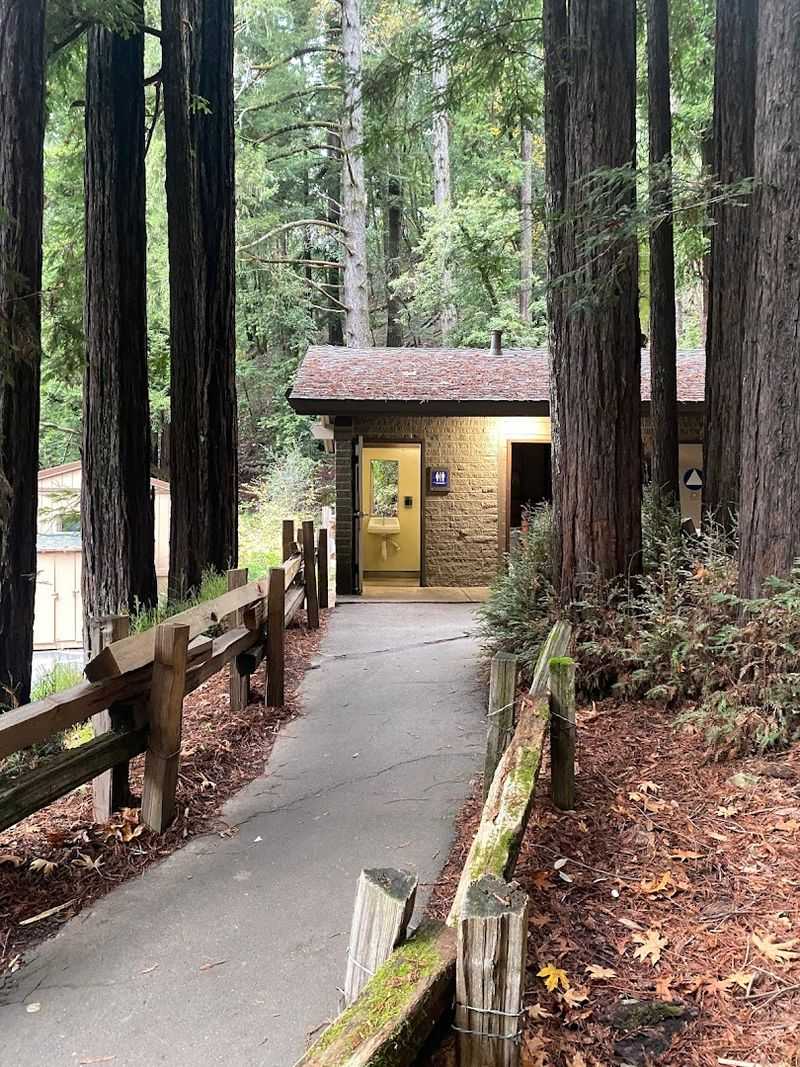
Beyond the trails themselves, Armstrong Redwoods offers a couple of facilities that add context and comfort to a visit.
The visitor center at 17000 Armstrong Woods Rd, Guerneville, CA 95446 provides background information on the redwood ecosystem, the history of the reserve, and the trees that make it notable.
Staff and volunteers at the center are generally knowledgeable and willing to answer questions, which can be especially helpful for first-time visitors trying to orient themselves before heading out.
The outdoor amphitheater is one of the more unexpected features of the reserve, a natural performance space tucked among the redwoods that hosts educational programs and occasional events.
Sitting in the amphitheater and looking up at the surrounding trees gives a strong sense of the scale of the grove from a seated vantage point.
The acoustics in the space, surrounded by soft bark and dense canopy, tend to be naturally quiet and absorbing.
Picnic tables are available near the visitor center, making the area a comfortable spot to eat lunch before or after a hike.
The combination of practical amenities and natural surroundings makes the central grove area work well as a base for the day.
Checking the California State Parks events calendar before visiting may reveal scheduled programs that add an educational layer to the trip.
The Reserve Was Established In 1934 And Named After A Lumber Pioneer
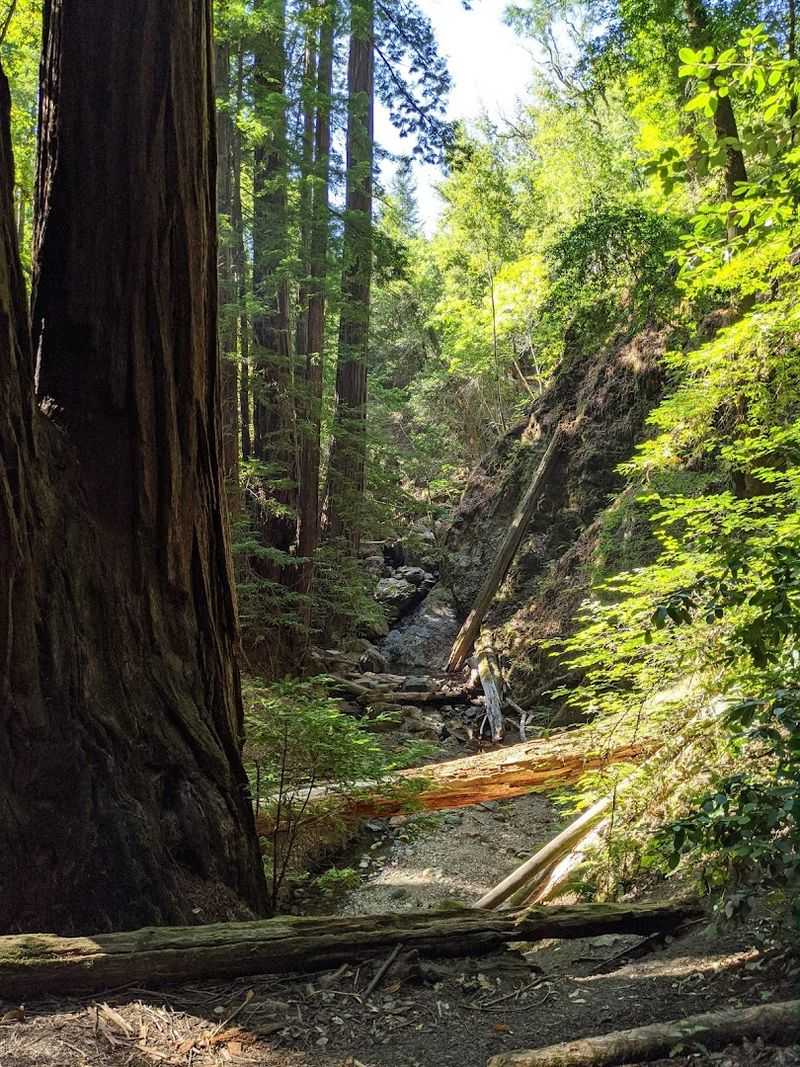
The history behind how Armstrong Redwoods became a protected space is worth knowing before walking through the gate.
Colonel James Armstrong was a lumber businessman who settled in Sonoma County in the 1870s and recognized the grove’s extraordinary character early on.
Rather than logging it, he chose to preserve it, and his efforts eventually led to the land being protected as a state park after his death.
The reserve was formally established in 1934, which means it has been welcoming visitors for nearly a century.
That history gives the place a layered quality, where the ancient age of the trees overlaps with a more recent but still substantial human story of conservation.
The fact that a lumber industry figure was the one who fought to save the grove adds an interesting dimension to the narrative.
Armstrong’s daughter, Lizzie Armstrong, continued her father’s preservation efforts after his death, which helped ensure the grove eventually came under state protection.
Learning this backstory before visiting makes the interpretive signs throughout the reserve feel more meaningful.
The Colonel Armstrong Tree, named in his honor, stands as a living monument to that early decision to protect rather than harvest.
The Reserve Covers 805 Acres Of Ancient Old-Growth Forest
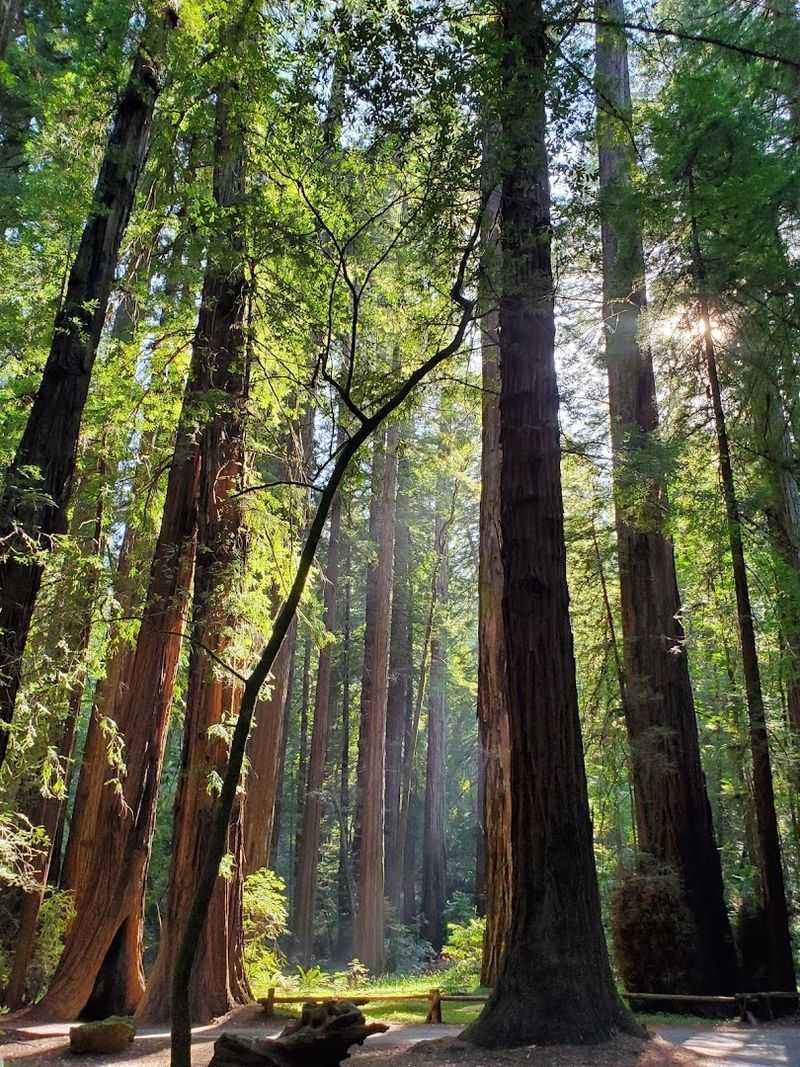
Not every forest gets to stay wild, and Armstrong Redwoods is one of the rare places that has been carefully protected for generations.
Spanning 805 acres in Sonoma County, the reserve shelters one of the most intact old-growth coast redwood groves remaining in California.
The trees here were never logged at the scale seen in surrounding areas, which is a big part of why the grove feels so untouched today.
Walking through the main grove, the canopy overhead blocks out most of the sky, creating a cool and shadowy environment even on bright days.
The forest floor is layered with ferns, mosses, and fallen logs slowly returning to the soil.
Every step deeper into the grove pulls visitors further away from the noise of everyday life.
The reserve sits just north of Guerneville, making it a straightforward day trip from the San Francisco Bay Area.
Arriving on a weekday morning tends to mean fewer crowds and a more peaceful experience.
The sheer scale of the forest is something that photographs rarely capture accurately, so setting aside a few unhurried hours to walk the trails makes a real difference.
The Colonel Armstrong Tree Is Over 1,400 Years Old
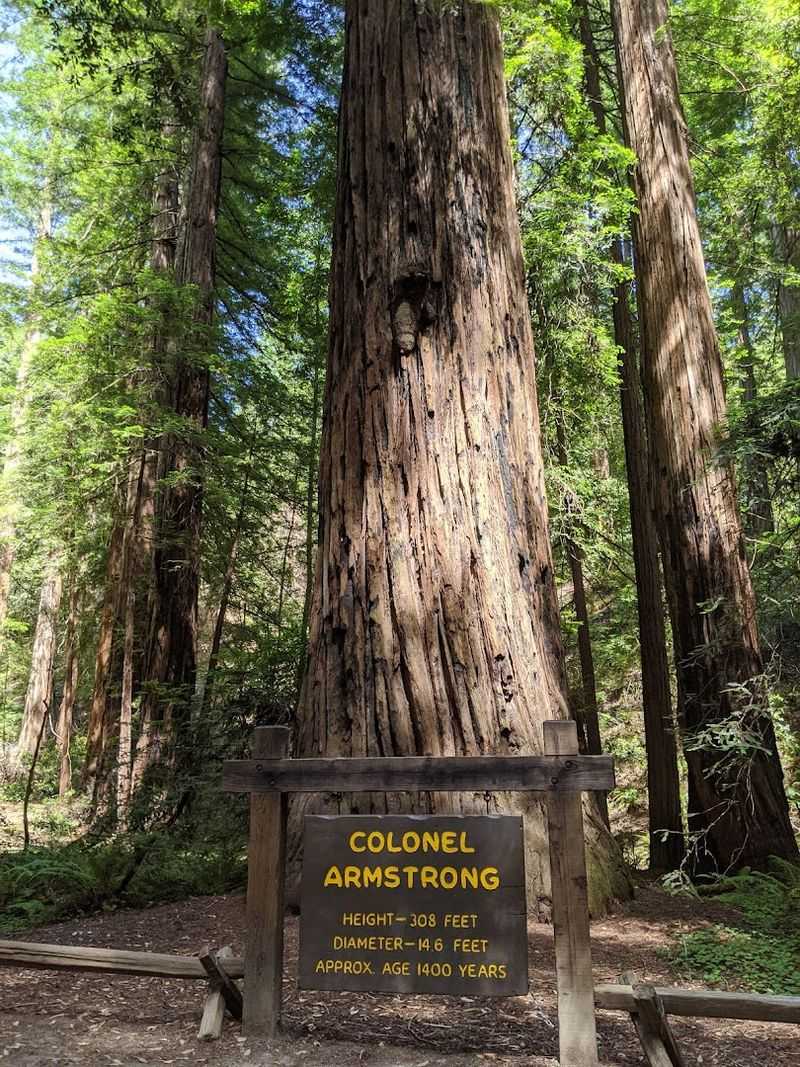
Standing in front of a tree that was already centuries old when medieval cathedrals were being built in Europe puts time into a very different perspective.
The Colonel Armstrong Tree is the oldest known tree in the grove, estimated at over 1,400 years old.
Named after Colonel James Armstrong, the lumber businessman who first recognized the grove’s value and worked to protect it, the tree has become the emotional centerpiece of the reserve.
The trunk base is enormous, with deeply furrowed reddish-brown bark that feels almost architectural.
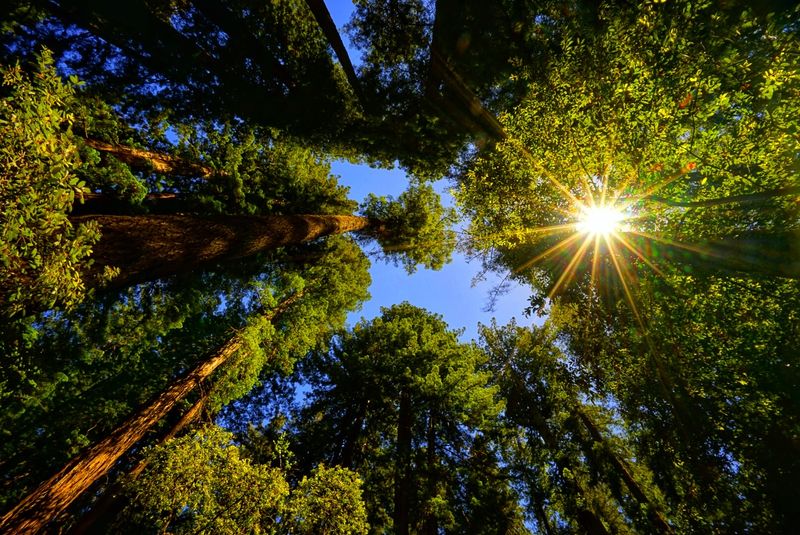
Looking straight up from the base, the tree seems to disappear into the canopy far above.
Redwood bark is naturally fire-resistant and contains tannins that help protect against insects and disease, which partly explains how trees like this one survive for such extraordinary lengths of time.
Visitors often spend a few quiet minutes near the Colonel Armstrong Tree without saying much, which says a lot about the effect it has.
A small interpretive sign near the tree provides context about its age and history.
The trail leading to it is well-maintained and accessible for most visitors, so reaching it does not require a strenuous effort.
The Parson Jones Tree Stands Over 310 Feet Tall
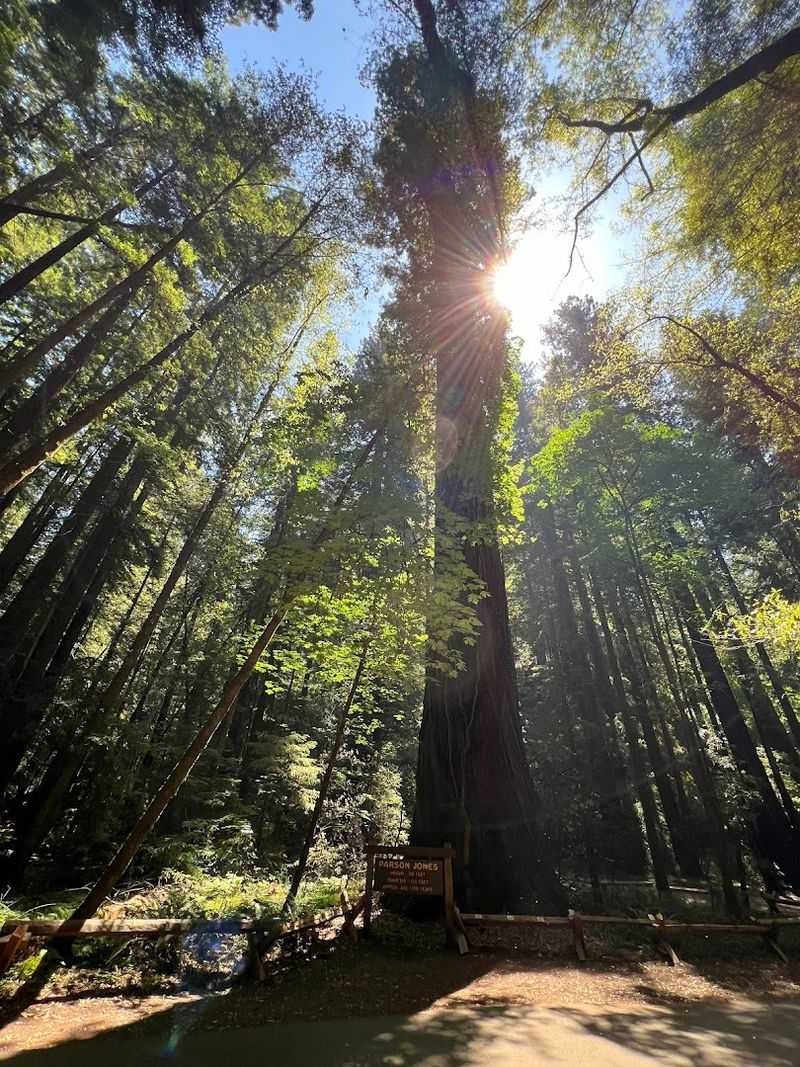
Height is hard to fully process when you are standing at the base of a redwood, but the Parson Jones Tree makes the attempt worthwhile.
Reaching over 310 feet, it holds the title of the tallest tree in the grove and draws visitors who want to crane their necks and try to find the top.
The tree is named after a local minister who was an early advocate for preserving the forest.
Coast redwoods are the tallest living tree species on Earth, and the Parson Jones Tree is a strong example of just how far that height can go.
The trunk is straight and relatively slender compared to some of the wider trees in the grove, which makes the upward view feel almost like looking up a natural tower.
On clear days, light filters down through the upper canopy in long, soft beams.
Finding the Parson Jones Tree is straightforward since it is marked along the main trail through the grove.
Visiting in the morning tends to offer the best light for appreciating the height and texture of the bark.
Comfortable walking shoes are a practical choice since the trail surface can be slightly uneven in places.
The Icicle Tree Has Unusual Burl Formations Along Its Trunk
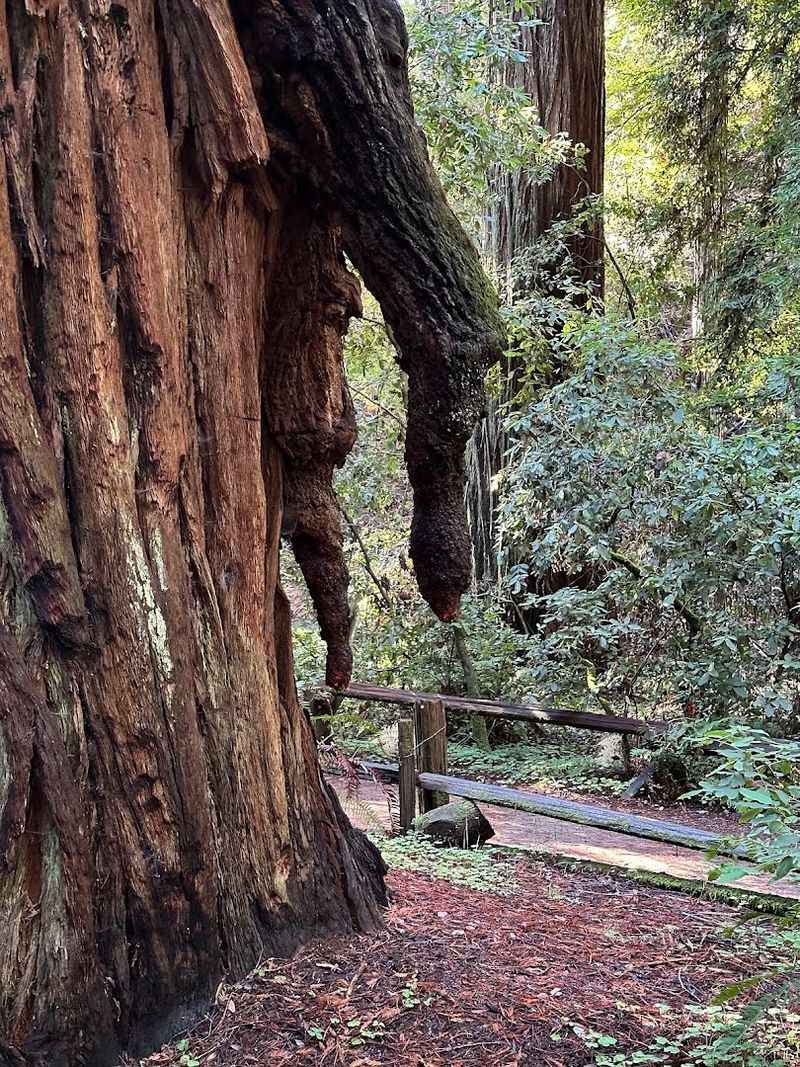
Most of the trees in Armstrong Redwoods command attention through sheer size, but the Icicle Tree earns a second look for a completely different reason.
Large, rounded burl growths cluster along its trunk in formations that give the tree a distinctly different silhouette from its neighbors.
Burls are abnormal woody growths that form when a tree experiences some kind of stress, and on redwoods they can grow to remarkable sizes.
The name comes from the way the burls hang and cluster, giving the trunk a dripping or icicle-like appearance from certain angles.
Redwood burls are actually packed with dormant buds, and under the right conditions they can sprout new growth.
The Icicle Tree is a good reminder that old-growth forests are full of biological complexity that goes well beyond just the tallest or widest specimens.
An interpretive sign near the tree explains the science behind burl formation in accessible language that younger visitors can follow.
The Icicle Tree sits along the main trail loop, so most visitors pass by it naturally during a standard walk through the grove.
Taking a moment to walk slowly around the base gives a much better sense of how unusual the growth patterns really are.
Trails Range From Easy Flat Walks To Challenging Uphill Climbs
One of the practical strengths of Armstrong Redwoods is that it genuinely works for visitors with very different energy levels and expectations.
The main grove trails are mostly flat and easy to walk, staying close to the valley floor where the largest and oldest trees grow.
For visitors who want more of a workout, trails like Pool Ridge lead steeply uphill and out of the grove into the surrounding hills, offering a dramatically different perspective on the landscape.
The East Ridge Trail connector has been noted as occasionally closed for maintenance or weather-related reasons, so checking trail conditions before heading out is a sensible step.
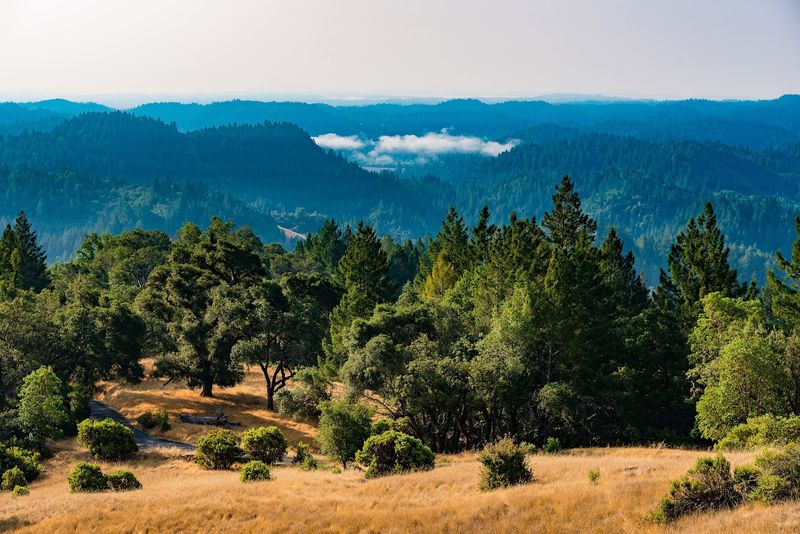
Hikers who make it to the upper reaches of the reserve are rewarded with views over the valley that are quite different from the enclosed, cathedral-like atmosphere of the grove below.
The contrast between the two environments within the same park is one of the reserve’s underappreciated qualities.
Good walking shoes with grip are recommended for anyone planning to go beyond the flat main trail, since the uphill routes can be muddy and uneven, particularly after rain.
Carrying water is important on the longer routes since there are no water sources once visitors leave the main grove area.
Starting any uphill hike earlier in the day leaves enough time to return comfortably before closing.
The Discovery Trail Is Wheelchair Accessible with Braille Interpretive Panels
Accessibility in natural settings is not always guaranteed, which makes the Discovery Trail at Armstrong Redwoods genuinely notable.
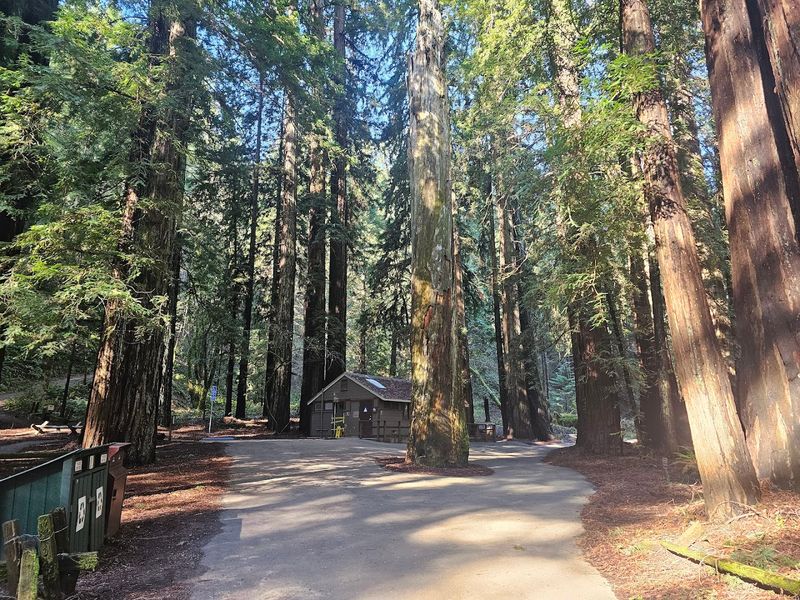
The trail is paved and wheelchair accessible, designed so that visitors with mobility limitations can still experience the heart of the old-growth grove without barriers.
Interpretive panels along the route include text in Braille, making the trail one of the more thoughtfully inclusive options in California state parks.
A tree-hugging platform along the Discovery Trail allows visitors to reach out and feel the texture of redwood bark up close, which is a tactile experience that adds real meaning to the visit.
The bark is soft and fibrous, almost spongy in texture, and quite different from what most people expect when touching a tree this old and this large.
For younger visitors especially, that physical connection tends to make the forest feel more real and memorable.
The trail is suitable for families with strollers as well, and the relatively flat terrain means that even visitors who tire easily can complete it comfortably.
Starting from the main parking area, the Discovery Trail connects naturally with other paths in the grove.
Arriving early on weekends helps avoid the busiest periods near the accessible sections of the trail.
The Pioneer Nature Trail Offers An Easy Self-Guided Walk Through The Grove
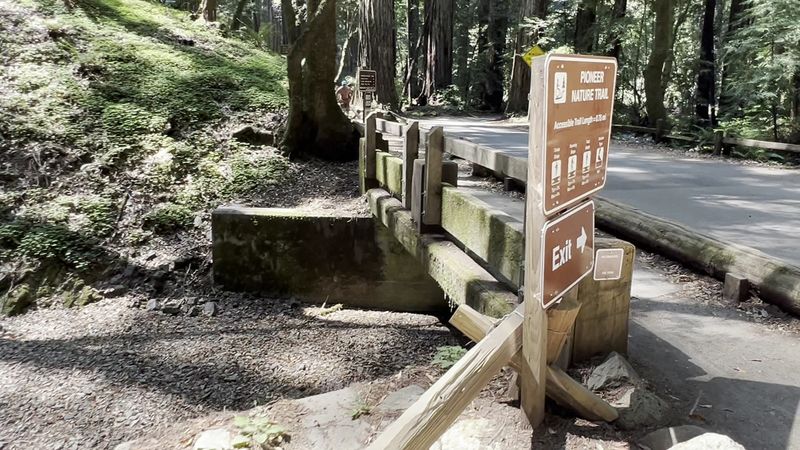
A self-guided nature trail that does not require a map or a guide is a genuinely low-pressure way to explore a forest, and the Pioneer Nature Trail delivers exactly that.
The trail winds through the main grove at a gentle pace, with markers pointing out notable features of the redwood ecosystem along the way.
Visitors can move at their own speed, stop as often as they like, and take the experience in without feeling rushed.
The trail is wheelchair accessible and mostly flat, which makes it a strong choice for visitors of varying fitness levels.
Families with young children often find the Pioneer Nature Trail a comfortable starting point before deciding whether to tackle any of the steeper routes that lead up out of the grove.
The forest along this trail is dense and atmospheric, with the kind of quiet that tends to settle over visitors after just a few minutes of walking.
Cross-sections of fallen redwood logs placed along the trail show growth rings that span centuries, giving a visual sense of just how long these trees have been alive.
Reading the rings with kids can turn into an impromptu history lesson.
The trail connects to other paths in the reserve, so it works well as either a standalone walk or a warm-up for a longer hike.
The Reserve Is Open Daily From 8 AM To One Hour After Sunset
Planning a visit to a state park is much easier when the hours are straightforward, and Armstrong Redwoods keeps things simple.
The reserve is open every day of the year from 8:00 AM to one hour after official sunset, giving visitors a reasonable window to explore without worrying about early closures.
The address is 17000 Armstrong Woods Rd, Guerneville, CA 95446, which is easy to navigate to from Highway 116.
Morning visits tend to offer a particularly atmospheric experience, especially when summer fog lingers in the canopy and filters the light into long, diffuse rays.
The forest feels noticeably different at different times of day, and arriving close to opening time on weekdays usually means a quieter, more personal experience.
By late morning on weekends, the main grove area can become noticeably busier.
The one-hour-after-sunset closing time gives afternoon visitors a comfortable buffer to finish longer trail loops without feeling pressured to rush back.
Checking the official California State Parks website before visiting is a practical step since hours and access points can occasionally change due to weather or maintenance.
Cell service in the grove itself can be limited, so downloading a trail map in advance is worth considering.
Entry Costs $10 Per Vehicle And $9 For Seniors
State park fees are often one of the first things visitors want to know before making the drive, and Armstrong Redwoods keeps the cost modest.
Entry is $10.00 per vehicle, with a reduced rate of $9.00 for seniors.
For the size and quality of the forest experience on offer, most visitors find the fee easy to justify, especially since the reserve is maintained by California State Parks and relies on those funds for upkeep.
Visitors who hold a California State Parks annual pass can use it here, which makes the pass a good investment for anyone planning multiple park visits throughout the year.
Cyclists and pedestrians who enter on foot may have different fee arrangements, so checking the official California State Parks page before arrival is recommended.
Parking inside the reserve is limited, particularly on busy weekends, so arriving early helps avoid circling the lot.
Free street parking is available along Armstrong Woods Road outside the main entrance, and some visitors choose to walk in from there to skip the parking fee entirely.
The walk from the street to the grove is short and shaded for most of the route.
Having cash or a card ready at the entrance station speeds up the entry process during peak hours.
The Reserve Receives About 55 Inches Of Rainfall Annually
Rainfall is not just a weather detail at Armstrong Redwoods, it is genuinely part of what makes the forest possible.
The reserve receives an average of 55 inches of rain per year, with most of that falling between September and June.
That moisture feeds the root systems of trees that can live for well over a thousand years and keeps the forest floor in a constant state of lush, green growth.
Summer fog plays an equally important role in the redwood ecosystem.
Even when rain is absent during the warmer months, fog rolling in from the Pacific Ocean condenses on the needles of the redwoods and drips down to the roots below, a process sometimes called fog drip.
Without that consistent moisture, coast redwoods would not be able to thrive this far south in California.
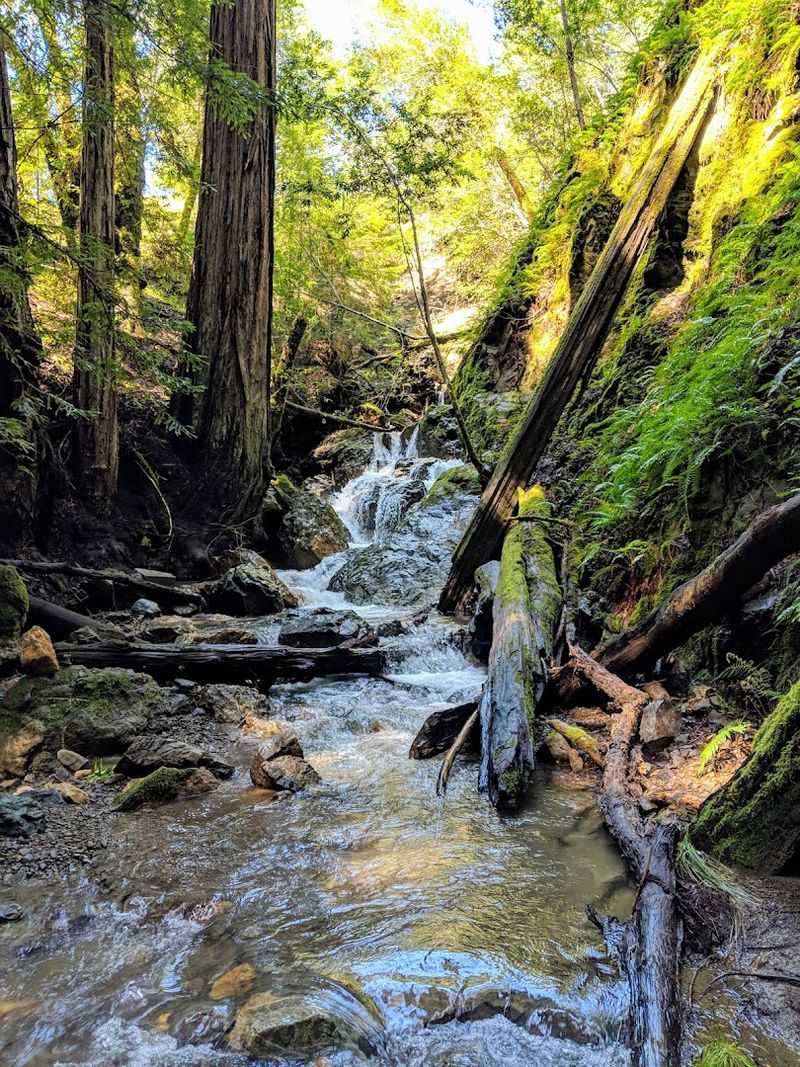
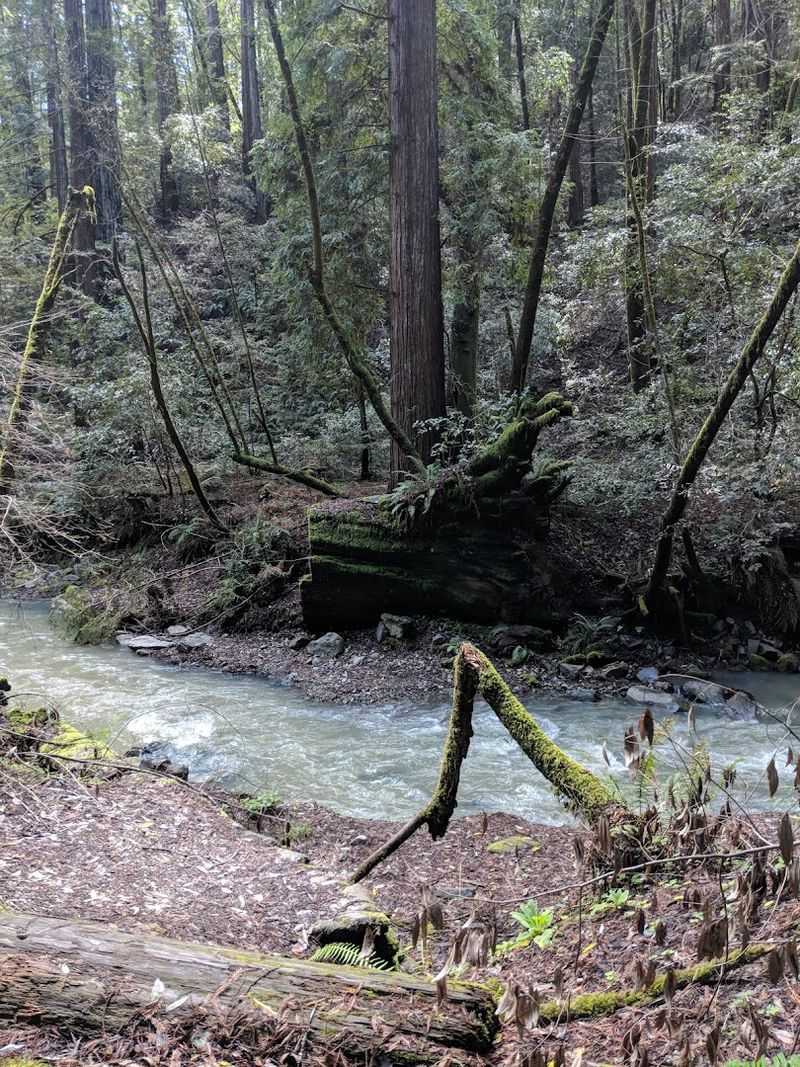
Visiting during the rainy season between fall and spring means the forest takes on an especially vivid character, with mosses intensely green and small streams running through the understory.
Light rain gear is a practical addition to any pack during those months.
Even on overcast days the forest tends to be beautiful, and the reduced crowds during wetter weather make the experience feel more private and immersive.
Dogs Are Allowed In Developed Areas But Not On The Trails
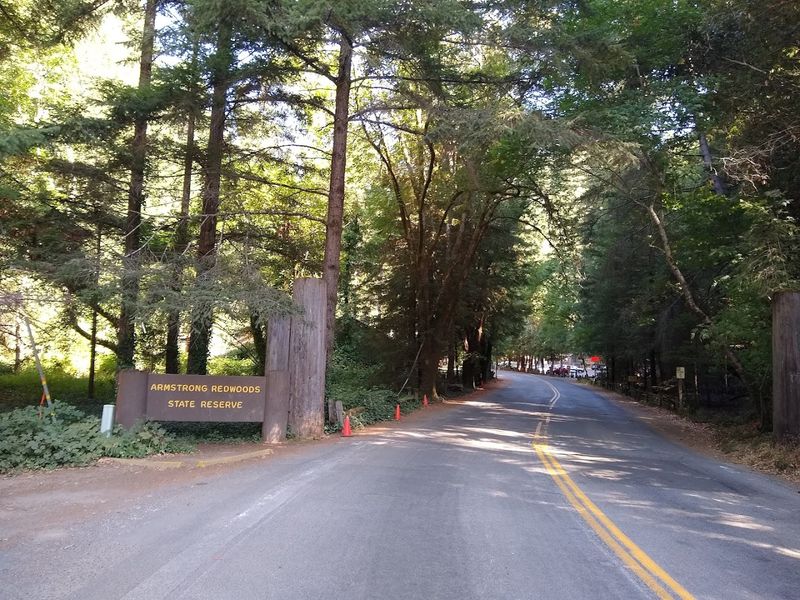
Bringing a dog to a state park requires a bit of planning, and knowing the rules ahead of time makes the visit smoother for everyone.
At Armstrong Redwoods, dogs are welcome in developed areas such as the picnic area and along the paved road through the reserve, but they are not permitted on the hiking trails.
The restriction exists to protect the wildlife and plant life that make the forest ecosystem function the way it does.
Dogs must be kept on a leash no longer than six feet at all times while inside the reserve.
The paved road that runs through the park offers a genuinely pleasant walk even without venturing onto the nature trails, and dogs tend to enjoy the smells and sounds of the forest environment.
Bringing water for pets is a good habit since the forest, while cool, can still be tiring for dogs during longer walks.
Pet owners who want to hike the full trail network may find it easier to leave dogs at home or arrange for a pet-friendly accommodation nearby in Guerneville.
The town has a relaxed, welcoming atmosphere and several businesses that cater to visitors traveling with pets.
Planning around the dog policy in advance avoids disappointment at the trailhead.