These 15 Reasons Explain Why Georgia Tourism Keeps Breaking Records
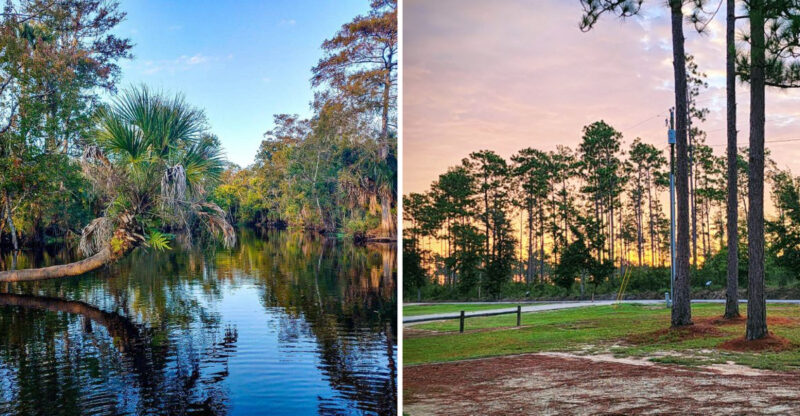
Not every destination keeps people coming back year after year, but Georgia clearly does. With a record 174.2 million visitors in 2024, the state has quietly positioned itself as one of the most traveled places in the country. That kind of growth does not happen by accident, it reflects a mix of experiences that appeal to just about everyone.
The variety is what makes it stand out. One trip might take you through the misty Blue Ridge Mountains, while another leads to the laid-back beaches of Tybee Island or the energy of Atlanta’s food scene. History, nature, and culture all overlap in a way that keeps each visit feeling different.
Spending numbers tell the same story, with $45.2 billion poured into the state by travelers who are clearly finding something worth returning for. Whether it is the scenery, the food, or the welcoming atmosphere, Georgia continues to offer reasons to explore, and even more reasons to come back again.
1. Atlanta’s World-Class Attractions Draw Millions Every Year

Few cities in the American South pack as many headline attractions into one place as Atlanta does. The Georgia Aquarium, located at 225 Baker Street NW, Atlanta, GA 30313, is the largest aquarium in the Western Hemisphere and pulls in families from across the country with its whale shark exhibits and dolphin shows. Tickets sell out fast on weekends, so booking ahead is a smart move.
Beyond the aquarium, the Martin Luther King Jr. National Historic Site offers a deeply moving experience that connects visitors to one of the most important chapters in American history. The city also hosts world-class museums, a buzzing food scene, and neighborhoods like Inman Park and Ponce City Market that feel like discoveries waiting to happen.
Atlanta rewards curious travelers who take time to wander beyond the obvious. Weekday visits tend to be calmer, parking is easier, and locals are generally happy to point visitors in the right direction.
2. Savannah’s Historic District Is Unlike Anything Else in America
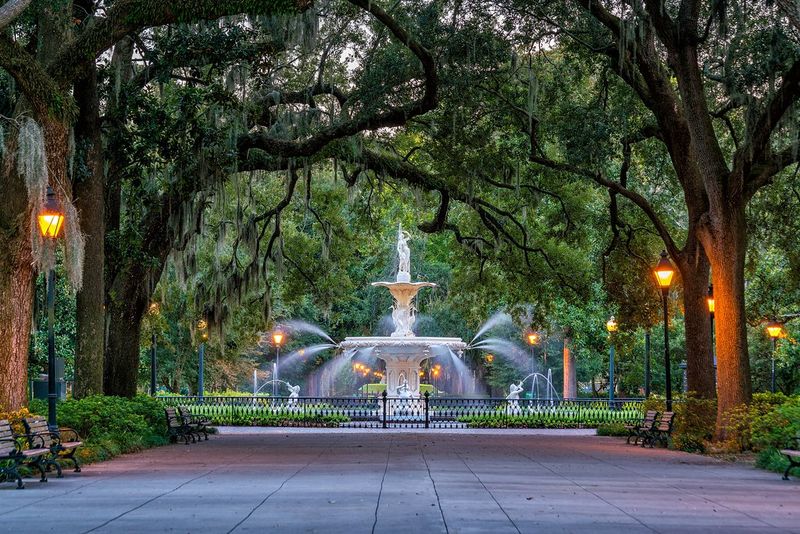
Walking through Savannah feels like stepping onto a movie set that somehow also happens to be a real, living city. The Historic District, centered around Forsyth Park at 2 W Gaston Street, Savannah, GA 31401, is a masterclass in preservation, with 22 leafy public squares, candy-colored townhouses, and centuries-old churches lining nearly every block. Spanish moss hangs from live oaks like nature’s own decoration.
Ghost tours are wildly popular here, and for good reason. Savannah has earned its reputation as one of America’s most haunted cities, and the stories attached to its buildings are genuinely compelling. Even skeptics tend to enjoy the atmospheric evening walks through gas-lit streets.
Comfortable walking shoes are essential because the cobblestones are charming but uneven. Visiting on a weekday morning offers a quieter, more personal experience before the tour groups arrive. Spring and fall offer the most pleasant temperatures for extended outdoor exploration.
3. The Blue Ridge Mountains Offer Stunning Scenery Year-Round
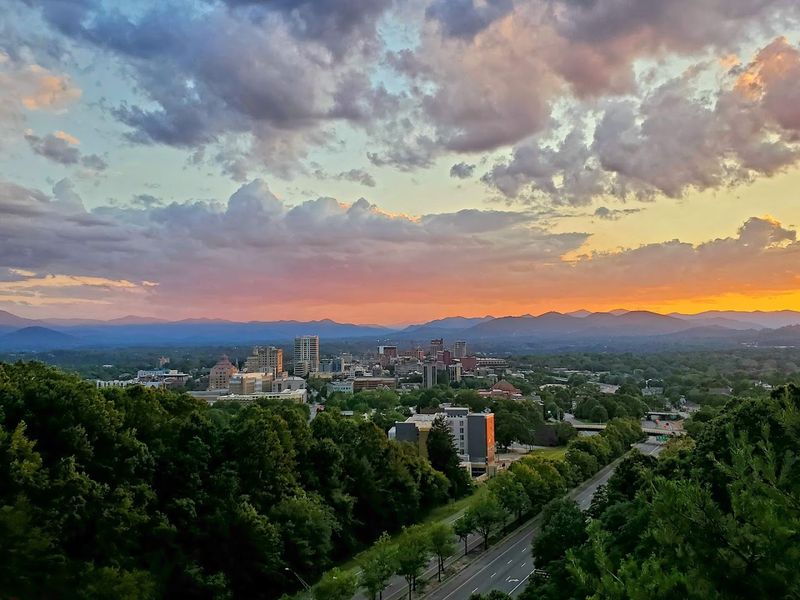
Northern Georgia’s mountain region is the kind of place that makes people pull over just to stare. Amicalola Falls State Park, located at 418 Amicalola Falls State Park Road, Dawsonville, GA 30534, sits at the approach trail to the Appalachian Trail and features a 729-foot waterfall that is the tallest cascading waterfall east of the Mississippi River. It is genuinely breathtaking in any season.
Fall foliage in October draws enormous crowds to towns like Blue Ridge and Ellijay, where apple orchards and cider shops line the mountain roads. Summer brings hikers and kayakers, while winter occasionally dusts the peaks with snow that transforms the landscape into something almost magical.
Cabin rentals in the area book up months in advance during peak seasons, so planning early is essential. The drive itself along State Route 60 is scenic enough to count as an attraction, with winding roads and ridge-top views that make the journey as rewarding as the destination.
4. Georgia’s Coastal Islands Rival Any Beach Destination in the Country
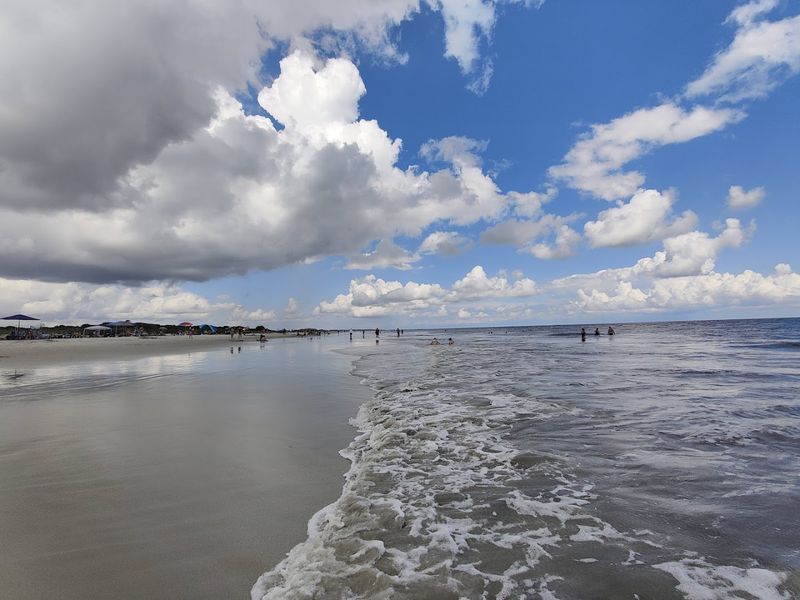
Georgia’s coastline hides some of the most unspoiled beach destinations on the entire East Coast. Cumberland Island National Seashore, accessible by ferry from St. Marys, GA 31558, is a car-free barrier island where wild horses roam freely alongside miles of undeveloped beach. The sense of solitude there is rare and genuinely restorative.
Tybee Island near Savannah offers a more lively beach town atmosphere with seafood shacks, surf rentals, and a historic lighthouse. Jekyll Island strikes a balance between natural beauty and accessible amenities, with bike paths winding through maritime forests to the water’s edge. Each island has its own personality.
Ferry reservations to Cumberland Island are limited and sell out quickly, especially in spring and summer. Visitors who prefer a more relaxed pace tend to find Jekyll Island the most accessible option. Sea turtle nesting season runs from May through October, and rangers sometimes offer guided beach walks during that period.
5. Southern Food Culture Turns Every Meal Into a Memorable Event
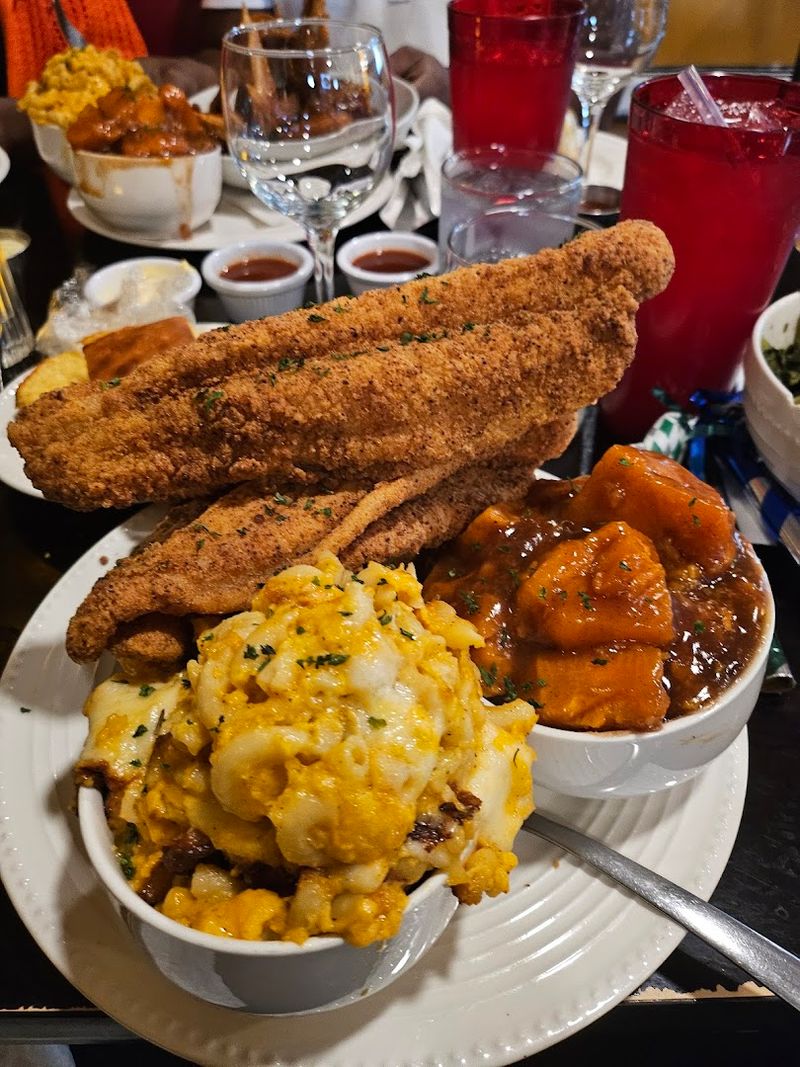
Georgia takes its food seriously in the most delicious way possible. Watershed on Peachtree, located at 1820 Peachtree Road NW, Atlanta, GA 30309, is a celebrated restaurant that showcases modern Southern cooking with ingredients sourced from Georgia farms, and the fried chicken there has developed a genuine cult following among food travelers. Reservations are recommended, especially on weekends.
Beyond fine dining, Georgia’s food culture lives in its roadside meat-and-three spots, peach stands along rural highways, and boiled peanut vendors that pop up in gas station parking lots across the state. These informal encounters with local food are often the most memorable parts of any Georgia trip.
Peach season runs roughly from May through August, and a fresh Georgia peach eaten at the source tastes completely different from anything found in a grocery store. Vidalia onions, grown exclusively in a specific region of South Georgia, are another edible landmark worth seeking out. Food alone is a legitimate reason to visit.
6. Augusta and the Masters Golf Tournament Put Georgia on the Global Map

Every April, Augusta becomes the center of the golf universe. Augusta National Golf Club, located at 2604 Washington Road, Augusta, GA 30904, hosts the Masters Tournament, one of the four major championships in professional golf and arguably the most prestigious of them all. Getting tickets is notoriously difficult, but the surrounding city buzzes with energy throughout tournament week regardless.
Augusta’s Riverwalk along the Savannah River offers a pleasant contrast to the tournament’s formal atmosphere, with public art, casual dining, and river views that are easy to enjoy at no cost. The Augusta Museum of History provides solid context for the city’s role in the Civil War and in shaping American music through James Brown, who was born nearby.
Visitors who time their trip to coincide with Masters week should book accommodations six months to a year in advance. Those who prefer a quieter Augusta experience will find the city equally welcoming during the rest of the year, with shorter lines and lower prices.
7. Georgia’s Film Industry Creates Unique Tourism Opportunities

Georgia has quietly become Hollywood of the South, and curious travelers are taking notice. Trilith Studios, located at 461 Sandy Creek Road, Fayetteville, GA 30214, is one of the largest purpose-built film studios in the world and has hosted productions including major Marvel Cinematic Universe films, drawing fans who want to experience the state where their favorite movies were made.
The Georgia Film Academy offers occasional behind-the-scenes tours, and certain filming locations around Atlanta and the surrounding suburbs have become informal pilgrimage sites for pop culture enthusiasts. Senoia, a small town about 30 miles south of Atlanta, served as the primary filming location for The Walking Dead and has embraced that identity with guided tours and themed shops.
The Woodbury Shoppe in Senoia at 1 Gin Property, Senoia, GA 30276, sells memorabilia and can point visitors toward filming locations. Georgia’s $82 billion annual economic impact from tourism is partly fueled by this entertainment connection, which keeps growing each year.
8. Outdoor Adventure Options Are Genuinely Hard to Beat
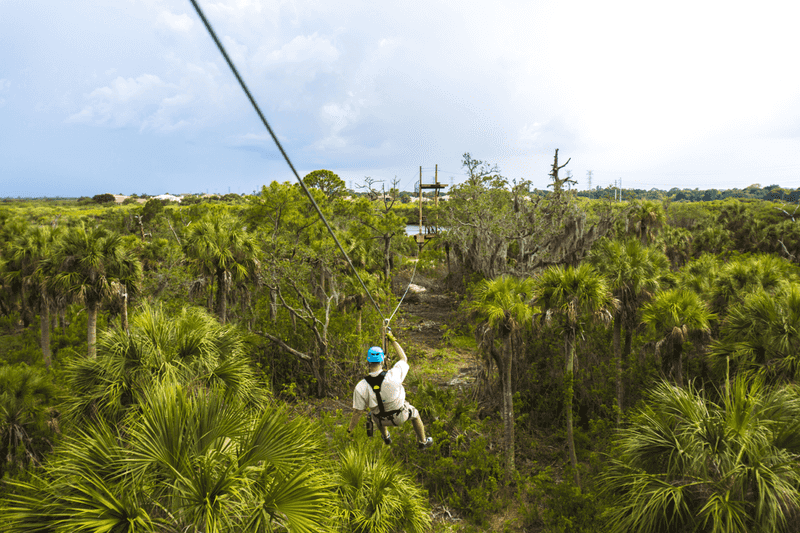
Georgia’s geography is a playground for anyone who prefers their vacations to involve fresh air and a little adrenaline. The Chattahoochee River National Recreation Area, with access points throughout Atlanta including the Island Ford Unit at 1978 Island Ford Parkway, Sandy Springs, GA 30350, offers tubing, kayaking, and hiking within minutes of the city. It is a genuinely surprising find for first-time visitors who expect Georgia to be all city and farmland.
Further north, the Chattooga River on the Georgia-South Carolina border provides some of the most thrilling whitewater rafting in the eastern United States. Cohutta Wilderness in the Chattahoochee-Oconee National Forest offers backcountry hiking for those who want real solitude without driving to another state.
Cycling trails, rock climbing areas near Rocktown in Walker County, and paddling routes along the Okefenokee Swamp’s black-water channels round out an outdoor offering that genuinely rivals states known primarily for their natural landscapes. Georgia’s outdoor adventure scene deserves far more credit than it typically receives.
9. Small Towns Across Georgia Offer Genuine Charm Without the Crowds
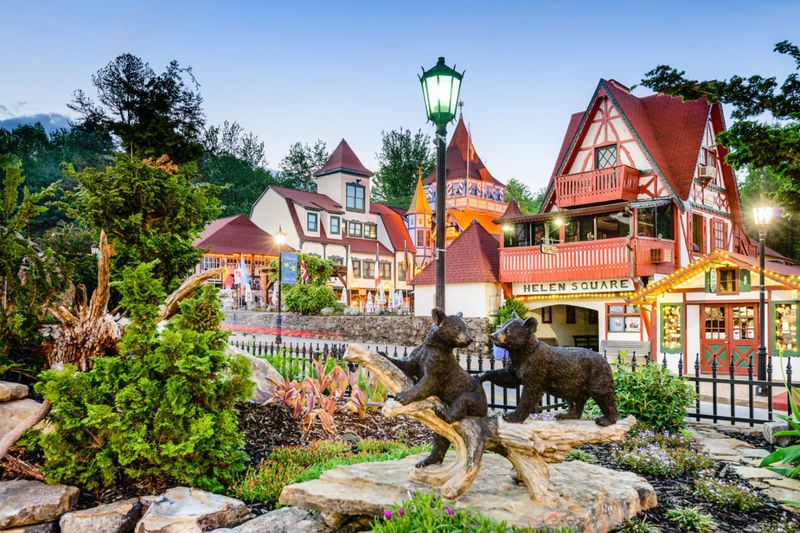
There is something quietly irresistible about Georgia’s small towns, and travelers who skip them are missing a major piece of the state’s character. Madison, located along US-441 in Morgan County, is often called the most beautiful small town in Georgia, with an antebellum historic district that survived Sherman’s March largely intact. The Madison-Morgan Cultural Center at 434 South Main Street, Madison, GA 30650, anchors a walkable downtown full of independent shops and local restaurants.
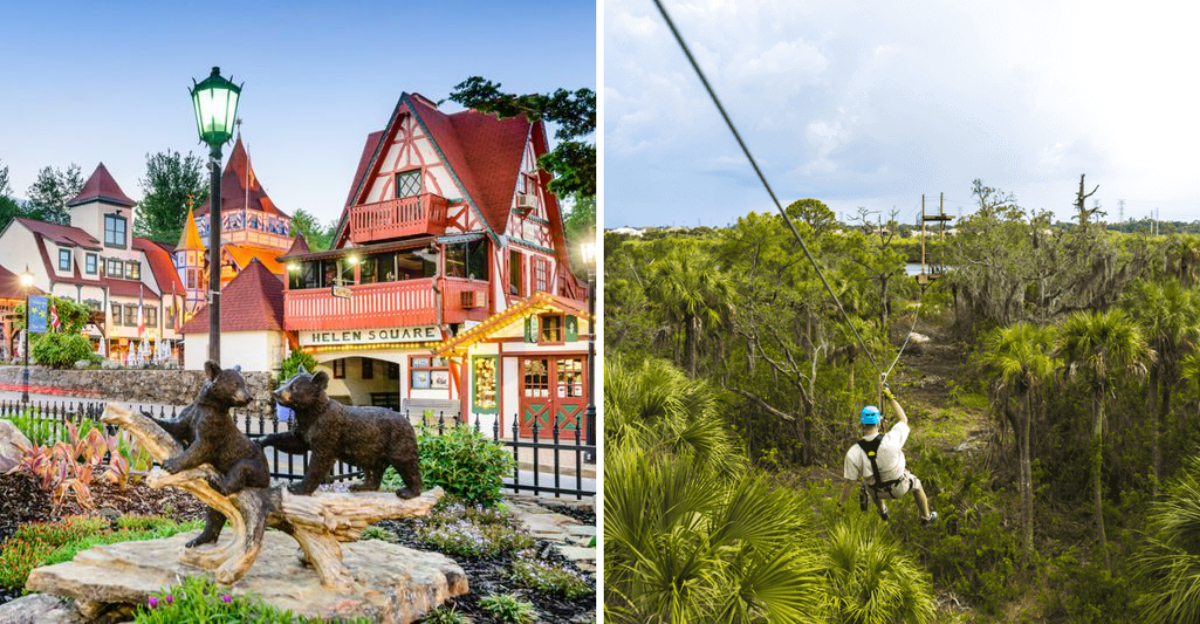
St. Simons Island blends coastal relaxation with a genuine community feel, while Thomasville in South Georgia dazzles visitors with its Victorian architecture and famous rose gardens each spring. Helen, a Bavarian-themed mountain village, sounds gimmicky but delivers a surprisingly fun experience especially during Oktoberfest season.
These towns reward slow travel. Spending a full day in one place, chatting with shop owners and eating at the local diner, tends to produce the kind of travel memories that last far longer than any theme park visit ever could.
10. Georgia’s Music Heritage Runs Deep and Continues to Inspire
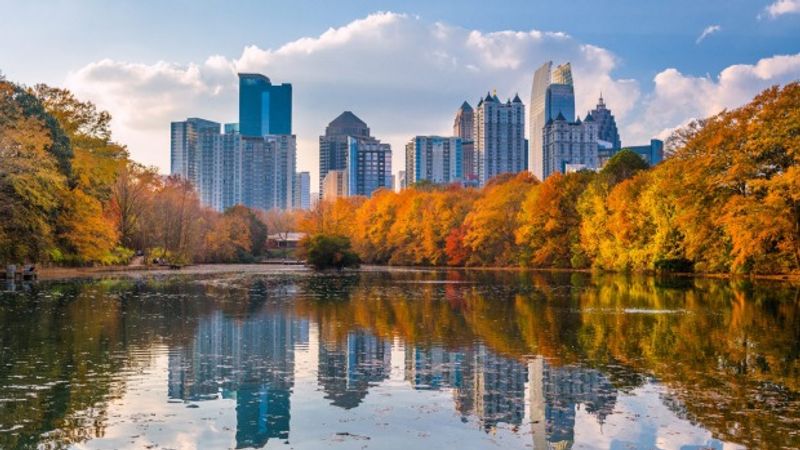
Ray Charles, Otis Redding, the Allman Brothers Band, R.E.M., OutKast. Georgia’s contribution to American music is staggering, and the state has done a thoughtful job of preserving and celebrating that legacy. The Big House Museum, located at 2321 Vineville Avenue, Macon, GA 31204, was the former home of the Allman Brothers Band and now operates as a museum filled with original instruments, photographs, and personal artifacts from the band’s peak years.
Macon itself is a music city worth a dedicated visit, with the Otis Redding Foundation maintaining a presence there and the annual Bragg Jam music festival drawing artists and fans each summer. Athens, home of the University of Georgia, has produced an outsized number of influential bands and maintains a thriving live music scene centered on venues like the 40 Watt Club.
Music tourism in Georgia is growing steadily, and itineraries built around record stores, live venues, and historic studios offer a completely different lens through which to experience the state’s culture.
11. Civil War History Is Preserved Thoughtfully Across the State

Georgia was central to some of the Civil War’s most consequential campaigns, and the historical sites that remain are among the most thoughtfully preserved in the entire country. Chickamauga and Chattanooga National Military Park, with its Georgia entrance at 3370 Lafayette Road, Fort Oglethorpe, GA 30742, is the oldest and largest military park in the United States and offers a sobering, educational experience across its vast battlefield landscape.
Kennesaw Mountain National Battlefield Park near Atlanta marks the site of a major 1864 campaign and provides hiking trails alongside historical interpretation that puts the landscape into context. The Atlanta History Center at 130 West Paces Ferry Road NW, Atlanta, GA 30305, houses one of the most comprehensive Civil War collections in the South.
Visiting these sites with some background reading beforehand makes the experience significantly richer. Rangers lead guided walks at most locations, and their knowledge turns what might feel like an empty field into something genuinely moving and historically illuminating.
12. Georgia’s Festivals and Events Fill the Calendar All Year Long
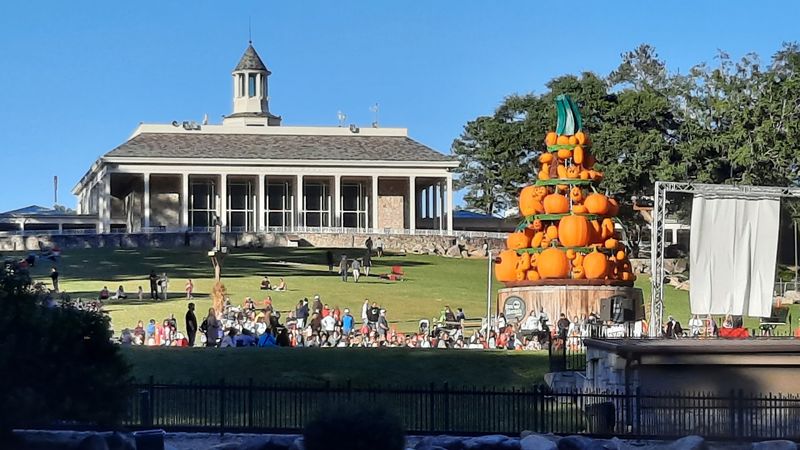
Savannah’s St. Patrick’s Day celebration is the second largest in the United States, drawing hundreds of thousands of visitors to the Historic District each March for parades, live music, and a famously festive atmosphere that spills across the city’s squares. The event has been running for over two centuries and carries a sense of tradition that feels genuinely rooted rather than manufactured.
The National Black Arts Festival in Atlanta, the Shaky Knees Music Festival, the Georgia Renaissance Festival in Fairburn, and the Vidalia Onion Festival are just a handful of the events that give travelers excellent reasons to time their visits around something specific. Georgia’s event calendar is dense enough that nearly any month offers at least one compelling reason to visit.
Checking the Georgia Department of Economic Development’s tourism calendar before booking a trip can help travelers layer a festival or local event onto their itinerary without much extra planning. These experiences tend to connect visitors with local communities in ways that standard sightseeing simply cannot replicate.
13. The Okefenokee Swamp Is One of Nature’s Most Extraordinary Landscapes
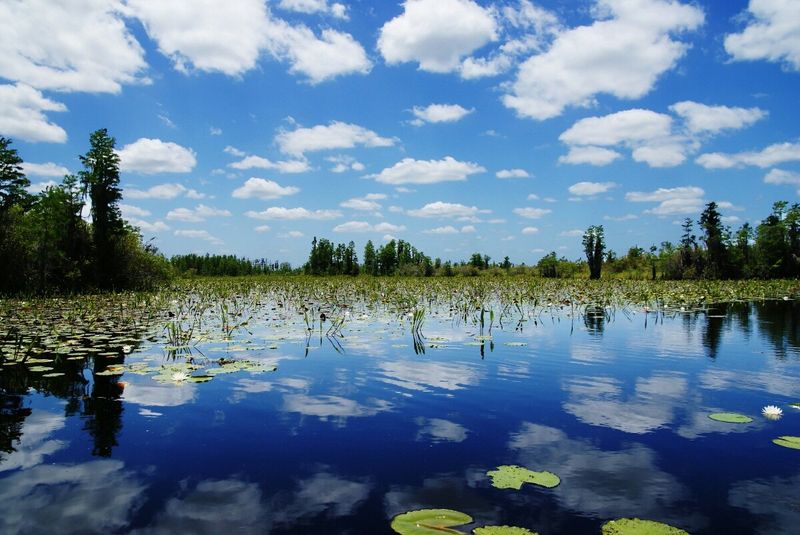
Covering nearly 700 square miles of southern Georgia, the Okefenokee Swamp is one of the largest intact freshwater ecosystems in North America and a place that feels genuinely prehistoric. The Okefenokee National Wildlife Refuge, with its main visitor entrance at 4700 Okefenokee Swamp Park Road, Waycross, GA 31503, offers guided boat tours, canoe rentals, and wildlife observation platforms that put visitors face to face with alligators, sandhill cranes, and carnivorous plants.
The black water of the swamp gets its color from tannic acid released by decaying vegetation, and it creates a mirror-like surface that reflects the surrounding cypress trees in a way that feels almost surreal. Sunrise visits are particularly atmospheric, with mist rising off the water and birds calling from every direction.
Insect repellent is non-negotiable from spring through fall, and closed-toe shoes are strongly recommended for trail walking. Paddling overnight trips through the interior of the refuge require permits but offer an experience that very few natural areas in America can match.
14. Georgia’s Wine Country Is Growing Into a Legitimate Destination
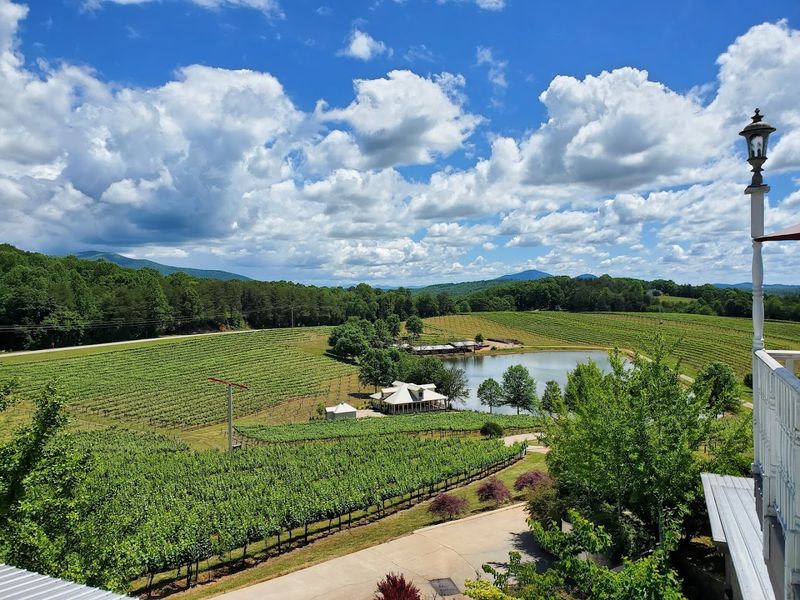
North Georgia’s wine scene has matured significantly over the past decade, and what once felt like a novelty has become a genuine regional draw. Frogtown Cellars, located at 700 Ridge Point Drive, Dahlonega, GA 30533, sits on a hilltop with panoramic mountain views and produces award-winning wines from muscadine and European grape varieties grown on-site. The tasting room experience tends to be relaxed and unhurried, which sets it apart from more crowded wine regions.
Dahlonega itself was the site of America’s first major gold rush in 1828 and now anchors a cluster of wineries within easy driving distance of each other. The Dahlonega-Lumpkin County Wine Trail connects more than a dozen producers and makes for an excellent weekend itinerary with overnight stays in local bed-and-breakfasts.
Harvest season in September and October brings festivals and special events to most wineries in the area. Designated driver arrangements or booking a guided winery tour van are practical choices for groups who want to visit multiple tasting rooms without navigating mountain roads independently.
15. Georgia’s Strategic Tourism Marketing Keeps Turning Heads Nationally
Behind Georgia’s record-breaking visitor numbers is a deliberate and well-funded marketing strategy that has consistently outperformed expectations. The state’s ‘Ready. Set.
Georgia.’ campaign, coordinated through the Georgia Department of Economic Development’s tourism division headquartered at 75 Fifth Street NW, Atlanta, GA 30308, has successfully repositioned Georgia as a four-season, multi-experience destination rather than a simple drive-through state.
The campaign leverages social media partnerships, influencer travel programs, and targeted advertising in key feeder markets including the Northeast, Midwest, and international markets in Canada and the United Kingdom. This approach has helped grow international visitation alongside domestic travel, broadening Georgia’s appeal beyond its traditional regional audience.
Tourism now supports 470,570 jobs across Georgia and generates $5.1 billion in state and local tax revenues annually, which means the investment in marketing returns real value to everyday residents. The consistency of that messaging year over year has built genuine brand recognition that keeps Georgia top of mind when travelers are planning their next trip.