11 Underrated Nature Escapes In North Carolina For True Explorers
Sometimes, the best places are the ones nobody talks about. North Carolina is full of famous parks and trails. There are so many hidden spots that don’t get enough attention.
If you’re tired of crowded overlooks and busy campgrounds, you’re in the right place. This list contains underrated nature escapes for true explorers.
These are the places where you can actually hear the birds, maybe get a little lost, and just enjoy being outside.
Grab your hiking boots, pack a snack, and let’s see what you’ve been missing.
1. Max Patch
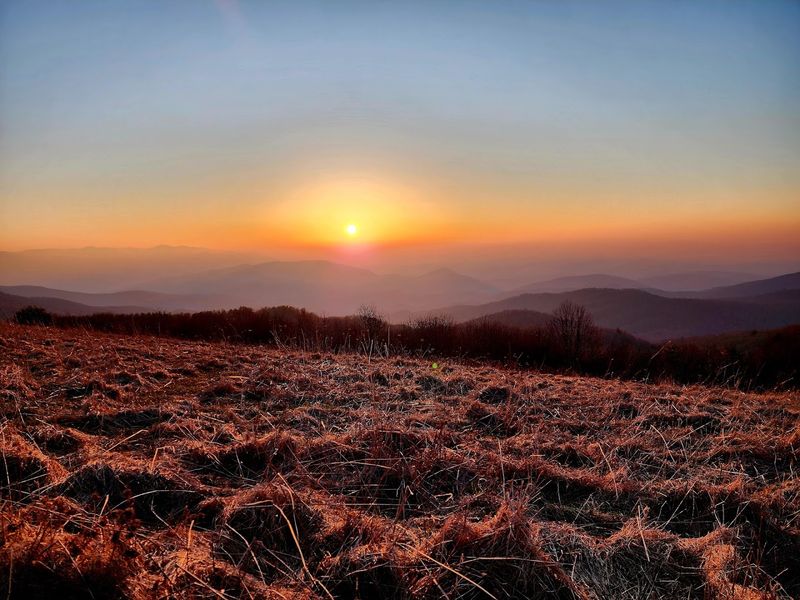
You might think you’ve seen it all until this. Standing on top of Max Patch feels like the earth just handed you the entire sky as a gift.
One look at this view is all it takes. In western North Carolina near Hot Springs, this high grassy bald sits along the Appalachian Trail. It delivers a 360-degree panoramic view of the mountains.
This sight stops even the most seasoned hikers in their tracks. The summit sits at roughly 4,629 feet in elevation. The treeless meadow means there is nothing blocking your view.
The popular trail to the top is a moderate loop. It covers 1.4 miles and gains about 400 feet. This makes it manageable for most fitness levels.
Sunrise and sunset visits are worth the early alarm. You might also try a headlamp hike. The colors during those golden hours are unique. You will not find them on any postcard.
Spring brings wildflowers across the bald. Autumn coats the forest in deep amber and red. Parking fills up fast on weekends. Here’s a little tip: arriving before 8 a.m. is a smart move. It will save you from a headache and crowds.
2. Elk Knob State Park
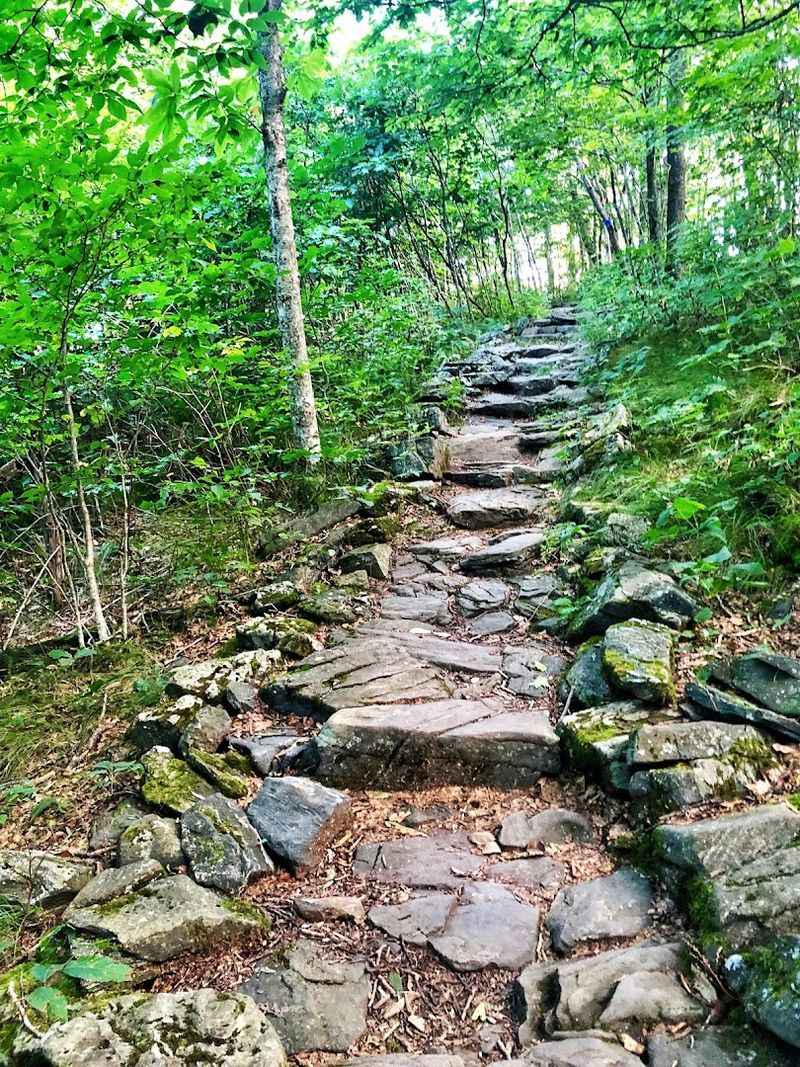
It might be easy to overlook, but that would be a mistake. Elk Knob State Park seems like a documentary scene with no lines.
The atmosphere here is truly unique. It is near the community of Meat Camp in Watauga County. This park protects one of the highest peaks in the region. It sits approximately 5,520 feet above sea level.
The park also preserves the headwaters of the New River. This is considered one of the oldest rivers in North America. The main summit trail is 4.2 miles round trip. It winds through a rich northern hardwood forest.
You will see yellow birch, beech, and high-elevation conifers as you climb. Wildlife sightings here are very common. Look for black bears, deer, and various bird species.
The park remains largely undeveloped. The landscape is raw and authentic. It is not polished for tourist consumption.
Fall foliage at Elk Knob is genuinely spectacular. The cooler temperatures make it a refreshing escape. It is perfect even during the warmest summer months.
Does the idea of a raw, unpolished mountain peak sound like your kind of adventure?
3. Lumber River State Park
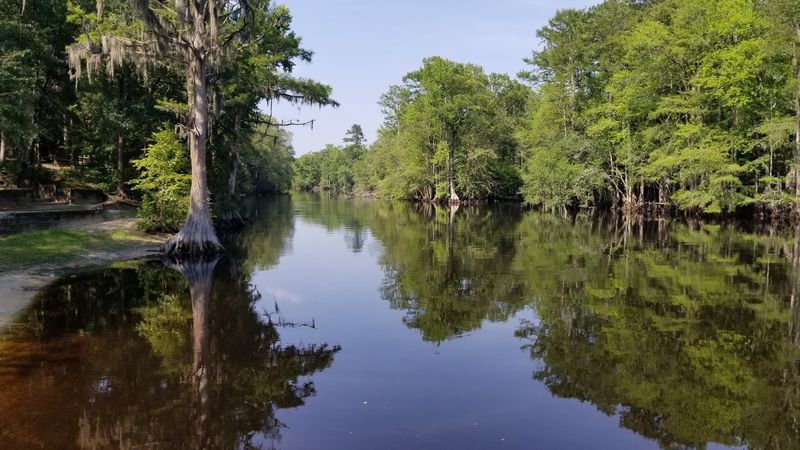
You probably won’t expect this, but stay with me. Few rivers carry the ancient drama that the Lumber River does.
It winds through Robeson County in the southeastern part of the state. The water looks like a dream. Lumber River State Park protects a long stretch of this waterway. It is both a State Park and a National Wild and Scenic River.
The river is a blackwater system. Tannins from decaying vegetation stain the water amber-brown. This gives it a mysterious, tea-colored appearance. It reflects the trees like a dark mirror.
Canoeing and kayaking are the best ways to explore. The river offers routes for short day trips. You can also take multi-day journeys through the wilderness.
Fishing is popular here as well. Largemouth bass and catfish draw anglers throughout the year. Wildlife viewing opportunities are excellent. River otters and herons frequently appear along the banks.
The park operates multiple access points across several counties. Plan your spots before you go for a smooth adventure.
4. Harris Lake County Park
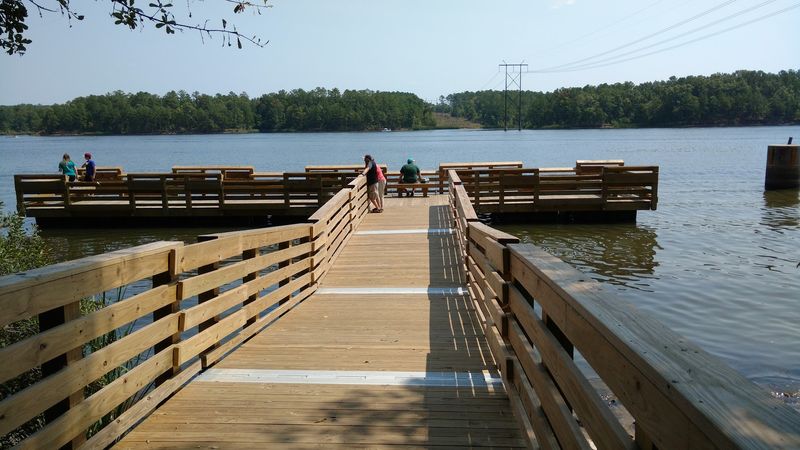
This is the place people don’t tell you often about or at all. Harris Lake County Park is like a wilderness retreat near the suburbs.
It is just a short drive from Cary and Apex. Take your time exploring this spot. It is managed by Wake County and centered around the lake.
This park packs a surprising amount of variety. It features 680 acres of trails and open space. The trail network includes hiking paths and bike loops. These wind through mixed pine and hardwood forest.
Occasional views open up across the lake. They remind you just how big the reservoir really is. Paddlers can launch kayaks and canoes from designated points. The lake is the true centerpiece of the experience.
Picnic shelters and lawns make it easy to stay. You can turn a hike into an all-day outing. Birdwatching is quietly excellent here. Ospreys and eagles are occasionally spotted around the shoreline.
Harris Lake tends to stay generally refreshingly uncrowded. Even on weekend afternoons, it remains peaceful.
5. Dismal Swamp State Park
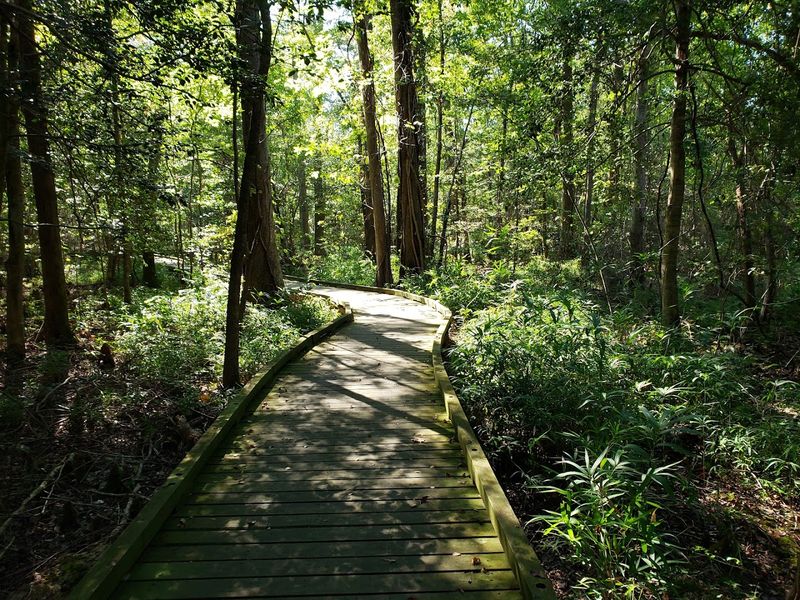
The name is quite deceiving. Dismal Swamp State Park is one of the most fascinating places. It is a visually dramatic spot in North Carolina. This hidden location deserves more attention. It is near South Mills in Camden County.
The park protects a portion of the Great Dismal Swamp. This vast wetland straddles the border with Virginia. The swamp served as a refuge for freedom seekers. This history adds a layer of depth to the landscape.
Trails for hiking and biking cut through dense forest. You will see white cedar, bald cypress, and red maple. The air carries a rich, earthy scent. It is unlike anything on a mountain trail.
Canoe access offers a slower way to experience the park. You can float through dark, mirror-like water channels.
Black bears are known residents of the swamp.
The park is home to many rare plant species. Late spring is the best time to visit. You will catch the swamp at its most alive. Migratory birds add sound to the hushed landscape.
6. Jones Lake State Park
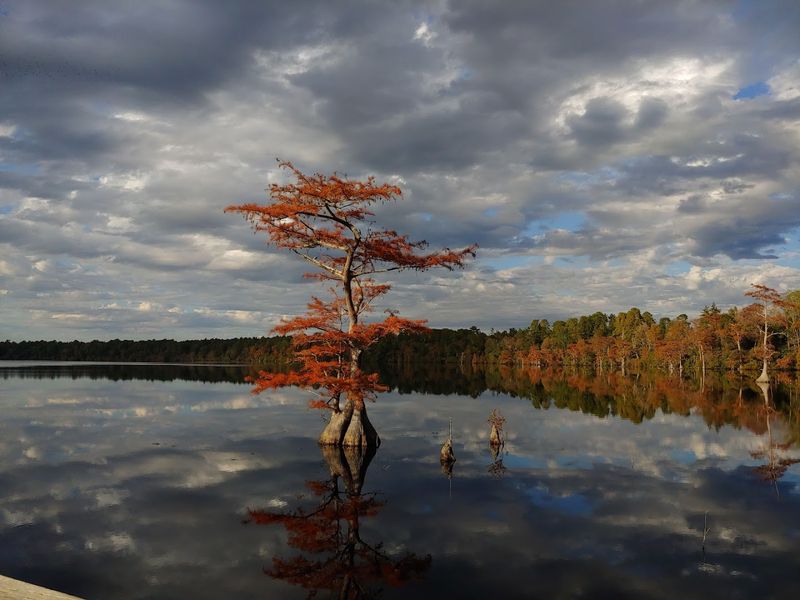
This is where things get interesting. Carolina bay lakes are a mysterious geological feature. Jones Lake State Park gives you front-row access to one.
You need to experience this yourself. It is located in Bladen County on the coastal plain. Jones Lake is an elliptical, naturally formed lake. It sits in a shallow depression from thousands of years ago.
Scientists still debate the exact cause of these formations. The lake itself is a blackwater body with sandy shores. The clear, tea-tinted water feels like a tropical lagoon.
Kayaking across the calm surface is very peaceful. This is especially true during the early morning. Mist rises off the water while the forest is still.
The park features hiking trails through pine savannas. You can also walk through cypress forests. These ecosystems have become increasingly rare across the region.
Swimming is permitted at a designated beach area. Picnic shelters make this a great spot for families.
Spring and fall are the ideal seasons. Temperatures are comfortable and the forest colors shift dramatically.
7. Weymouth Woods-Sandhills Nature Preserve
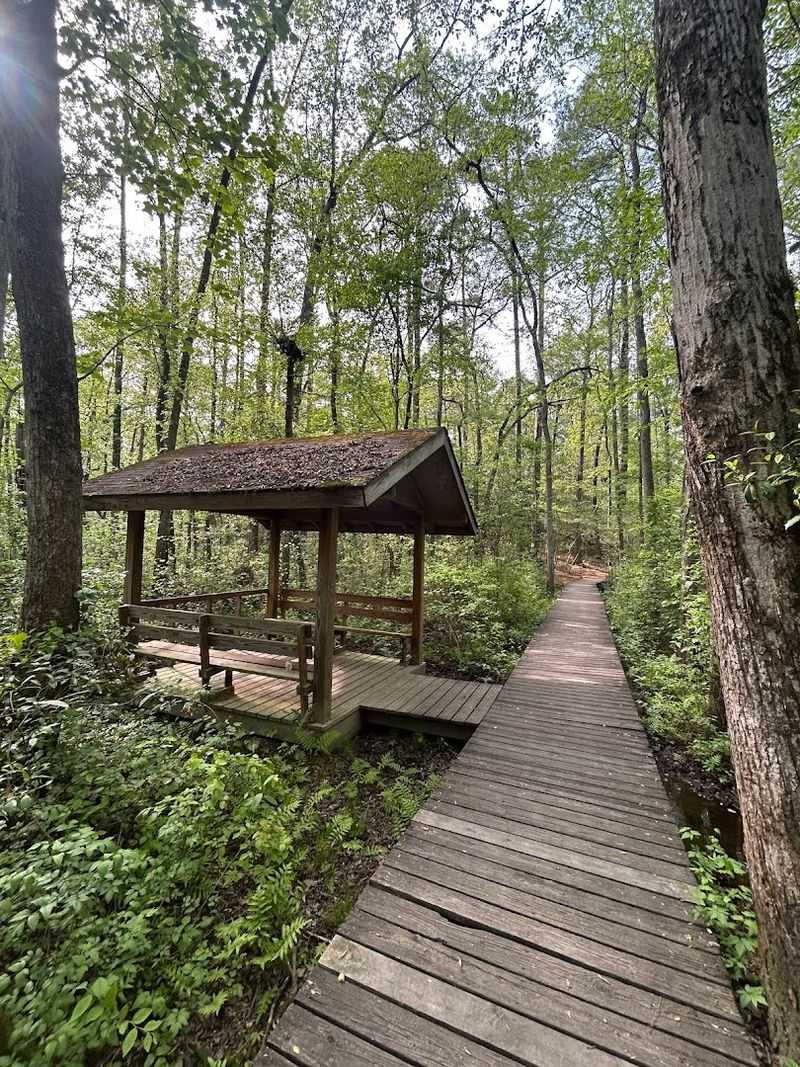
I almost skipped this completely, and I’m more than happy that I didn’t. Weymouth Woods-Sandhills Nature Preserve is an irreplaceable destination near Southern Pines.
Reality looks better than the photos. The preserve protects one of the finest old-growth forests. It features some trees that are over 400 years old. Walking beneath these pines feels different. The open understory lets you see long distances.
The scale of the trunks commands quiet respect. The Red-cockaded Woodpecker makes its home here. Spotting one of these birds is a major highlight. Serious birdwatchers travel long distances for this experience.
Trails are relatively easy and well-maintained. This makes the preserve accessible to hikers of all ages. A small nature museum provides useful context. You can learn about the longleaf pine ecosystem.
The Sandhills region is a fascinating landscape. The sandy soil feels almost out of place here. This adds to the preserve’s sense of wonder.
8. Gorges State Park
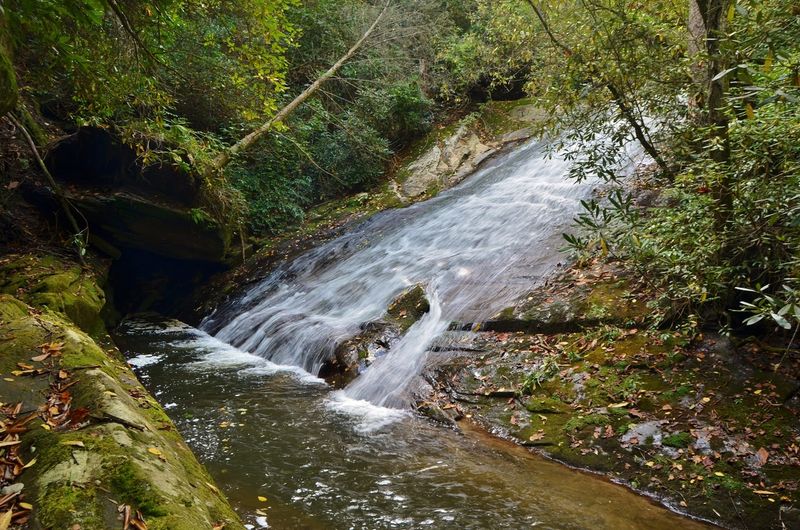
Hear me out for a moment. Gorges State Park earns its rugged reputation. It does so near Sapphire without any extra fanfare. Nature really shows off here. The park sits on a section of the Blue Ridge Escarpment.
The mountains drop sharply toward the Piedmont region. This creates a landscape of steep gorges and waterfalls.
The area receives over 80 inches of rainfall per year. This supports a level of diversity like tropical environments. You will find hundreds of rare plant species here. The forest is so green it feels otherworldly.
Waterfalls are the main attraction for most visitors. Trails lead to stunning cascades like Rainbow Falls. Each has its own distinct character and setting.
Backcountry camping is available for adventurous visitors. Sleeping in that dense forest is genuinely unforgettable.
Trail conditions can be challenging with steep grades. Sturdy footwear and trekking poles are strongly recommended. The park is at its most magical after rain. Every waterfall runs full and the forest floor glistens.
9. Goose Creek State Park
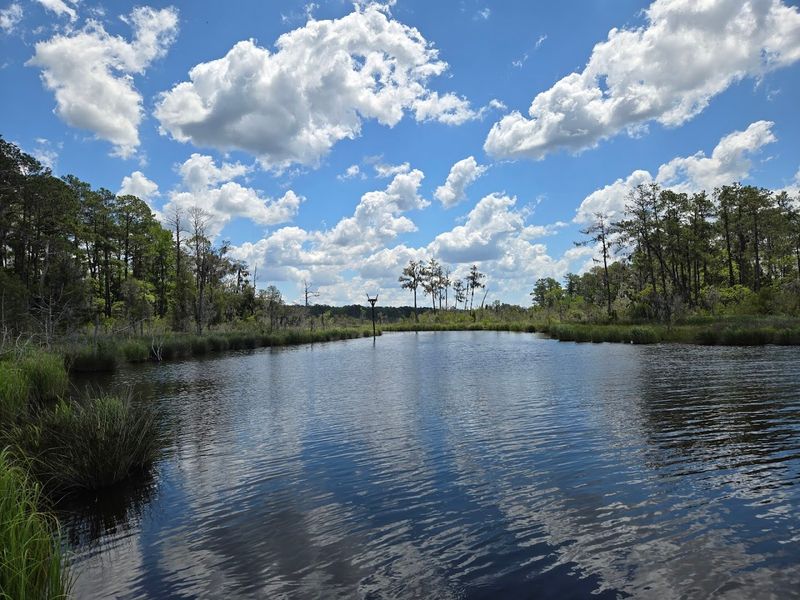
You might drive right past it without noticing. Goose Creek State Park is a coastal plain miracle. Most people outside the region have never heard of it.
The marsh views are worth the trip. It is located along the Pamlico River near Washington. The park preserves salt marshes and tidal creeks. It is one of the most diverse parks nearby.
Birdwatching here is exceptional throughout the year. Ospreys and bald eagles make regular appearances. Look for them along the water and in the forest.
Hiking trails wind through the different habitat types. The Live Oak Trail is particularly beautiful. It passes through a canopy of wind-sculpted trees.
Kayaking through the tidal creeks is peaceful. This is best during the golden light of morning. The marsh comes alive with sound and movement. The park also offers primitive camping. This allows you to fall asleep to marsh sounds.
Goose Creek will redefine your nature escape. It is a quiet and highly rewarding experience.
10. Cliffs Of The Neuse State Park
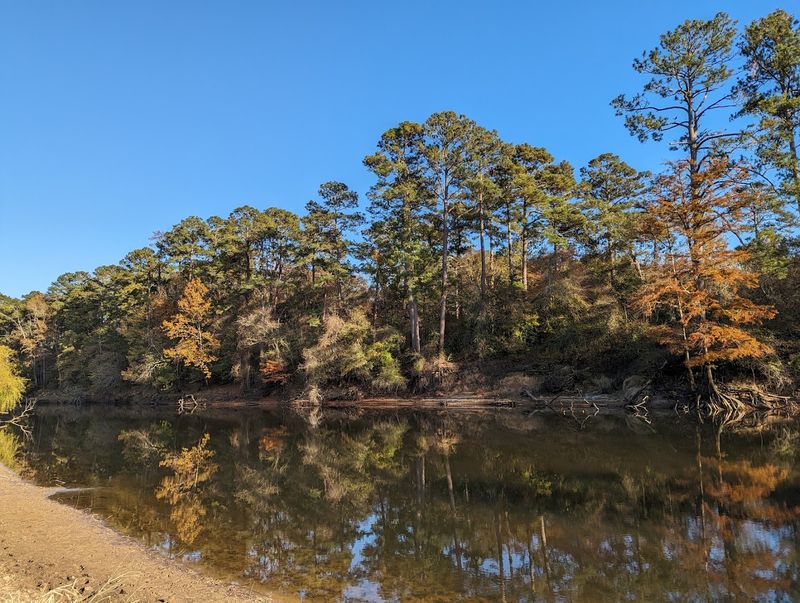
Geology here deserves more credit than it gets. Cliffs of the Neuse State Park proves this point perfectly.
It is near Seven Springs in Wayne County. The views are absolutely breathtaking. The park’s centerpiece is a 90-foot cliff face. It rises directly above the Neuse River.
You can see distinct bands of multicolored rock. These layers took millions of years to form. Standing at the base is a powerful experience. Looking up at those cliffs is quietly awe-inspiring.
It takes one look at them to realize nature is the ultimate architect. Hiking trails loop through the mixed forest. They offer multiple vantage points of the cliffs.
A swimming area provides a fun summer activity. The sandy riverbanks make a natural gathering spot. Picnic areas and a small lake round out the park. There are many recreational offerings for everyone.
The park is located in the Coastal Plain region. It is an easy day trip from Raleigh. You do not need a long drive to the mountains.
11. Stone Mountain State Park
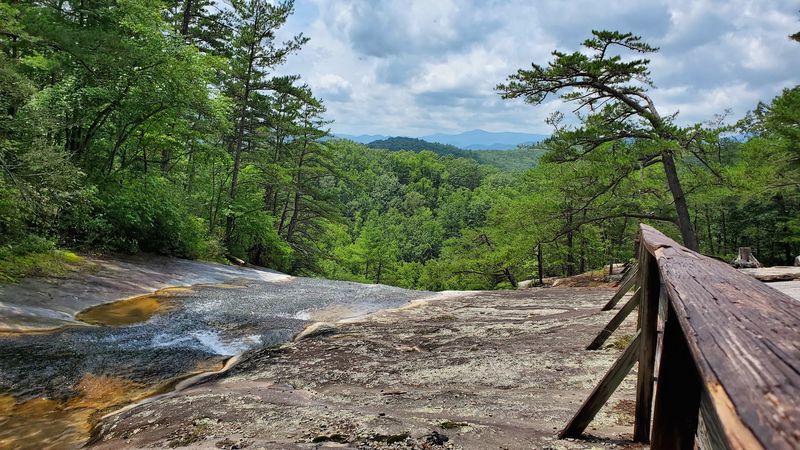
This place caught me by surprise. A granite dome rising 600 feet is not expected here. It makes Stone Mountain State Park very memorable.
The views are truly unforgettable. Located near Roaring Gap, the park is quite famous. It is anchored by a massive plutonic dome of granite. This draws hikers, climbers, and photographers from everywhere.
The Loop Trail is the park’s signature hike. It covers 4.5 miles and leads across the granite face. Views of the countryside stretch out for miles.
Waterfalls are another highlight of the park. Stone Mountain Falls drops about 200 feet. This elegant cascade is best seen in the spring.
Trout fishing is excellent in the clear streams. The park is a North Carolina Heritage Trout Water. Catch-and-release is required to protect the native fish.
Backpack camping and developed sites are both available. This rewards visitors who stay longer than an afternoon.
The combination of geology and forest is unique. Stone Mountain earns a spot on every explorer’s list.
Now, my question for you is: would you leave the standard forest trails behind for a chance to stand on top of this massive granite giant?