15 Underrated North Carolina Towns Worth Discovering
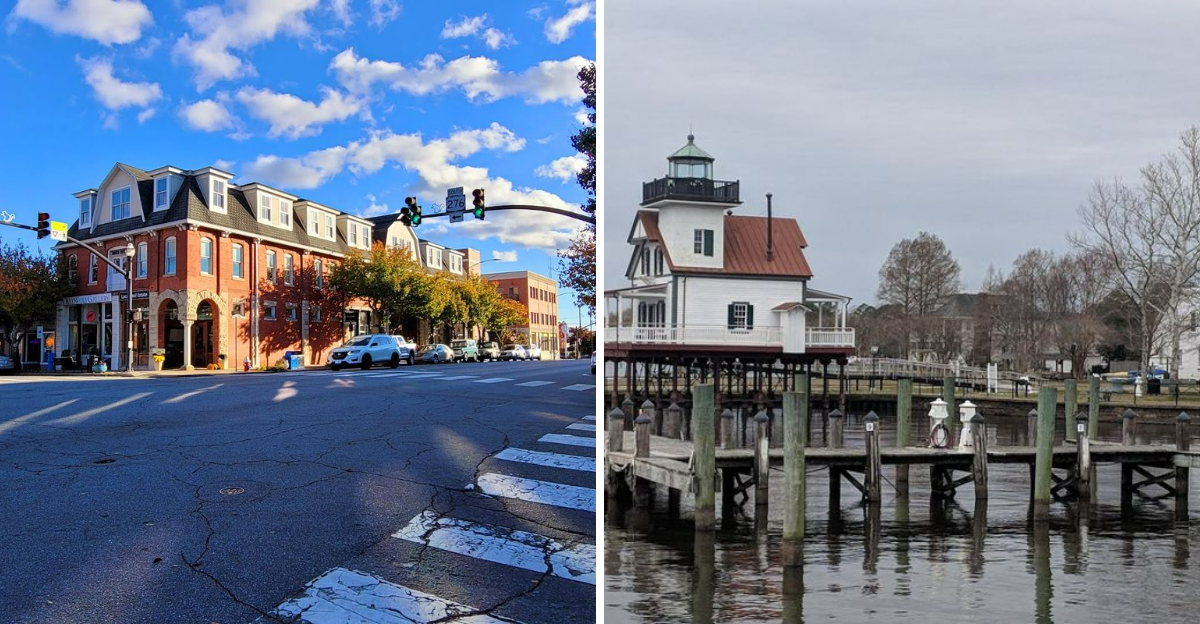
My GPS had no idea what it was doing. I took a wrong turn somewhere outside Charlotte, ended up on a two-lane road I’d never heard of, and stumbled into a town that stopped me cold.
Good coffee, a courthouse older than the state itself, and locals who actually wanted to talk. That moment changed how I travel North Carolina entirely.
The State has two faces. The one on the brochures, and the real one hiding just past the interstate exit you almost skipped.
These towns live on that second face. No crowds, no overpriced parking, no filtered Instagram version of a place.
Just genuine, lived-in North Carolina that most people drive straight through without blinking. That’s their loss.
It doesn’t have to be yours.
1. Bryson City
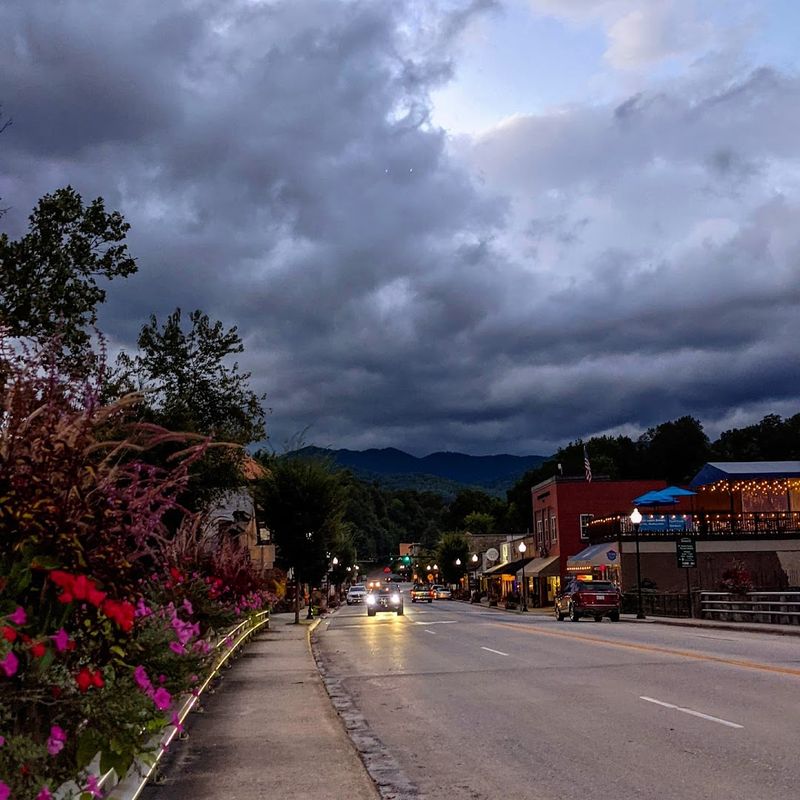
Most people blow past Bryson City on their way to somewhere more famous. That is their mistake.
Sitting at the edge of Great Smoky Mountains National Park, this small town delivers the real Smokies without the neon signs and souvenir shops crowding every corner.
The Great Smoky Mountains Railroad is the star attraction. Excursion trains run through tunnels, river gorges, and mountain scenery that genuinely takes your breath away.
Different routes run throughout the year, including themed seasonal trips worth planning ahead for.
Beyond the trains, the Nantahala River draws kayakers and rafters of all skill levels. Trails fan out in every direction into the national park.
Fontana Lake offers a stunning backdrop for camping and fishing. The town itself is walkable, with local restaurants and small shops that feel genuinely lived-in rather than staged for tourists.
Bryson City rewards slow travel more than almost anywhere else in the western part of the state.
2. Saluda
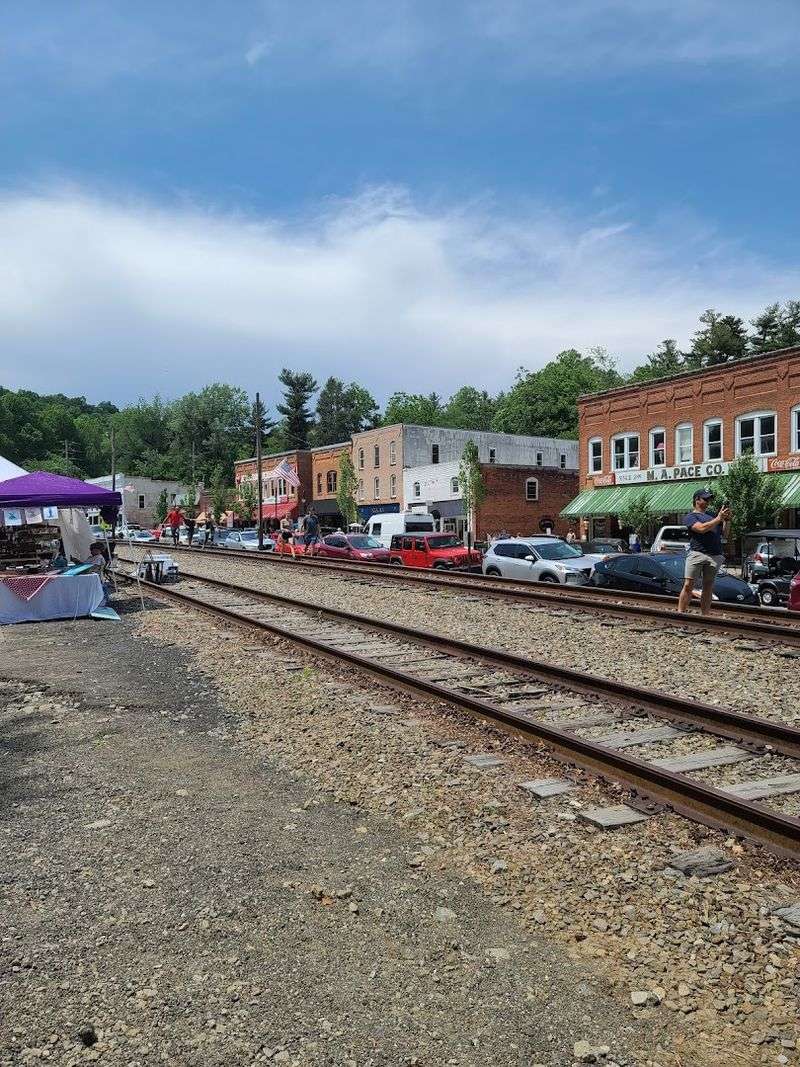
One street. That is all Saluda has, and somehow it is enough to make you want to stay for the whole weekend.
Perched along the historic Saluda Grade railway in the southern Blue Ridge, this tiny mountain town packs in more personality per square foot than most cities manage across entire neighborhoods.
The downtown strip along Main Street is lined with art galleries, antique shops, and independent cafes that feel curated rather than accidental. Local artisans sell their work here year-round, and the quality is genuinely impressive for a town this size.
Outside of downtown, Saluda serves as a quiet gateway to some seriously rewarding outdoor adventures. The Green River Cove Trail offers one of the most dramatic forest hikes in the state.
Steep terrain and rushing water make you feel miles from civilization. The Pacolet River winds through the area, ideal for fishing or simply sitting beside with a good book.
This place earns its reputation quietly, which is exactly the point.
3. Hot Springs
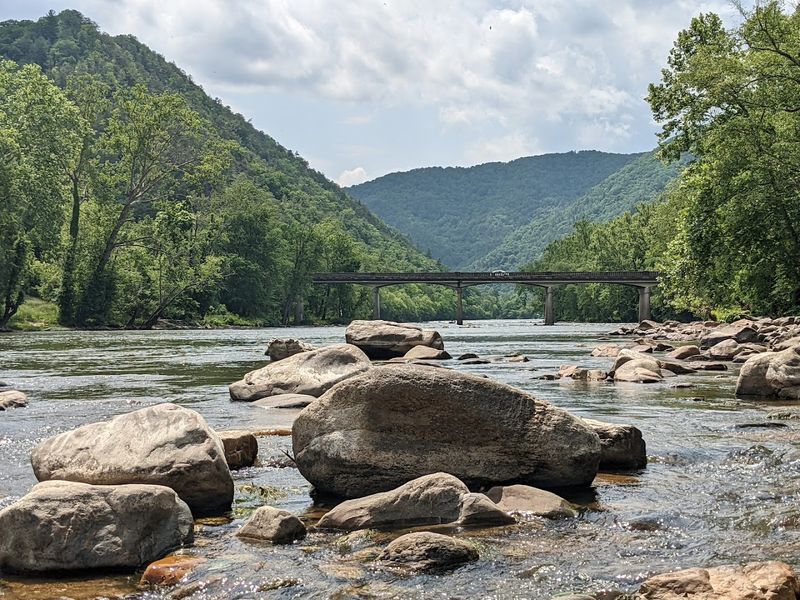
Picture soaking in a natural hot spring while a river rushes past and mountains frame every direction. Hot Springs makes that happen without any pretense or overpriced spa packaging.
Located right along the French Broad River near the Tennessee border, this is one of those rare places where the Appalachian Trail runs directly through the middle of town. Hikers coming off the trail often stop for a soak and end up staying an extra day or two.
That tells you everything about its pull.
The natural mineral springs have been drawing visitors since the 1800s. The current pools sit right beside the river, making for an unusually scenic soak.
Water temperatures run between 98 and 104 degrees Fahrenheit, warm enough to properly unwind after a long day on the trail.
The surrounding national forest offers paths in every direction, from gentle riverside walks to serious ridge climbs with long views across the Appalachians. The town is small and quiet, with only a handful of restaurants and inns.
That simplicity is precisely its charm. Hot Springs rewards the traveler who wants stillness more than spectacle.
4. Morganton
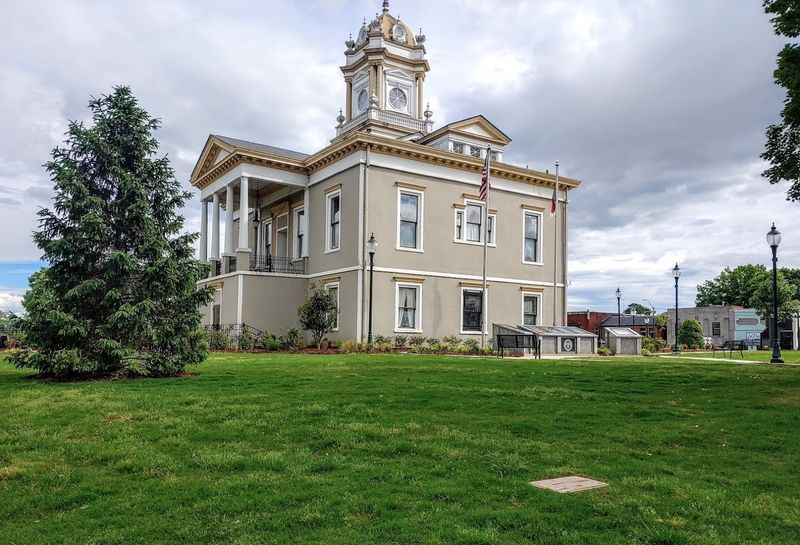
Morganton keeps getting skipped, and that is a genuine shame. Sitting in the foothills of the Blue Ridge Mountains along the Catawba River, this town has been quietly building one of the most interesting downtowns in the western part of the state.
The Catawba River Greenway is a 3.8-mile wooden promenade cutting through calm woodland along the riverbank. It is perfect for an early morning walk or a slow afternoon bike ride.
It connects to several other trails nearby, making it easy to spend half a day outdoors without any real planning.
Downtown is anchored by the Historic Burke County Courthouse and surrounded by local galleries, coffee shops, and the Morganton General Store. The History Museum of Burke County covers the region’s Cherokee heritage and colonial-era past with real depth.
Table Rock and Hawksbill Mountain loom nearby for those who want a proper summit challenge. Both offer panoramic ridge views across the Piedmont.
Morganton sits in a sweet spot between mountain wilderness and small-town culture. It is easy to fill a full weekend here without once feeling like you are following a tourist script.
5. Hillsborough
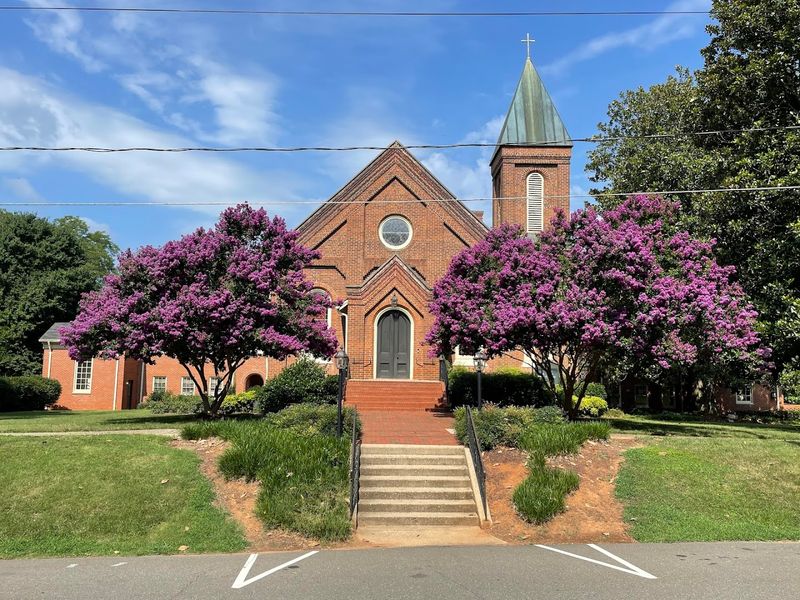
History books rarely feel this alive. Hillsborough has over 100 homes, churches, and buildings from the 18th and 19th centuries listed on the National Register of Historic Places.
This town is essentially an outdoor museum that people actually live in.
Sitting along the Eno River at the edge of the Piedmont region, it offers a rich mix of history, art, and nature within a very compact area. The Occoneechee Mountain State Natural Area is just minutes from downtown.
Trails lead to sweeping views of the surrounding countryside, including a summit loop most hikers finish in under two hours.
The arts scene here is genuinely active, not decorative. Independent bookshops, pottery studios, and farm-to-table spots line King Street.
Hillsborough hosts a Hog Day festival each June and an annual Arts Council Gallery Hop that draws artists from across the state. The Alliance for Historic Hillsborough offers self-guided walking tour maps that make exploring the architecture easy and genuinely rewarding.
Every visit here feels like a proper discovery.
6. Saxapahaw
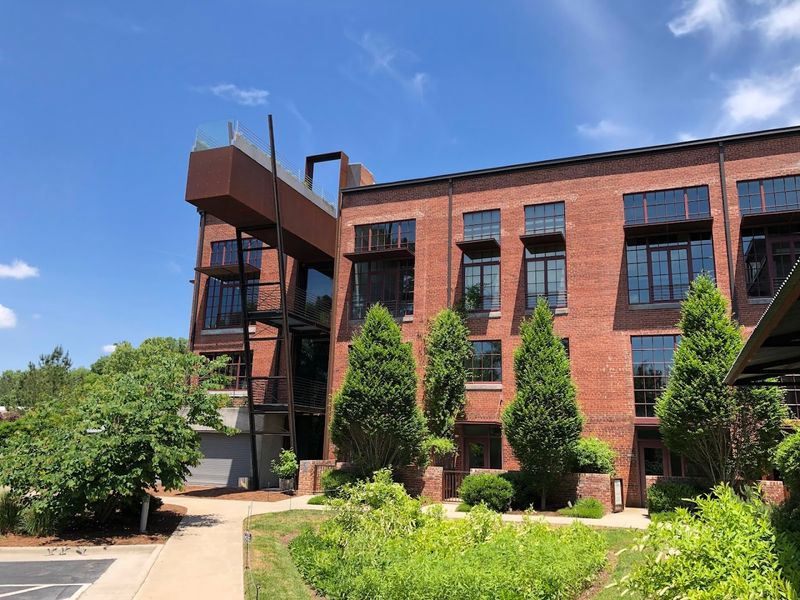
A former cotton mill town that reinvented itself through live music, local food, and community spirit is not a story you hear every day. Saxapahaw pulled it off without losing its soul.
The result is one of the most genuinely interesting small communities in the entire state.
The Haw River Ballroom, housed inside the old mill building, hosts live music ranging from bluegrass to indie rock in a setting that feels both raw and intimate. The acoustics inside that old brick building are something else.
Weekend shows here draw a devoted following from Chapel Hill, Durham, and beyond.
The weekly farmers market pulls in producers from across the Piedmont. Saxapahaw General Store is the kind of place where you stop in for coffee and end up staying for lunch because the food is too good to rush.
The Haw River runs right alongside the mill, offering paddling routes and riverside trails for those who want to work up an appetite first. Saxapahaw proves that small towns do not need to be famous to be worth the trip.
7. Brevard
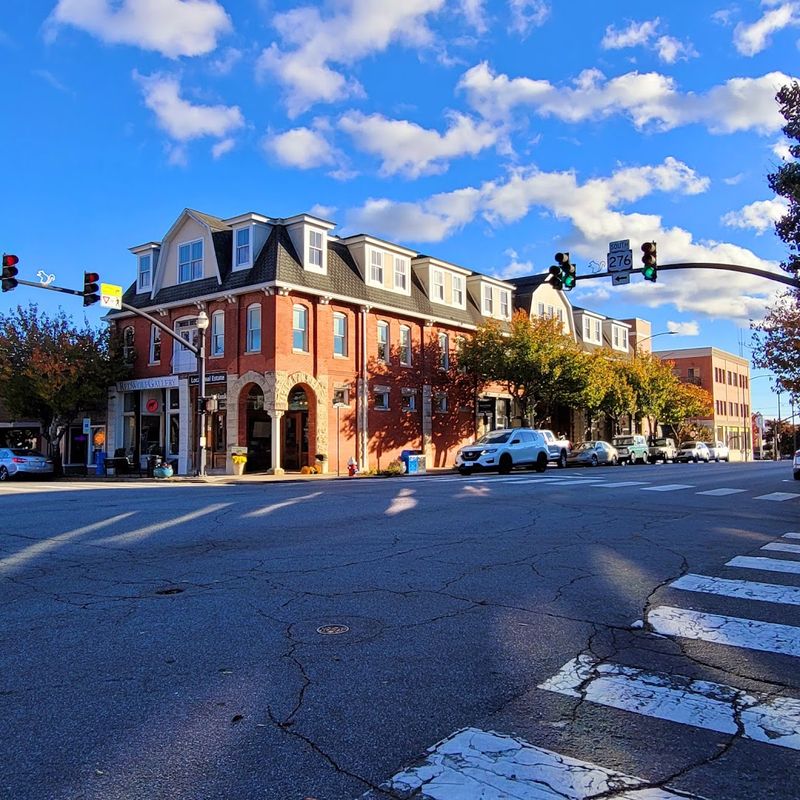
Two hundred and fifty waterfalls within reach of a single town. That is not a brochure exaggeration.
Brevard actually delivers. Sitting on the edge of Pisgah National Forest and just 40 minutes from Asheville, it offers serious natural beauty without the weekend crowds you might expect.
The downtown area balances outdoor culture with a surprisingly lively arts scene. Local galleries, bookshops, and farm-to-table restaurants share space with outfitters renting bikes and kayaks.
This town genuinely serves both the trail-hardened adventurer and the person who just wants a good coffee and a browse through local art.
Sliding Rock, a natural 60-foot water slide inside the national forest, draws families every summer. Looking Glass Falls drops 60 feet into a crystal-clear pool right beside the road.
The annual White Squirrel Festival each May celebrates the town’s resident albino squirrel population, which is a real thing and genuinely delightful.
Brevard earns its reputation not through hype but through sheer natural abundance and a community that clearly loves where it lives.
8. Pittsboro
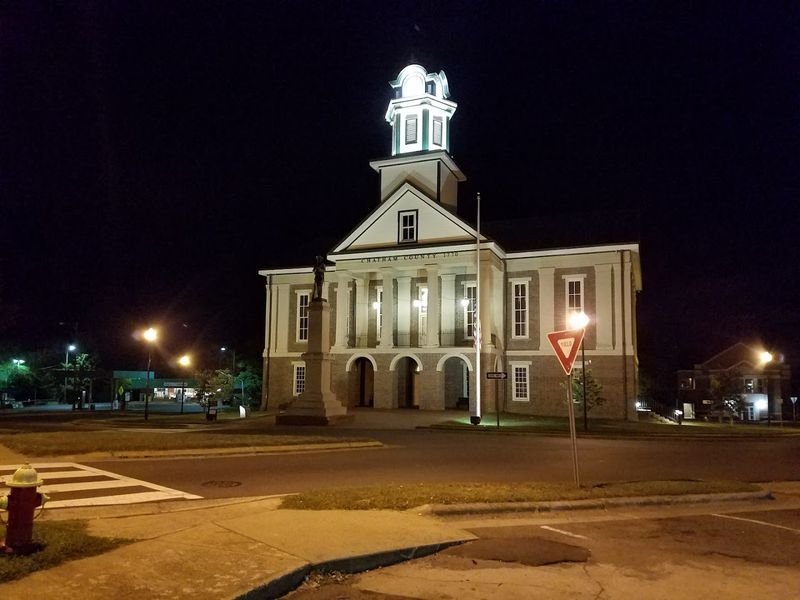
Just 45 minutes from Raleigh, Pittsboro sits in Chatham County like a well-kept secret the Triangle has not fully spoiled yet.
One of the oldest and most overlooked towns in the state, it offers history, wildlife, and outdoor adventure in a combination that genuinely surprises first-time visitors.
The Carolina Tiger Rescue is one of the most unique attractions in the entire state. This nonprofit sanctuary houses tigers, lions, caracals, and other big cats rescued from captivity.
Guided tours run on weekends and are genuinely moving, with close encounters offered in a responsible and educational setting.
The Lower Haw River State Natural Area just outside town draws paddlers and hikers to a stretch of river known for rocky outcrops, wildlife sightings, and calm beauty.
The Chatham Historical Museum downtown covers the county’s deep colonial and agricultural roots with well-organized exhibits. Pittsboro’s courthouse square is ringed by locally owned shops, galleries, and solid lunch spots that reward aimless wandering.
The town has been slowly attracting artists and small food producers, giving it an energy that feels like genuine growth rather than manufactured cool. Pittsboro is worth the detour every single time.
9. Southern Pines
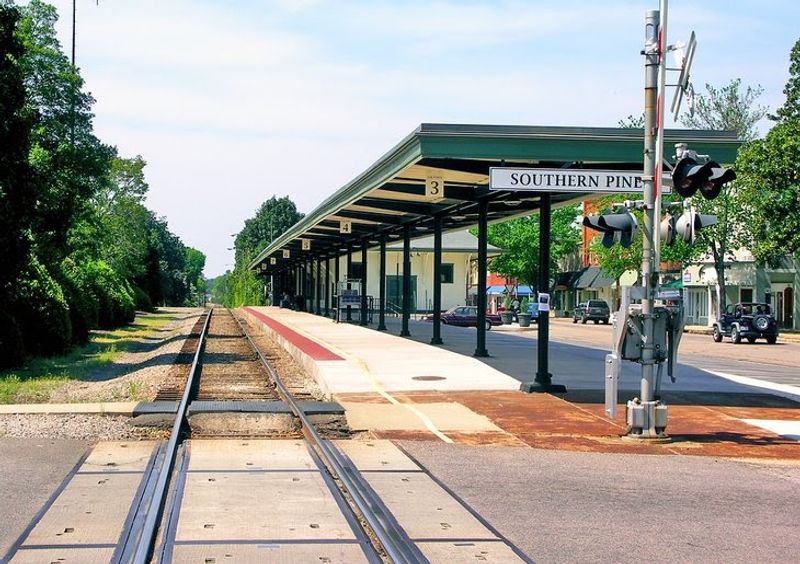
Golf and longleaf pines have been Southern Pines’ calling card for over a century. The town wears that identity with quiet confidence.
Situated in the Sandhills region, it offers a pace of life that feels deliberately unhurried, which turns out to be exactly what most travelers need.
The Weymouth Woods Sandhills Nature Preserve protects one of the last remaining old-growth longleaf pine ecosystems in the country. Trails wind through towering pines and past pitcher plant bogs.
It is a genuinely unusual hiking experience that feels nothing like the mountain trails most visitors seek out.
World-class golf courses like Pinehurst No. 2 are just minutes away, drawing serious players from across the country each season.
The downtown area has a relaxed, tree-shaded charm with independent bookstores, antique markets, and farm-fresh diners that reward a slow morning stroll. Horse farms dot the surrounding countryside.
That pastoral atmosphere makes this corner of the state feel like its own distinct world. Southern Pines earns repeat visits effortlessly.
10. Laurinburg
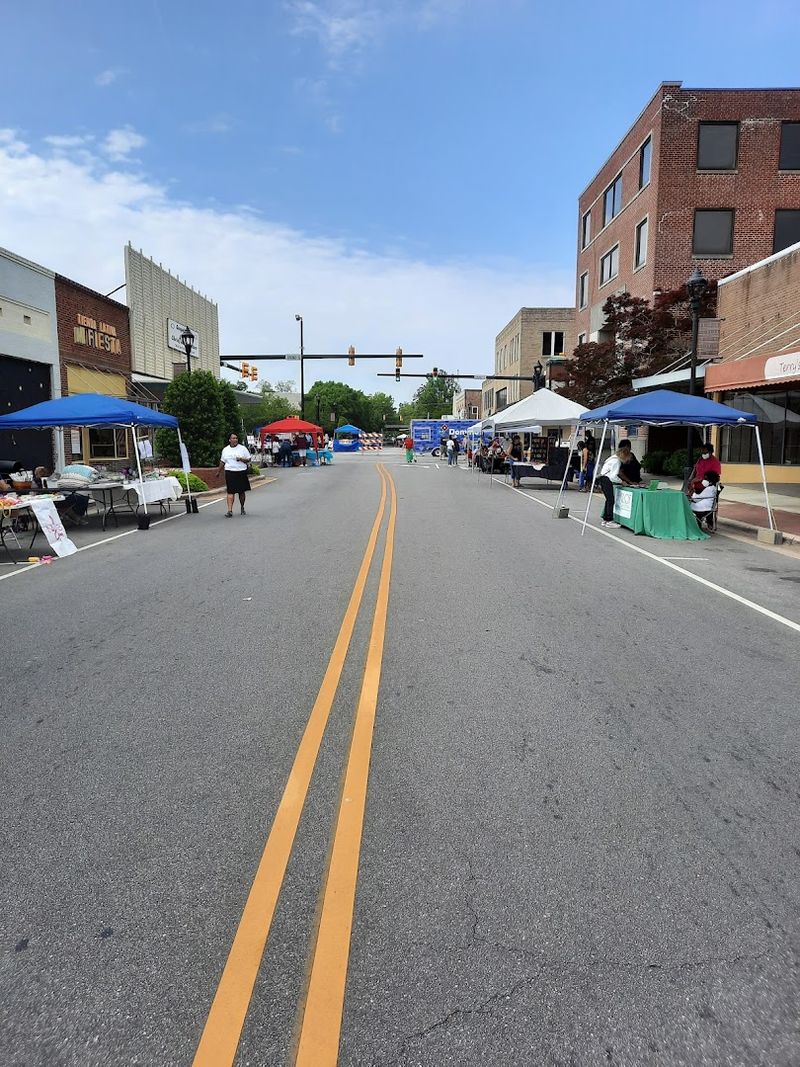
Three-time All-America City. That designation from the National Civic League does not get handed out casually, and Laurinburg has earned it through genuine community investment and civic pride.
Located in Scotland County, this town carries its Scottish heritage with real enthusiasm and not a trace of self-consciousness.
The Scotland County Highland Games held each October at Laurinburg, NC 28352 draw competitors and spectators from across the Southeast for a full weekend of caber tossing, bagpipe performances, Highland dancing, and traditional athletic competitions.
The event feels genuinely festive rather than touristy, with a community warmth that is hard to manufacture.
Downtown Laurinburg still has a strong community feel, with local gathering spots and annual events that keep the town active and connected. The campus grounds are worth a walk even outside of events, with well-maintained gardens and a small lake.
Community-centered cafes around downtown serve as gathering places where conversations happen easily between strangers. John Blue Cotton Festival each fall adds another layer of agricultural heritage to the calendar.
Laurinburg sits off the main travel routes through the Carolinas, which means most visitors arrive by recommendation rather than accident, and they almost always leave planning a return trip around the Highland Games.
11. Beaufort
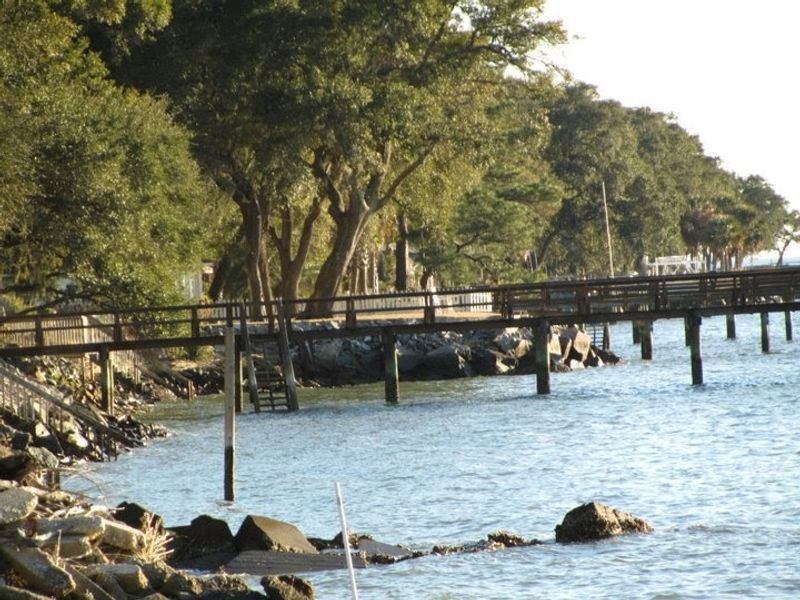
Five thousand people, one of America’s coolest small towns, and wild horses visible from the waterfront. Beaufort makes a strong case for itself within the first hour of any visit, and the case only gets stronger from there.
The Maritime Museum on Front Street is a genuinely excellent institution covering the state’s seafaring history with artifacts, ship models, and exhibits on coastal ecology. It also holds items recovered from Blackbeard’s flagship, Queen Anne’s Revenge, found wrecked off the nearby coast.
That alone makes it one of the more dramatically interesting small-town museums in the Southeast.
Ferry trips from the waterfront run out to Cape Lookout National Seashore, where wild Spanish Mustangs roam the barrier island beaches freely. Watching horses run along an undeveloped Atlantic shoreline is the kind of experience that stays with you long after the trip ends.
The boardwalk along Front Street is lined with seafood restaurants and independent shops, all facing a harbor where dolphins frequently swim past. Beaufort also sits within easy reach of Atlantic Beach and Morehead City, making it a natural base for exploring the Crystal Coast.
For a town this small, its range of experiences is genuinely remarkable.
12. Edenton
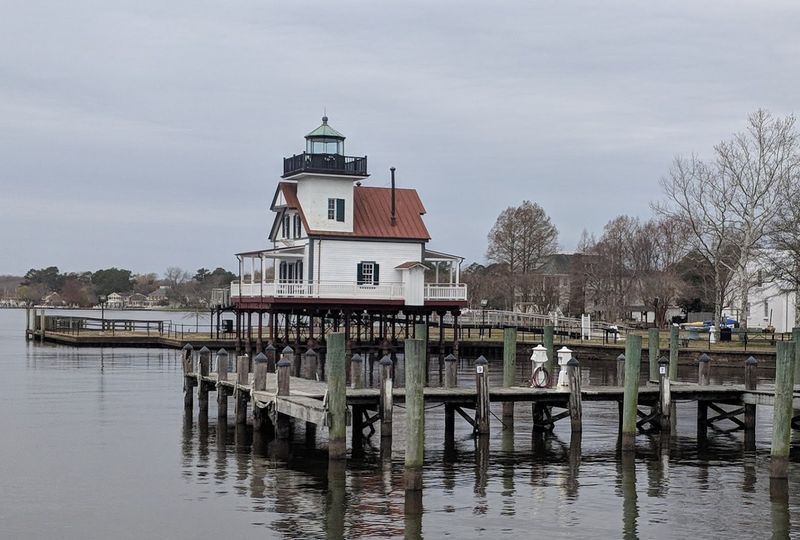
Some towns preserve history as a backdrop. Edenton lives inside it.
With over 250 years of colonial architecture still standing and actively used, this small waterfront town along the Albemarle Sound offers one of the most intact historic streetscapes anywhere on the East Coast.
The 1767 Chowan County Courthouse on East King Street holds the title of oldest public building in the state still in active use. That claim lands differently when you are actually standing in front of it.
The surrounding historic district includes the Barker House, the Cupola House, and several other 18th century structures open for tours through the Historic Edenton State Historic Site.
Beyond the architecture, Edenton’s waterfront along the Albemarle Sound is genuinely lovely. A tree-lined promenade invites long, unhurried walks at any time of year.
Antique shops and soundside cafes populate the downtown streets, giving the town a relaxed, lived-in energy that complements its historic weight. Kayaking on the sound offers the waterfront from a different angle, and several outfitters in town can set you up.
Edenton also hosts an annual Pilgrimage of Homes each spring that opens private historic residences to visitors, which is as special as it sounds.
13. Washington
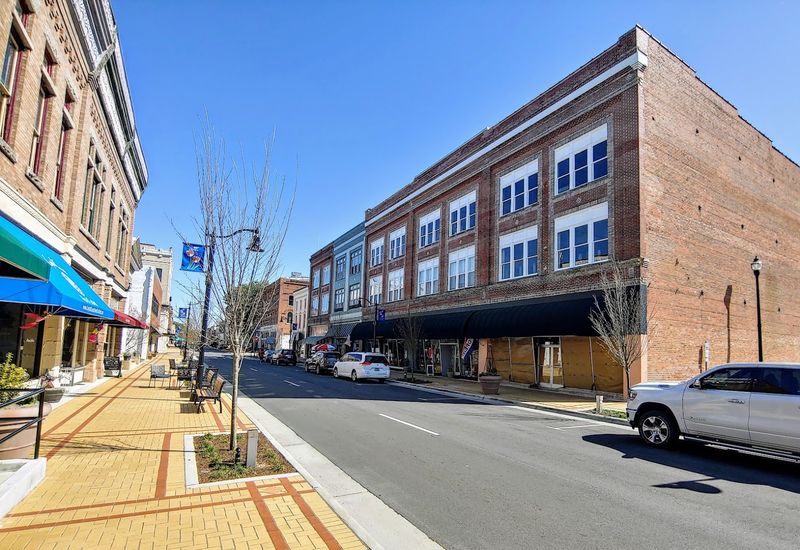
The first American city named after George Washington is not where you think it is. Little Washington sits along the Pamlico River in Beaufort County, quietly holding that distinction while most travelers drive straight past on their way to the coast.
The Estuarium here is the world’s first museum dedicated entirely to estuarine environments. It features over 200 interactive exhibits on the plants, animals, and ecology of river-meets-ocean ecosystems.
The live aquatic tanks are a highlight for visitors of any age.
The Pamlico Riverwalk stretches along the waterfront downtown, connecting parks, public art installations, and scenic overlooks in a walkable loop. Boat tours on the river offer a slower perspective on the surrounding wetlands and tidal creeks.
The historic downtown district has a small but committed collection of local restaurants and shops that feel rooted in the community rather than aimed at passing tourists.
Washington also serves as a practical base for exploring Goose Creek State Park and the broader Inner Banks region of the eastern part of the state, which remains one of the most underappreciated corners of the entire country.
14. Hertford
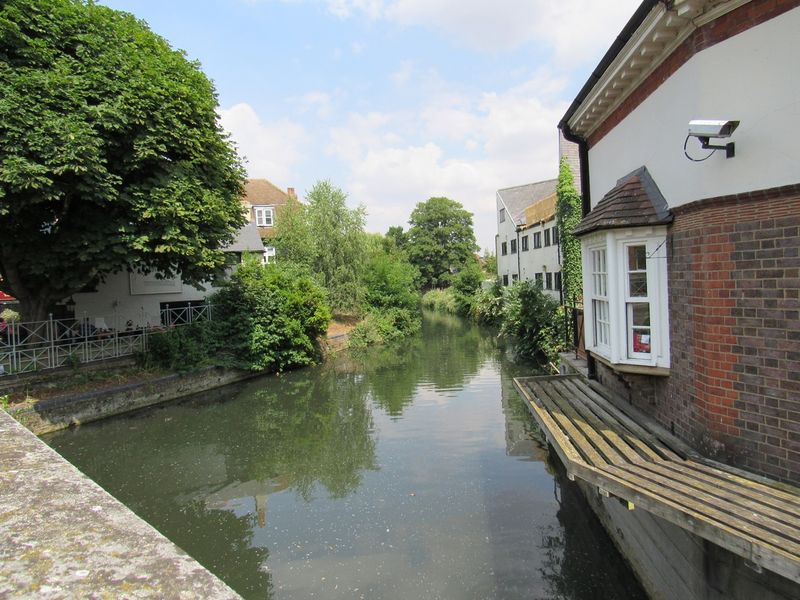
North Carolina’s oldest brick home is not in Raleigh or Charlotte or any city you would expect. It is in Hertford, a quiet town on the Perquimans River that most travelers skip entirely in favor of the Outer Banks just an hour away.
That oversight is worth correcting.
The Newbold-White House, built in 1730 and located at 151 Newbold-White Rd, Hertford, NC 27944, is a remarkably well-preserved Quaker farmhouse that offers guided tours exploring early colonial life in the Albemarle region.
The site sits beside a tidal creek and feels genuinely remote and atmospheric, especially on a quiet weekday morning.
Downtown Hertford is small but thoughtfully maintained, with a waterfront marina along the Perquimans River that makes for a peaceful anchor to any visit.
The S-shaped wooden bridge crossing the river is one of the more photographed landmarks in the area, narrow enough that only one car can cross at a time. Kayaking and fishing on the Perquimans are popular local pastimes, and the surrounding wetlands draw birdwatchers throughout the year.
Hertford sits within the Albemarle Sound region, making it an easy addition to any itinerary that already includes Edenton or Elizabeth City. It rewards the traveler who is genuinely curious rather than just checking boxes.
15. Bath
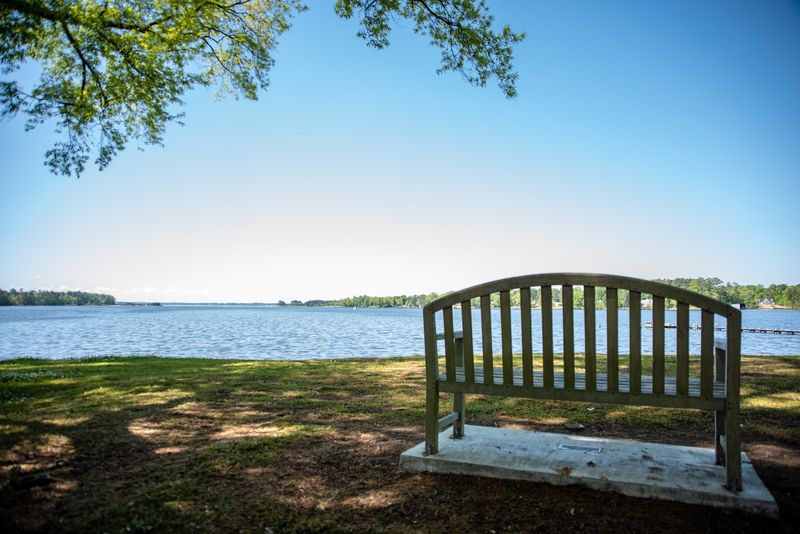
Some towns have history. Bath is history.
The very first incorporated town in the state, founded in 1705, has just 240 residents today, and yet three centuries of stories feel present in every single corner.
St. Thomas Church, completed in 1734, is the oldest surviving church in the state and still holds regular services. That living quality sets it apart from most historic structures.
The churchyard and surrounding colonial homes make for one of the most atmospheric short walks in all of eastern North Carolina.
Bath is famously linked to Edward Teach, the notorious seafarer of the early 1700s, who based himself here and even received a pardon before returning to his lawless ways on the water.
That history adds a genuinely dramatic layer to what might otherwise feel like a quiet preservation site. The surrounding waters of Bath Creek and the Pamlico River are ideal for kayaking, with calm tidal routes through marsh and cypress that feel almost prehistoric in their stillness.
Historic Bath State Historic Site offers guided tours of the Palmer-Marsh House and other period structures throughout the year. Bath makes history feel personal rather than distant, and that is a rare quality worth seeking out.