Historic North Carolina Towns Where The Past Still Feels Alive
History can hit differently when you are standing inside it rather than reading about it. A lot of states claim to have history.
North Carolina actually kept it.
Walk the right street in the right town here and you will find yourself standing in front of a building that was old before the country had a name.
You will end up in a neighborhood that has looked more or less the same since before anyone alive today was born. That is not a description of a museum.
That is Tuesday afternoon in about a dozen different North Carolina towns.
These are not places that dressed up their history for tourism. They kept it because they never had a reason to tear it down, and the result is something that feels less like a heritage site and more like the past just quietly decided to stick around.
If you have ever wanted to walk through American history rather than just read about it, this state has been holding the door open for you.
1. Bath
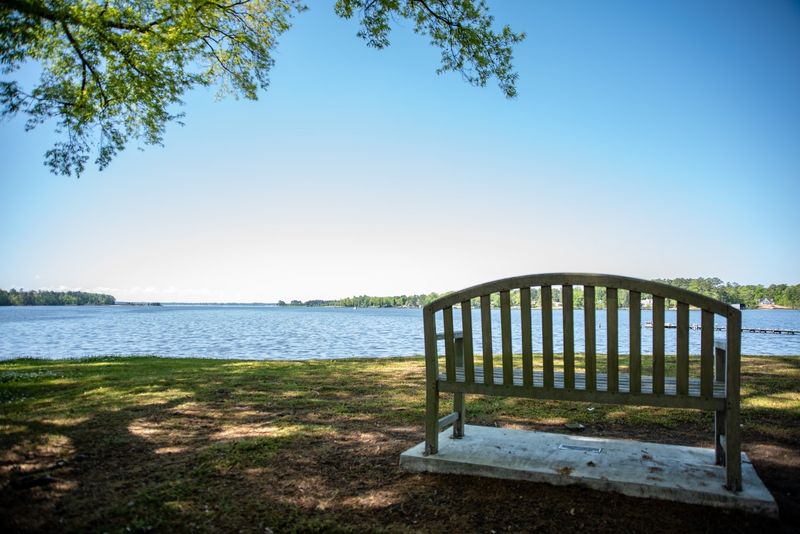
North Carolina’s oldest town has a personality that is quiet, confident, and completely unbothered by the modern world.
Bath was incorporated in 1705, making it older than most things Americans consider ancient. Standing on its unpaved paths near the Pamlico River, you get the sense that this place has seen everything and decided to stay calm about it.
The Palmer-Marsh House and the Historic Bath State Historic Site give visitors a real look at early colonial life, not just plaques on walls but actual rooms where people cooked, argued, and made decisions.
The 1734 St. Thomas Episcopal Church is still standing and still in use, which is remarkable when you think about what that building has outlived.
The town is small enough to walk completely in an afternoon, but the stories packed into those few blocks could fill a library.
Bring comfortable shoes and a genuine curiosity, because this place rewards slow exploration far more than a rushed drive-through visit ever could.
2. Edenton
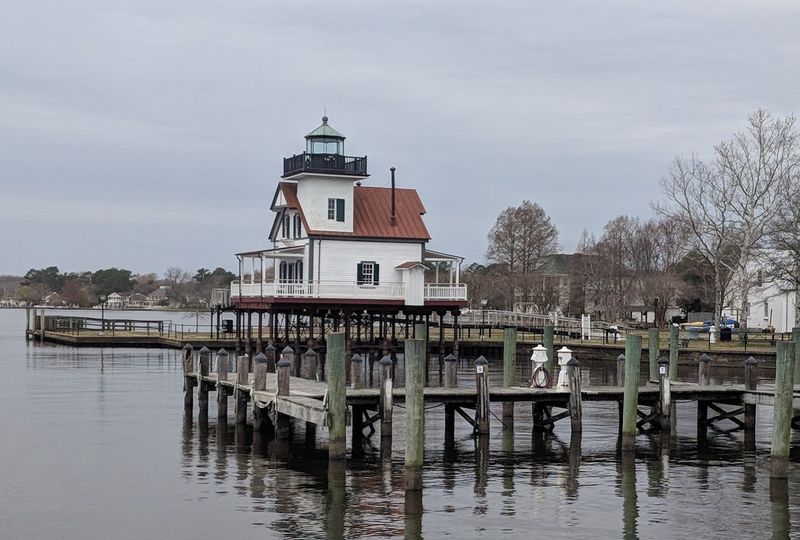
Edenton is the kind of town that makes you want to move there before you have even finished your first cup of coffee.
Perched on the edge of Albemarle Sound, it has one of the most photogenic waterfronts in the entire state. The colonial courthouse, built in 1767, still anchors the town green like it owns the place, because honestly, it kind of does.
History here is layered and fascinating.
The Edenton Tea Party of 1774 was one of the first organized political actions by women in American history, which is the kind of fact that makes you want to high-five someone across three centuries.
The Cupola House, a 1758 Jacobean architecture piece of art is considered one of the finest examples of colonial architecture in the South.
Walking the waterfront in the early evening, with the sound glittering and old homes lining the street, feels genuinely cinematic. Edenton is not trying to impress you.
It simply is impressive, effortlessly and consistently, in the way only places with real bones can manage.
3. New Bern
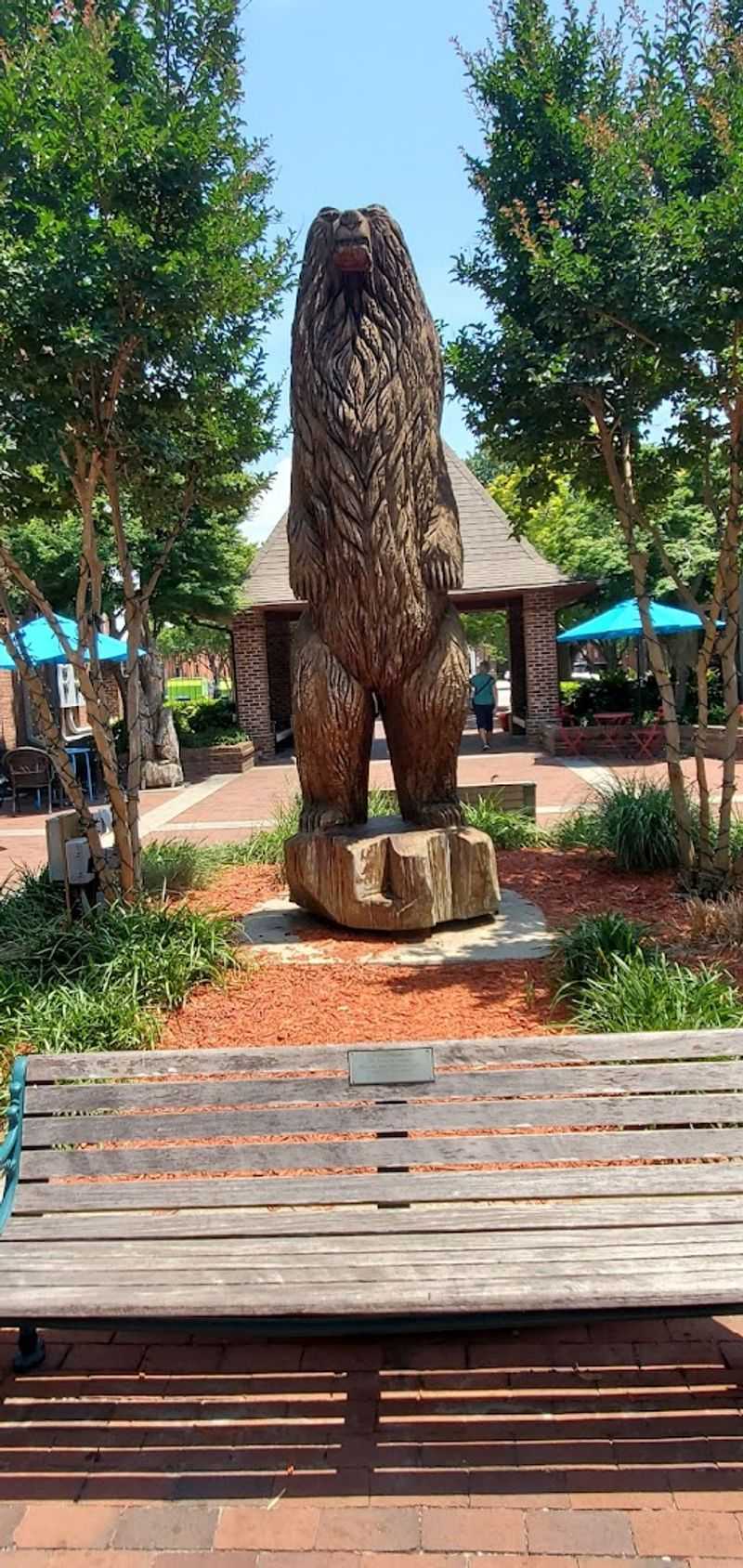
This town has a bear on its flag, which already tells you it is not your average small town.
Founded in 1710 by Swiss and German settlers, it was North Carolina’s first capital, and Tryon Palace was the colonial governor’s official residence.
Today the palace is a fully restored landmark, complete with formal gardens that are almost unreasonably beautiful in spring.
The downtown area mixes Federal-style architecture with lively shops and bakeries, creating a layered experience that feels genuinely lived-in rather than museum-perfect.
Pepsi-Cola was actually invented here in 1898 by pharmacist Caleb Bradham, a fun fact that tends to surprise most visitors who thought they already knew the city’s story.
Bear Street art installations pop up throughout town as a nod to the city’s Swiss heritage, since Bern, Switzerland translates loosely to city of bears.
New Bern manages to be proud of its history without being stuffy about it.
Every block introduces something new, whether it is a 200-year-old church, a riverside park, or a bronze bear you absolutely need to photograph.
4. Hillsborough
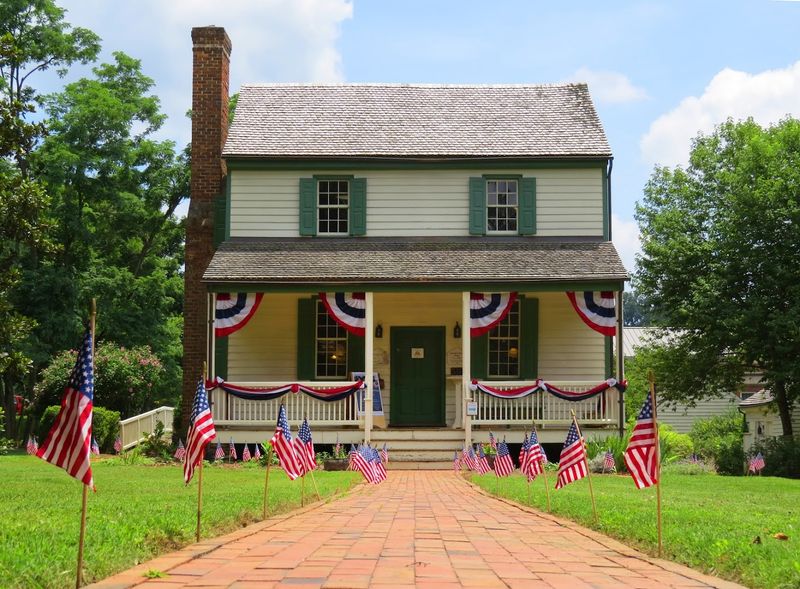
Writers and artists have been quietly obsessing over Hillsborough for decades, and once you visit, you completely understand why.
Hillsborough hosted North Carolina’s Third Provincial Congress in 1775 and the Hillsborough Convention of 1788 regarding the US Constitution ratification.
The streets still carry that energy, a low hum of significance beneath the surface of everyday small-town life.
The Historic Hillsborough walking tour covers more than 100 structures, ranging from the Orange County Courthouse to the remains of colonial taverns.
The Alliance for Historic Hillsborough is a great starting point for maps and context before you head out on foot.
What makes this town special is how genuinely creative and community-driven it feels.
Local artists, bookshops, and coffee spots share the same blocks as 18th-century buildings, and nobody seems to think that is strange.
Hillsborough does not preserve history behind glass. It builds modern life around it, which creates an atmosphere that feels both deeply rooted and completely alive at the same time.
5. Salisbury
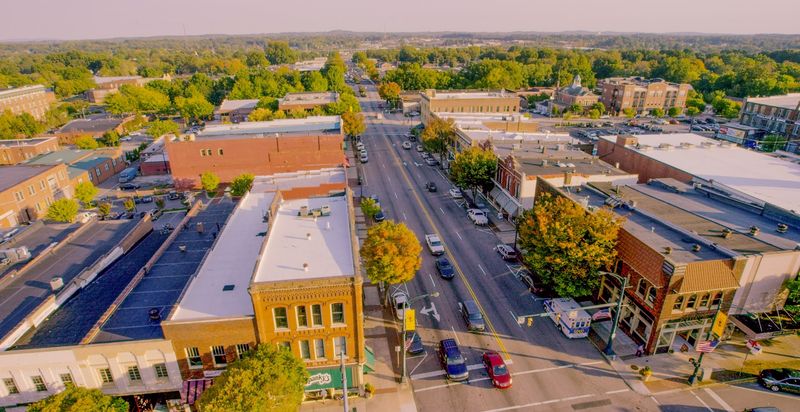
Salisbury moves at its own pace, confident in what it has and completely uninterested in competing with anyone.
Founded in 1755, it became one of the most important towns in colonial North Carolina, sitting at the crossroads of major trading routes.
That central importance shaped its architecture, its culture, and its stubborn sense of identity.
The Rowan Museum does a remarkable job of connecting the dots between colonial settlement, the Revolutionary period, and the Civil War years.
The 1820 Utzman-Chambers House and the Old Stone House, built around 1766, are among the oldest surviving structures in the Piedmont region and genuinely worth the trip on their own.
Downtown Salisbury has been thoughtfully revitalized without losing its original character.
Antique shops, local restaurants, and arts venues share space with buildings that have been standing since before the United States existed.
The National Cemetery here, established in 1866, is one of the oldest in the country and is maintained with quiet dignity.
Salisbury rewards visitors who are willing to slow down and actually read the historical markers instead of just photographing them.
6. Beaufort
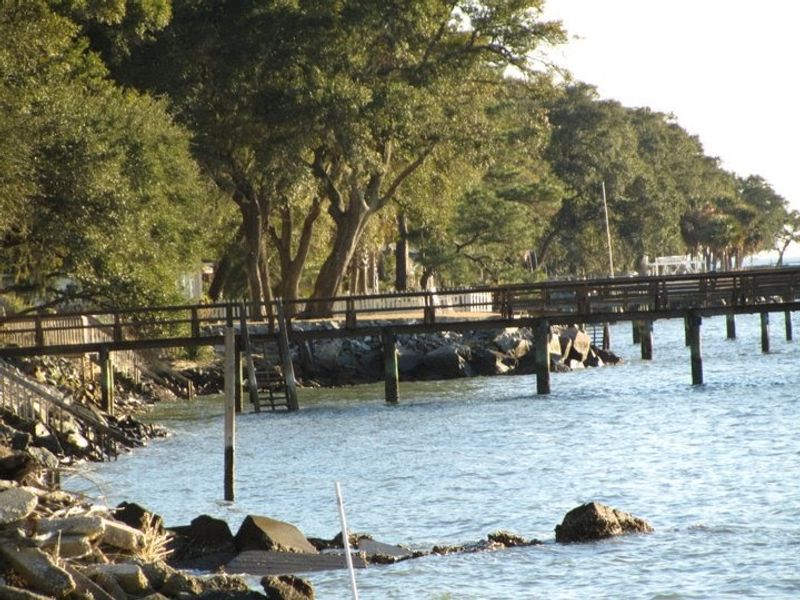
Beaufort, pronounced BOH-fort by locals who will gently correct you if you say it wrong, is North Carolina’s third oldest town, chartered in 1722.
It sits on the Crystal Coast with a confident waterfront presence and a grid of streets lined with some of the oldest homes in the state.
The Old Burying Ground on Ann Street, established around 1731, is one of the most visited historic cemeteries in the Southeast.
The North Carolina Maritime Museum is genuinely excellent and free to enter.
It covers everything from traditional boat building to the story of Blackbeard’s flagship, Queen Anne’s Revenge, artifacts from which were recovered just offshore.
Maritime history here is not abstract. It is tangible, salty, and surprisingly gripping.
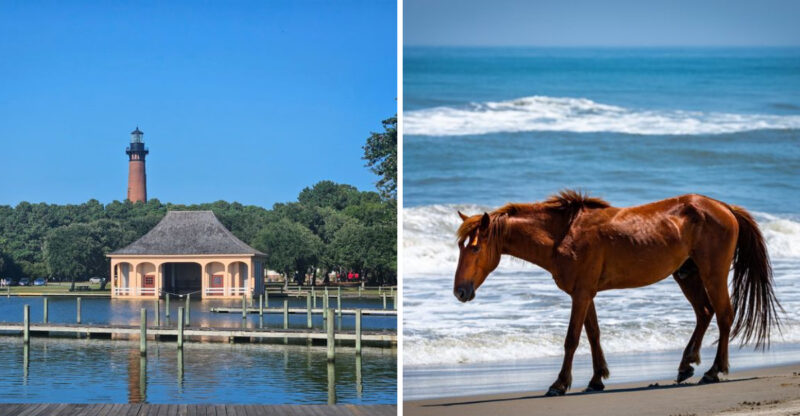
Front Street runs along Taylor Creek with views of the Rachel Carson Reserve and wild horses on Carrot Island in the distance. Beaufort has a relaxed confidence that comes from knowing exactly what it is.
The town is small, photogenic, and packed with stories. Spend a full day here, walk slowly, and let the waterfront do most of the talking for you.
7. Halifax
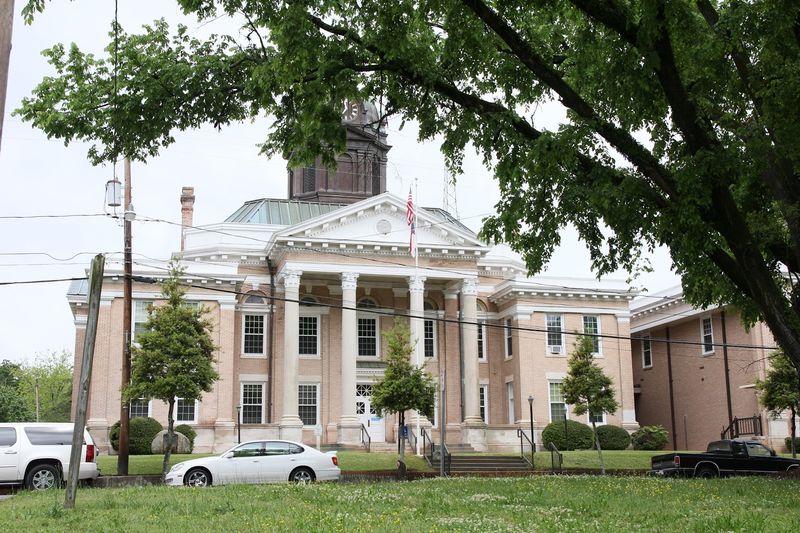
On April 12, 1776, Halifax made history that most Americans have never heard of.
That is the day North Carolina’s Provincial Congress voted to authorize its delegates to vote for independence from Britain, making it the first official colonial action in favor of American independence.
The Halifax Resolves, as they are called, were a genuinely big deal, and the town where it happened still exists largely unchanged.
Historic Halifax State Historic Site preserves the colonial courthouse, the Eagle Tavern, the Owens House, and several other 18th-century structures.
The site is located at 25 St. David Street, Halifax, NC 27839, and guided tours are available that bring the 1776 context to life in a way that is surprisingly engaging for visitors of all ages.
Halifax is small and unhurried, which actually works in its favor. Without the crowds of more famous destinations, you get real access to the spaces and stories.
Standing in the same room where independence was first formally endorsed is a genuinely moving experience.
Halifax does not have a big marketing budget, but it has something better: a story that actually changed American history, told in the place where it happened.
8. Stagville
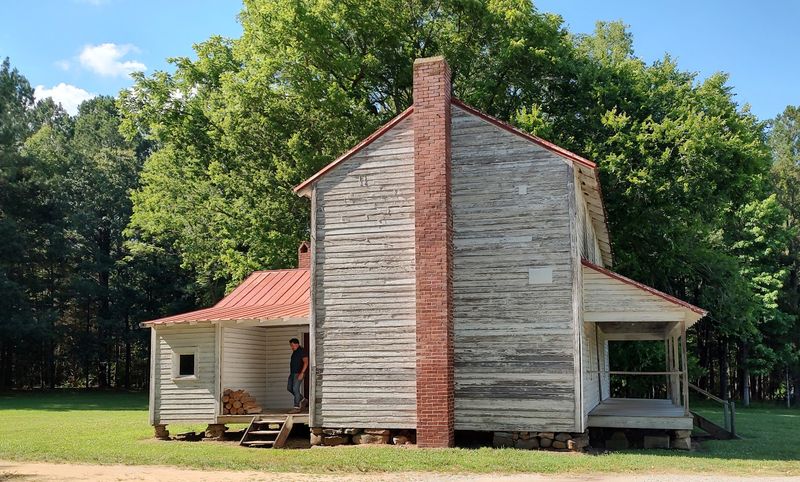
Few places in North Carolina carry the weight of history quite like this one, and that weight is exactly the point.
By the 1860s, the Bennehan-Cameron plantation at Stagville was among the largest in the South, with more than 900 people living and working across roughly 30,000 acres.
The site preserves that history honestly and without looking away.
Historic Stagville includes a massive four-bay barn built around 1860, and the Bennehan House dating to 1787.
The preservation effort here is thoughtful and human-centered, focusing on the lives of the people who worked here rather than simply celebrating the plantation’s architecture.
Visiting Stagville is not a light or casual experience, but it is an important one. The site offers guided tours that center African American history with depth and respect.
For anyone trying to understand North Carolina’s full past, not just the comfortable parts, Stagville is essential. It is the kind of place that stays with you long after you have driven back down that quiet country road.
9. Old Fort
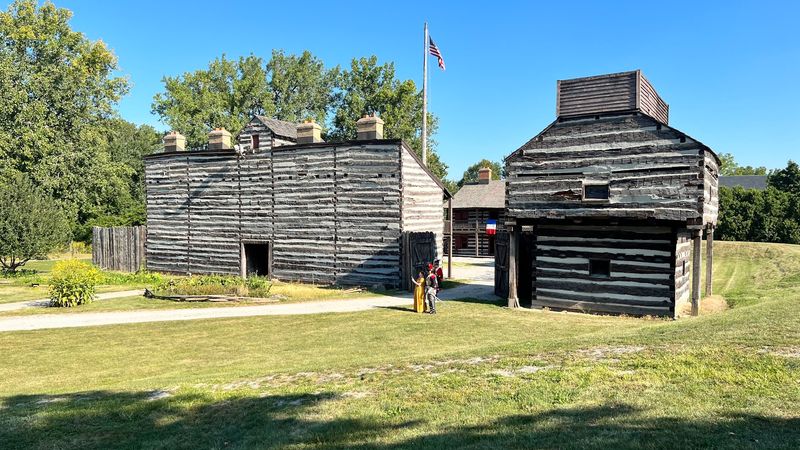
This town sits at the eastern foot of the Blue Ridge Mountains where the Catawba River begins its long journey, and the town has been a gateway to the mountains since the 1700s.
Davidson’s Fort, originally built in 1756 as a refuge during frontier conflicts, has been reconstructed and now anchors the Mountain Gateway Museum,which is one of the most underrated history spots in western North Carolina.
Old Fort itself has a gritty, unpretentious character that feels completely authentic.
It grew as a railroad town after the Western North Carolina Railroad pushed through the mountains in the 1870s.
The old depot still stands as a reminder of how transformative that infrastructure was for the region. The climb from Old Fort up Swannanoa Gap was considered one of the engineering feats of its era.
Arrowhead Monument, a large stone marker near the center of town, commemorates the Native American and pioneer history of the area.
Old Fort is small, a little rough around the edges, and entirely genuine. It rewards visitors who appreciate history that has not been polished into a theme park version of itself.
10. Wilmington
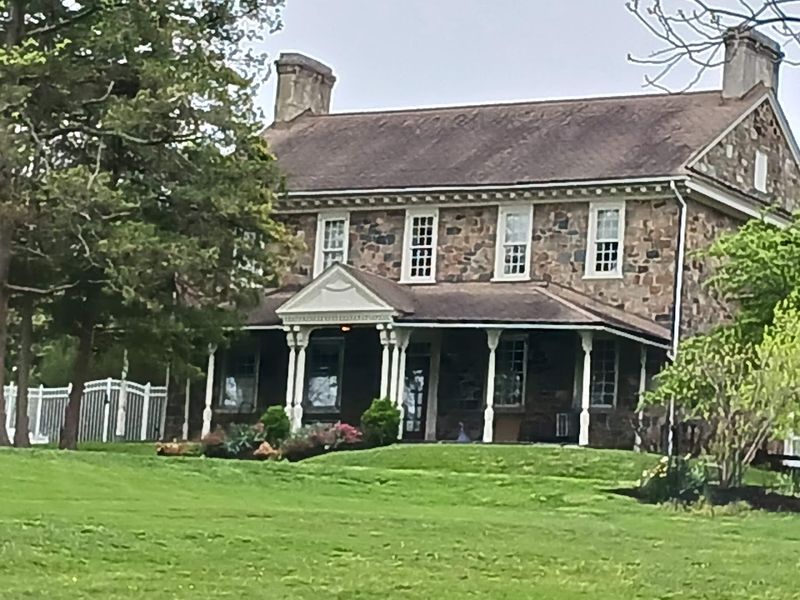
Wilmington is the kind of historic city that does not need to remind you it is historic, because the evidence is literally everywhere you look.
The largest urban historic district in North Carolina covers over 230 blocks of antebellum homes, Victorian commercial buildings, and pre-Civil War churches.
Walking along the Cape Fear River on Water Street feels like flipping through a very well-preserved architecture textbook.
The Bellamy Mansion is one of the finest examples of antebellum architecture in the South and offers tours that cover both the plantation-owning family’s story and the lives of the people who built and maintained the property.
That dual narrative is handled with real care and adds meaningful depth to the visit.
Wilmington also has a lively contemporary energy that younger visitors tend to appreciate.
The downtown area along the riverwalk is full of independent bookstores, local restaurants, and live music venues, all operating inside buildings that were already old before your great-grandparents were born.
Wilmington pulls off the rare trick of feeling historically rich and genuinely current at the same time, making it a place worth spending at least two full days exploring.