12 Hidden Mountain Views In California That Will Leave You Speechless
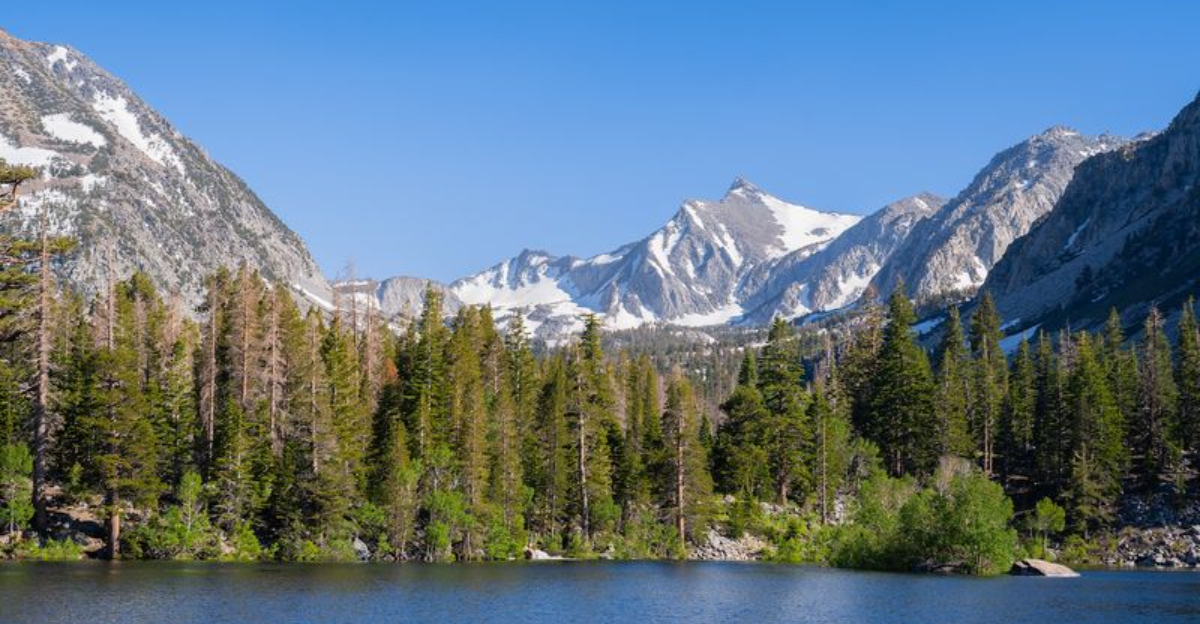
You round a bend expecting more of the same, then the landscape opens without warning. The road drops away, the horizon stretches out, and the scale becomes clear all at once.
Hidden viewpoints are scattered across the state, often sitting just off winding roads or at the end of short, overlooked trails. Many go unnoticed simply because there are no signs pointing them out or crowds gathering nearby.
Some require a steady climb, others are only a few steps from a pull-off, but each one offers a different perspective shaped by elevation, light, and distance.
Clear air, layered ridgelines, and long sightlines create views that feel expansive without being overwhelming.
The range of terrain across California makes this kind of discovery easy to come across. Sierra peaks, coastal mountains, and inland hills all provide vantage points that feel quiet, open, and worth the stop.
1. Minaret Vista, Mammoth Lakes
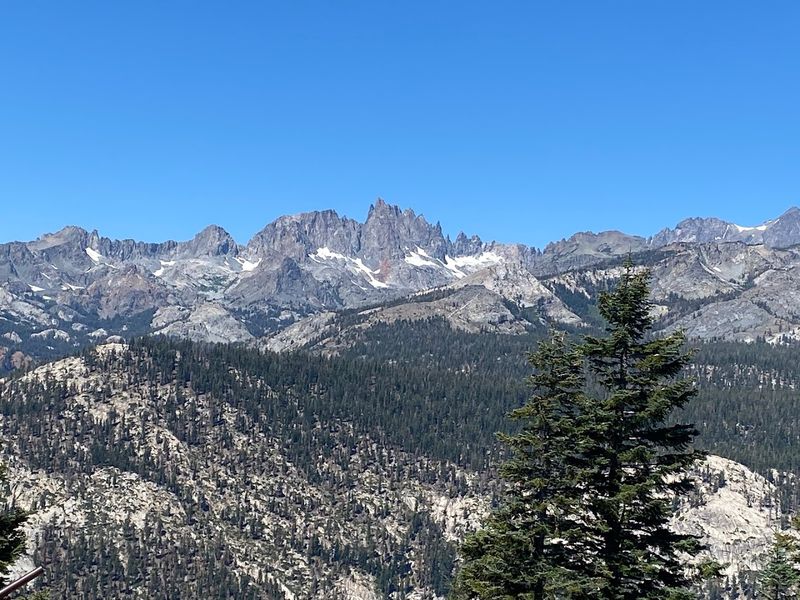
Few mountain overlooks in the Sierra Nevada hit as hard as Minaret Vista, where the jagged spires of the Ritter Range rise dramatically against an open sky.
Located just outside the town of Mammoth Lakes along Minaret Road, the pullout sits at roughly 9,265 feet in elevation and delivers one of the most striking panoramas in all of California.
The view sweeps across the Minarets, Banner Peak, and the upper reaches of the San Joaquin River drainage below.
Getting there involves a scenic drive along a road that is typically open only from late spring through early fall, depending on snowpack.
Early morning light tends to paint the rocky spires in warm amber tones, making that timing worth the effort.
Crowds are generally lighter on weekday mornings compared to summer weekends when the area sees heavier traffic.
A short walk from the parking area leads to interpretive signs that help identify the peaks by name, which adds real context to what could otherwise feel like an overwhelming wall of rock.
Bringing layers is always a smart call at this elevation since temperatures can shift quickly even in July. The stillness up here, paired with that raw skyline, makes it genuinely hard to leave.
2. Sonora Pass, Sierra Nevada
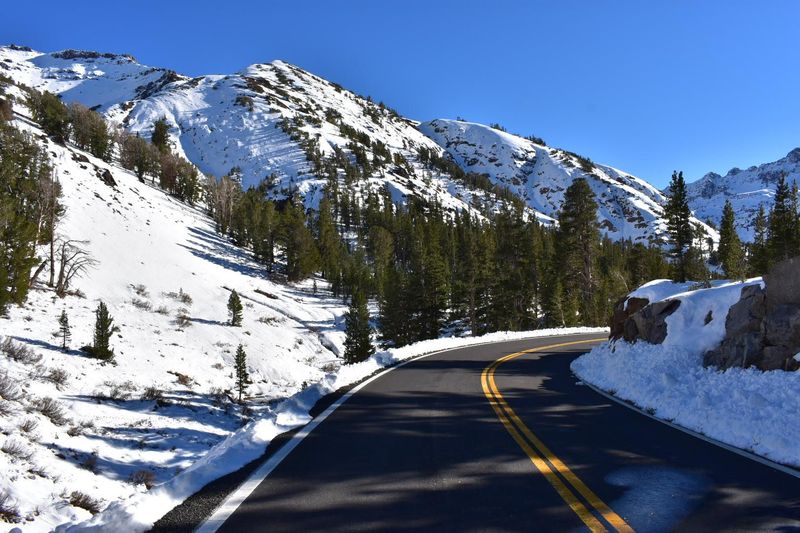
At 9,624 feet, Sonora Pass ranks among the highest highway passes in California and offers a mountain experience that feels nothing like the more traveled routes nearby.
Highway 108 winds through volcanic rock formations and steep ridgelines that look almost otherworldly compared to the softer granite scenery found elsewhere in the Sierra.
The pass sits along the main Sierra Nevada crest and gives drivers and hikers an unobstructed look at the range from a genuinely high vantage point.
Several short trails branch off near the summit, including access points to the Pacific Crest Trail, where the views extend north and south along the entire crest.
The terrain here is rocky and open, with sparse vegetation that keeps the sightlines wide and uncluttered.
Wildflowers can appear in surprising patches during midsummer, adding color to an otherwise rugged palette of gray and brown.
Road conditions vary significantly by season, and the pass is typically closed during winter months due to heavy snowfall.
Planning a visit between late June and October gives the best chance of clear roads and stable weather.
Stopping at the small pullouts near the summit and simply standing in the wind with that massive landscape spread out in every direction is an experience that is hard to put into words.
3. Glendora Mountain Road Overlook, Glendora
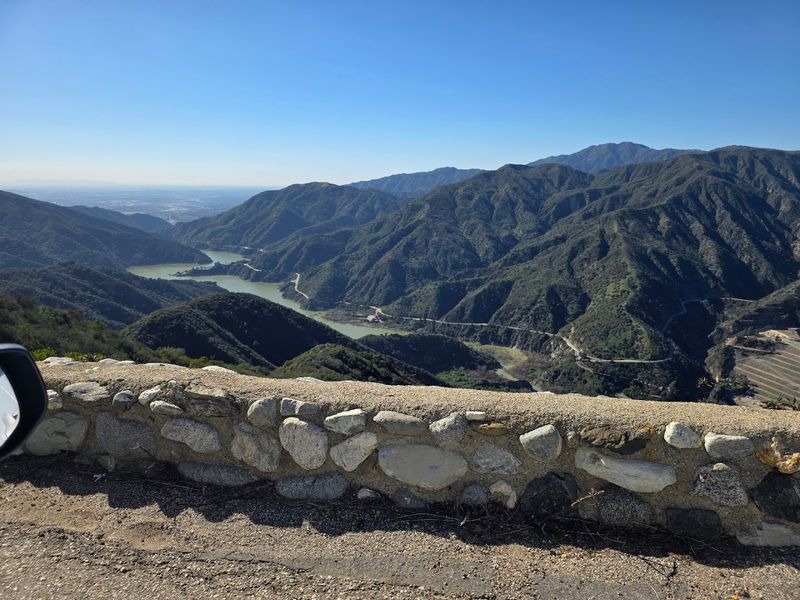
Glendora Mountain Road is the kind of winding back road that rewards drivers who are willing to trade convenience for scenery.
Stretching through the San Gabriel Mountains northeast of Los Angeles, the road climbs steadily through chaparral and oak woodland before opening up to sweeping views of the valley below.
On clear days, the view from the upper overlooks stretches far enough to include the distant Pacific coastline shimmering on the horizon.
The road is open to both drivers and cyclists, and it sees a steady flow of weekend riders who come specifically for the elevation gain and the views at the top.
Several informal pullouts along the upper sections offer enough space to stop, step out, and take in the panorama without feeling rushed.
The San Gabriel Valley spreads out below like a wide quilt of neighborhoods, green patches, and distant ridgelines.
Morning visits tend to offer the clearest air, especially after a recent rain when smog settles and the mountains stand out in sharp detail.
Temperatures at the higher elevations can be noticeably cooler than in the valley, so a light jacket is useful even on warm days.
The combination of easy access from the greater Los Angeles area and the dramatic elevation change makes this overlook one of the more underrated spots in Southern California.
4. Mount Diablo Summit Viewpoint, Contra Costa County
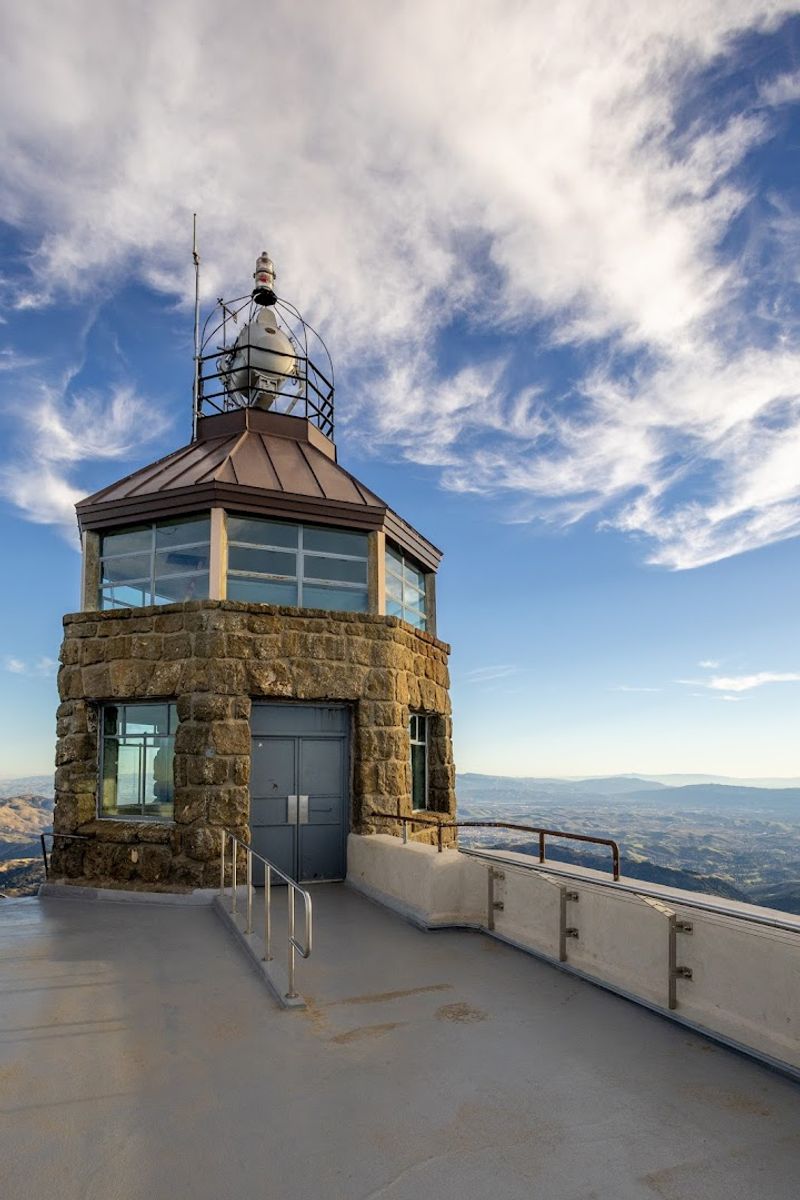
On a clear day, the summit of Mount Diablo offers one of the widest unobstructed views of any peak in the contiguous United States outside of the Cascades and the Rockies.
Rising to 3,849 feet above the surrounding flatlands of the Bay Area and Central Valley, the summit viewpoint in Contra Costa County gives visitors a jaw-dropping 360-degree panorama that stretches from the Sierra Nevada to the Pacific Ocean.
The contrast between the mountain’s dry, rocky summit and the lush green valleys below is striking in every season.
Mount Diablo State Park manages the road to the top, and the summit building houses a small visitor center with interpretive displays about the geology and ecology of the mountain.
The drive up is scenic on its own, passing through oak woodlands and rocky outcrops that are home to a surprisingly diverse range of wildlife.
Hawks and falcons are commonly spotted riding thermals near the upper ridgelines throughout the year.
Weekend mornings tend to draw more visitors, so arriving early helps secure parking near the summit and allows for a quieter experience at the viewpoint.
The light in the late afternoon turns the Central Valley golden and makes the distant Sierra Nevada glow on the horizon.
Comfortable walking shoes and sun protection are both practical must-haves for spending time at the exposed summit.
5. Panorama Point, Kings Canyon
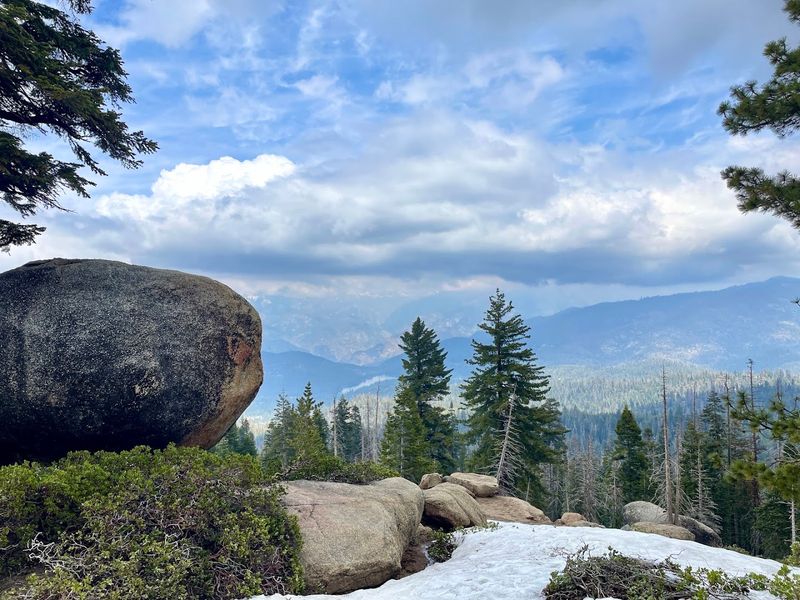
Tucked inside Kings Canyon National Park, Panorama Point sits at around 7,520 feet and delivers a view that earns its name without any exaggeration.
The overlook looks out across the dramatic Kings Canyon gorge, one of the deepest canyons in North America, with layered granite walls and dense conifer forest stretching far below.
The scale of the landscape here is the kind that makes even experienced hikers pause and recalibrate their sense of distance.
Reaching Panorama Point requires driving the Kings Canyon Scenic Byway, a winding mountain road that is typically open between late spring and early fall.
The viewpoint itself is accessible from a short walk near a marked parking area, making it approachable for visitors of varying fitness levels.
Mornings often bring a soft mist rising from the canyon floor, which adds a quiet drama to the already impressive scenery.
Kings Canyon sees fewer visitors than neighboring Yosemite, which means the overlook tends to feel more peaceful even during peak summer months.
Bringing water and snacks is always a good idea since services inside the park are limited and spaced far apart.
The combination of massive granite walls, deep forest, and open sky at Panorama Point creates a layered visual experience that is genuinely difficult to replicate anywhere else in California.
6. Mount Tamalpais East Peak, Marin County
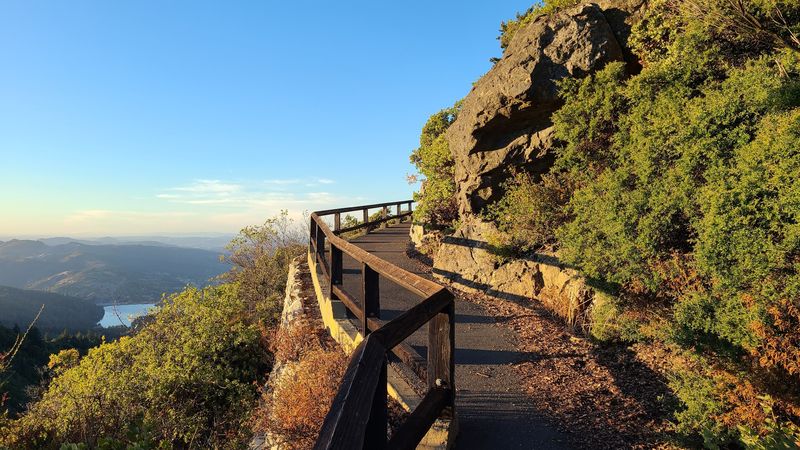
Rising above the fog line on most mornings, Mount Tamalpais East Peak in Marin County offers one of the most beloved elevated views in the entire Bay Area.
At 2,571 feet, the summit sits just high enough to look down over rolling hills, redwood canyons, and the shimmering expanse of San Francisco Bay all at once.
On exceptionally clear days, the view extends to the Farallon Islands far out in the Pacific and to the snow-capped peaks of the Sierra Nevada to the east.
Mount Tamalpais State Park maintains roads and trails throughout the mountain, with the East Peak accessible by car via Pantoll Road and East Ridgecrest Boulevard.
A small parking area near the summit leads to a short paved walkway that circles the peak and offers unobstructed views in multiple directions.
The Gardner Lookout fire tower at the top adds a historic touch to the experience and is worth a close look.
Fog is a regular presence on the mountain, especially during summer mornings, and it can either obscure the view entirely or create a spectacular sea of white clouds below the summit.
Checking conditions before heading up saves time and increases the chances of catching a clear panorama.
Layering clothing is always smart since the summit feels significantly colder than the towns just a few miles below.
7. Figueroa Mountain Overlook, Santa Ynez Valley
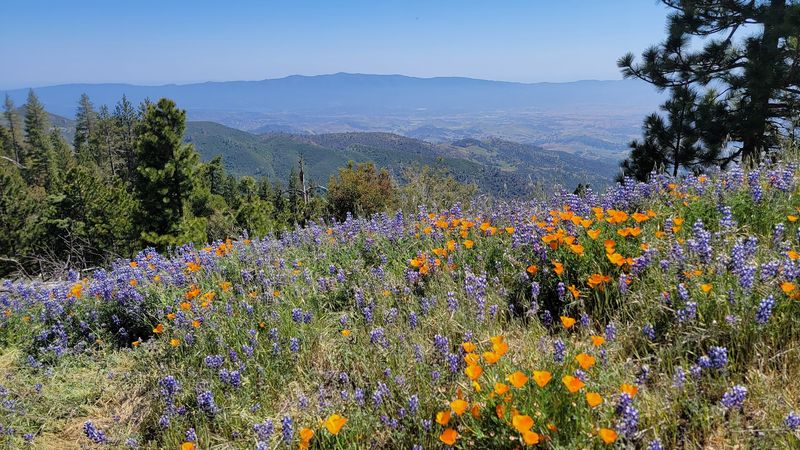
Figueroa Mountain sits above the Santa Ynez Valley in Santa Barbara County and offers a view that feels surprisingly remote given how close it is to the coast.
The mountain road winds through dense chaparral and pine forest before opening up to grassy ridgelines with wide views across the valley and toward the Channel Islands on clear days.
Spring is particularly striking here when wildflowers blanket the hillsides in shades of orange, purple, and yellow.
Figueroa Mountain Road is a narrow paved route that requires careful driving, especially on blind corners where cyclists and oncoming vehicles can appear quickly.
The upper sections of the road offer several informal pullouts where stopping to take in the landscape is easy and rewarding.
The valley below looks peaceful and unhurried from this height, with vineyards, oak groves, and small ranches spread across the flats.
Visiting on a weekday tends to mean less traffic on the mountain road and more breathing room at the overlooks.
The Los Padres National Forest surrounds most of the mountain, and the forest service manages the land with minimal development, which keeps the experience feeling natural and uncluttered.
Bringing a picnic to enjoy at one of the higher pullouts while looking out over the Santa Ynez Valley is a simple pleasure that is hard to beat on a calm afternoon.
8. Sherwin Lakes Viewpoint, Mammoth Lakes
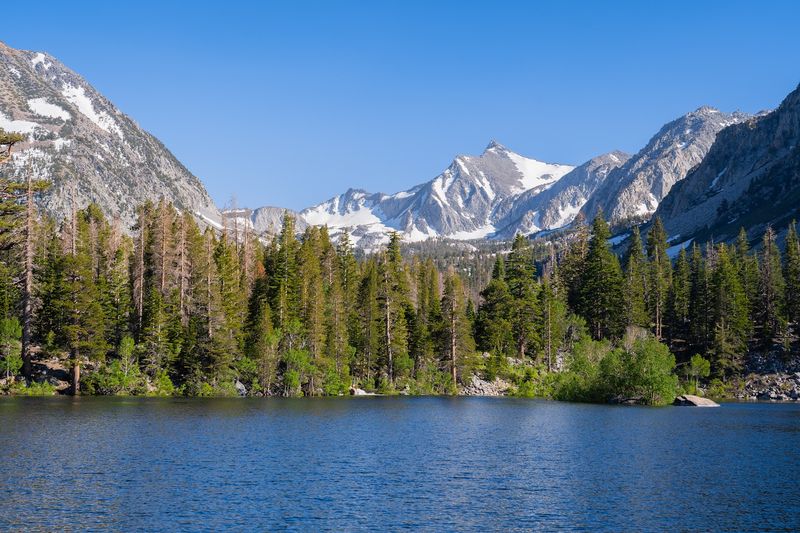
The trail system leading to Sherwin Lakes near Mammoth Lakes doubles as one of the better-kept secrets for elevated views in the eastern Sierra.
As the trail climbs above the treeline on its upper sections, the panorama opens up to reveal the wide expanse of the Owens Valley far below and the jagged White Mountains rising on the opposite side.
The contrast between the lush forested slopes of the Sierra and the stark desert terrain of the valley floor is visually striking from this vantage point.
The trailhead sits just outside the town of Mammoth Lakes and is accessible without a permit for day hikers.
The lower portions of the trail wind through lodgepole pine forest before the terrain opens and the views begin to expand with each uphill step.
The lakes themselves are worth reaching, but the real payoff for view-seekers comes at the higher open sections before the final descent to the water.
Afternoon thunderstorms are common in summer, especially in July and August, so starting the hike early in the morning is both safer and more comfortable.
Trail conditions vary significantly by season, with snow possible well into June at higher elevations.
The combination of accessible trailhead, manageable distance, and genuinely impressive eastern Sierra views makes the Sherwin Lakes area a reliable destination for anyone based in or passing through Mammoth Lakes.
9. Dante’s View, Death Valley
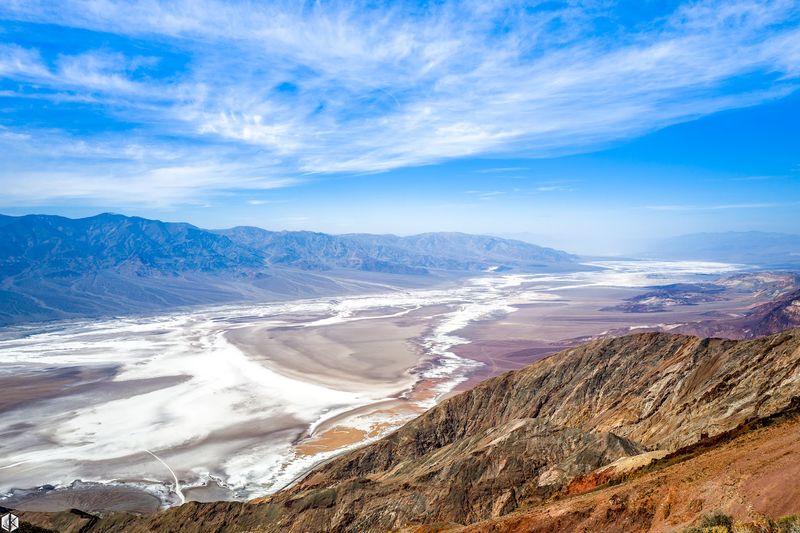
Standing at 5,476 feet above one of the lowest points on Earth creates a visual experience that is genuinely hard to prepare for.
Dante’s View in Death Valley National Park looks directly down onto the white salt flats of Badwater Basin, which sits 282 feet below sea level, while the Panamint Range rises dramatically on the opposite side of the valley.
The scale of what unfolds from this overlook is almost disorienting in the best possible way.
A paved road leads directly to the parking area at Dante’s View, making it one of the more accessible high-elevation overlooks in the park without requiring any hiking.
The view is impressive at any time of day but takes on a particularly striking quality at sunrise when the salt flats glow pink and the shadows of the Panamint Range stretch long across the valley floor.
Winter and early spring tend to offer the clearest air and most comfortable temperatures at the overlook.
Summer visits are possible but require serious preparation since temperatures in the valley below can exceed 120 degrees Fahrenheit and the road to the viewpoint can be intensely hot.
Carrying extra water is essential regardless of the season.
The sheer visual drama of looking down nearly a mile of vertical relief to one of the most extreme landscapes in North America makes Dante’s View one of the most memorable stops in all of California.
10. Eagle Rock, Los Angeles
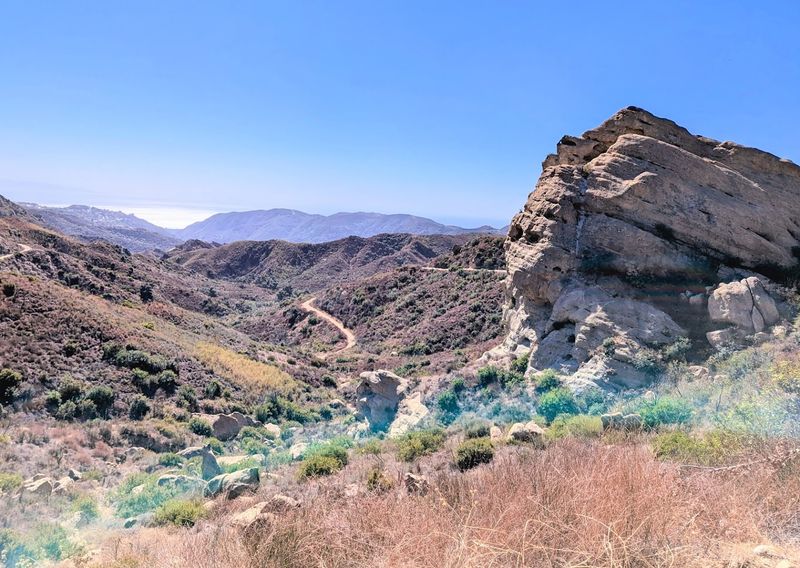
Hidden within Topanga State Park on the edge of Los Angeles, Eagle Rock is a large natural sandstone formation that rises above the surrounding chaparral and offers surprisingly expansive views of the Santa Monica Mountains.
The hike to reach it is moderate in difficulty, covering roughly 7 miles round trip from the Trailhead Canyon parking area, and the trail passes through open grassland and coastal sage scrub before arriving at the base of the rock.
The formation itself is large enough to see from a distance and serves as a reliable landmark throughout the hike.
Views from the area around Eagle Rock extend across rolling ridgelines in multiple directions, with the Pacific Ocean visible on clear days to the southwest.
The park sits within the Santa Monica Mountains National Recreation Area, and the trails are generally well-maintained and marked.
Wildflowers appear along the trail in late winter and early spring, adding seasonal color to the otherwise golden hillsides.
Weekday visits tend to be noticeably quieter than weekend ones, when the park draws hikers from across the greater Los Angeles area.
Parking at the trailhead fills up quickly on busy days, so arriving before 9 a.m. is a practical strategy.
The contrast between the urban sprawl just beyond the park boundaries and the quiet, rugged terrain inside Topanga State Park makes Eagle Rock feel like a genuine escape without ever leaving the city.
11. Grizzly Peak, Berkeley
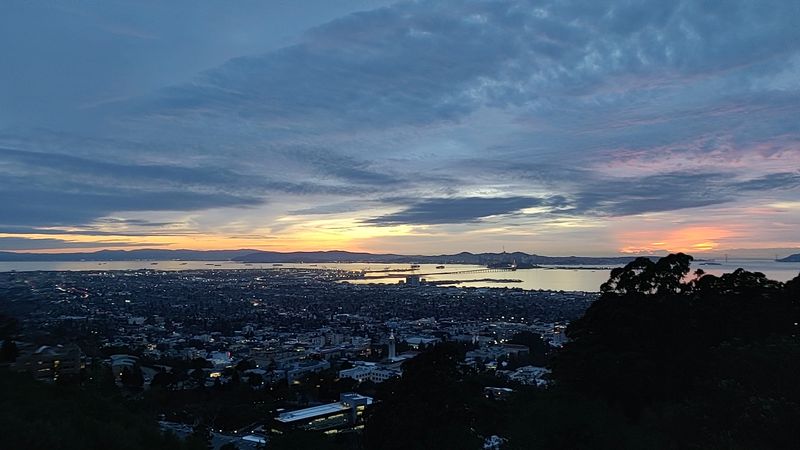
Perched in the Berkeley Hills above the University of California campus, Grizzly Peak Boulevard leads to one of the most accessible elevated views in the entire Bay Area.
The ridgeline sits at around 1,754 feet and looks out over San Francisco Bay, the city skyline, the Golden Gate, and on clear days, the Marin Headlands and Mount Tamalpais to the north.
The view feels intimate compared to larger mountain summits, framed by eucalyptus trees and chaparral that line the road.
Several small pullouts along Grizzly Peak Boulevard offer places to stop and take in the view without needing to hike at all, though short trails branching off the road lead to quieter spots away from the road noise.
Tilden Regional Park borders much of the ridgeline and adds additional trails and green space for those wanting to explore further.
Sunsets from the western-facing viewpoints along the ridge are a local tradition that draws visitors year-round.
Fog rolls in regularly from the bay, especially in summer, and can either obscure the view or create a dramatic scene where just the tops of bridges and buildings poke above a white layer of cloud.
Late fall and early winter tend to bring the clearest days with the sharpest visibility.
The combination of easy access from Berkeley and Oakland, minimal hiking required, and genuinely stunning bay views makes Grizzly Peak a reliable and rewarding stop.
12. Cerro Alto Summit, San Luis Obispo
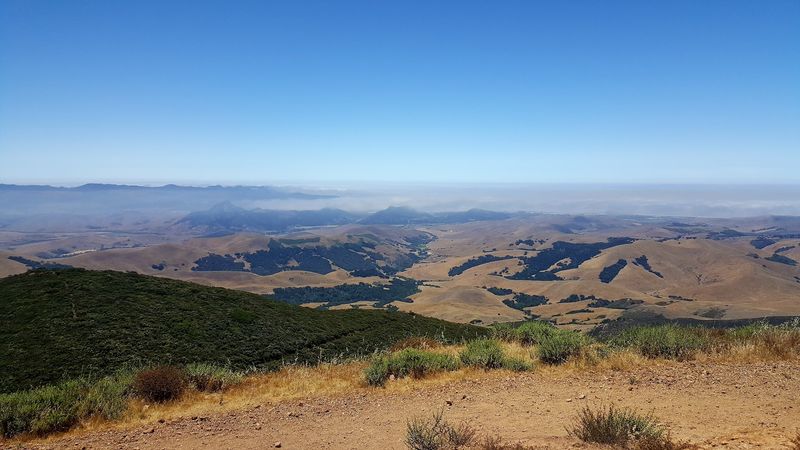
Cerro Alto is one of the nine volcanic peaks known as the Nine Sisters that stretch across San Luis Obispo County, and its summit rewards hikers with views that span from the Pacific coast to the inland valleys.
The trail to the top covers about 5.5 miles round trip and climbs through oak woodland and chaparral before reaching the exposed upper ridgeline.
From the summit, the view opens in nearly every direction, with the coastal hills rolling toward the ocean to the west and the broader Santa Lucia Range spreading to the south.
The trailhead is located off Highway 41 in Los Padres National Forest, roughly 8 miles from the town of Morro Bay, and the area is managed as part of the broader national forest system.
The trail gains around 1,600 feet in elevation, which makes it a solid moderate hike with a genuine sense of accomplishment at the top.
Rocky outcrops near the summit provide natural seating for taking a break while enjoying the panorama.
Spring and fall tend to offer the most comfortable hiking temperatures on Cerro Alto, while summer can bring dry heat that makes the exposed upper sections feel demanding.
Bringing enough water for the full round trip is essential since there are no water sources along the trail.
The relatively low visitor numbers compared to more famous peaks in the region mean the summit often feels genuinely quiet and unhurried.