North Carolina’s Oldest Sites That Still Stand Against Time
I have a theory about old buildings. The ones worth visiting never announce themselves.
They do not have flashing signs or gift shop queues or Instagram-ready lighting.
They just stand there, quietly holding centuries of stories, waiting to see if you are curious enough to show up.
North Carolina has more of these places than almost anywhere else in America.
I say that after spending an embarrassing amount of time driving down roads that do not appear on any map, stopping at things that looked interesting, and completely losing track of time as a result.
This state was old before the country had a name, and the proof is still standing.
Colonial churches, courthouses that predate the Revolution and houses built by people whose grandchildren would fight a war over the future of the nation.
Some of them are free to visit. Some of them are hiding in plain sight.
All of them are worth your time. Go find them before everyone else does.
1. St. Thomas Episcopal Church, Bath
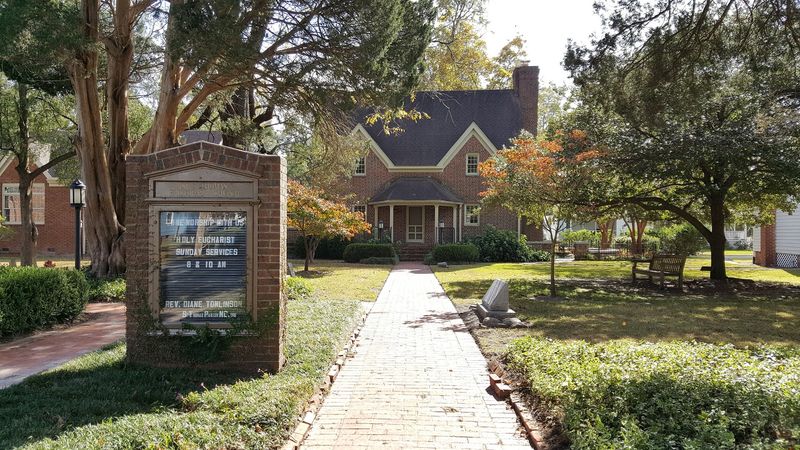
Built in 1734, St. Thomas Episcopal Church is the oldest surviving church in North Carolina, and standing in front of it feels like the calendar skipped a few centuries. The brick walls are original.
The simplicity of the design is almost startling in the best way.
Bath itself is the oldest incorporated town in the state, so the church fits right into the neighborhood.
Located at 101 Craven St, Bath, the building has seen everything from colonial politics to Revolutionary-era uncertainty, and it still holds regular services today. That detail alone blew my mind.
The interior is spare and honest, with wooden pews and clear windows that let in soft afternoon light. There are no dramatic decorations competing for your attention.
The space does the talking. Visitors are welcome to step inside and absorb the quiet, which I highly recommend doing slowly.
The churchyard holds graves dating back to the 1700s, each marker a small story worth reading.
Go on a weekday morning if you can. The stillness is something else entirely, and it will stay with you long after you leave Bath.
2. Newbold-White House, Hertford
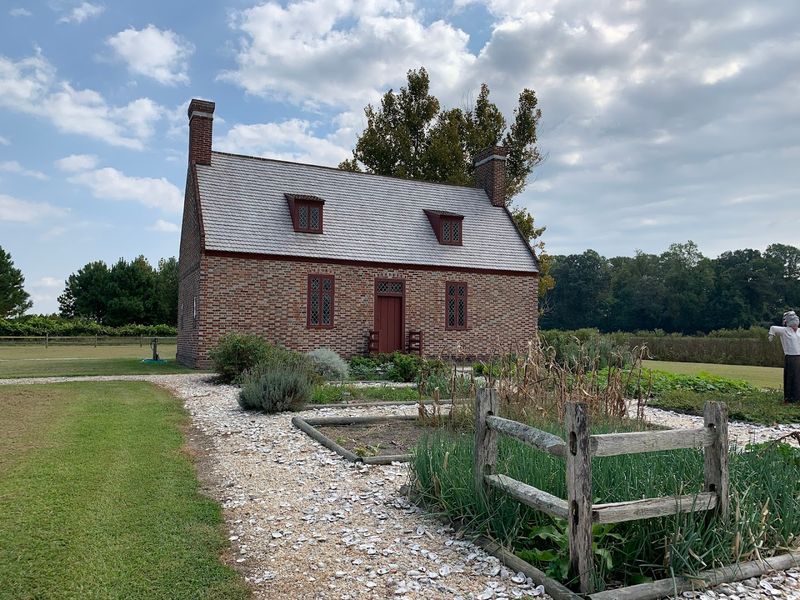
The Newbold-White House does not announce itself grandly. It sits at 151 Newbold-White Rd, Hertford, looking modest and matter-of-fact, which makes the fact that it dates to around 1730 feel almost impossible.
This is believed to be the oldest surviving brick house in North Carolina, and possibly in the entire Southeast.
Standing inside, you notice the thick walls, the low ceilings, and the way every inch of the structure was built for function over style. Early colonial settlers were practical people.
The house reflects that personality completely, and honestly, there is something refreshing about a building that never tried to impress anyone.
The site is maintained as a historic landmark, and guided tours are available. The staff here are genuinely enthusiastic about the history, which makes the visit feel more like a conversation than a lecture.
You learn about Quaker settlers, early colonial land use, and what daily life actually looked like before anything was convenient.
It is a small site, but the depth of the story packed into those brick walls is remarkable. Budget at least an hour and bring questions, because there are good answers waiting.
3. Chowan County Courthouse, Edenton
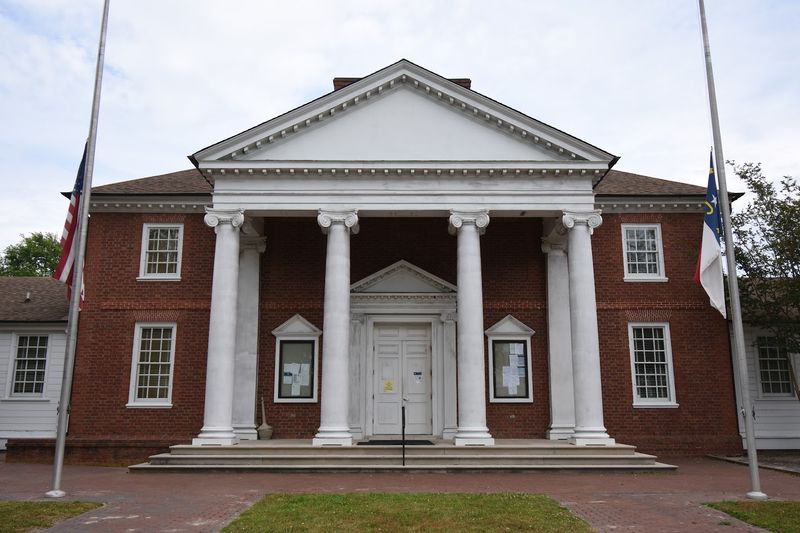
If you ever wanted to know what American justice looked like before the United States officially existed, the Chowan County Courthouse at 101 S Broad St, Edenton is your answer.
Completed in 1767, it is considered the finest surviving colonial courthouse in the country. That is not a small claim, and the building absolutely backs it up.
The Georgian architecture is precise and confident. Red brick, white trim, a cupola on top, it looks like someone drew the ideal courthouse and then actually built it.
Walking the grounds on a clear afternoon, I kept stopping just to look at the proportions. Everything is balanced in a way that feels deliberate and calm.
The courthouse is still used for official functions, which adds a living layer to the history. You are not visiting a relic behind glass.
You are standing in a building where real decisions were made and are still being made.
Tours are available and cover both the architecture and the legal history tied to this region. Edenton itself is a beautiful waterfront town worth exploring further once you finish at the courthouse.
The whole area rewards a slow, unhurried visit, so do not rush it.
4. Cupola House, Edenton
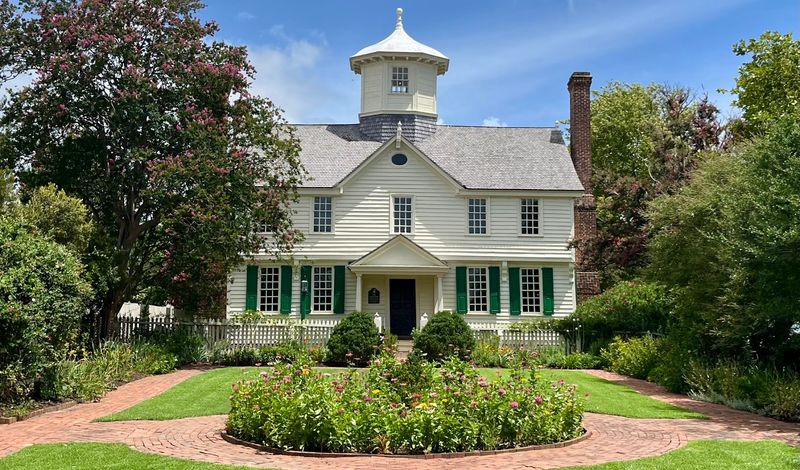
The Cupola House earned its name honestly.
That distinctive rooftop cupola makes the building one of the most recognizable colonial structures in the state, and once you see it, you understand why preservationists have fought hard to keep it standing.
Built around 1758 at 408 S Broad St, Edenton, the house is a masterclass in early American carpentry.
What makes this place especially interesting is the interior woodwork.
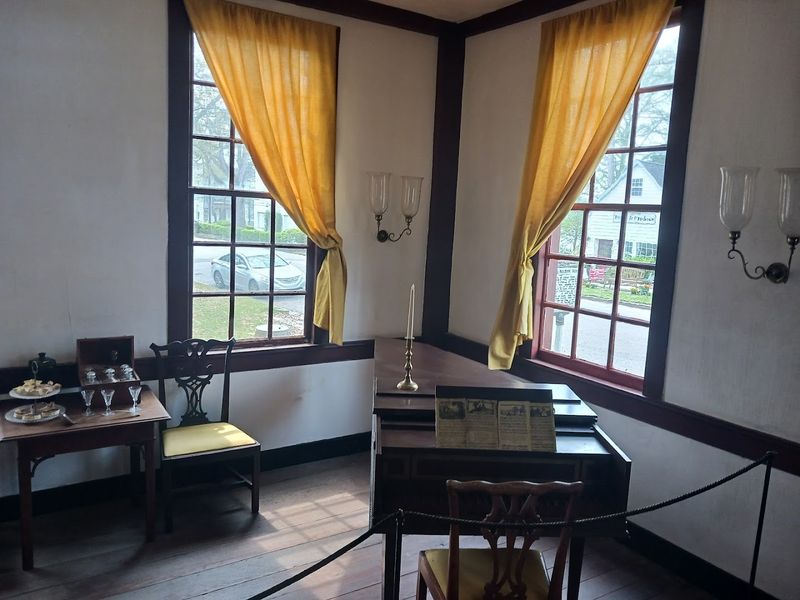
Much of the original carved decoration was removed in the early 1900s and eventually returned, piece by piece, through decades of careful preservation effort.
The story of how this house was saved is almost as compelling as the house itself. That kind of dedication to a building says something meaningful about a community.
The garden surrounding the property has been restored to reflect its colonial-era layout, which gives the whole site a coherent, immersive feel.
You are not just looking at a house, you are looking at an entire domestic world from the mid-1700s. The Cupola House is open for tours, and the guides bring the family history to life with specific details rather than vague generalities.
This is the kind of visit that makes history feel personal and surprisingly relevant to the present day.
5. Palmer-Marsh House, Bath
Bath keeps showing up on this list for good reason. The Palmer-Marsh House, located at 116 Main St, Bath, is one of the most intact colonial residences in the state, dating to around 1751.
The double exterior chimneys are the first thing you notice, bold and symmetrical, doing exactly what they were designed to do without any architectural fuss.
The house was built for Michael Coutanch, a prominent colonial figure, and later associated with the Marsh family, who were deeply connected to Bath’s early commercial life.
Walking through, you get a clear sense of how prosperous colonial families organized their homes around work, warmth, and practical daily routines. Nothing about the layout is accidental.
North Carolina’s Historic Sites division manages the property, so the preservation is taken seriously and the interpretation is well researched.
Visiting as part of a broader Bath tour makes a lot of sense, since the town packs an extraordinary amount of colonial history into a very small footprint.
The Palmer-Marsh House anchors that history with its sturdy, no-nonsense presence. If you appreciate architecture that communicates character without needing to shout about it, this house will absolutely deliver on that expectation.
6. Joel Lane House, Raleigh
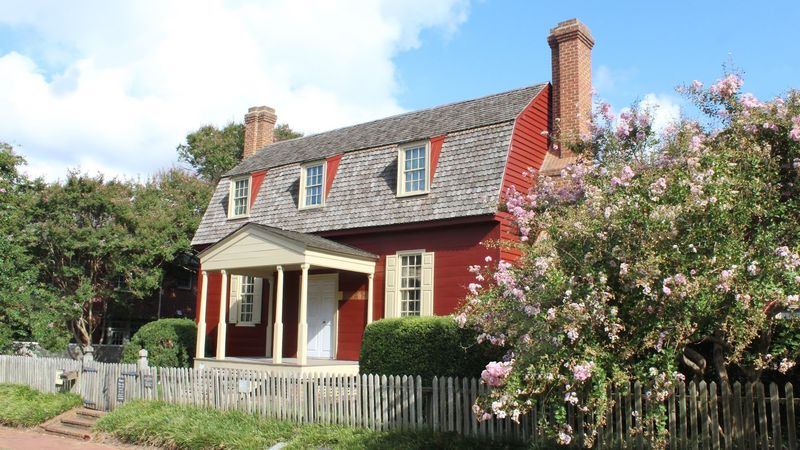
Raleigh owes its existence, in a very direct way, to Joel Lane. He sold the land that became the state capital in 1792, and the house where he lived still stands at 160 S Saint Marys St, Raleigh.
Built around 1769, the Joel Lane House is the oldest surviving structure in Wake County and one of the most historically significant properties in the entire state.
The house is a classic colonial plantation-style dwelling, modest in scale but substantial in historical weight.
The period furnishings inside are carefully chosen to reflect the late 18th century lifestyle of a prosperous North Carolina landowner. Each room tells a slightly different story about how people ate, worked, and entertained during that era.
What I find most striking is how the house survives surrounded by a modern city. Raleigh has grown dramatically in every direction, but this small colonial property holds its ground.
The Historic Raleigh Preservation Foundation manages the site and offers guided tours that are thorough and genuinely engaging.
Seasonal events and living history demonstrations happen throughout the year, making repeat visits worthwhile. If you are new to Raleigh or have lived there for years without stopping by, consider this your nudge to finally go.
7. Hezekiah Alexander House, Charlotte
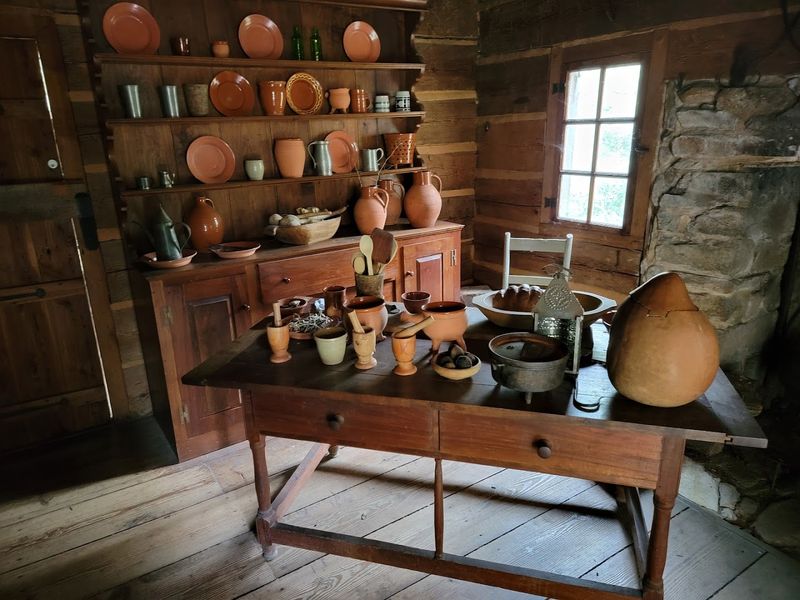
Charlotte is not a city most people associate with deep colonial history, but the Hezekiah Alexander House at 3500 Shamrock Dr makes a compelling argument that it should be.
Built in 1774, this is the oldest surviving structure in Mecklenburg County, and it is made of stone, which gives it a permanence that feels almost defiant against the surrounding modern sprawl.
Hezekiah Alexander was a blacksmith, farmer, and civic leader who signed the the disputed Mecklenburg Declaration of Independence in 1775.
That document, controversial and fascinating in its own right, adds a layer of political intrigue to the property that history enthusiasts will find irresistible. The man who lived here was not sitting on the sidelines of history.
The house is part of the Charlotte Museum of History campus, which makes it easy to combine with a broader look at the region’s past.
The museum itself is well organized and provides excellent context before you step outside to tour the house.
The spring house on the property, which was used to keep food cool before refrigeration, is a small but memorable detail that grounds the visit in everyday colonial life.
Admission is affordable and the staff are knowledgeable. This one is worth the drive from anywhere in the city.
8. Michael Braun House (Old Stone House), Granite Quarry
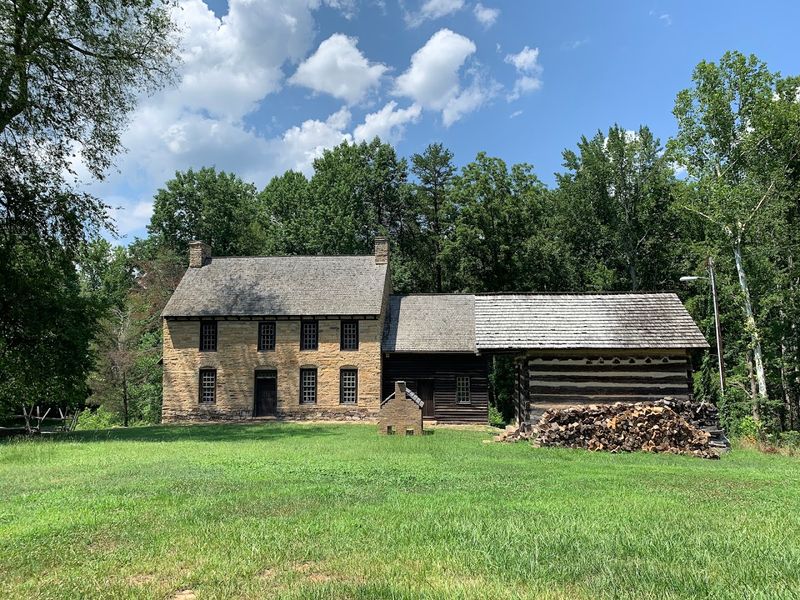
There is something almost fortress-like about the Michael Braun House, also known as the Old Stone House, sitting at 1491 Old Stone House Rd, Granite Quarry.
Built in 1766 by German immigrant Michael Braun, the structure is made of locally quarried granite, and it looks like it was built to last a thousand years. So far, it is on track.
Braun was a prosperous merchant and farmer who brought skilled craftsmanship and German building traditions to the Carolina Piedmont.
The thick stone walls, the careful joinery, and the overall solidity of the construction reflect both his resources and his ambitions. This was not a humble homestead.
It was a statement.
The Rowan Museum manages the property and offers tours that cover the Braun family story as well as the broader German immigrant community that shaped this part of North Carolina.
That cultural context makes the visit richer than a simple architectural tour. The surrounding landscape still has a rural, open quality that helps you imagine the property as it would have looked in the 18th century.
Visiting in autumn, when the light is low and golden, is particularly rewarding. Few places in the state carry this much character in their walls quite so literally.
9. Bald Head Island Lighthouse (Old Baldy), Bald Head Island
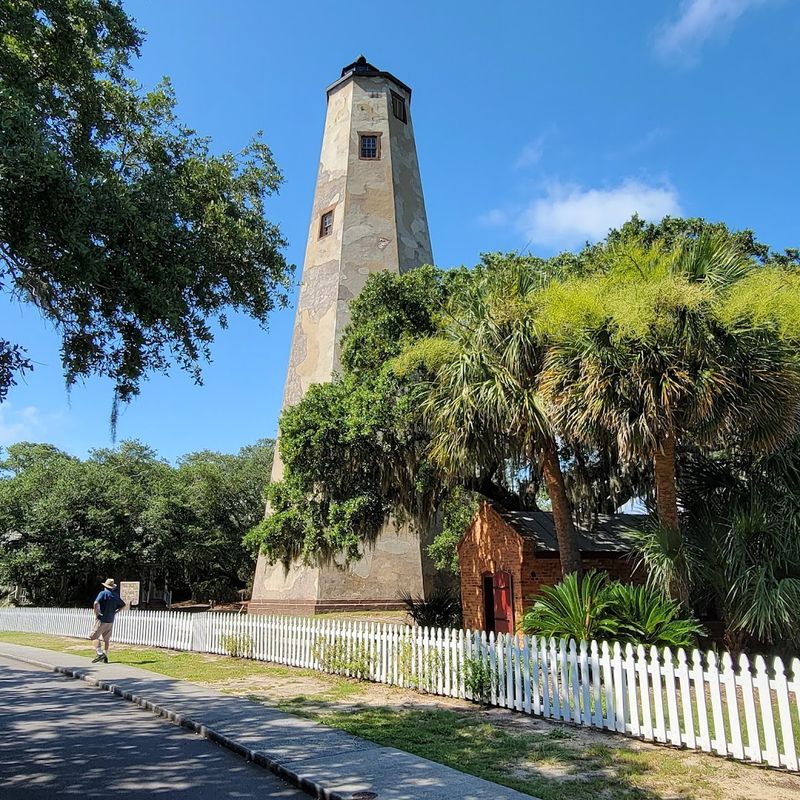
Old Baldy does not look like most people’s idea of a lighthouse. It is short, wide, and painted white, with an octagonal shape that makes it look almost friendly compared to the dramatic towers you see on postcards.
But do not let the approachable appearance fool you. Built in 1817, it is the oldest surviving lighthouse in North Carolina.
Located at 100 Keelson Row on Bald Head Island, getting there requires a ferry from Southport, which makes the whole visit feel like a small adventure.
The island itself is car-free, so you arrive by boat and explore by foot or golf cart. That combination of effort and reward makes Old Baldy feel genuinely earned once you are standing at its base.
Climbing the interior stairs to the top is allowed and absolutely worth the slightly narrow ascent. The view from the top over the Cape Fear River and the Atlantic coastline is one of the better panoramas in coastal North Carolina.
The Smith Island Museum of History, located nearby, provides excellent background on the lighthouse’s maritime history and the communities that depended on it.
The ferry schedule dictates your timing, so plan ahead and give yourself a full morning or afternoon to take everything in properly.
10. Single Brothers’ House, Winston-Salem
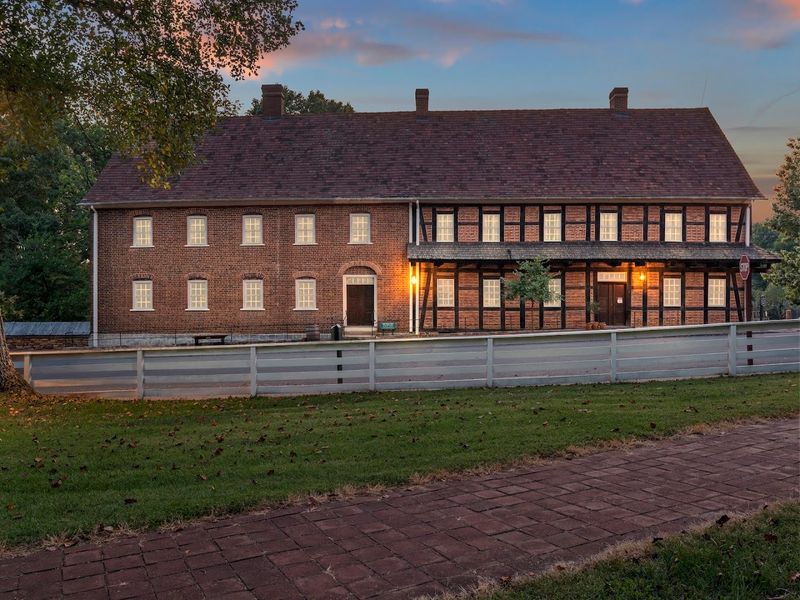
Old Salem in Winston-Salem is one of those living history districts that actually lives up to its reputation, and the Single Brothers’ House at 600 S Main St is one of its most compelling anchors.
Built in stages beginning in 1769, the structure combines half-timbered and brick construction in a way that reflects the Moravian community’s distinctive European building traditions.
The Moravians who settled Salem were deeply organized and communal in their social structure.
Single men lived, worked, and trained together in this building, learning trades that ranged from shoemaking to tailoring to pottery.
The building was essentially a working dormitory and vocational school, which is a fascinating concept when you see how substantial the structure actually is.
Old Salem Museums and Gardens manages the site as part of a broader historic district experience, and the interpretation here is genuinely impressive.
Costumed interpreters demonstrate period crafts with real skill, not just for show. You can watch, ask questions, and occasionally try things yourself.
The bakery in the district sells Moravian cookies, which I strongly suggest buying in quantity.
The Single Brothers’ House fits into the larger Salem story beautifully, and spending a full day exploring the whole district is one of the most rewarding historic experiences in the state.