This Alabama Cave Holds 260 Million Year Old Secrets Beneath The Surface
Apparently Alabama had plans for me that I was not consulted about.
I pulled off a highway I had driven more times than I can count and followed a sign that looked only mildly interesting.
What I found was a cave that has been quietly forming underground for 260 million years while the rest of the world went completely unnoticed above it. That is the thing about Alabama that takes most people by surprise.
The state has a way of hiding its most extraordinary places behind the most ordinary-looking entrances, and the moment you stop expecting something remarkable is exactly when it delivers one.
I sat in the parking lot afterward trying to figure out how I had never heard of this place before. The answer, I think, is that this state does not brag.
It just waits for you to show up with low expectations and absolutely no plan, and then it quietly rearranges everything you thought you knew about what a good afternoon could look like.
1. The 260 Million Year Old Cave Formation Story
Geology rarely makes you feel small, but standing inside a cave that started forming before dinosaurs even existed will do exactly that.
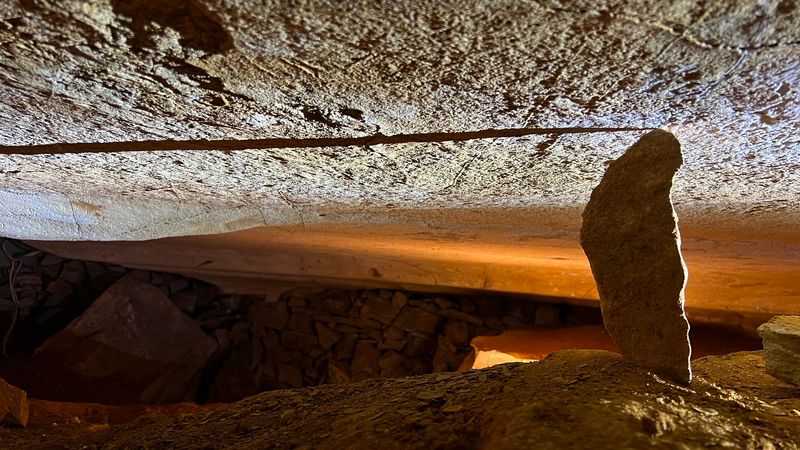
The limestone that forms walls of Rickwood Caverns began developing around 260 million years ago, during the Permian period, when this region was covered by a warm shallow sea.
Over millions of years, water slowly dissolved the rock and carved out these spectacular underground chambers.
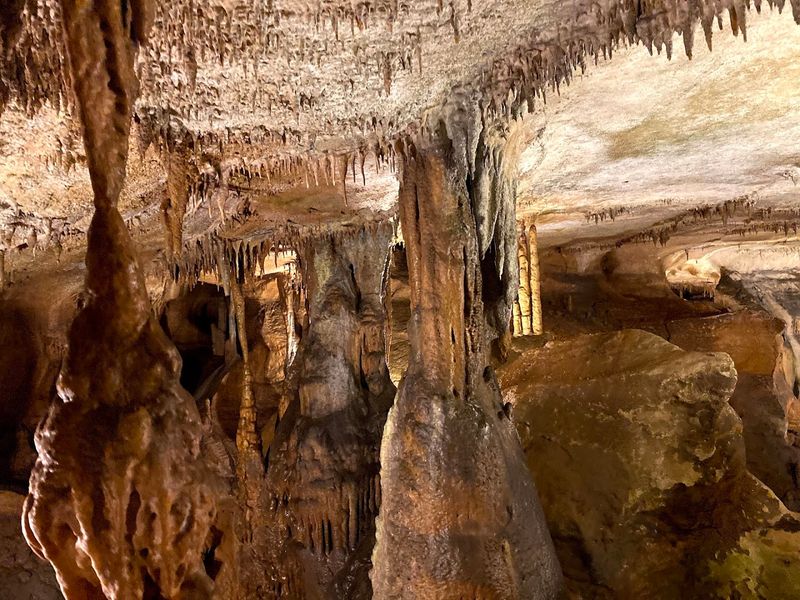
The formations you see today, stalactites hanging from the ceiling and stalagmites rising from the floor, are still growing. They grow about one cubic inch every 100 to 150 years.
That kind of patience puts everything in perspective.
When the park guide explained the timeline during the tour, a kid next to me whispered, “That is older than dinosaurs.” Honestly, that sums it up perfectly.
The cave is not just a pretty underground space. It is a living record of Earth’s deep history, told through rock and water and time, all packed into one unforgettable underground walk.
2. What The Guided Cave Tour Actually Feels Like
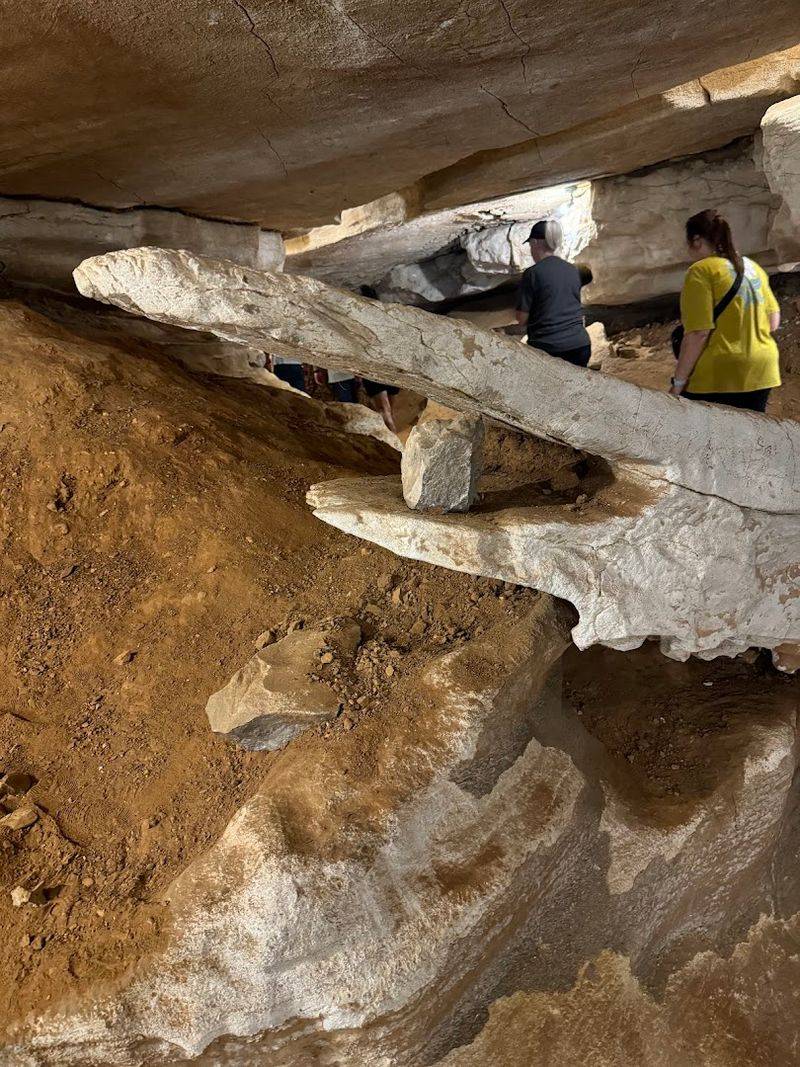
The temperature drops the moment you step underground. The cave stays at a steady 60 degrees Fahrenheit year round, which feels like a refreshing escape in Alabama’s humid summer heat.
The moment the entrance air hits your face, you understand why people keep coming back.
The guided tour runs about 45 minutes and covers roughly half a mile inside the cave.
Your guide points out specific formations, explains how they developed, and shares the history of when the cave was first discovered and opened to the public.
The lighting inside is thoughtfully placed to highlight the best formations without feeling like a theme park.
I appreciated that the tour never felt rushed. There was real time to look, absorb, and ask questions.
The path is paved and well maintained, making it accessible for most visitors. Children and adults both stay genuinely engaged the entire time.
When you exit back into daylight, you blink and realize you just walked through something most people never get to experience in their lifetime.
3. The Blind Cave Fish That Live In Total Darkness
Here is a fact that stopped me mid-step on the tour: some fish have lived in this cave so long that they lost their eyes entirely.
The blind cave fish found in the underground pools at Rickwood Caverns evolved over thousands of generations to survive without any light whatsoever. No eyes needed when there is zero sunlight.
They navigate using pressure-sensitive organs along their sides, detecting movement in the water around them. Their pale, almost translucent bodies look otherworldly under the cave lighting.
Seeing one in person feels like spotting something from a science fiction story, except it is completely real and swimming a few feet away from you.
This is one of those details that makes Rickwood Caverns more than just a pretty underground walk. The ecosystem inside the cave is its own separate world, adapted to conditions that would be impossible for most surface creatures.
The cave fish are a reminder that life finds a way in the most unexpected places. They are small, quiet, and absolutely fascinating once you know what you are looking at.
4. The Swimming Pool And Outdoor Activities Above Ground
Not everyone in your group will be equally obsessed with geology, and Rickwood Caverns thought of that.
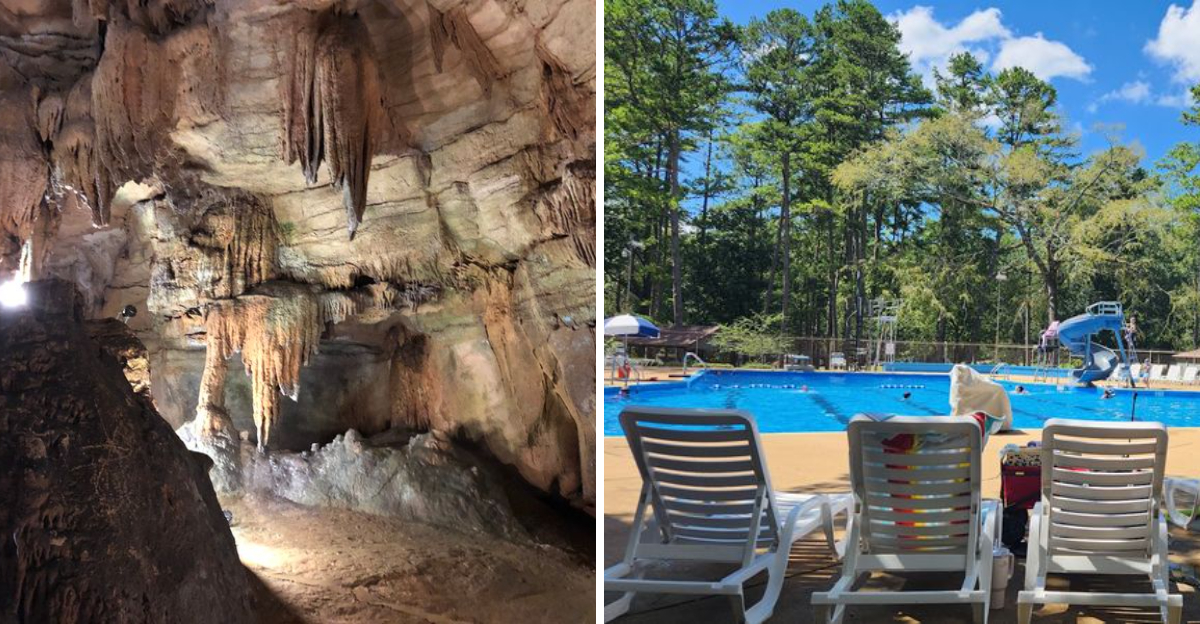
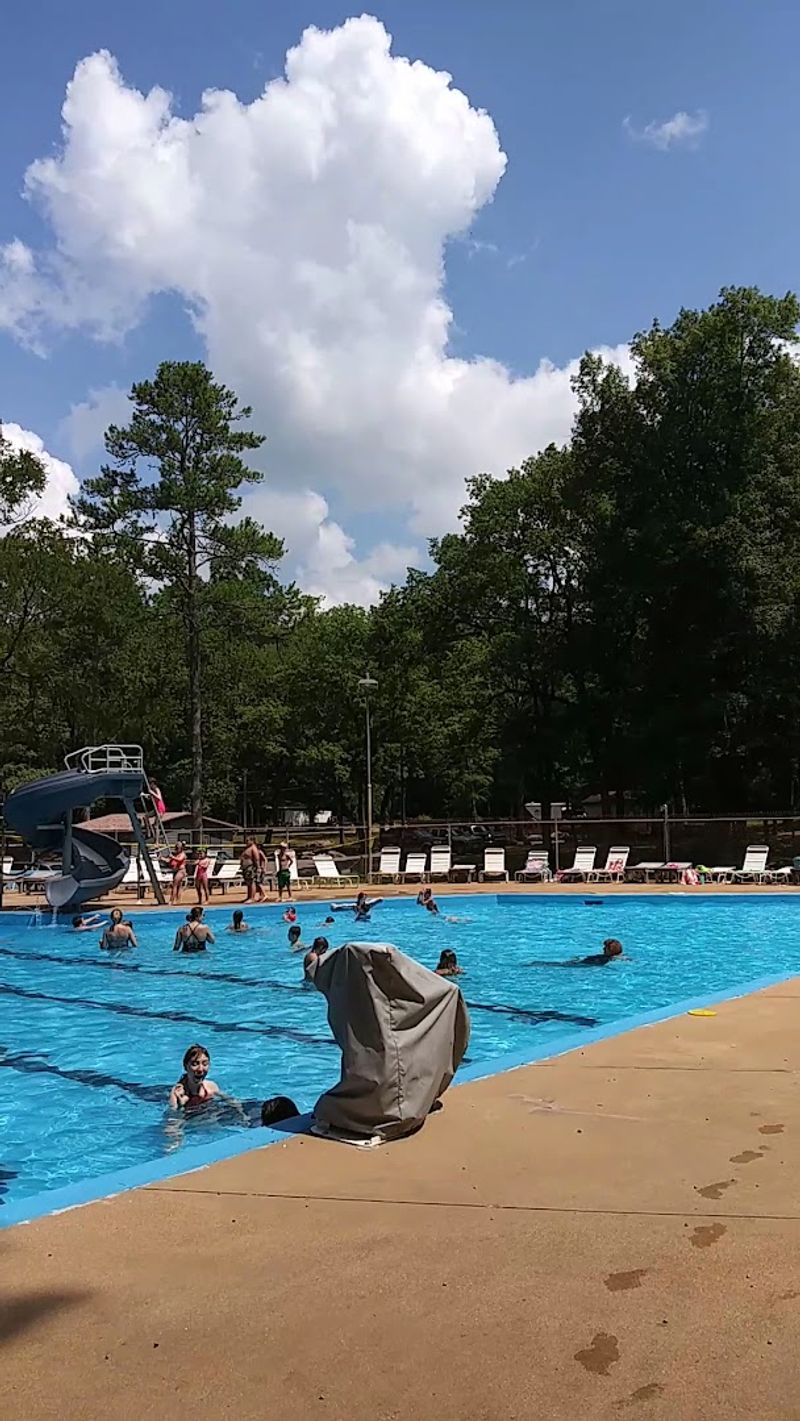
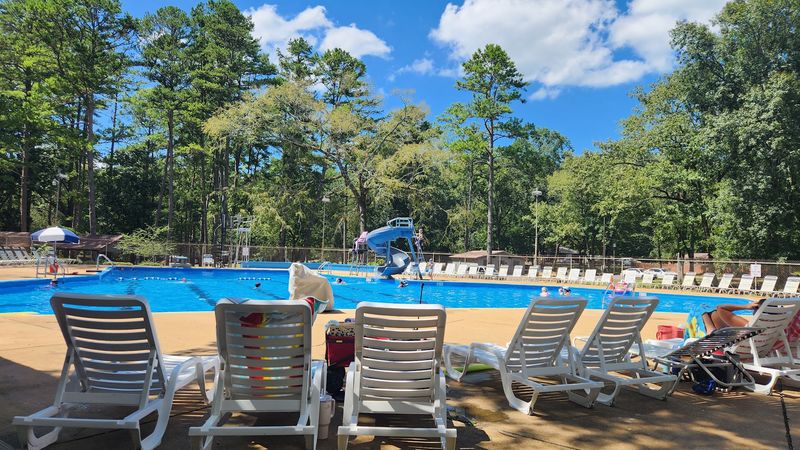
Above ground, the park offers a seasonal swimming pool, picnic areas, a miniature train ride, and a gem mining sluice that kids absolutely love.
It turns a cave visit into a full day out rather than just a quick stop.
The gem mining station deserves a special mention. You scoop a bag of sand through a water trough and sort through the material to find real mineral specimens.
It is one of those activities that costs very little but delivers a lot of excitement for younger visitors.
The picnic areas are shaded and spacious, perfect for spreading out a lunch after the cave tour. The swimming pool is open during summer months and offers a cool-down option after walking around in the Alabama heat.
The miniature train loops through a wooded section of the park and is a hit with families. There is genuinely something for every age group at this park.
5. How The Cave Was Discovered And Opened To The Public
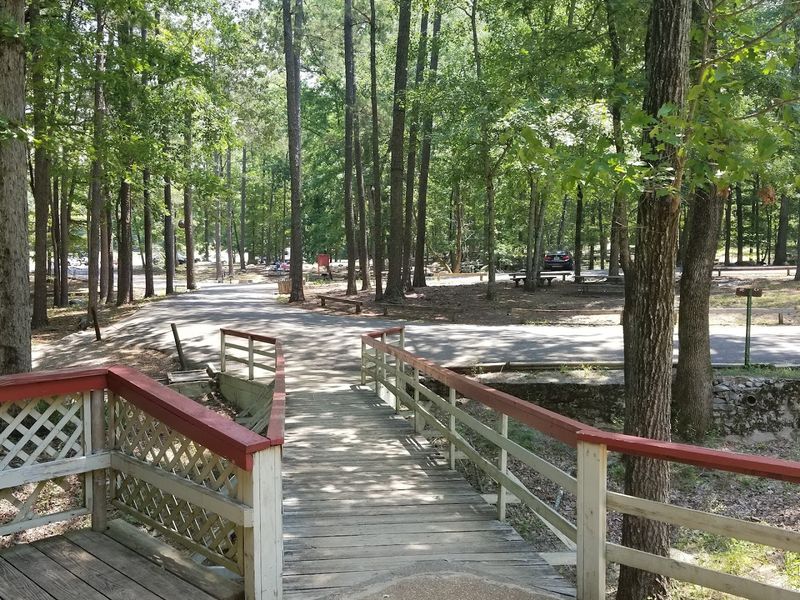
The cave did not just appear on a tourist map overnight. Local residents in the Warrior, Alabama area knew about the cave long before it became a state park, but it was formally developed and opened to the public in the mid-twentieth century.
Alabama acquired the property and began developing it as a state park attraction through the Alabama State Parks system.
The park officially became part of the Alabama State Parks network, preserving both the natural formations and the surrounding woodland.
The decision to protect the cave rather than exploit it commercially was a good one. The formations inside remain largely intact and continue to grow undisturbed.
The history of the site adds another layer to the visit. Knowing that people have been marveling at these same stalactites for decades makes you feel connected to something larger than yourself.
The cave has outlasted every trend, every generation, and every passing fad by about 260 million years. That is a track record that is hard to argue with.
If you want to understand why Alabama’s natural history matters, this cave makes the case better than any textbook ever could.
6. What To Know Before You Go
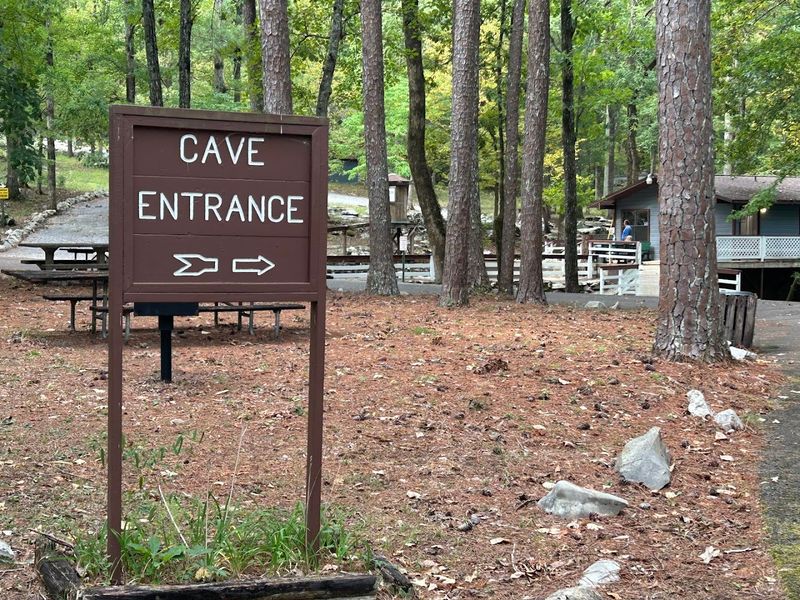
Showing up prepared makes a real difference at Rickwood Caverns. The park is located at 370 Rickwood Park Rd, Warrior, about 30 miles north of Birmingham.
The drive is straightforward and the park entrance is clearly marked. Arriving early on weekends is smart because summer tours can fill up quickly.
Wear comfortable, closed-toe shoes. The cave path is paved but can feel slippery in spots due to moisture from the formations.
A light jacket is a genuinely good idea even in July because that 60-degree cave temperature is a real shift from Alabama summer heat. Kids especially appreciate having a layer once they are inside.
Tour times are scheduled throughout the day, so check the current schedule on the Alabama State Parks website before heading out. Admission prices are reasonable and worth every dollar.
The park also has camping facilities nearby for those who want to extend the trip into an overnight adventure.
There is no bad season to visit, but spring and fall offer especially pleasant conditions for the outdoor areas above ground. Go on a weekday if you prefer a quieter experience with fewer crowds on the tour.
7. The Geology Walk And What The Formations Actually Are
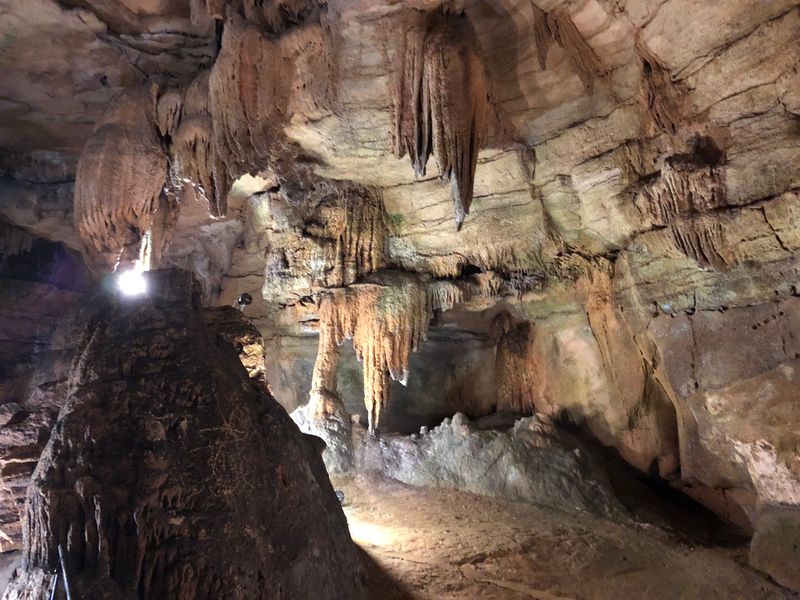
Stalactites hold tight to the ceiling. Stalagmites might one day reach great heights from the floor.
That memory trick is the first thing the guide shares, and it sticks immediately.
The formations at Rickwood Caverns come in a variety of shapes and sizes, some thin and delicate like straws, others thick and ancient-looking like columns that have been growing for centuries.
Calcium carbonate is the main ingredient. Water seeps through cracks in the limestone above, picks up dissolved minerals, and deposits them slowly over time.
Each tiny drip adds a microscopic layer.
Given enough millennia, those tiny layers become the dramatic formations you see towering above your head.
Some of the formations have been given names by guides over the years based on their shapes, which makes them easier to remember and more fun to spot.
The colors range from creamy white to amber to rust depending on the mineral content of the water that created them.
One section of the cave opens into a larger chamber where the ceiling rises dramatically and the formations cluster together in a way that genuinely takes your breath away. No photograph captures it accurately.
You have to be there.
8. Rickwood Caverns Is Worth The Trip
Birmingham has great food, great music, and great history. But a 30-minute drive north to Warrior delivers something the city simply cannot replicate.
Rickwood Caverns offers the kind of experience that resets your sense of scale and reminds you that Alabama has far more going on beneath its surface than most visitors ever discover.
I drove up on a Saturday morning with no real expectations and left genuinely moved by what I had seen.
The cave tour alone is worth the trip. Add in the outdoor activities, the gem mining, and the shaded picnic areas, and you have a full day that costs far less than most entertainment options in the city.
Families with kids of any age will find something that clicks. Adults who appreciate natural history will leave with a dozen new facts they cannot wait to share.
Even the drive through the northern Alabama hills feels like a small adventure. The park is well maintained, the staff is knowledgeable and friendly, and the cave itself delivers every single time.
Some places earn their reputation through marketing. Rickwood Caverns earns it through 260 million years of doing something extraordinary underground.