The Most Unusual Spots In North Carolina That Tourists Miss
North Carolina sometimes makes you feel like you missed something, and you probably did.
Most people roll through on their way to the Blue Ridge Parkway or the Outer Banks, check the boxes, and head home thinking they have seen it. They have not even scratched the surface.
This state keeps its best material tucked away from the main roads, the tourist maps, and honestly, most travel blogs too. I found that out the hard way after years of thinking I knew the place.
Then one wrong turn led to another, and suddenly I was standing in front of things I could not explain and could not stop thinking about.
North Carolina rewards the genuinely curious, the ones willing to slow down and ask “wait, what is that?” The places on this list are weird, wonderful, and completely real. You are going to want to clear your schedule.
1. Vollis Simpson Whirligig Park
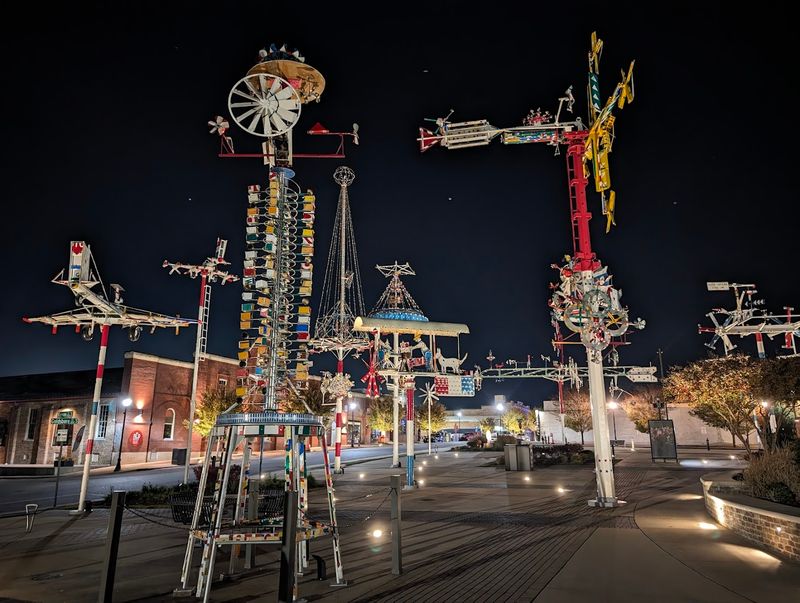
Picture hundreds of giant spinning metal sculptures catching the wind all at once. That is exactly what you get at Vollis Simpson Whirligig Park in Wilson, North Carolina.
Vollis Simpson spent decades building these massive kinetic art pieces on his farm, and the city eventually moved them into a dedicated park at 301 S Goldsboro St, Wilson.
Each whirligig is its own wild creation, made from salvaged parts and painted in bold colors. Some stand over 50 feet tall.
When the wind picks up, the whole park comes alive with spinning blades, reflective mirrors, and moving figures that catch every bit of sunlight.
Simpson started building these as a hobby after working as a mechanic. He never expected them to become internationally celebrated folk art.
The park is free to visit and open year-round.
Evening visits are especially magical because the sculptures are lit up and glow against the night sky. Kids absolutely love it, and honestly, so do adults who thought they were too cool to be impressed by spinning metal.
Go before a storm rolls in, because watching these things spin in the wind is genuinely unforgettable.
2. Shangri-La Stone Village
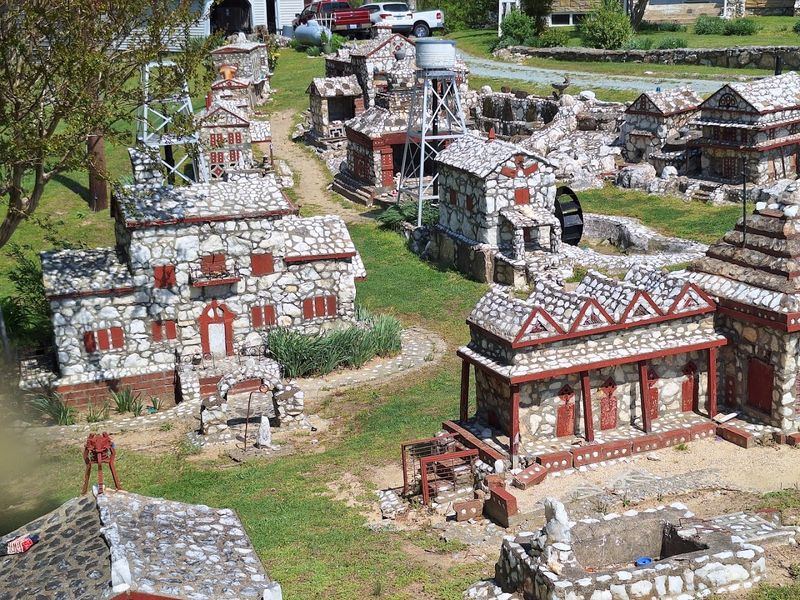
Henry Warren spent over 30 years building a tiny stone village in his front yard, and it is one of the most quietly astonishing things you will see in this state.
Shangri-La Stone Village sits at 11535 NC-86 in Prospect Hill, and it looks like a fantasy world scaled down to dollhouse size. Warren started building it in 1968 after a hospital stay left him with time to think and hands ready to work.
The village includes miniature castles, churches, bridges, and towers, all made from stones Warren collected himself. Every structure is detailed and intentional.
There are tiny figurines, miniature roads, and even small bodies of water built into the landscape.
Warren passed away in 2012, but his family has maintained the property and welcomes visitors. There is no admission fee, though donations are appreciated.
The site is easy to miss if you are driving fast, so slow down around that stretch of NC-86. Standing in front of it feels like discovering something that was never meant to be famous, which somehow makes it even better.
Bring a camera, because photos do not do it full justice but you will want them anyway.
3. Shell-Shaped Gas Station
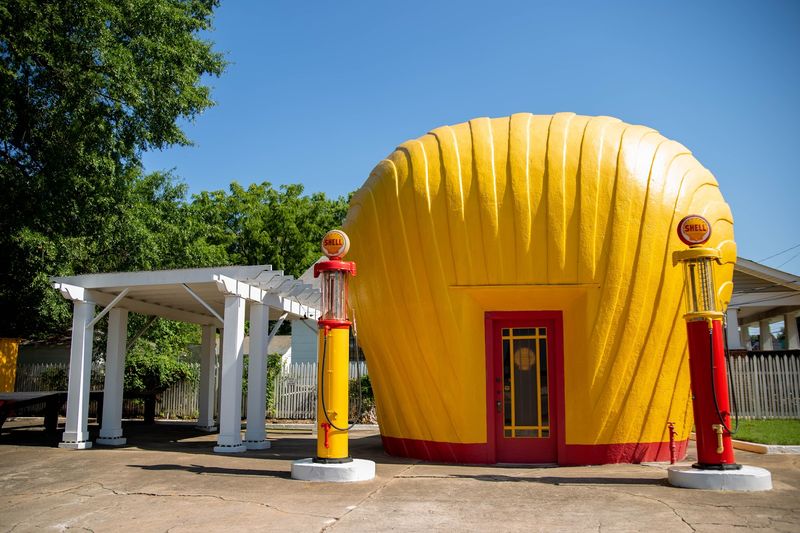
Only one of the original shell-shaped Shell gas stations still exists in the United States, and it is sitting right there in Winston-Salem at 1111 E Sprague St.
Built in 1930, the building is literally shaped like a giant scallop shell. It was a clever marketing move by Shell Oil, which briefly experimented with novelty architecture to attract drivers.
At some point, most of these quirky stations were torn down or converted. Winston-Salem held onto theirs, and it is now a protected historic landmark.
The shell shape is unmistakable, painted bright yellow, and looking exactly like what it is supposed to be.
The station is no longer operating as a gas station, but the building is preserved and sits in a quiet residential neighborhood.
You can walk up and look at it up close, which is more than most historic sites allow. The scale is smaller than you might expect from photos, which somehow makes the whole thing more charming.
It is the kind of place where you pull over, stare at it for a minute, and then laugh because someone actually built this and it is still standing. Pure American weirdness, lovingly preserved.
4. Korner’s Folly
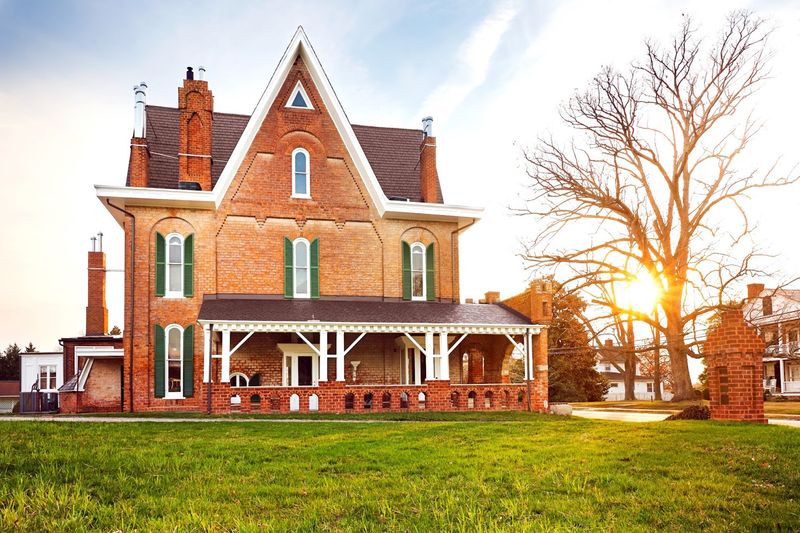
Korner’s Folly in Kernersville is the kind of place that makes you question everything you know about how houses are supposed to work.
Built by Jule Gilmer Korner in 1880, the house has 22 rooms spread across seven floor levels. No two rooms share the same ceiling height, and some ceilings are so low you have to duck to get through.
Korner designed it as a showcase for his decorating business, so every surface is painted, carved, or embellished in some way.
There are hand-painted ceilings, custom-built furniture, and theatrical spaces that served as a private theater for family performances. The whole building at 401 South Main St, Kernersville, feels like a Victorian fever dream, but a very organized and intentional one.
The home is now a museum and National Historic Landmark. Guided tours are available and genuinely entertaining, because guides are good at explaining the logic behind what looks like pure chaos.
Korner was not eccentric for the sake of it. He had reasons for every strange decision, and hearing them makes the house make a strange kind of sense.
Plan at least 90 minutes, because there is more to look at than you expect and you will keep wanting to peek into the next room.
5. Stanley Rehder Carnivorous Plant Garden
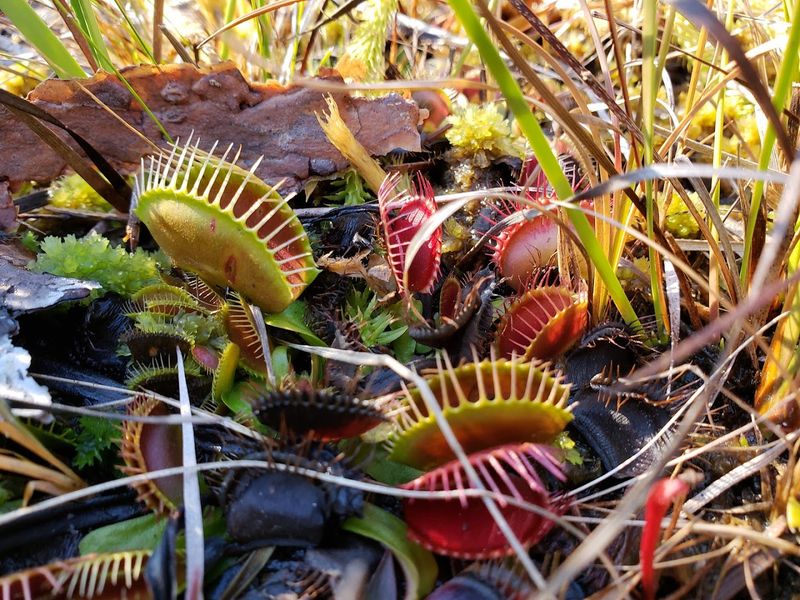
Venus flytraps are native to only a tiny region of the world, and a big chunk of that region is right here in North Carolina.
The Stanley Rehder Carnivorous Plant Garden is a free public garden dedicated entirely to carnivorous plants, and it is unlike anything most people have seen outside of a documentary.
The garden features Venus flytraps growing in their natural habitat, along with pitcher plants, sundews, and other meat-eating species.
Seeing them in the wild, rather than in a pot on someone’s windowsill, changes your understanding of how strange and specialized these plants really are.
They evolved to eat insects because the soil they grow in is too poor in nutrients to survive otherwise.
The best time to visit is late spring through summer, when the plants are most active and easiest to spot. The garden at 3800 Canterbury Rd in Wilmington is part of Piney Woods Park, so the surrounding landscape is also worth exploring.
Do not touch the plants, even though every instinct will tell you to poke a flytrap.
They need their energy to catch real food, and repeated triggering weakens them. It is a small but genuinely fascinating place that most Wilmington visitors never find.
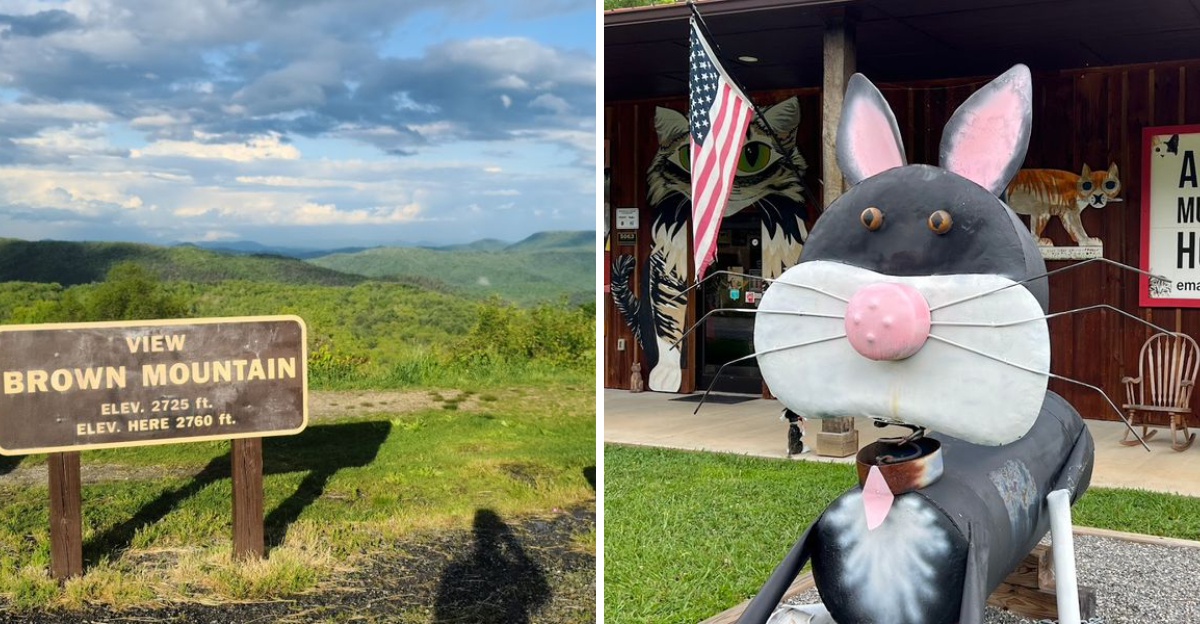
6. Brown Mountain Lights Overlook
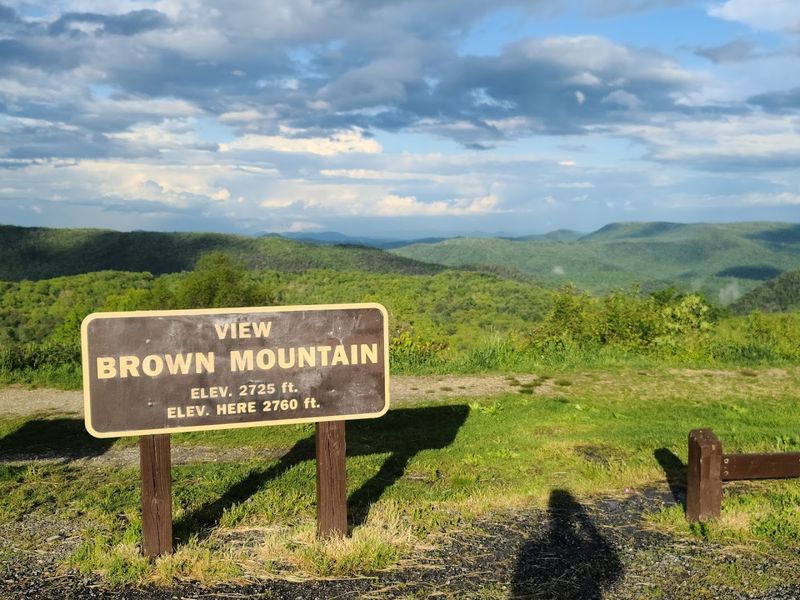
Nobody has fully explained the Brown Mountain Lights, and that is exactly what makes them worth chasing. For centuries, people have reported seeing unexplained glowing orbs rising above Brown Mountain in Burke County.
Native American legends reference them. Early European settlers wrote about them.
Scientists have studied them and still cannot agree on a single cause.
The best public viewing spot is the overlook on NC-181 near Jonas Ridge. On a clear night with low humidity, the lights appear as faint glowing spheres that rise, drift, and fade.
They are not car headlights or aircraft, and they appear in weather and terrain conditions that rule out most conventional explanations. The National Geographic Society investigated them in 1913.
Bring a blanket and patience, because the lights do not perform on demand. Some nights you will see them clearly, other nights not at all.
The overlook itself offers a great view of the mountains regardless, so the trip is worthwhile even if the lights stay shy. Go on a weeknight to avoid crowds, and let your eyes adjust to the dark for at least 20 minutes before you start looking.
The experience of waiting and watching in that quiet mountain dark is its own kind of reward.
7. Wiseman’s View Overlook
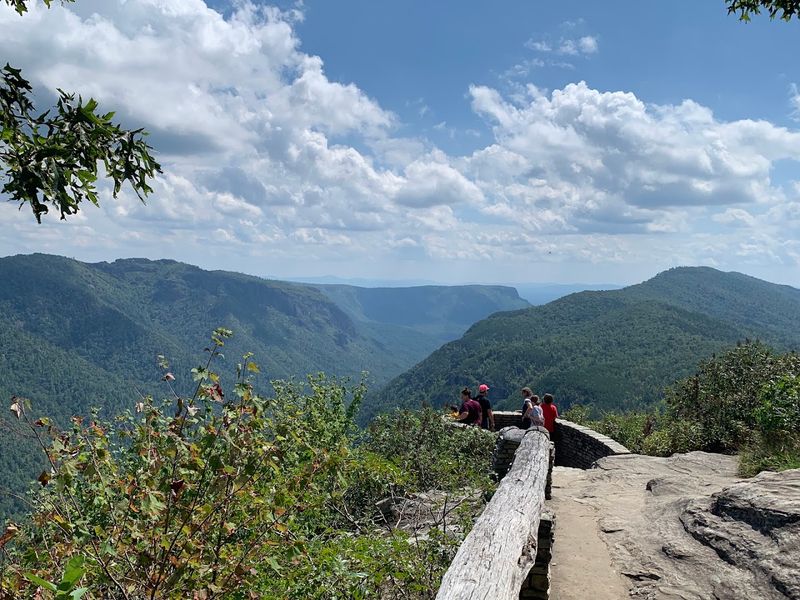
Linville Gorge is sometimes called the Grand Canyon of the East, and standing at Wiseman’s View Overlook for the first time, that comparison starts to feel reasonable.
The gorge drops over 2,000 feet in places, and the view from the overlook stretches across miles of dense wilderness with no roads cutting through it. It is raw and enormous in a way that photos consistently fail to capture.
Getting there requires a short but unpaved drive on a forest road near Newland in the Linville Gorge Wilderness area. The road is rough, and a vehicle with decent clearance helps.
Once you park and walk to the overlook, the payoff is immediate. You are standing at the edge of one of the most intact wilderness areas in the eastern United States.
This is also one of the best spots in the region to see Brown Mountain from a different angle, and on clear nights, some visitors report seeing the famous lights from here too.
Mornings offer the best light for photos, with mist often sitting in the gorge below. Wear shoes with grip because the rock surfaces near the edge can be uneven.
Go on a weekday if possible, because this spot has started attracting more visitors in recent years and the solitude is half the appeal.
8. Merchants Millpond State Park
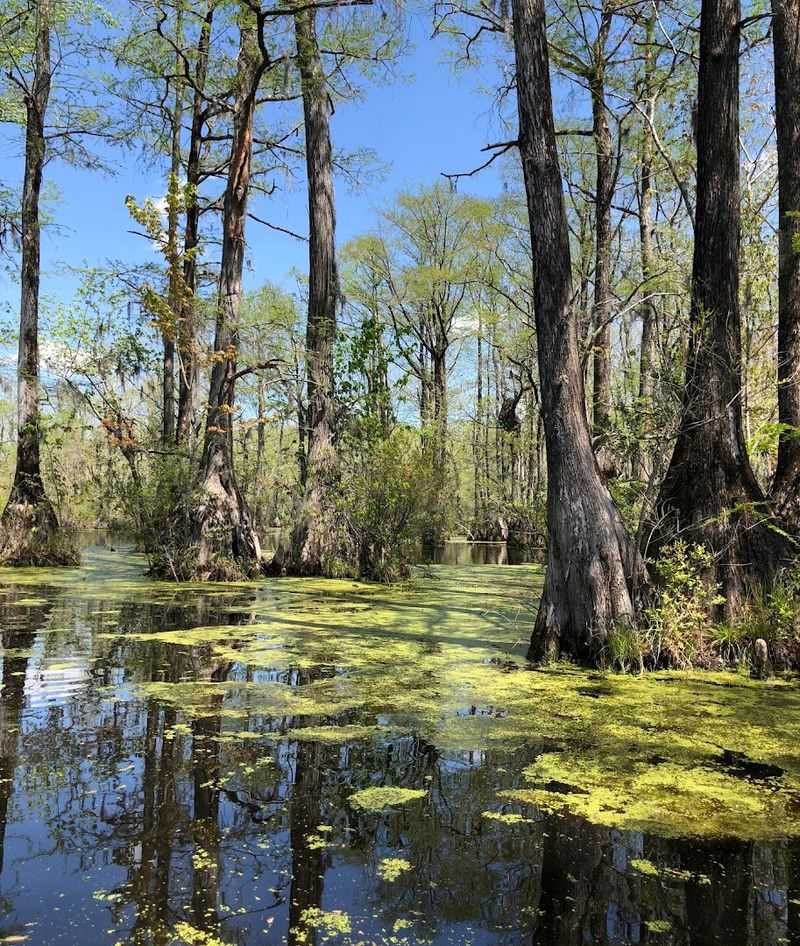
Merchants Millpond State Park looks like something out of a Southern Gothic novel, in the most wonderful way.
The millpond at 176 Millpond Rd in Gatesville is covered in ancient bald cypress trees draped in Spanish moss, their roots rising from dark, mirror-still water. The whole place feels prehistoric, like the landscape forgot to move on with the rest of the world.
The park is one of the least visited state parks in North Carolina, which is baffling given how extraordinary it is. Canoe and kayak rentals are available, and paddling through the cypress trees is a genuinely surreal experience.
The water is so still in the early morning that the reflections are nearly perfect.
Wildlife here is abundant and visible. Great blue herons stand motionless in the shallows.
Turtles line up on every available log.
River otters occasionally pop up near the kayaks. The park also has hiking trails and primitive camping for those who want to stay longer.
The millpond itself dates back to 1811, when a mill dam was built on Bennetts Creek.
The resulting pond slowly transformed into the cypress-filled landscape you see today. It took over 200 years to look this good, and it was absolutely worth the wait.
9. American Museum Of The House Cat
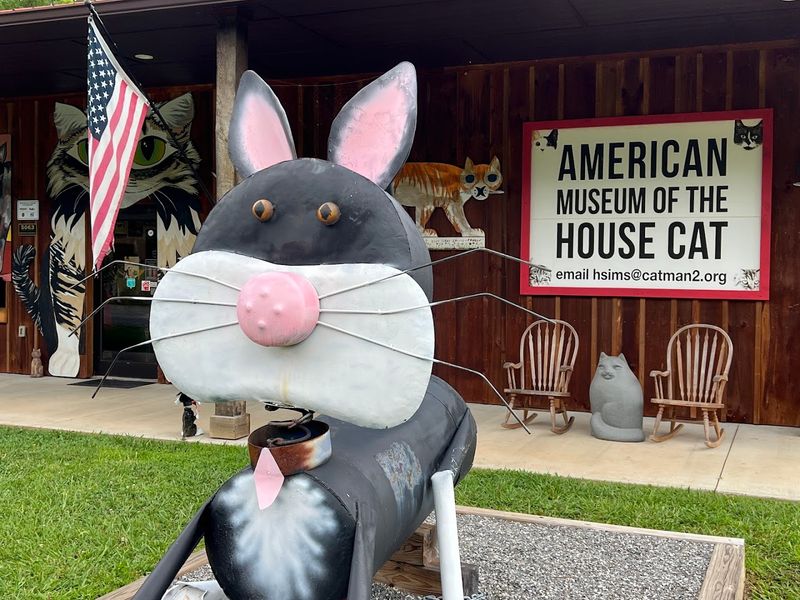
There is an entire museum dedicated to the domestic house cat, and it is exactly as delightful as it sounds.
The collection was put together by Harold Sims, a man who clearly decided that cats deserved their own cultural institution.
The American Museum of the House Cat is located at 5063 US Highway 441 South in Sylva, inside a cat sanctuary called Catman2.
The museum houses over 10,000 cat-related artifacts, including antique figurines, vintage advertisements, folk art, rare books, and cat-themed objects from around the world.
Some pieces date back hundreds of years. The sheer variety is staggering for anyone who assumed this would just be a room full of cat posters.
What makes it even better is that real rescue cats wander freely through the museum while you browse. You might be examining a 19th-century cat portrait and then feel a real cat bump into your leg.
Admission is low, and the proceeds support the cat rescue operation on the property. It is a genuinely warm and well-curated space, not just a novelty stop.
Cat lover or not, the depth of the collection will surprise you. Sylva is a great little town to explore before or after your visit.
10. Biltmore Estate Gardens
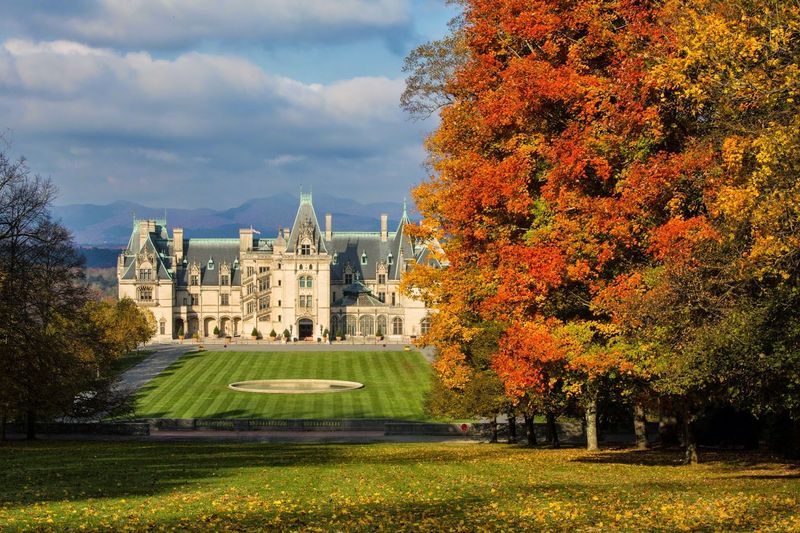
Located at Biltmore Estate, these gardens are far more than a quick add-on to a mansion visit, they are a destination on their own.
The estate covers roughly 8,000 acres, with miles of trails, forests, and carefully designed landscapes created by renowned landscape architect Frederick Law Olmsted.
What makes this place stand out is the variety.
Within a single visit, you can walk through formal gardens filled with seasonal blooms and visit a glass conservatory packed with tropical plants. There, you can find yourself on quiet trails that feel completely removed from everything else.
The gardens change dramatically throughout the year. Spring brings tulips and azaleas, summer fills the grounds with roses and hydrangeas, and even in cooler months, the landscape still feels carefully curated rather than dormant.
Despite its popularity, it is surprisingly easy to find quiet corners, especially if you move beyond the main house area. The scale alone helps with that.
Distances between sections can take time to cover, which keeps crowds spread out.
It is not hidden, but the sheer size and variety make it feel like several different places in one, which is exactly why it earns a spot on this list.