10 Hidden North Carolina Towns That Make The Perfect Low-Cost Getaway
Some of the best trips I have ever taken started with zero planning, a half-tank of gas, and absolutely no agenda.
That is not a travel strategy most people would recommend, but North Carolina can make it work in your favor.
The state is full of smaller towns that never made it onto the glossy travel posters, and that is precisely what makes them worth your time.
No elbow-to-elbow crowds, no overpriced everything, no feeling like you are moving through a theme park version of a real place.
Just genuine character, good food, and the kind of pace that reminds you what a weekend away is actually supposed to feel like.
I have wandered into enough of these towns by accident to know they deserve a proper spotlight. If your travel budget is tighter this year and your patience for tourist traps is even tighter, this list was written for you.
1. Mount Airy
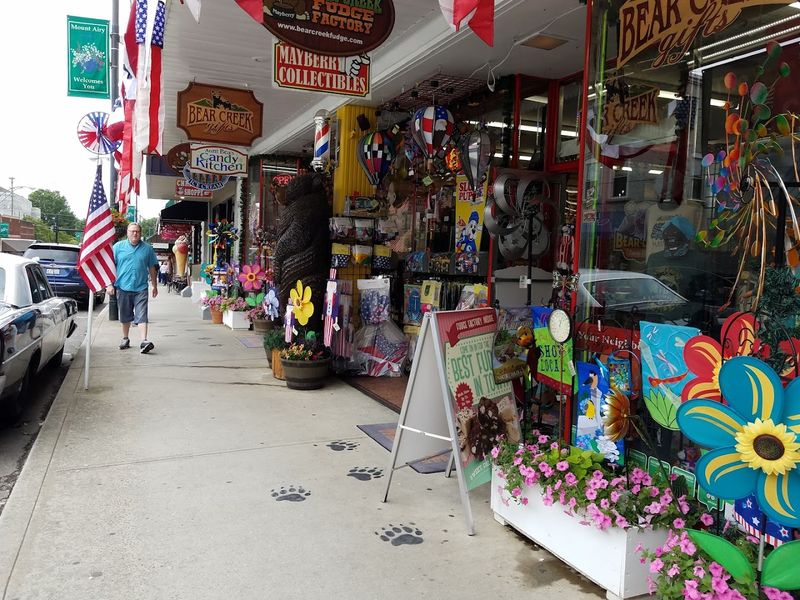
Mount Airy is the real-life inspiration for Mayberry, the fictional town from The Andy Griffith Show, and it genuinely feels like stepping into a friendlier era.
Andy Griffith himself was born here, and the town celebrates that legacy in a way that feels proud rather than cheesy.
Main Street is lined with affordable shops, old-school diners, and a barbershop that has been cutting hair longer than most of us have been alive.
The Snappy Lunch diner is a local institution that has been serving its famous pork chop sandwich since 1923. You will not spend more than ten dollars on a meal that leaves you completely satisfied.
The surrounding area offers easy hiking at Pilot Mountain State Park, just a short drive away. Granite quarries, bluegrass music, and genuinely kind locals round out the experience.
Mount Airy proves that a town does not need a famous skyline to leave a lasting impression. Budget travelers will appreciate that most attractions here are free or very low cost.
2. Bryson City
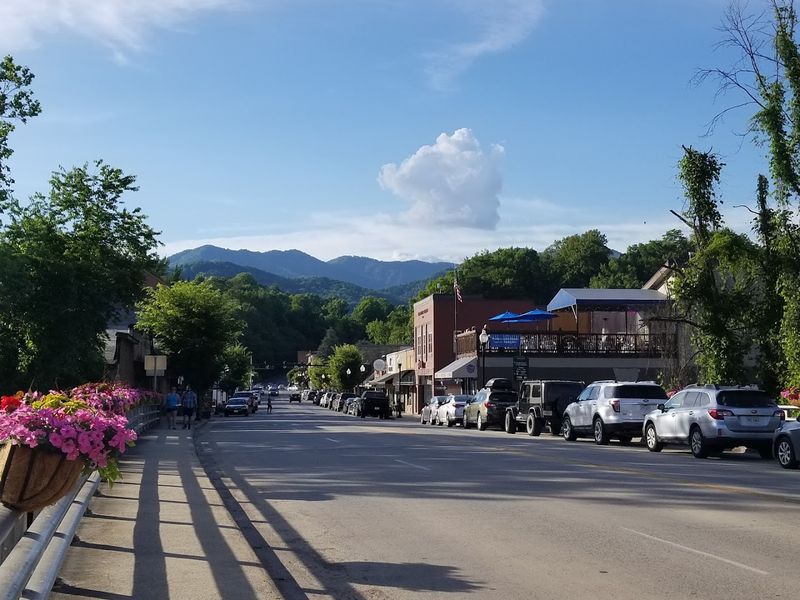
This town sits right at the edge of the Great Smoky Mountains National Park, which means you get jaw-dropping mountain scenery without paying resort prices.
Bryson City itself is small and easy to explore on foot, with a relaxed pace that immediately slows your heartbeat in the best possible way.
The Nantahala Outdoor Center nearby offers whitewater rafting on the Nantahala River at reasonable rates, and the river is stunning regardless of whether you get in the water.
The Great Smoky Mountains Railroad departs from Bryson City and runs scenic excursions through mountain gorges that genuinely take your breath away.
Downtown has a handful of locally owned restaurants and shops where prices are fair and the food is made with actual care. Fontana Lake is close by and offers free shoreline access for fishing and picnicking.
Lodging options range from budget motels to cozy cabins that cost far less than what you would pay in Asheville. Bryson City rewards the curious traveler who is willing to look just a little further down the map.
3. Brevard
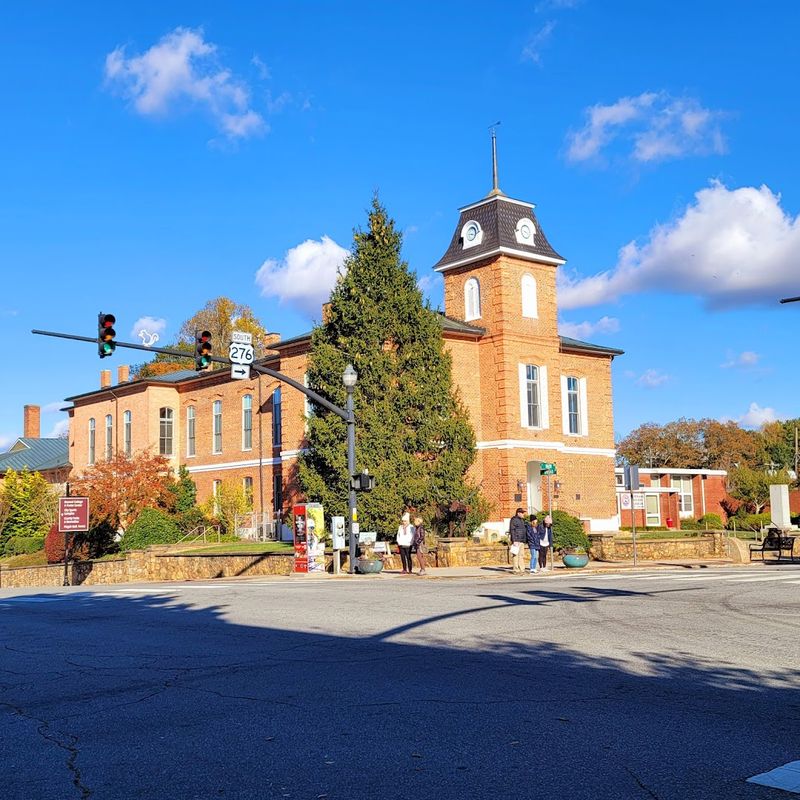
the town which has a reputation among outdoor lovers has somehow managed to stay affordable and genuinely welcoming rather than turning into a polished tourist machine.
Brevard sits in Transylvania County, which sounds dramatic, and honestly the landscape lives up to the name.
Pisgah National Forest wraps around the area and offers hundreds of miles of trails alongside some of the most spectacular waterfalls in the entire eastern United States.
Looking Glass Falls is free to visit and sits right off the road, which means you can pull over and stand in front of a roaring waterfall in under five minutes. Not many places let you do that.
The charming downtown along West Main Street has independent bookstores, a small brewery scene, and live music venues that charge little to nothing at the door.
Brevard is also home to a thriving arts community and hosts the Brevard Music Center, which offers summer performances at surprisingly affordable ticket prices.
Camping options in the national forest are plentiful and inexpensive. For a town this beautiful, Brevard in North Carolina asks remarkably little of your budget.
4. Hendersonville
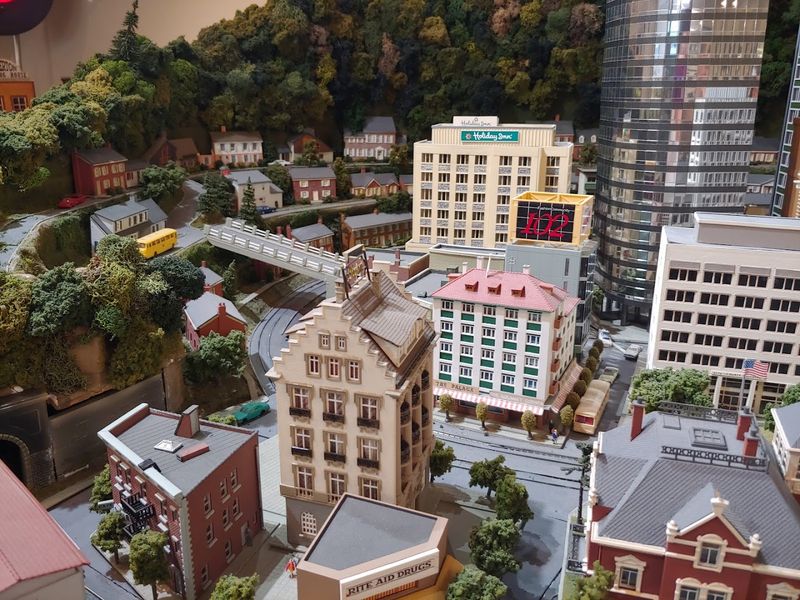
Hendersonville is the kind of town that makes you feel instantly at home, mostly because everyone walking down the street seems genuinely happy to be there.
It sits in the Blue Ridge Mountains at an elevation that keeps summers cool and autumns absolutely spectacular.
The town is one of North Carolina’s top apple-producing regions, and in the fall, you can visit local orchards like Sky Top Orchard on Pinnacle Mountain Road for apple picking that costs almost nothing and tastes like the season itself.
Main Street downtown is a well-preserved stretch of historic storefronts filled with antique shops, local eateries, and art galleries that are free to browse.
Carl Sandburg’s home, Connemara, is preserved as a national historic site just outside town and charges only a small entry fee.
The surrounding countryside is ideal for cycling and leisurely drives through rolling farmland.
Hendersonville also hosts several free outdoor festivals throughout the year that draw friendly crowds without any of the chaos of bigger city events.
It is the kind of place you visit for a weekend and start looking up real estate listings by Sunday afternoon.
5. Waynesville
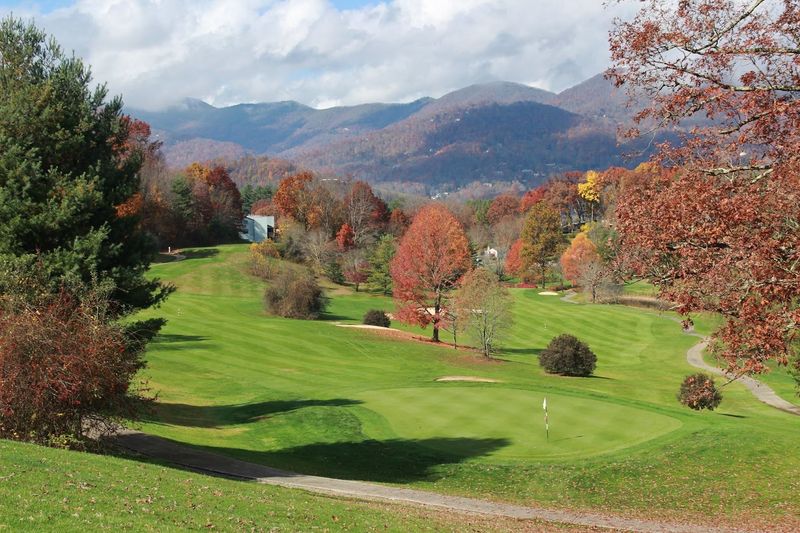
Tucked into the Balsam Mountains at about 2,600 feet, the air up there in Waynesville genuinely feels different. Cooler, cleaner, and somehow quieter than anything you breathe in a city.
It is the kind of place that immediately makes you exhale.
Main Street is one of the most charming in western North Carolina, lined with locally owned galleries, boutiques, and restaurants that source ingredients from nearby farms.
The Blue Ridge Parkway is just minutes away, offering free scenic drives that change character with every season. Fall foliage here is absolutely ridiculous in the best possible sense.
Waynesville hosts Folkmoot USA every summer, an international folk festival that brings dancers and musicians from around the world to perform in a town of fewer than 10,000 people.
It is genuinely one of the more surprising cultural experiences you can have in the state for very little money.
Affordable bed and breakfasts line the surrounding hills, and the town has a welcoming arts community that keeps things interesting year-round.
Waynesville is proof that small towns can punch well above their cultural weight without charging you for the privilege.
6. Beaufort
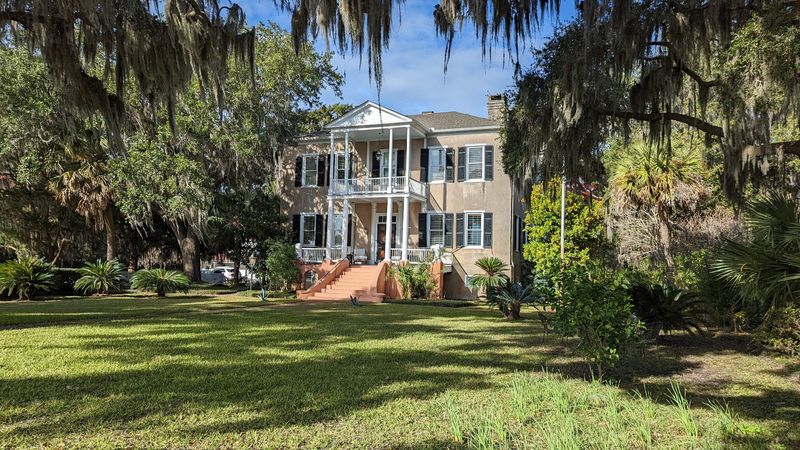
As one of those coastal towns, Beaufort manages to feel historic and alive at the same time, which is rarer than you might think.
Founded in 1709, it is one of the oldest towns in North Carolina, and the waterfront district still carries the bones of that old maritime character.
The North Carolina Maritime Museum on Front Street is free to enter and does a genuinely excellent job of telling the story of the coast, including the discovery of artifacts from the Queen Anne’s Revenge shipwreck.
Wild horses roam the nearby Rachel Carson Reserve, and you can take a short ferry ride from the waterfront to get surprisingly close to them. That alone is worth the trip.
Front Street is lined with seafood restaurants, ice cream shops, and local boutiques where prices stay reasonable compared to trendier coastal destinations.
The town is walkable, the people are friendly, and the sunsets over Taylor Creek are completely free. Beaufort does not try too hard, and that is exactly why it works so well.
It is a coastal escape that respects your time and your budget equally.
7. New Bern
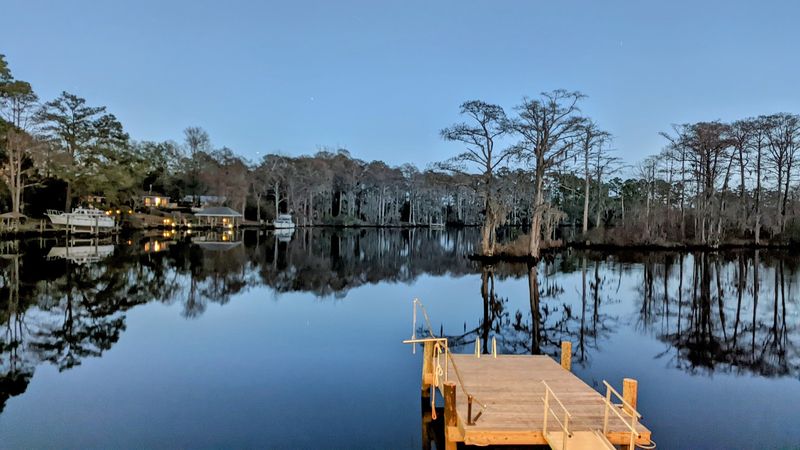
Pepsi-Cola was invented here in 1898 by a pharmacist named Caleb Bradham. The original drugstore location at Middle Street now operates as a Pepsi store and small museum, and it is absolutely free to visit.
Beyond the soda history, New Bern is a beautifully preserved colonial city sitting at the confluence of the Neuse and Trent rivers.
Tryon Palace, the restored colonial capital of North Carolina, offers guided tours and elaborate formal gardens that are genuinely impressive for the price of admission.
History feels layered and real here, not like a theme park version of the past.
The downtown area along Pollock and Middle Streets is filled with independent restaurants, antique shops, and art galleries that give the city a creative energy without the inflated prices of larger arts destinations.
Bears are New Bern’s unofficial mascot, and you will spot bear statues tucked around the city in unexpected places, which makes for a surprisingly entertaining scavenger hunt.
Affordable lodging options are plentiful, and the riverfront parks are completely free. New Bern rewards curious travelers who appreciate history served with a little personality.
8. Black Mountain
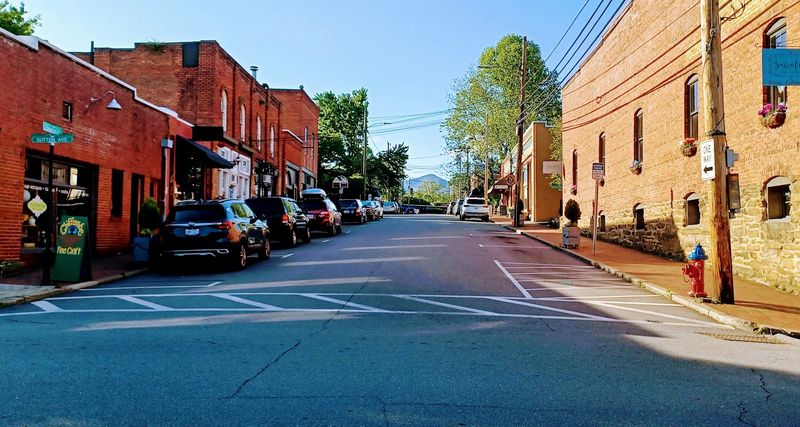
It earned its reputation as an arts town decades ago, and the creative energy has never really left.
Black Mountain College, which operated from 1933 to 1957, attracted artists like Robert Rauschenberg and Merce Cunningham, and that legacy still shapes the town’s personality in visible ways.
The downtown stretch along State Street is one of the most walkable and genuinely interesting in all of western North Carolina.
Studios, galleries, and craft shops sit side by side with coffee houses and restaurants that feel like they were designed by people who actually care about food.
The Black Mountain Center for the Arts hosts rotating exhibits and performances that are often free or very low cost.
Montreat, a small community just up the road at 401 Assembly Drive, offers beautiful trails through a gorge with a cold, clear creek running alongside the path.It is one of those hikes that feels like it should cost something but does not.
The town sits at about 2,400 feet, so summers are mild and the surrounding ridgelines turn into a color show every October. Black Mountain is small, but it is never boring.
That is a rare combination at any price point.
9. Sylva
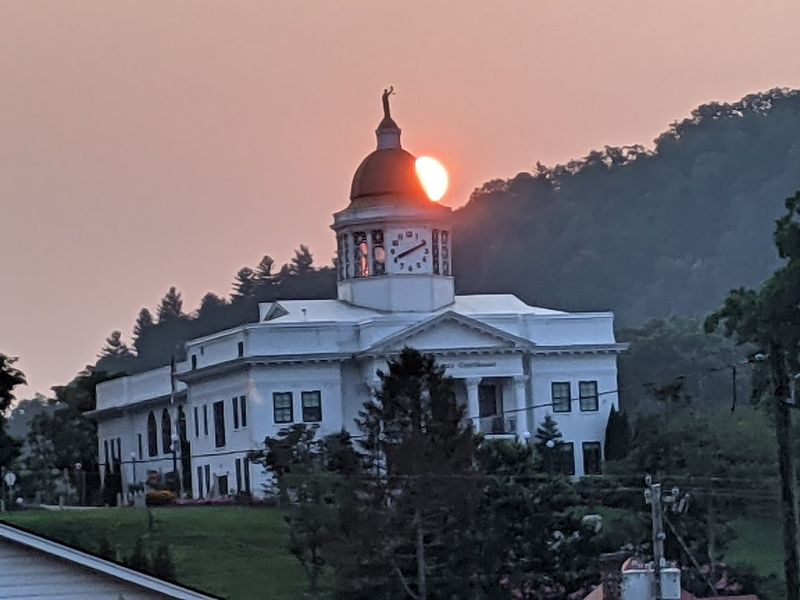
Sylva might be the most underestimated town in the entire state. Perched in the Tuckasegee River valley, it has a hilltop courthouse that looks like it was designed specifically to make every photograph beautiful.
The building sits above Main Street like a postcard nobody bothered to print at scale.
The downtown has a compact, walkable energy with a strong independent business community.
City Lights Bookstore on Jackson Street is a genuinely excellent independent bookshop with a thoughtful selection and a staff that clearly reads everything on the shelves.
It is the kind of place where you walk in for one book and leave with four.
The surrounding Jackson County offers some of the best gem mining in the region, with commercial mines like Gem Mine at 4151 Sylva Road in nearby Whittier that let you sift through buckets of ore for a modest fee.
Kids and adults both lose their minds over it in the best possible way. The Tuckasegee River runs through town and offers accessible fishing and kayaking.
Sylva is also close enough to Cashiers and Highlands to serve as a much more affordable base camp for exploring that gorgeous corner of the mountains.
10. Sanford
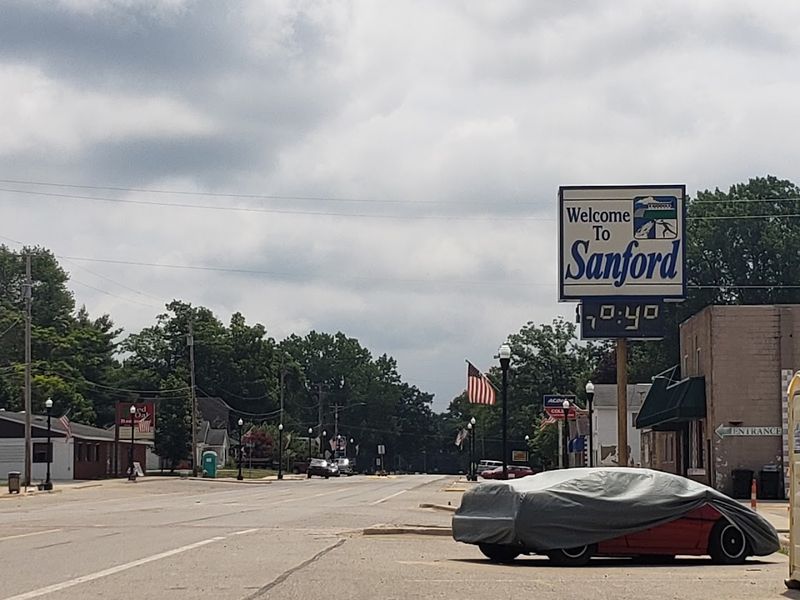
This town does not usually make the travel lists, and that is exactly what makes it worth talking about.
Located in Lee County in the central Piedmont region, it sits at a comfortable distance from both Raleigh and the Pinehurst golf corridor, making it a genuinely useful and affordable base for exploring central North Carolina.
The town has a strong pottery tradition rooted in the surrounding Sandhills clay belt.
The area is part of the broader North Carolina Pottery Highway, a self-guided driving route that connects working studios and galleries throughout the region.
You can watch artists throw pots, browse finished work, and buy directly from makers at prices that do not have a gallery markup attached.
Downtown Sanford along Carthage Street has been quietly reinvesting in itself, with new restaurants, a renovated theater, and small businesses filling historic storefronts that have real architectural character.
The Railroad House Historical Association Museum offers a look at local history for almost nothing.
Deep River Regional Park provides easy outdoor access with trails, picnic areas, and open green space. Sanford is not trying to be trendy, and that honesty is refreshing.
Sometimes the best travel experiences come from the places that are simply, genuinely themselves.