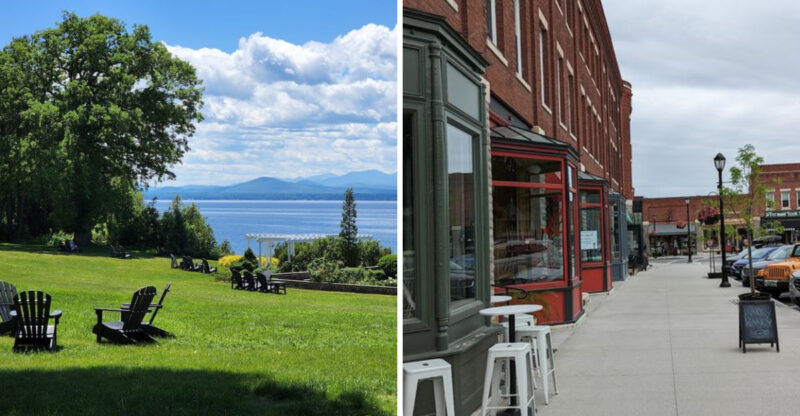
These Virginia Towns Prove Some Places Never Lose Their Magic
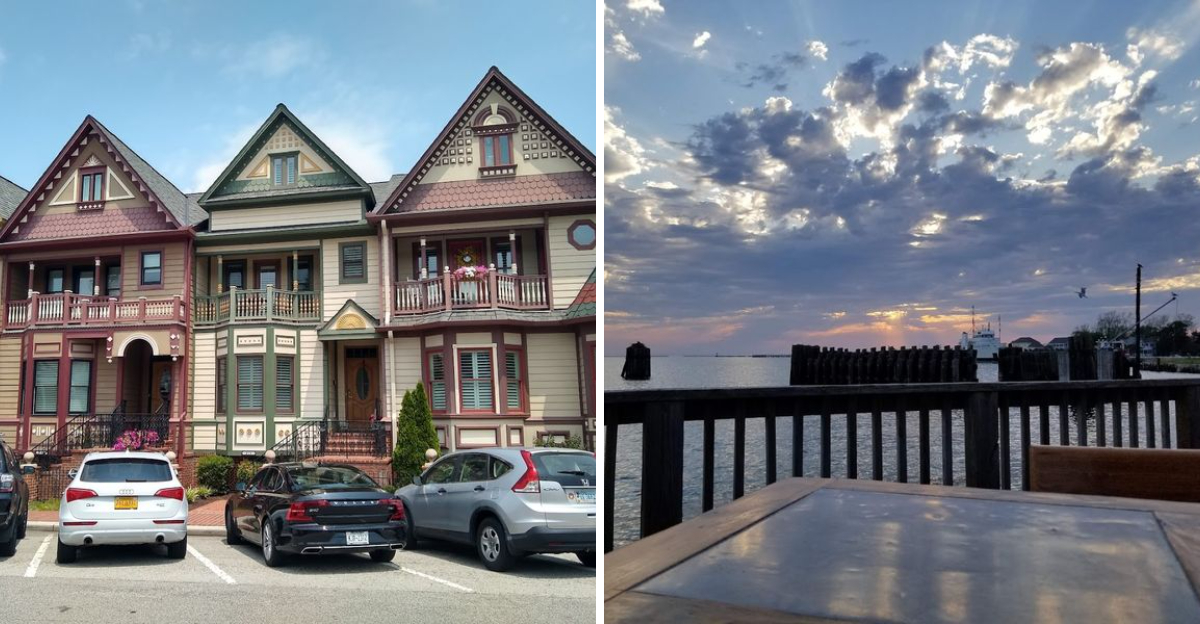
Virginia can make you feel like you stumbled onto something nobody else has found yet. Even when you are standing in the middle of a town that has been charming visitors for three hundred years.
That is a rare skill, and this state has quietly perfected it.
You can drive through expecting a quick stop and end up rearranging your entire itinerary because a single street was too good to leave.
It happens here more than anywhere else I have been, and I have stopped being surprised by it.
Virginia keeps offering up versions of itself that feel completely different from one another.
The Blue Ridge Mountains, the Chesapeake shore, and everything in between each carry their own personality, and the hardest part is always deciding where to start.
The small towns especially know how to get under your skin. You come for an afternoon and start mentally calculating how long you could actually stay.
1. Abingdon
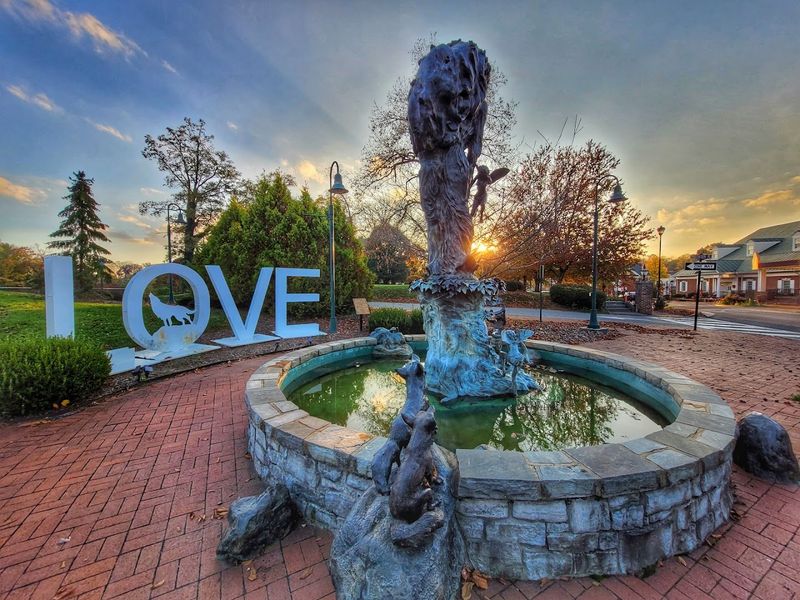
Abingdon has been doing its own thing since 1778, and honestly, it has never needed your approval. Sitting in the far southwest corner of Virginia, this town moves at its own pace and pulls you right along with it.
The Barter Theatre, founded in 1933 during the Great Depression, is the oldest professional theater in America still running.
People used to pay for tickets with farm produce. Now you pay with cash, but the magic inside that old building has not changed one bit.
Main Street here is lined with galleries, independent shops, and restaurants that feel genuinely local. The Martha Washington Inn, a stunning historic hotel, adds a layer of elegance that somehow never feels stuffy.
Walk the Virginia Creeper Trail, which starts right in town, and you will understand why people keep coming back year after year.
Abingdon rewards slow travel. The kind where you sit on a bench, eat something good, and realize you have been there three hours and seen only two blocks.
That is not wasted time. That is the whole point.
2. Staunton
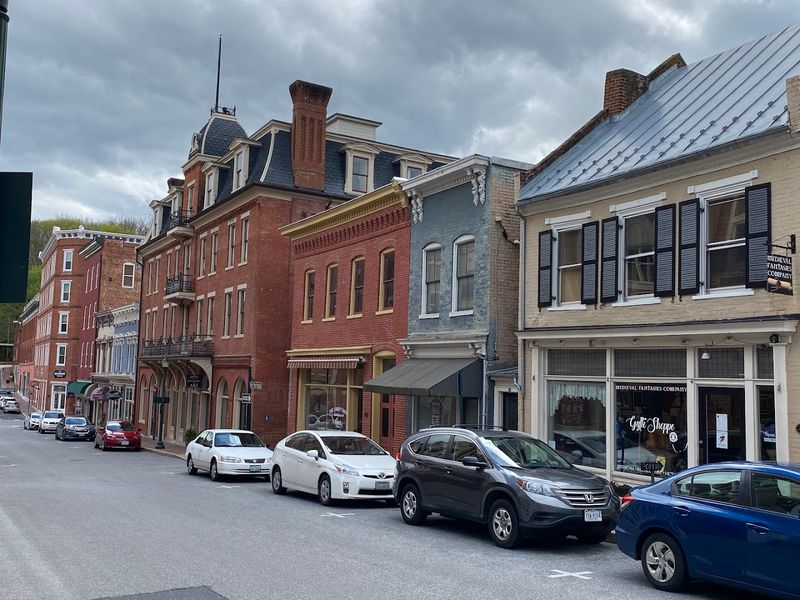
If you have not been to Staunton yet, I genuinely feel sorry for you. This town in the Shenandoah Valley has the kind of downtown that makes you want to cancel your other plans and just stay.
The American Shakespeare Center calls Staunton home, and their Blackfriars Playhouse is a full-scale replica of Shakespeare’s original indoor theater in London.
Watching a show there, with the lights on and the actors walking among the audience, is a completely different experience from any theater you have sat in before.
Beyond the stage, Staunton’s historic downtown along Beverley Street is packed with bookshops, bakeries, and boutiques that have real personality.
The architecture here is stunning, with Romanesque Revival buildings that look like they belong in a European city rather than a Virginia valley town.
The Woodrow Wilson Presidential Library adds a layer of American history to the visit.
Staunton is not trying to be trendy. It already knows what it is, and that quiet confidence is exactly what makes it so easy to love.
3. Lexington
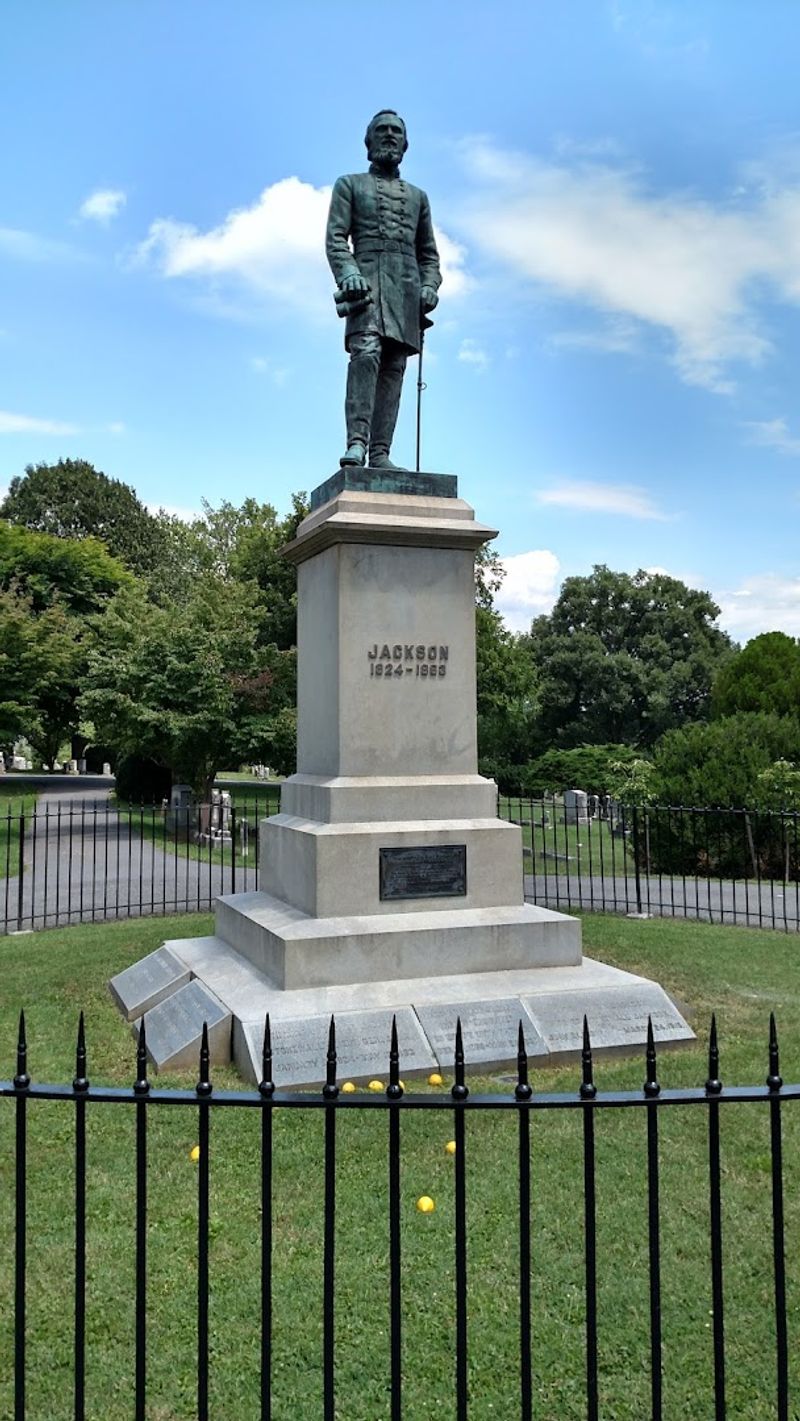
This is one of those towns where history does not feel like a museum exhibit. Lexington feels like something still breathing.
Two major American figures, Stonewall Jackson and Robert E. Lee, both lived and are buried here, which gives the town a weight that you notice the moment you arrive.
Washington and Lee University sits right at the edge of downtown, its columned buildings framing a campus that looks almost too beautiful to be real.
Virginia Military Institute is just steps away, and on parade days the whole town stops to watch.
The downtown itself is small but satisfying. Lexington has managed to keep its independent shops and local restaurants without turning into a theme park version of itself.
That balance is harder to pull off than it looks.
If you enjoy hiking, the nearby Maury River and House Mountain offer trails that are genuinely rewarding. The Natural Bridge State Park, located just south of town features one of the most impressive geological formations in the eastern United States.
Lexington earns every visit with substance, not spectacle.
4. Middleburg
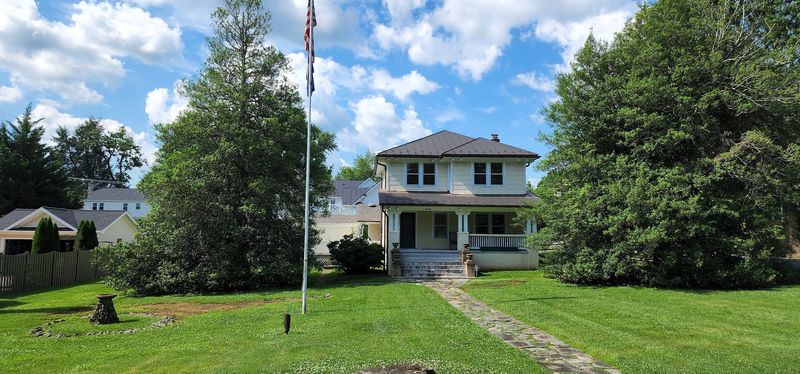
Other towns spend decades trying to manufacture the kind of effortless charm that Middleburg has.
Sitting at the edge of Virginia’s horse country in Loudoun County, this little town of about 700 people carries itself with a quiet confidence that is almost contagious.
The main street, known as Washington Street, is lined with stone buildings that have been standing since the 1700s.
Tack shops sit next to fine art galleries and farm-to-table restaurants, and somehow none of it feels out of place. That mix is very much on purpose.
The National Sporting Library and Museum is a genuinely fascinating stop.
It focuses on art and literature connected to field sports and equestrian culture, and the collection is far more compelling than the description makes it sound.
Weekends in Middleburg often include fox hunts, polo matches, or horse shows happening just outside of town. You do not have to participate.
Watching from a fence rail with a cup of coffee is entirely acceptable and honestly pretty wonderful. Middleburg moves slowly, and that is the whole attraction.
5. Chincoteague
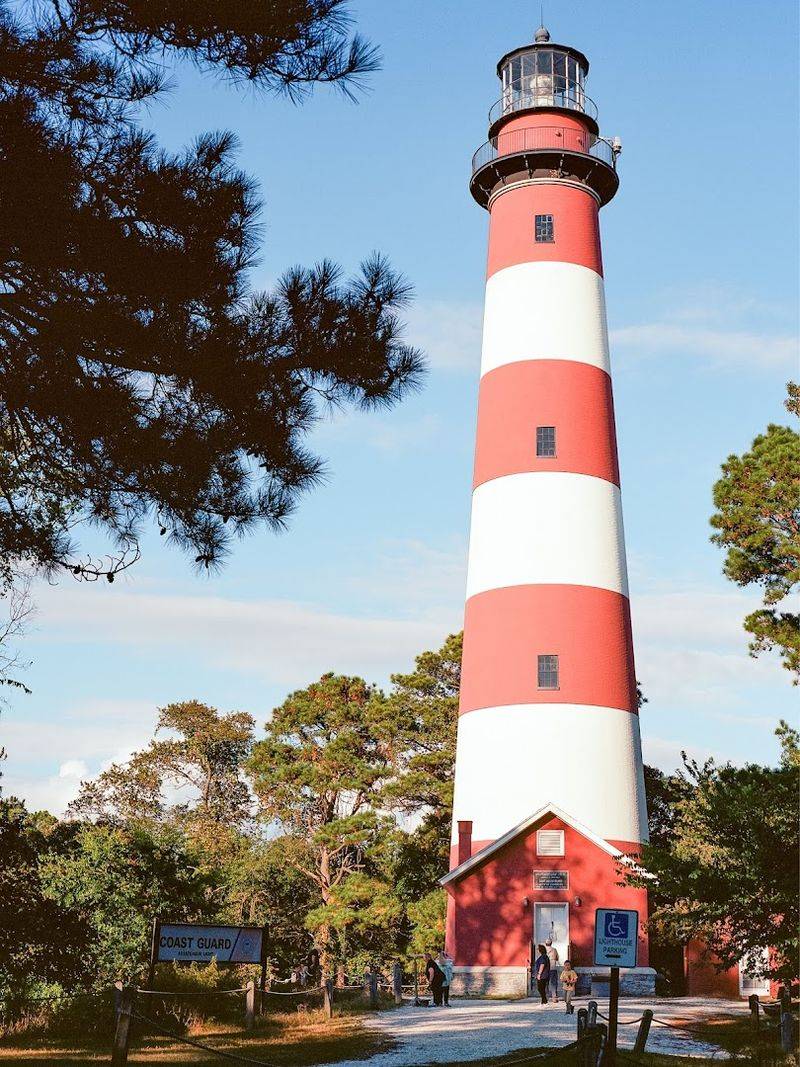
Chincoteague is the kind of place that gets under your skin in the best possible way.
The island sits off Virginia’s Eastern Shore, connected to the mainland by a single causeway, and that separation from everything else is part of what makes it feel so special.
Most people know Chincoteague from the famous wild ponies of Assateague Island, the barrier island just across the channel.
Every July, the Chincoteague Volunteer Fire Company holds its annual pony swim and auction, a tradition that has been going strong since 1925.
It draws visitors from across the country and somehow never loses its genuine, small-town feel.
The town itself is full of independent seafood restaurants, bike rental shops, and local art galleries. The pace is slow, the sunsets are extraordinary, and the seafood is as fresh as it gets.
Chincoteague National Wildlife Refuge, accessible via Beach Road on the island, protects thousands of acres of pristine coastal habitat.
Renting a bike and riding out to the beach on a quiet morning is one of those simple experiences that sticks with you longer than most expensive trips ever do.Chincoteague is proof that simple is not the same as boring.
6. Cape Charles
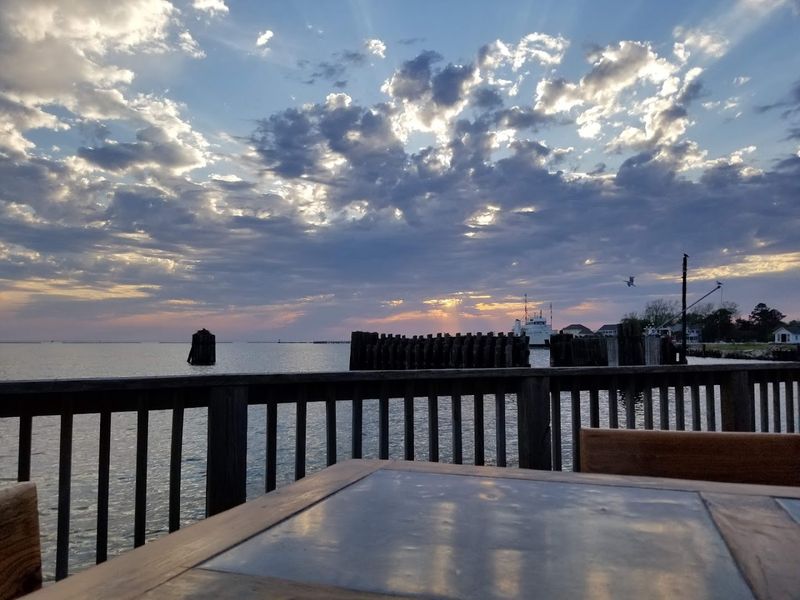
This is the kind of town that makes you feel like you accidentally stepped back in time, but in the best possible way.
Sitting at the southern tip of Virginia’s Eastern Shore, it faces the Chesapeake Bay with a quiet, unhurried confidence that is genuinely refreshing.
The historic district here is remarkable. Wide, tree-lined streets are flanked by beautifully preserved Victorian and Colonial Revival homes that date back to the late 1800s, when Cape Charles was a major railroad terminus.
The town was essentially built by the railroad, and that heritage gives it a distinct architectural character you do not find everywhere.
The downtown strip along Mason Avenue has seen a real revival in recent years. Local shops, bakeries, and restaurants have moved into historic storefronts, giving the area a lively but relaxed energy.
The Cape Charles Town Beach, located at the end of Bay Avenue, offers calm Chesapeake Bay swimming that is perfect for families.
Sunsets over the bay from this beach are genuinely stunning. The shallow water turns gold, the pelicans glide past, and the whole scene feels almost cinematic.
Cape Charles earns its reputation one slow afternoon at a time.
7. Damascus
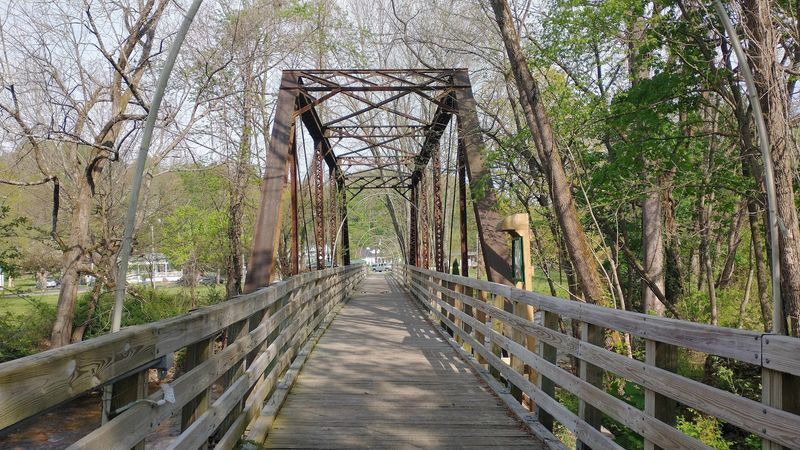
Damascus calls itself the friendliest town on the Appalachian Trail, and after spending any time there, you will have no reason to argue.
This tiny mountain town in Washington County sits at the intersection of not one but five long-distance trails, which makes it a kind of outdoor crossroads unlike anywhere else in Virginia.
The Appalachian Trail literally runs through the middle of town along Laurel Avenue. You can be sitting in a restaurant and watch hikers with massive backpacks walk past the window.
It gives Damascus a wonderfully relaxed energy where muddy boots are entirely welcome and nobody looks twice.
Hikers who pass through often call Damascus a trail town in the truest sense.
The Virginia Creeper Trail, a converted rail trail popular with cyclists and walkers, also passes through and connects Damascus to Abingdon, making it a natural base for exploring both.
The Damascus Old Mill has been restored as a community gathering spot and local landmark.
Every May, the town hosts Trail Days, a festival that draws thousands of past and present Appalachian Trail hikers for a week of celebration. Damascus does community better than most places twice its size.
8. Smithfield
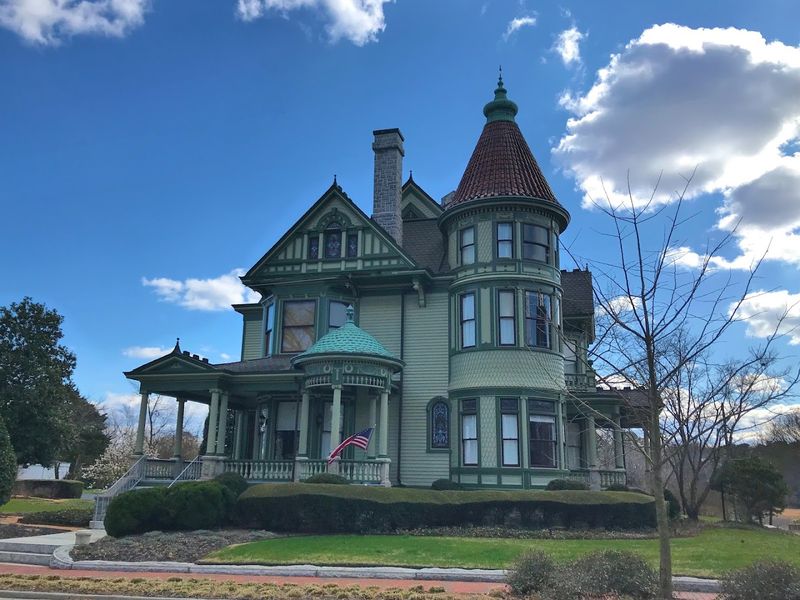
This town has a sense of humor about itself, and that makes Smithfield immediately likable. Most people arrive expecting ham and leave surprised by how much more the town has going on.
Yes, the famous Smithfield ham is very much part of the story here, but it is far from the only chapter.
The Isle of Wight County Museum is one of the better small-town museums in Virginia.
It covers the region’s history from Indigenous peoples through the colonial era and beyond, with exhibits that are genuinely informative without feeling like a lecture.
Main Street itself is a pleasure to walk. Colonial and Victorian architecture lines both sides, and the storefronts feel authentically local rather than curated for tourists.
The Smithfield Inn, which has operated as a lodging and dining destination since 1752, is one of the oldest continuously operating inns in the country.
Windsor Castle Park, a 208-acre park on the edge of town offers trails, kayak launches, and open meadows that are wonderful any time of year. Smithfield rewards visitors who look past the obvious and stay a little longer than planned.
9. Floyd
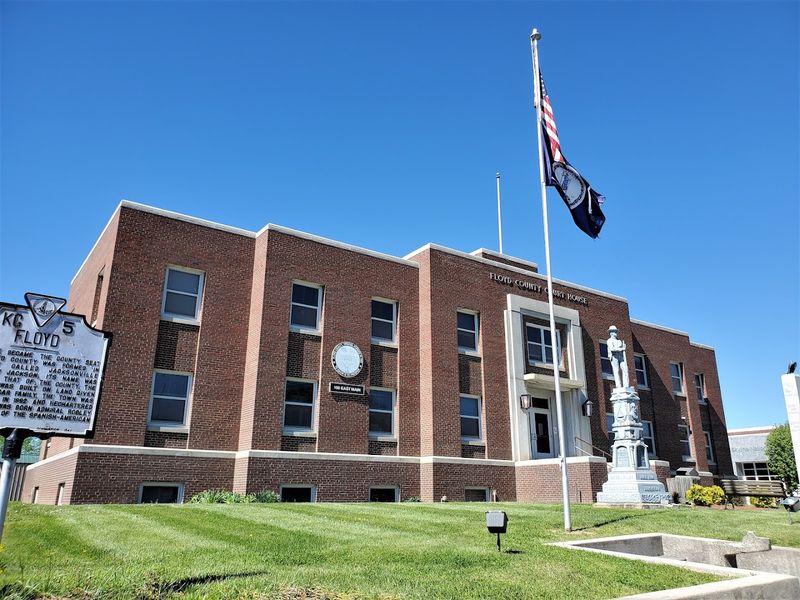
You either know about Floyd already or someone who loves you eventually makes sure you find out. It is not a town you stumble into by accident.
Tucked into the Blue Ridge Highlands, this small community of around 400 people has built one of the most authentic cultural scenes in rural Virginia.
The Floyd Country Store is the beating heart of the town. Every Friday night, the store hosts its famous Friday Night Jamboree, a live bluegrass and old-time music event that has been running since 1982.
People of all ages show up, the floor fills with dancers, and the whole room feels like it belongs to a different, better era.
Beyond the music, Floyd has a thriving arts community. Galleries, craft studios, and organic farms surround the town, and the Friday farmers market draws producers from across the region.
The town attracts creative people and keeps them, which gives it an energy that is hard to explain but very easy to feel.
The Blue Ridge Parkway runs nearby, offering some of the most scenic driving in the eastern United States. Floyd is the kind of place that makes you rethink your assumptions about what a small town can be.
10. Occoquan
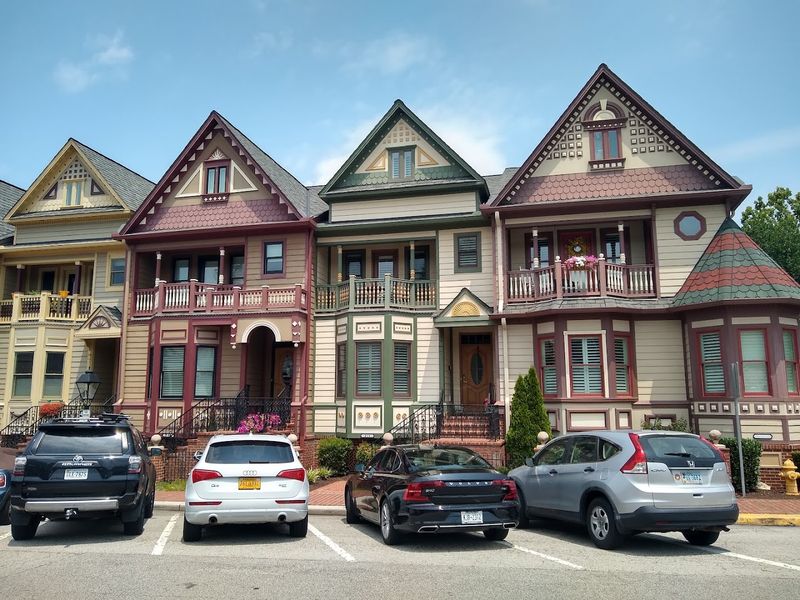
Occoquan might be the most underestimated town in Northern Virginia.
Sitting along the banks of the Occoquan River in Prince William County, it is close enough to Washington D.C. to reach in under an hour, but it feels like an entirely different world once you arrive.
The town was established in 1734 and retains much of its original character.
Mill Street, the main commercial strip, runs right along the river and is lined with independent galleries, antique shops, and cafes that have actual personality.The kind of places where the owners know their regulars by name.
What makes Occoquan stand out is the combination of history, scenery, and genuine community.
The Occoquan Regional Park, accessible from Overlook Parkway in Lorton, offers kayaking, picnicking, and river views that feel surprisingly wild given how close the suburbs are.
The contrast is part of the appeal.
The town also hosts a well-regarded arts and crafts festival twice a year that draws artisans from across the Mid-Atlantic region.
Strolling through Occoquan on a weekend morning, coffee in hand, watching kayakers pass on the river below, feels like a small reward for knowing where to look.