11 Colorado Destinations That Stay Off The Tourist Radar
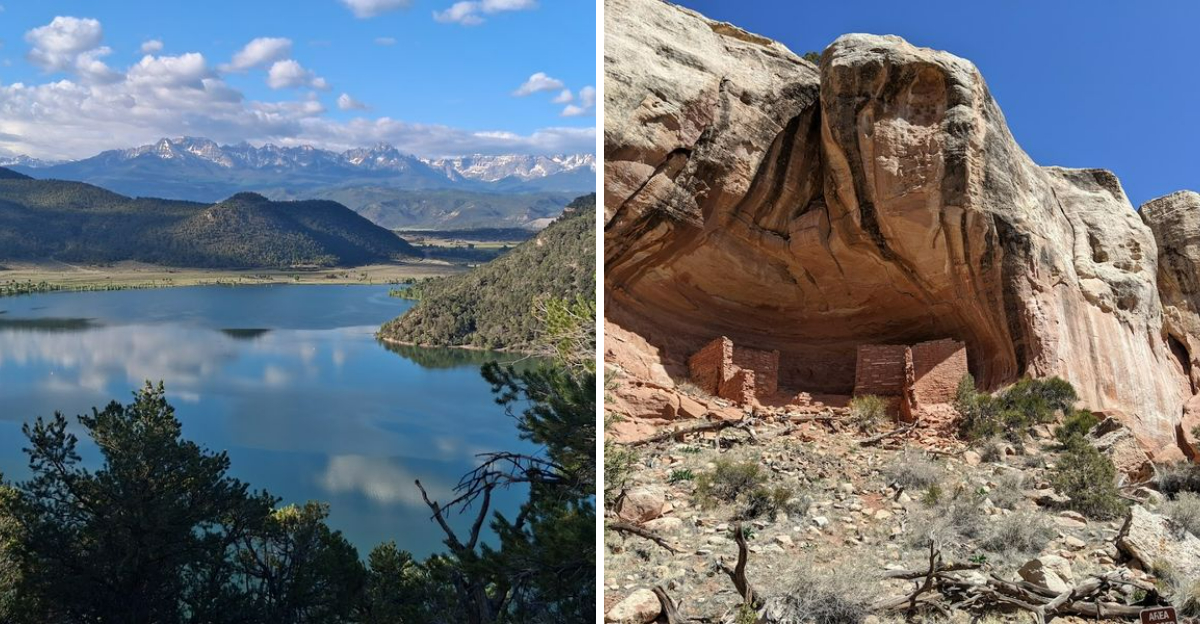
Everybody who has been to Colorado thinks they know Colorado. They hit Red Rocks, they do the Maroon Bells photo, they grab an overpriced latte in Breckenridge and call it an adventure.
I used to be that person. Then a local gave me directions to a place I had never heard of, scribbled on a napkin, no GPS coordinates, just a landmark and a vague instruction to “turn left where the road stops looking like a road.” That afternoon changed how I travel the state completely.
The state has been hiding its best stuff in plain sight the whole time, and most visitors never slow down long enough to notice. Consider this your napkin with directions.
1. Paint Mines Interpretive Park
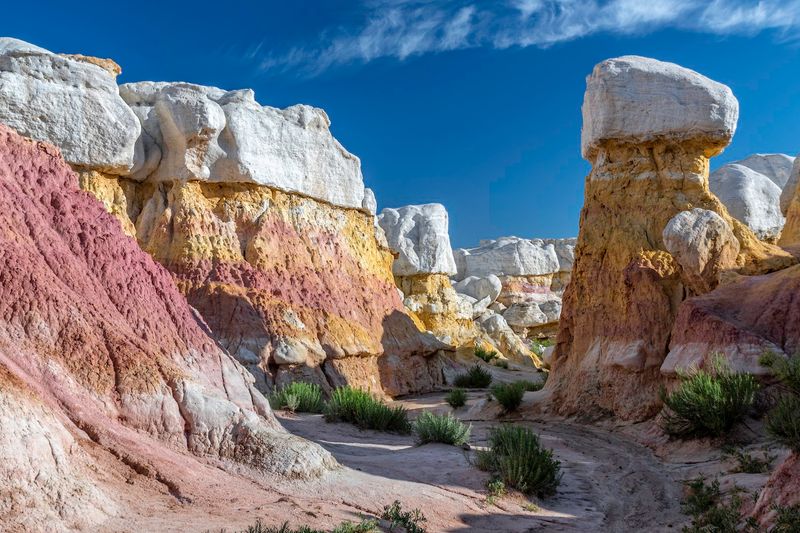
Canyons and mountains get all the attention. Nothing stops you cold quite like candy-colored spires rising out of the flat eastern plains.
Near the small town of Calhan, the ground suddenly breaks open into a field of clay formations in shades of pink, lavender, orange, and white. It looks like something from another planet.
Wind and water spent millions of years sculpting these shapes, and the result is genuinely surreal. Photographers chase the golden hour light here when the colors deepen and the shadows stretch long across the plains.
There are no crowds, no entrance fees, and no noise except the wind.
The park is located at 29950 Paint Mine Road and is free to enter year-round from dawn to dusk. The trail loop runs about four miles and is manageable for most fitness levels.
Bring water, wear sturdy shoes, and do not climb the formations since they are fragile and protected. Come early and you will likely have the whole place to yourself, which is increasingly rare in the state.
2. Bishop’s Castle
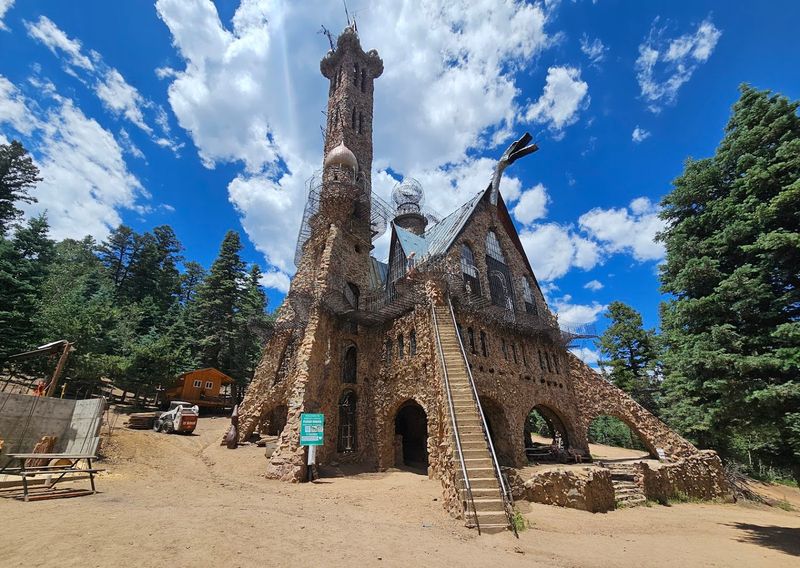
One man decided to build a castle by hand in the middle of a forest. Somehow, decades later, it is still standing and still growing.
Bishop’s Castle near Rye is one of the most singular places in the state, and calling it eccentric barely scratches the surface.
It started as a small stone cottage in the 1960s. Since then it has grown into a multi-story castle with iron towers, a fire-breathing dragon sculpture, and suspended bridges that sway in the breeze.
All of it built by hand. The scale of it is almost hard to believe when you are standing at the base looking up.
You can explore freely, climbing interior staircases and stepping onto upper balconies with views over San Isabel National Forest. Located at 12705 Highway 165, Rye, CO 81069, it runs on donations and is open every day from sun-up to sundown.
Budget at least two hours because there is more here than you expect. Wear closed-toe shoes since the stone steps can be uneven.
3. Rocky Mountain Arsenal National Wildlife Refuge
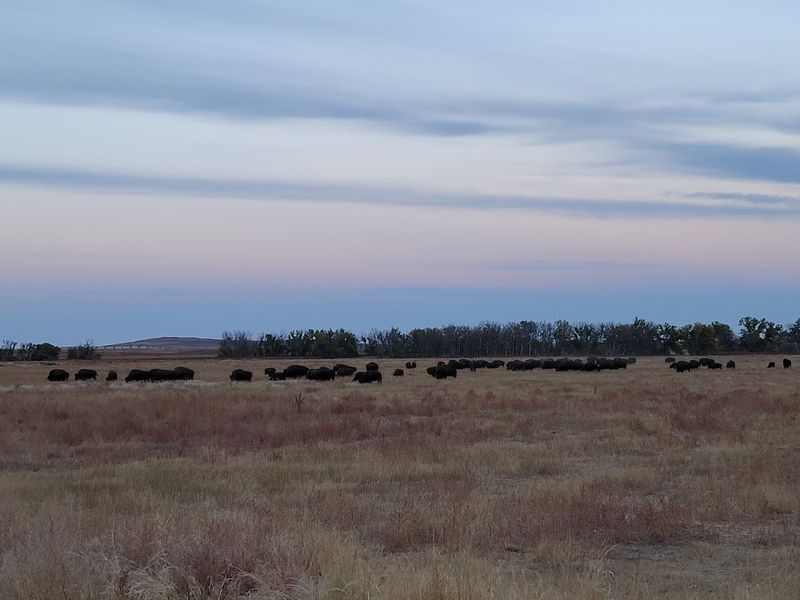
Bison roaming open prairie minutes from a major American city sounds like a nature documentary. At Rocky Mountain Arsenal National Wildlife Refuge, it is just a regular Tuesday.
Most Denver visitors never realize this place exists, which means you often have the wildlife encounters almost entirely to yourself.
The refuge covers more than 15,000 acres. Bison, white-tailed deer, bald eagles, prairie dogs, and over 330 bird species all call it home.
The city skyline visible in the distance creates one of the more unexpected views in the state. Genuinely striking every single time.
Located at 6550 Gateway Road, Commerce City, CO 80022, the visitor center is open Wednesday through Sunday from 9 AM to 4 PM, and the grounds are accessible from sunrise to sunset. Driving tours and walking trails are both available.
The auto tour route is especially good in winter when bald eagles congregate near the lake. There is no charge to visit.
Birders and wildlife photographers should put this one at the top of the list.
4. Strawberry Park Hot Springs
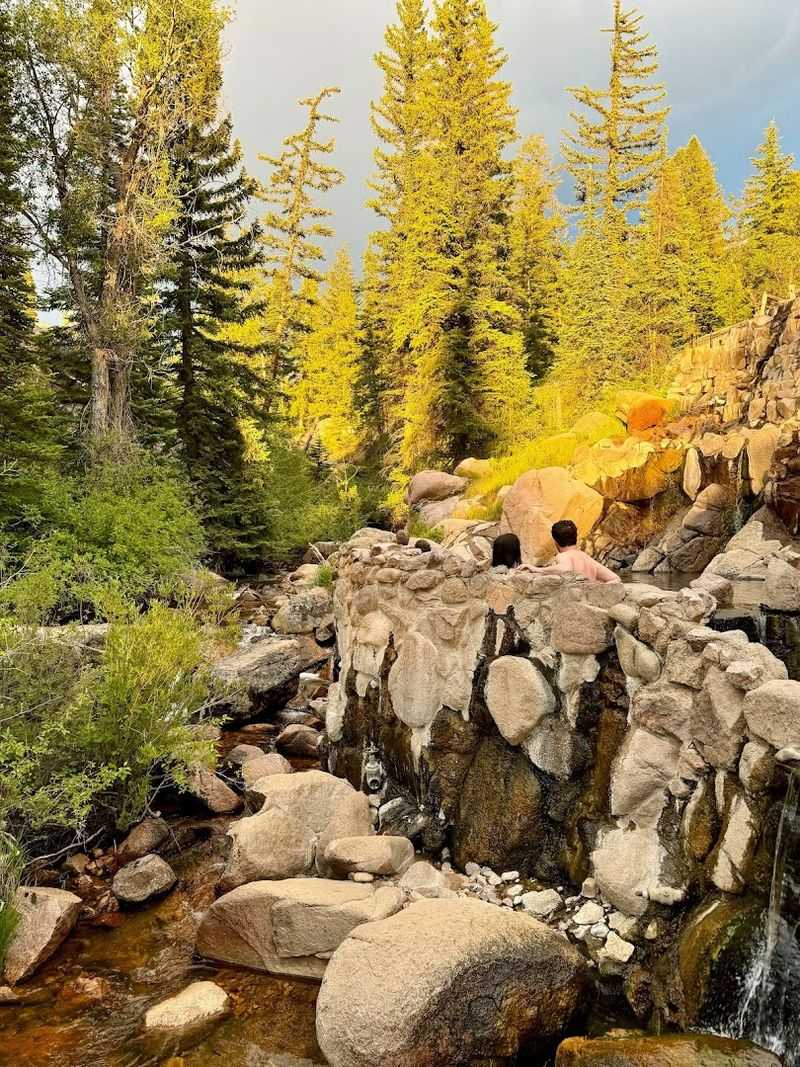
Some hot springs feel like parking lots with warm water. Strawberry Park is not that.
The pools are carved naturally from rock, surrounded by boulders and forest, and fed by a spring that has been drawing visitors to the Steamboat Springs area for over a century.
The setting is legitimately beautiful. In winter, snow blankets the surrounding pines and steam rises off the surface of the pools.
The contrast of freezing air and warm water is something your body remembers for days. Getting there requires a drive up a dirt road that can get rough in winter.
A four-wheel-drive vehicle is a smart call when conditions are snowy.
Strawberry Park Hot Springs sits at 44200 County Road 36, Steamboat Springs, CO 80487, and is open daily. Reservations are recommended, especially on weekends, since the pools have limited capacity by design.
Bring cash because the hot springs are cash only. Weekday mornings are the sweet spot for a quieter experience.
The combination of natural surroundings, genuine heat, and mountain air makes this one of the most memorable soaks in the state.
5. Orvis Hot Springs
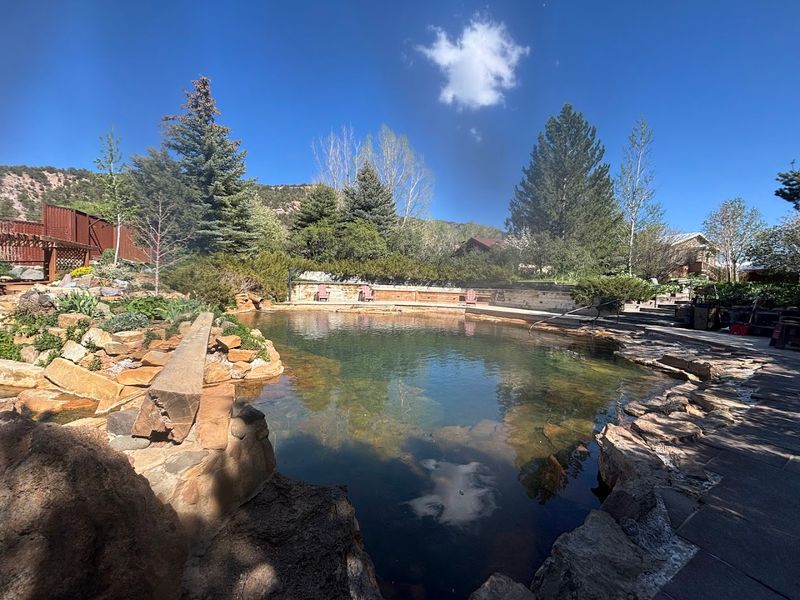
Soaking in a geothermal pool while staring directly at the San Juan Mountains is a particular kind of luxury. Orvis Hot Springs near Ridgway delivers exactly that, with a relaxed and unpretentious atmosphere that feels refreshingly low-key.
Multiple pools here range in temperature, so you can move between them depending on how much heat you can handle. The outdoor pools offer unobstructed mountain views that shift color throughout the day as light moves across the peaks.
It feels less like a tourist attraction and more like a place locals actually use. Orvis is also known for its clothing-optional soaking areas.
The springs sit at 1585 County Road 3, Ridgway, CO 81432, and are open daily from 9 AM to 9 PM. Ridgway itself is a small and charming town worth extra time, especially if Ridgway State Park is also on your list.
Bring a towel and arrive early on weekends to secure a good spot. Accessible pricing, genuine mountain scenery, and multiple pool options make this a standout in southwestern Colorado.
6. Hot Sulphur Springs Resort & Spa
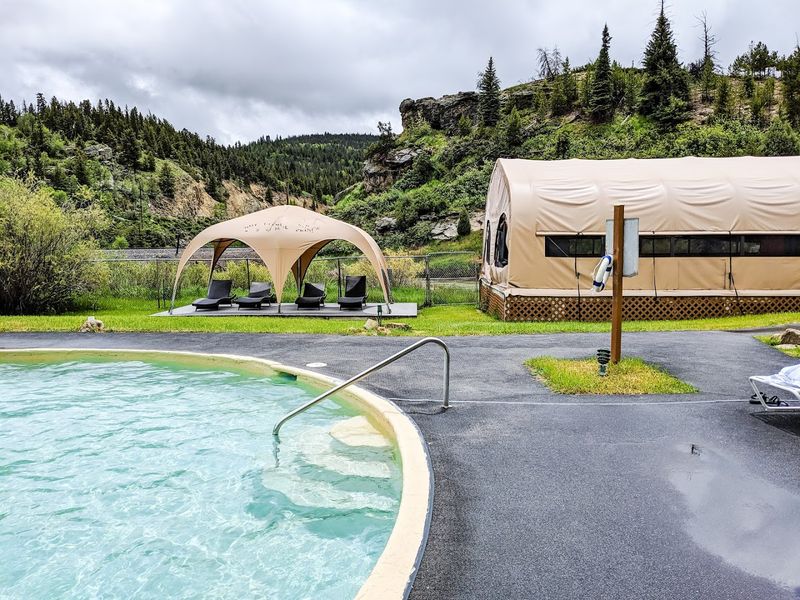
Long before ski resorts turned mountain towns into weekend destinations, people were traveling to Hot Sulphur Springs specifically for the water.
The springs have been used for healing and relaxation for hundreds of years, and the resort that grew around them carries that history in every stone pool and weathered building.
More than 20 pools spread across the hillside, ranging from small private soaking tubs to larger communal options. Each is fed by natural geothermal water with varying temperatures across pools.
The setting along the river valley is calm and uncrowded compared to more commercial hot spring destinations in the state.
Located at 5609 County Road, Hot Sulphur Springs, CO 80451, the resort is open daily from 8 AM to 10 PM. Evening soaks under the stars are absolutely an option.
The town itself is small and quiet, making the whole experience feel genuinely removed from the usual tourism circuit. Day passes are available without a reservation most weekdays.
If you are driving through Grand County, stopping here for a few hours is one of the better decisions you can make on the road.
7. Canyons Of The Ancients National Monument
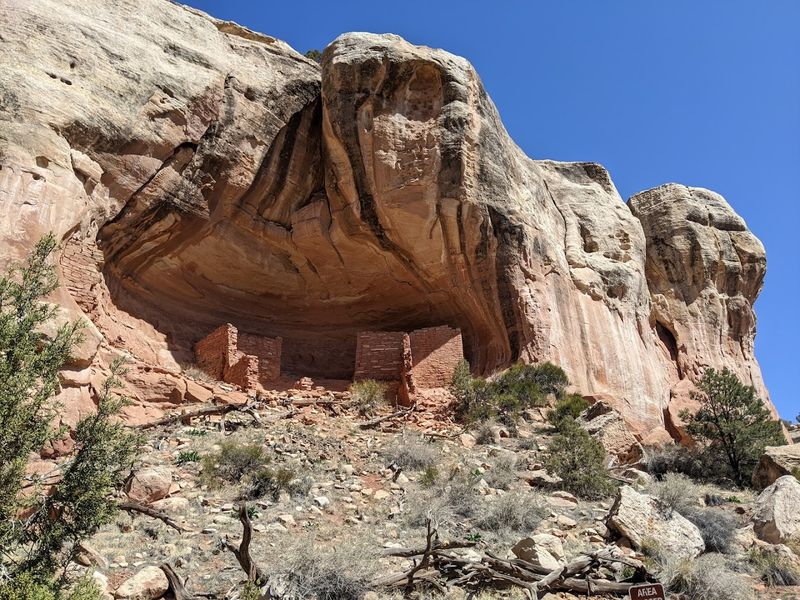
Nowhere else in the United States packs more archaeological sites into a single stretch of land. Canyons of the Ancients National Monument contains the highest density of ancient cultural sites in the country, with more than 6,000 recorded sites spread across its terrain near Dolores.
These are not reconstructed replicas. The stone structures, kivas, and artifacts throughout the monument are actual remains left behind by Ancestral Puebloan communities who lived here between roughly 600 and 1300 CE.
Walking through the landscape feels like moving through a living history lesson, except nobody is making you take notes.
Located at 27501 Highway 184, Dolores, CO 81323, the monument remains open for recreation and dispersed camping. As of March 2026, the visitor center is temporarily closed for renovations.
Bring a detailed map since cell service is unreliable across much of the area. Morning light is ideal for photographing the stone structures.
This is the kind of place that stays with you long after you have driven back to the highway and rejoined the modern world.
8. Rattlesnake Canyon Arches
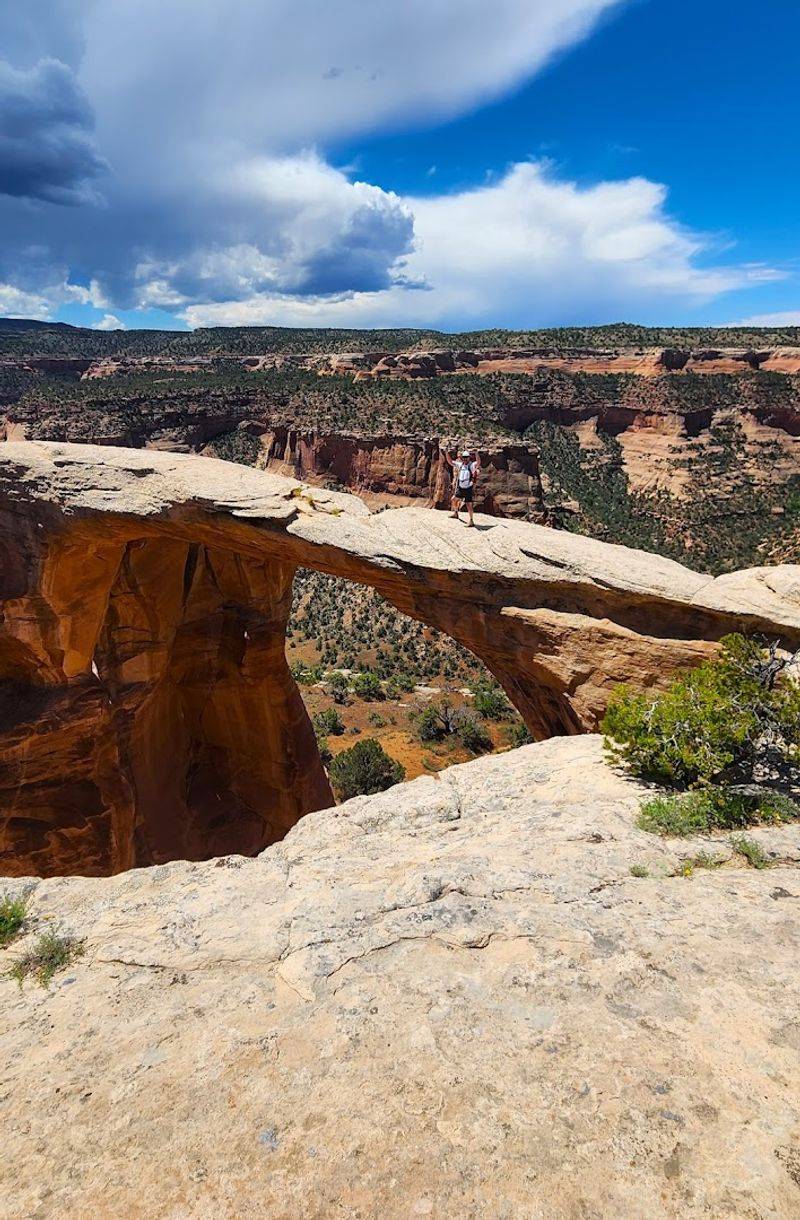
Most people assume Arches National Park is the only place worth visiting for natural stone arches in the American West. Rattlesnake Canyon near Fruita quietly holds the second-largest concentration of natural arches outside of that famous Utah park.
Almost nobody outside of serious hikers seems to know about it.
The canyon sits within the McInnis Canyons National Conservation Area and requires a hike in from the Pollock Bench Trailhead. The route is demanding because of its length, remoteness, and exposure.
The arches range in size and shape, and rounding a corner to find one framing open sky is a genuinely breathtaking experience.
Access the trailhead via Horsetheif Canyon Road off Kingsview Road, Fruita, CO 81521. There is no entrance fee and the area is managed as day-use only.
Bring at least two liters of water per person since there is no water source along the route. Start early to avoid afternoon heat in summer and always check weather before heading out since the terrain offers limited shelter.
Fruita is a great base with solid food options and a strong mountain biking culture worth exploring on the same trip.
9. Ridgway State Park
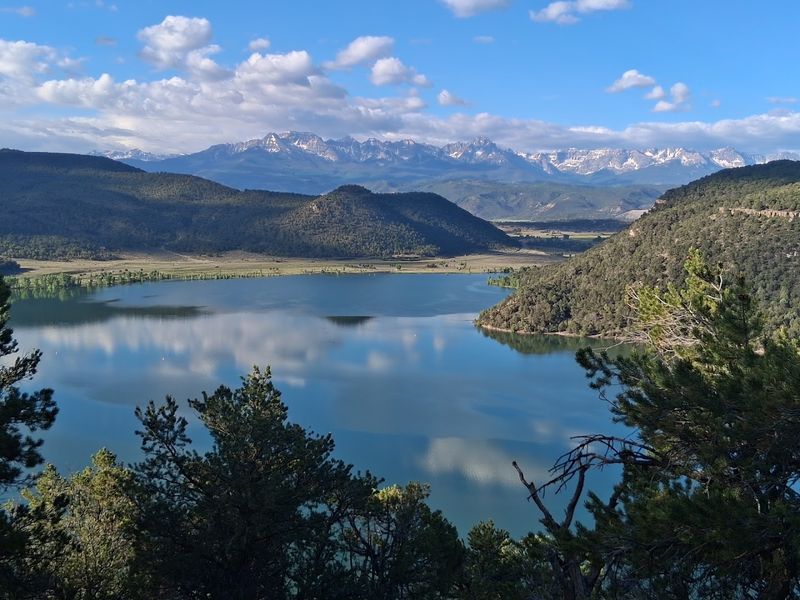
Every time I tell someone about Ridgway State Park, they nod politely and then ask if I meant Telluride. That confusion is exactly why this park remains so peaceful.
Located at 28555 US Highway 550, Ridgway, CO 81432, it sits just north of town and offers some of the most dramatic mountain views in the state without the parking chaos that defines more famous destinations.
The reservoir at the center of the park draws anglers, kayakers, and paddleboarders throughout the warmer months. The fishing is productive, and the calm water reflects the jagged San Juan peaks in a way that makes every photograph look almost too good to be real.
Hiking trails wind through the surrounding landscape with varied terrain for different ability levels.
Camping here is a smart move for anyone using southwestern Colorado as a base. Sites fill faster than expected in summer, so reserving ahead is worth the effort.
The park is open year-round, and winter visits have their own appeal with fewer visitors and snow-capped peaks dominating the horizon. For outdoor activities, scenery, and accessibility combined, Ridgway punches well above its relatively low profile.
10. Pearl Lake State Park
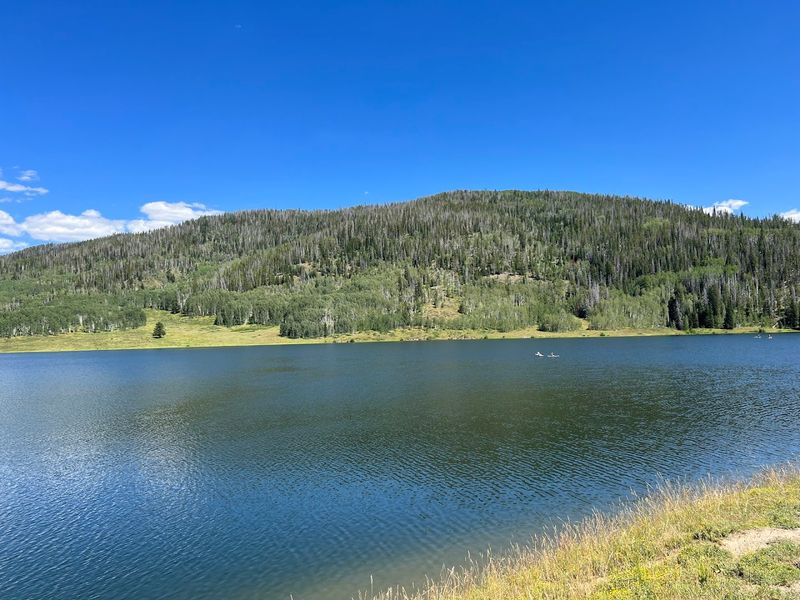
Quiet is not always easy to find in Colorado during peak season. Pearl Lake earns it.
This small and serene park near Clark sits in the Elk River Valley north of Steamboat Springs, running several notches slower than anywhere else in the region. That is the whole appeal.
The lake is clear and cold, fed by mountain snowmelt, and home to native cutthroat trout that draw fly fishing enthusiasts regularly. Canoeing and kayaking are popular, and the absence of motorized watercraft keeps the surface calm.
Mornings on the water are especially good when mist still hangs low over the surface.
Pearl Lake State Park is located at 61105 Rcr 129, Clark, CO 80428, with camping options that put you right at the edge of the water. Reservations are strongly recommended since the campground is small and fills fast in summer.
The surrounding area includes additional trails and the nearby Seedhouse Road corridor, worth exploring for wildlife. Moose are frequently spotted in the wetland areas adjacent to the park.
No lines, no crowds, just low-impact adventure at its most satisfying.
11. Grand Lake
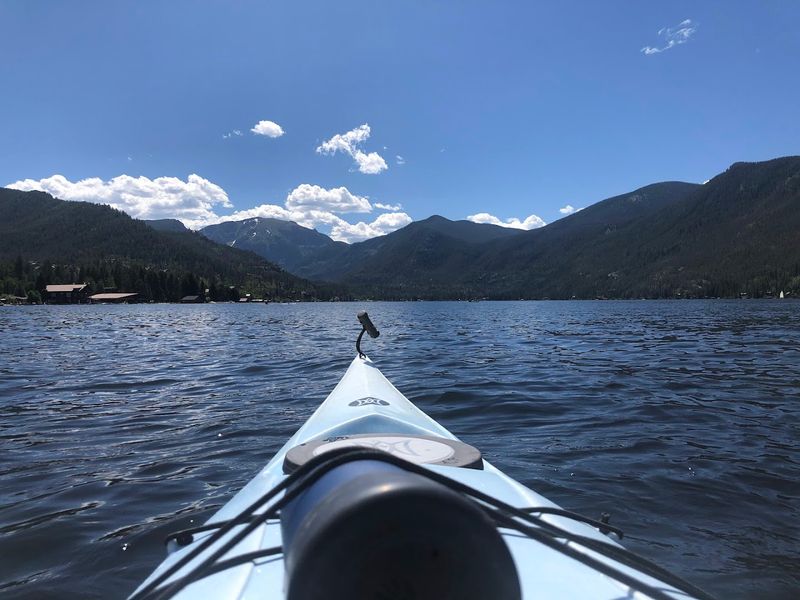
Estes Park gets the headlines, but the western entrance to Rocky Mountain National Park tells a different story. Grand Lake sits at that quieter entrance, anchored by the largest natural lake in the state and a town that moves at a genuinely unhurried pace.
The town center at W Portal Road and Grand Avenue has a classic mountain feel. Wooden boardwalks, local shops, and lakefront views that require zero effort to enjoy.
Moose sightings near the lake and surrounding wetlands are common enough that they no longer surprise regulars, though they never quite stop being exciting. Lakefront cabin rentals make for a very different experience than a standard hotel stay.
Mornings on Grand Lake are something special. The water is glassy, the air is cold and clean, and the mountains reflect off the surface in a way that makes you want to stay an extra day.
Kayaking, paddleboarding, and fishing are all popular throughout the season. The entrance into Rocky Mountain National Park from this side is significantly less congested.
For anyone serious about exploring the park without the usual frustration, that alone makes Grand Lake worth the drive.