12 Scenic Routes In Colorado That Are Worth Planning A Trip Around
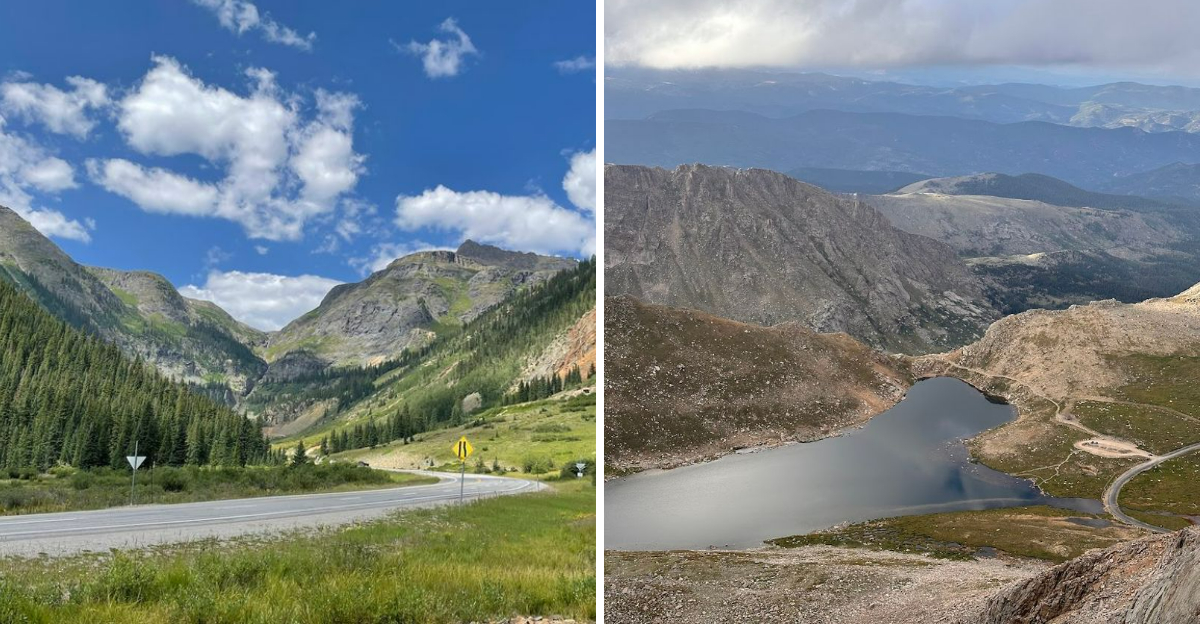
I pulled over, turned off the engine, and just sat there. A road in Colorado had stopped me cold, not because of traffic, but because of a view so absurd it felt staged.
That moment changed how I travel through this state entirely. Colorado doesn’t do ordinary roads.
It does jaw-dropping ones. The kind where you budget an extra hour because you know you’ll stop, a lot.
With over 300 sunny days a year, the state keeps showing off no matter when you visit. None of these scenic routes are just pretty drives you stumble across.
They are the reason people book flights, load up the car, and point themselves west. Plan your trip around them and trust me, you’ll still wish you had more time.
1. Trail Ridge Road
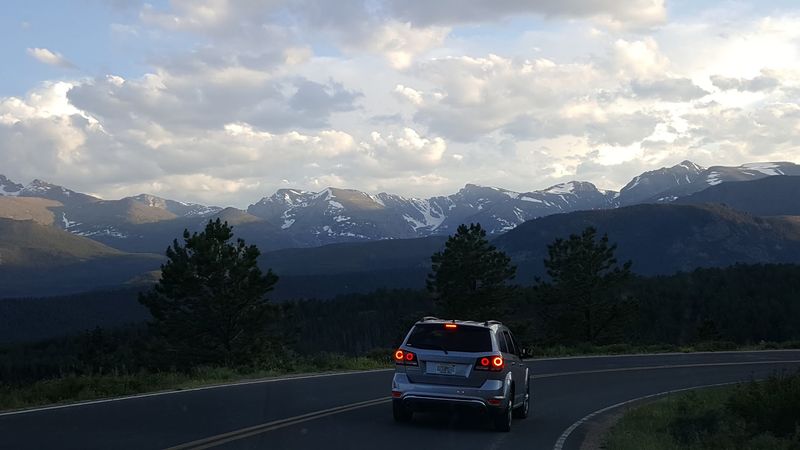
Nothing prepares you for the moment Trail Ridge Road climbs above the treeline and everything opens up. This 48-mile stretch through Rocky Mountain National Park runs from Estes Park to Grand Lake via Highway 34.
It holds the title of highest continuous paved road in the United States, topping out above 12,000 feet.
The alpine tundra up here looks almost prehistoric. Wildflowers push through rocky soil in July.
Elk wander close enough to the road that you will want your camera ready at all times. The air is thinner, the light is sharper, and everything feels more vivid than it does at sea level.
The road is only open from late May through mid-October, so timing matters. Plan a full day and stop at the Alpine Visitor Center near the summit for context on what you are actually looking at.
Early mornings offer the clearest skies and the fewest crowds. This road consistently earns its reputation as one of the most dramatic drives in the entire country.
2. San Juan Skyway
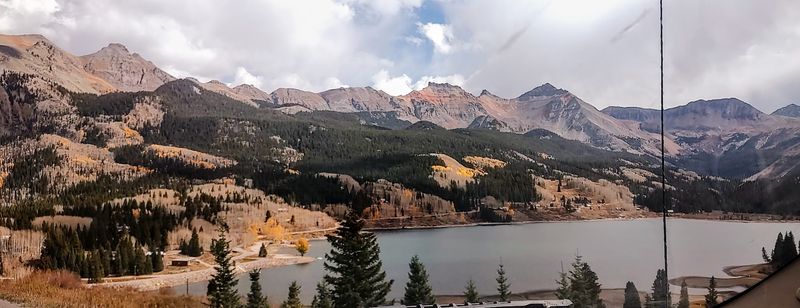
At 236 miles, the San Juan Skyway is less of a drive and more of a road trip you will remember long after it ends. The loop connects Durango, Silverton, Ouray, Telluride, and Cortez.
It passes through some of the most dramatic mountain terrain in the American West.
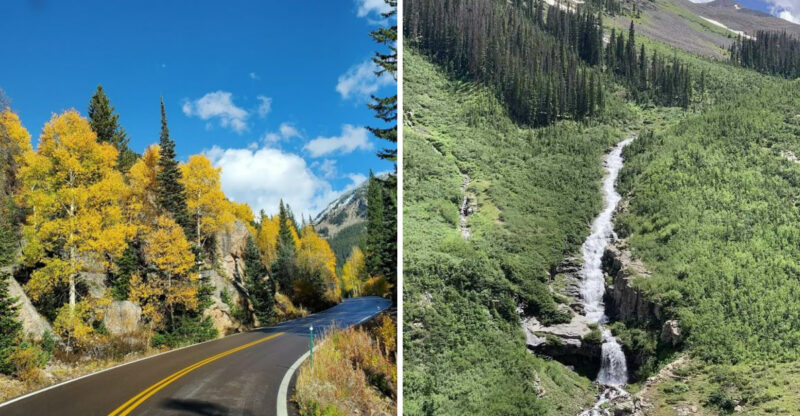
Fall is the sweet spot for this route. The aspen trees turn a blinding gold against dark evergreens.
Every overlook feels like a painting someone forgot to frame. Summer works too, especially if you want to stop in the historic mining towns and explore on foot.
The towns themselves deserve time. Silverton still feels like a place that time half-forgot, with its wide dirt-edged streets and Victorian storefronts.
Ouray is nicknamed the Switzerland of America, and once you see it sitting in its box canyon, you will understand why. Telluride adds a more polished energy to the mix.
Budget at least two days for this loop if you want to do it justice. Rushing through it would be a genuine shame.
The San Juan Skyway rewards anyone willing to slow down.
3. Independence Pass
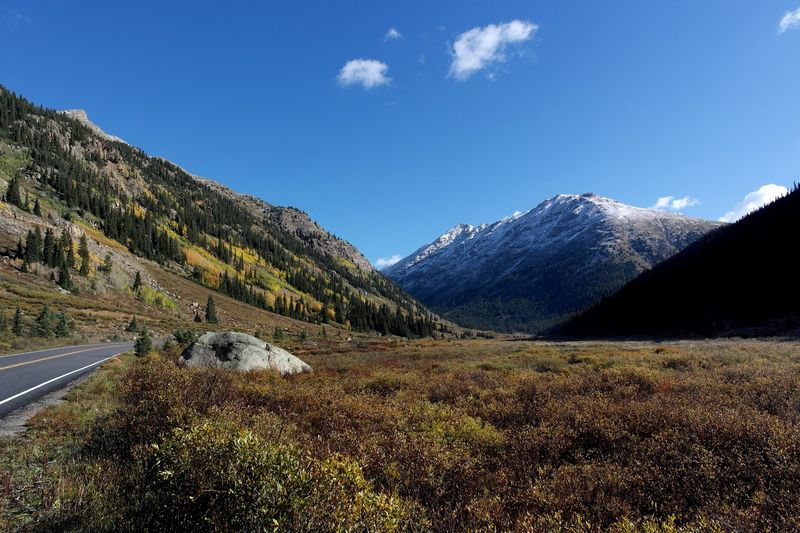
Crossing the Continental Divide at over 12,095 feet, Independence Pass is the kind of road that earns a slow clap. The 39-mile route along Highway 82 connects Aspen to the Twin Lakes area near Leadville.
It passes through some seriously raw and beautiful high-country terrain.
The summit area is wide open and almost otherworldly. Rocky tundra stretches in every direction.
On a clear day the views reach deep into multiple mountain ranges. There is a short trail near the top that leads to a small overlook and is well worth the ten-minute walk.
Aspen sits on the western side, polished and picturesque. Leadville anchors the eastern end at over 10,000 feet, making it the highest incorporated city in the country.
The contrast between the two towns makes the drive feel like a journey between two very different worlds. Independence Pass closes in winter, typically from November through late May.
Vehicles over 35 feet are prohibited, which keeps the big RVs away and the experience more intimate. Catch it in late September when the aspens are turning and the light hits the mountains like something out of a dream.
4. Peak To Peak Scenic Byway
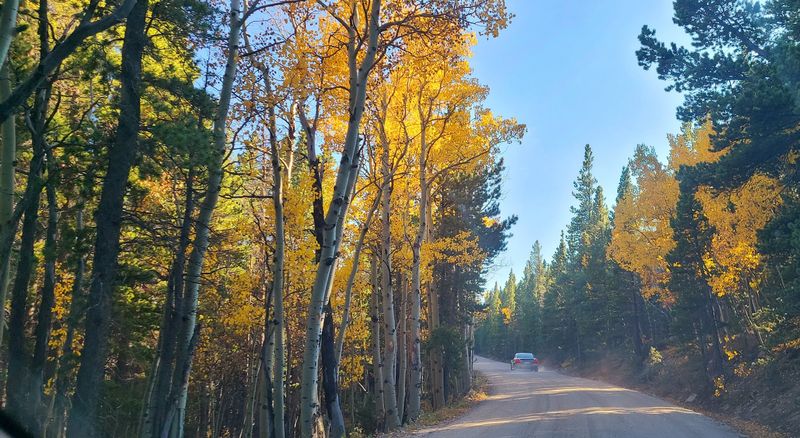
The oldest designated scenic byway in the state still delivers, and it has been doing so since 1918. The Peak to Peak Scenic Byway runs 55 miles from Estes Park south to Black Hawk along Highways 72 and 119.
It traces a path through forested mountain terrain with sweeping views of the Continental Divide.
What makes this road special is accessibility combined with genuine beauty. No high-clearance vehicle needed.
No nerves of steel required. It is a paved, manageable drive that rewards casual travelers and serious hikers alike.
Towns like Nederland and Ward pop up along the way, each with its own quirky personality worth a short stop.
The route passes near several trailheads, including access points for the Indian Peaks Wilderness. Alpine lakes and rocky ridgelines make for outstanding day hikes.
Fall brings the aspen color show. Spring reveals wildflowers pushing through the forest floor.
Rocky Mountain National Park sits at the northern end, making it easy to combine both experiences in one trip. For families or first-time visitors, this byway offers a satisfying mountain drive without the white-knuckle moments of some higher passes.
5. Top Of The Rockies Scenic Byway
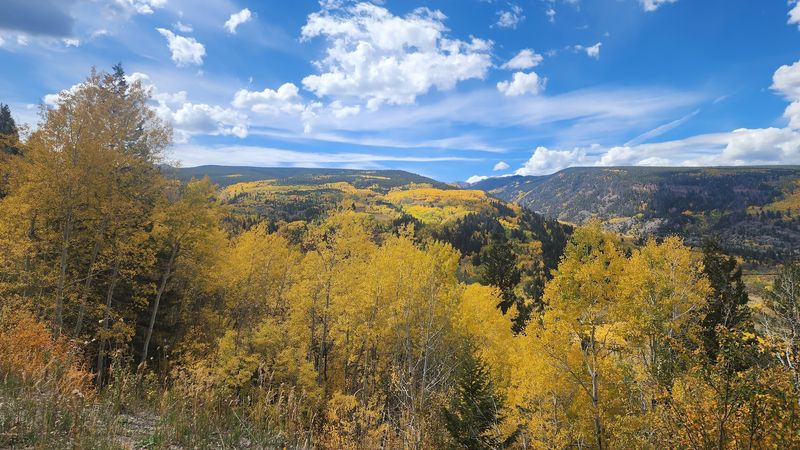
Two of the state’s most iconic towns anchor this route, and the road between them more than earns its name. The Top of the Rockies Scenic Byway covers 115 miles through central Colorado, linking Aspen, Twin Lakes, Leadville, and routes north toward Minturn.
Leadville sets the tone immediately. At 10,152 feet, it is the highest incorporated city in the United States.
It wears its mining history with pride. The Victorian architecture along Harrison Avenue is worth a slow walk before you even start the drive.
From there, the route climbs past Turquoise Lake and Tennessee Pass before dropping into the Roaring Fork Valley toward Aspen.
The scenery shifts dramatically as you travel. Open tundra gives way to dense aspen groves, then wide river valleys lined with cottonwoods.
Wildlife sightings are common, particularly elk and mule deer in the early morning hours. Independence Pass forms the dramatic centerpiece of this byway.
Combining this route with an overnight stay in Leadville gives the trip a grounded, authentic feel that Aspen alone cannot always provide.
6. Guanella Pass Scenic Byway
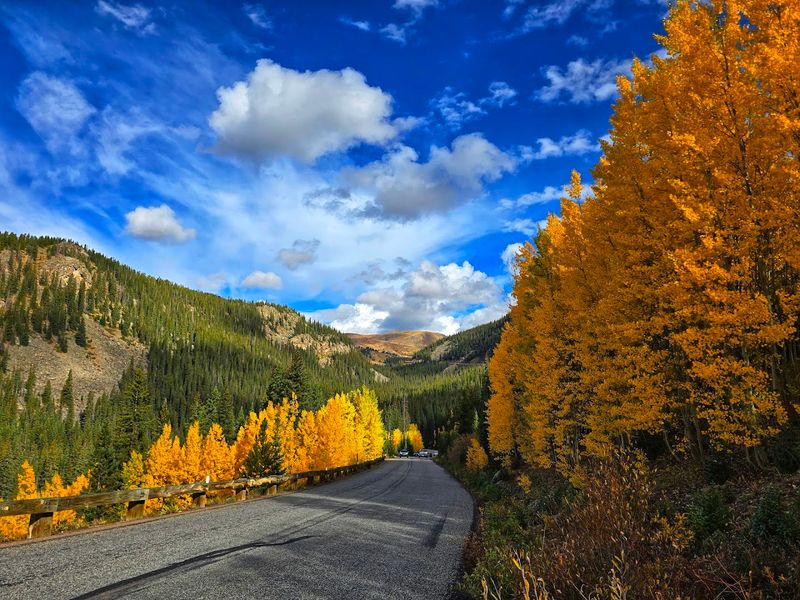
Some drives punch well above their mileage, and Guanella Pass is a perfect example. Just 22 miles long, this byway connects Georgetown to Grant via Guanella Pass Road.
It packs in wildflower meadows, aspen groves, alpine lakes, and direct access to a fourteener trailhead.
Mount Bierstadt sits right along this corridor, making it one of the more approachable fourteener hikes in the state. The trailhead parking lot fills up early on weekends in summer.
Aim for a weekday or a very early Saturday start. The hike itself is challenging but manageable for fit hikers without technical climbing experience.
Georgetown anchors the northern end of the route. It is a well-preserved Victorian mining town with good food options and a charming main street.
The town sits about 45 miles west of Denver on I-70, making this byway a realistic day trip from the city. Wildflower season peaks in late June and July, while aspen color typically arrives in late September.
For a short drive with outsized rewards, Guanella Pass belongs on every road trip list.
7. Million Dollar Highway
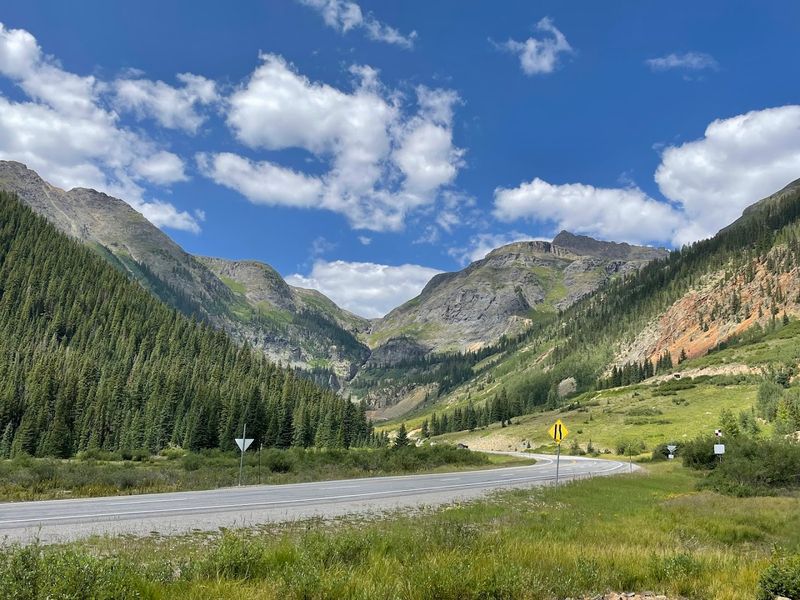
Some roads make you grip the steering wheel a little tighter, and this is absolutely one of them. The Million Dollar Highway covers 25 miles of US-550 between Ouray and Silverton, and it earns its dramatic reputation with every single curve.
The road hugs cliff faces with no guardrails on certain sections, drops into gorges, and climbs through three mountain passes. The views are staggering.
Red and rust-colored rock walls rise straight up on one side while the canyon falls away on the other. It is the kind of scenery that makes passengers forget to breathe.
The origin of the name is debated. Some say it refers to the ore-rich fill used during construction, others link it to the cost of building it.
Whatever the reason, the name fits. Driving it southbound from Ouray gives you the inside lane on the cliff sections, which most experienced drivers prefer.
Take it slow, use pullouts to let faster traffic pass, and absolutely do not attempt it in icy or snowy conditions. This stretch is part of the larger San Juan Skyway but deserves its own spotlight entirely.
8. Collegiate Peaks Scenic Byway
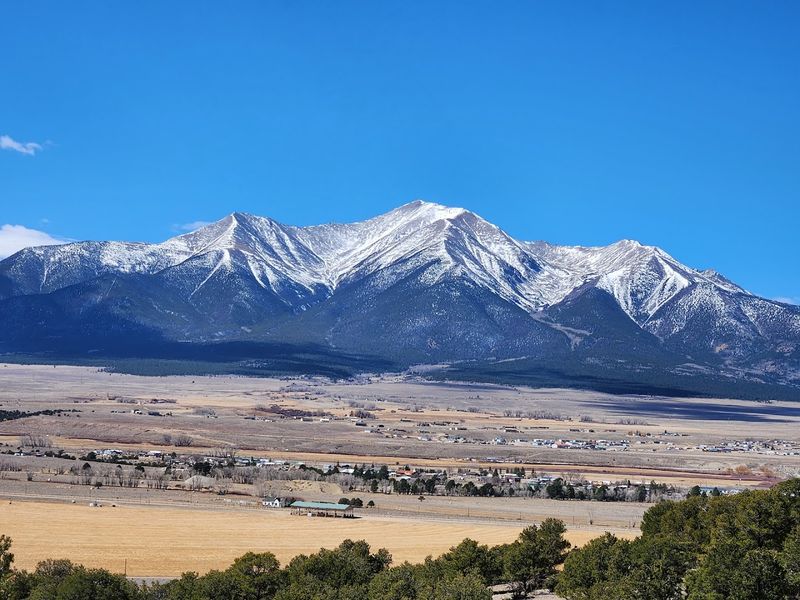
Nowhere else in North America can you drive past this many fourteeners in a single afternoon. The Collegiate Peaks Scenic Byway is a 57-mile route through the Arkansas River Valley, connecting Granite, Buena Vista, Poncha Springs, and Salida.
The peaks here are named after Ivy League universities. Mount Harvard, Mount Yale, Mount Princeton, and Mount Oxford all line the western horizon, each topping 14,000 feet.
The visual effect of driving past them in sequence is genuinely humbling. It is one of those landscapes that makes you feel small in the best possible way.
Buena Vista makes an excellent base for this drive. The town has grown into a solid outdoor recreation hub with good restaurants, outfitters, and a riverside park along the Arkansas River.
Whitewater rafting is hugely popular here in summer. Mount Princeton Hot Springs sits just off the byway and offers a relaxing soak after a day of exploring.
The route connects naturally to both the Top of the Rockies Byway and Independence Pass, making it easy to chain multiple scenic drives into one epic Colorado road trip without backtracking.
9. Silver Thread Scenic Byway
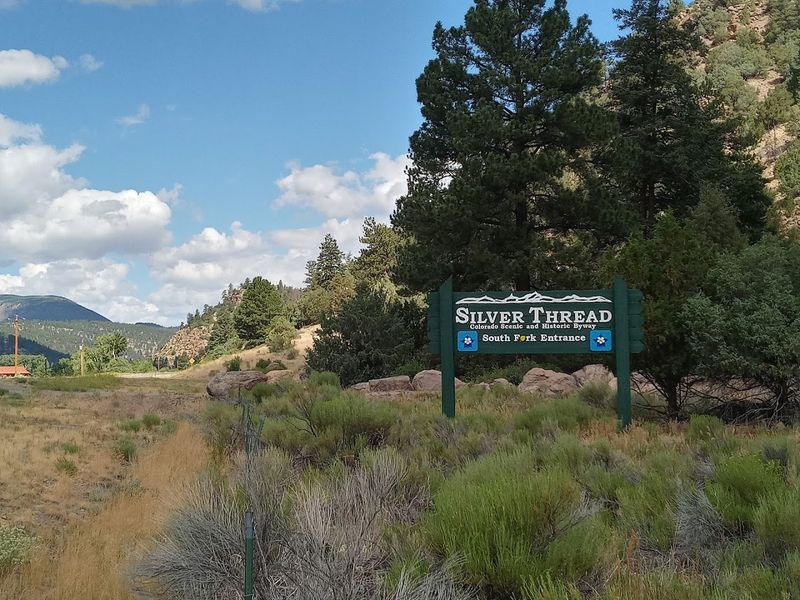
If you want a scenic drive without the crowds, this is your answer. The Silver Thread Scenic Byway stretches 117 miles along Highway 149 from South Fork to Blue Mesa Reservoir.
It passes through some of the least visited and most striking landscapes in the state.
The route follows the Rio Grande River through a deep, narrow canyon before opening into wide mountain valleys near Lake City. That town is a genuine highlight.
A small, well-preserved Victorian mining community sitting at the junction of Henson Creek and the Lake Fork of the Gunnison River. One of the most remote incorporated towns in the state, and proud of it.
Slumgullion Pass, at 11,530 feet, offers views of the San Juan and Sawatch ranges. The Slumgullion Earthflow, a massive slow-moving landslide visible from the pass area, is a genuinely unusual geological feature worth reading about before you arrive.
Fall colors peak here a bit later than in the north, typically in early October. The Silver Thread rewards patient, curious travelers who enjoy discovery over spectacle.
10. Mount Blue Sky Scenic Byway
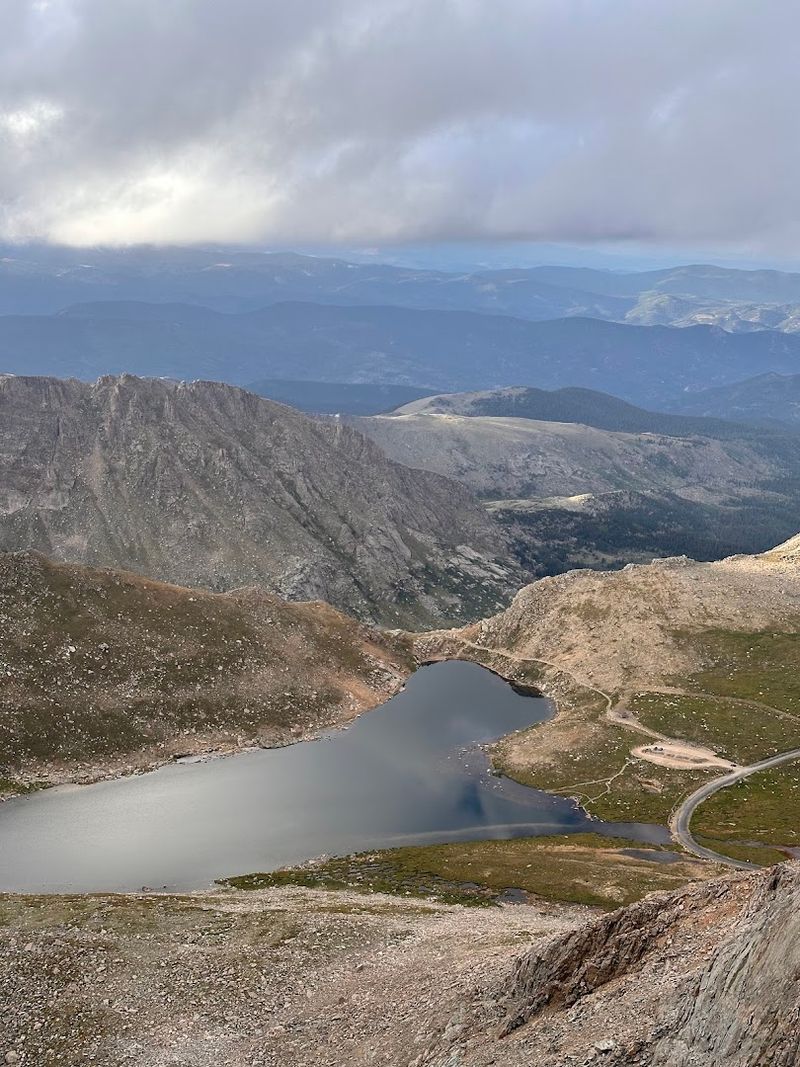
Reaching the summit of a fourteener without lacing up hiking boots sounds like a cheat code, but this road makes it completely legitimate.
The Mount Blue Sky Scenic Byway climbs from Idaho Springs to the summit of Mount Blue Sky via Highways 103 and 5, covering 28 miles and reaching about 14,130 feet near the summit area.
The mountain was officially renamed from Mount Evans to Mount Blue Sky in 2023. The road to the summit is the highest paved road in North America, and it is open seasonally from late May through early October.
Above treeline, the terrain turns stark and striking, with rocky slopes, mountain goats, and views that stretch across the entire Front Range.
The drive itself has distinct zones. Lower sections roll through dense forest with glimpses of Echo Lake, a peaceful stop worth a picnic.
Higher up, the road narrows and the landscape strips back to bare rock and sky. Summit Lake sits just below the top and offers a dramatic reflection of the peaks on calm mornings.
Arrive early to avoid afternoon thunderstorms, which build fast at this elevation. The byway starts near Idaho Springs, easily reached from Denver in about an hour on I-70.
Access to the upper part of the byway is seasonal, so it is best to check current conditions before planning a visit.
11. Unaweep Tabeguache Scenic Byway
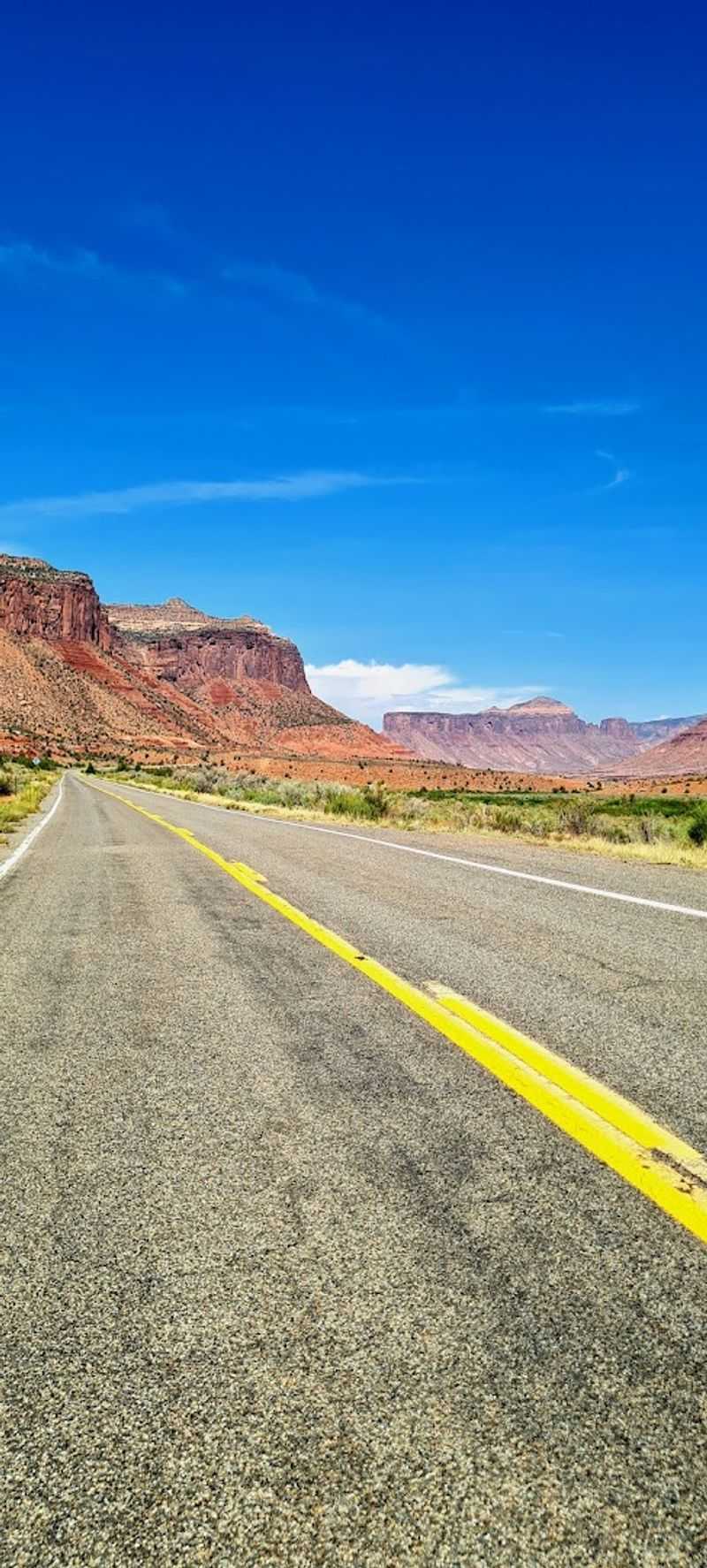
Western Colorado has a completely different personality than the mountain-heavy center of the state, and this byway shows it off beautifully. The Unaweep Tabeguache Scenic Byway runs 133 miles from Whitewater to Placerville along Highway 141.
It cuts through canyon country that feels more like Utah than the Rockies.
Unaweep Canyon is the geological centerpiece of this route. It is split by two creeks flowing in opposite directions, unusual enough to have puzzled geologists for decades.
The canyon walls rise hundreds of feet on both sides of the road. The rock layers read like an open textbook of the state’s ancient past.
The Dolores River canyon section adds a second dramatic act to the drive. Narrow, winding, and flanked by red and orange sandstone, it is the kind of road that makes you slow down not because you have to but because you want to.
Telluride lies near the northern end, making this a great approach road if you are heading there from the west. This is a drive for people who genuinely enjoy the road itself, not just the destination at the end of it.
12. Lariat Loop Scenic Byway
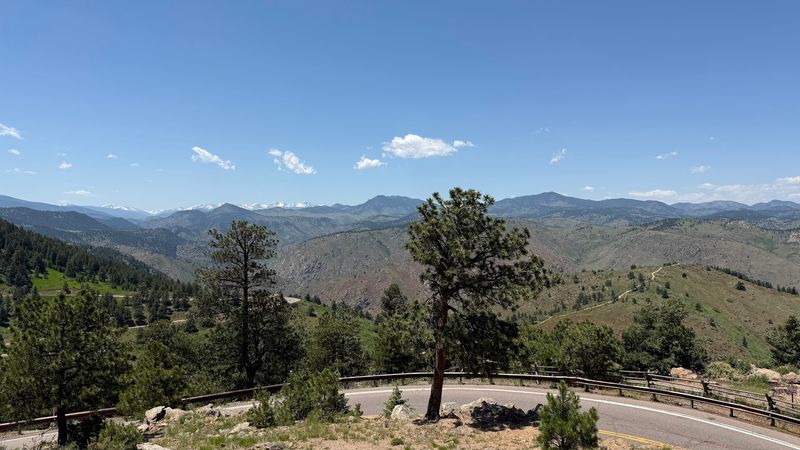
Not every great drive requires a full day and a packed cooler. The Lariat Loop Scenic Byway covers 40 miles from Golden to Evergreen via Highways 93 and 74.
It loops through the foothills just west of Denver with a surprisingly rich collection of landmarks along the way.
Red Rocks Amphitheatre is the showstopper here. Even without a concert scheduled, the park is open for hiking and the geology is jaw-dropping.
Massive red sandstone formations rise 300 feet above the stage, and the views east toward Denver are outstanding from the upper trails. Nearby Dinosaur Ridge adds a paleontology angle, with actual dinosaur tracks and fossils visible from the road.
Lookout Mountain sits higher on the loop and offers a panoramic overlook of the Front Range and the plains stretching east. Buffalo Bill’s Museum and Grave sits near the summit and is worth a quick stop for a dose of genuine Western history.
Evergreen anchors the southern end with a charming downtown and a lake that freezes over for ice skating in winter. For Denver visitors with limited time, this byway delivers mountains, history, and scenery within an easy hour of the city.
It is the kind of drive that consistently surprises people who expect less.