12 New Mexico Towns That Offer Something A Little Different
New Mexico has a speed limit problem. Not the legal kind, the kind where you meant to drive through and somehow ended up staying for dinner, then breakfast, then another dinner.
The state does this on purpose. Towns sit quietly off the main road, no big signs, no tourist traps, just something genuinely odd or beautiful or unexpected waiting at the end of the exit ramp.
A mesa community inhabited for over a thousand years. A former coal town that reinvented itself through art and never looked back.
Hot springs that locals still mostly have to themselves. You will not find these places on a highlights reel.
That is exactly the point.
1. Taos
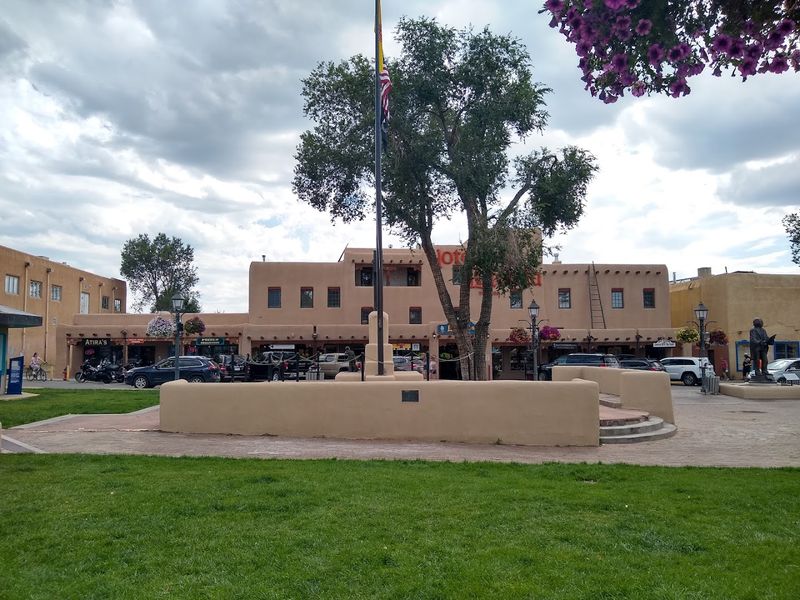
Some places earn their reputation, and Taos has been earning it for over a thousand years. Taos Pueblo is a UNESCO World Heritage site and one of the oldest continuously inhabited communities in North America.
The multi-story adobe structures look almost unchanged from centuries ago. That is not an accident.
The arts scene here is genuinely serious. Georgia O’Keeffe fell in love with the northern New Mexico landscape, and hundreds of artists followed.
Today, Taos has more galleries per capita than almost any other small town in the country.
San Francisco de Asis Mission Church has been painted and photographed so many times it has become iconic. Seeing it in person still stops you cold.
The thick adobe walls glow amber at sunset in a way no photograph fully captures.
Winter brings a completely different crowd. Taos Ski Valley is steep, the snow is excellent, and the village feels European without trying too hard.
Between the pueblo, the galleries, and the mountain, Taos packs more variety into a small footprint than most cities twice its size.
2. Chimayó
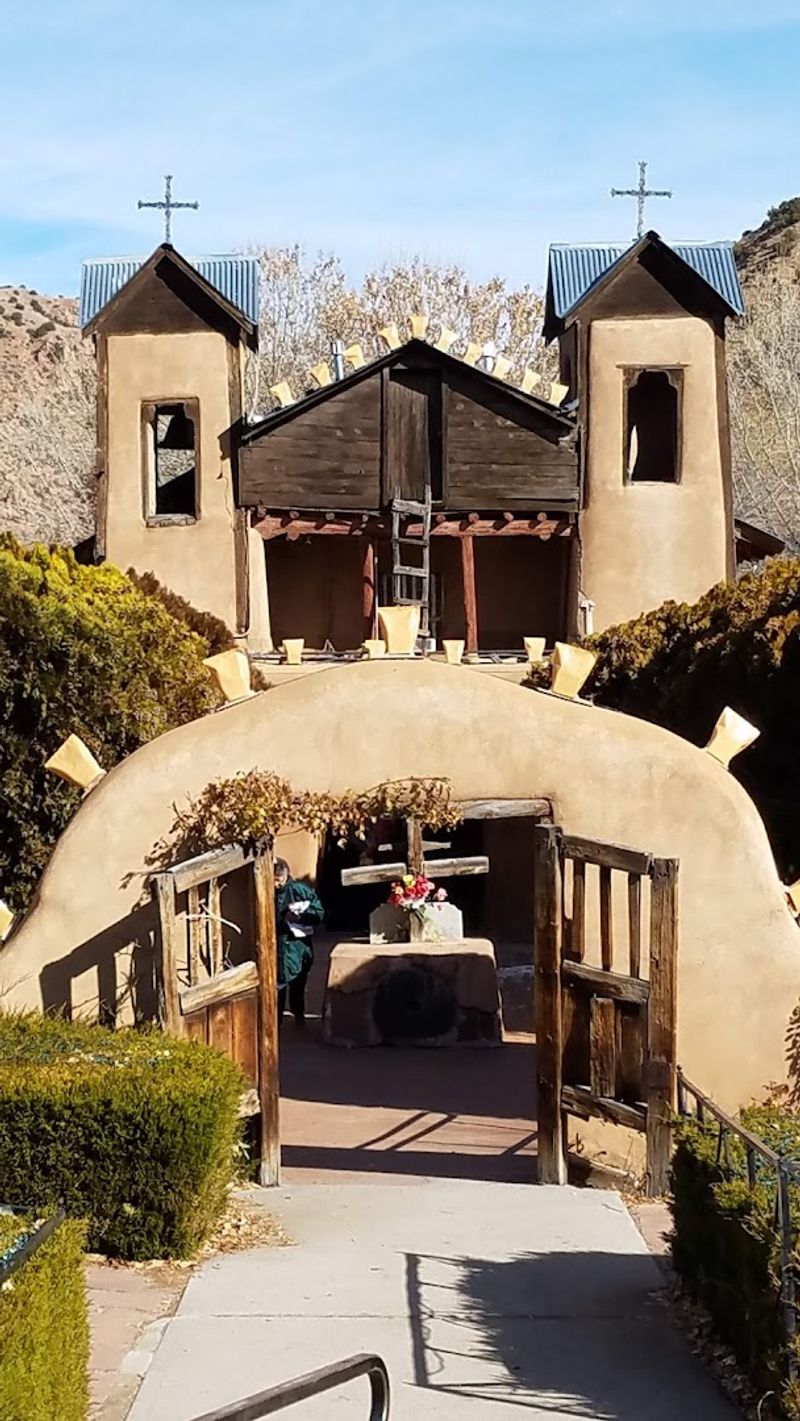
Pilgrims walk hundreds of miles every year to reach this small village north of Santa Fe. That alone tells you something extraordinary is happening here.
The Santuario de Chimayo, built in 1816, draws thousands of visitors annually who come to collect sacred dirt from a pit inside the chapel. The tradition has continued uninterrupted for over two centuries.
Beyond the spiritual significance, Chimayo is also famous for its weaving. Local families have been producing hand-woven textiles using traditional Rio Grande techniques for generations.
The patterns are bold, colorful, and rooted in both Spanish colonial and Native American traditions.
Chimayo Heirloom chile peppers are another reason to visit. These small, wrinkled peppers have been cultivated in the valley soil for centuries.
The flavor is unlike anything from a supermarket. Local farms sell them dried or fresh depending on the season.
The village itself is quiet and unhurried. Narrow roads wind past adobe homes, old orchards, and hand-painted signs.
Stopping here feels less like sightseeing and more like visiting a living history that has never been packaged for tourists. That is exactly what makes it worth the detour.
3. Acoma Pueblo
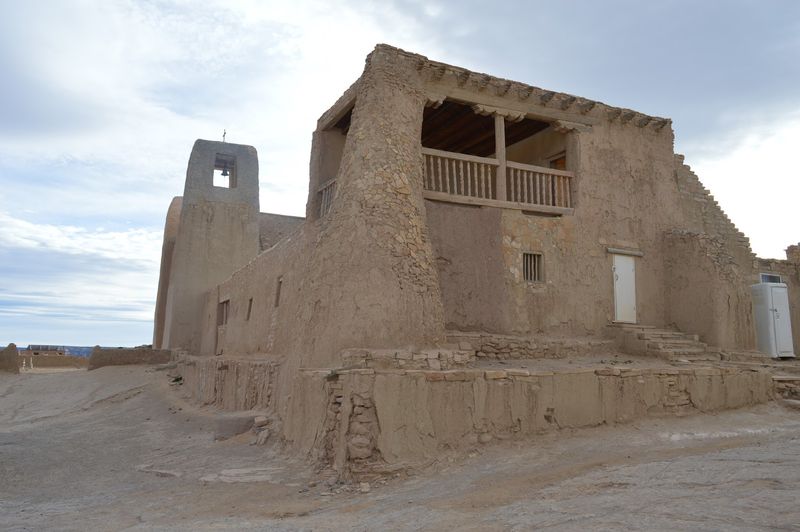
People have lived on top of this 367-foot sandstone mesa for over a thousand years. Let that settle for a moment.
Acoma Pueblo is one of the oldest continuously inhabited communities in North America, and standing up there, looking out over miles of high desert in every direction, you understand completely why nobody ever left.
Getting up requires a guided tour, which only adds to the sense of occasion. The pueblo is compact and dense, with narrow lanes, ancient walls, and the stunning San Esteban del Rey Mission built in the early 1600s.
The sky from up there feels almost theatrical, wide and endless in a way that is hard to describe and impossible to forget.
Before the climb, the Sky City Cultural Center and Haak’u Museum at the base offers excellent context.
Exhibits cover Acoma history, pottery traditions, and the ongoing cultural life of the community. The pottery itself is unmistakable, thin-walled with intricate black-and-white geometric patterns.
Acoma sits about 60 miles west of Albuquerque off Interstate 40, close enough for a day trip but deserving of more time than most people give it. Tours are led by Acoma tribal members who bring the history alive in ways no guidebook can replicate.
This place earns every superlative thrown at it.
4. Abiquiú
Artists do not just visit Abiquiu, they get obsessed with it. Georgia O’Keeffe lived and worked here for decades, and her Abiquiú home can be visited through guided tours that begin at the Georgia O’Keeffe Welcome Center at 21120 US-84.
Standing in the courtyard where she painted those famous bones and blossoms, you understand immediately what kept her here.
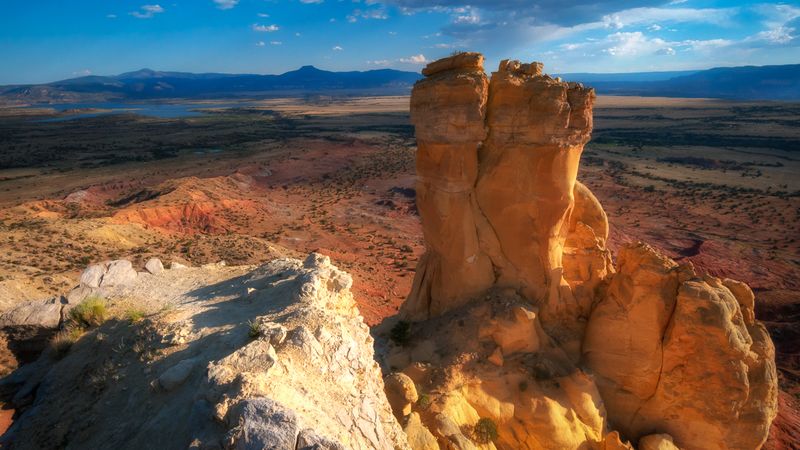
The landscape around Abiquiu is otherworldly. Bands of red, orange, yellow, and white rock layer across the cliffs and mesas in a color palette that looks almost computer-generated.
Piedra Lumbre, the valley where the village sits, translates roughly to shining stone, and that name fits perfectly.
Abiquiu Lake is a reservoir created by the Army Corps of Engineers that has become a popular spot for boating, fishing, and camping. The contrast between the blue water and the vivid red cliffs surrounding it is startling in the best possible way.
Sunset here is not subtle.
The village itself is small and not particularly set up for heavy tourism, which works in its favor. A few pottery studios and small galleries operate quietly, and the local church, Santo Tomas el Apostol, dates back to the 1700s.
Abiquiu rewards slow travel, the kind where you stop the car frequently just to stare at what the light is doing to the rock.
5. Madrid
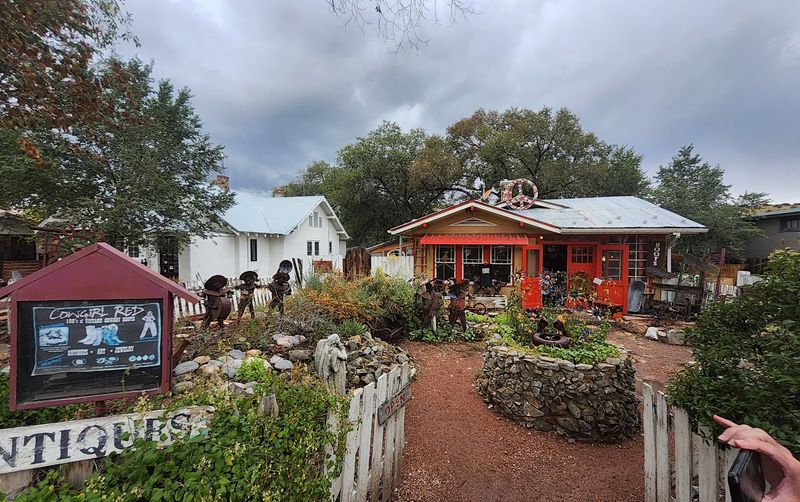
Madrid went from ghost town to gallery town in one of the more entertaining comeback stories in New Mexico history. Coal mining dried up by the 1950s, and the whole place sat nearly empty for decades.
Then artists started moving in during the 1970s, drawn by cheap rent and dramatic scenery, and the transformation began.
Today, the single main road through Madrid, located along the Turquoise Trail National Scenic Byway, is lined with over 40 shops, galleries, and studios. The buildings are painted in bold colors, the signs are hand-lettered, and the vibe is cheerful without being forced.
It feels like a town that is genuinely happy to exist.
The Mine Shaft Tavern, a longtime Madrid landmark at 2846 NM-14, hosts live music on weekends and is worth a stop for the atmosphere alone. The stage has seen performers ranging from local bands to nationally known acts over the years.
Weekend afternoons here have real energy.
What makes Madrid different from other arts towns is the honesty of it. Nothing feels staged or overly curated.
Sculptors work in open studios, painters chat with visitors, and the dogs wandering the sidewalk look completely unbothered. If you are driving between Albuquerque and Santa Fe on NM-14, skipping Madrid would be a genuine mistake.
6. Truth Or Consequences
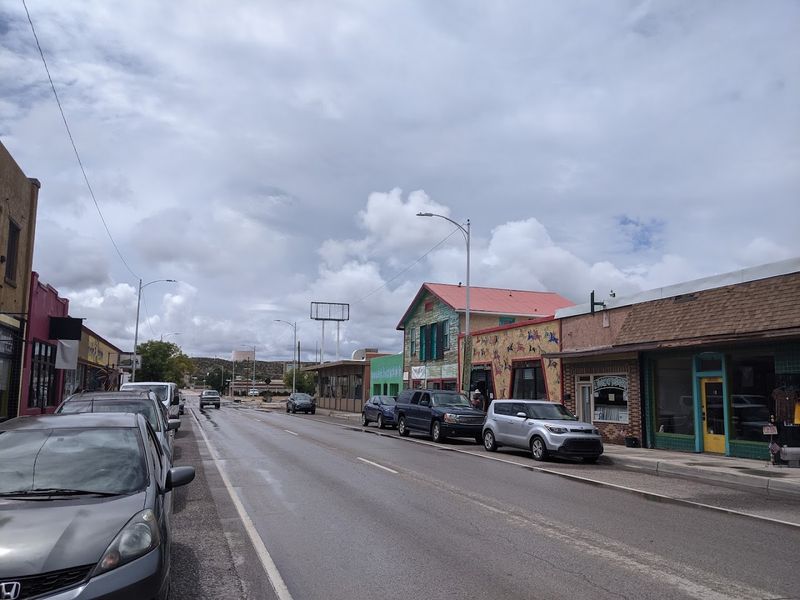
The name alone earns a second look on any map. Truth or Consequences changed its name from Hot Springs in 1950 to win a promotional contest run by the NBC radio program of the same name.
The town got national attention, kept the name, and has been trading on that story ever since.
The original reason for being here is still the main attraction. Natural geothermal hot springs feed a string of bathhouses and spas throughout the downtown area.
Soaking in mineral-rich water after a long drive through the desert is exactly as good as it sounds, and many of the bathhouses are affordable and low-key.
Elephant Butte Lake State Park sits just a few miles north of town and offers boating, fishing, and camping along the largest lake in the state. The contrast between the wide blue water and the surrounding desert hills is striking.
Pelicans and herons show up in surprising numbers along the shore.
The arts scene here punches well above its weight for a town of around 6,000 people. Galleries, studios, and quirky shops fill the historic downtown blocks, and the Geronimo Springs Museum covers local history in an engaging and well-organized way.
Truth or Consequences is strange in the best possible sense, and it leans into that fully.
7. Ojo Caliente
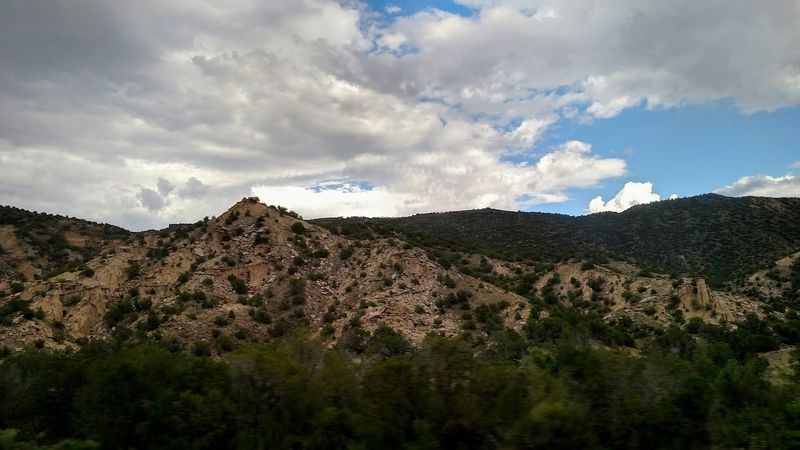
Few places in New Mexico feel as genuinely restorative as this one. Ojo Caliente Mineral Springs Resort and Spa sits in a quiet valley north of Espanola and has been welcoming visitors to its natural hot springs for well over a century.
What makes it unusual is the variety. The springs here contain several distinct mineral waters including iron, arsenic, soda, and lithia, a rare combination in a single location.
Each pool has a different mineral composition, and regulars swear by the specific benefits of each. The setting does most of the work.
Cottonwood trees line the banks, red cliffs rise behind the property, and the whole scene feels deliberately unhurried.
Hiking trails wind through the surrounding high desert landscape beyond the pools. The views from above the valley are genuinely beautiful, with the Jemez Mountains visible on clear days.
Physical activity followed by thermal soaking makes for an unusually satisfying combination.
Ojo Caliente is not a flashy destination. It does not need to be.
Accommodations range from simple rooms to casitas, and the on-site restaurant serves food that fits the earthy, grounded feel of the place. If your body needs a reset and your eyes need something beautiful, this is your answer.
8. Cloudcroft
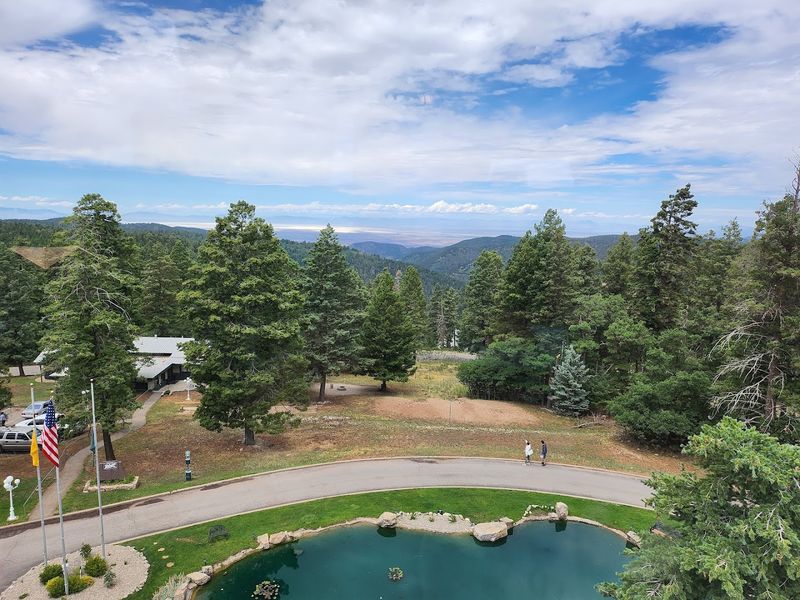
At 8,600 feet above sea level, Cloudcroft sits in the Lincoln National Forest and feels like a completely different world from the desert below.
The air is cooler, the ponderosa pines are tall and fragrant, and the town has a relaxed mountain character that feels like a genuine escape from summer heat.
The Sacramento Mountains offer excellent hiking and mountain biking through dense forest. Trails range from easy walks to demanding routes with sweeping views over the Tularosa Basin far below.
On a clear day you can see what feels like forever.
The Lodge, opened in 1899, remains one of the town’s best-known historic properties. Its Victorian character and rooftop observation tower deliver panoramic forest views that hold up in any season.
Stargazing here is exceptional. High elevation and low light pollution create conditions that amateur astronomers genuinely appreciate, and several astronomy events are held in the area throughout the year.
When the rest of the state bakes in summer heat, Cloudcroft stays cool, shaded, and quiet. That makes it one of the most underappreciated towns around.
9. Mesilla
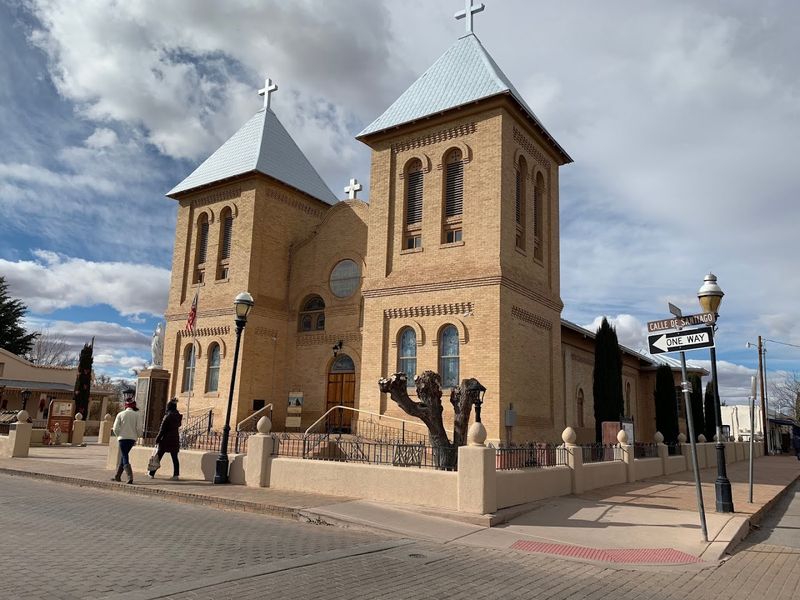
Step onto the plaza in Mesilla and you immediately feel the weight of history underfoot. This small village just outside Las Cruces was once a major stop on the Butterfield Overland Mail route and played a significant role in the Gadsden Purchase of 1853.
The past here is not decorative. It is structural.
The Basilica of San Albino, established in 1851, still stands as an active and beautiful church facing the plaza. The surrounding adobe buildings house galleries, shops, and restaurants that maintain genuine historic character without feeling like a theme park recreation.
Billy the Kid stood trial in the old courthouse on this plaza in 1881. That courthouse still stands as a museum today.
The Gadsden Museum nearby provides excellent context for the region’s complicated and fascinating past.
What makes Mesilla particularly enjoyable is how lived-in it feels. Families picnic on the plaza, local vendors set up on weekends, and the whole place runs at a pace that encourages lingering.
The green chile here is outstanding, as it should be this close to Hatch, the chile capital of the world. Mesilla rewards anyone willing to spend a full afternoon wandering slowly.
10. Los Alamos
There are not many towns in America where the local science museum explains how some of the most significant scientific breakthroughs of the twentieth century came to life.
Los Alamos is not most towns. Built in total secrecy as part of the Manhattan Project, this mesa-top city brought together some of the most brilliant scientific minds of the time.
The whole place was essentially invisible on official maps until 1957.
The Bradbury Science Museum on Central Avenue is free and explores the Manhattan Project with depth and clarity.
Exhibits include early scientific models, ongoing research at Los Alamos National Laboratory, and the human stories of scientists and families who lived here in isolation during those years.
Bathtub Row on Peach Street is where senior Manhattan Project scientists lived. The homes are modest, which makes the history feel even more surreal.
Walking that street knowing who once paced those same sidewalks creates a quiet, reflective moment.
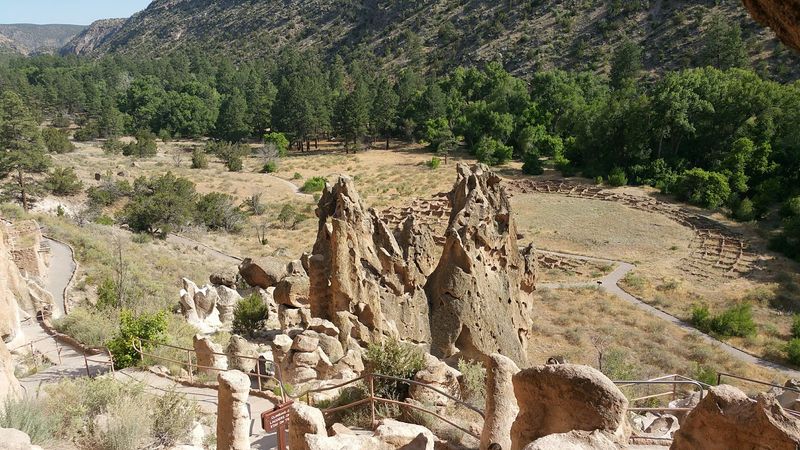
Outdoor life here is excellent. Bandelier National Monument, just 12 miles south, features ancient Ancestral Puebloan cliff dwellings carved into volcanic tuff.
The hiking trails are dramatic and the history is deeply rooted. Los Alamos manages to be both intellectually engaging and naturally beautiful, which is a rare combination anywhere.
11. Lincoln
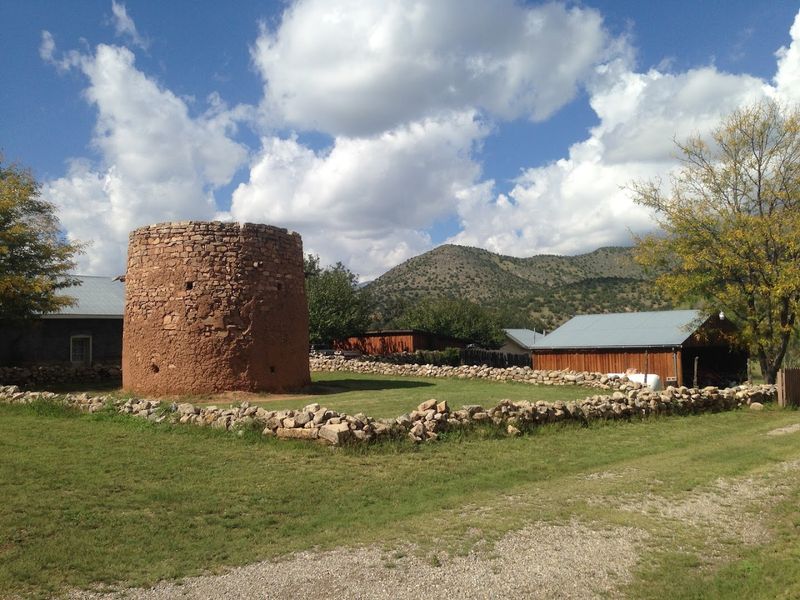
Lincoln is one of the most intact frontier towns in the American West, and it earns that description honestly. The entire main street is essentially a living museum, with original 19th-century buildings preserved in place rather than reconstructed.
A violent land and cattle dispute in the late 1870s put this place on the map and drew a young gunfighter named Billy the Kid into its orbit.
The Lincoln State Monument encompasses most of the historic district along US-380. The old courthouse, the Tunstall Store, and the Wortley Hotel are all open to visitors.
The Tunstall Store still has original merchandise on the shelves from the 1880s, which is the kind of detail that stops you cold.
Every August, Old Lincoln Days fills the streets with period-dressed reenactors, traditional music, and frontier craft demonstrations. It draws crowds from across the state and feels appropriately theatrical given the town’s dramatic past.
Lincoln sits in the Ruidoso River valley surrounded by rolling hills and open rangeland. The setting is quiet and surprisingly beautiful.
With a population of around 70 people, it is less a functioning town and more a preserved moment in time. Visiting feels less like tourism and more like time travel.
That is exactly what makes it worth the detour.
12. Las Vegas
Forget the neon signs and slot machines. Las Vegas is the original Las Vegas, and it has a story worth knowing.
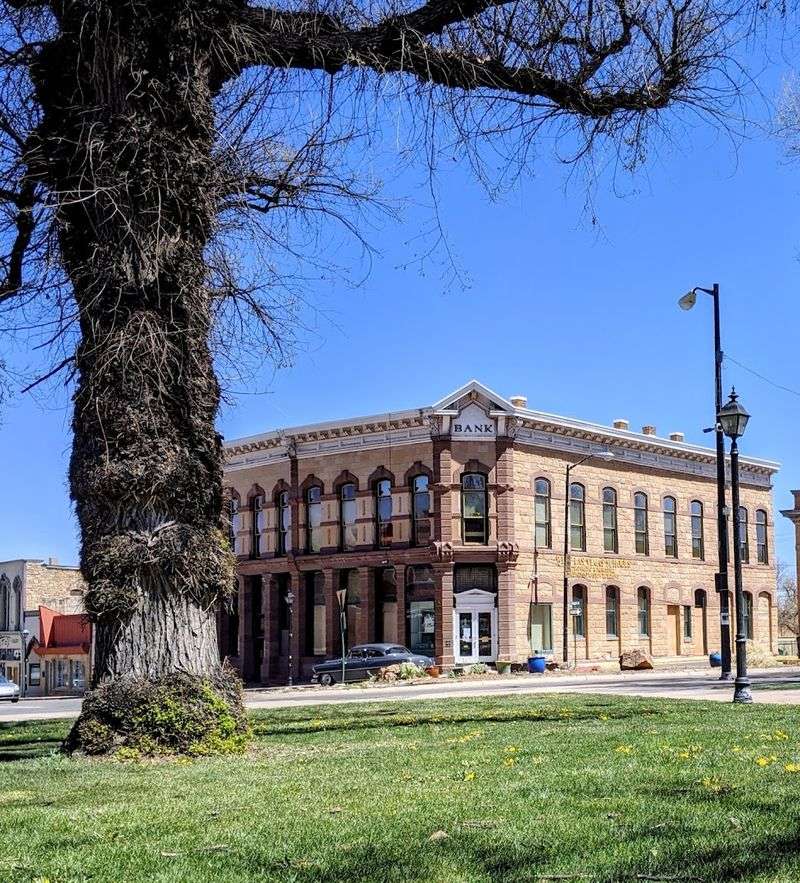
Founded in 1835, the town boomed during the railroad era and filled up with elaborate Victorian and Italianate architecture that still lines the streets today.
More than 900 buildings here are listed on the National Register of Historic Places. That makes it one of the most architecturally significant small towns in the entire country.
Walking the residential streets near the historic plaza feels like flipping through a catalog of late 19th-century American building styles.
The Plaza Hotel, built in 1882, still operates and anchors the old plaza with real authority. The lobby alone is worth stopping in for, with tall ceilings and period details completely intact.
Theodore Roosevelt recruited Rough Riders here in the 1890s. Doc Holliday reportedly lived here briefly in the 1880s.
The Carnegie Library, the City of Las Vegas Museum, and the Rough Rider Memorial Collection all help tell the layered story of this town. Las Vegas is the kind of place where every building has a story.
Most of them are genuinely good ones.