This Ancient Colorado Cliff Dwelling Site Has A Fry Bread Stand Everyone Talks About
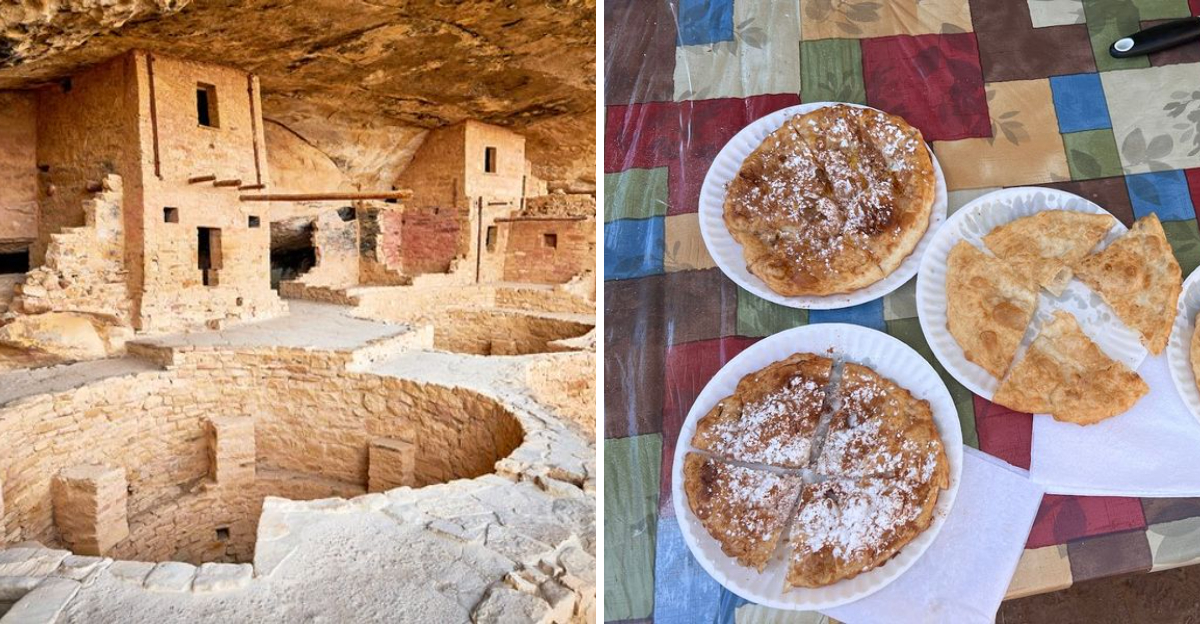
I went to this park to look at cliff dwellings that are over seven hundred years old. I did not expect to spend an equal amount of time thinking about fry bread.
And yet here we are.
There is something almost comical about standing at the edge of one of America’s most extraordinary archaeological sites.
Being surrounded by ancient history carved into canyon walls, and having your full attention hijacked by the smell of something warm and golden drifting across the mesa is amazing.
My priorities were clearly not what I thought they were. This site earns everything people say about it before you even get to the food.
The Ancestral Puebloan cliff dwellings tucked into these Colorado canyon walls are the kind of thing that genuinely stops your breath.
But there is a fry bread stand near this park that has been quietly stealing the show for years, and it absolutely deserves its own moment of recognition.
The Cliff Dwellings
Nobody builds a neighborhood into the side of a cliff by accident.
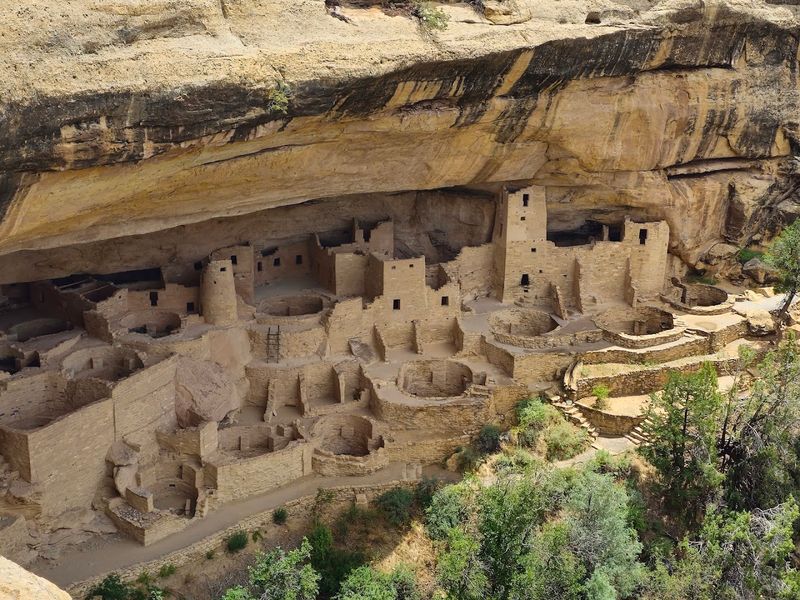
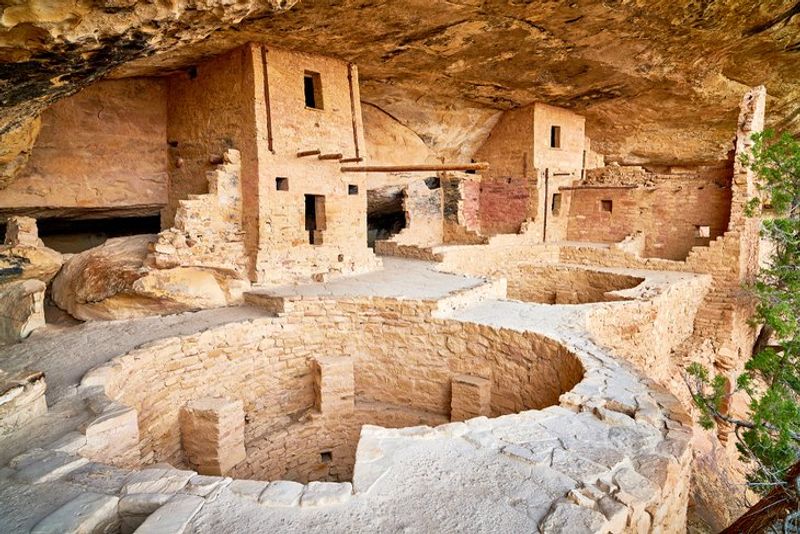
The Ancestral Puebloans who called Mesa Verde home constructed entire communities inside natural alcoves carved into canyon walls, and they did it with remarkable precision.
These structures date back to around 600 CE, making them one of the best-preserved ancient sites in North America.
Cliff Palace, the most famous dwelling here, contains over 150 rooms and 23 kivas. Visiting it feels genuinely surreal.
You are standing somewhere that real families cooked, raised children, and organized their entire lives, all without a single power tool.
Mesa Verde National Park, Colorado, is perched on a high mesa in southwest Colorado.
Rangers lead guided tours through the major sites, and they do a solid job of making history feel alive rather than dusty. Even if history class never excited you, this place will change that fast.
The Fry Bread Stand
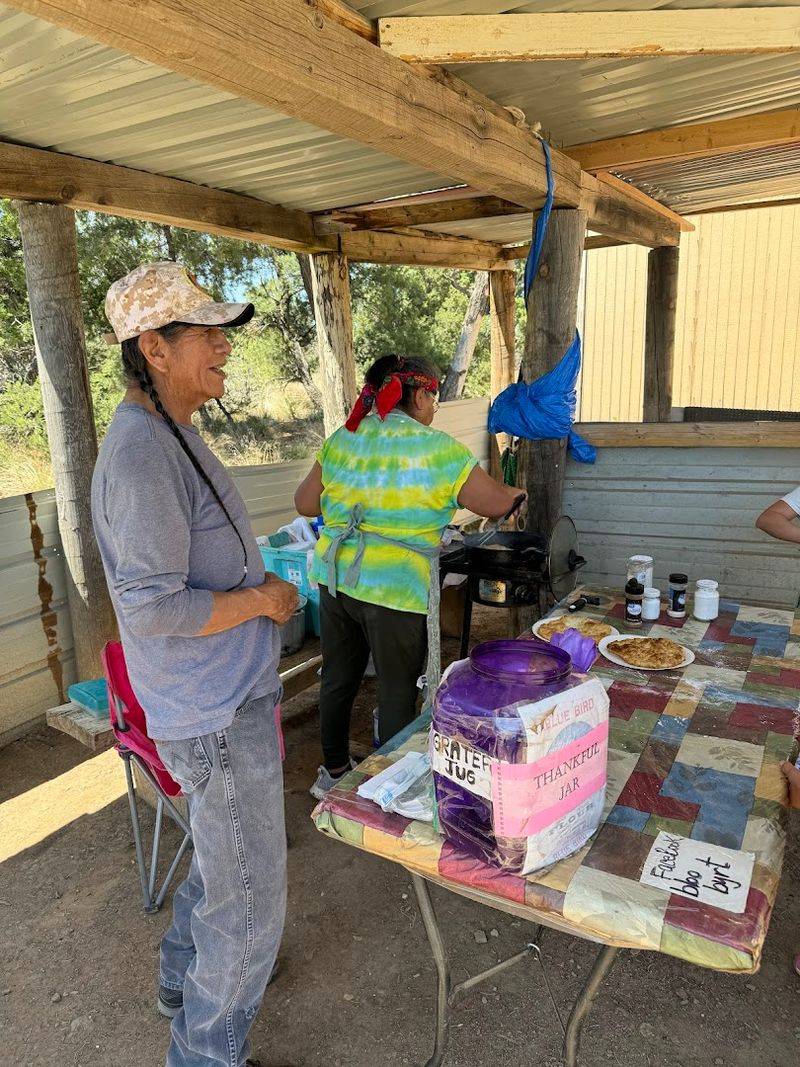
Word travels fast when something tastes this good.
The fry bread stand at Mesa Verde has built a reputation that spreads entirely through conversation, and almost every visitor who tries it ends up telling someone else about it before they even leave the parking area.
That kind of loyalty is earned, not advertised.
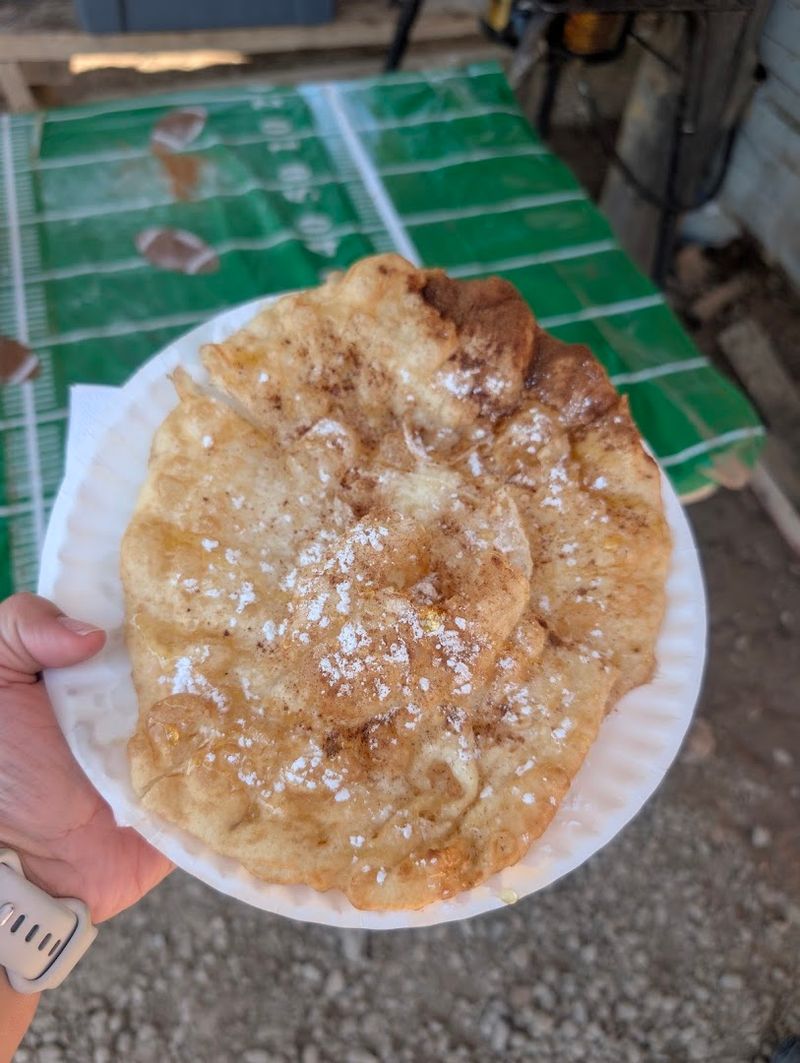
Fry bread itself has deep roots in Native American food culture. It is simple by design: dough fried until it puffs up golden and crispy on the outside, soft and chewy on the inside.
The result is something you probably did not know you needed until the first bite.
At this stand, the fry bread is served fresh, and the line that forms around it tells you everything you need to know about quality. Visitors who came purely for the archaeology end up lingering near the stand longer than expected.
It is that kind of place. The food does not try to be fancy.
It just tries to be good, and it absolutely succeeds at that.
The Setting Makes Every Bite Better
Eating outdoors usually means bugs and wind. Eating outdoors at Mesa Verde means canyon views that stretch for miles and a silence so complete you can actually hear yourself think.
Context matters when it comes to food, and this setting is about as dramatic as it gets in the American Southwest.
The elevation here sits around 8,500 feet in some areas, which means the air is crisp and the sky looks impossibly blue on a clear day.
Sitting with a piece of warm fry bread while looking out over ancient canyon walls is the kind of moment that sneaks up on you. You did not plan to feel moved by lunch, but here you are.
The surrounding landscape is also surprisingly green compared to what most people expect from Colorado desert terrain.
Pinon pines and junipers cover the mesa tops, giving the whole place a layered, textured look.
The combination of history, scenery, and honest food creates an experience that feels genuinely complete rather than like a checklist of tourist stops.
A Brief History Lesson
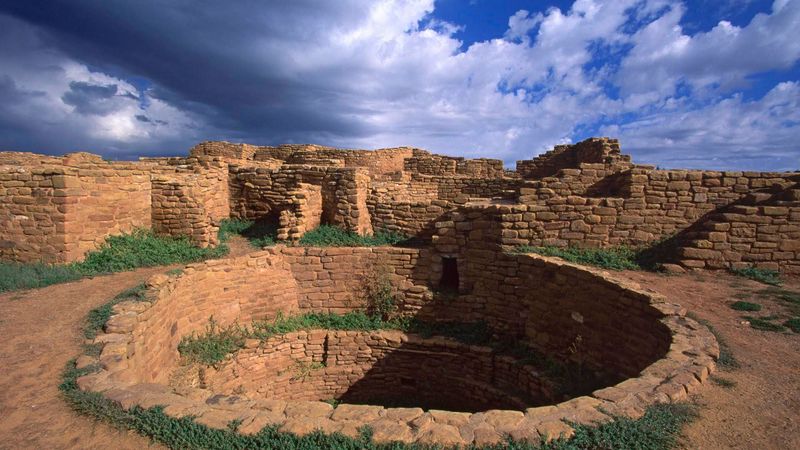
The Ancestral Puebloans lived at Mesa Verde for over 700 years before mysteriously leaving around 1300 CE.
Archaeologists believe a combination of prolonged drought and social pressures pushed communities southward toward what is now New Mexico and Arizona.
Their descendants include several modern Pueblo tribes who still consider this land sacred.
Mesa Verde became a national park in 1906, largely because of pressure from people who recognized the dwellings were being looted and damaged.
It was one of the first parks created specifically to protect a cultural site rather than a natural one. That distinction still feels important today.
The park holds over 5,000 known archaeological sites within its boundaries. Most visitors only see a small fraction of what exists here, which means repeat visits always reveal something new.
Rangers are genuinely knowledgeable and enthusiastic about the history, and their guided tours add layers of detail that no pamphlet can replicate.
Spending time here with a good ranger feels more like a conversation than a lecture.
Getting There Is Part Of The Experience
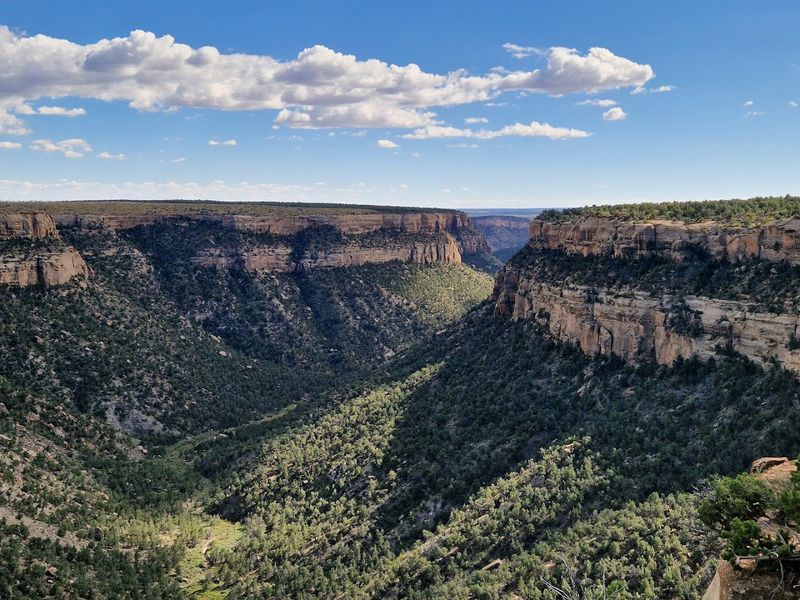
The drive into Mesa Verde is not a straight shot, and that is a feature rather than a flaw. The road spirals upward through switchbacks that reveal increasingly dramatic views with every turn.
Most people slow down instinctively, not because the road demands it, but because the scenery keeps pulling their attention sideways.
From the main entrance near Cortez, Colorado, it takes about 20 to 30 minutes to reach the main visitor areas depending on where you are headed.
The park entrance road alone offers enough views to justify the trip. Keep your camera accessible from the moment you turn in.
Parking near the main sites fills up quickly during peak summer months, so arriving early genuinely pays off. The fry bread stand tends to draw its biggest crowds around midday when tour groups cycle through.
If you want a shorter wait and a quieter moment, showing up closer to opening time gives you the best of both worlds. Plan the drive, enjoy every curve, and arrive ready to stay longer than you originally intended.
What Makes Fry Bread So Culturally Significant
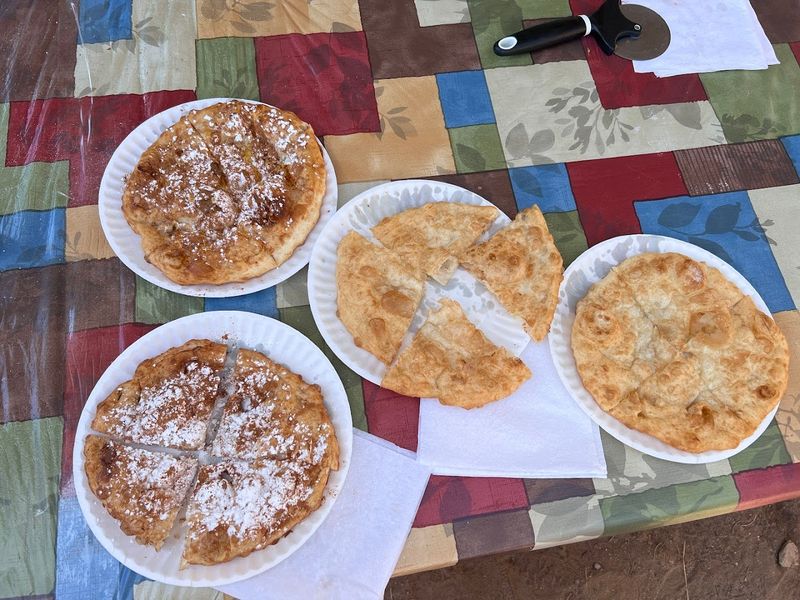
Fry bread has a complicated and important history in Native American communities.
It emerged in the mid-1800s when the U.S. government relocated many Indigenous peoples and provided them with commodity foods like flour, lard, and salt.
Families adapted what they had into something nourishing and satisfying, and fry bread became a symbol of both resilience and creativity.
Today it appears at powwows, family gatherings, roadside stands, and cultural events across the country.
At Mesa Verde, serving fry bread near one of the most significant Ancestral Puebloan sites in existence feels intentional and meaningful.
The food connects visitors to living Indigenous culture, not just ancient history frozen in stone.
Eating it here is not just a snack stop. It is a small act of engagement with something larger than tourism.
Many visitors leave with a new appreciation for both the food and the people behind it.
If you have never had fry bread before, this is genuinely one of the best places in the country to try it for the first time, with full context and fresh ingredients.
Other Foods And Snacks Available At The Park
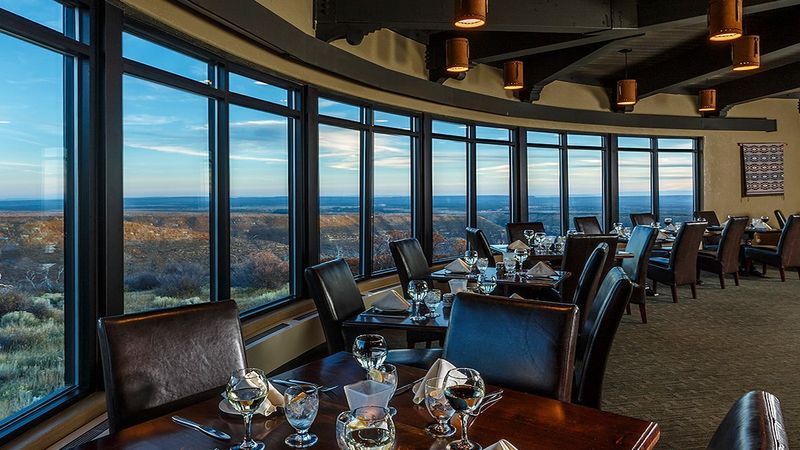
The fry bread gets all the attention, but the park has other food options worth knowing about before you arrive.
The Metate Room restaurant inside the Far View Lodge offers a more formal dining experience with a menu that draws on Indigenous ingredients and culinary traditions.
It is a sit-down experience that feels thoughtfully put together rather than generic park food.
The Farview Terrace cafeteria near the visitor center offers casual meals including sandwiches, soups, and lighter fare.
It is convenient and reasonably priced, which matters when you are spending a full day on your feet exploring ruins. Most visitors use it as a quick fuel stop between tours rather than a destination in itself.
Bringing your own snacks is always a smart move at Mesa Verde since the distances between food options can be longer than expected.
Trail mix, fruit, and plenty of water will keep your energy up between the main stops. But do yourself a favor and save room for the fry bread.
Filling up on cafeteria sandwiches and then missing the stand would be a genuine missed opportunity you would regret on the drive home.
Why This Place Stays With You Long After You Leave
Some places just stick. Mesa Verde in Colorado is one of those destinations that people describe differently every time they try to explain it.
The archaeology is impressive on paper, but standing inside Cliff Palace with canyon walls rising around you is a completely different experience from reading about it.
The fry bread stand adds something unexpected to the whole visit.
It is a moment of warmth and flavor in the middle of all that ancient stone, and it gives you a reason to slow down rather than rush to the next lookout point. Small pleasures often anchor the biggest memories.
Visitors consistently mention that Mesa Verde changes how they think about time.
Seven hundred years suddenly feels both very long ago and surprisingly close when you are touching the same walls that real people built with their own hands.
Combine that feeling with the smell of fresh fry bread drifting across the canyon air, and you have something that no itinerary could fully plan for.
Mesa Verde National Park in Colorado earns every word of praise it gets, and the fry bread stand earns every conversation it starts.