A Quiet New Mexico Village Where Every Meal Feels Like Home
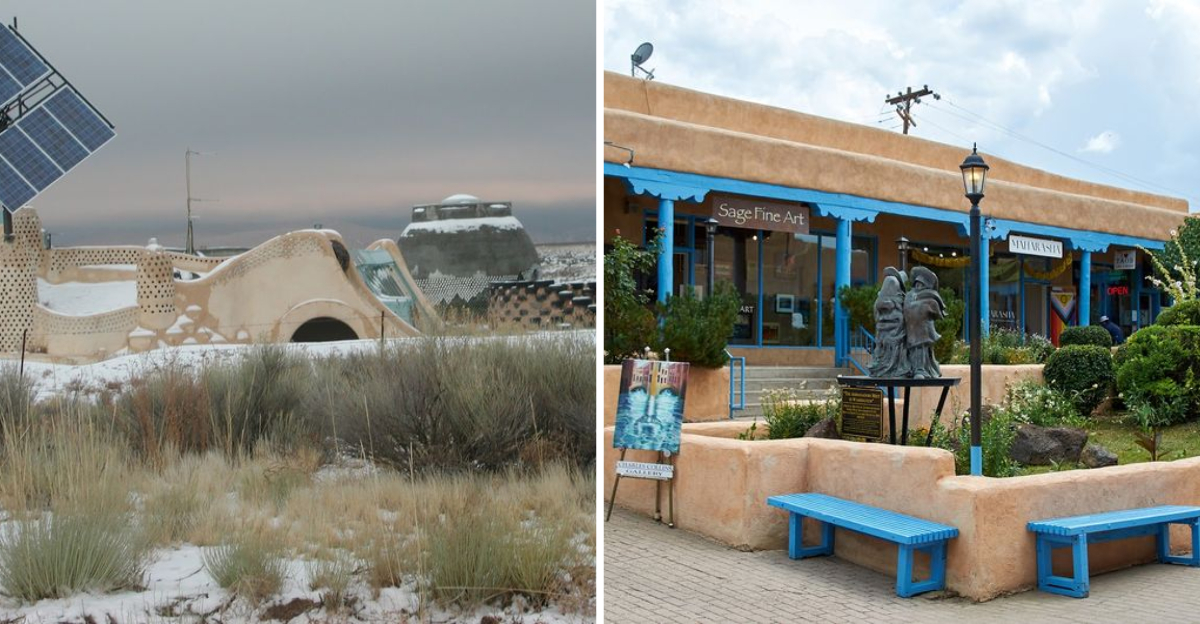
There’s this little village in New Mexico that I stumbled upon last summer.
Honestly, it’s the kind of place you don’t forget.
The streets are quiet, and everyone seems to know each other.
What really got me, though, was the food.
Every meal felt like something my grandma would make: simple, warm, and just right.
You walk into a café or someone’s kitchen, and it’s like you’re part of the family. It’s not fancy, but it’s real.
If you’re looking for a spot where every meal feels like home, this village might be it.
Desert First Impressions
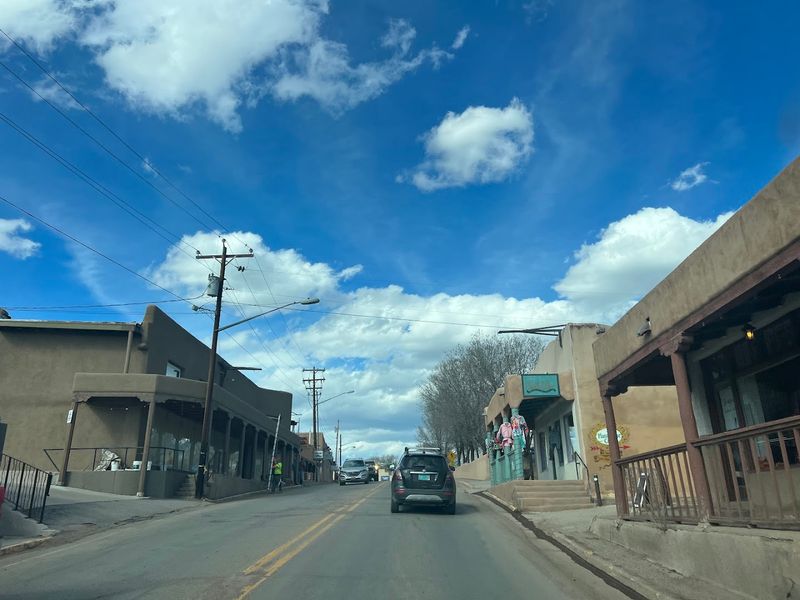
I’m sure you will not be able to keep driving once this place comes into view. You will pull over.
Almost everyone does.
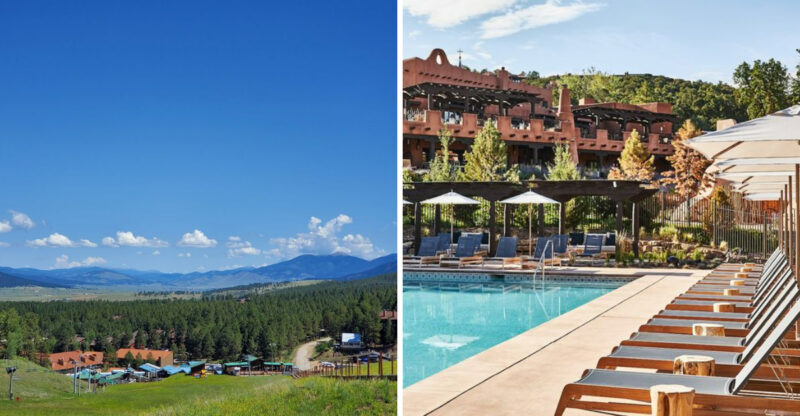
Approaching the settlement from the south provides a moment that necessitates pulling over just to gaze. The Sangre de Cristo Mountains loom behind low mud-brick rooftops like a masterfully crafted stage set.
Northern New Mexico serves as the home for this high-altitude destination which sits approximately 6,969 feet above sea level. Taos enjoys a unique geographical position where the arid plains meet the alpine forest.
Crisp, transparent air fills the lungs in a way that urban environments rarely permit. Amber glows emanate from the sky during sunset, casting a golden hue over the entire landscape.
The historic plaza remains the central anchor of the compact and easily navigable center. I noticed that the light here possesses a clarity that makes every architectural edge look sharper.
Gallery-lined streets radiate outward, leading guests past shops filled with turquoise jewelry and dried chiles. This area functions as a crossroads where deep history and rugged nature collide.
I was surprised by the unhurried pace that seems to govern every person in the vicinity. Nobody appears to be rushing, and that tranquility becomes incredibly infectious by the conclusion of the first day.
The dramatic slash of the Rio Grande Gorge deepens the floor just a few miles to the west. This introduction to Taos creates an immediate sense of wonder for every traveler.
Watching the first stars appear over the mountain peaks is an experience that stays with you forever.
High Desert Culinary Flavors

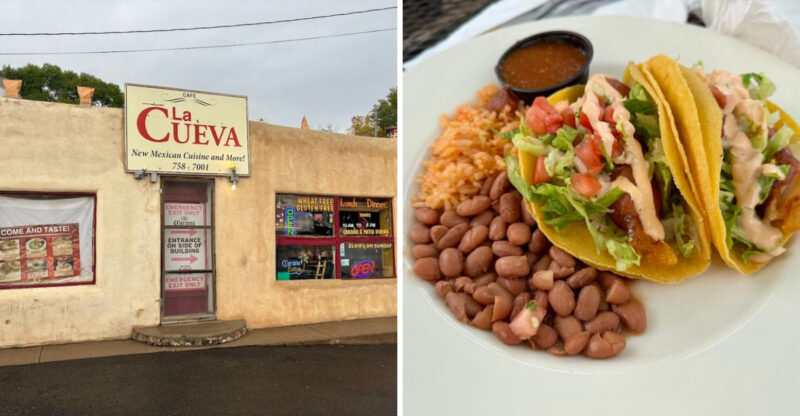
Daily schedules in this high-altitude retreat often revolve entirely around the next culinary discovery. New Mexican cuisine stands as a unique tradition, clearly separated from typical styles found in other regions.
Green and red chiles are treated with a reverence that borders on the spiritual within local kitchens. Breakfast at a neighborhood establishment involves huevos rancheros smothered in deeply flavored sauces.
Puffy sopapillas arrive at the table steaming hot, waiting to be drizzled with local honey. Can you believe that some of these recipes have been simmered for days to reach such complexity?
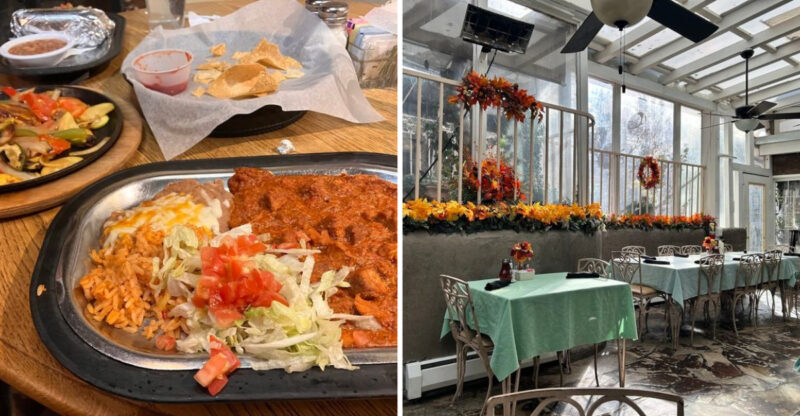
The meal concludes with a feeling of being comfortably looked after by the host. Lunch and dinner maintain this high standard with thick posole and pork-filled tamales steamed in husks.
Hand-pressed tortillas layer the enchiladas, while most ingredients are sourced from the nearby river valley. Low-lit dining rooms feature exposed ceiling beams and original artwork from regional creators.
Waitstaff provide friendly assistance without ever making the guest feel pressured to finish quickly. Eating in Taos is less of a commercial transaction and more of a warm invitation to stay.
Adobe Spirit Ancient Cuisine
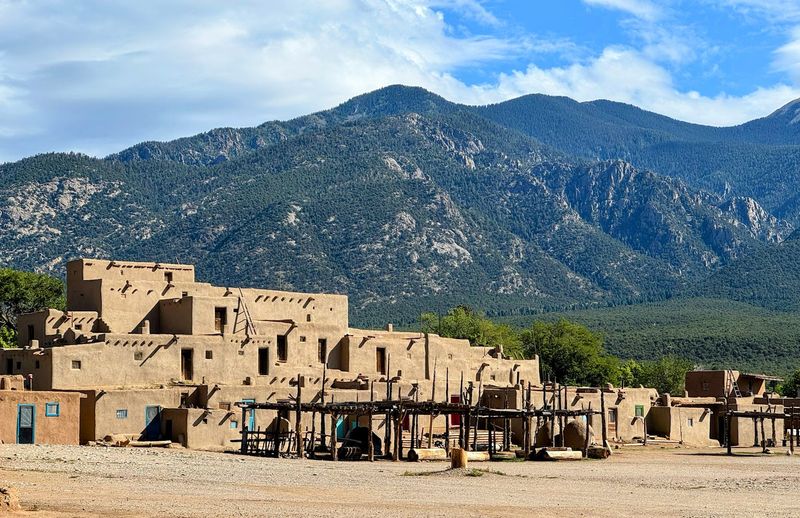
Ancient stories live within the walls of a community that has remained occupied for over ten centuries. This multistory complex stands as a testament to the endurance of the Tiwa-speaking residents.
The settlement has functioned as a living neighborhood since approximately 1000 CE, predating many global landmarks. My impression of the structures was one of deep respect for the architectural ingenuity of the past.
Here, food and tradition are inseparable, shaping daily life in ways that have remained consistent for centuries.
Residents still occupy these dwellings without the use of electricity or modern plumbing, preserving a way of life that remains deeply tied to ancestral customs, especially in how food is prepared and shared.
Food here is a direct expression of tradition, prepared and shared in ways that have remained unchanged for generations.
Community members lead informative walks through the site, sharing narratives with a quiet, powerful pride. Two primary structures, Hlauuma and Hlaukwima, rise five stories high to frame the central gathering area.
Meals are prepared using simple, time-honored methods that reflect centuries of cultural knowledge and a deep connection to the land.
Red Willow Creek flows between the buildings, providing fresh liquid sustenance just as it has for ages. This sacred heritage site serves as a cornerstone of identity for the entire region of Taos.
Artistic Light And Legacy
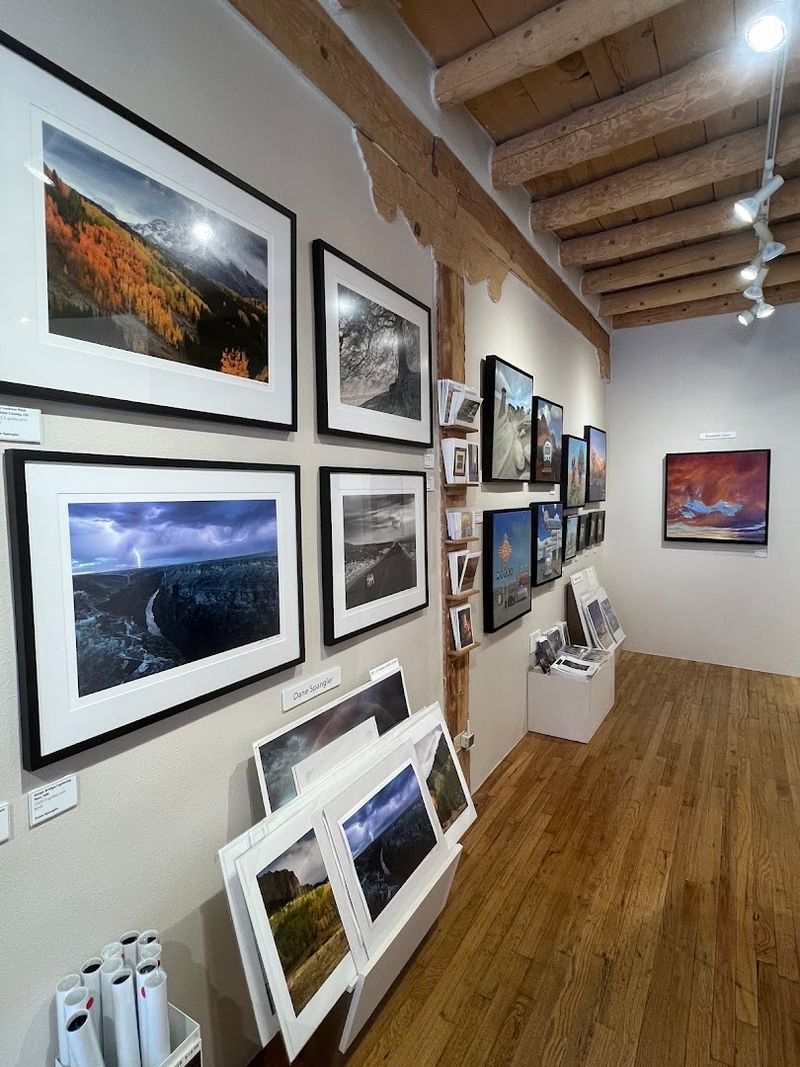
Painters began arriving in this northern territory over a century ago, captivated by the unique light. That original society of creators established a colony that continues to flourish in the modern day.
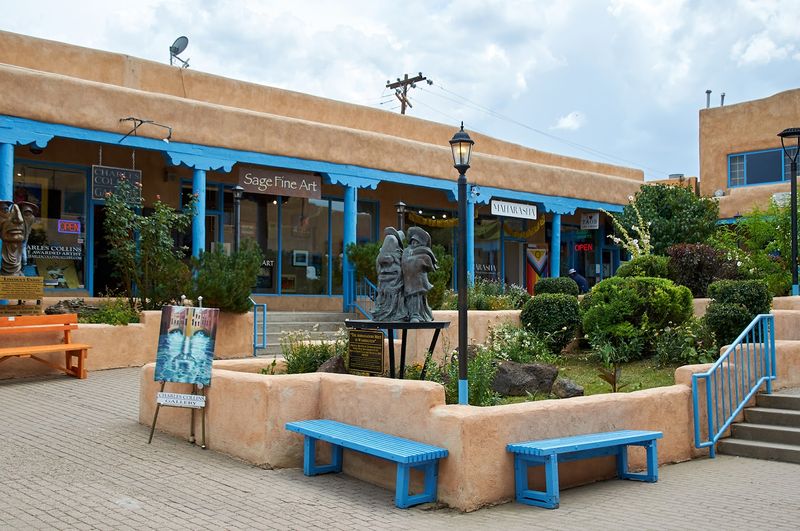
The town currently boasts a higher concentration of galleries than almost any other location in the nation. The local museum district is an ideal starting point for any creative tour.
This historic adobe compound protects a permanent collection of modern works alongside rotating exhibits. Intricate woodwork covers every surface of the Fechin House, from the door frames to the furniture.
Russian-born craftsmanship matches the quality of the paintings displayed within those beautifully carved walls. Creative treasures are nestled throughout the historic district, waiting to be discovered by curious eyes.
Smaller shops line the side roads, showcasing everything from oil landscapes to abstract bronze sculptures. I spent an entire afternoon wandering from one studio to the next without ever feeling bored.
Visual expression is not merely a decorative background here; it functions as the actual pulse of the town. Every doorway and courtyard offers a new perspective on the intersection of culture and creativity.
Alpine Peaks And Trails
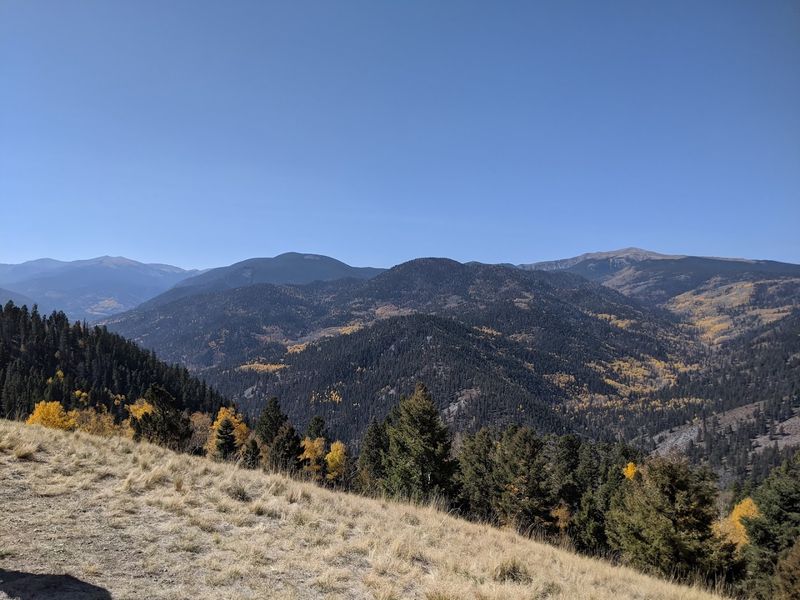
Outdoor enthusiasts should prepare their gear for the rewards found within the Sangre de Cristo range. New Mexico is a place of diverse geography, and these peaks offer a stunning contrast to the lowlands.
Hikers from across the continent visit during the summer months to challenge themselves on these slopes.
The journey from the ski valley covers sixteen miles and demands physical preparation for the climb. Casual walkers can choose the lake path, which leads to a stunning alpine water body.
Rocky cliffs reflect perfectly in the still surface of the water during the quiet morning hours. I was surprised by how the aspen groves turn a blazing gold during the autumn season.
Carson National Forest surrounds the high country, providing countless additional paths for various skill levels. These adventures are located just a short drive northeast of the main Taos plaza.
Winter transforms the landscape into a world-class destination for those seeking challenging snowy terrain. The ski resort is known for its unpretentious atmosphere and its focus on the pure experience of the sport.
The crisp mountain air carries the scent of pine and adventure to everyone who wanders upward.
Rift Of The Abyss
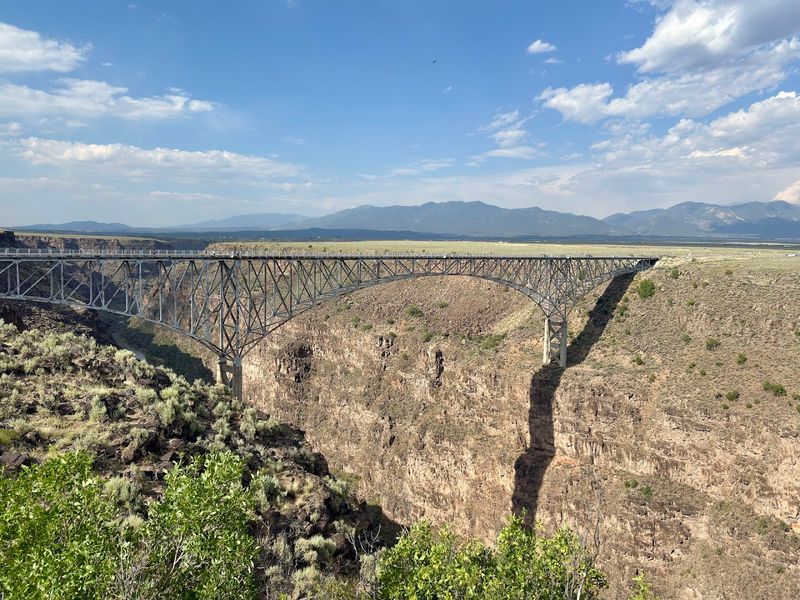
The earth drops away suddenly about eight miles to the west of the town center. This volcanic rift canyon is carved 800 feet deep into the flat surface of the plateau.
Processing the scale of this geological feature takes a moment for the mind to fully comprehend. The steel bridge spanning the gap is one of the highest highway crossings in the nation.
Walking across the pedestrian sidewalk allows for a view of the river threading through basalt walls. Can you believe the sheer depth when looking down at the whitewater rafters below?
Photographs never quite capture the breathtaking magnitude of the light shifting on the dark stone. The river section below offers intense rapids through a remote stretch of the canyon.
One can witness this spectacle by traveling to the crossing that links the desert plains. New Mexico nature is at its most raw and powerful here at the edge of the abyss.
Guided trips during the spring and summer provide an adrenaline-filled way to experience the water. I stood on that span far longer than intended, watching the shadows dance across the rust-colored cliffs.
This natural wonder makes the entire journey worthwhile before the sun even sets. My breath caught as a hawk soared through the canyon deep below my feet.
Earth Made Architecture
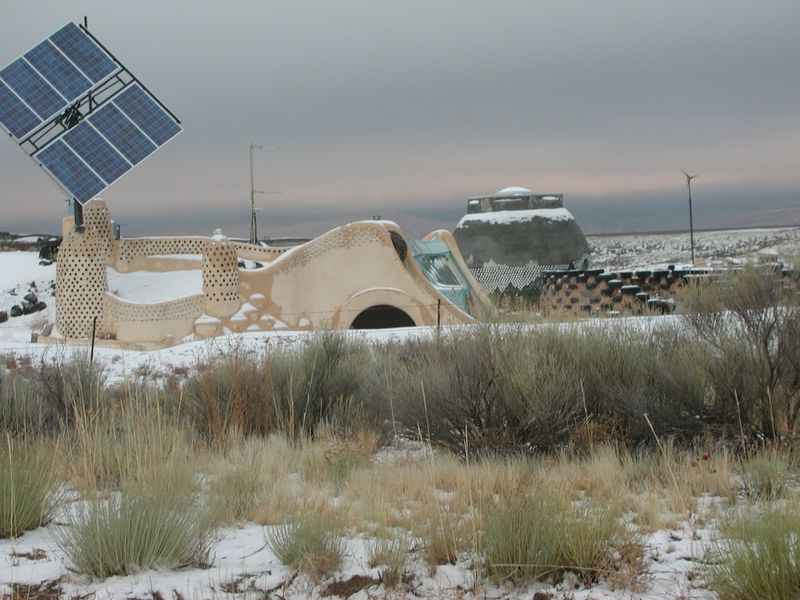
Quietly extraordinary buildings made from the soil itself define the visual identity of the area. Construction using sun-dried mud bricks and straw has remained the dominant method for centuries.
The town wears this architectural tradition with a sense of effortless and timeless confidence. Rounded corners and protruding wooden vigas characterize the structures throughout the old neighborhoods.
Thick walls provide natural insulation, keeping interiors cool during the heat of the summer months. I was surprised by how every building feels like it belongs to the earth rather than being imposed on it.
Historic district codes require new projects to honor these traditional mud-brick aesthetics and shapes. This regulation ensures a cohesive appearance that many American cities lack due to clashing styles.
The most iconic examples of this style can be found within the ancient residential complexes. New Mexico provides a unique sense of place through these hand-plastered surfaces.
Photographing the various doorways revealed a unique character in every hand-carved wooden frame. This visual language is more than a style; it is the physical memory of the desert.
I found myself reaching out to touch the cool, smooth surface of the earth-walls.
The way the adobe glows under the moonlight gives the streets a ghostly, beautiful appearance.
Essential Travel Advice
Selecting the right season is crucial for a successful trip to this mountain retreat. Spring and autumn provide the best conditions with mild weather and fewer crowds on the streets.
Summer months offer various festivals but also bring rapid thunderstorms that roll in from the peaks. High elevation catches many travelers off guard during their first day in the region.
Walking uphill can leave a person winded due to the thinner air at 7,000 feet. I found that drinking extra water is the best way to combat the effects of the altitude.
Give yourself ample time to adjust before attempting any strenuous physical activity in the forest. Navigating Taos is simplest by vehicle, as options for public transportation remain quite limited.
Comfortable lodging and guest houses are found nestled within the quiet side streets of the center. New Mexico hospitality is famous for making strangers feel like long-lost friends.
Thoughtful awareness ensures that the traditions of this mountain sanctuary continue to thrive for years. My final evening was spent watching the stars emerge over the high plateau.
The memory of the quiet desert nights will likely pull me back to these hills very soon.