The Maryland Town Near The Borders Of Two States With A Rich Railroad History
There’s a quiet town in western Maryland, close to the borders of neighboring states.
It’s a place that feels a bit like it doesn’t quite belong to anyone.
Imagine a town that sits at the crossroads of two different states.
It’s an unusual situation, and it makes you wonder how that even happens.
Do you wonder what it’s like to live in a place that’s so connected to its neighbors, yet somehow separate?
This town has a unique story, one that’s shaped by its unusual location.
It’s a place that definitely makes you stop and think.
A City Between Worlds
What does it feel like to stand in a place where two states meet, yet it belongs entirely to one?
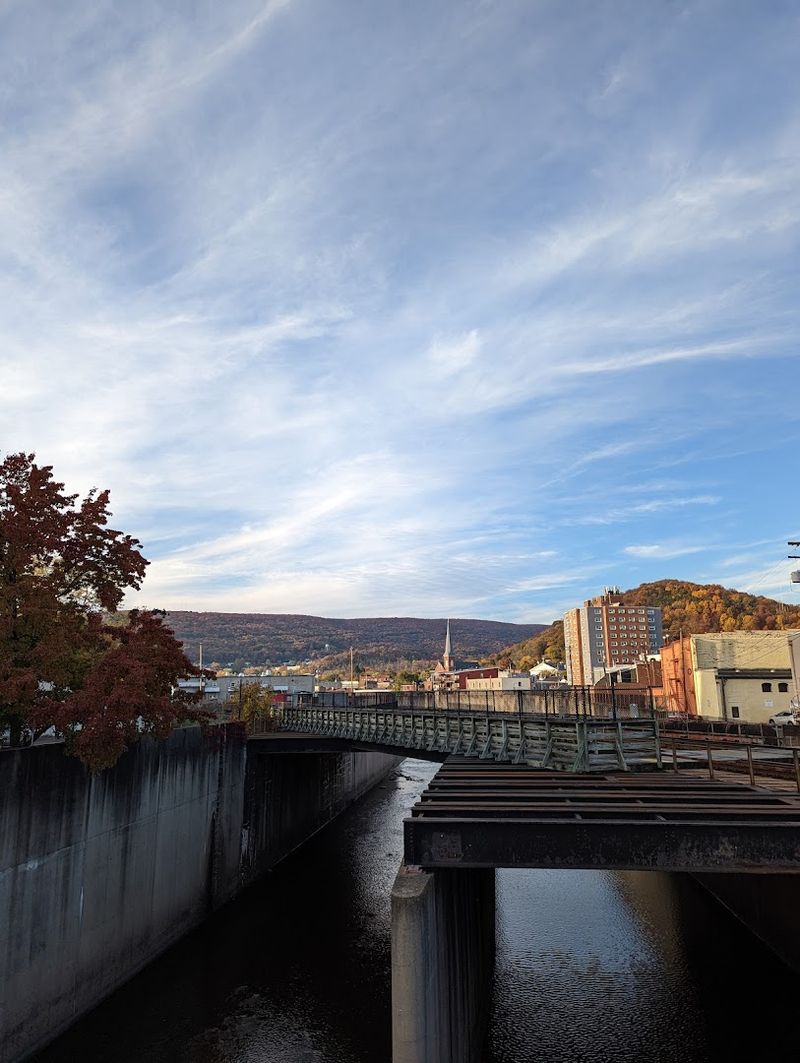
Standing in a region close to both West Virginia and Pennsylvania is quite interesting geographically. The gap carved through Wills Mountain by Wills Creek creates a dramatic landscape.
This narrow valley has played an important role in westward transportation and trade routes. Located in Allegany County, the spirit of Cumberland feels expansive and boundless.
Maryland serves as the official home for this historic municipality situated at a unique geographical crossroads. It is a place where geography quietly shapes everything around it.
I noticed how the mountains frame every view like a painted backdrop while wandering downtown.
Explorers chose this spot as a launching point for westward journeys over two centuries ago. The city has carved out its own identity through generations of canal builders and coal miners.
Watching the first stars appear over the ridgelines provides a sense of peace that is hard to find elsewhere. Even in silence, the landscape feels full of stories waiting to be told.
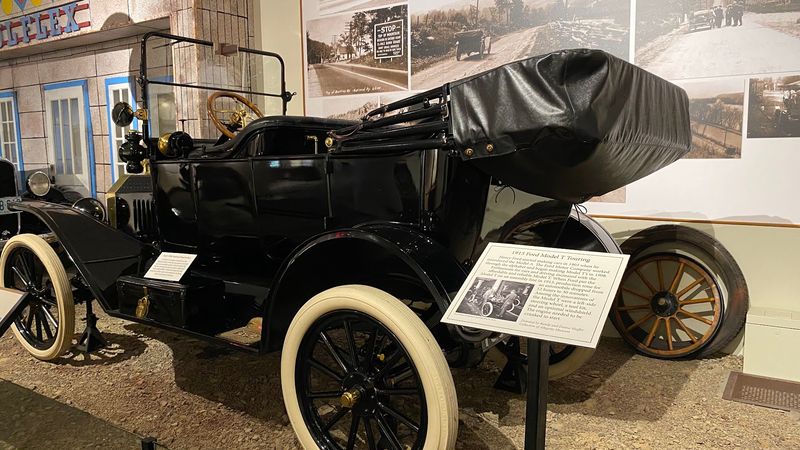
The Allegany Museum
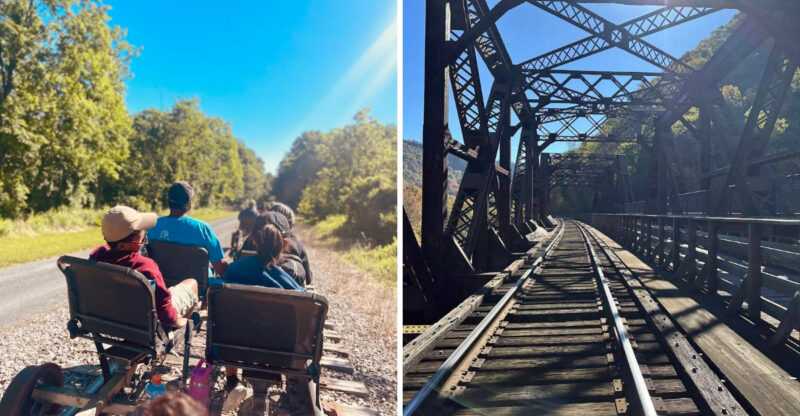
Watching a vintage train roll out of the station is a simple pleasure. The historic depot in Cumberland serves as the starting point for mountain excursions.
Steel tracks wind through scenery that looks almost too perfect to be real. The route covers about seventeen miles as it climbs through forested ridges.
There is something timeless about the steady rhythm of the train as it moves deeper into the landscape.
Crossing over creek valleys, the engine eventually reaches the small town of Frostburg. I was surprised by how the views shift constantly to offer new mountain angles.
I happened to ride it on a peak fall day, when the foliage was at its best. The whole journey had a cinematic quality that stayed in my mind long after.
Restored structures house a visitor center with exhibits on the nearby towpath. The building manages to serve both historical memory and daily practicality at once.
Heritage runs deep here, keeping a traditional mode of travel accessible to everyone.
The sound of the whistle echoing through the valley creates a hauntingly beautiful atmosphere. It lingers just long enough to make the moment feel unforgettable.
Railroad Runs Deep
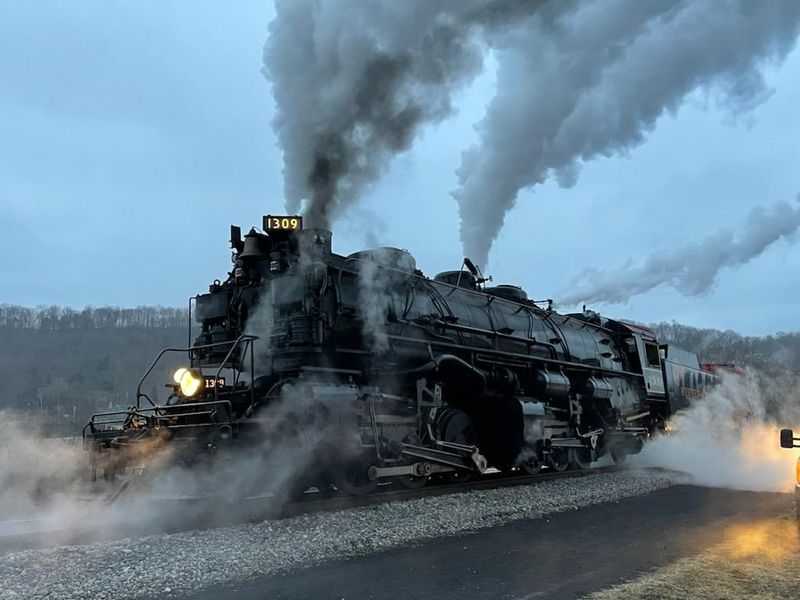
Few experiences in Cumberland match the simple pleasure of watching a heritage train depart from the downtown station and head into the surrounding Appalachian mountains.
The railroad operates scenic excursions along the route between Cumberland and Frostburg, a journey of about 17 miles one way through forested ridges and creek valleys.
The service is operated by the Western Maryland Scenic Railroad, which runs both diesel-powered and, on select occasions, restored steam locomotives, depending on availability and schedule.
The changing views along the route offer wide perspectives of the mountainous landscape, especially striking during autumn when the foliage is at its peak.
The Cumberland station itself is a restored historic building that also functions as a visitor center, with exhibits related to the nearby C&O Canal National Historical Park and the region’s transportation history.
It serves both practical travel needs and educational purposes, connecting visitors with the area’s industrial and railroad heritage.
Overall, the railroad experience reflects the strong transportation history of western Maryland and offers an accessible way for families, history enthusiasts, and casual visitors to explore the landscape.
The C&O Canal Story
Great infrastructure stories often define the American landscape. The western terminus of a famous waterway is located right here in Cumberland.
Connecting the Potomac River to the Ohio River valley was a grand ambition. Decades of human effort were required to partially complete this massive project.
The canal never reached Ohio, but it did reach this mountain valley successfully. I walked a section of the towpath and was struck by how peaceful it felt.
The old canal bed runs parallel to the river with peaks rising on both sides. Exhibits inside the station provide excellent context for the engineering challenges.
Maryland has done a thoughtful job of preserving this 184.5-mile long corridor for modern recreation. Mule-drawn boats once carried coal and other goods along this specific route.
Whether walking a quarter mile or planning a trek, the path rewards every visitor. The steady flow of the nearby water provides a rhythmic soundtrack to the walk.
The Great Allegheny Passage
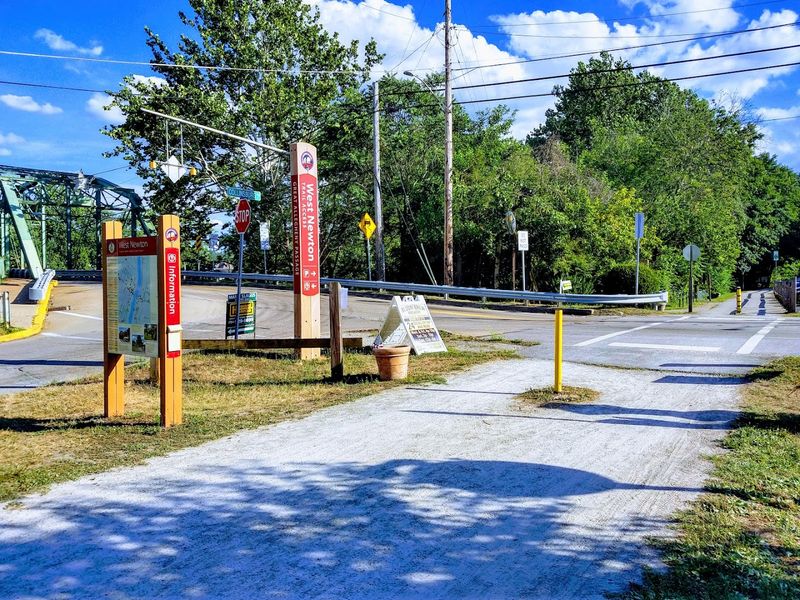
Trail travel from the city points in two distinct directions. Heading northwest toward Pittsburgh, the Great Allegheny Passage begins in Cumberland.
Together, these routes form one of the longest continuous rail-trails in the nation. Roughly 335 miles of car-free travel connect the coast to the industrial heartland.
The city sits at the junction of both trails as a literal pivot point. Cyclists and hikers pass through town regularly for a meal or a night of rest.
I spotted several loaded touring bikes parked outside a local cafe during my visit. The riders looked pleasantly tired and satisfied with their journey through the hills.
Converted railroad corridors allow for gentle grades through dramatic mountain terrain. Even casual cyclists can cover significant distance without feeling destroyed by evening.
The trail begins right downtown, making the starting point very easy to locate. Maryland serves as a vital link in this massive network of non-motorized transportation.
Standing at the trail marker made me realize the vast scale of the surrounding wilderness.
Downtown Architecture
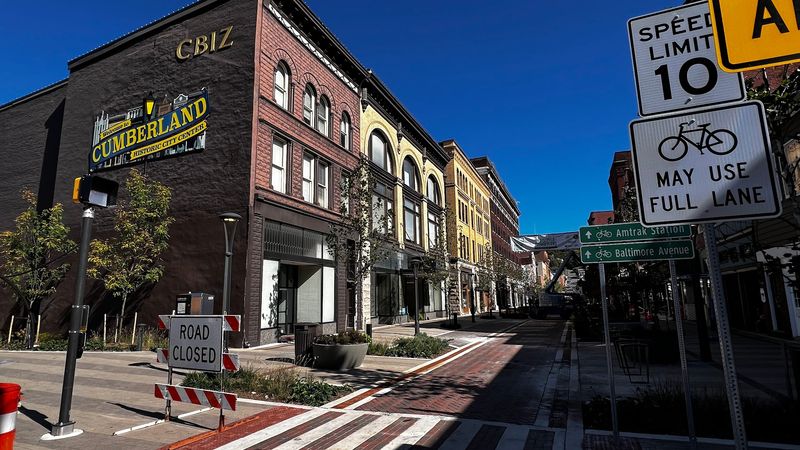
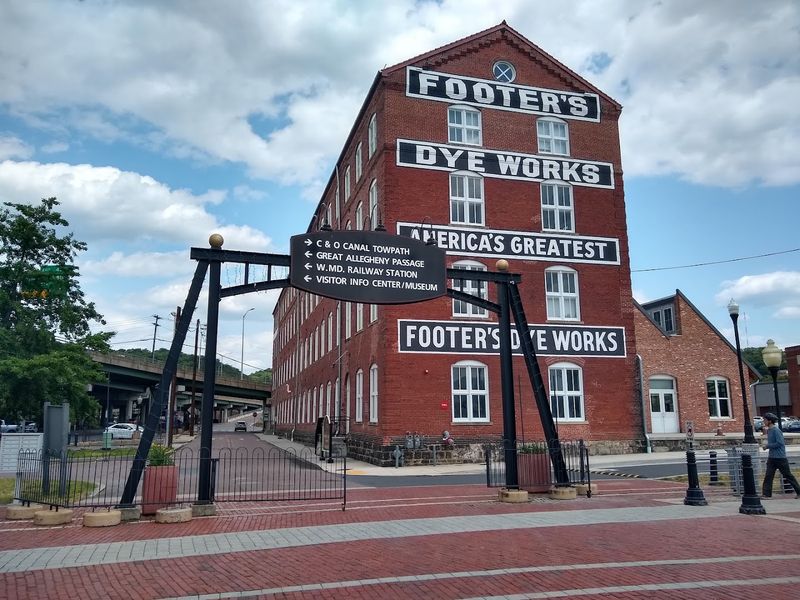
Quiet surprises are often found in the brickwork of older cities. The downtown area of Cumberland tells a story of former prosperity and ambition.
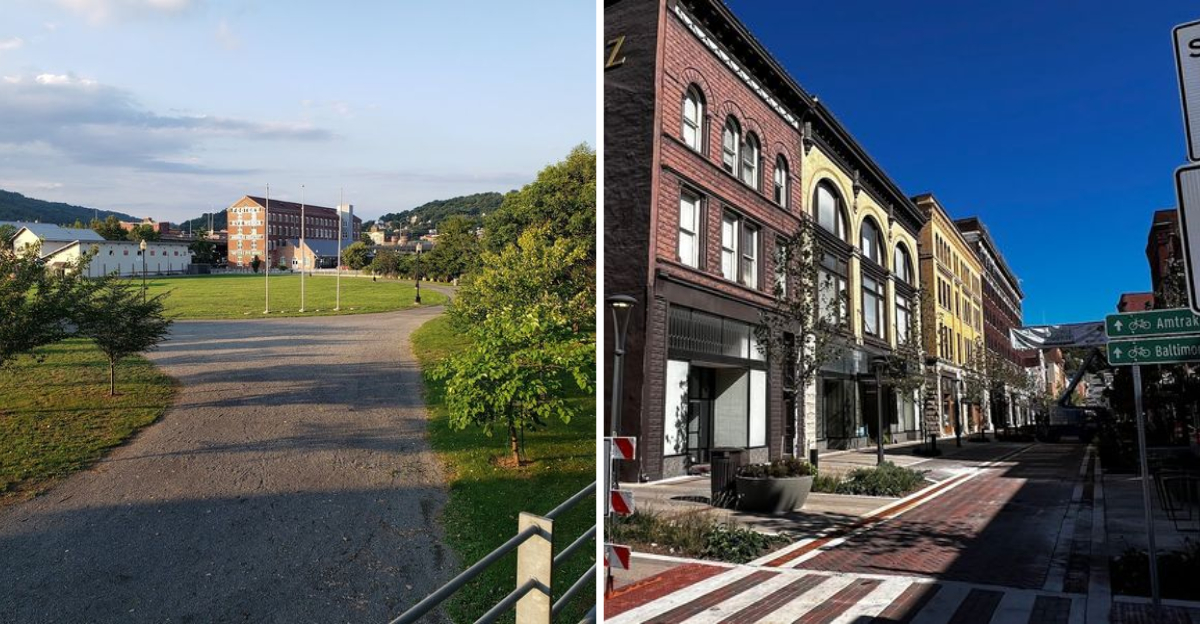
Handsome brick buildings from the late 19th century line the main streets. Substantial structures suggest that builders expected the city to grow indefinitely.
Ornate cornices and detailed facades give the center a character that is hard to replicate. History had other plans, but these survivors provide a unique visual dimension.
Walking along the main commercial corridor feels like a step back in time. Contemporary shops and community spaces keep the district from feeling frozen.
Victorian-era homes climb the hillsides in the surrounding residential neighborhoods. The mountains visible at the end of nearly every street add a dramatic frame.
No architect could have planned such a perfect natural backdrop for the city. I found myself reaching out to touch the cool, smooth surface of the aged brickwork.
Neighborhood Spirit And Soul
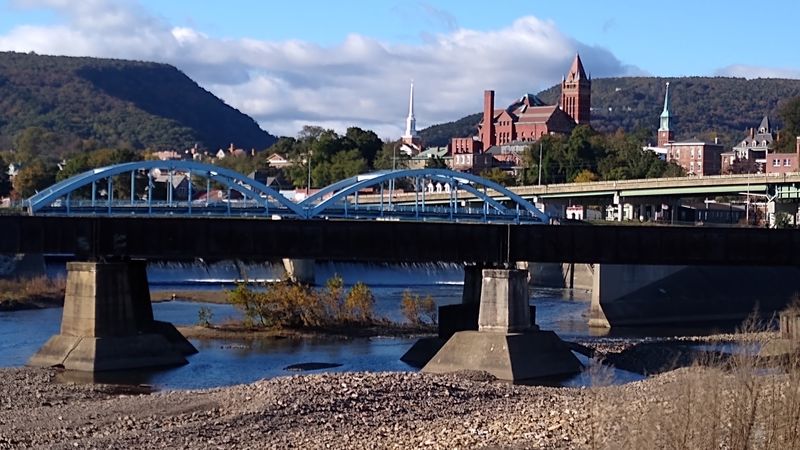
Navigating economic change requires a community to maintain a strong sense of self. Stubborn civic pride shows up in small ways all over the mountain town.
Local restaurants serve hearty food that reflects the working-class roots of the area. I had a meal at a family-owned spot that had been operating for decades.
The portions and the welcome were equally generous to every person who entered. Staff knew half the customers by name, which showed the texture of daily life.
I was surprised to see an arts community that punches far above its population size. A beautifully restored venue on the main street hosts concerts and live performances.
This theater serves as a gathering point for residents throughout the entire year. Festivals draw visitors from across the tri-state region to enjoy the mountain air.
Cultural influences are mixed, drawing from Pennsylvania and West Virginia regularly. My final evening was spent watching the stars emerge over the high plateau.
Your Mountain Escape Plan
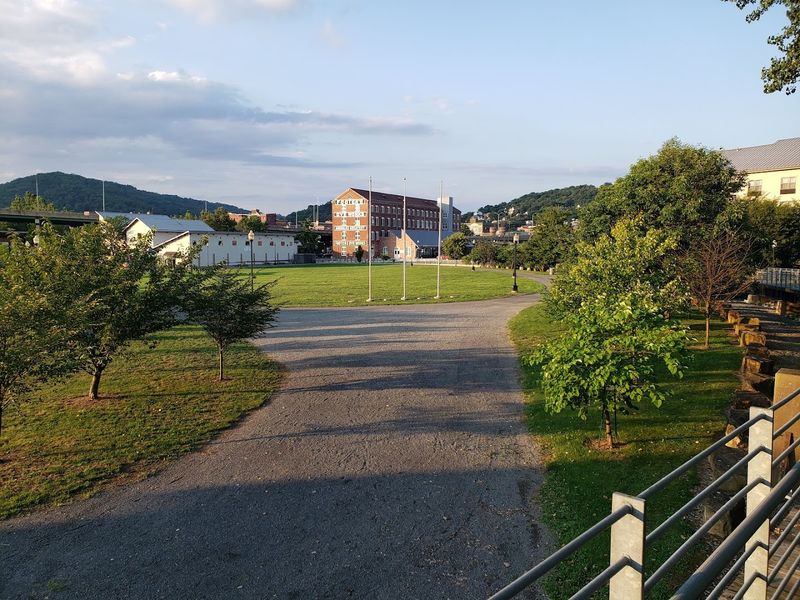
Reaching the valley is straightforward if you are coming from the mid-Atlantic. The mountain city of Cumberland sits along a major interstate that cuts through the hills.
Driving from the northwest takes roughly two hours through consistently scenic terrain. The best times to visit are spring and autumn for the most dramatic scenery.
Summer brings warm weather and longer daylight hours for outdoor activities. Winter visits have their own appeal for those who enjoy a contemplative pace.
Maryland hospitality is famous for making strangers feel like long-lost friends. Accommodation options include independent hotels and bed-and-breakfast properties.
Staying near downtown puts you within walking distance of the museum and trains. Logistics become considerably simpler when you are close to the main dining options.
Local eateries serve hearty comfort food that perfectly complements the mountain air. Every meal here feels like a celebration of the region’s rich culinary history.
This destination rewards travelers who slow down and pay close attention to detail. The memory of the quiet mountain nights will likely pull me back soon.
With so much to savor, what more could a traveler ask for?