11 Appalachian Trail Towns In Pennsylvania Where The Food Scene Comes As A Real Surprise
Nobody hikes Pennsylvania’s 229-mile stretch of the Appalachian Trail expecting a food awakening. You pack your bars, you manage your expectations, and you assume the towns in between are just pit stops for resupply.
They are not. The state has quietly built something worth slowing down for, and the hikers who actually stop to eat here leave with stories that have nothing to do with mileage.
Pennsylvania’s trail towns have sake breweries, historic hotel kitchens, and local spots that would hold their own in any city. The state does not announce this.
It just delivers, one surprisingly good plate at a time. Come hungry, hike later.
1. Delaware Water Gap
Nobody expects a sake brewery in a small mountain town. Delaware Water Gap does not care what you expected.
Sango Kura, the state’s first and only sake brewery, operates right here in this riverside village. They serve handmade noodles alongside classic Japanese izakaya pub dishes.
Most AT hikers have no idea this place exists before they arrive, and that is exactly what makes it worth stopping for.
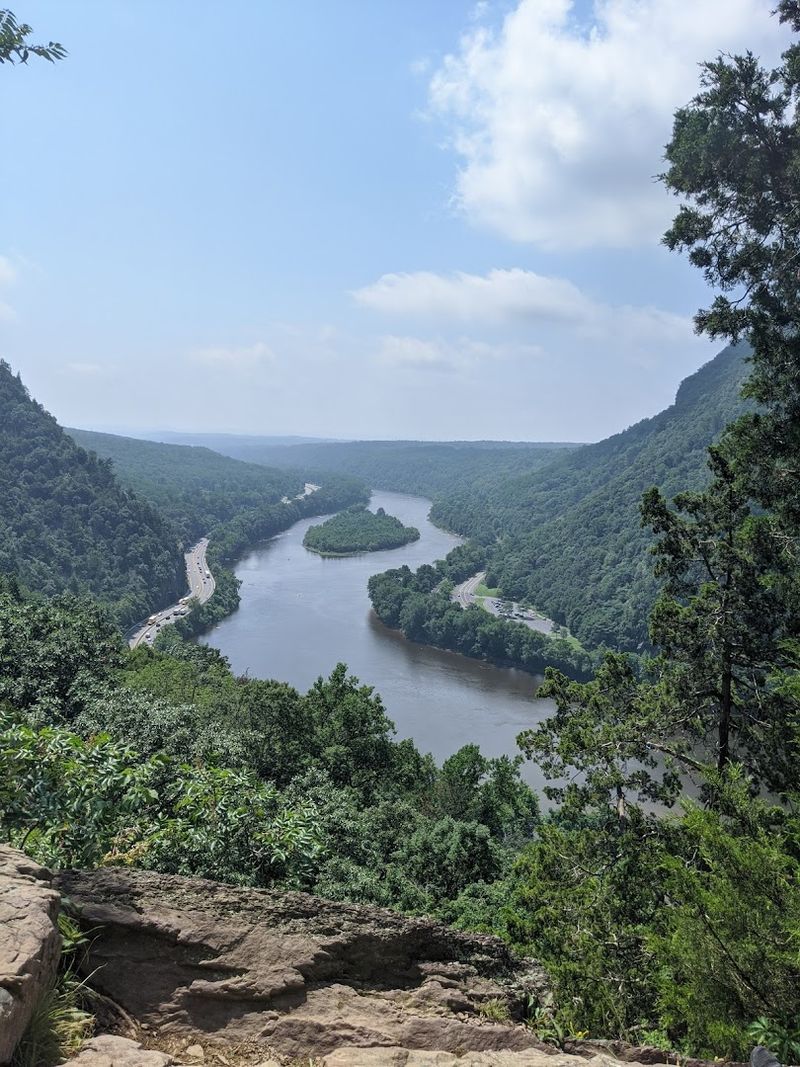
The town sits at the southern end of Delaware Water Gap National Recreation Area, right where the AT crosses into New Jersey. The river cuts through the mountains dramatically, and the scenery alone gives you a reason to slow down.
Beyond Sango Kura, the village has a tight collection of cafes and restaurants that punch well above their small-town weight. The food culture here reflects the steady mix of hikers, weekenders, and locals who pass through all year.
Delaware Water Gap runs along Business Route 611 near the state border. Skip this stop and every hiker coming the other direction will make sure you regret it.
2. Duncannon
The Doyle Hotel has been feeding and sheltering Appalachian Trail hikers for decades, and its reputation travels faster than most people on the trail itself. Located at 7 North Market Street in Duncannon, this place is as close to a hiker institution as Pennsylvania gets.
The famous Doyle Burger is the main event: a half-pound Angus beef patty served on a pretzel roll. It is the kind of burger that earns its own paragraph in trail journals and gets referenced in conversations at shelters miles away.
People plan their mileage around getting here in time for one.
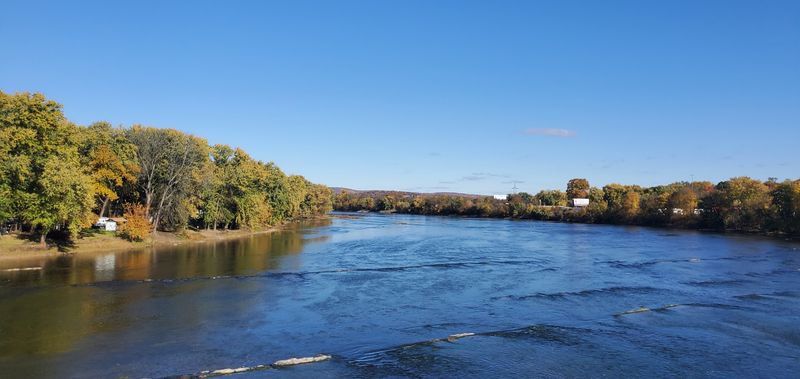
Duncannon sits at the confluence of the Susquehanna and Juniata Rivers, which gives it a setting that feels genuinely cinematic. The town has that honest, working-class character that makes stopping here feel real rather than curated for tourism.
The food scene beyond the Doyle is modest but solid. Small diners and local spots fill in the gaps and keep hikers fueled for the next stretch of trail heading north or south through Perry County.
What makes Duncannon stick in your memory is the combination of good food, good water views, and the sense that this town has been doing this for a long time without making a big deal about it.
3. Boiling Springs
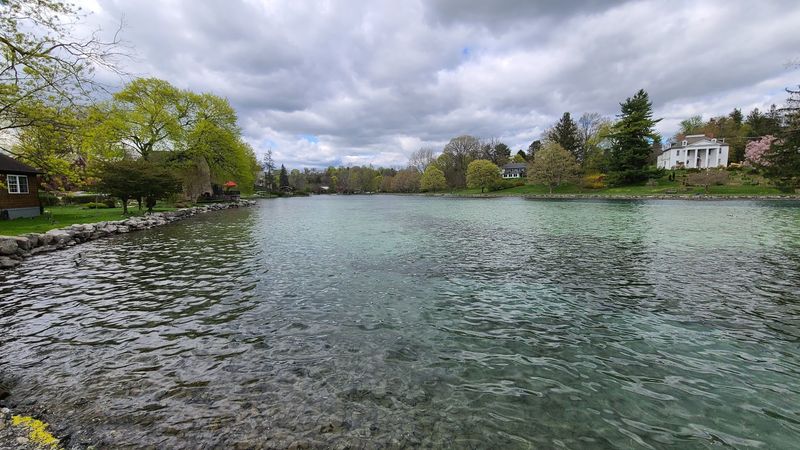
Sitting near the midpoint of the entire Appalachian Trail, Boiling Springs carries a significance that hikers feel the moment they arrive. The spring-fed lake at the center of town is genuinely beautiful, and it sets the tone for a stop that feels calm and rewarding.
Food in Boiling Springs is simple, reliable, and exactly what hikers need after long miles. Small local spots and casual eateries focus on hearty meals and filling portions rather than anything complicated.
That straightforward approach works perfectly in a place like this.
The town sits along Front Street, just a short walk from the trail. You can go from rocky terrain to a proper meal in minutes, which makes this one of the easier and more convenient stops along the Pennsylvania section.
What makes Boiling Springs stand out is the pace. Everything feels unhurried.
You can sit down, eat well, and actually take a break before heading back out.
The area around Children’s Lake adds to the experience. It is quiet, scenic, and encourages you to stay a little longer than planned.
That combination of setting and simplicity is what people remember.
Cumberland County does not always get attention for its food, but Boiling Springs quietly delivers. It is one of those stops that hikers bring up later, usually with a specific meal in mind and a clear sense that it was worth it.
4. Mount Holly Springs
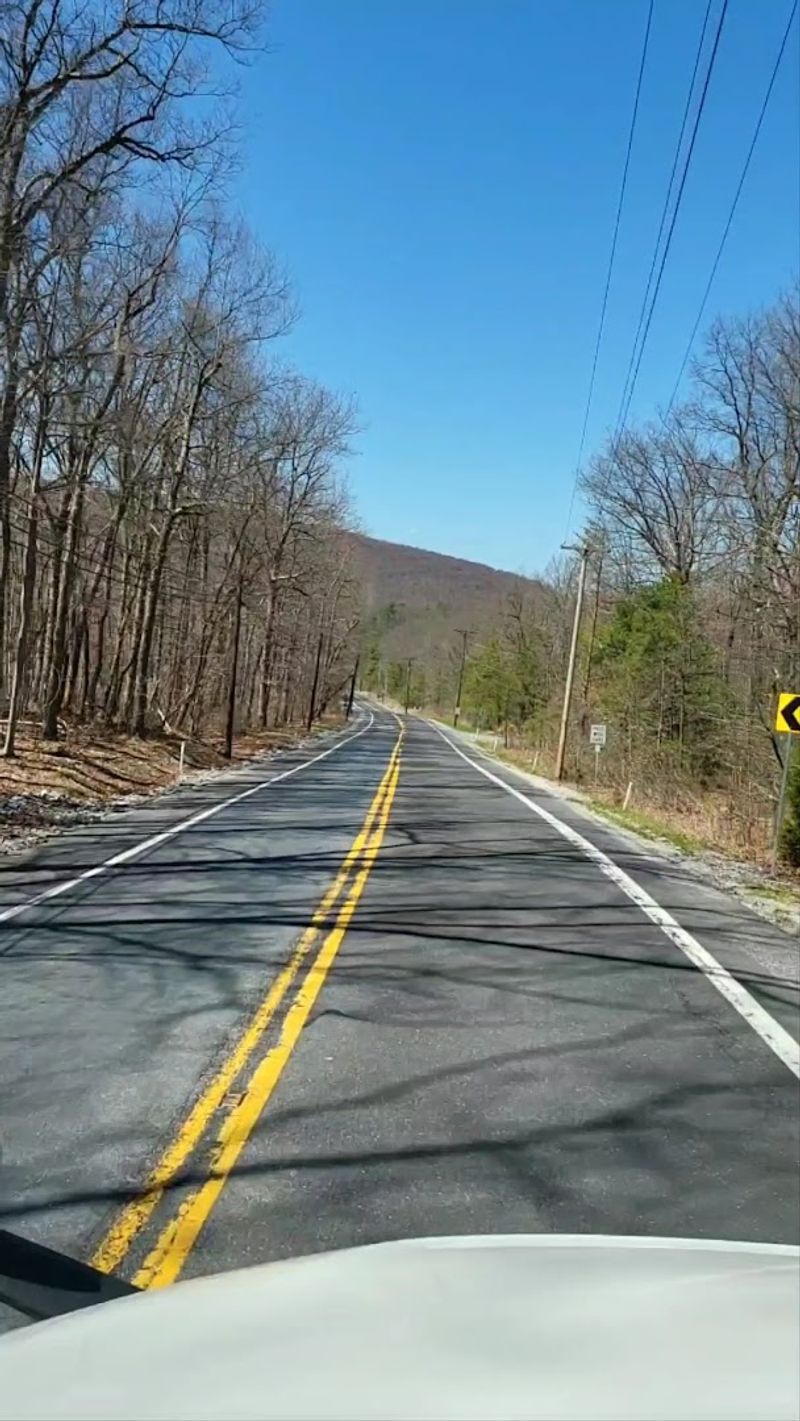
Mount Holly Springs does not advertise itself, and arriving here feels like a personal discovery because of it. Sitting along Yellow Breeches Creek in Cumberland County, it serves as a genuine resupply and meal stop for serious hikers who know to look for it.
The food here is unpretentious and satisfying in the way only small-town cooking can be. Local diners and family-run spots focus on filling plates rather than fancy presentations.
After a long day on the trail, that is exactly what you need.
What stands out most is how unhurried everything feels. No one is rushing to turn tables or move you along.
You sit, you eat well, and you actually decompress before heading back out.
The town is small, but the creek, the tree lines, and the quiet streets give it a character that larger trail towns often lack. It feels grounded and genuine in a way that is hard to manufacture.
Mount Holly Springs runs along Route 34 in Cumberland County. Hikers who stop here tend to remember it less for any single dish and more for the feeling of being welcomed somewhere real.
5. Pine Grove
There is a tradition on the Appalachian Trail that sounds made up until you see someone actually doing it. At the Pine Grove Furnace General Store, hikers attempt the Half-Gallon Challenge: finishing an entire carton of Hershey’s ice cream in one sitting.
This legendary stop sits within Pine Grove Furnace State Park in Cumberland County. The general store is simple and unpretentious, but it carries real weight as a genuine milestone on one of America’s most iconic long-distance trails.
For northbound hikers, this spot marks the approximate midpoint of the entire AT. Completing the challenge is part celebration, part absurdity, and entirely memorable.
Even people who do not finish walk away with a story worth telling.
Beyond the ice cream spectacle, the park offers a historic iron furnace, swimming areas, and campsites. The general store also carries snacks, sandwiches, and resupply basics that hikers actually need.
The food experience here is less about fine dining and more about ritual and reward. Few moments on the trail feel as communal as sitting outside this store, spoon in hand, surrounded by other hikers doing exactly the same thing.
6. Port Clinton
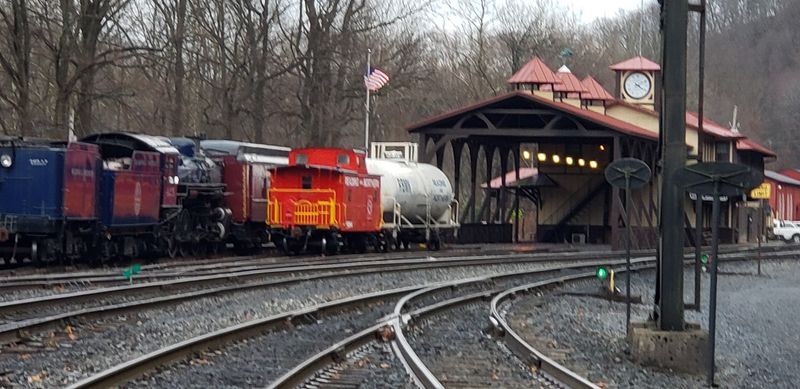
Port Clinton earns its reputation one sandwich at a time. The historic Port Clinton Hotel is the centerpiece of the local food scene, and it delivers the kind of protein-packed, flavor-forward meals hikers dream about after days of trail food.
The standout is the Thunderhead sandwich: a buttermilk-soaked, breaded chicken thigh topped with pepper jack cheese, jalapeños, lettuce, tomato, and house-made chipotle aioli. It is specific, it is bold, and it is exactly what a sandwich should be after climbing Blue Mountain in summer heat.
Port Clinton sits along the Schuylkill River in Schuylkill County, right where the AT crosses through a gap in the ridge. The hotel has been a fixture in this small community for generations, and its character shows in every corner of the dining room.
The town’s population barely breaks into the hundreds, which makes the kitchen’s focus and quality all the more surprising. Small does not mean simple here.
Port Clinton sits at the intersection of Route 61 and Penn Street. Stopping here feels less like a fuel stop and more like a proper meal that happens to come with a great story attached.
7. Palmerton
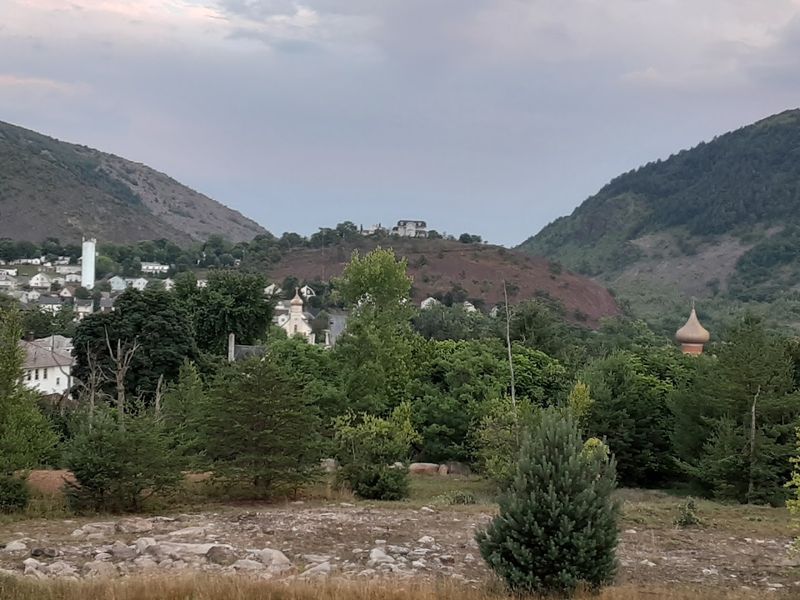
Palmerton has a reputation among AT hikers for one specific reason: the notorious rocky stretch through Lehigh Gap just outside of town. After surviving that, the food waiting here feels like a reward that was genuinely earned.
The town sits in Carbon County along the Lehigh River, and its main street has a solid mix of local restaurants serving both hikers and the surrounding community.
The food is approachable and generous, which is exactly the right combination after a day on the rockiest terrain the state has to offer.
The food scene leans toward American comfort done right. Burgers, sandwiches, and hot meals dominate the menus, and portion sizes reflect a clear understanding that the people eating here have been working hard all day.
There is also a practical, no-nonsense energy to Palmerton that hikers tend to appreciate. Nobody is trying to impress you with a complicated menu.
The focus is on feeding you well and sending you back out ready for what comes next.
Palmerton runs along Delaware Avenue in Carbon County. It is one of those AT towns where the food conversation starts before you even sit down, usually with a fellow hiker pointing at their plate with a look of deep satisfaction on their face.
8. Wind Gap
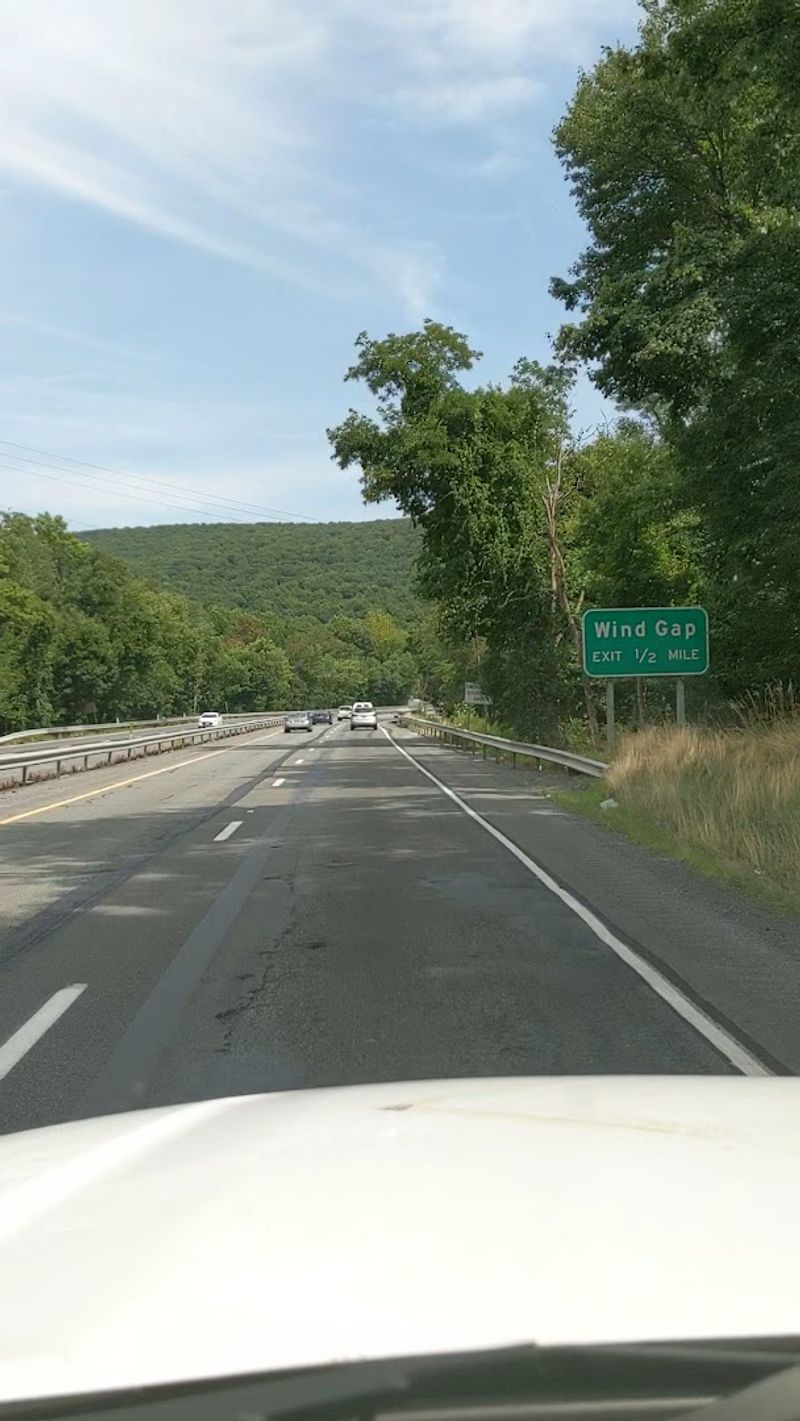
Wind Gap sits where the Appalachian Trail passes through a natural break in Blue Mountain, making it an easy and practical stop for hikers. Its location alone puts it on the radar, but the food is what makes people actually pause.
Located in Northampton County along Route 512, the town offers a mix of diners, pizza spots, and casual restaurants. After days of repetitive trail food, that kind of choice feels like a real reset.
The meals here are simple and filling. Portions are generous, and the focus stays on getting the basics right.
That is exactly what most hikers are looking for by the time they reach this part of the trail.
There is also a relaxed, local feel to the experience. Nothing is rushed, and nothing feels overly polished.
You can sit down, eat properly, and take a moment before heading back out.
Wind Gap is not the most talked-about stop along the Pennsylvania section, but it leaves a solid impression. Sometimes the places you expect the least end up being the ones you remember most.
9. East Stroudsburg
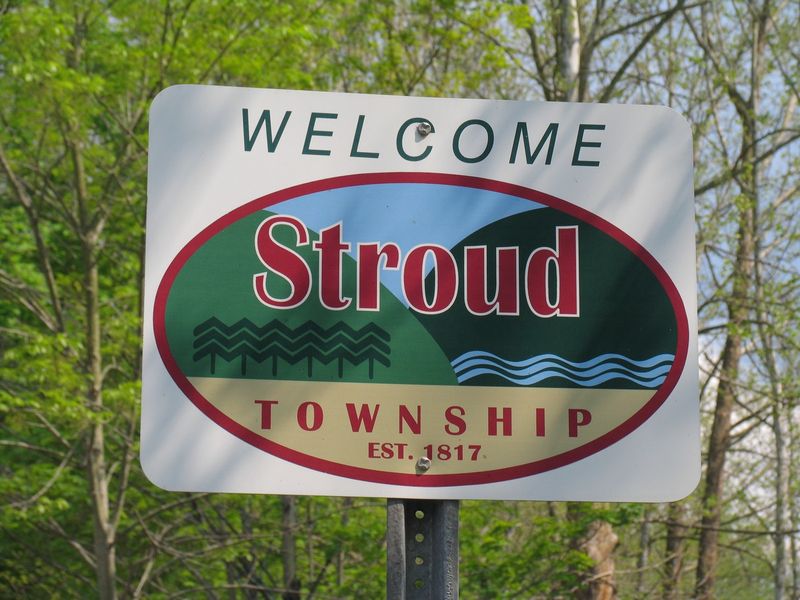
East Stroudsburg stands out for its size and energy compared to smaller trail towns nearby. It offers a wider range of food options, which often comes as a welcome change after days on the trail.
The presence of East Stroudsburg University keeps the town active year-round. That steady flow of students supports a mix of casual restaurants, cafes, and takeout spots, especially around Crystal Street.
Located in Monroe County in the Pocono Mountains, the town sits close to the Delaware Water Gap. This makes it a practical stop for hikers looking for a bit more comfort and variety than they find along the trail itself.
Food here leans toward variety and convenience. You can find everything from quick meals to sit-down options, which helps break the routine of typical trail food.
East Stroudsburg is centered around Main Street and Crystal Street in Monroe County, Pennsylvania. For hikers ready for something different, it offers a change of pace and a wider set of choices without feeling overwhelming.
10. Hamburg
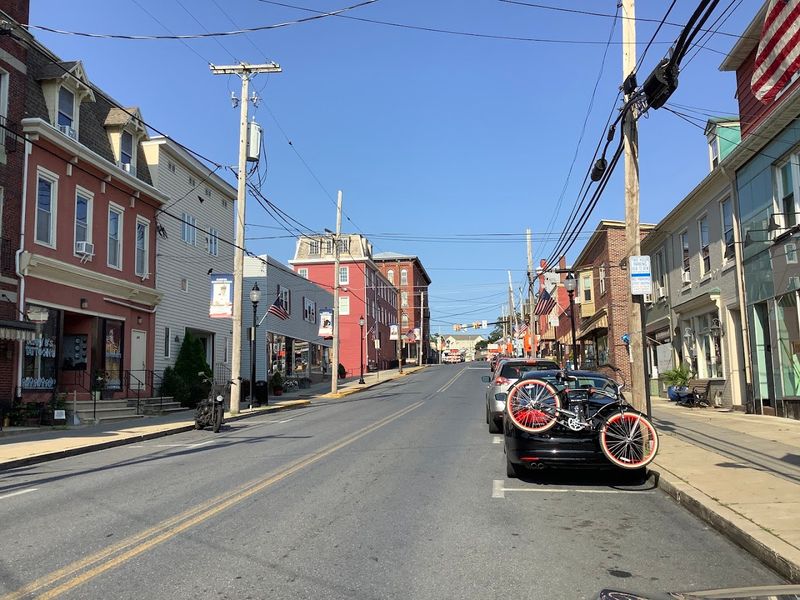
Hungry hikers rolling into Hamburg often expect a gas station snack and nothing more. What they find instead is a compact town with a real food identity and a handful of spots that take their menus seriously.
Hamburg sits along Route 61 in Berks County, and its proximity to the Appalachian Trail makes it a natural stopping point. The town has grown into a reliable food stop for both through-hikers and weekend warriors looking for a proper sit-down meal after miles on rocky Pennsylvania terrain.
Local spots here lean into hearty, filling portions that make sense for people who have been burning serious calories all day. Think comfort-forward plates, fresh-baked goods, and diner-style classics done with genuine care.
What surprises most visitors is the quality of ingredients. Hamburg may be small, but the kitchens here are not cutting corners.
The community takes pride in feeding people well, and that shows up on the plate every single time.
Hamburg is located at the base of Blue Mountain, which means the scenery alone earns it a spot on any AT itinerary. The food just makes the decision to stop here a very easy one to justify.
11. Carlisle
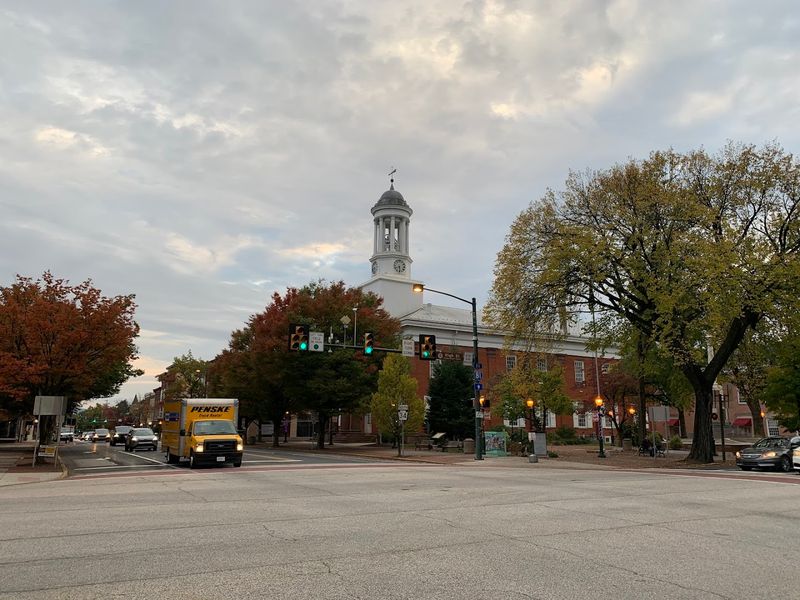
Carlisle has been quietly thriving for years without needing anyone’s approval. As one of the more developed towns near the AT corridor, it offers a range of dining experiences that genuinely competes with cities several times its size.
Downtown High Street is the heart of it all. Independent restaurants, bakeries, and coffee shops line the historic district, and the quality across the board reflects a community that takes eating seriously.
The variety here is real, not performative.
Sitting in Cumberland County, Carlisle serves as a commercial hub for the surrounding region. That means kitchens here have access to ingredients that smaller trail towns simply cannot source as easily, and the difference shows up on the plate.
Farm-to-table sensibilities have taken hold in several spots, with menus shifting seasonally and leaning on locally sourced produce and proteins. For hikers who care about where their food comes from, this is a genuinely satisfying stop.
Carlisle sits along High Street in Cumberland County, about 18 miles from the AT corridor. The effort to get here is worth it.
Hikers who make the trip for a meal tend to describe it as one of the best food decisions they made on the entire trail.