8 New Mexico Adobe Dining Rooms With Architecture That Steals The Show
New Mexico has a look and feel that stands out instantly, but nowhere is it more striking than inside its dining rooms.
You are not just entering a restaurant here, you are inside spaces where the architecture becomes the experience.
They have adobe walls, warm earthy tones, and interiors that feel almost unreal in how perfectly they fit the landscape.
These are places where the building itself tells the story, long before the food even arrives at the table.
So what happens when the setting is just as memorable as the meal?
Prepare to explore some of the most visually striking adobe dining rooms in New Mexico, where the architecture is the real main course.
1. The Shed
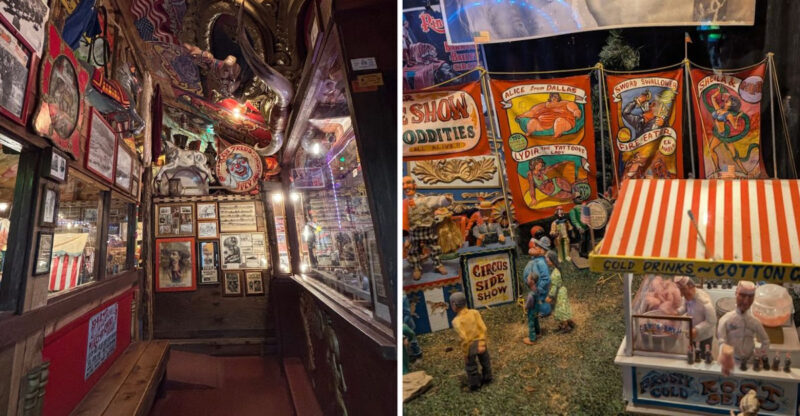
Who would’ve thought that simple clay walls could hold this much soul while you tuck into a bowl of red chile?
A visit through the low wooden door of The Shed feels like crossing into another century, where time slows down and the walls themselves seem to breathe with history.
Inside a hacienda that dates back to 1692, this Santa Fe landmark is one of the oldest continuously occupied buildings in the American Southwest, and every room carries that age with quiet pride.
The ceilings are low and supported by vigas, the traditional rough-cut wooden beams that have been holding up New Mexico homes and gathering places for hundreds of years. Walls the color of warm clay curve and dip in ways that no modern construction could replicate.
That gives the space a handmade softness that feels deeply human.
Sunlight filters through small windows and bounces off surfaces that have absorbed the voices and laughter of countless meals shared over generations.
The dining rooms at 113 1/2 E Palace Ave, Santa Fe, NM 87501 are arranged through a series of connected spaces. Each one is slightly different in shape and feel, so exploring the restaurant becomes part of the experience itself.
Local art lines the walls in a way that feels personal rather than curated, as if the owners simply loved what they hung and kept adding over the years.
The food here honors the same traditions as the building, drawing deeply from New Mexico’s red and green chile heritage with dishes that have satisfied loyal guests for decades.
Sitting here, surrounded by adobe that has survived wars, weather, and centuries of change, you realize that some places carry a soul that no renovation could ever manufacture.
2. La Choza Restaurant
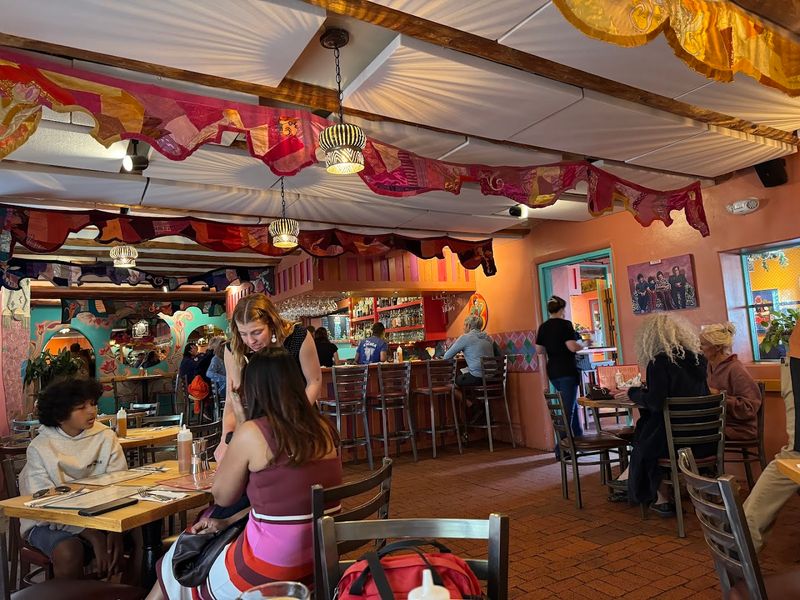
The best spots don’t need grandeur when they have a crackling fireplace and a room that feels like a private escape, am I right?
La Choza, which means “the shack” in Spanish, carries its humble name with a kind of charming pride that sets the tone for everything inside.
The building sits in a quieter corner of Santa Fe away from the tourist bustle, and locals have claimed it as their own for good reason.
Adobe walls painted in deep ochres and warm terracotta wrap around the dining area at 905 Alarid St, Santa Fe, NM 87505 like an embrace, creating a room that feels private and protected from the outside world.
Hand-carved wooden furniture grounds the space in New Mexico craft traditions, and the mix of textures, rough plaster beside smooth wood beside woven textiles, gives the room a layered richness.
A wood-burning fireplace anchors one corner of the main dining room, and on cool Santa Fe evenings, its glow turns the adobe walls into something almost golden.
The layout of the space is relaxed and slightly irregular in the way that adobe construction naturally produces, with no two corners quite matching. That makes the room feel lived-in rather than designed.
Seasonal decorations appear throughout the year, always feeling organic to the space rather than tacked on, as if the building itself is celebrating alongside its guests.
The menu leans into New Mexico’s deeply rooted chile culture, with dishes that reflect the surrounding landscape and the generations of cooks who shaped this regional cuisine.
La Choza reminds you that a restaurant does not need grandeur to be great, only warmth, honesty, and walls that tell a real story.
3. Cafe Pasqual’s
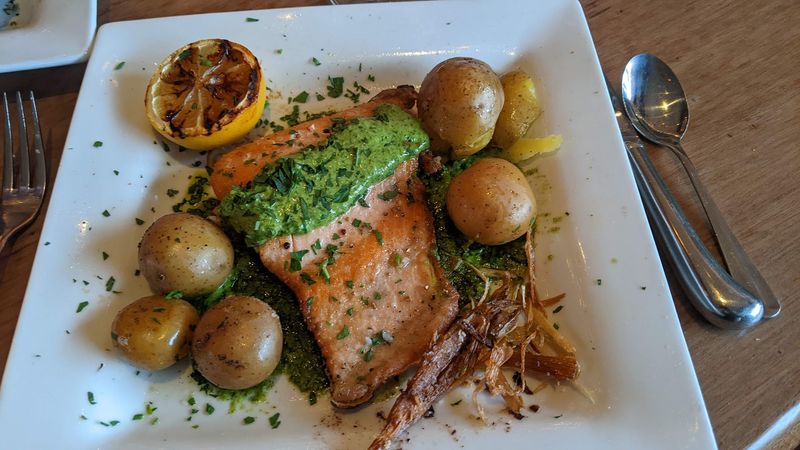
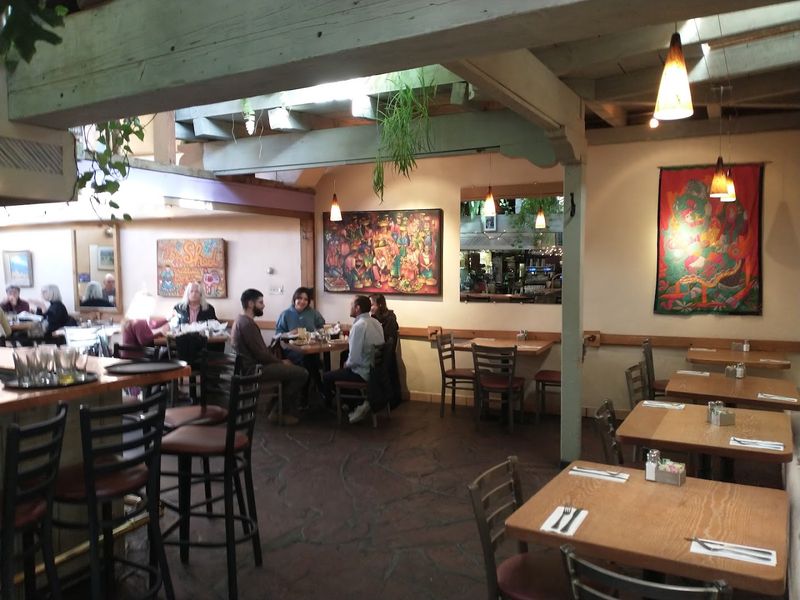
It is hard to believe that an entire dining room can serve as a living canvas for murals that pulse with energy in every corner.
Cafe Pasqual’s is the kind of place that hits all your senses at once, a riot of color and warmth that announces itself the moment you step through the door.
The adobe walls here are not left bare or whitewashed but are covered floor to ceiling in hand-painted murals inspired by Mexican folk art, transforming the architecture into a living canvas.
Artist Leovigildo Martinez created the murals that have defined this dining room for decades, filling every surface with figures, flowers, and scenes that pulse with energy and joy.
The building’s adobe bones give the murals a uniquely textured backdrop, because the slight irregularities in the plaster surface make the painted images seem to ripple and move as the light shifts.
Despite all the visual energy, the room somehow manages to be intimate, with small tables arranged closely together in a way that encourages conversation between strangers.
Community seating at a long central table is offered during breakfast and lunch, a tradition that reflects the restaurant’s deeply held belief that sharing a meal is a social act worth encouraging.
The kitchen draws on New Mexico, Mexican, and Asian influences in ways that feel genuinely creative rather than gimmicky, producing dishes that surprise without losing their sense of place.
Breakfast here at 121 Don Gaspar Ave, Santa Fe, NM 87501 has become almost legendary among food travelers passing through Santa Fe, with lines forming early outside on the sidewalk most mornings of the week.
The architecture at Cafe Pasqual’s proves that adobe is not just a building material but a canvas waiting for the right story to be told across its surface.
4. El Pinto Restaurant & Cantina
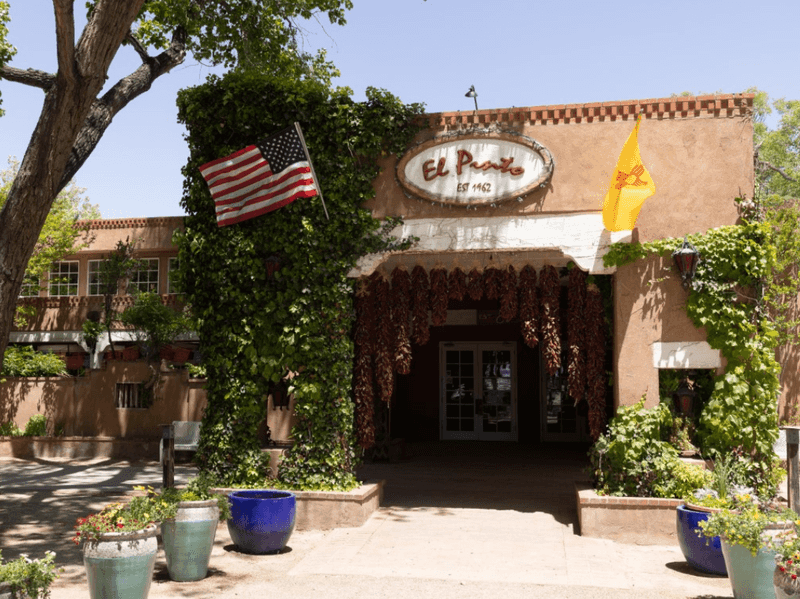
Sprawling adobe structures and garden courtyards make this place like a hidden oasis, who would’ve thought?
El Pinto is not just a restaurant but a destination that sprawls across multiple adobe structures connected by garden courtyards that are like outdoor rooms of their own.
Located in the North Valley of Albuquerque near the Rio Grande, the property has grown over the decades into one of the largest adobe dining complexes in the entire state of New Mexico.
The architecture here is rooted in Pueblo Revival style, with thick earthen walls, flat rooflines, and projecting vigas that cast long shadows across the plaster surfaces in the afternoon sun.
Each of the dining rooms has its own distinct character, ranging from intimate enclosed spaces with kiva fireplaces to open-air patios shaded by ancient cottonwood trees.
The gardens that connect these spaces are carefully maintained and filled with native plants. That creates a sense that the restaurant has grown organically from the landscape rather than being placed on top of it.
String lights strung between adobe walls and across garden pathways give the property a magical quality after dark, making evening dining here genuinely special.
The family behind El Pinto has been stewarding this place for generations, and that continuity shows in the way every detail feels intentional and personal.
The salsa produced here has become so well regarded that it is now sold commercially, but the best version is always the one served fresh at the table with warm tortillas.
El Pinto at 10500 4th St NW, Albuquerque, NM 87114 demonstrates that adobe architecture can scale beautifully without losing the warmth and human scale that makes it so beloved in New Mexico.
5. Adobe Deli
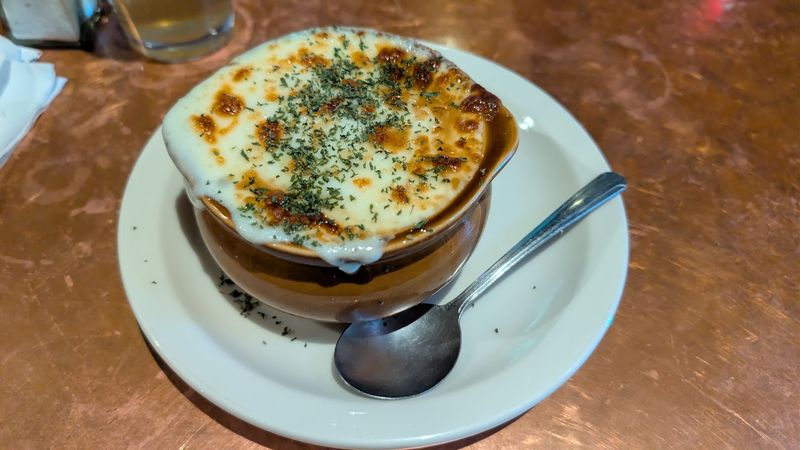
Isn’t it wild how exposed brick and the desert sun can turn a simple roadside stop into such a legendary hangout?
Out in Deming, a small city in the southern New Mexico desert, the Chihuahuan landscape stretches flat and wide. Adobe Deli offers a welcome stopping point for travelers and locals alike.
The building reflects the no-nonsense adobe tradition of southern New Mexico. These structures were built for function first, while beauty came naturally from the honest use of local materials.
Exposed adobe brick appears in sections of the interior walls. These are left unplastered to show the earthy layers of construction that have kept buildings standing through heat and storms.
The atmosphere at 3970 Lewis Flats Rd SE, Deming, NM 88030 is relaxed and unpretentious. Casual friendliness between staff and regulars makes newcomers feel immediately welcome.
Deming sits along the old Butterfield Overland Trail route and has always been a crossroads community. Adobe Deli carries that spirit of hospitality toward travelers passing through on their way somewhere else.
The surrounding desert landscape influences the mood of a meal here. Large windows let in the enormous southern New Mexico sky and the particular quality of light painters have chased for a century.
Local ingredients find their way into preparations that reflect the border region’s blended food culture. New Mexican and Mexican culinary traditions overlap and enrich each other naturally.
Stopping at Adobe Deli is a reminder that great architecture does not have to be grand. It just has to be real, built from the same earth it sits on.
6. Mary & Tito’s Cafe
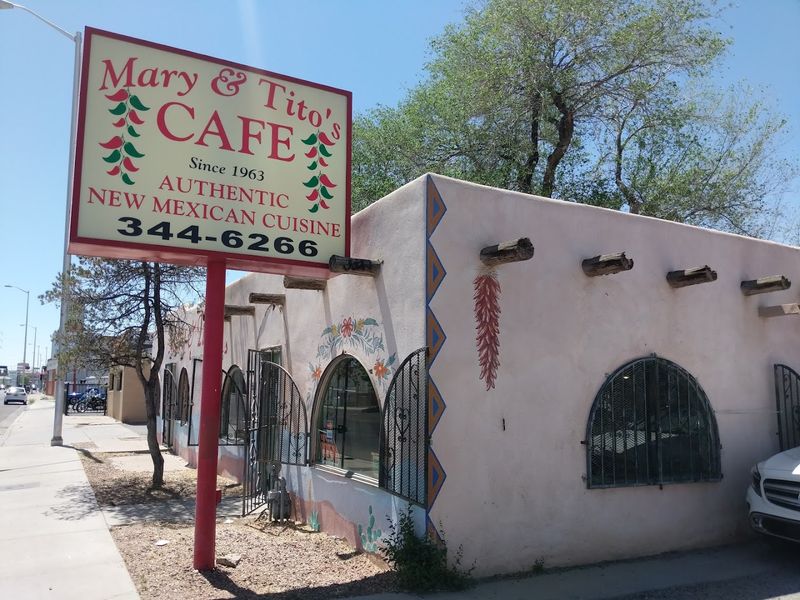
Mary and Tito’s Cafe is the kind of place that food writers and James Beard Award committees notice. It has never tried to impress anyone, only to feed them well.
This Albuquerque institution earned a James Beard America’s Classic Award. This is one of the most meaningful recognitions in American food culture.
The dining room looks exactly the same as it did before and after that honor.
The adobe building is modest in the way that working-class New Mexico architecture often is. It is sturdy and practical, with walls that absorb summer heat and hold warmth through cool desert nights.
Inside, the decor is a genuine accumulation of decades rather than a designed aesthetic. Family photographs, religious art, and handmade decorations cover walls that have seen generations return year after year.
The low ceilings and close quarters at 2711 4th St NW, Albuquerque, NM 87107 create a unique atmosphere. It feels more like a living room than a restaurant.
First-time visitors often remark that they feel like guests in someone’s home. That feeling is not accidental. Mary and Tito’s has always operated as an extension of family.
They use recipes passed down and a philosophy of cooking that prioritizes authenticity over trend. The carne adovada here is the dish that most regulars point to first. It is a slow-cooked pork preparation saturated with red chile.
Every bite represents the soul of New Mexico cuisine.
The adobe walls at Mary and Tito’s do not dazzle with grandeur. Instead, they hold something more valuable. They carry the memory and meaning of a community that has gathered here faithfully for decades.
7. The Adobe Cafe & Bakery
You wouldn’t expect to find the perfect fresh-baked loaf hidden deep in the wilderness where the silence is part of the charm.
Reserve is one of the most remote towns in the continental United States. It sits deep in the Gila Wilderness country of western New Mexico.
Cell service is scarce and the silence is something you can feel. Finding The Adobe Cafe in a place this isolated is a great discovery. It makes a road trip rewarding.
The quality of what awaits inside exceeds any reasonable expectation for such a remote location.
The building at 2134 US-180, Reserve, NM 87830 is a textbook example of vernacular adobe construction. It was built with techniques and materials that have sheltered people in this mountain valley for centuries.
Inside, the walls have the characteristic thermal quality of thick adobe. They stay cool in summer and warm when the wood stove is burning. This creates an environment that feels comfortable in an elemental way.
The bakery component of the operation fills the space with powerful aromas. These seem especially strong in the clean mountain air of the Gila region. The altitude and the ponderosa pine forests give everything a sharper sensory edge.
Handmade touches are everywhere in the dining room. You can see them in the uneven plaster finish on the walls. Hand-stitched cushions on the wooden chairs give the space a quality of personal care.
Travelers who reach Reserve are often hiking the Gila Wilderness. They may be exploring one of the least-visited corners of New Mexico. The Adobe Cafe feels like the perfect base camp for that kind of adventure.
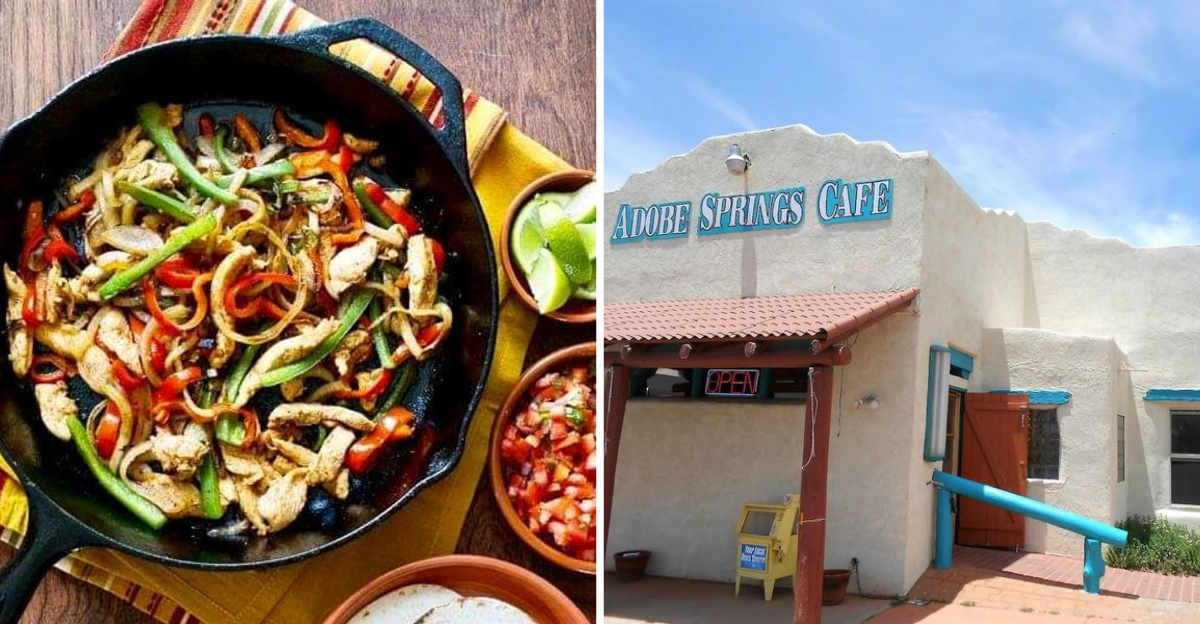
8. Adobe Springs
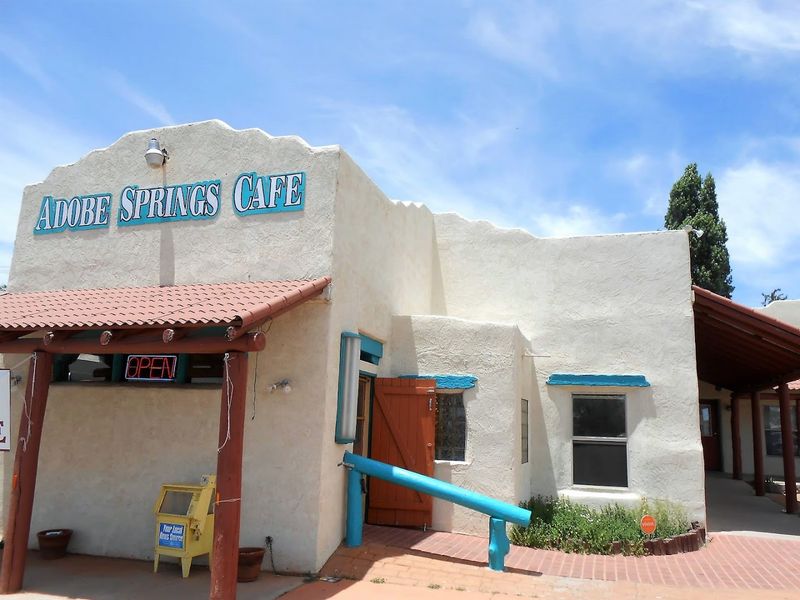
Don’t you agree that the way the afternoon light hits those smooth plaster walls creates a mood no modern design could ever replicate?
Silver City occupies a special place in New Mexico’s cultural geography. It is a former mining boomtown that reinvented itself as an arts community.
The town holds onto a rough-edged authenticity that appeals to travelers seeking something real.
Adobe Springs fits naturally into this environment. It occupies a space that reflects a layered identity where frontier history and contemporary creativity coexist without friction.
The adobe walls here have been finished with a smooth plaster. This surface catches the warm tones of the afternoon light coming through the south-facing windows. It creates a glow that shifts throughout the day in ways that is almost painterly.
Local artwork displayed throughout the dining room connects the restaurant to the active arts scene. The selection feels personal rather than decorative. It is as if each piece was chosen because someone actually loved it.
The surrounding Mogollon Highlands landscape creates a visual backdrop. This terrain of sky islands and dramatic canyon country enhances every meal eaten near a window here.
Silver City’s historic downtown was rebuilt after a catastrophic flood in 1895. This event redirected the main street into a sunken arroyo. The whole neighborhood has a sense of resilience that Adobe Springs seems to embody.
The food draws on the flavors of the Southwest border region. It incorporates influences from the diverse community that has gathered here over the past several decades.
Adobe Springs at 614 N Bullard St, Silver City, NM 88061 is a unique destination. The building, the community, and the meal all reinforce each other. This creates a dining experience that could only exist in this particular corner of New Mexico.