California Has A McDonald’s Museum And It’s Wonderfully Weird
Some attractions win people over by being polished. One wonderfully weird museum in California turns fast-food history into something oddly charming, nostalgic, and impossible to ignore.
A place like this feels playful before you even step fully into it, with the kind of offbeat appeal that makes people smile first and ask questions second.
Familiar details from everyday life start to look stranger once they are framed as history.
Nostalgia shows up quickly here, helped along by the sense that something so ordinary somehow became worth preserving.
California has no shortage of unusual stops, but this one carries a special kind of personality. By the end, quirky no longer feels like a side note.
It feels like the whole reason to go.
The Original Site Where It All Started
Long before franchises, drive-throughs, and Happy Meals became part of everyday life, two brothers opened a small burger stand in San Bernardino that would quietly reshape the entire food industry.
The Historic Original McDonald’s Museum sits at 1398 N E St, San Bernardino, CA 92405, on the very ground where Richard and Maurice McDonald launched their restaurant in 1940.
That address alone carries more fast-food history than almost any other spot in the country.
The brothers introduced the Speedee Service System in 1948, a method that streamlined kitchen work and made food preparation faster and more consistent than anything available at the time.
That system essentially became the blueprint for modern fast food as the world knows it today.
Visiting the site gives a grounded sense of how ordinary the beginning really was, just two people with an idea and a small building in a mid-sized California city.
The museum now preserves that origin story with a mix of artifacts, signage, and exhibits that connect the humble starting point to the massive global brand it eventually became.
A Privately Owned Museum With a Big Heart
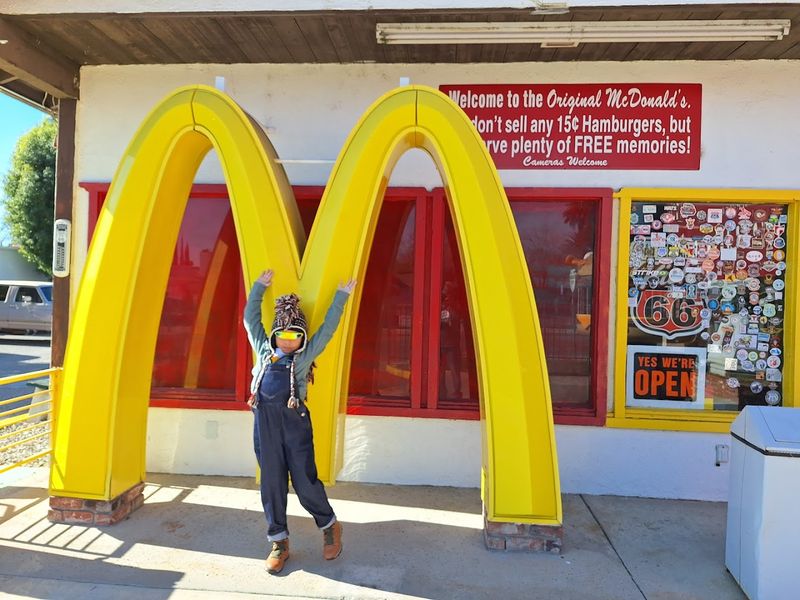
Unlike the polished, corporation-approved attractions tied to major brands, the Historic Original McDonald’s Museum has a different kind of soul entirely.
The property was purchased in 1998 by Albert Okura, the founder of the Juan Pollo restaurant chain, who transformed the site into a tribute to the McDonald brothers and their lasting impact on American food culture.
Running a privately owned museum dedicated to someone else’s brand is an unusual endeavor, and that unusual spirit comes through in every corner of the place.
The collection has the warmth of something built out of genuine admiration rather than marketing strategy, which gives the whole experience a personality that corporate museums rarely manage to capture.
Donations are welcomed to help with upkeep, and the museum also sells merchandise like shirts, keychains, and postcards for those who want to bring something home.
Staff members tend to be knowledgeable and approachable, happy to share context about exhibits or point out items that might otherwise be overlooked.
The combination of personal ownership, free entry, and genuine enthusiasm for the subject creates a visitor experience that feels more like a community treasure than a tourist attraction.
Free Admission and a Genuinely No-Pressure Visit
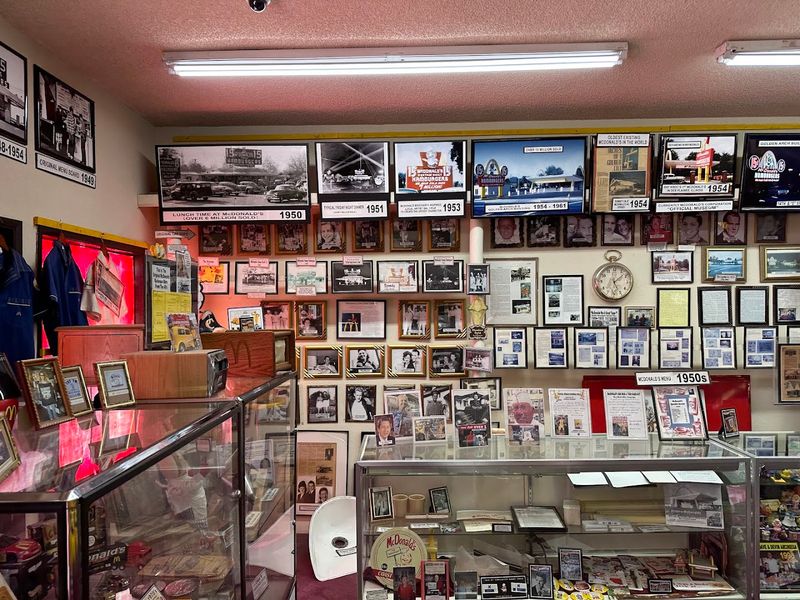
Free admission is rare enough to be worth celebrating, and the Historic Original McDonald’s Museum delivers exactly that without any catch.
Walking in costs nothing, which removes the mental math of deciding whether a stop is worth the price and lets visitors simply enjoy the experience at their own pace.
The no-pressure atmosphere extends well beyond the ticket price. There is no timed entry, no guided tour requirement, and no rush to move through exhibits in a specific order.
Visitors are welcome to wander, linger over displays that catch their eye, and spend as much or as little time as they like inside.
Donations are appreciated, and the small merchandise section offers an easy way to support the museum while picking up a souvenir.
Free pamphlets covering McDonald’s history are also available at the entrance, which adds a nice layer of context for anyone who wants to understand what they are looking at beyond just the visual appeal of the objects.
For families, road trippers, or anyone passing through San Bernardino, the free entry makes the museum an easy yes with very little risk and a surprisingly high reward for the curious visitor.
The Memorabilia Collection That Spans Decades and Countries
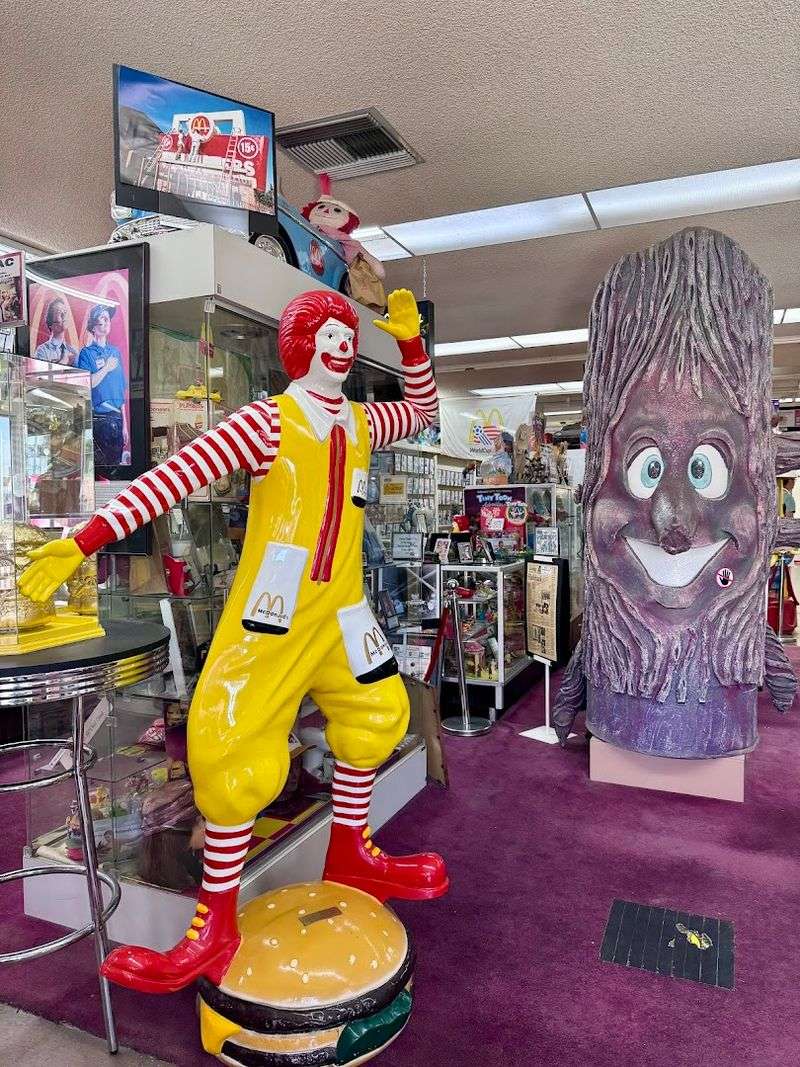
Few collections manage to be both nostalgic and genuinely surprising at the same time, but the memorabilia inside the Historic Original McDonald’s Museum pulls it off with ease.
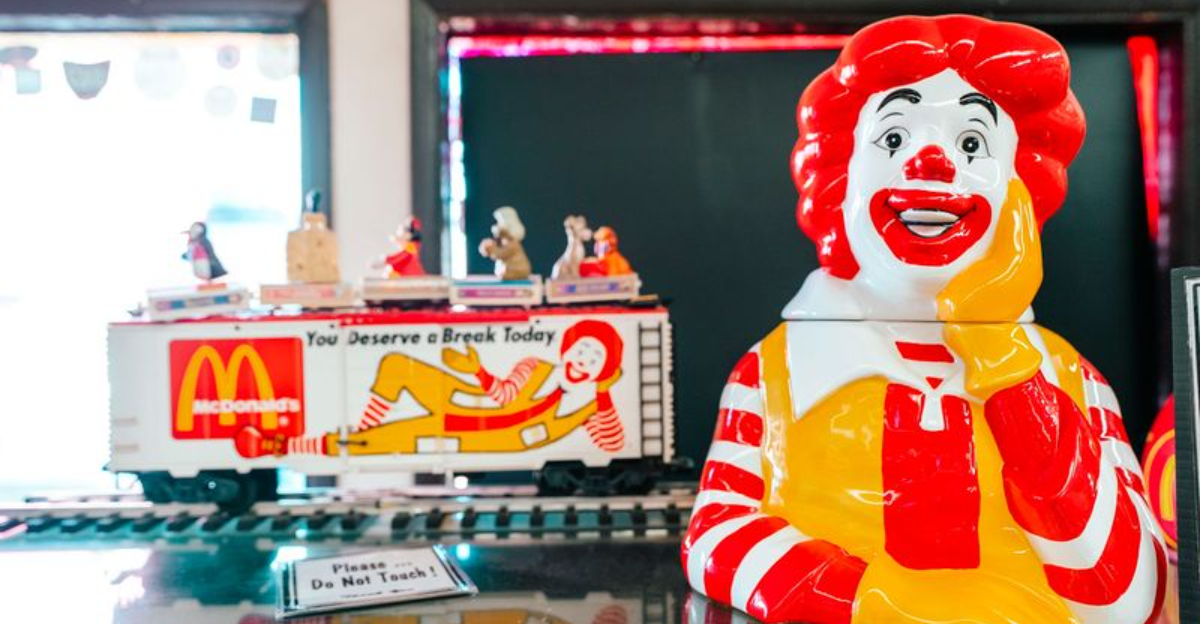
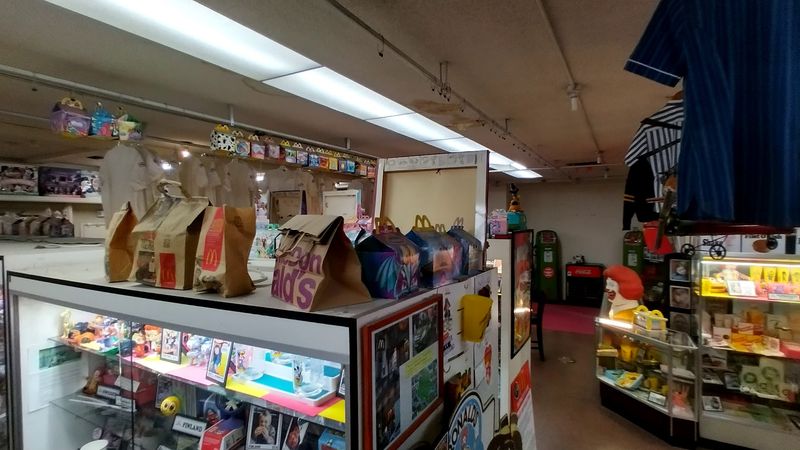
The exhibits include Happy Meal toys organized by the year they were released, vintage packaging, old menus, cups, straws, pins, fry baskets, uniforms, and food containers spanning more than five decades of brand history.
What makes the collection feel especially broad is its international reach.
Items from McDonald’s locations around the world are part of the display, showing how the brand adapted its packaging and promotions to different cultures over the years.
Seeing how the same company expressed itself differently across countries adds an unexpected layer of curiosity to what might otherwise feel like a straightforward nostalgia trip.
Props from the 2016 film The Founder, which dramatized the story of Ray Kroc and the McDonald brothers, are also part of the collection, bridging the museum’s historical focus with more recent pop culture.
Visitors are welcome to take photos throughout the space, and the density of items on display means there is almost always something new to notice no matter how slowly the exhibits are explored.
The Exterior Is Half the Show
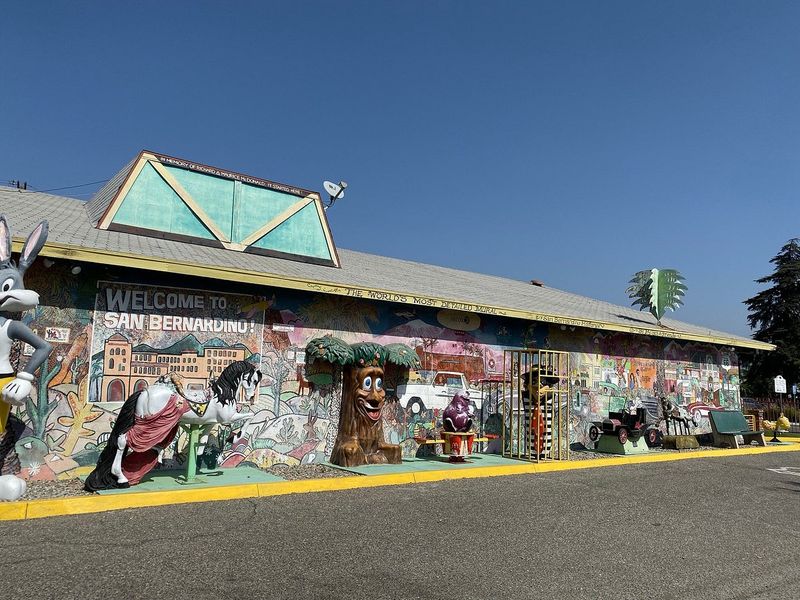
Before stepping through the door, the outside of the building already makes a statement that is hard to ignore.
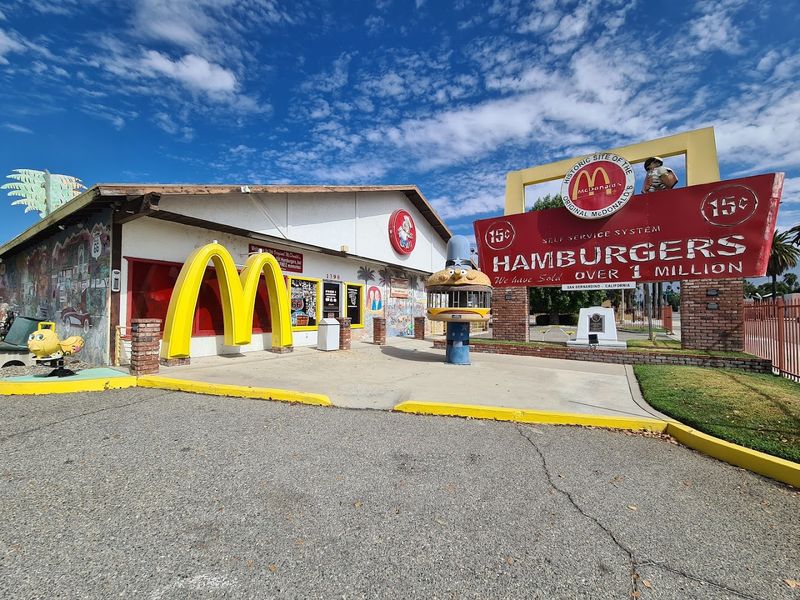
Oversized golden arches, retro burger signage, Route 66 imagery, and bold murals cover the exterior in a way that reads as both roadside attraction and open-air art installation rolled into one.
The murals have been described as among the most detailed in the world, depicting the history of San Bernardino, McDonald’s, and Route 66 in sweeping visual form.
Novelty sculptures and old playground equipment shaped like classic McDonald’s characters are scattered around the property, including figures like the Hamburglar and other familiar faces that longtime fans will recognize immediately.
The visual energy of the exterior tends to stop passersby in their tracks, which is part of the point.
Even someone with no particular interest in fast-food history tends to pause when confronted with a building covered wall to wall in colorful murals and retro characters.
The outside of the museum functions as its own kind of welcome, signaling well before the entrance that the experience inside is going to be anything but ordinary.
Pre-Ray Kroc History Takes Center Stage
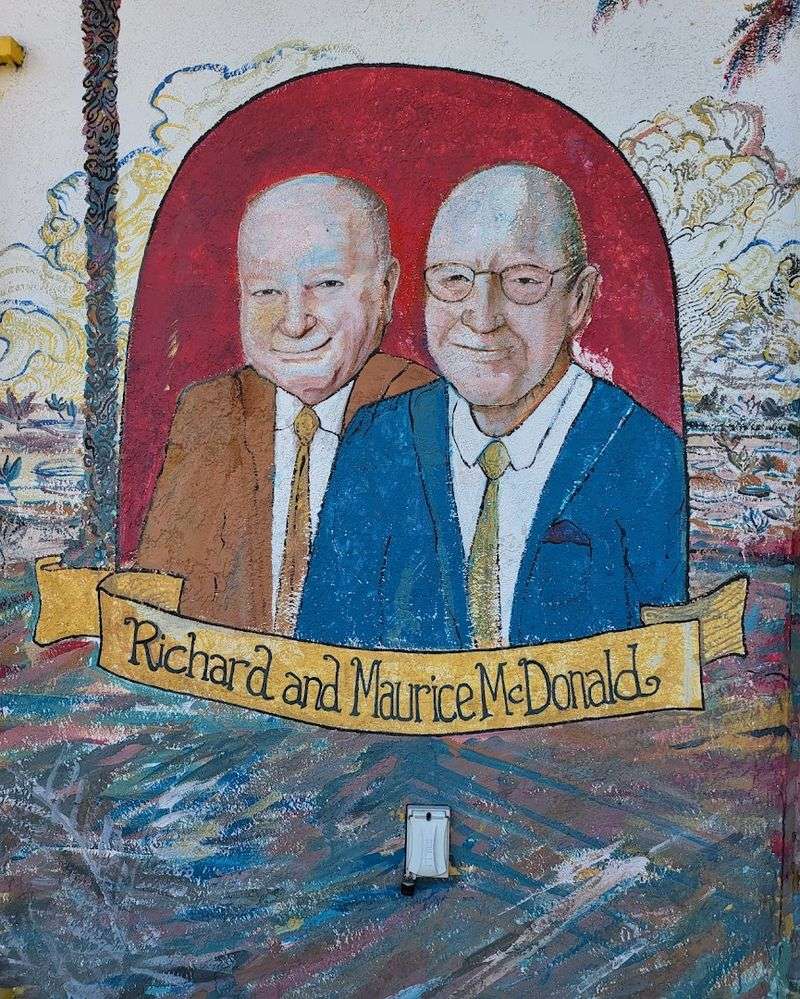
Most people associate McDonald’s with Ray Kroc and the corporate franchise machine he built, but the museum deliberately keeps the spotlight on what came before that chapter.
Richard and Maurice McDonald opened their San Bernardino restaurant in 1940 and spent years refining their approach before Kroc ever entered the picture.
The Speedee Service System they developed in 1948 reorganized the kitchen layout and workflow in ways that made food preparation dramatically faster and more predictable.
That innovation is why the McDonald brothers matter beyond just being the brand’s founders, because their operational ideas spread far beyond their own restaurants and influenced how kitchens across the entire fast-food industry were eventually designed.
Exhibits covering this earlier period include old menus, early equipment-related items, news clippings, and artifacts that reflect the look and feel of the original operation.
Seeing the pre-franchise version of McDonald’s puts the later corporate story into sharper context and makes the museum feel like genuine history rather than brand nostalgia.
For anyone who has seen The Founder or read about the McDonald brothers, walking through these exhibits feels like putting faces and textures to a story that previously existed only in text or on screen.
The Wonderfully Cluttered, Fan-Driven Feel
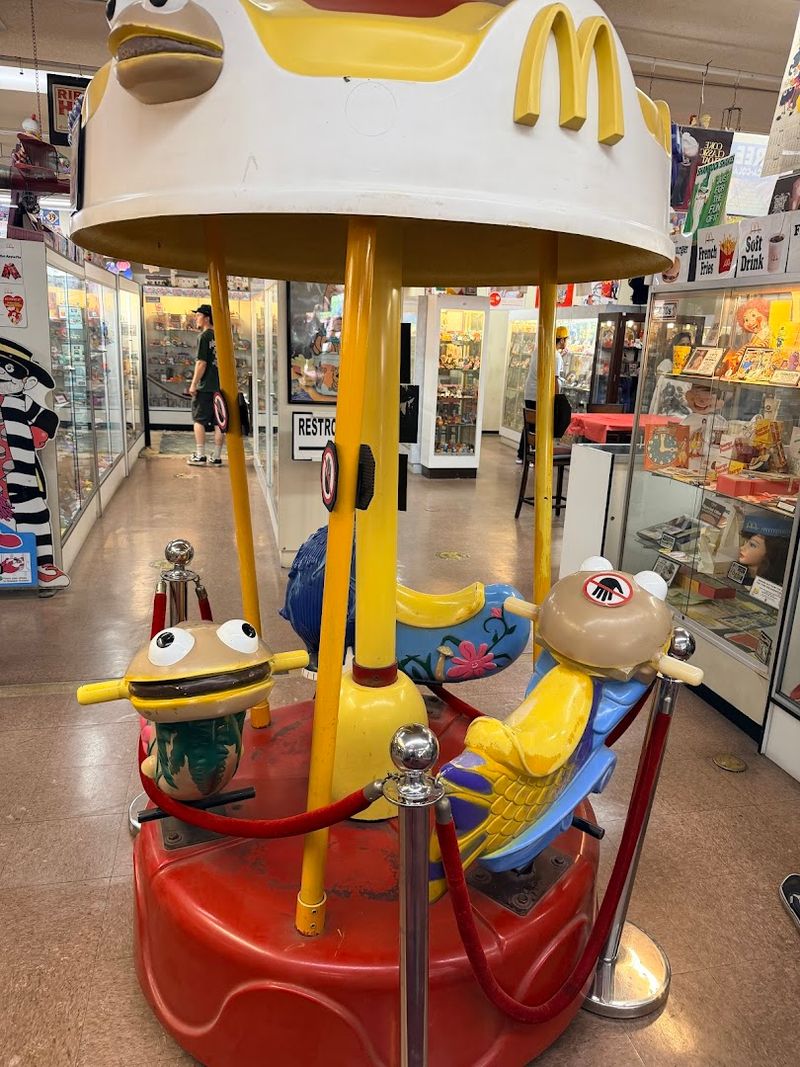
There is a particular kind of charm that only comes from a space assembled by someone who genuinely loves the subject rather than a team hired to create an experience.
The interior of the museum has that quality in full measure, with items covering nearly every available surface in a way that feels more like an enthusiast’s dream room than a carefully curated gallery.
The density of the collection is part of what makes it fun.
Turning a corner might reveal a shelf of international Happy Meal toys, a framed piece of vintage packaging, or a prop from a Hollywood film, all sitting comfortably next to each other without any grand organizational logic demanding they stay apart.
Some visitors find the packed displays energizing and spend far longer than expected just working through the layers of each exhibit. Others treat it more as a fast and fascinating curiosity stop, taking in the highlights and moving on.
Both approaches work equally well because the museum does not impose a pace or a path. The staffed entrance area keeps things welcoming without being overwhelming, and the overall atmosphere tends to feel relaxed, low-key, and genuinely enjoyable for most ages.
What to Expect When Planning a Visit
Planning a visit to the museum is straightforward, and knowing a few practical details ahead of time makes the experience even smoother.
The museum is open daily from 10 AM to 5 PM, but because it is a privately run operation rather than a large institution, confirming hours before arriving is a smart habit, especially around holidays or unusual weather days.
Parking tends to be available near the building, and the location at 1398 N E St is easy to find using standard navigation apps.
The visit length varies by visitor, with some spending around thirty minutes and others stretching the experience to over an hour depending on how deeply they engage with the collection.
Photography is permitted throughout, so bringing a charged phone or camera is worthwhile.
No food is served on-site, but several McDonald’s locations are nearby for anyone who wants to complete the experience with an actual meal after the tour.
Merchandise including shirts, keychains, and postcards is available for purchase, and the squeezed penny machine offers a classic roadside-attraction souvenir for a small fee.
Dogs are reportedly welcome on the property, which makes the stop even more convenient for travelers with pets along for the ride.
Why the Weird Factor Is Actually the Point
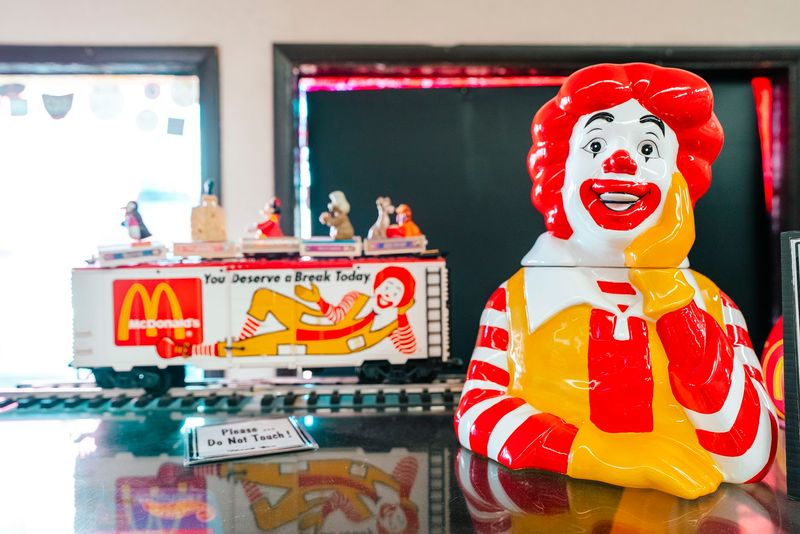
Calling something wonderfully weird is not a backhanded compliment when the weirdness is the whole appeal.
The Historic Original McDonald’s Museum earns that description honestly through its combination of fan-assembled clutter, roadside-attraction energy, free admission, and location on genuinely historic ground.
Polished corporate museums tend to feel controlled and on-message, with every exhibit serving a brand narrative.
The experience here runs in the opposite direction, feeling personal, a little unpredictable, and filled with the kind of details that only matter to people who actually care about the subject.
That authenticity is harder to manufacture than any amount of professional curation.
The museum works best when approached with curiosity and a loose schedule rather than high expectations for a traditional museum experience.
Visitors who arrive ready to wander, read a few plaques, laugh at some vintage packaging, and take photos of a Hamburglar statue in a California parking lot tend to leave genuinely happy they stopped.
The site sits at a real crossroads of American cultural history, fast food, Route 66, and postwar innovation, and the museum honors all of that in the most delightfully low-budget, high-heart way possible.