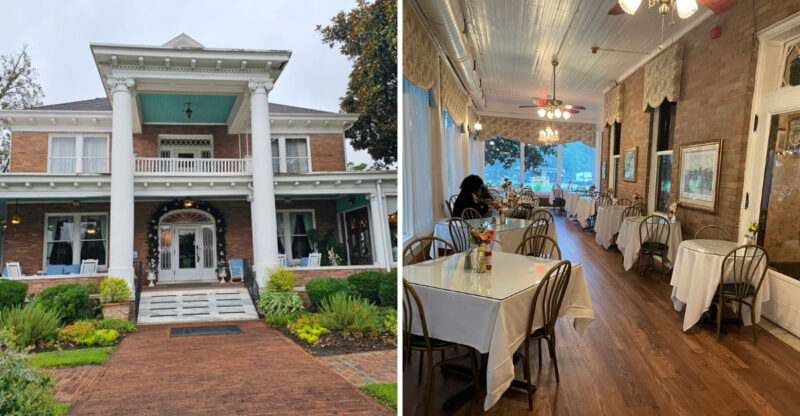
This Georgia Garden Is Filled With Millions Of Flowers And Peaceful Views
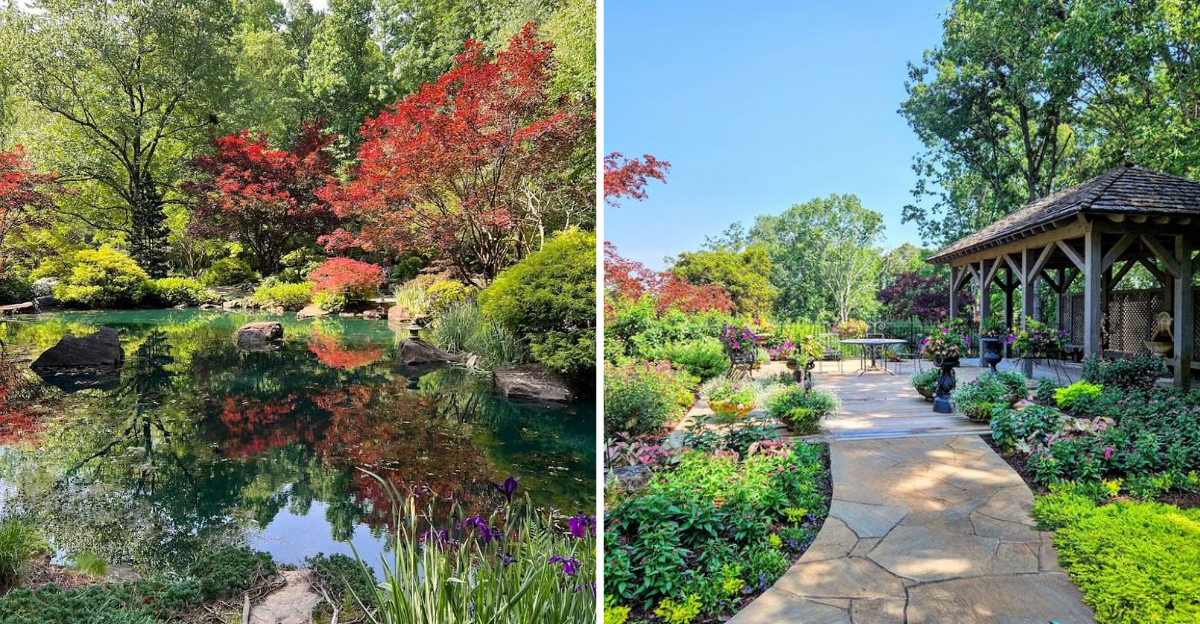
Color builds slowly here, one garden at a time, until you realize you have spent hours without noticing. Gibbs Gardens in North Georgia turns a simple day trip into something that feels calm, expansive, and quietly impressive.
The scale is part of the magic. Wide-open floral displays shift into shaded walking paths, then open again to reflective water features and long views of the surrounding hills.
Every section feels thoughtfully designed, but never overwhelming, giving you space to move at your own pace. Seasons change the experience in subtle ways. Spring brings bursts of color, summer leans lush and full, and fall adds warmth and depth to the landscape.
No two visits feel exactly the same, which makes returning just as appealing as the first time. There is a rhythm to exploring here. You walk, pause, take it in, then move on to the next view without any pressure to rush.
It feels restorative in a way that is hard to replicate elsewhere. For anyone looking to slow down and enjoy something beautifully curated yet natural, Gibbs Gardens offers a visit that feels peaceful, refreshing, and genuinely memorable.
1. Daffodil Gardens
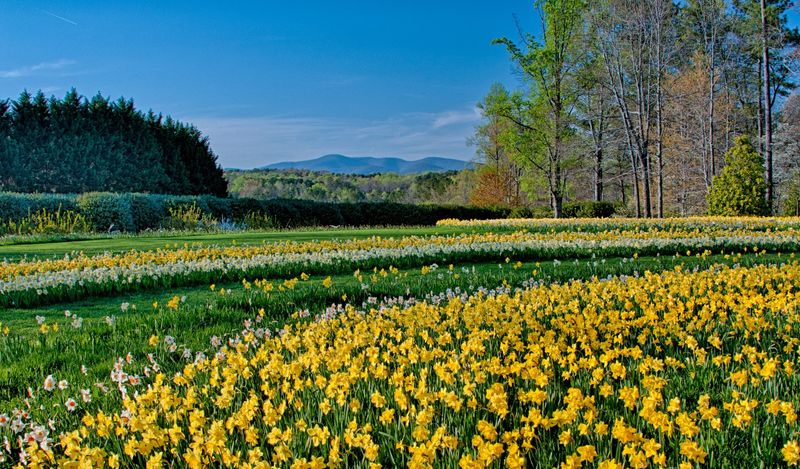
Spring arrives with real drama in the Daffodil Gardens, where broad sweeps of blooms create one of the most memorable scenes in north Georgia. Gibbs Gardens is located at 1987 Gibbs Drive, Ball Ground, GA 30107, and this section is especially popular from March into early April when the display is at its brightest.
The scale feels impressive without becoming overwhelming because the hills, curves, and walking routes naturally break the view into smaller, easy-to-enjoy moments.
Weekday mornings tend to feel calmer, and cooler temperatures may make the longer walks more comfortable if the sun is strong later in the day. Comfortable shoes matter here because lingering is part of the experience, and the gentle slopes can add up over time.
A slow pace works best, especially for photos, since the changing angles reveal fresh layers of color and occasional long views that make the garden feel almost storybook without trying too hard.
2. Manor House Gardens
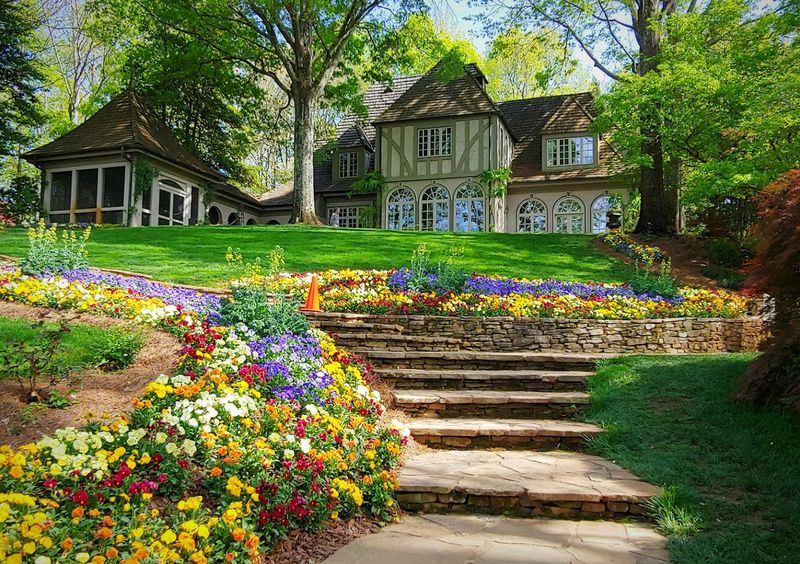
The Manor House Gardens bring a more structured kind of beauty, mixing terraces, lawns, and framed views that feel polished yet still easygoing. Gibbs Gardens and these formal garden terraces sit near the core of the property, making them a natural early stop on a first visit.
Elevation changes add visual drama here, so each level tends to reveal a slightly different perspective of water, flowers, and surrounding hills.
This area rewards unhurried walking because details such as stonework, clipped plantings, and layered borders are easy to miss when moving too fast. Clear weather often makes the distant mountain backdrop more noticeable, but even on softer gray days the terraces still feel serene rather than flat.
Visitors who prefer shorter walks may appreciate beginning here, since the paths are organized and the layout helps with pacing before moving deeper into the larger garden grounds later in the day.
3. Waterlily Gardens
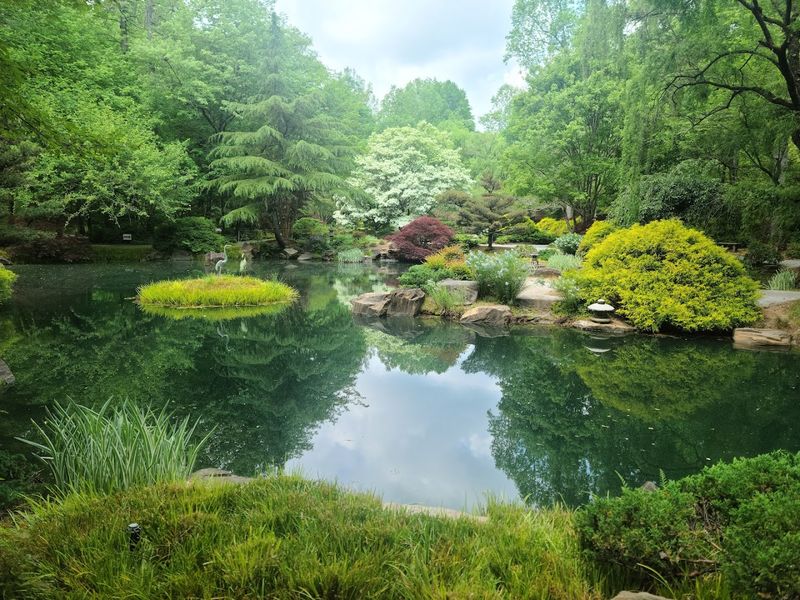
The Waterlily Gardens offer a quieter mood, with ponds that invite a slower pace and a longer look at shifting reflections. The combination of still water, layered foliage, and floating blooms makes this one of the easiest places in the garden to simply pause and settle in.
Morning light may be especially pleasant here because the water can look softer and the paths often feel less crowded early in the day. A camera or phone is useful, but patience matters even more since ripples, clouds, and changing light can completely alter a photo within minutes.
Visitors sensitive to heat may want this stop earlier rather than later, as summer afternoons can feel warmer around the ponds, even though the scenery remains deeply calming and beautifully balanced.
4. Japanese Gardens
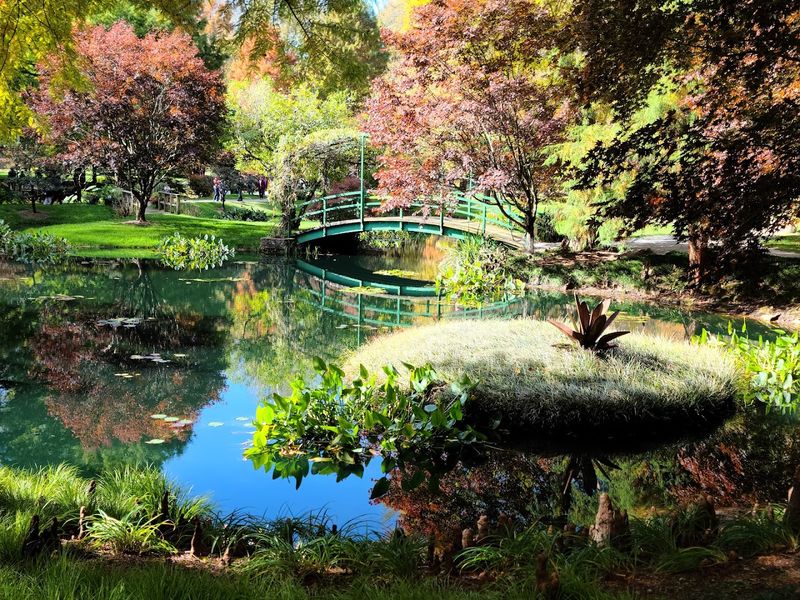
The Japanese Gardens create one of the most immersive experiences on the property, with bridges, ponds, lanterns, and carefully placed stones shaping the rhythm of the walk. Gibbs Gardens and this expansive section is often considered a highlight because it feels both designed and deeply natural at the same time.
Paths curve in a way that encourages attention, so the visit tends to feel more meditative than rushed.
This is a good place to lower expectations about checking off sights quickly and instead focus on pacing, quiet, and subtle changes in view. Footbridges, islands, and shoreline edges make the route visually rich, but comfortable shoes still help because the area covers a significant amount of ground.
Weekdays may offer a softer atmosphere for lingering, while weekends can still be worthwhile if extra time is built in for slower walking and occasional pauses around the water.
5. Inspiration Gardens
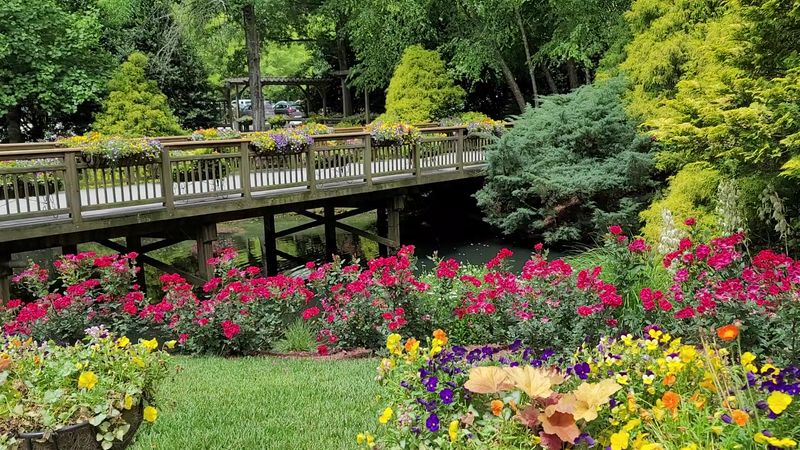
The Inspiration Gardens feel especially approachable because the plantings are designed to spark ideas that could translate to smaller residential spaces. Gibbs Gardens and this newer section showcases combinations of shrubs, flowering trees, and ornamental plants with a more practical, livable feel.
It is a satisfying stop for gardeners who enjoy noticing how color, shape, and structure work together without needing a huge estate to pull it off.
Because the layouts are easier to imagine at home, this area tends to reward close looking rather than dramatic overlook views. Visitors who like landscaping ideas may want to take notes or photos of pairings that handle texture well, especially when bloom color is not the only thing carrying the design.
The paths here are typically easy to enjoy at a relaxed pace, making this a nice middle-of-the-visit stop when the larger displays begin to feel visually intense.
6. Le Jardin Color Garden
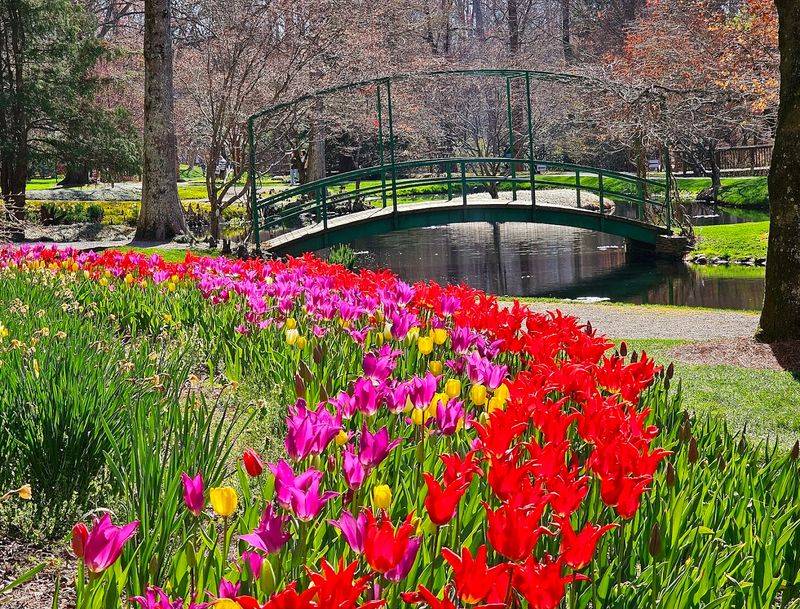
Le Jardin brings a fresh burst of color and feels deliberately cheerful, with flower beds arranged to make bold combinations look easy and elegant. It is an excellent stop for anyone who enjoys saturated color, tidy borders, and garden rooms that read clearly in photographs.
The effect changes with the season, so returning visitors may notice new palettes or different plants taking the lead at different times. Midmorning light often works well here because strong color can still look rich without the flatter glare that sometimes comes later in the afternoon.
This section is not only about quick snapshots, though, since close viewing reveals leaf texture, spacing, and maintenance details that help explain why the beds look so polished and easy on the eyes.
7. Grandchildren’s Sculpture Gardens

The Grandchildren’s Sculpture Gardens add warmth and personality to the visit, offering a playful contrast to the more formal and horticultural sections. It is the sort of stop that naturally slows people down because the details invite smiles, second looks, and a little conversation.
Families may find this section especially enjoyable, but it also works well for adults who appreciate gardens that do not take themselves too seriously. The placement of the sculptures among plantings keeps the experience visually integrated, so the art feels like part of the landscape rather than a separate exhibit dropped into it.
This is a nice area for a short breather during a longer visit, particularly when feet need a pause and the day could use a small shift in mood.
8. Fern Dell
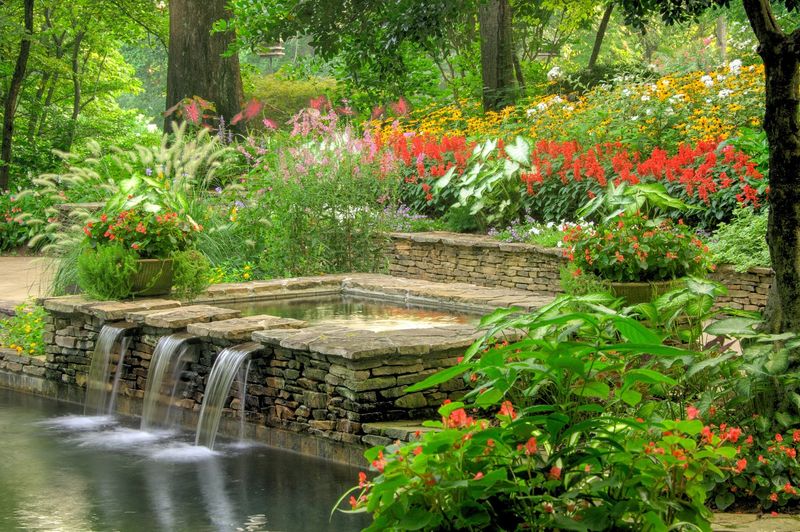
Fern Dell feels like stepping into a cooler, greener world where the mood shifts from bright floral spectacle to quiet woodland texture. Gibbs Gardens and this expansive fern area is known for broad carpets of green under a canopy that helps filter the light.
On warm days, the shade here can feel especially welcome, making it one of the most comfortable places to linger during summer visits.
The beauty is subtler than the big spring displays, so this stop tends to appeal most to visitors who enjoy texture, pattern, and calm atmosphere. A stream winding through the landscape adds gentle movement and sound, which can make the entire section feel restorative after busier paths elsewhere on the property.
Because shaded ground can sometimes feel damp or uneven depending on conditions, supportive shoes are a smart choice for anyone planning to explore this area thoroughly.
9. Rose Garden
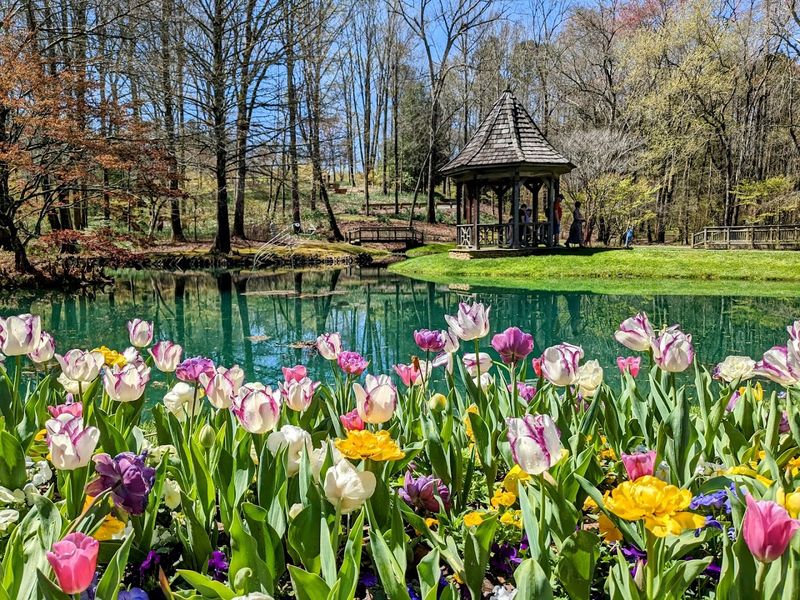
The Rose Garden offers a classic kind of garden pleasure, with layered color, fragrance, and orderly beds that feel timeless without seeming stiff. Gibbs Gardens and this section is a natural draw when roses are performing well in the warmer parts of the growing season.
Visitors who enjoy traditional garden design may find this one of the most satisfying places to slow down and really take in the details.
Bloom quality can vary with weather and timing, so flexibility helps and a visit slightly before peak heat may be more comfortable. The scent is part of the appeal, but so is the structure of the beds, which makes the space feel balanced from both near and far.
This area is especially pleasant for casual photos, though it is worth remembering that patience often beats hurry when waiting for fewer people to pass through the loveliest viewpoints.
10. Tulip Displays
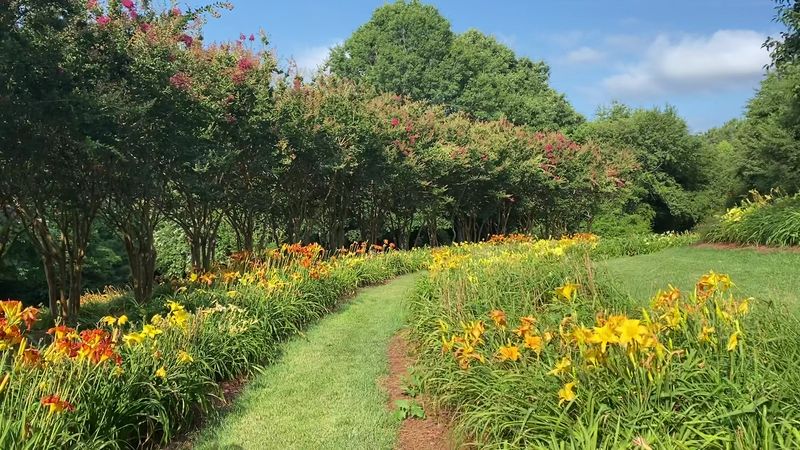
The tulip displays bring a lively shift in spring, adding crisp shapes and stronger color blocks after the softer sweep of early daffodils. Their neat forms and vivid tones make them especially photogenic, but the effect still feels grounded because the beds are woven into the larger landscape.
Timing matters with tulips more than with some longer-lasting garden features, so checking bloom updates before visiting is a sensible move. Cooler mornings often make the walking experience more pleasant, and the lower angle of light can help colors look bright without feeling harsh.
Since spring weekends may draw bigger crowds, a weekday visit could offer more room to pause, compare varieties, and appreciate how the tulips interact with nearby trees, lawns, and broader seasonal displays.
11. Cherry Blossoms
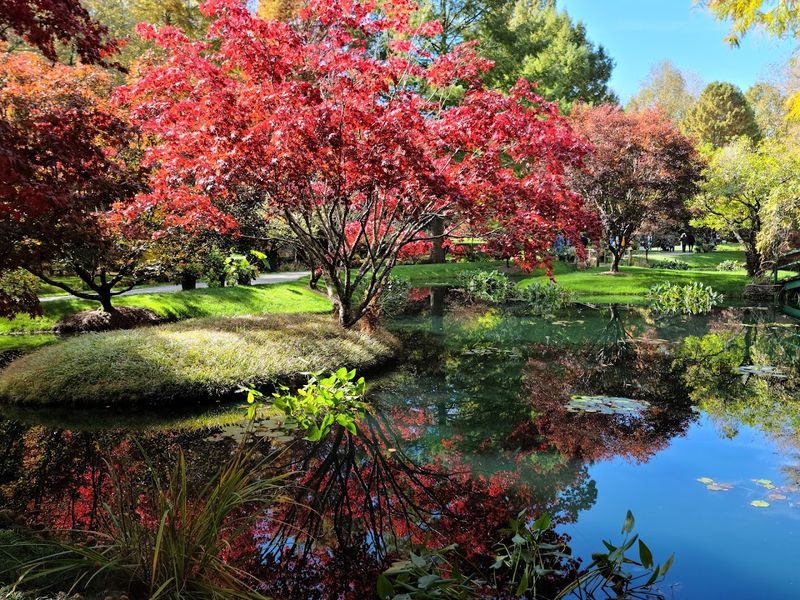
Cherry blossoms add a soft, fleeting elegance to the garden and often become one of the most anticipated signs of spring. The blooming trees usually bring delicate shades of pink and white that brighten the landscape in mid-March.
Their beauty tends to feel gentle rather than flashy, which makes this area especially rewarding for visitors who prefer subtle seasonal color.
Because bloom windows can be brief, flexibility is useful and it helps to plan around current garden reports when possible. Light wind, changing skies, and petal fall can alter the experience from one hour to the next, but that unpredictability is part of the charm rather than a drawback.
A slower walk works best here, especially for photography, since backlit branches, nearby paths, and layered plantings often create better views than the first obvious stopping point.
12. Dogwoods and Azaleas
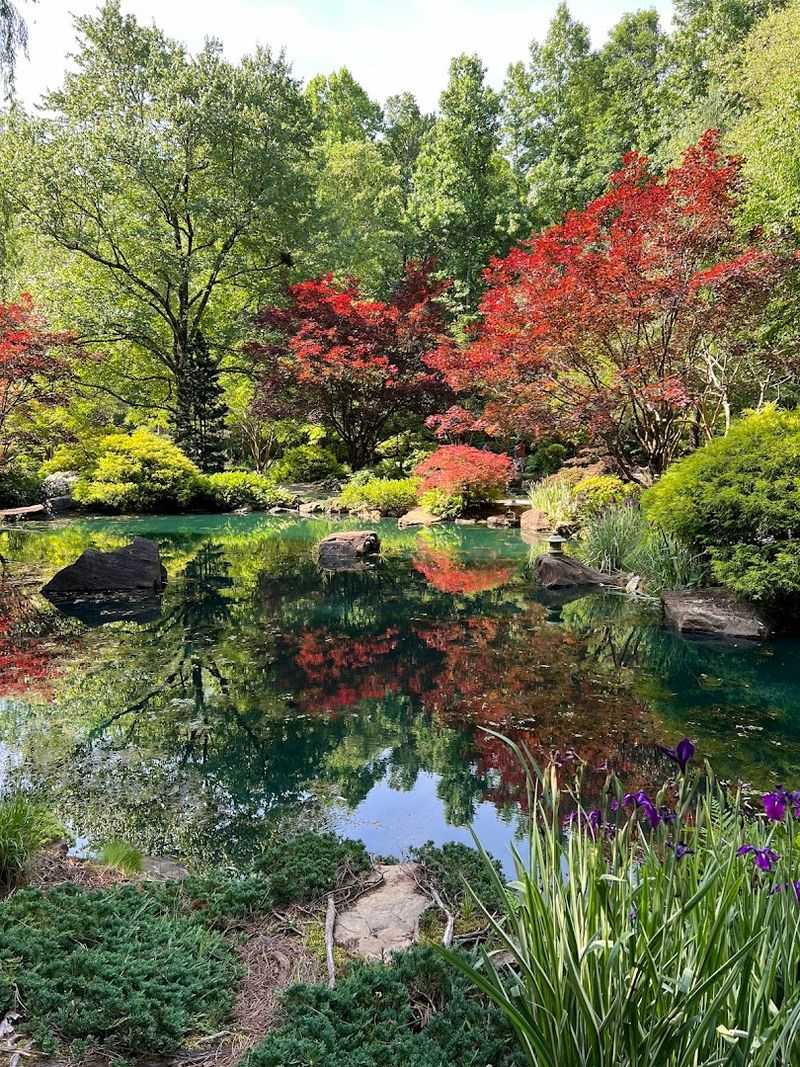
Dogwoods and azaleas bring a distinctly southern spring feeling, combining woodland softness with bursts of color that appear especially fresh in April. The pairing works beautifully because dogwoods add airy structure while azaleas create denser ribbons of pink, red, white, and purple below.
This is a lovely part of the seasonal cycle for visitors who enjoy naturalistic planting rather than only formal beds and high-intensity color. Cloudy days can actually flatter these blooms, since softer light often reveals subtle tones and makes photographs easier to balance.
A relaxed pace is worthwhile here because the best moments may appear at path edges, beneath tree canopies, or around bends where the layered bloom effect feels less staged and more like a lucky discovery.
13. Hydrangea Garden
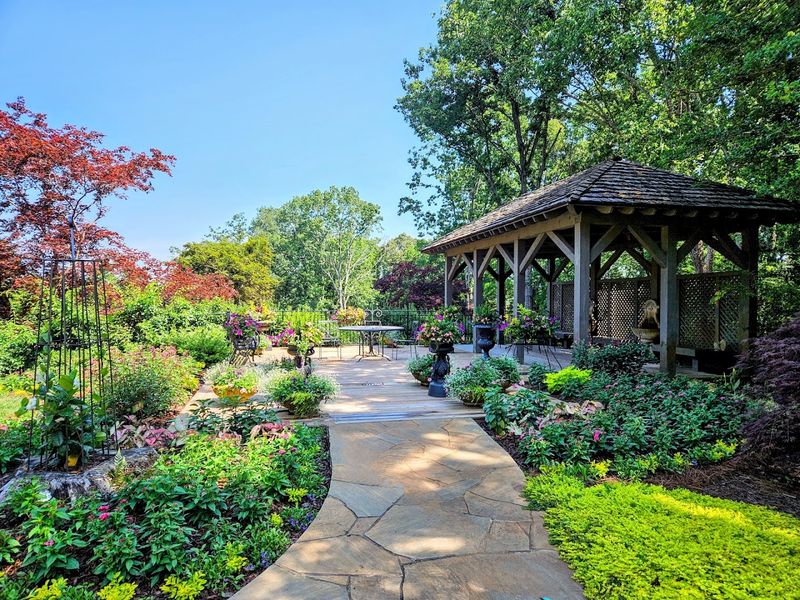
The Hydrangea Garden extends the season beautifully, offering full, generous blooms that carry color well beyond the spring rush. This section can be particularly appealing from late spring into fall when hydrangeas provide sustained interest.
The plants tend to create a lush, welcoming feeling, with large flower heads and broad foliage that read as both abundant and calming.
Visitors who come later in the year may especially appreciate this area because it still feels floral and vibrant when some spring favorites have faded. Heat and recent rainfall can affect how fresh the blooms look, so expectations should stay flexible, but even then the garden usually remains enjoyable for texture and color.
Since hydrangea shades may vary by variety and growing conditions, this stop is also useful for anyone curious about how different tones can coexist in a well-managed landscape.
14. Daylily Garden
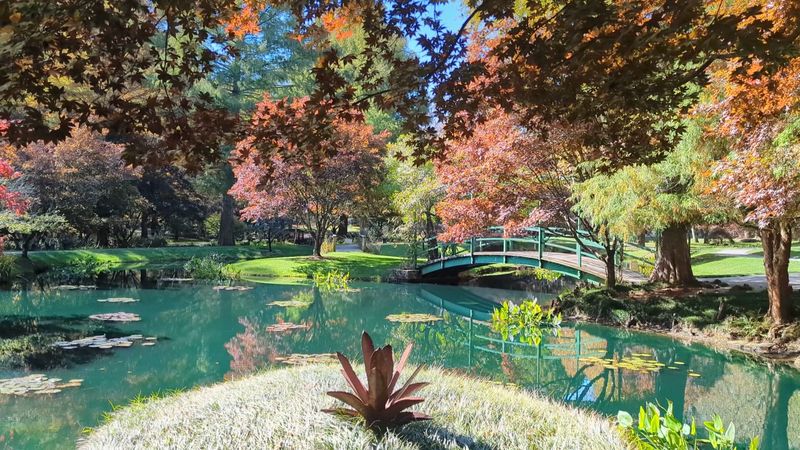
The Daylily Garden brings a bright, summery energy with blooms that can make warm-season visits feel especially cheerful and colorful. This area typically shines from June through August when daylilies add vivid tones to the garden.
Their open forms and wide color range create a more relaxed look than formal rose beds, which gives this section an easygoing charm.
Because daylilies are best appreciated up close as well as from a distance, this is a good place to move slowly and notice the differences among varieties. Summer weather in north Georgia can be hot and humid, so earlier arrival, water, and shade breaks are practical choices rather than optional extras.
Even on warmer days, though, the garden can be rewarding because the repeated shapes and colors make the planting feel rhythmic, lively, and pleasantly uncomplicated.
15. Crape Myrtle Garden
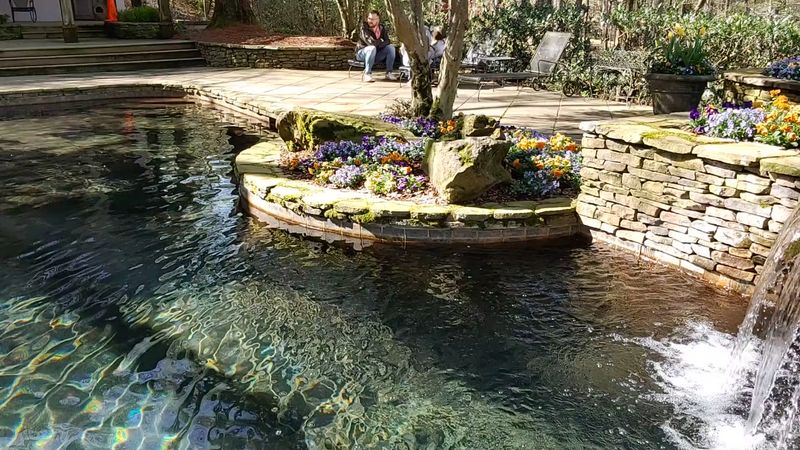
The Crape Myrtle Garden helps carry the property through the height of summer, when flowering trees add color above eye level and broaden the whole scene. This section is typically most attractive in July and August when crape myrtles are in bloom.
The look is different from lower garden borders because the flowers appear in airy clusters that feel lighter and more open in the heat.
This stop works well later in a visit when some of the denser floral displays have already been seen and a change in structure sounds appealing. Bright sun often flatters these trees, though a hat and water may be important if the day is especially hot.
Visitors who enjoy seasonal planning may appreciate seeing how the garden maintains interest through summer, proving that Gibbs Gardens is not only a spring destination but a place with a longer visual rhythm.
16. Spring-Fed Ponds and Bridges
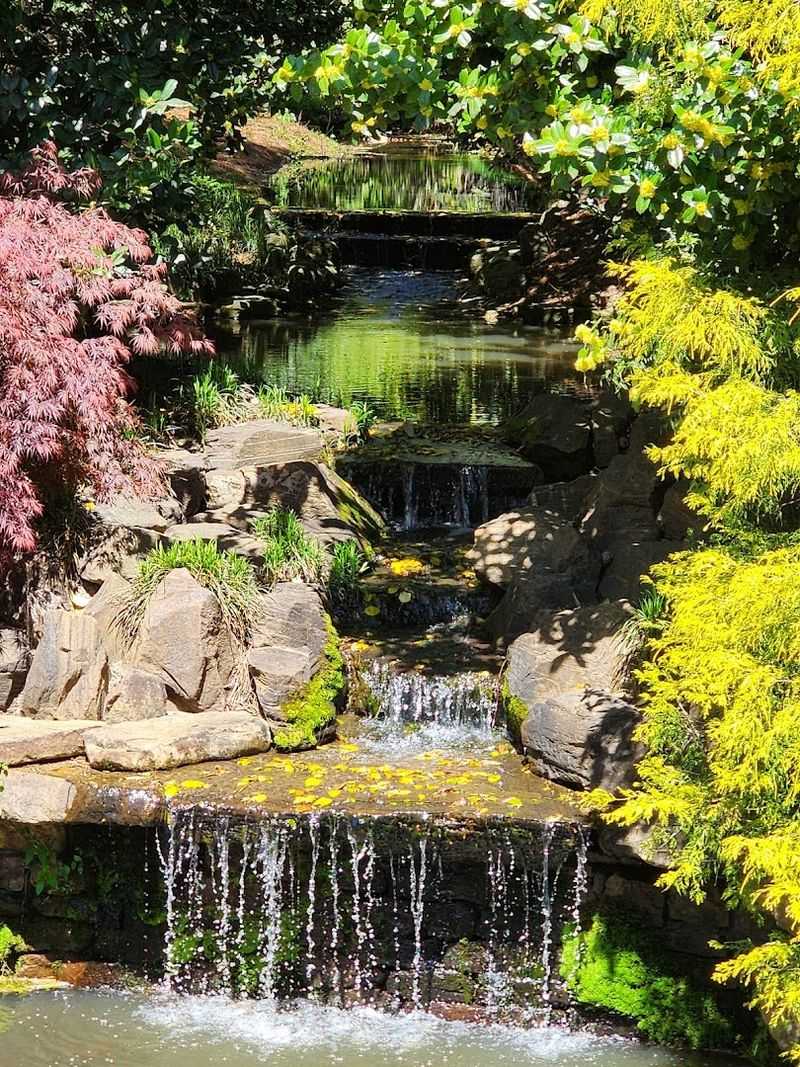
Beyond the named flower areas, the spring-fed ponds and bridges tie much of Gibbs Gardens together and shape how the property feels as a whole. These water features appear throughout several garden sections, adding reflection, movement, and natural pauses between more concentrated displays.
They are often the reason a walk here feels restful instead of visually crowded, even on a full sightseeing day.
Bridges create natural stopping points, which makes them useful for both photos and brief breaks without losing the flow of the visit. Water also changes with the light, so cloudy skies, morning sun, or late afternoon shadows can each produce a slightly different atmosphere around the same paths.
Visitors who tend to rush from one major attraction to the next may enjoy the day more by treating these connecting features as destinations in their own right rather than background scenery.