The Northern California Fishing Village That Tourists Skip On The Way To Oregon And Locals Are Quietly Grateful For It
Highway miles have a way of pulling people toward the next state, sometimes too quickly to notice what they are passing.
Along Northern California’s coast, one fishing village lives in a quiet space, overlooked by travelers and loved all the more for it by the people who know its value.
Fog, working docks, weathered charm, and the steady rhythm of a place that has never needed to perform for attention give it a kind of peace that feels increasingly rare.
Nothing here seems eager to chase crowds. That is part of the beauty.
A visit feels calmer, more personal, and somehow more honest because the village still belongs so fully to itself.
Missing it may be easy for tourists. Forgetting it is much harder for anyone who actually stops.
The Fishing Village Identity That Actually Holds Up
Not every place that calls itself a fishing village can back it up, but Trinidad genuinely earns the title.
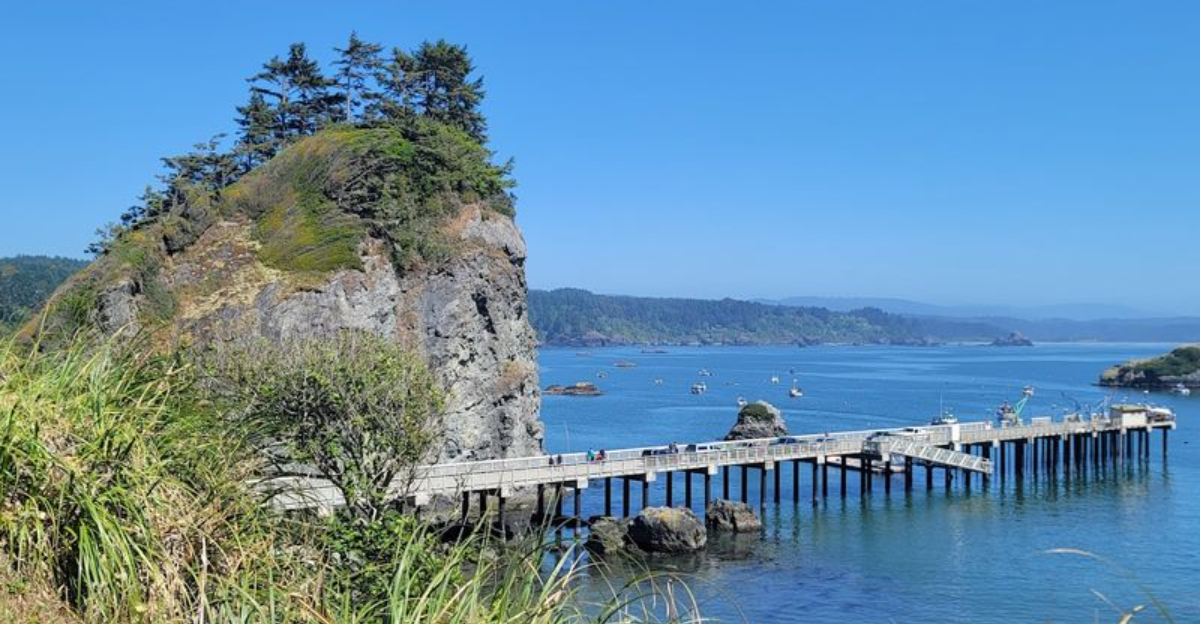
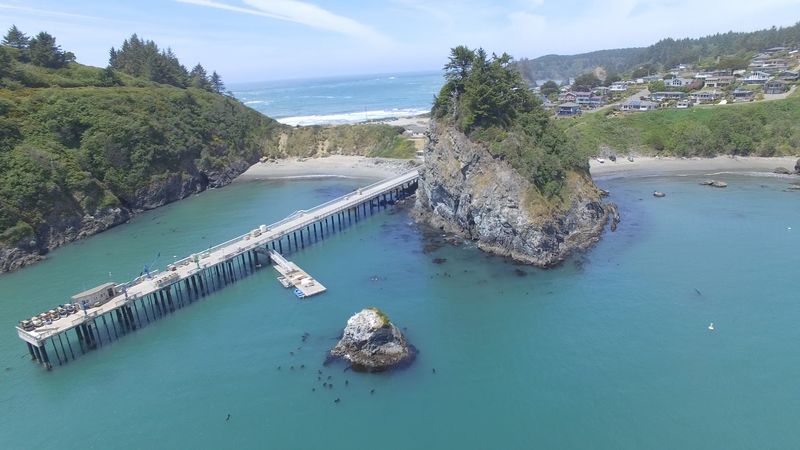
The harbor sits below the bluff in Trinidad Bay, sheltered by Trinidad Head, and a small fleet of fishing boats still uses the pier on a regular basis.
The setup looks almost exactly like what you might picture when someone says “old California fishing village,” except it has not been renovated into a tourist attraction.
Commercial and recreational fishing both remain active here, which means the harbor has a working rhythm rather than a decorative one.
Visitors can often watch boats coming in and out depending on the season, and the smell of salt air and the sound of gulls give the whole scene an authenticity that is hard to manufacture.
City planning documents describe the Trinidad Harbor Area as having a long and varied history that includes both Indigenous use and later harbor-related commercial activity.
That depth of use is part of what separates the harbor from a simple photo opportunity.
Standing near the pier, the sense of continuity feels real rather than staged, and that quiet realness is exactly what makes Trinidad worth slowing down for.
A Population So Small It Changes How the Town Feels
Around 307 people call Trinidad home according to recent Census data, which makes it one of the smallest incorporated cities in the entire state of California.
That number is not just a fun fact. It actively shapes how the town feels when a visitor walks through it.
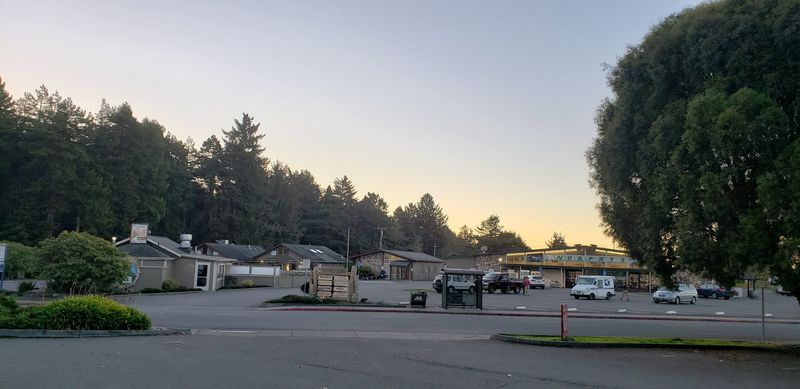
There are no traffic jams, no crowded sidewalks, and no chain restaurants competing for corner space.
A town that small tends to operate at a human scale that larger coastal destinations have long since outgrown.
Storefronts are modest, streets are narrow, and the general pace of movement slows down in a way that feels less like inconvenience and more like relief.
The absence of crowds is not accidental. It reflects a community that has chosen preservation over expansion.
Trinidad’s own planning language emphasizes protecting its authentic small-town coastal character, and that goal shows up clearly in the built environment.
Buildings stay low, signage stays understated, and nothing about the town layout pushes visitors to move faster than they want to.
For anyone arriving from a busy stretch of Highway 101, stepping into Trinidad can feel like someone quietly turned down the volume on everything at once.
Trinidad Head and the Drama It Adds to the Skyline
Few geological features define a California coastal town the way Trinidad Head defines this one.
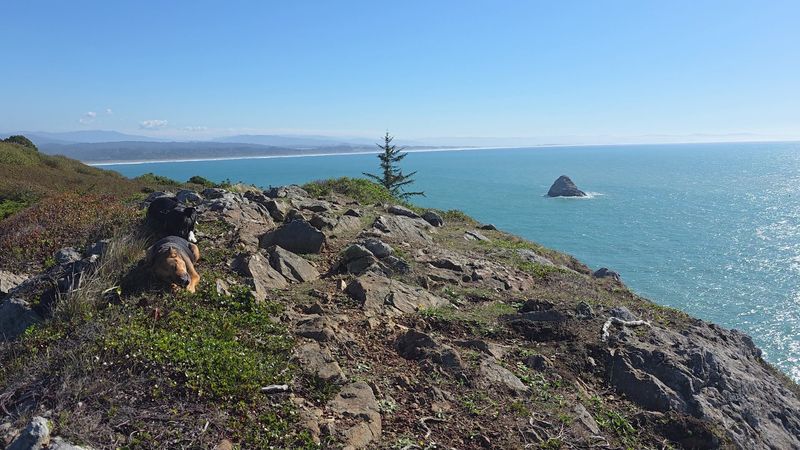
The headland rises sharply above the bay, creating a natural shelter for the harbor below and giving the town its distinctive silhouette.
From almost any angle near the water, Trinidad Head frames the view in a way that makes even a quick glance feel like a postcard.
A trail runs up and around the head, offering views of the Pacific, the harbor, and the offshore rocks that dot the coastline.
The hike itself is relatively short and accessible, making it a realistic stop even for visitors who are only passing through for a few hours. On clear days, the visibility stretches far enough to feel genuinely expansive.
Redwood Coast tourism materials specifically highlight Trinidad Head as one of the area’s signature landmarks, and it is easy to understand why.
The headland does something rare for a natural feature: it gives the town a sense of enclosure and protection that makes the whole place feel more intimate.
Rocky headlands of this scale are not common along the California coast, and the combination of harbor below and bluff above is a large part of what makes Trinidad look so different from ordinary beach towns.
The Memorial Lighthouse That Stands Guard Over the Bay
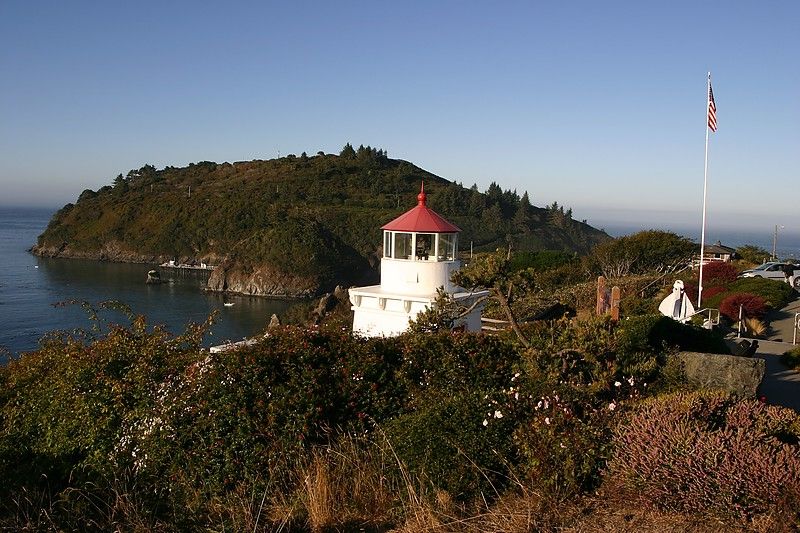
Built in 1949, the Trinidad Memorial Lighthouse is not an operational Coast Guard beacon but rather a tribute to those lost or buried at sea.
The replica lighthouse sits on a bluff above the town and holds a bell that is rung in memory of mariners. Its presence gives the town center a quiet solemnity that balances well against the more active energy of the harbor below.
The lighthouse is one of the historic resources specifically identified in Trinidad’s planning documents, alongside Holy Trinity Church and the Tsurai Village site.
That cluster of landmarks concentrated in such a small area gives the town a density of history that is unusual for a community of its size.
Visitors who take the time to read the memorial plaques often find themselves spending longer at the site than they originally planned.
The setting around the lighthouse looks out over the bay, which means the view from that spot combines historic meaning with natural drama in a single frame.
Morning light tends to hit the white structure cleanly, making it one of the more photographed spots in town.
Indigenous History Runs Deeper Than Most Visitors Realize
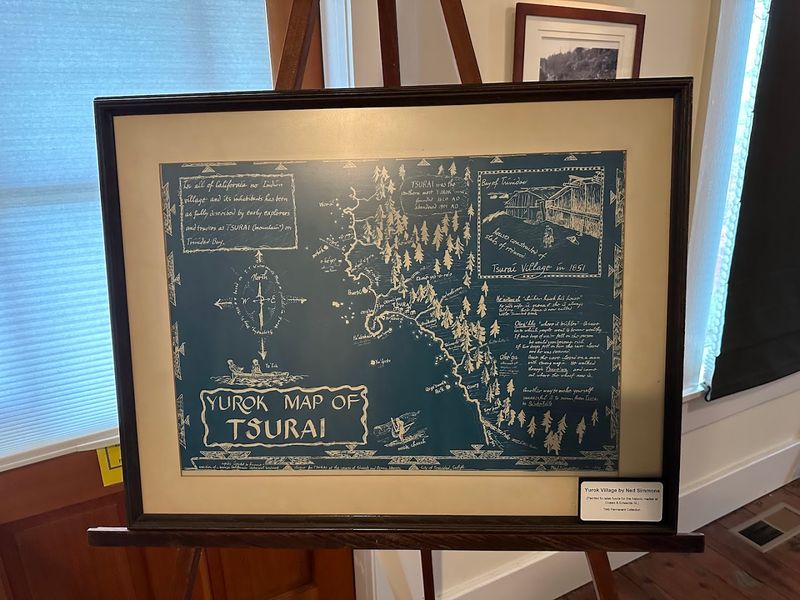
Long before the harbor was built and the lighthouse was dedicated, the land that is now Trinidad was home to the Yurok people, whose village of Tsurai stood on the bluff above the bay.
Official city documents list the Tsurai Village site as a major historic resource, and Redwood Coast history materials make clear that Indigenous peoples were the region’s earliest and longest-standing residents.
The Tsurai site adds a layer to Trinidad’s story that goes far beyond fishing boats and scenic overlooks.
Visiting the area near the site means standing on ground with a continuous human history that predates European contact by centuries.
That kind of depth changes how a place feels, even for visitors who only spend an hour in town.
Understanding that history also reframes the harbor itself. The bay was not simply discovered by later settlers.
It was already a known and used landscape with established patterns of life, trade, and community.
Trinidad’s official planning materials treat this history with seriousness rather than as a footnote, which reflects a broader community awareness that the town’s identity is not just about what was built in the twentieth century.
The land itself carries stories that deserve more than a passing glance from the car window.
Where Redwoods Meet the Sea in One Uninterrupted View
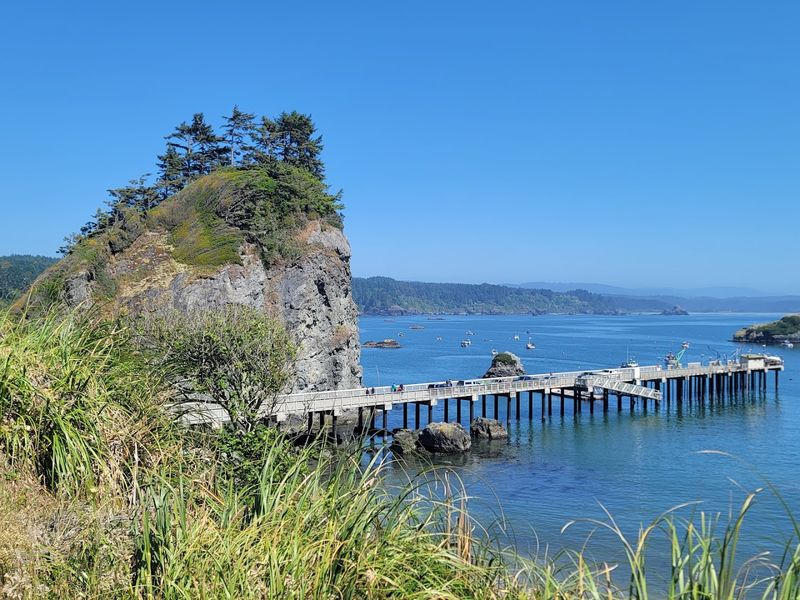
Very few places in California put ancient redwoods and the open Pacific within the same field of vision, but Trinidad manages it with almost no effort.
The town sits at a transition zone where coastal spruce and redwood forest press right up to the bluffs, creating a layered landscape that feels more like the Pacific Northwest than the California most visitors picture.
Official tourism materials for the Redwood Coast describe Trinidad as a place where redwoods meet the sea, and that phrase turns out to be literal rather than poetic.
Trees grow close enough to the bluff edge that their roots sometimes reach toward the cliff face, and the scent of forest mixes with salt air in a combination that is genuinely unusual.
Standing at the right overlook, a visitor can see both the harbor and the tree line without moving their feet.
Ten public beaches are accessible within or near Trinidad, and many of them are framed by offshore rocks that are part of the California Coastal National Monument.
The variety of textures in a single view, from tidepools to sea stacks to redwood canopy, gives the area a visual complexity that rewards slow exploration rather than a quick drive-by.
Seascape Restaurant and the Honest Simplicity of Eating by the Water
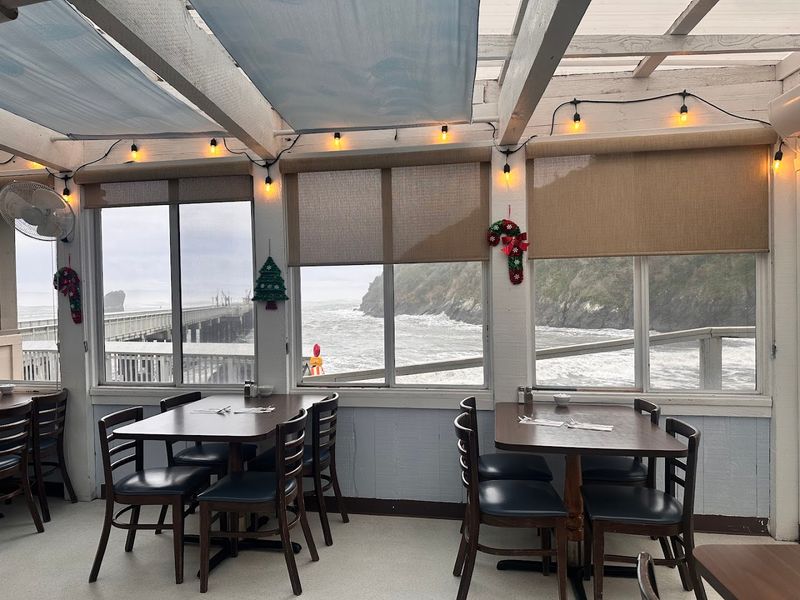
Established in the 1950s, the Seascape Restaurant has been feeding visitors and locals near Trinidad’s pier for decades.
The restaurant sits close enough to the water that gray whale sightings during migration season are possible from the dining area, which is the kind of detail that sounds unlikely until it actually happens.
It is located at 1 Bay Street, Trinidad, CA 95570, right at the pier where the harbor activity is most visible.
The menu focuses on fresh seafood, and the setting leans into the no-frills coastal atmosphere rather than dressing it up.
Tables near the windows offer views of the bay and the boats, and the pace of service tends to match the overall rhythm of the town, which is to say unhurried and straightforward.
There are no elaborate presentations or trend-driven menu concepts to navigate.
For travelers who have been driving for hours on Highway 101, stopping at Seascape for a meal near the water is one of the more grounding experiences Trinidad can offer.
The combination of honest food, a real working harbor just outside, and the possibility of spotting a whale on the horizon creates a dining experience that is specific to this place and not easily replicated anywhere else along the Northern California coast.
Fishing Season Still Shapes How Visitors Use the Town
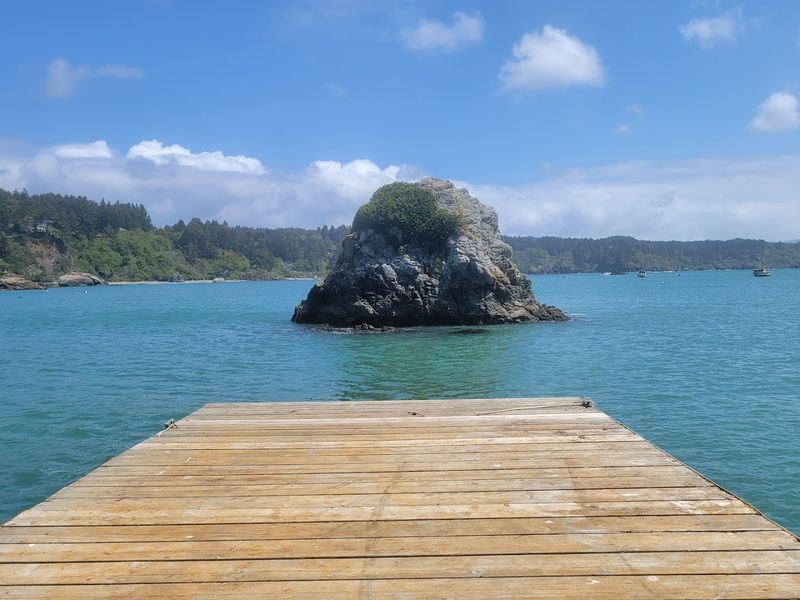
Summer and peak fishing seasons bring a noticeable but not overwhelming increase in visitors to Trinidad, and city planning documents acknowledge that fishing activity is a core driver of that seasonal rhythm.
The town does not transform dramatically during busy periods the way larger coastal destinations do, but the harbor gets more active and the pier sees more foot traffic than it does in the off-season.
Recreational fishing is a significant draw for people who already know about Trinidad, and charter options are available for those who want to get out on the water. The combination of a protected bay and access to open ocean makes the area productive for a range of species depending on the time of year.
Visitors who are not fishing often find that watching the boats come and go is engaging enough on its own.
Timing a visit around the fishing season also means encountering a version of Trinidad that feels most fully like itself. The harbor is busiest, the pier has the most activity, and the town’s identity as a working fishing village is most visible and tangible.
For anyone curious about what Northern California coastal life actually looks like when it is not being packaged for tourism, arriving during fishing season offers a clearer and more honest picture than any brochure could.