9 Iowa Small Towns That Do Main Streets Better Than Big Cities Ever Could
When did you last walk down a street and actually feel something? Not the rush of a crowded city block, not the noise, not the pressure to be somewhere else faster.
Just that quiet feeling of belonging somewhere. I found it in Iowa, on a Main Street so unhurried and honest it made every big city I had ever admired feel a little hollow.
The state does this to you without apology. A hand-painted sign here.
A stranger who waves there. A coffee shop where the owner remembers your name after one visit.
Small towns in Iowa have figured out something that urban planners with million-dollar budgets keep getting wrong. A great Main Street was never about the skyline behind it.
1. Pella
A working Dutch windmill standing 124 feet tall in the middle of a small-town square stops you cold. You were not expecting it.
Nobody ever is.
Pella was settled by Dutch immigrants in 1847, and the community has never stopped taking that heritage seriously. The architecture, the streetscapes, and even the bakery cases reflect it.
Everything here feels intentional.
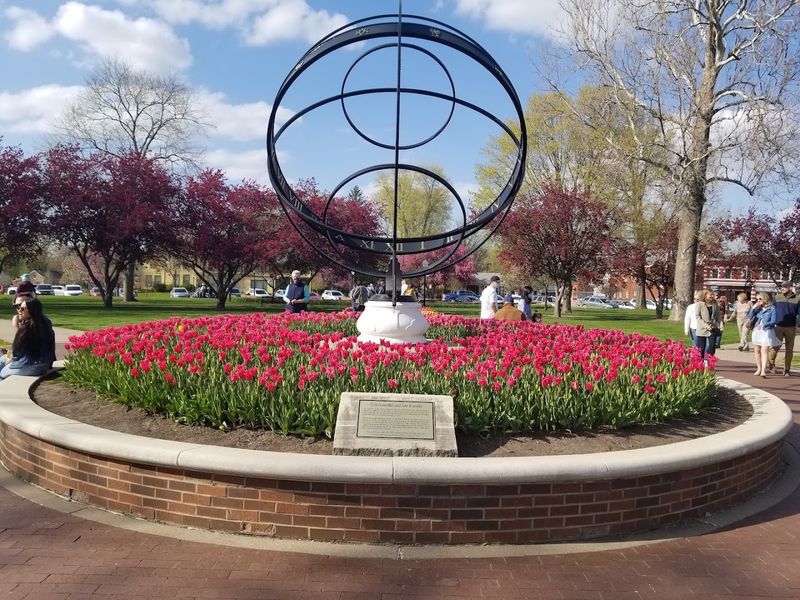
Tulip Time, the annual spring festival, is what puts Pella on most radar screens. Thousands of tulips bloom across downtown, streets fill with parades and dancing, and the energy is completely contagious.
But the square looks just as good in October, with half the crowd and twice the peace.
Locally owned shops line the streets year-round. The downtown has a tidiness that never tips into sterile.
Signage is thoughtful, buildings are well-maintained, and the whole area quietly asks you to slow down and actually look around.
The Vermeer windmill holds the title of tallest working windmill in North America. That alone is worth the detour.
Pella sits in Marion County, central part of the state, and the address most visitors anchor to is Pella Town Square on Franklin Street. Visit outside festival season and a quiet afternoon here might surprise you more than the windmill did.
2. Fairfield
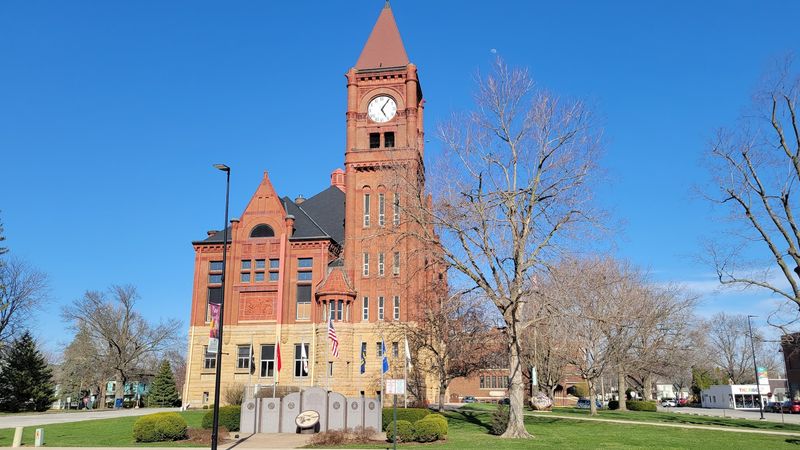
A town of 9,000 people should not have this much going on. And yet somehow, it does.
Fairfield became a hub for artists, entrepreneurs, organic food enthusiasts, and meditators, all sharing the same walkable downtown in the southeast corner of the state.
The story starts with Maharishi International University, which arrived in 1974 and quietly changed everything about the direction this place was heading.
The Main Street buzzes with an energy you feel before you can explain it. Organic cafes sit beside wellness studios.
Galleries show work that would hold its own in any major city. Small businesses and creative ventures fill the storefronts without a chain restaurant in sight.
What stands out most is how naturally it all fits together. Nothing here feels staged for visitors.
Independent businesses and locally driven ideas are part of the daily rhythm, not the tourist pitch. It feels lived-in, which is rarer than it sounds.
The university campus adds a cultural layer that keeps things interesting year-round. Events, performances, and community markets show up regularly throughout the calendar.
If you find yourself on Highway 34 with an hour to spare, pull off and walk the square at 100 W Burlington Ave. Give it twenty minutes and you will probably stay longer than you planned.
3. Elkader
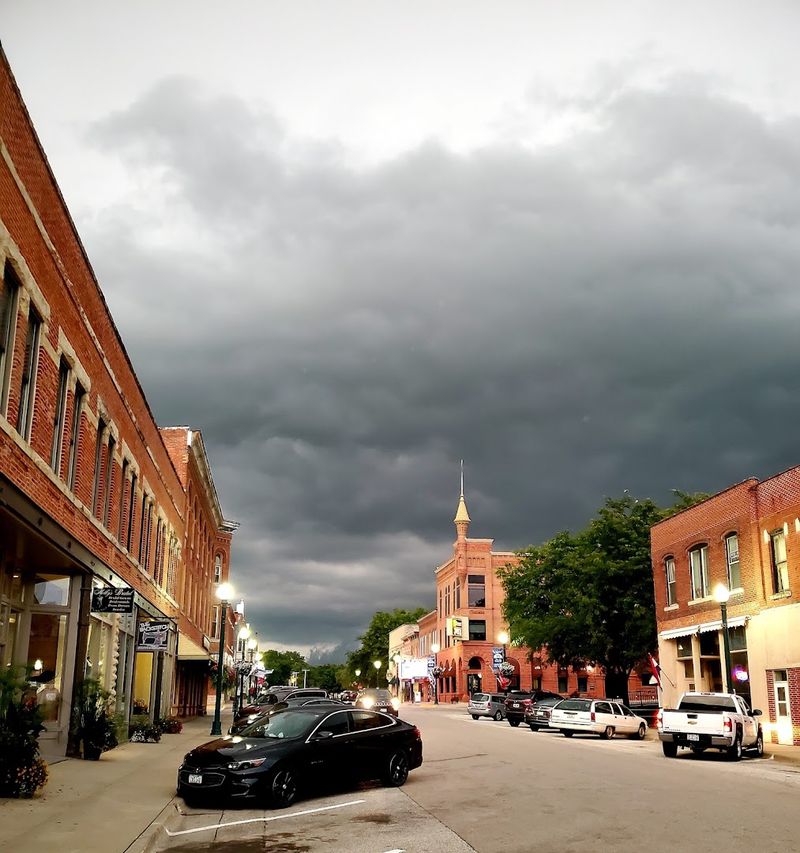
A town of 1,200 people should not have an 1889 Opera House still hosting live performances. And yet here stands Elkader, making larger towns look like they are not even trying.
Perched in the Turkey River valley in Clayton County, this place has limestone architecture, a stunning historic bridge, and a downtown that punches so far above its weight class it borders on embarrassing.
The Opera House is not a museum piece or a restoration project. It is a functioning venue bringing live culture to a town most people drive past without slowing down.
Stopping here feels like a reward for paying attention.
The limestone buildings throughout downtown give Elkader a visual consistency that feels almost European. The Turkey River wraps around the edges of town, adding a natural backdrop that makes the whole scene look like something from a painting rather than a GPS coordinate.
The town carries one more detail worth mentioning. Elkader is named after Abd el-Kader, an Algerian historical figure, making it one of the very few American towns named after an African leader.
That alone is worth a conversation with whoever is standing next to you.
The downtown runs along Guttenberg Street, and the Opera House is hard to miss. Arrive with no agenda and let the place set the pace.
4. Grinnell
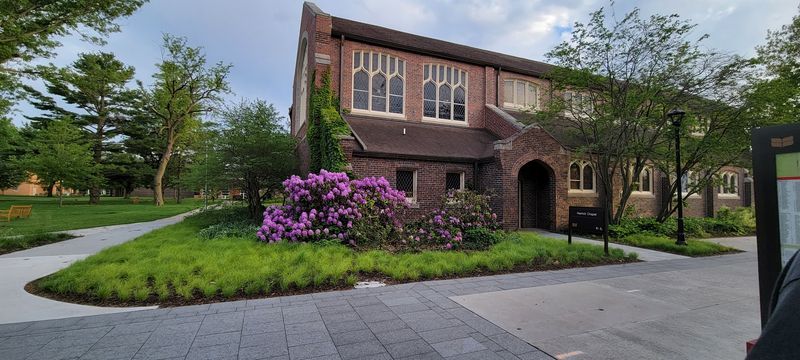
Most college towns forget to be actual towns. Grinnell never got that memo.
The downtown has independent restaurants, locally owned shops, and a cultural energy driven by Grinnell College, one of the most respected liberal arts schools in the country. The combination works in a way that feels effortless and completely earned at the same time.
The Grinnell College Museum of Art holds a collection that genuinely surprises people. Works by major American and international artists hang in a building that would impress visitors in any major city.
It is free to visit, which still feels like a trick even after you have walked back out.
Main Street here does not feel curated in the way that makes some small towns feel like theme parks. The businesses have history, the people have opinions, and the whole area carries the easy confidence of a place that does not need to convince you it is worth your time.
It simply is.
Grinnell sits along Interstate 80 in Poweshiek County, making it one of the more accessible stops in the state. The core of the action centers around 4th Avenue.
Come for a weekend and you might leave quietly annoyed that a town of 9,000 people carries more cultural weight than cities ten times its size.
5. Storm Lake
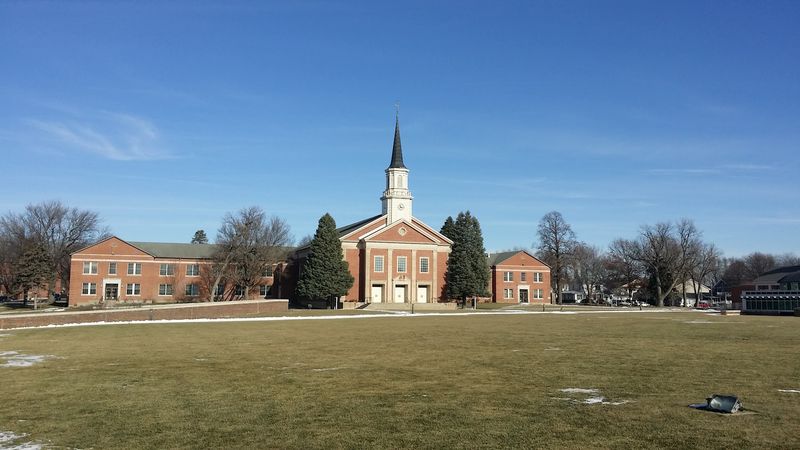
Storm Lake is one of the most diverse small towns in the Midwest, and its Main Street reflects that in a way that feels natural and welcoming. Located in Buena Vista County in northwest Iowa, this town sits along a scenic lake and has been steadily evolving over the past two decades.
Local and immigrant-owned businesses have played an important role in shaping the downtown. Restaurants, grocery stores, and small shops bring energy to the area, creating a Main Street that feels active, lived-in, and full of character.
The lake itself adds another layer to the experience. Sunrise along the waterfront is the kind of moment that makes you slow down without thinking about it.
Nearby parkland and walking trails connect the downtown to the water, giving the whole area a sense of flow.
A local newspaper, the Storm Lake Times Pilot, has earned recognition for its strong community focus, and that same sense of care shows up throughout the town. The heart of downtown sits along Lake Avenue, Storm Lake, IA 50588.
Come hungry and curious, and you will leave with a few spots worth remembering.
6. McGregor
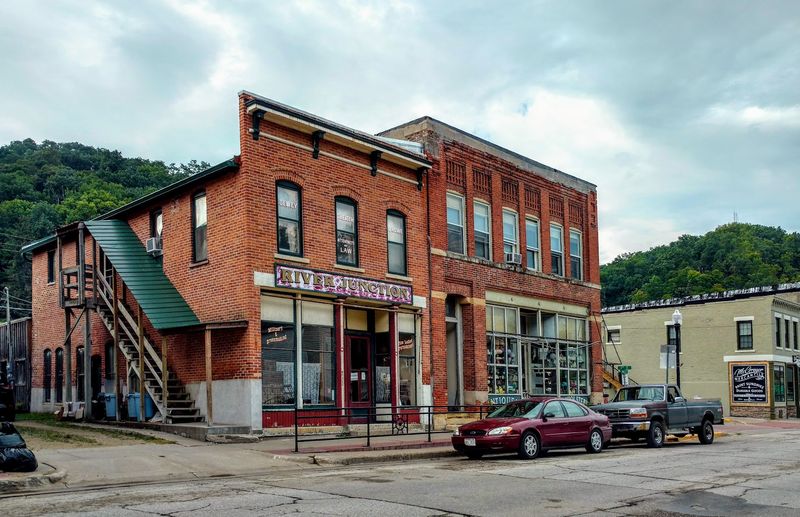
Eight hundred people live in McGregor, and somehow they have built a Main Street that makes weekenders from Minneapolis and Chicago forget they ever needed to go home.
Sitting high above the Mississippi River in Clayton County, this town has a physical setting so dramatic that the scenery alone would justify the drive.
The Victorian storefronts along Main Street have been maintained with real care. Antique shops, galleries, and small eateries occupy buildings that have been standing since the river trade era.
The whole strip feels like a time capsule that someone remembered to keep clean and functional.
Pikes Peak State Park sits just south of town, offering bluff-top views of the Mississippi that rank among the best in the entire region. The combination of a great Main Street and world-class natural scenery in the same zip code feels almost greedy.
McGregor’s location on the Great River Road makes it a natural stop for anyone driving the Mississippi corridor. The main address to orient yourself is 322 Main Street, McGregor, IA 52157.
On a quiet Saturday morning, when the light hits the river and the antique shop doors are propped open, this town delivers the kind of experience that takes a while to shake. That is not a complaint.
7. Le Mars
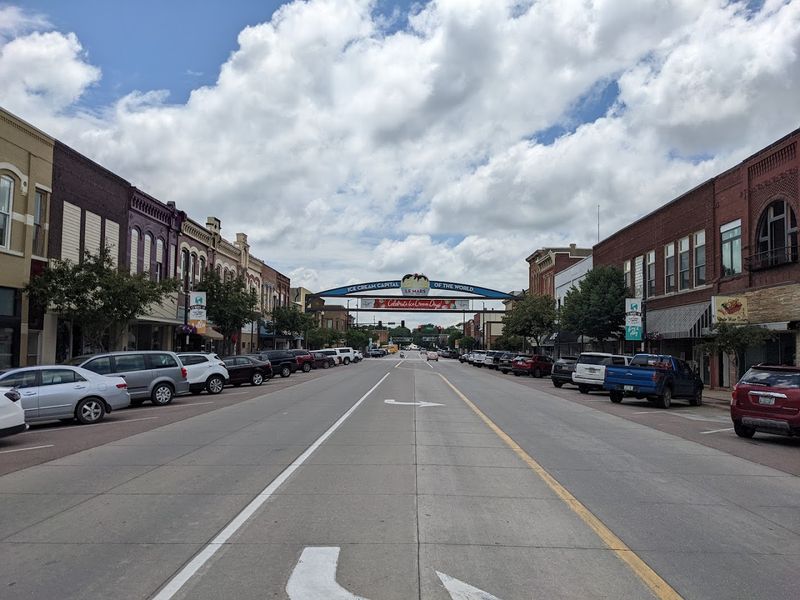
Le Mars carries a title that most towns would kill for, and it wears it without any apparent effort.
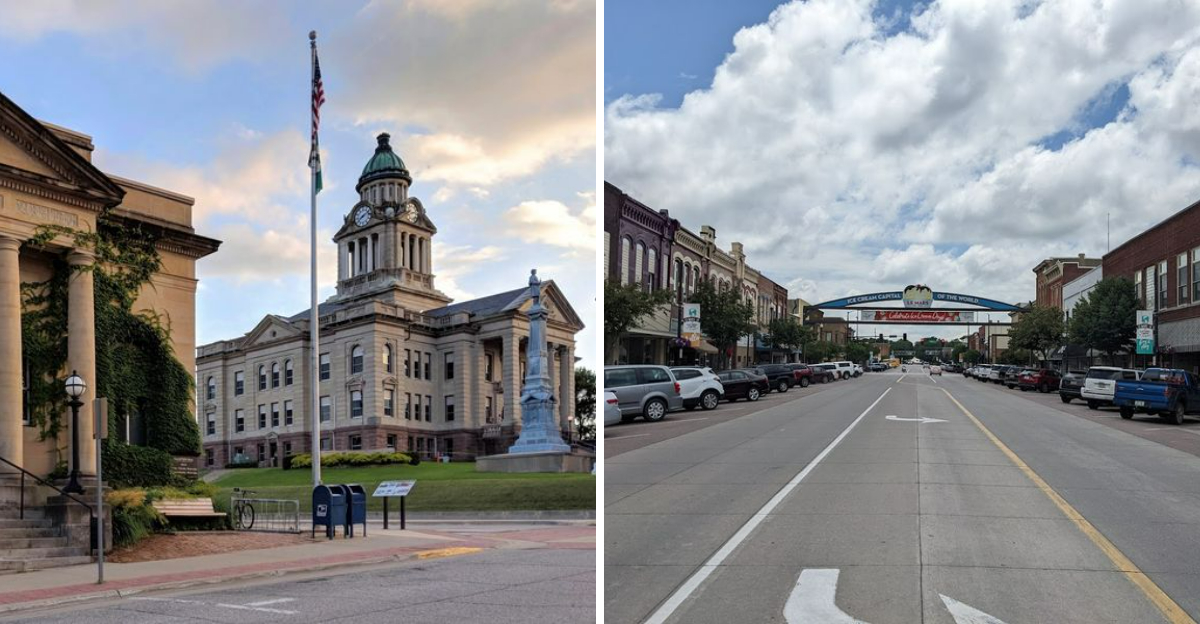
The self-declared Ice Cream Capital of the World is home to Wells Enterprises, the company behind Blue Bunny ice cream, and the Blue Bunny Ice Cream Parlor on the main drag is exactly as delightful as it sounds.
But Le Mars is not a one-trick town. The downtown in Plymouth County, northwest Iowa, has a collection of locally owned diners and shops that thrive on genuine community loyalty rather than tourist traffic.
The people who eat at these places live nearby, and that changes everything about the quality and the atmosphere.
The Wells Visitor Center offers a look into the history of ice cream production in America that is genuinely interesting, even for people who showed up only for the soft-serve. The exhibits are well-done and the story of how a small-town dairy became a national brand is worth an hour of your time.
The downtown core sits along Central Avenue NE, Le Mars, IA 51031. The Blue Bunny Ice Cream Parlor at 10 First Street NE is the obvious starting point, but do yourself a favor and walk the full block before you leave.
The town has more going on than its sweet reputation suggests, and the locals are happy to point you in the right direction.
8. Decorah
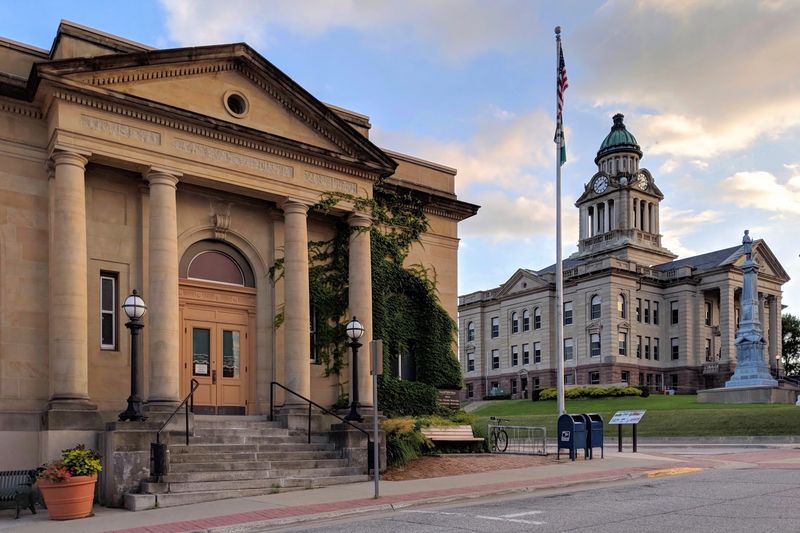
The bluffs alone are enough to make you pull over. Everything after that is a bonus.
Decorah sits in the Driftless Area of northeast corner of the state, a landscape so hilly and dramatic it feels borrowed from somewhere else entirely. The downtown reflects that same refusal to be ordinary.
The Vesterheim Norwegian-American Museum anchors the whole operation. One of the most comprehensive ethnic museums in the country, it sits right on the main drag like it belongs there, because it does.
Independent bookshops and local eateries fill the surrounding blocks with real personality and zero chain restaurants.
Nordic Fest, held each summer, turns an already lively downtown into something genuinely festive. Music, food, and community pride spill into the streets in a way that feels earned rather than manufactured.
The people here actually show up for each other.
What separates Decorah from most small towns is that its Main Street works just as well on a Tuesday in February as it does during festival season. The shops are independent, the foot traffic is real, and the whole place carries a quiet confidence that never tips into arrogance.
Come for the museum. Stay for the bookshop.
Leave wondering why you do not live here.
9. Spillville
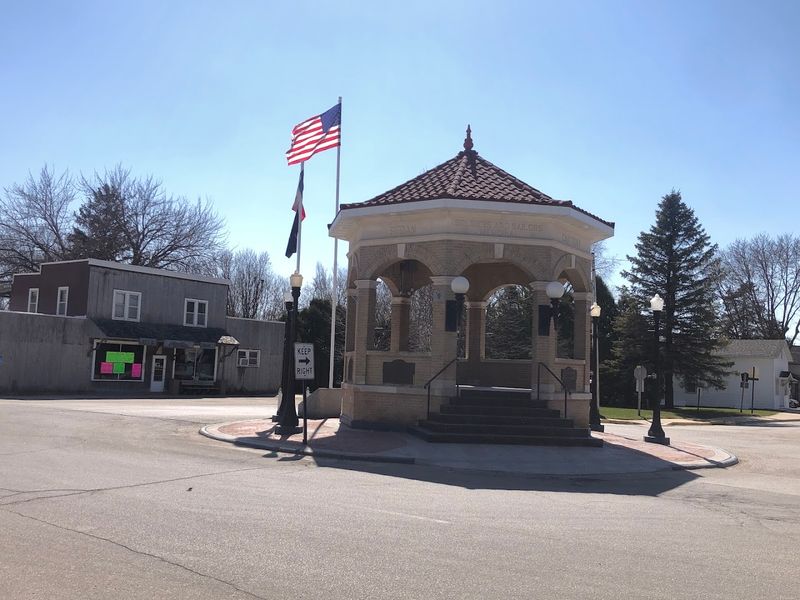
One main block. That is all Spillville has.
And it is worth the drive from wherever you are.
This tiny Czech settlement in Winneshiek County became famous in the summer of 1893 when composer Antonin Dvorak rented a house here and spent the season writing music, including parts of what would become his American String Quartet.
The town has not forgotten, and neither should you.
The Bily Brothers Clock Museum now occupies the very building where Dvorak lived that legendary summer. The clocks were carved entirely by hand by two Czech-American farmer brothers over several decades.
The craftsmanship is so detailed and strange it stops people mid-sentence.
Spillville has around 350 residents, which makes its cultural footprint almost incomprehensible by any logical measure. A world-famous composer, a one-of-a-kind museum, and a preserved Czech-American heritage all coexist on a single block in rural northeast corner of the state.
That is not luck. That is community care passed down across generations.
The museum sits at 323 Main Street and opens seasonally. If you are already visiting Decorah, Spillville is less than thirty minutes away.
Make the side trip. Stand in the room where Dvorak worked.
Look at the clocks. Leave wondering what else you have been driving past without stopping.