How Rural Virginia’s Piedmont Region Built Its Own Food Scene
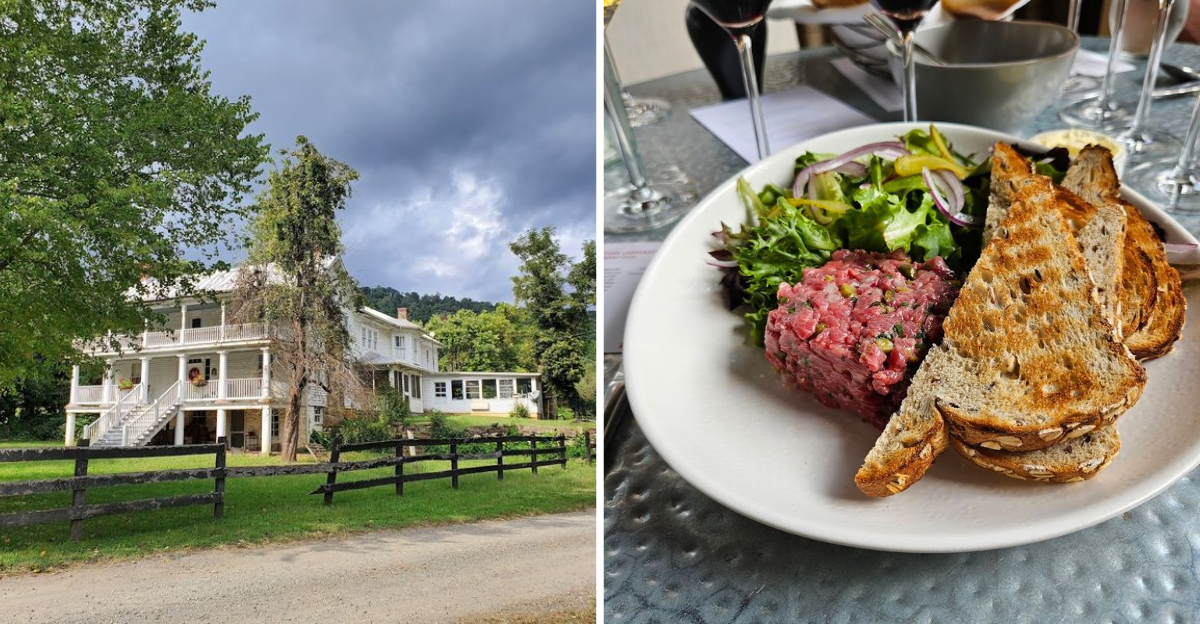
This corner of Virginia’s Piedmont region does not look like a food destination at first glance.
But behind its calm streets, a surprising food scene has been growing for years.
Locals have built something unique, shaped by passion rather than trends or big names.
Small kitchens, local farms, and creative chefs have shaped a hidden culinary landscape.
Each place feels personal, like part of a shared story rather than a restaurant map.
It is the kind of place you hear about from people who stumbled upon it by chance.
And once you do, you start to wonder how something so small can taste so big.
A Region With Roots
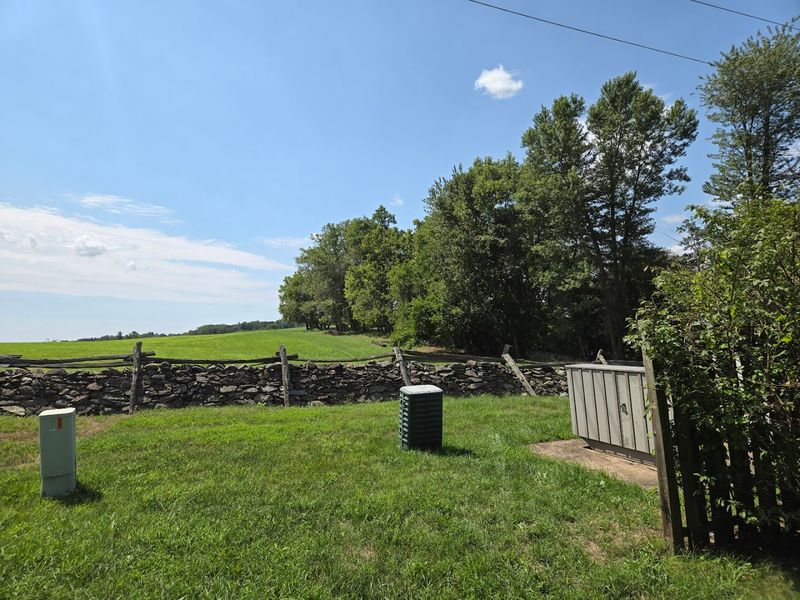
The region’s farming traditions date back generations, shaped by its red clay soil.
Many families in the region have farmed the same land for generations, often growing staples like tomatoes.
The community is located in the Piedmont region of Virginia, near the Blue Ridge foothills in Nelson County. Residents have spent generations living off the bounty provided by the surrounding landscape.
The area sits deep within rural Virginia, where farmland and foothills blend together.
Staples like corn, sweet potatoes, and field peas were never considered specialty items. Such ingredients were simply the natural resources available for every daily meal.
Local cooks mastered the art of turning these basic components into something extraordinary. This region never required a flashy downtown district or a celebrity chef to gain recognition.
Instead, it relied on a durable shared understanding of how to care for one another through nourishment. That solid foundation was built slowly over many seasons in this specific part of Virginia.
The Land Feeds First
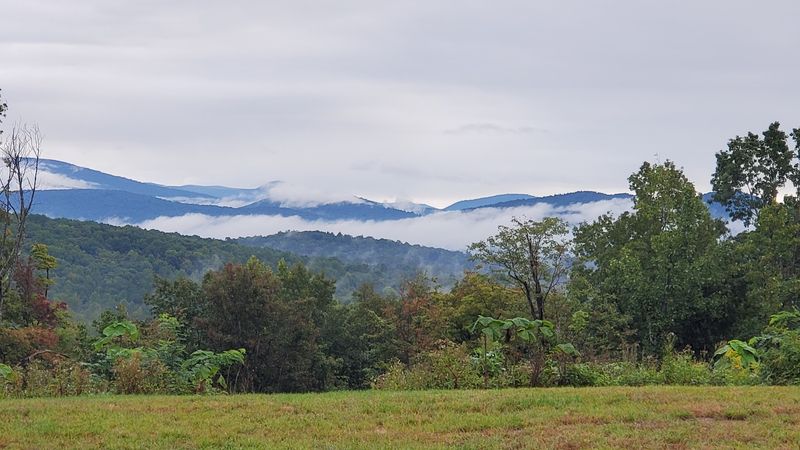
Summer air carries a heavy scent of green growth and serious intention across the hills. The atmosphere becomes unmistakable when you wander down any dirt path during the late warmer months.
Rich soil in this territory possesses a mineral depth that gives produce a profound meaning. Farmers understood long ago that a clay-loam blend holds moisture and rewards those with patience.
Growing cycles stretch out generously to allow for the cultivation of rare heirloom varieties. Many of these heirloom varieties rarely appear in mainstream grocery stores.
Locally grown tomatoes and beans are prized for their flavor and texture. Butterbeans grown in this dirt are so tender they require almost no time on the stove.
In some communities, gardeners exchange seeds and gardening knowledge. Small kitchen gardens occupy the space behind nearly every residence in the community.
The line between a personal patch and a commercial farm often disappears entirely. Many households produce enough food to sustain themselves while still having plenty left over.
Excess harvest usually finds its way to communal tables or informal stands by the side of the road. This intimate bond between the terrain and the dinner plate is far from a passing fad.
Small Kitchens, Big Flavors
Can you believe that some of the best meals on earth are served without a single award? High-end accolades are nonexistent near this zip code, and the residents prefer it that way.
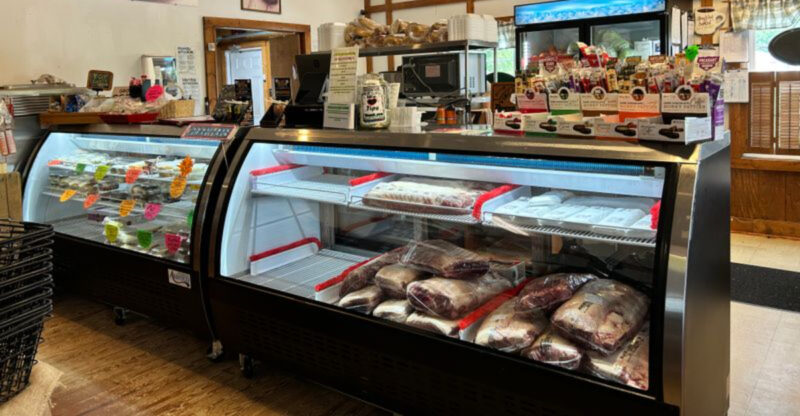
The real magic happens inside modest, well-used spaces, much like the creaky floors of a local Country Store. For example the Wolftown General Store at 3801 Wolftown-Hood Rd, Madison, VA 22727 is a local gathering spot known for its traditional food offerings.
These areas are not designed for performance or showing off to guests. They are functional workspaces where the food carries the weight of practical tradition.
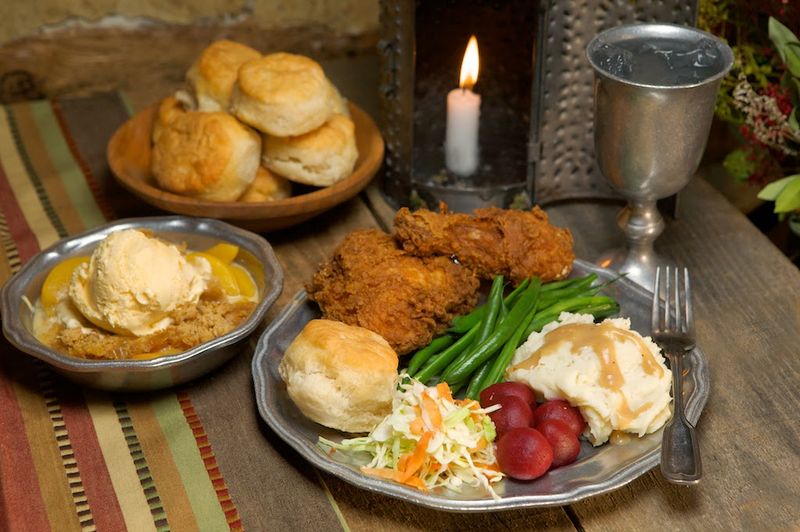
Cooks rely on methods passed down through ancestral lines over many generations. That’s a legacy still tasted in the preparations at Michie Tavern ca. 1784 at 683 Thomas Jefferson Pkwy, Charlottesville, VA 22902.
Techniques like slow braising and wood-fire smoking are standard practices in these households.
A long-simmered pot liquor made here would make a professional chef stop and take notes. Nothing goes to waste when a meal is being prepared for the family.
The Market at Grelen at 15091 Yager Rd, Somerset, VA 22972 is known for locally sourced produce and seasonal dishes. Potlucks are the primary way these private kitchens eventually go public.
Seasonal Rhythms Matter
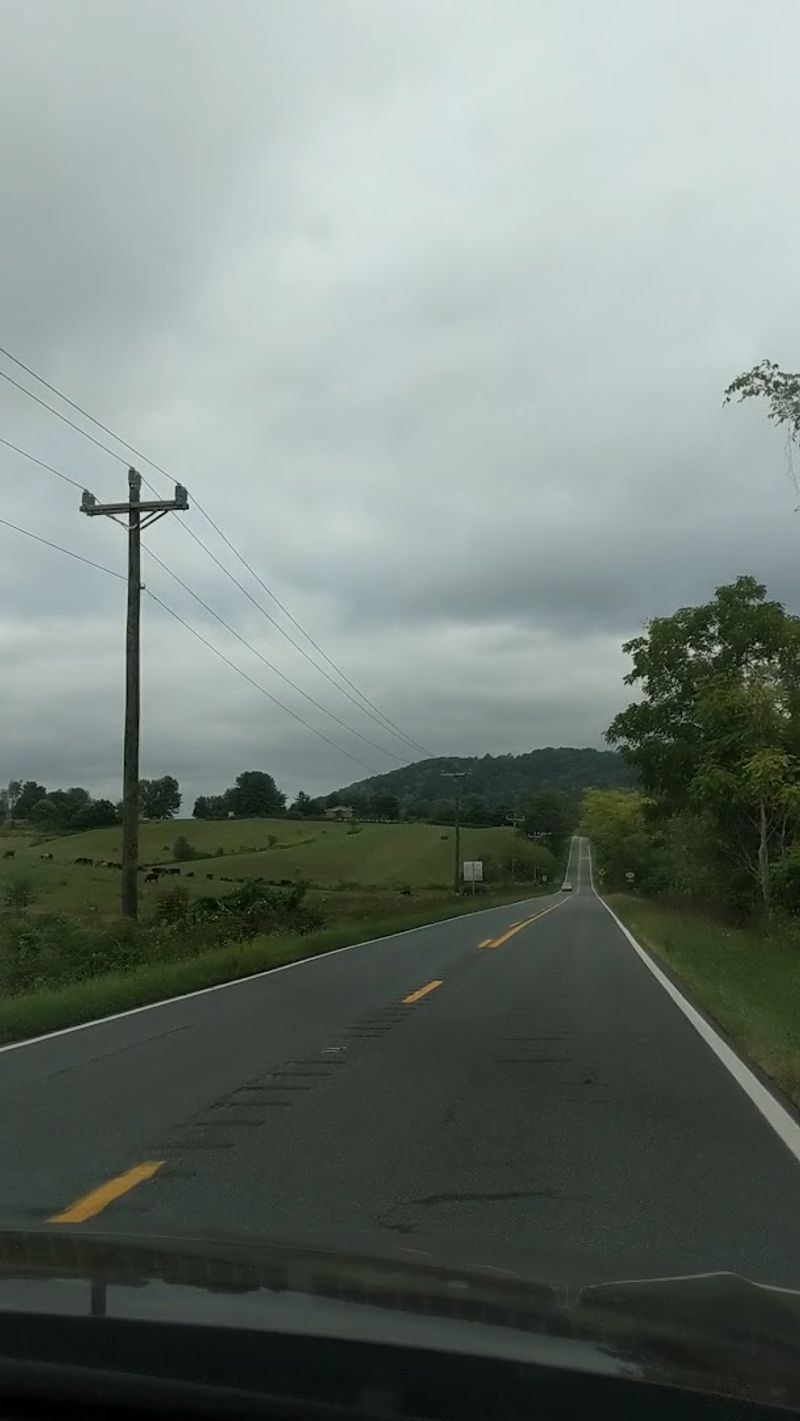
October brings a transformation to the roadside displays with stacks of hard winter squash. The arrival of autumn also introduces dried beans and mysterious apple varieties that taste incredible.
Following the seasons is not a conscious philosophy for the people living here. It is a simple reality dictated by the changing weather and the surrounding woods.
The community consumes what is ready and preserves whatever happens to be abundant. Everyone waits with patience for the ingredients that are not yet ready for harvest.
That specific rhythm shapes the entire local calendar like a slow piece of music. Spring provides ramps and morels foraged from the damp, wooded hillsides nearby.
Locals cook these first tender greens quickly with just a little bit of fat. Summer eventually explodes with a bounty of stone fruits, field corn, and hot peppers.
Fall remains the time for root vegetables and the kind of cooking that warms a house. Winter is far from a quiet period and serves as a celebration of preserved goods.
Jars of pickled okra and tomato preserves line the pantry shelves like edible trophies. Dried herbs are kept close at hand to brighten up the darker, colder months.
Community Tables Unite
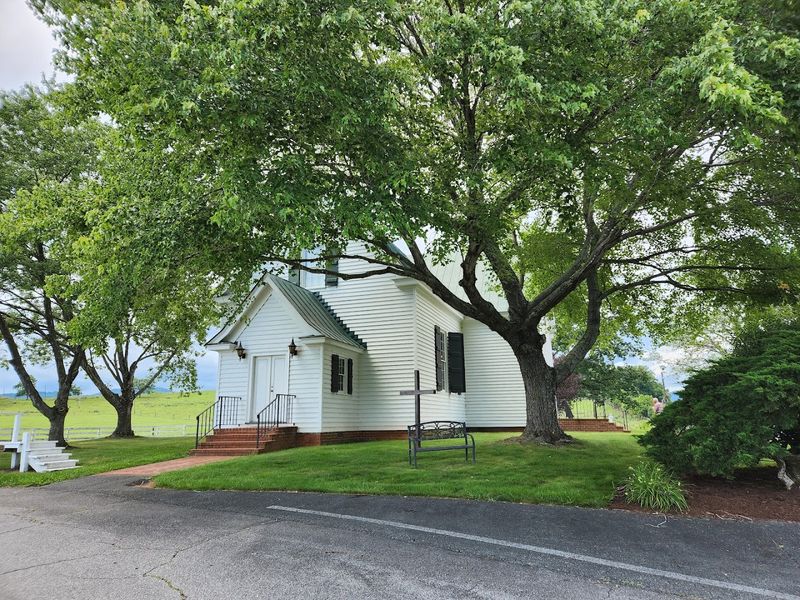
I was surprised to learn that community meals and gatherings are an important part of local social life. The table is always kept wide enough to accommodate whoever might show up unannounced.
Church suppers and harvest gatherings serve as the social infrastructure. For example, there’s Hebron Lutheran Church at 899 Blankenbaker Rd, Madison, VA 22727.
Informal neighborhood cookouts allow the local identity to be tested and celebrated.
Someone might contribute a smoked pork shoulder that required two full days of attention. Another person arrives with a sweet potato pie that vanishes before the meal even starts.
These shared events do much more than just provide physical nourishment to the guests. They create a living archive of knowledge where techniques are passed to the youth.
Younger people learn by working side by side with the elders in the community. There is no formal instruction or written curriculum to follow during these sessions.
Everything is learned through observation, tasting, and an occasional gentle correction. The experience is memorable because the hospitality is completely honest and grounded.
Foraged And Found
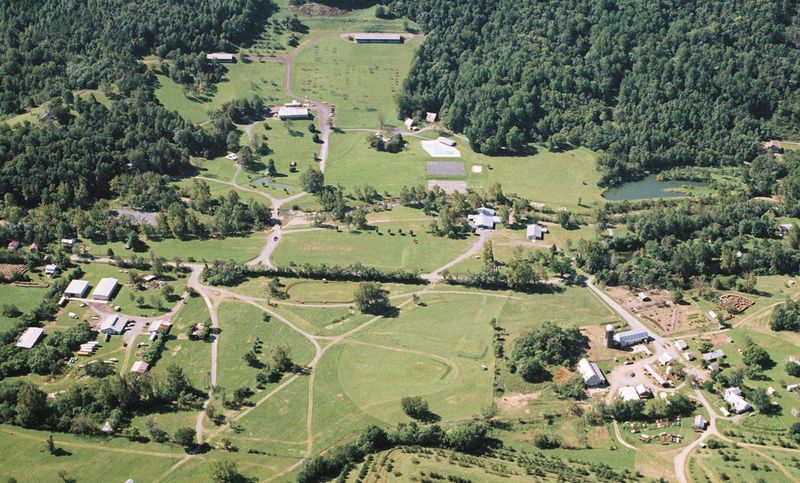
Nowhere is this more evident than at local farms across the Blue Ridge foothills, where the boundary between wild growth and cultivated land is often blurred.
At places like Graves Mountain Farm & Lodges, foraging traditions and seasonal farming exist side by side, shaping how ingredients are gathered and used throughout the year.
Wild ramps and morel mushrooms are considered expected arrivals rather than exotic discoveries. Pawpaws and black walnuts are tracked with the same intensity as a daily weather forecast.
Persimmons are gathered by those who know how to wait for the first frost. Ramps hold a very special place in the hearts of those who cook in this region.
These wild onions offer a sharp bite that signals the official start of the growing year. They are pickled, sauteed, or folded into a thick cornbread batter for extra flavor.
Some people even eat them raw because they have no fear of the intense scent. Wild pawpaws are frequently called the forgotten fruit of the American East.
Preservation As Craft
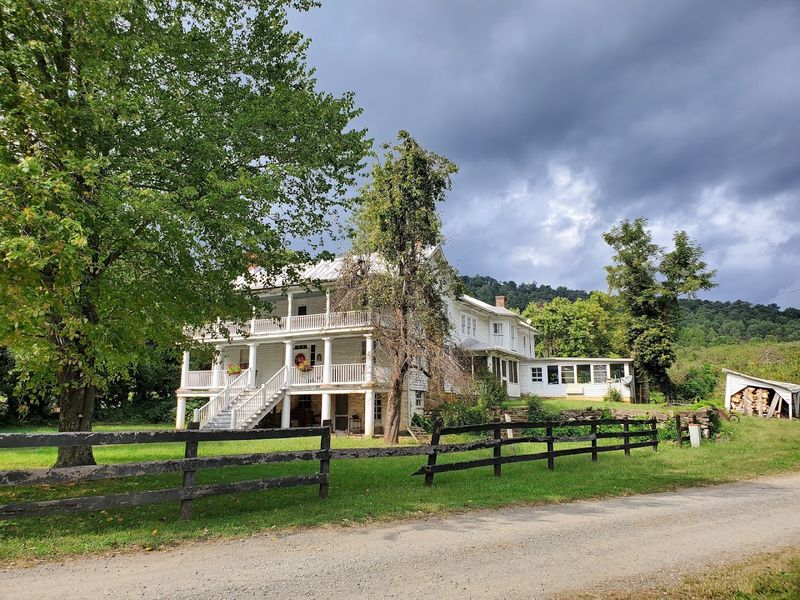
Would you believe that a simple pantry could look like a professional art gallery?
Opening a storage closet in an older home or visiting the Sharp Rock Farm at 5 Sharp Rock Rd, Sperryville, VA 22740 in the Blue Ridge foothills of the Piedmont reveals a carefully curated collection of jars.
Preservation is viewed as a serious craft rather than a chore in this community. Canning and fermenting are active practices that happen every single year without fail.
Drying fruits and vegetables requires a level of attention that most reserve for hobbies. Bread-and-butter pickles are created using cucumbers pulled straight from the backyard.
Tomato jams and preserves are common in local farm kitchens. Fermented green beans are packed into jars with plenty of garlic and fresh dill.
Each container represents a specific decision regarding flavor, timing, and balance. It takes years of practice to master the proportions required for a perfect batch.
These goods do more than just provide a backup food source. At places like Graves’ Mountain Farm & Lodges at 205 Graves Mountain Lane, Old Blue Ridge Turnpike, Syria, VA 22743, they are a way of life shared with the entire community.
A jar of pickled peppers from last August might show up in a February stew. This is a form of culinary time travel facilitated by hard work and careful planning.
The culture of saving food reflects a broader truth about the entire neighborhood. Nothing good is treated as a temporary resource to be used and forgotten.
Food Identity Grows
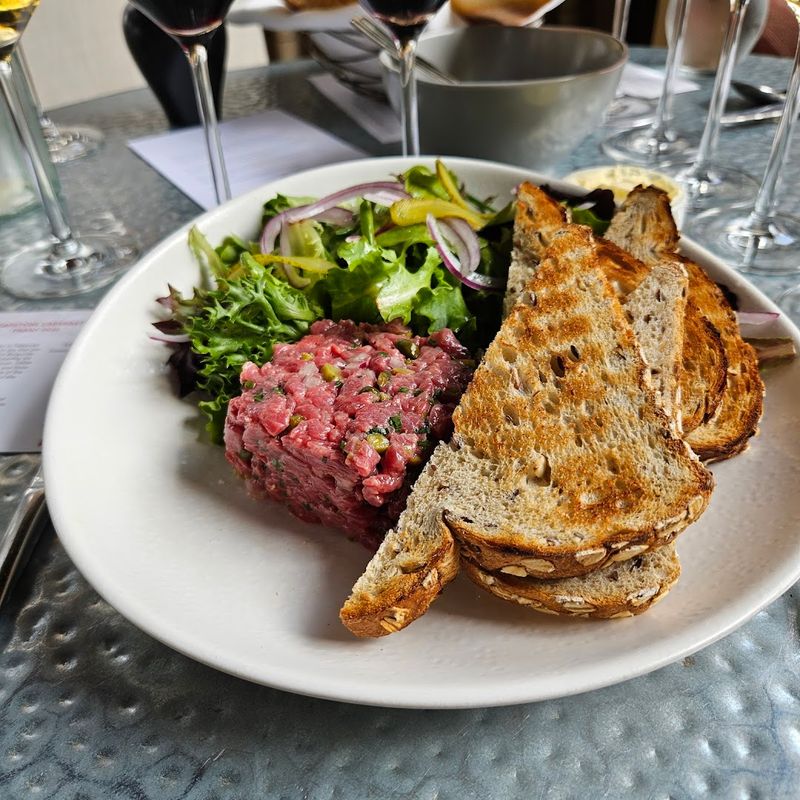
What began as a practical necessity has evolved into a heritage that residents protect. Younger generations often return home carrying new techniques that blend with the flavors of their childhood.
That’s a philosophy clearly visible in the farm-to-table approach at Early Mountain Vineyards at 6109 Wolftown-Hood Rd, Madison, VA 22727.
They might move away for work only to realize what they left behind. Early Mountain Vineyards reflect the region’s growing emphasis on farm-to-table dining.
This slow exchange of information is quietly reshaping the landscape of the area. It happens without erasing the traditional values that made the food valuable initially.
You can find one resident making cornbread exactly like their great-grandparents did. Someone might add a fermented hot sauce to their version, the kind of artisanal find you’d now expect in the small markets.
Both variations feel completely right when served at a local gathering or dinner. Small informal markets have started to pop up during the warmer months of the year.
The flavors found here are a testament to the endurance of the local spirit. Every meal serves as a reminder that the land is the ultimate provider.