8 Forgotten California Oil Towns In Kern County Where Diner Culture Flies Under The Radar
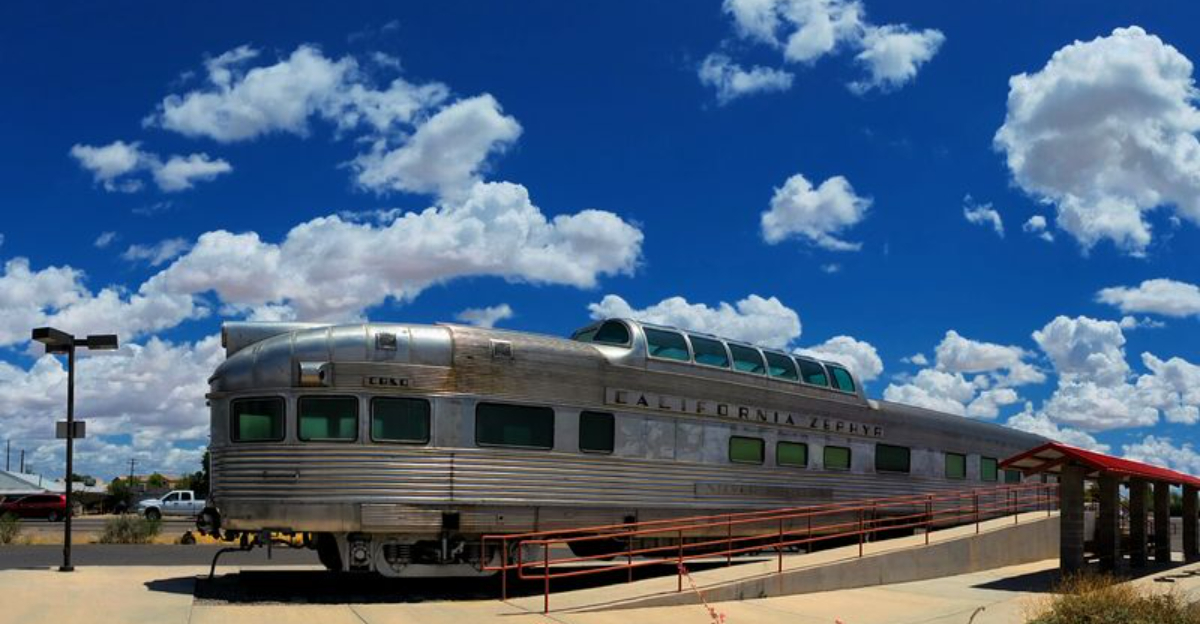
Kern County has a way of hiding places that once ran on grit, oil, and long workdays without ever losing their appetite for a good meal.
California’s Kern County is home to forgotten oil towns where diner culture still feels woven into everyday life.
Faded signs, wide streets, and the quiet weight of local history give them a character that feels honest rather than polished.
Then come the diners, steady little spots where coffee keeps flowing, breakfast still matters, and the room seems to hold onto stories no one felt the need to dress up.
Nothing here asks for attention in a flashy way. That is part of the appeal.
Beneath the rough edges and under-the-radar reputation, these towns still know how to serve comfort with real heart, and that kind of charm tends to stay with people.
1. Taft, California
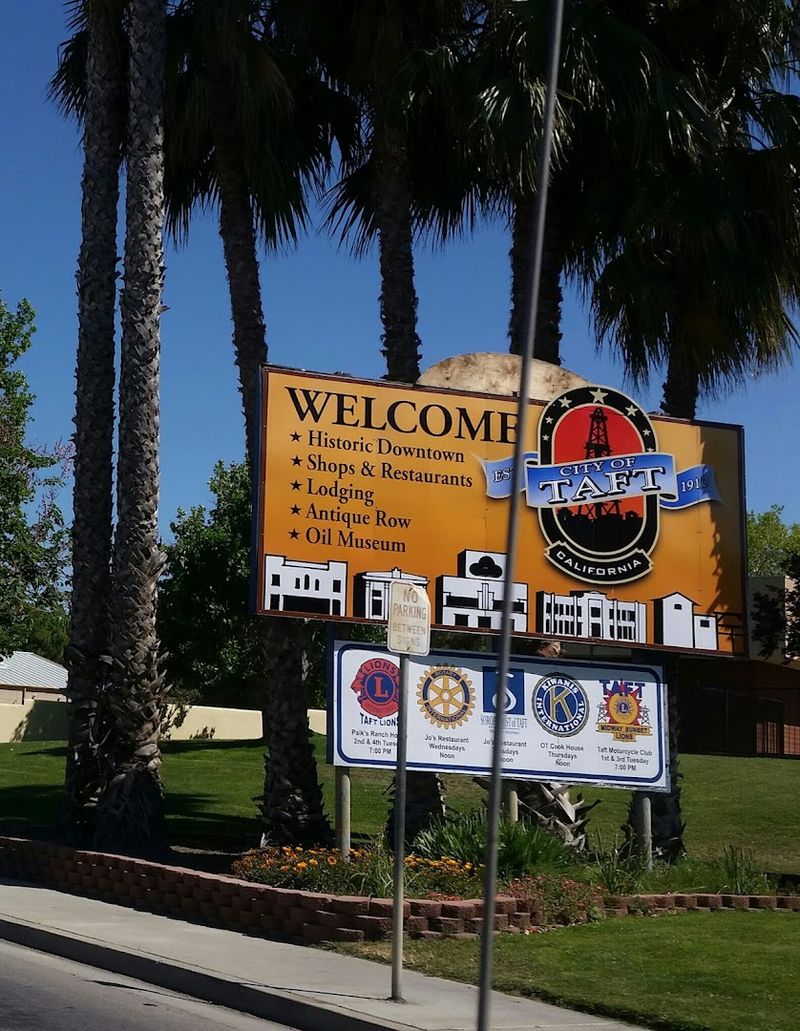
Back when oil derricks outnumbered stoplights in this part of California, Taft was already building a reputation for feeding hard workers without any fuss.
Founded in 1910, the town grew directly out of the oil fields and still celebrates that heritage through the annual Oildorado festival, a community event that keeps the old identity alive.
The West Kern Oil Museum, located at 1168 Wood Street, Taft, CA 93268, documents the town’s drilling roots with equipment and exhibits that paint a vivid picture of what daily life looked like here a century ago.
On the food side, Jo’s Restaurant is the kind of place where the coffee arrives before you finish sitting down.
The menu leans into familiar American diner staples, and the pace of service tends to match the unhurried rhythm of a small oil town.
Route 33 Sandwich Company adds another local option for midday meals, with a menu focused on straightforward, filling food.
Neither place tries to be trendy, and that honesty is exactly the point. Taft’s diner culture survives because it was never built for tourists in the first place.
2. Oildale, California
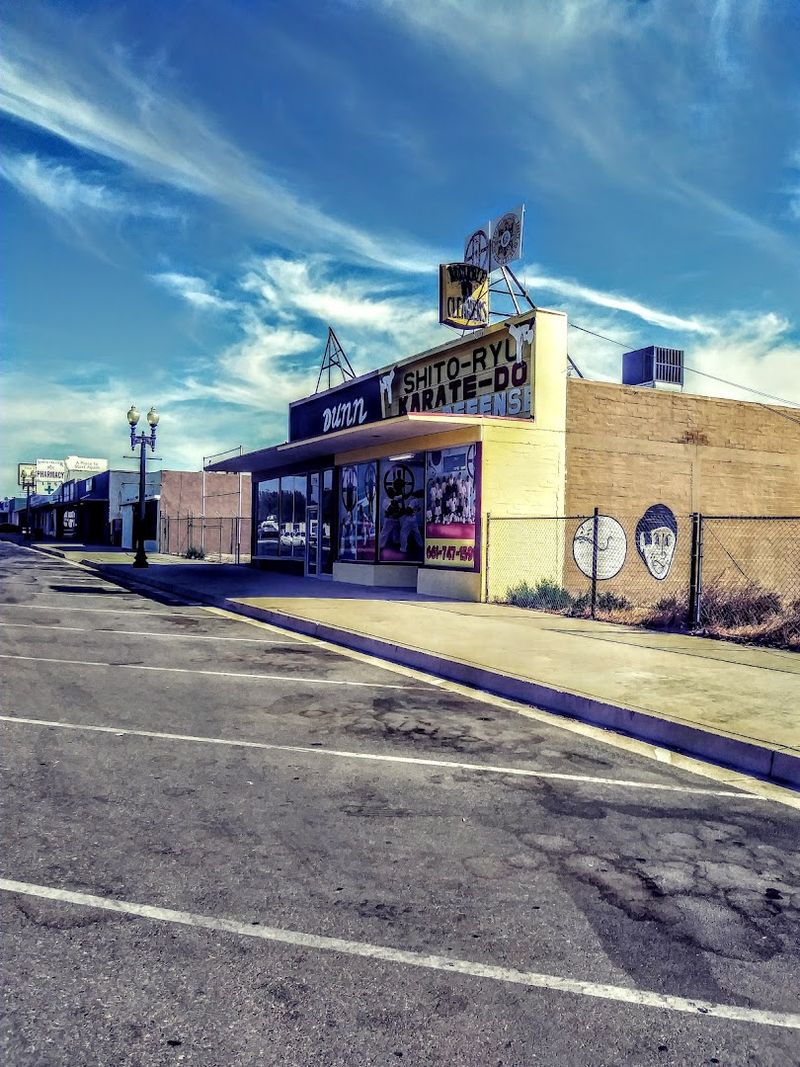
There is a certain no-nonsense energy to Oildale that you notice almost immediately after arriving.
The community formed alongside Kern County’s oil development and has maintained a working-class identity that shows up clearly in its food culture.
Old West Cafe is the clearest expression of that identity, operating with breakfast-all-day hours and a menu built around hearty, familiar plates that do not require much explanation.
Located at 1059 Roberts Lane, Bakersfield, CA 93308, Old West Cafe sits within the Oildale community and draws a steady crowd of regulars who treat it like a second kitchen.
The interior has the kind of lived-in comfort that takes decades to develop, with lighting that feels warm rather than designed and seating that prioritizes function over style.
Noise levels stay conversational rather than loud, which makes it easy to settle in without feeling rushed.
Oildale does not get much attention from food media, but that absence of hype is part of what makes a stop at Old West Cafe feel rewarding.
The food is straightforward, the atmosphere is genuine, and the experience connects directly to the community that built it.
3. Bakersfield’s Oil-Side Core, California
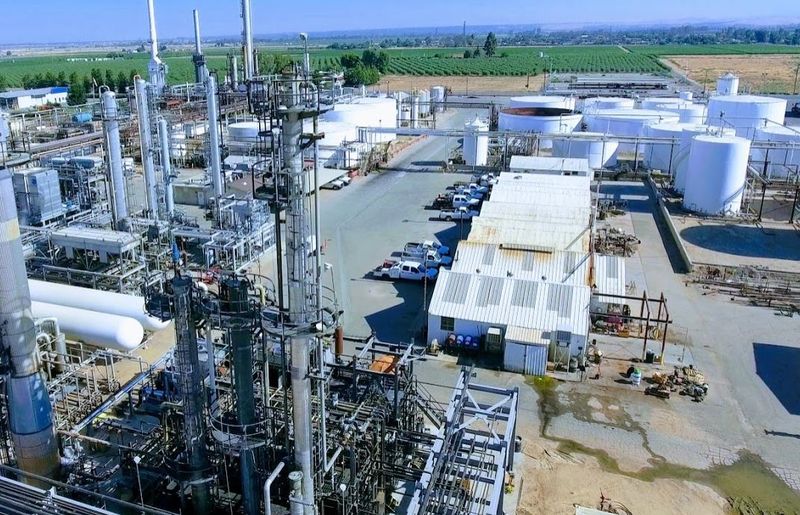
Not every forgotten oil-country diner sits in a tiny outpost.
Bakersfield’s rise as a major California city was significantly shaped by the Kern River oil boom, and the neighborhoods closest to that industrial history developed a distinct coffee-shop and diner culture that still survives in pockets today.
The 24th Street Cafe is one of the clearest examples of that tradition holding on through changing decades.
The cafe, located at 1415 24th Street, Bakersfield, CA 93301, has built a consistent following by doing exactly what a neighborhood diner should do: serving familiar food at accessible prices in a space that feels like it belongs to the people.
The atmosphere leans toward casual and unhurried, with natural light and a layout that encourages lingering over coffee rather than rushing through a meal.
Menu options cover standard breakfast and lunch territory, and the portions tend toward generous.
The city’s scale may be larger than Taft or Maricopa, but the spirit of its working-class diner scene carries the same honest energy.
4. Maricopa, California
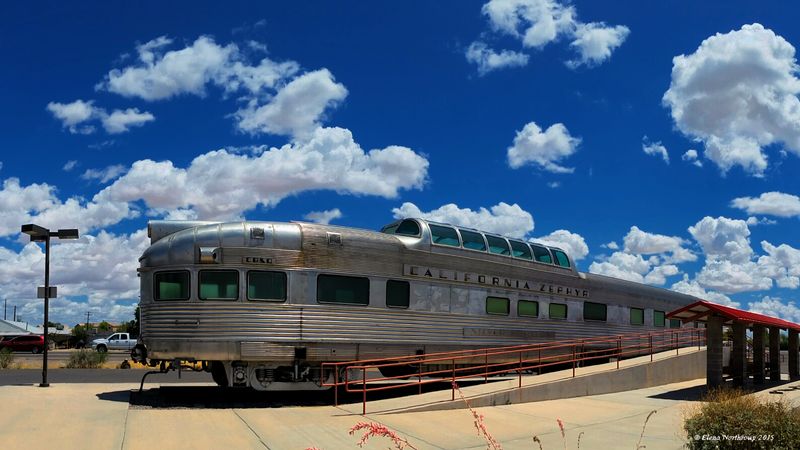
Known historically as the mother city of the Midway-Sunset Oil Field, Maricopa carries a weight of history that most California towns twice its size never accumulate.
Founded in 1906, the town made international headlines in 1910 when the Lakeview Gusher erupted nearby, releasing an estimated nine million barrels of oil before it could be controlled.
That event shaped the town’s identity in ways that are still visible in local conversation and community memory.
Tina’s Diner holds the distinction of being described as the last diner in downtown Maricopa, and recent coverage suggests it remains open and serving the community.
The atmosphere inside tends to be relaxed and familiar, the kind of place where regulars know the menu by heart and newcomers are welcomed without ceremony.
Portions are generous and the food is rooted in comfort rather than concept.
Visiting Maricopa on a weekday morning offers the most authentic experience, when the pace slows down and the town feels exactly like what it is: a small, proud community that has outlasted the boom and kept its table set.
5. McKittrick, California
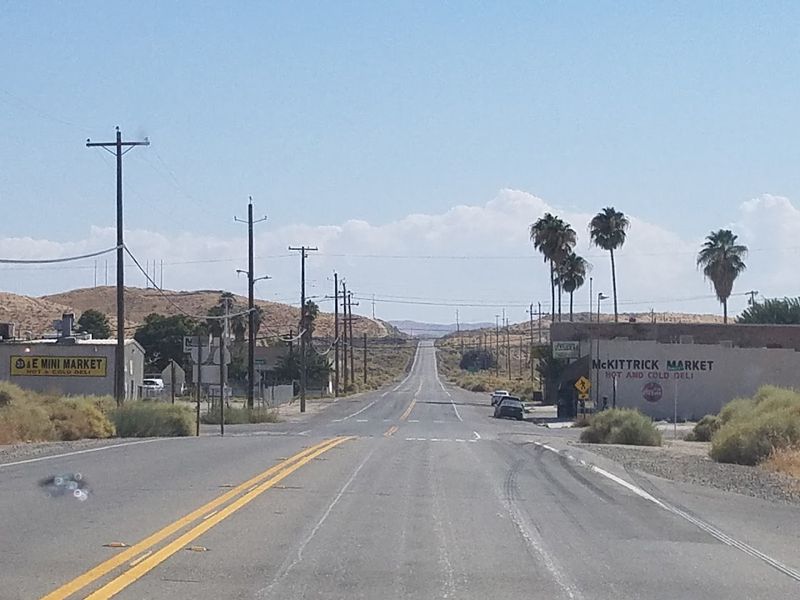
Few places in Kern County feel as suspended in time as McKittrick. Sitting above the McKittrick Oil Field, the town once hummed with drilling activity and the commerce that followed it.
Today the population is small and the streets are quiet, but the landscape still tells the story clearly through pump jacks and storage tanks visible from the main road.
The nearby McKittrick Tar Pits add another layer of geological history that stretches back far beyond the oil industry itself.
Honest reporting requires acknowledging that McKittrick’s diner scene has thinned dramatically over the years. The Penny Bar, once the town’s best-known gathering spot, is no longer operating.
What remains is more of a historical experience than a culinary destination, and visitors should plan accordingly by eating before arrival or treating the stop as a detour rather than a meal break.
That said, the town rewards curiosity in other ways.
The visual atmosphere of an oil-country community at rest carries a quiet power that photographs and road signs cannot fully prepare you for.
McKittrick belongs on this list not for its current food options but for the raw, unfiltered look it offers at what oil-town life actually looked like.
6. Fellows, California
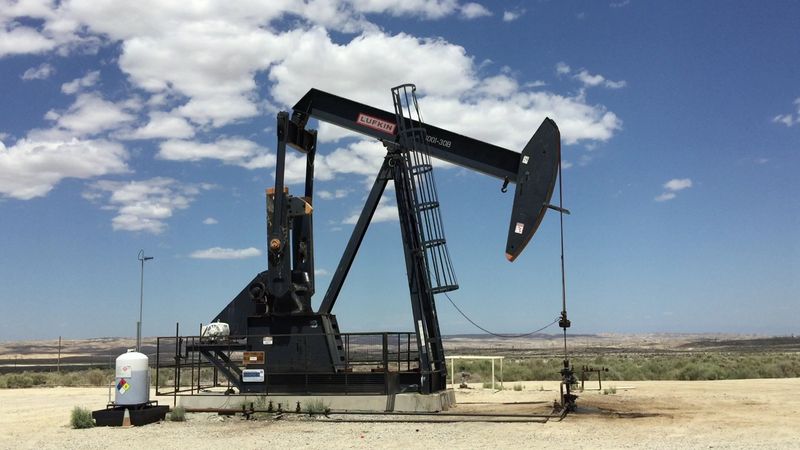
Tucked into the western edge of Kern County near the Midway-Sunset Oil Field, Fellows carries a boom-town biography that local and museum histories have documented with care.
The community grew rapidly during the early twentieth century as oil production expanded across the region, and at its peak it supported the kind of dense commercial activity that small oil towns often generated almost overnight.
The connection between Fellows and the Midway-Sunset field is well-established in historical records.
Current diner culture in Fellows is harder to pin down with confidence, and the honest answer is that a verified, currently operating restaurant anchor could not be confirmed at the time of writing.
That gap does not diminish the town’s historical value, but it does mean visitors should approach Fellows as a scenic and historical stop rather than a reliable meal destination.
The drive through the area offers a ground-level view of active oil infrastructure alongside aging structures that recall a busier era.
Fellows works best as part of a broader Kern County oil-country itinerary, paired with a meal stop in a neighboring town.
The landscape alone makes the detour worthwhile for anyone genuinely interested in California’s industrial past.
7. Tupman, California
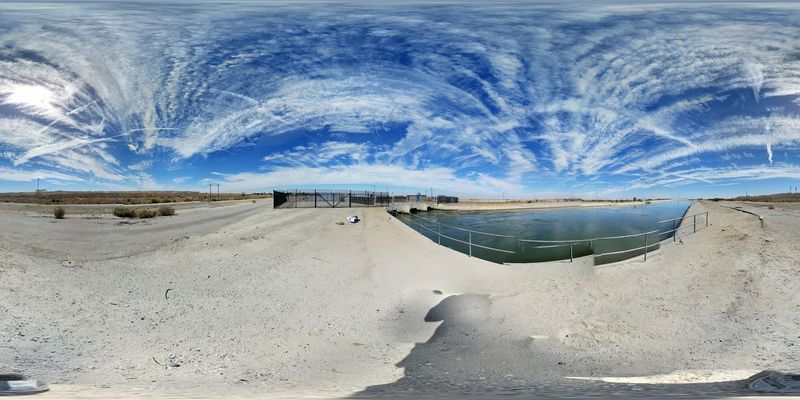
While it may be one of the smallest places on this list, its oil-country connection is very real.
The community was founded after Standard Oil bought land from H. I.
Tupman in 1920, and the first post office opened in 1921, placing the town firmly within Kern County’s early petroleum era.
Today, Tupman’s population is just 177, which makes it feel less like a full service stop and more like a surviving fragment of oil-boom geography.
Its setting near the Elk Hills and within reach of the broader Midway-Sunset oil region still gives the landscape that unmistakable Kern County industrial character, with pump jacks and oil history never far from view.
Honest reporting requires the same caveat here as with a few of the county’s smallest communities: a current, well-supported diner anchor could not be confirmed, so Tupman works better as a historical detour than a guaranteed meal stop.
For travelers interested in forgotten oil-country places rather than polished roadside attractions, that sparseness is part of what makes Tupman feel worth noticing at all.
8. Buttonwillow, California
Buttonwillow does not always appear on oil-town lists, but the geography tells an interesting story.
Sitting just north of the Elk Hills Oil Field, which begins roughly four miles south along Elk Hills Road, the town has a real connection to Kern County’s petroleum history even if farming and the Interstate 5 corridor tend to define its identity more visibly.
That combination of agricultural roots and oil-country proximity gives Buttonwillow a layered character that rewards a closer look.
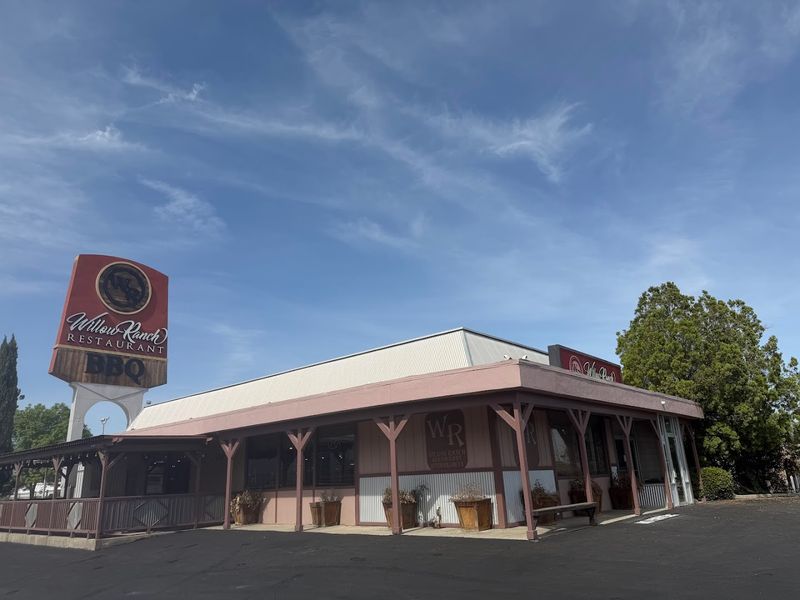
Willow Ranch Restaurant is the town’s most reliable food anchor, with an official site confirming it opens at 7 AM seven days a week.
Located at 20604 Tracy Avenue, Buttonwillow, CA 93206, the restaurant serves a broad menu that covers breakfast and lunch with the kind of generous, unfussy cooking that road-trip stops and local regulars both appreciate.
The dining room has a practical, comfortable feel suited to travelers coming off the highway as well as locals who stop in out of habit.
Morning visits tend to have a quieter pace, while midday can bring more traffic from the interstate.