10 Pennsylvania Coal Towns Where Old Recipes Are The Heart Of Community Life
Nobody put Pennsylvania coal country on a food map, and that is precisely why the food there is so good.
The communities that built their lives around the mines brought something with them from Poland, Ukraine, Slovakia, and Lithuania that no one thought to preserve in a museum because it was too busy feeding people.
It went straight from grandmother to kitchen table, generation after generation.
Find it in row houses tucked into narrow valleys where the hills block the signal and the pierogies are better than anything you will find in a city restaurant with a clever name.
I pulled over on a whim one afternoon, drawn in by a smell drifting out of a screen door that my stomach recognized before my brain did.
Stuffed cabbage. Dark rye.
Something rich and slow-cooked and completely unapologetic about what it was. The town looked quiet, maybe overlooked, but the food told a completely different story.
Pennsylvania has been holding onto these recipes like a secret. These towns are still serving the proof.
1. Dickson City
Some recipes survive because someone refused to let them go.
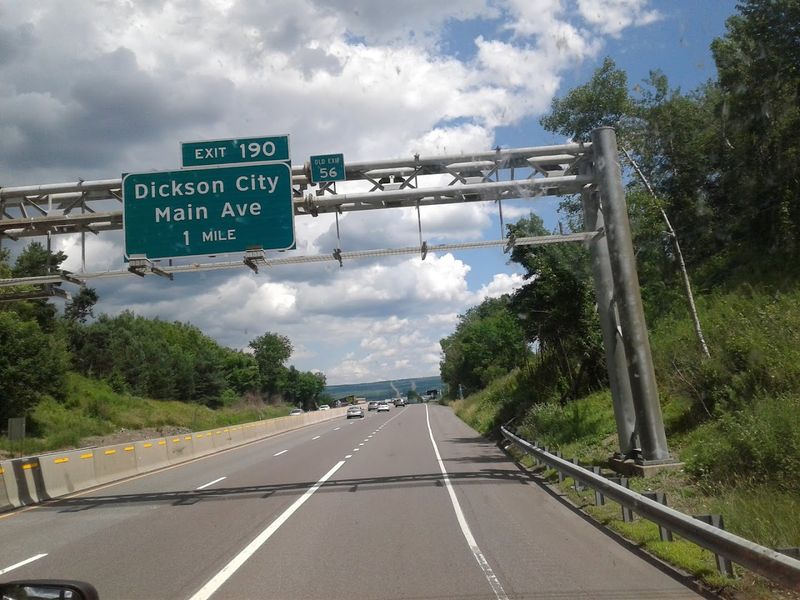
Dickson City, just outside Scranton, has a strong Polish-American identity, and you feel it the moment you smell butter and onions sizzling in a cast iron pan at a local church hall.
The pierogi here are not the frozen kind. They are hand-pressed, filled with potato and farmer’s cheese, and served at community fundraisers that have been running for decades.
Families bring their own variations, and somehow nobody argues about whose is better.
The town sits along Route 347 in Lackawanna County, and if you time your visit around a parish dinner or a cultural festival, you will leave with a full stomach and a recipe scrawled on a napkin.
Dickson City, Pennsylvania does not make a big fuss about its food traditions. It just keeps making them, quietly and consistently, the way it always has.
That kind of dedication is rarer than people think, and more delicious than any restaurant menu could ever capture.
2. Plymouth
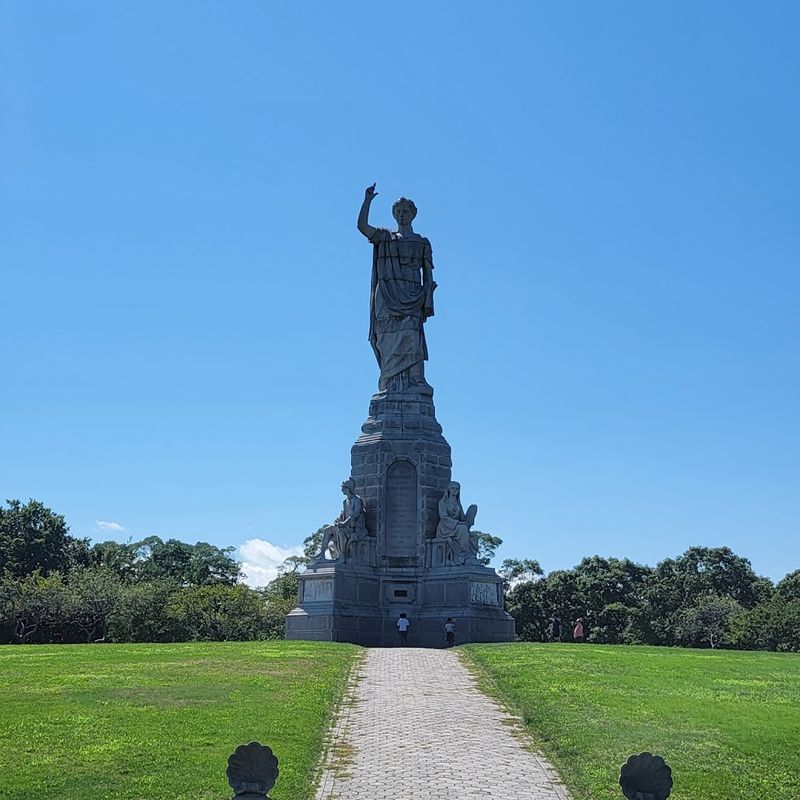
Plymouth carries a Welsh mining heritage that most people drive right past without knowing.
The town along the Susquehanna River in Luzerne County was once packed with Welsh immigrants who brought their baking traditions across the Atlantic and never stopped using them.
Bara brith, a spiced fruit bread soaked in tea, shows up at church teas and community gatherings here in a way that feels completely natural.
Locals make it from handwritten recipes that have been passed down for four or five generations. You do not find it on any restaurant menu because it was never meant for restaurants.
I first tasted it at a small cultural event held at a local hall on Main Street, and I genuinely did not know what I was eating until someone explained it.
The flavor is dense, sweet, and slightly spiced, nothing like anything I had grown up with.
Plymouth proves that food memory is a real thing, and that a coal town can quietly carry an entire culture’s kitchen traditions forward without making any noise about it at all.
3. Nanticoke
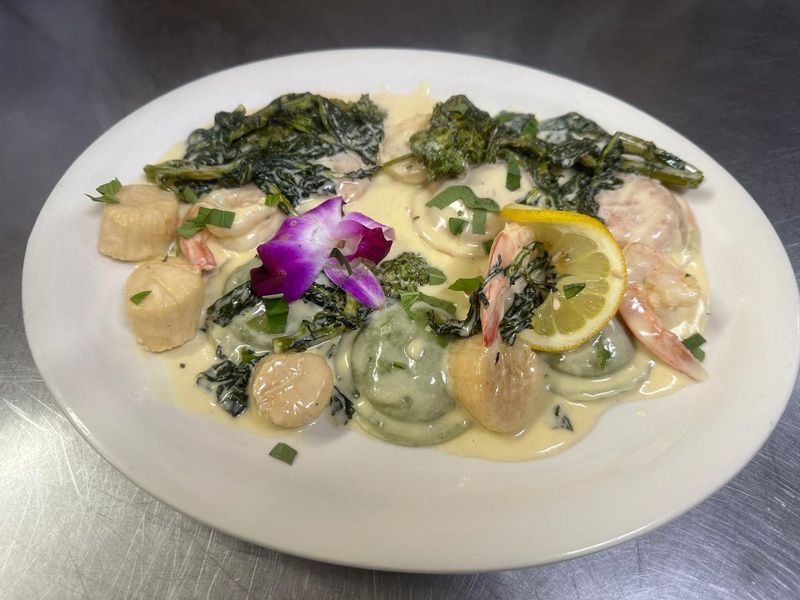
This town has a Lithuanian community that has been baking dark rye bread longer than most people have been alive.
The town in Luzerne County sits quietly between larger cities, but its food culture punches well above its size.
Lithuanian rye bread here is dense, slightly sour, and made with a starter that some families have kept alive for decades. It is the kind of bread that makes you rethink every loaf you have ever bought in a plastic bag.
Community bake sales and church events are where you find it, usually gone within the first hour.
There is also a tradition of making kugelis, a hearty potato pudding baked in large pans and served at family gatherings.
It sounds simple but the texture and flavor depend entirely on technique, and every family swears their version is the correct one.
Nanticoke has a cultural center that occasionally hosts cooking demonstrations where these recipes come to life in real time.
Watching someone make kugelis from scratch is like watching a small act of cultural preservation happen right in front of you.
4. Wilkes-Barre
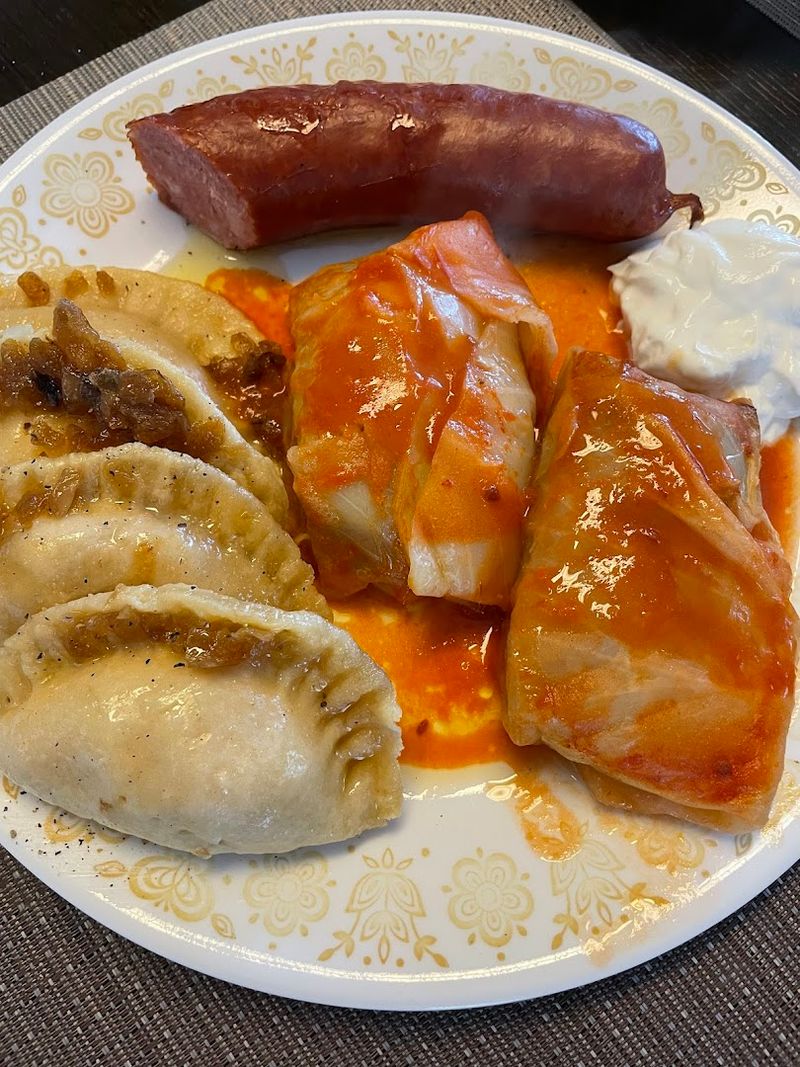
Wilkes-Barre in Pennsylvania is the biggest city on this list, but size has not diluted its coal-country food identity one bit.
The city in Luzerne County has deep Slovak and Ukrainian roots, and those communities have kept their kitchens alive through decades of economic change.
Halushki, a simple but satisfying dish of buttered egg noodles with cabbage and onions, is practically a local currency here. It shows up at every community event, every church hall, every potluck that matters.
The recipe looks basic on paper but the execution varies wildly, and regulars can tell whose halushki is whose without looking at the serving dish.
Stuffed cabbage, known locally as holupki, is the other crown jewel.
Slow-cooked in tomato sauce until the leaves are tender and the rice-and-meat filling has absorbed everything around it, it is the kind of food that fixes a bad day.
The annual ethnic food festivals held near Public Square downtown draw people from across the region specifically for these dishes. Wilkes-Barre wears its immigrant kitchen heritage like a badge, and it should.
5. Scranton
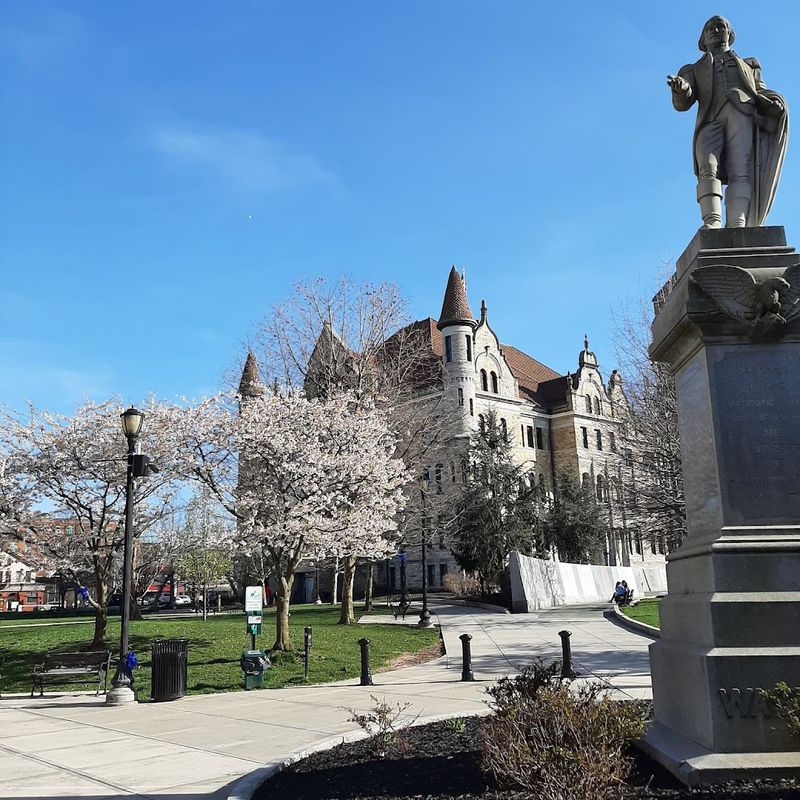
Scranton gets a lot of attention for its history, but the real story worth telling is what happens inside its church basements on a Saturday night.
The city has a massive Italian-American population, and their food traditions are woven into the social fabric in a way that feels effortless.
Old Forge-style pizza, baked in rectangular pans with a thick, chewy crust and a layer of American cheese, originated just outside Scranton and remains a point of fierce local pride.
Locals will debate toppings, sauce ratios, and crust thickness with the same energy other people save for sports. It is not just pizza.
It is identity.
Beyond pizza, the Italian community here keeps alive recipes for Sunday gravy, homemade pasta, and stuffed breads that go back to early twentieth century immigration.
Church festivals along North Washington Avenue and the surrounding neighborhoods serve food that you simply cannot replicate from a cookbook.
Scranton rewards the curious eater who gets off the main roads and follows the smell of garlic and tomatoes to wherever it leads. That strategy has never once let me down here.
6. Carbondale
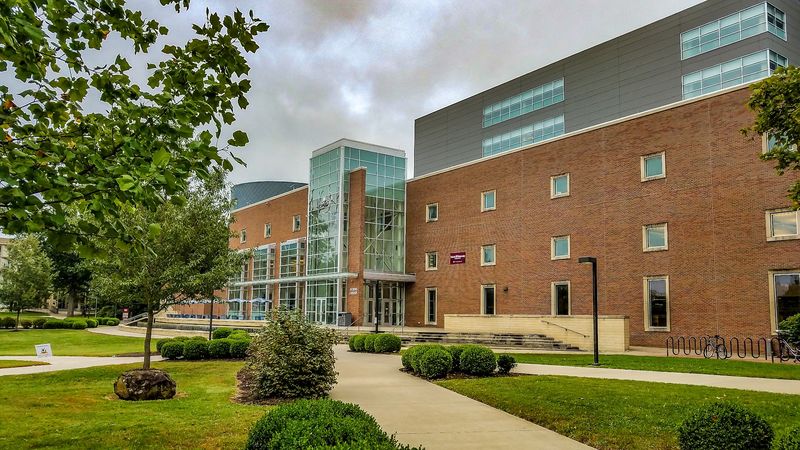
This town sits in the far northeastern corner of Lackawanna County, and Carbondale carries a mixed Irish and Italian heritage that shows up clearly on any community dinner table.
The town was one of the earliest anthracite coal mining centers in the country, and the families who settled here brought recipes that were built for hard-working people.
Irish soda bread appears at church events and bake sales with a frequency that tells you it never went out of style.
Some families make the sweet version with raisins, others keep it plain and crusty, and the debate between the two camps is ongoing and good-natured. Either way, it disappears fast.
The Italian side of Carbondale contributes dishes like pasta e fagioli, a thick bean and pasta soup that costs almost nothing to make but tastes like it took all day.
Community events at venues along Salem Avenue bring these two food traditions together in a way that feels completely natural.
Carbondale does not try to be a food destination. It simply feeds people the way it always has, generously and without pretense, which is honestly the best kind of cooking there is.
7. Shamokin
Shamokin in Northumberland County is a small town with a very large appetite for tradition.
The Ukrainian and Polish communities here have maintained food customs that go back well over a hundred years, and they treat those customs with real seriousness.
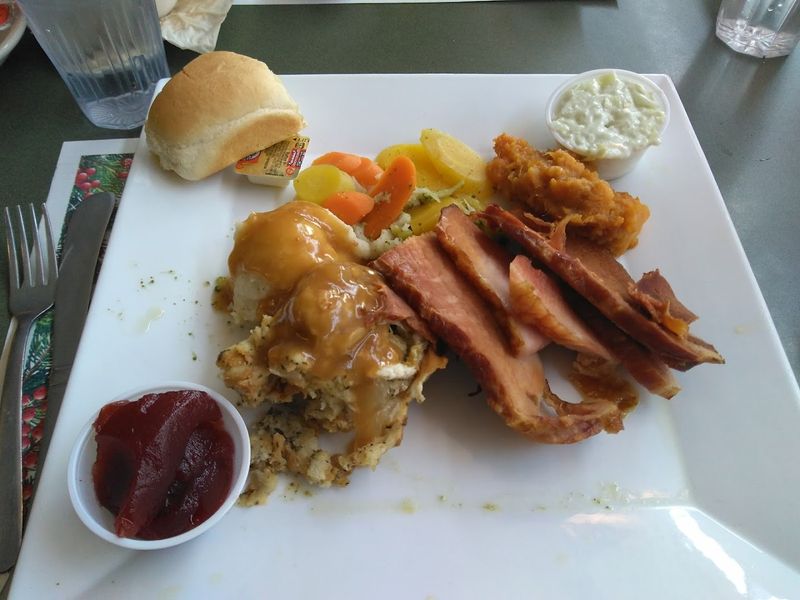
Holubtsi, the Ukrainian version of stuffed cabbage, is made here with a care that borders on ceremony.
The filling is seasoned rice and ground meat, the cabbage leaves are blanched to just the right softness, and the whole thing simmers in a tomato-based sauce for hours.
The result is nothing like the canned version and everything like a memory you did not know you had.
Beet soup, known as borscht, is another staple that locals make from scratch using garden beets, and the color alone stops you in your tracks.
Community dinners at the Ukrainian Catholic church on Shamokin Street are the best place to experience these dishes in their natural habitat.
Shamokin is the kind of town where you can show up as a stranger and leave feeling like someone’s cousin, mostly because someone will have handed you a plate of food before you had time to introduce yourself.
8. Shenandoah
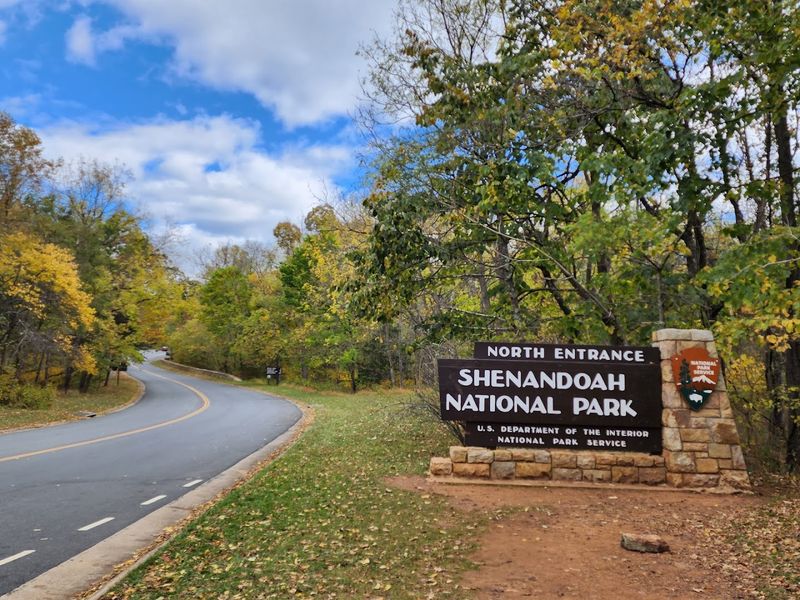
This town in Schuylkill County might be the most ethnically layered food town on this entire list.
At its peak, the borough was home to immigrants from Poland, Lithuania, Ukraine, Slovakia, and a dozen other countries, all of whom moved into the same few square miles and started cooking.
The result is a community food culture that is genuinely hard to categorize. Kielbasa grilled over charcoal appears next to Lithuanian cepelinai, which are large potato dumplings stuffed with meat.
Pierogi sit beside stuffed mushrooms and homemade kapusta, a tangy sauerkraut dish that pairs with almost everything.
The annual St. Casimir’s Parish dinner on West Centre Street has been a fixture for generations, and people plan their calendars around it.
I went on a tip from a stranger at a gas station, which is exactly how the best food discoveries happen.
The hall was packed, the food was extraordinary, and nobody seemed surprised that an outsider had shown up hungry.
Shenandoah feeds people first and asks questions later, and that generous, no-fuss approach is exactly what makes its food culture so worth seeking out.
9. Hazleton
The most fascinating food story in the Pennsylvania coal region right now is Hazleton, and it is one that most food writers have not caught up to yet.
The city in Luzerne County has seen a major influx of Dominican and Puerto Rican families over the past two decades, and their food traditions have layered directly on top of the older Slovak and Polish ones.
The result is a food culture in active evolution. You can find homemade sancocho, a rich Caribbean stew packed with root vegetables and slow-cooked meat, just a few blocks from a church hall serving kapusta and kielbasa.
Neither tradition is going anywhere. Both are getting stronger.
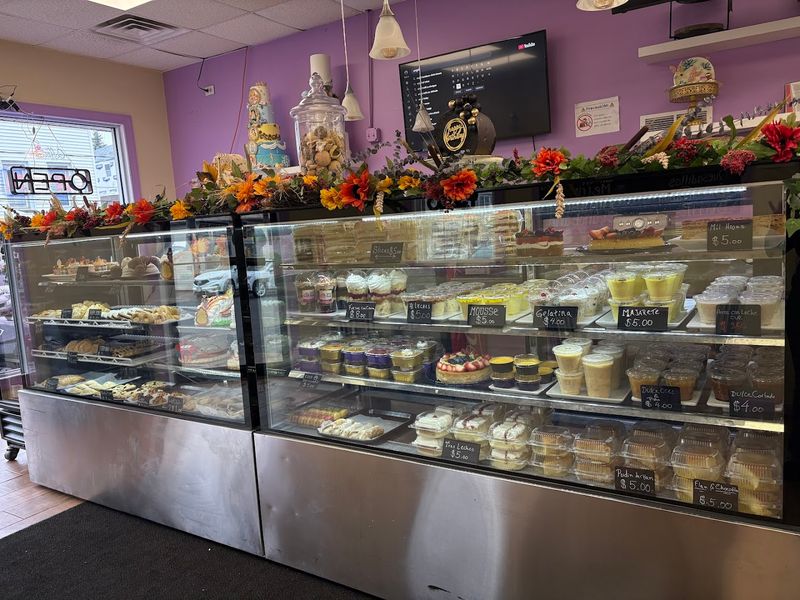
The Dominican bakeries along Broad Street make pan sobao, a soft, slightly sweet bread that locals eat at breakfast and use for sandwiches, and it has developed its own loyal following among longtime residents.
Hazleton is proof that coal town food traditions are not frozen in the past.
They are living things that absorb new influences and keep growing, which makes every visit here feel like a chance to taste something you genuinely have not encountered before.
10. Pottsville
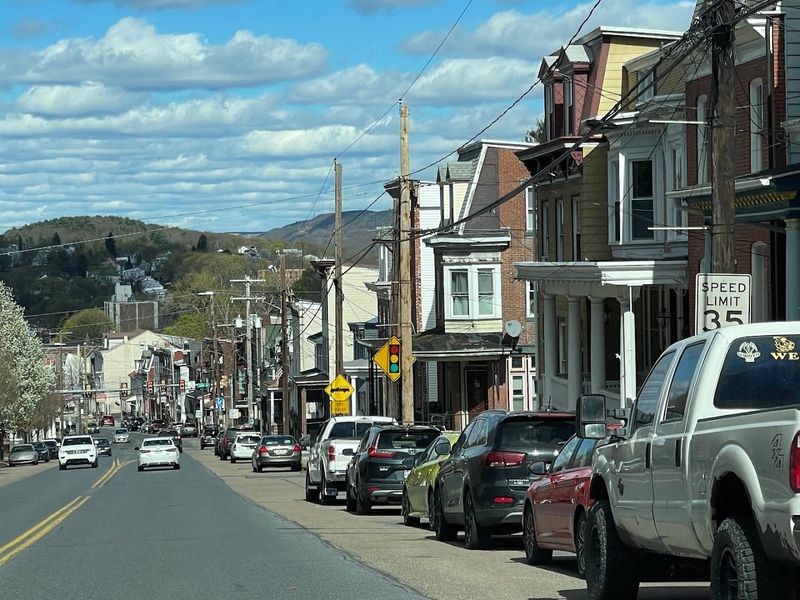
Pottsville anchors the southern end of the coal region in Schuylkill County, and its food identity leans heavily Pennsylvania Dutch alongside the Eastern European traditions found further north.
That combination makes it a genuinely different eating experience from the other towns on this list.
Scrapple, the famously polarizing breakfast meat made from pork scraps and cornmeal, is eaten here without apology and without irony.
It is pan-fried until crisp on the outside and served with eggs or syrup depending on who is cooking. First-timers are often skeptical until the first bite, after which they usually ask for seconds.
Shoofly pie, a molasses-based pastry with a crumbly topping, rounds out the Pennsylvania Dutch side of Pottsville’s food culture.
Local church bake sales along Mahantongo Street are where you find the real versions, made from recipes that have not changed in generations.
Pottsville also has a lively community food scene built around seasonal events and neighborhood gatherings that keep these older recipes in regular rotation.
It is a town that understands food as memory, and it protects that memory with every batch of scrapple it fries and every pie it pulls from the oven.