Nobody Prepared Me For How Amazing The Tamales Are In This Quiet California Farm Worker Community In The Imperial Valley
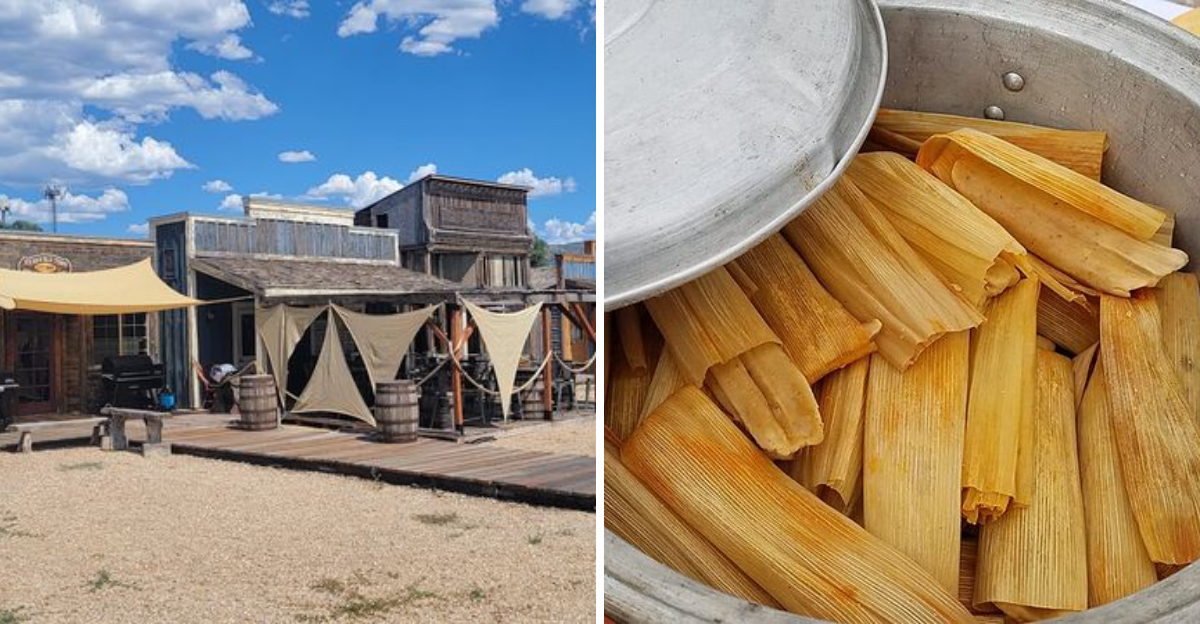
Dusty roads and long workdays do not usually hint at a meal that lingers in your mind for hours afterward.
In California’s Imperial Valley, one quiet farm worker community serves tamales with the kind of warmth and depth that can make the rest of the day feel softer.
Steam slips out the moment they are opened, and that first bite lands with a comfort that feels immediate and deeply familiar.
Humble surroundings only make the experience feel more genuine.
Flavor like this does not need fanfare to leave its mark. It arrives quietly, carries real heart, and turns a simple stop into the part people remember most.
The Annual Heber Tamale Festival And What It Means For The Community
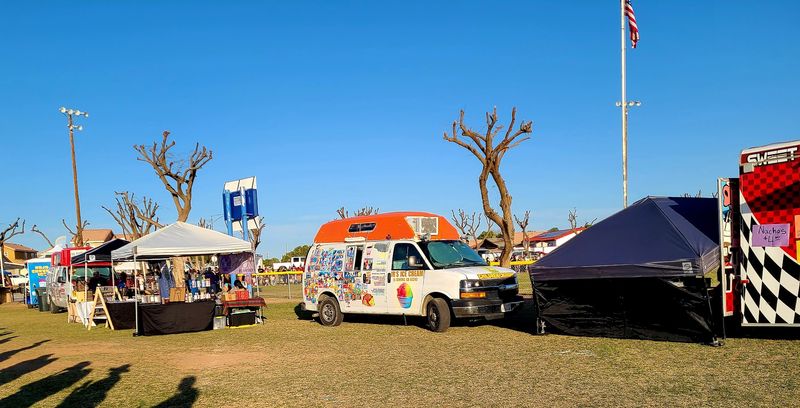
Every January, Palm Avenue in Heber transforms into something that feels genuinely communal rather than commercial.
The Heber Tamale Festival started as a way to fill a gap in the local event calendar, and by 2025 it had already reached its fifth year with no signs of slowing down.
Vendors line up along the street, families show up in large numbers, and a judged competition determines the best savory and sweet tamales of the year.
The competition format gives the festival real stakes, turning what could be a casual food fair into something the community actually invests in.
Local vendors prepare for months, and the pride around winning is visible and genuine.
What separates this festival from similar events elsewhere is that it grew out of community need rather than outside promotion.
The organizers brought it to Heber specifically because nothing like it existed in the area at that time of year.
That origin story gives the whole event a grounded, neighborhood-level energy that tends to be hard to replicate once tourism gets involved. Heber keeps it local, and that makes all the difference.
Castro’s Tamales, The Hometown Vendor That Won The Crown
Winning a judged tamale competition in a town where tamales are taken seriously is not a small thing.
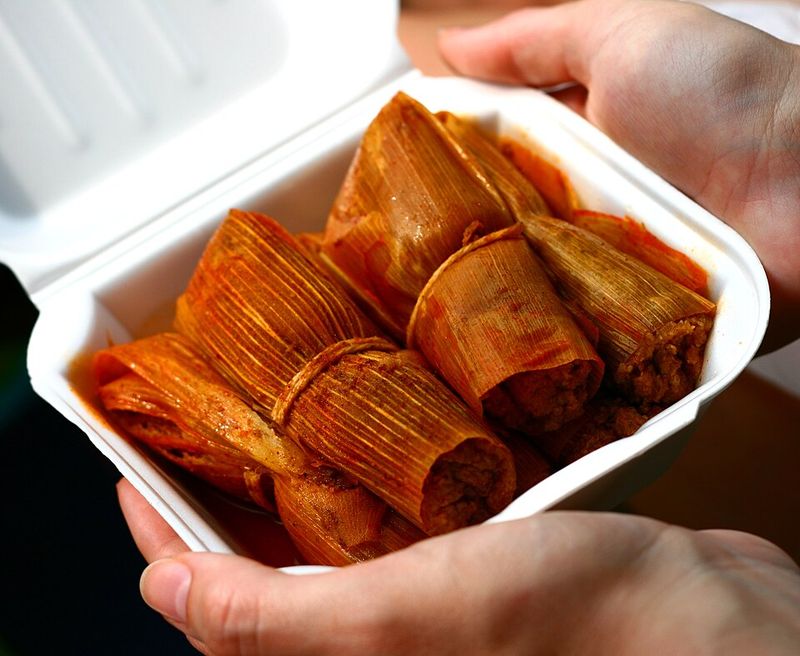
Castro’s Tamales of Heber claimed the best savory tamale title at the 2025 Heber Tamale Festival, and that single fact reframes the entire conversation about food in this community.
The winner was not a vendor from a neighboring city or a well-funded pop-up. It was a local Heber operation competing on home ground.
Savory tamales in the Imperial Valley tradition tend to feature slow-cooked fillings wrapped in masa that has been prepared with patience and generational knowledge.
The texture, the moisture level of the masa, and the depth of the filling are all things that take time to get right. Castro’s Tamales clearly has that time invested.
For visitors curious about trying the tamales that earned that recognition, the festival is the most reliable setting to find them.
Local vendors at community events in small Imperial Valley towns are not always easy to track through standard online searches, so attending the festival directly tends to be the most straightforward approach.
Repeat Winners Suggest The Tamale Skill Here Runs Deep
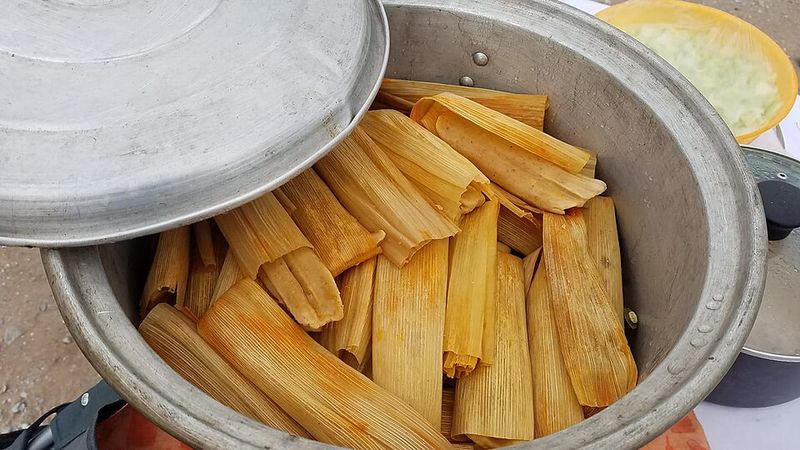
Another detail that gives Heber’s tamale story more depth is that Castro’s Tamales was not a one-year fluke.
The Holtville Tribune reported that at the 2025 Heber Tamale Festival, Castro’s won the savory category after having won the sweet category the year before, while The Three Brothers flipped in the opposite direction.
That kind of repeat success matters because it suggests Heber’s tamale scene is not built on novelty or a single lucky festival day.
It points to a local standard of quality that holds up across multiple years, multiple styles, and direct side-by-side judging.
In a small community, consistency like that says a lot more than hype ever could.
It suggests the tamales coming out of Heber are part of an ongoing tradition with real skill behind them, not just a one-time event that happened to draw attention.
Imperial Valley Agriculture And Why It Shapes Heber’s Food Culture
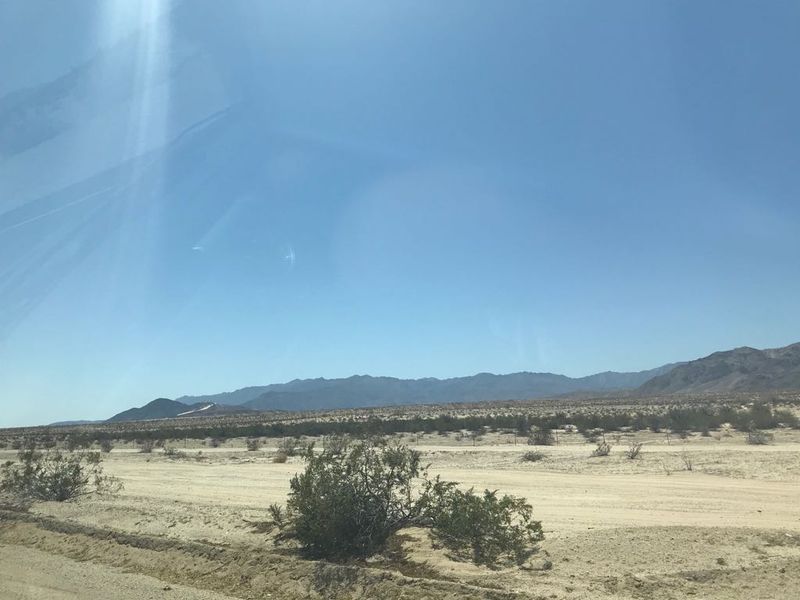
The Imperial County Farm Bureau reports that the county contains roughly 500,000 farmable acres and produces more than 65 different crops.
Agriculture accounts for approximately one in six jobs across the county, which means the working rhythm of the region is tied directly to the land in a way that most California communities are not. Heber sits squarely inside that landscape.
Food cultures shaped by farming communities tend to prioritize dishes that are filling, portable, and made from scratch. Tamales fit that profile almost perfectly.
They can be prepared in large batches, they travel well, and they carry the kind of caloric density that long physical workdays require.
That practical connection between tamales and agricultural labor runs deep across Mexican and Mexican-American communities throughout the Southwest.
In Heber, that connection feels less like history and more like present-tense daily life.
The community’s demographics, with a heavily Hispanic population and a high share of Spanish-speaking households, reflect a cultural continuity that keeps traditional food preparation alive across generations.
The tamales being made and sold in Heber are not recreations of a tradition. They are the continuation of one, shaped by the same agricultural context that has defined the Imperial Valley for well over a century.
What Makes Heber Feel Different From Other Small California Towns
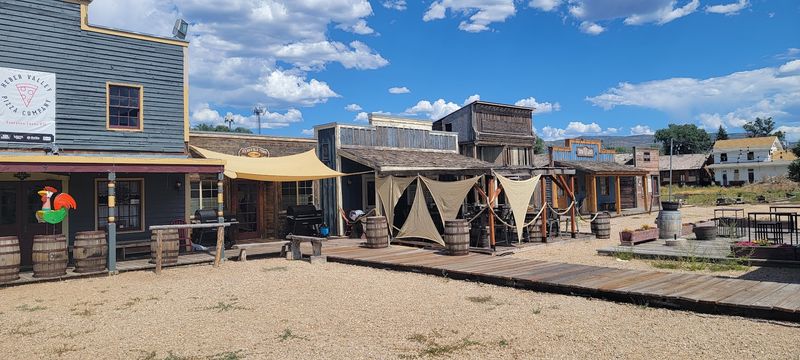
Small towns in California often fall into recognizable categories. Some lean into wine country charm, others build identities around coastal scenery or mountain access.
Heber does not fit neatly into any of those boxes, and that is actually part of what makes it worth paying attention to.
With a 2020 population of 6,896 and no significant tourism infrastructure, the community operates on its own terms.
The average household size in Heber is notably large compared to state averages, and the majority of residents speak Spanish at home.
Those two details together point toward a community where extended family networks are common and where food is often made in quantities meant to feed more than just a nuclear household.
That scale of home cooking tends to produce serious skill over time.
Visiting Heber does not feel like visiting a destination. It feels like stepping into a working community that happens to have excellent food because the people who live there have been making it well for a long time.
There are no polished storefronts designed to catch a traveler’s eye, and the tamale culture here was never built for outside consumption.
That authenticity is exactly what makes the experience feel so unexpectedly rewarding to anyone who shows up without expectations.
Why Tamales Matter In This Context
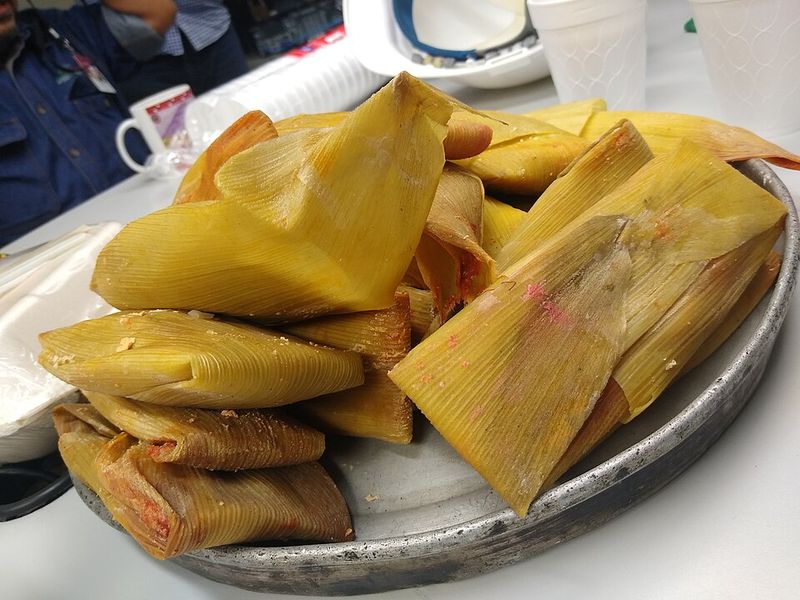
Tamales carry a lot of cultural weight in Mexican and Mexican-American communities, and that weight is not decorative.
The process of making tamales, which involves preparing masa, cooking fillings, spreading and wrapping each one by hand, and then steaming them in batches, is genuinely labor-intensive.
It is the kind of cooking that typically happens in groups, with family members or neighbors working together over several hours.
That communal preparation style means tamales are often associated with celebration, cooperation, and shared effort.
In communities like Heber, where household sizes tend to be large and extended family networks are common, that kind of group cooking is more likely to remain a regular part of life rather than a once-a-year holiday activity.
The skill gets passed along because there are always people around to learn it.
The fact that Heber now hosts a public festival built entirely around tamales suggests that the tradition has moved beyond private kitchens and into community identity.
When a town organizes a judged competition with repeat vendors and growing attendance, the food has become something the community is actively proud of and willing to celebrate publicly.
That shift from private tradition to public pride is meaningful, and it gives the tamale culture in Heber a visibility it has clearly earned.
Planning A Visit To Heber Around The Tamale Festival
Getting to Heber requires a bit of planning, especially for visitors coming from San Diego or the Los Angeles area.
The community sits in the southeastern corner of California, close to the US-Mexico border and near the city of El Centro.
From San Diego, the drive takes roughly two hours heading east on Interstate 8, making it a manageable day trip for those willing to commit to the distance.
The Heber Tamale Festival takes place in January, which is actually one of the more comfortable times of year to visit the Imperial Valley.
Summer temperatures in the region can climb well above 100 degrees Fahrenheit, but January tends to bring mild, dry conditions that make outdoor events far more enjoyable.
Arriving early on festival day is advisable since vendor supplies can run out before the afternoon ends.
Palm Avenue serves as the main festival corridor, and parking in a small community like Heber during a large local event may require some patience.
Arriving with cash on hand tends to make vendor transactions smoother at smaller community festivals where card readers are not always available.
Why Heber’s Food Story Deserves More Attention Than It Gets
Food media tends to gravitate toward places that already have visibility, which means small unincorporated communities like Heber rarely make the shortlist for coverage.
There are no celebrity chef endorsements here, no Michelin considerations, and no curated Instagram backdrops designed to drive traffic.
What exists instead is a genuine, community-built food tradition that has been developing for generations without needing outside validation.
The Heber Tamale Festival’s growth from a first-year experiment into a recurring annual event with a judged competition and a confirmed seventh installment is the kind of organic momentum that food writers and travel enthusiasts often overlook.
The community did not build this festival to attract visitors. It built the festival because tamales already mattered deeply to the people who live there.
That distinction is worth sitting with for a moment.
A food tradition that exists because a community loves it rather than because it wants to sell it to outsiders tends to be more honest, more skilled, and more satisfying to experience. Heber’s tamale culture fits that description precisely.
The Imperial Valley has been feeding California for over a century, and Heber is a reminder that some of the best food in the state is being made quietly, consistently, and without much fanfare.