This Hidden Tennessee Town Feels Like The Outside World Never Quite Reached It
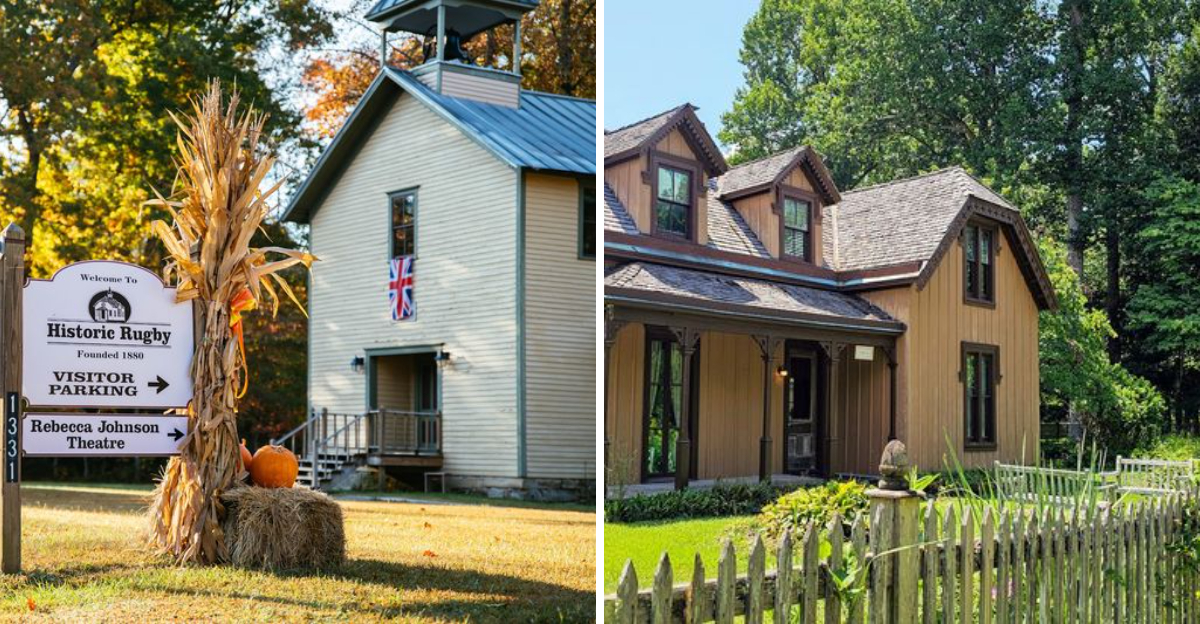
Some places stop time without asking permission, and the Cumberland Plateau in Tennessee has more than a few of them tucked along roads that feel like they were deliberately left off the map.
I found one on a slow Sunday drive when I turned onto a road that my GPS had clearly given up on, following nothing but curiosity and the vague sense that something interesting was at the end of it.
What I found was a village so quietly extraordinary that I sat in my car for a full minute before getting out, just looking at it and trying to decide if it was real.
No chain stores, no new construction trying too hard, no obvious evidence that the last several decades had made much of an impression at all.
Just history sitting out in the open, completely comfortable with itself. If you are the kind of person who pulls over for unmarked roads and old buildings with good bones, this place was made specifically for you.
A Utopian Colony
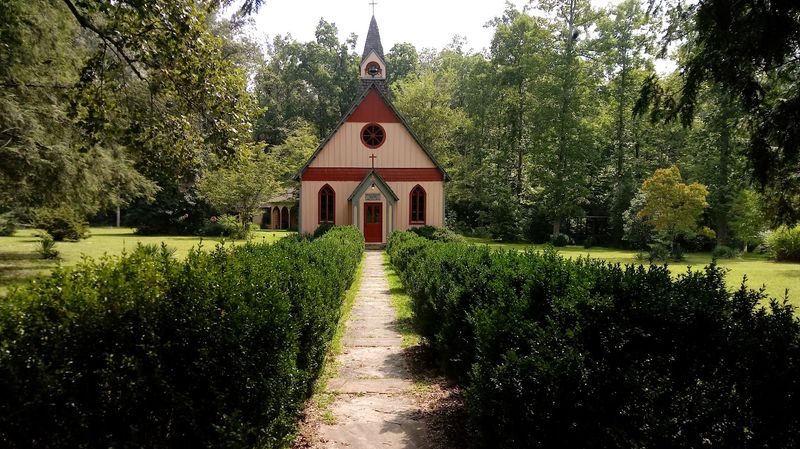
Rugby, Tennessee sits at the edge of the Cumberland Plateau like a bookmark left in a very old novel.
Founded in 1880 by British social reformer Thomas Hughes, this village was designed as a utopian colony for younger sons of English gentry who had no inheritance waiting back home. That backstory alone makes it worth the drive.
You will pass more trees than traffic lights getting there, which is honestly part of the charm.
The colony never boomed the way Hughes hoped, but what survived is remarkable.
About 70 of the original Victorian structures still stand, many still in use. Walking the grounds feels less like a museum visit and more like accidentally wandering into another century.
The air even smells different here, like cedar and old wood and something you cannot quite name.
Thomas Hughes Free Public Library
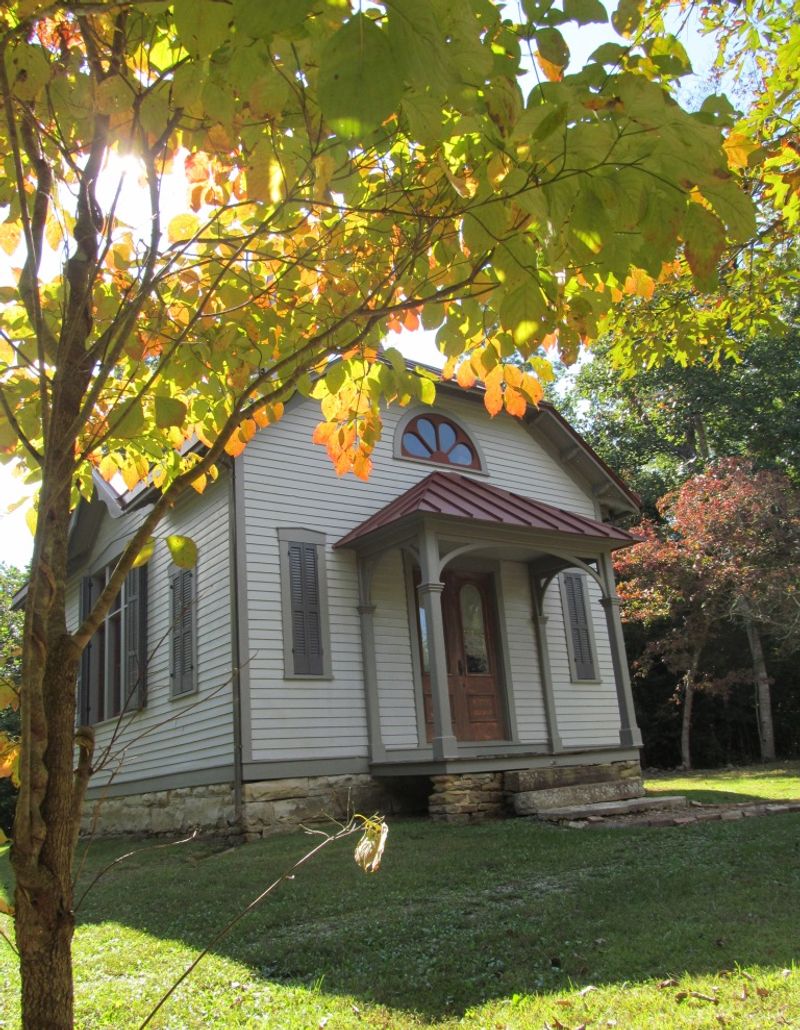
Opened in 1882, the Thomas Hughes Free Public Library is one of the oldest intact libraries in the American South, and it still holds its original collection of roughly 7,000 Victorian-era books.
That fact hit me harder than I expected. These books have never moved.
The shelves are packed with volumes donated by English publishers who supported the colony’s mission. You can spot titles from the 1880s still standing in their original spots, spines faded but dignified.
It feels less like a library and more like a literary time capsule.
Guided tours are available and genuinely worth taking. The staff know their history and share it without making you feel like you are sitting through a lecture.
One guide pointed out a shelf of donated novels and mentioned that some had never been checked out, ever. That detail stuck with me for days.
If you care even a little about books, this room at 1281 Rugby Pkwy, Rugby, will quietly rearrange something inside you.
Christ Church Episcopal
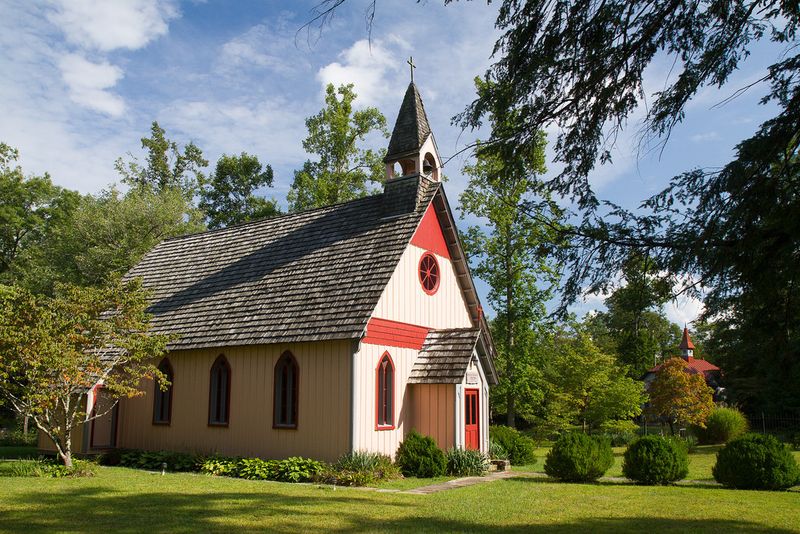
Built in 1887, Christ Church Episcopal is one of the best-preserved Victorian Gothic wooden churches in the entire United States. It is small, almost delicate-looking, and completely original inside.
The pews, the organ, the hymnals, all of it remains exactly as it was placed over a century ago.
Services are still held here on select Sundays, which means this is not just a relic. People actually gather in this space and sing from those same worn hymnals.
That continuity is quietly stunning.
The building sits surrounded by towering trees that filter the light in a way that makes the whole scene look slightly unreal. I stood outside for longer than I planned, just watching the shadows move across the wooden siding
Inside, the stained glass is modest but beautiful, casting small colored shapes across the floor. If you visit Rugby and skip this church, you have missed the emotional center of the whole place.
It costs nothing to look, and it gives back considerably more than that.
R.M. Brooks General Store And Cafe
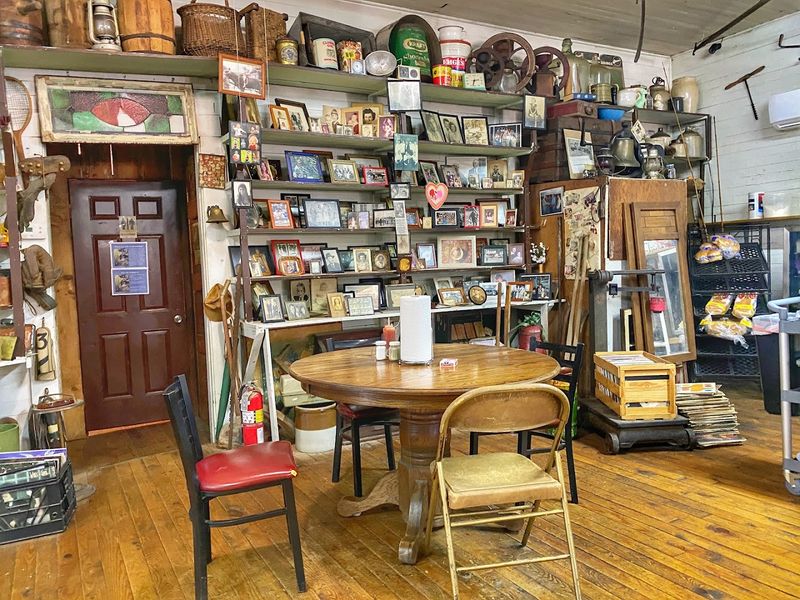
Some places feed you. R.M.
Brooks General Store and Cafe does something older and more interesting than that. It pulls you back in time and then hands you one of the best sandwiches you have had in recent memory.
This store has been in the same family for over a hundred years, and the fourth generation is still running it with the kind of unhurried pride that makes you want to slow down and stay longer than you planned.
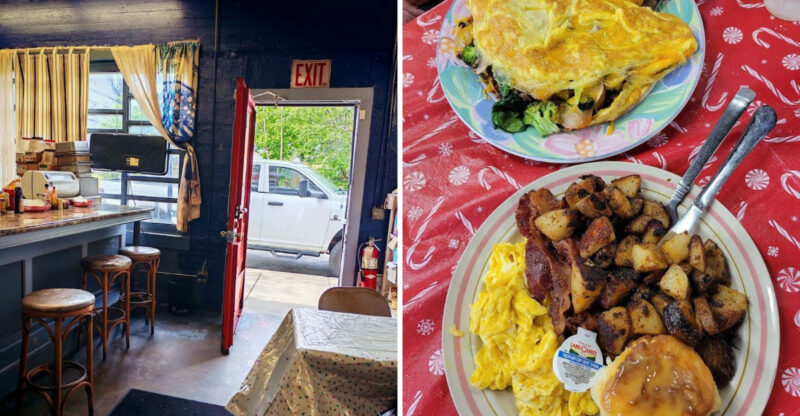
The interior alone is worth the drive. A pot-bellied stove, original floor boards, antique signage, and a horizontal Pepsi cooler that has been cold and running since before most visitors were born.
The menu is simple and completely honest. Burgers, grilled sandwiches, pork barbecue, fried pies, and milkshakes made the way milkshakes used to be made.
Nothing on the menu is trying to impress you, which is exactly why it does.
The fried pies in particular have their own loyal following, and once you try one you will understand why people make special trips out here just for that.
R.M. Brooks General Store and Cafe is located at 2830 Rugby Pkwy, Rugby, Tennessee.
Hiking Trails
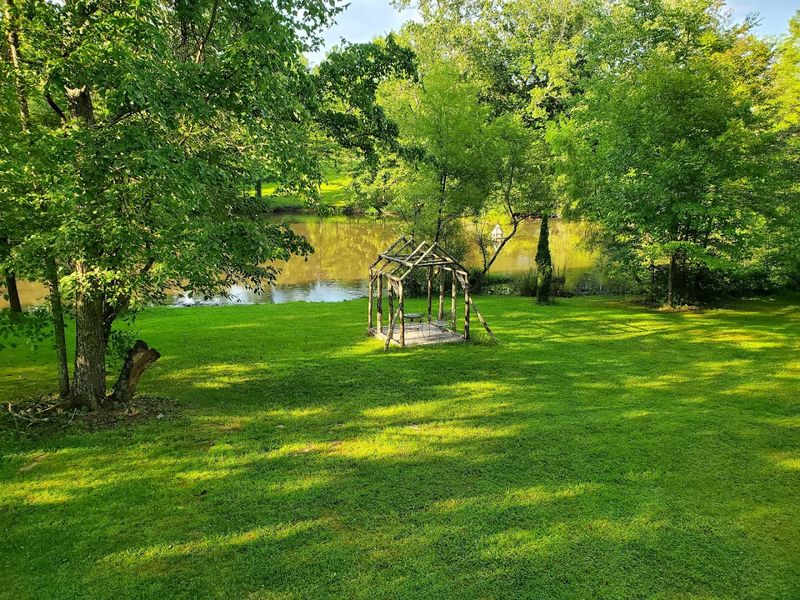
The land around Rugby is not just scenery, it is a full invitation.
The Cumberland Plateau offers some of the most underrated hiking in Tennessee, and the trails accessible from Rugby put you directly into that landscape within minutes of parking your car.
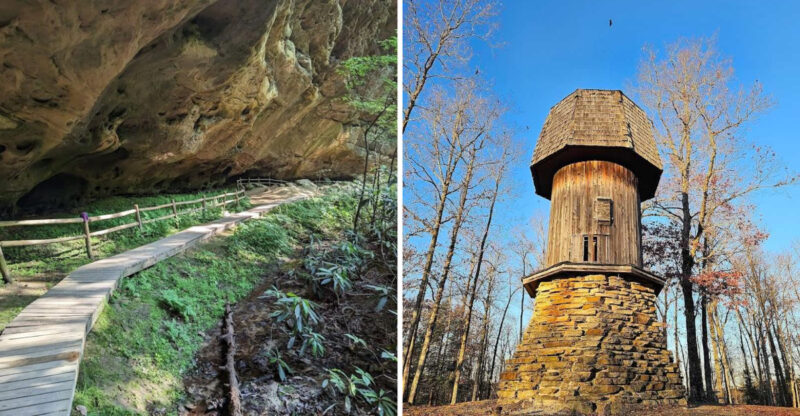
Gentlemen’s Swimming Hole Trail leads to a natural pool along the Clear Fork River that the original colonists actually used for swimming.
That detail makes the trail feel less like exercise and more like time travel with better footwear. The terrain is moderate, forested, and genuinely beautiful in all four seasons.
Fall is especially spectacular when the hardwood canopy turns every shade of orange and gold imaginable. Spring brings wildflowers along the path edges that seem almost too perfectly placed to be accidental.
I went on a cool October morning and had the trail almost entirely to myself, which felt like an unearned luxury.
For hikers who want scenery without crowds and history without a velvet rope, this area delivers on every count. Bring water and wear shoes you do not mind getting slightly muddy.
Schoolhouse
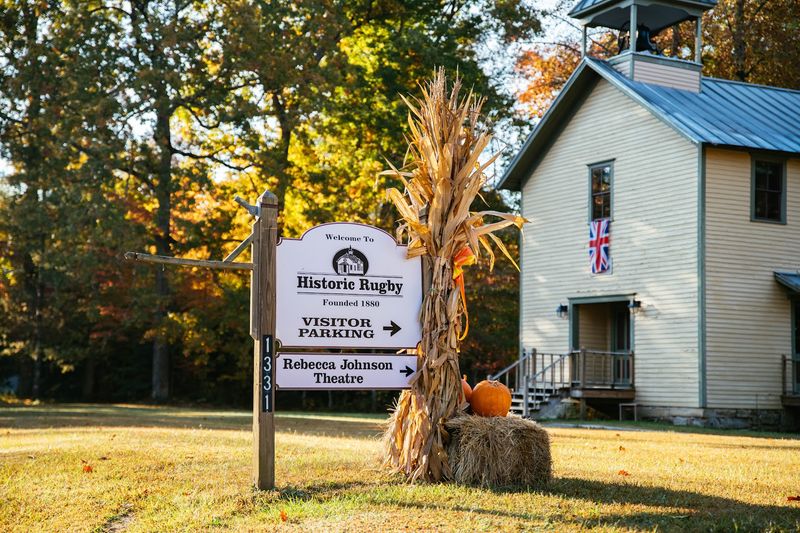
The Rugby Schoolhouse was built in 1907 and served the children of the colony and surrounding community for decades.
It is one of those buildings that looks exactly like what it is, a one-room schoolhouse from another era, sitting quietly on open land as if it never got the memo that the world moved on.
Today it functions as part of the Historic Rugby museum complex and is open for tours.
Standing inside, you can picture the rows of children, the single teacher managing every grade simultaneously, the wood stove in the corner doing its best against a cold plateau winter.
What makes this building particularly affecting is its simplicity. There is no grand architecture here, no elaborate detail.
Just honest craftsmanship built to serve a practical purpose.
That straightforwardness is its own kind of elegance. Historic Rugby’s staff have done careful preservation work throughout the complex, and the schoolhouse reflects that attention.
It is a small building, but it carries a lot of story per square foot, which puts it well above most things you will see on a typical road trip through Tennessee.
Laurel Dale Cemetery
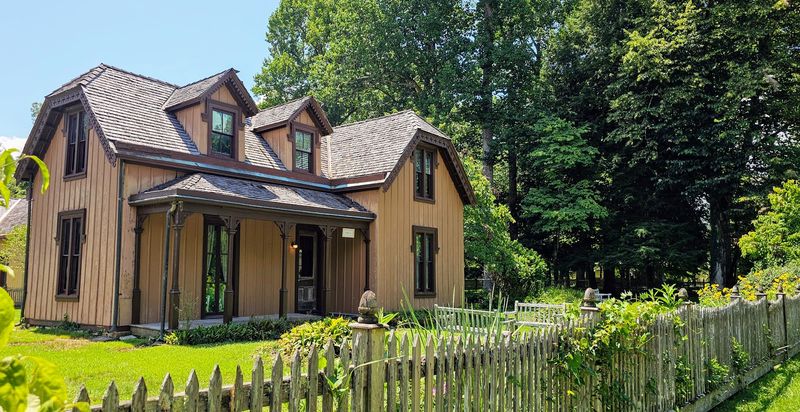
Cemeteries are not everyone’s first choice for a travel stop, but Laurel Dale Cemetery in Rugby earns a visit without apology.
The graves here tell the story of the colony in a way that no brochure quite manages, through names, dates, and the occasional epitaph that stops you mid-step.
Many of the original colonists are buried here, including people who crossed an ocean chasing a vision of a better life and ended up staying forever in the Tennessee hills. That is a remarkable thing to stand next to and consider for a moment.
The grounds are maintained with care and feel peaceful rather than somber. Tall trees create a natural canopy overhead, and the light filters through in a way that photographers tend to love.
I spent about twenty minutes here just reading names and doing quiet math about lifespans and distances traveled.
It reframes the whole colony story in a way that the museum exhibits, as good as they are, cannot fully replicate.
Some history lands differently when it is right there at your feet, carved in stone, asking nothing from you except a moment of attention.
Historic Rugby Visitor Center
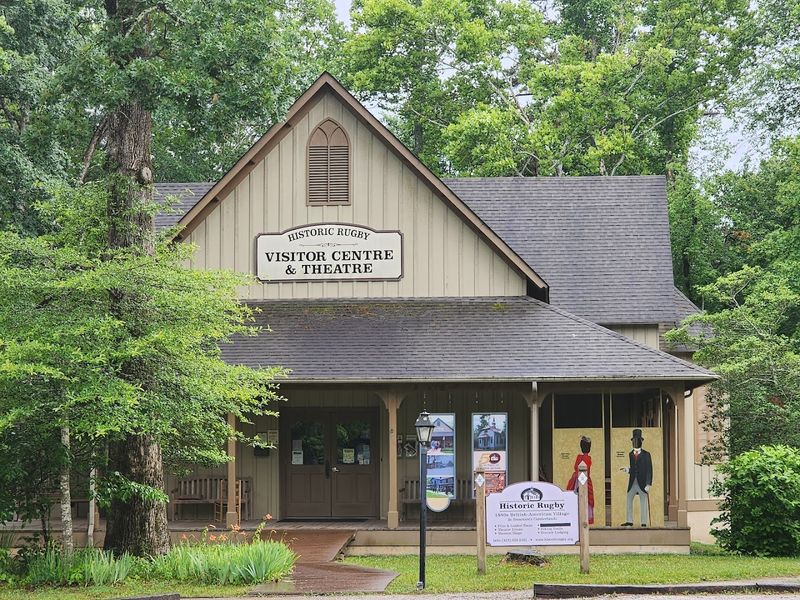
Every good adventure needs a starting point, and the Historic Rugby Visitor Center is exactly that.
Before you wander off down any path or into any building, stopping here first saves time and adds context that genuinely improves everything you see afterward.
The center offers maps, tour information, and staff who know the colony’s history inside and out.
They can tell you which buildings are open that day, what events are coming up, and which trail conditions are worth knowing about before you head out in your good shoes.
Rugby hosts seasonal events throughout the year, including a Spring Music and Crafts Festival and a Rugby Pilgrimage in October that draws visitors from across the region.
The visitor center is your best source for current schedules. Admission fees are modest and go directly toward preservation efforts, which means your ticket is doing something useful beyond just getting you through the gate.
I picked up a small guidebook here that I have referenced more than once since returning home. If you are the kind of person who likes to understand a place before exploring it, this is where that understanding begins.