This Northern California River Is So Clear It Feels Like A Hidden Paradise
Some places feel almost unreal the first time you see them, as if the world quietly saved a prettier version of itself for anyone lucky enough to find it.
A river in Northern California runs so clear it can stop you in your tracks.
Sunlight slips through the water, stones gleam beneath the surface, and the whole scene carries that calm, untouched beauty people are always hoping still exists somewhere.
Time seems to loosen its grip in a place like this.
One look can quiet the mind. An afternoon can feel softer, slower, and far removed from anything loud or crowded.
Paradise may be an overused word, yet here it starts to sound surprisingly accurate.
The Only Undammed Major River In California
There are very few rivers left in the United States that flow entirely without dams, and the Smith River happens to be the only major one in California.
That single fact changes everything about how the river looks, feels, and functions.
Without dams interrupting the natural flow, water moves the way it always has, carrying sediment patterns and seasonal rhythms that have remained intact for thousands of years.
The Smith River drainage covers a large area of the Klamath Mountains before the water makes its way to the Pacific Ocean near Crescent City.
Because the watershed has never been significantly altered by industrial infrastructure, the river maintains a self-cleaning quality that most California waterways simply cannot match.
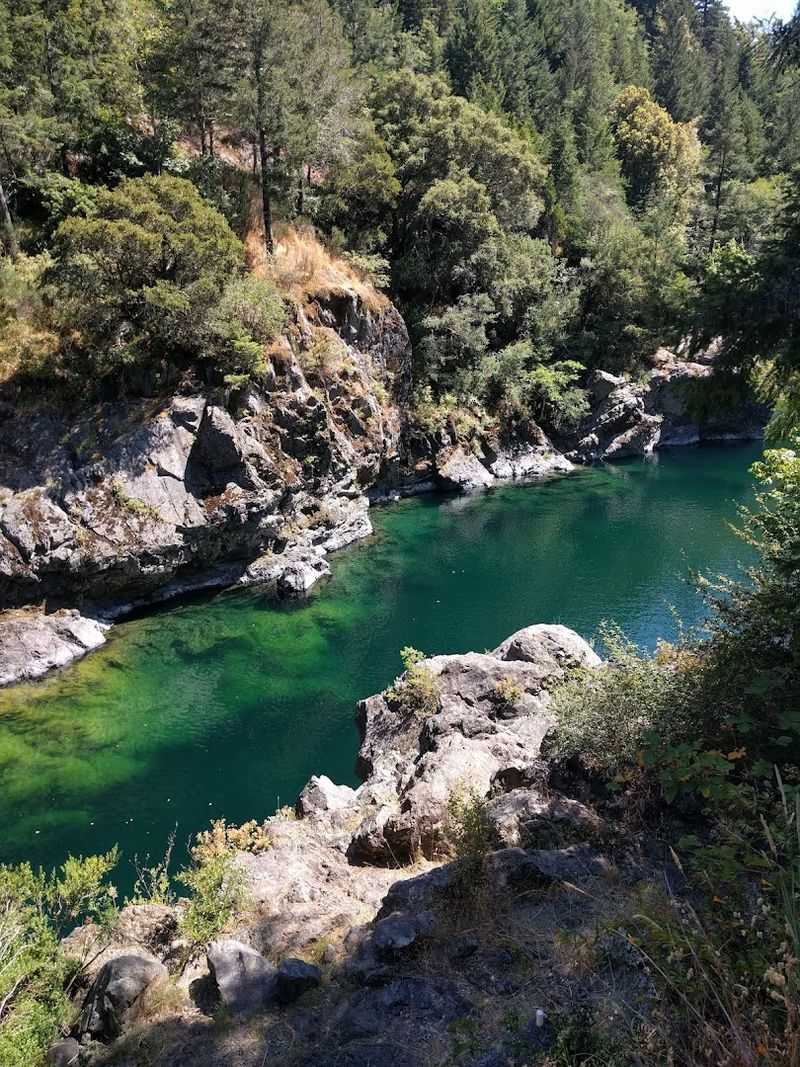
Seasonal storms push through sediment and reset the riverbed, and within days the water clarity returns to that signature emerald tone.
Protecting that free-flowing character took deliberate effort. More than 300 miles of the Smith River drainage are included in the National Wild and Scenic Rivers System, one of the largest protected stretches in that entire network.
That designation limits development along the corridor and keeps the river in a condition that genuinely reflects what undisturbed Northern California once looked like across a much wider region.
Water Clarity That Stops People In Their Tracks
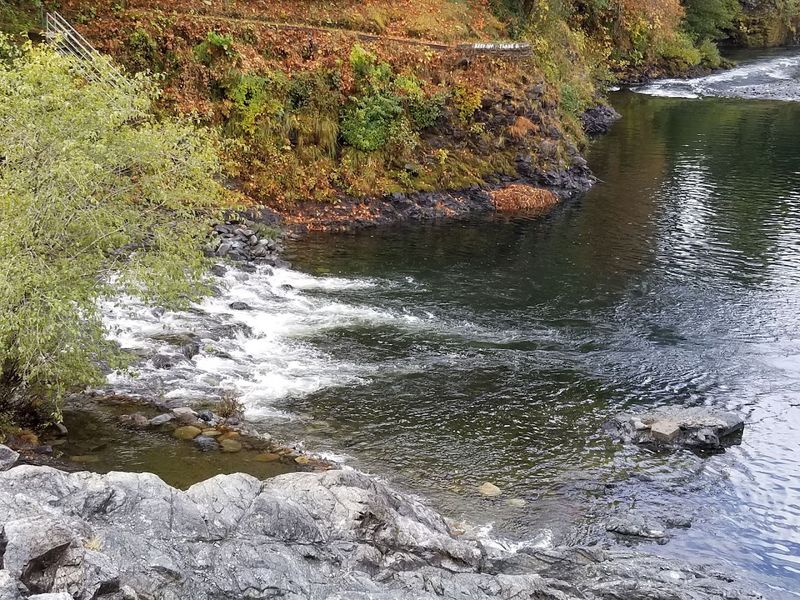
Seeing water this clear in person tends to produce a specific kind of disbelief.
Visibility in the Smith River can extend 20 feet or more on a calm day, meaning the riverbed is not just visible but detailed, with individual rocks and swimming fish appearing almost suspended in green light.
That level of clarity is genuinely rare among rivers of this size anywhere in the country. The explanation involves both geology and protection.
Water filtering through ancient rock formations in the Klamath Mountains picks up very little suspended material, and the strict environmental protections covering the watershed prevent industrial runoff from clouding the source.
Federal materials for the North Fork specifically note its outstanding water quality and low turbidity, which is a technical way of confirming what visitors describe in much simpler terms.
After heavy winter storms, the river may run darker and higher for a short period, but it tends to clear faster than most rivers of comparable size.
That recovery speed is itself a sign of how intact the surrounding ecosystem remains.
Summer and early fall tend to offer the most consistent clarity, making those months the most popular window for swimming, snorkeling, and simply standing on the bank and staring down into the green.
Old-Growth Redwoods Right On The Riverbank
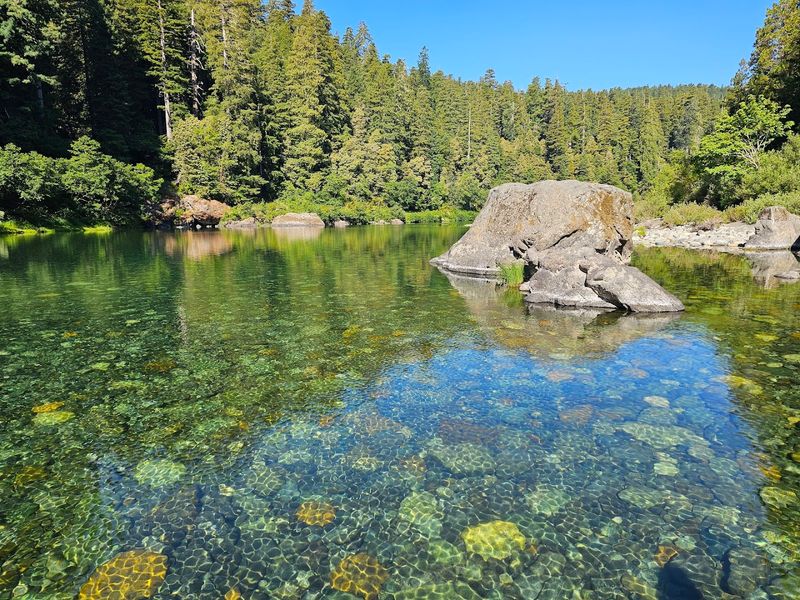
Few river settings in the country pair open water with trees this large.
Along much of the Smith River corridor, old-growth coast redwoods stand directly on the bank, their root systems reaching into the water and their canopies filtering light into shifting green patterns on the surface.
The combination creates a visual atmosphere that feels genuinely layered, with the scale of the trees making the river seem both intimate and surrounded at the same time.
Jedediah Smith Redwoods State Park sits along the river roughly nine miles east of Crescent City on Highway 199, and the park’s most celebrated grove, Stout Grove, is accessible by a short trail that leads visitors to picnic spots beside the water.
The trees in this grove are among the tallest and widest in the park system, and standing near them while hearing the river move nearby adds a sensory depth that photographs rarely capture fully.
Howland Hill Road, a mostly unpaved scenic route through the park, offers one of the more memorable drives through the surrounding forest.
The road passes through sections where the redwood canopy closes overhead almost completely.
Visiting on a weekday tends to mean fewer vehicles on that narrow road, which makes the slow pace feel more natural and the stops along the way feel less rushed.
Snorkeling With Salmon In A Northern California River
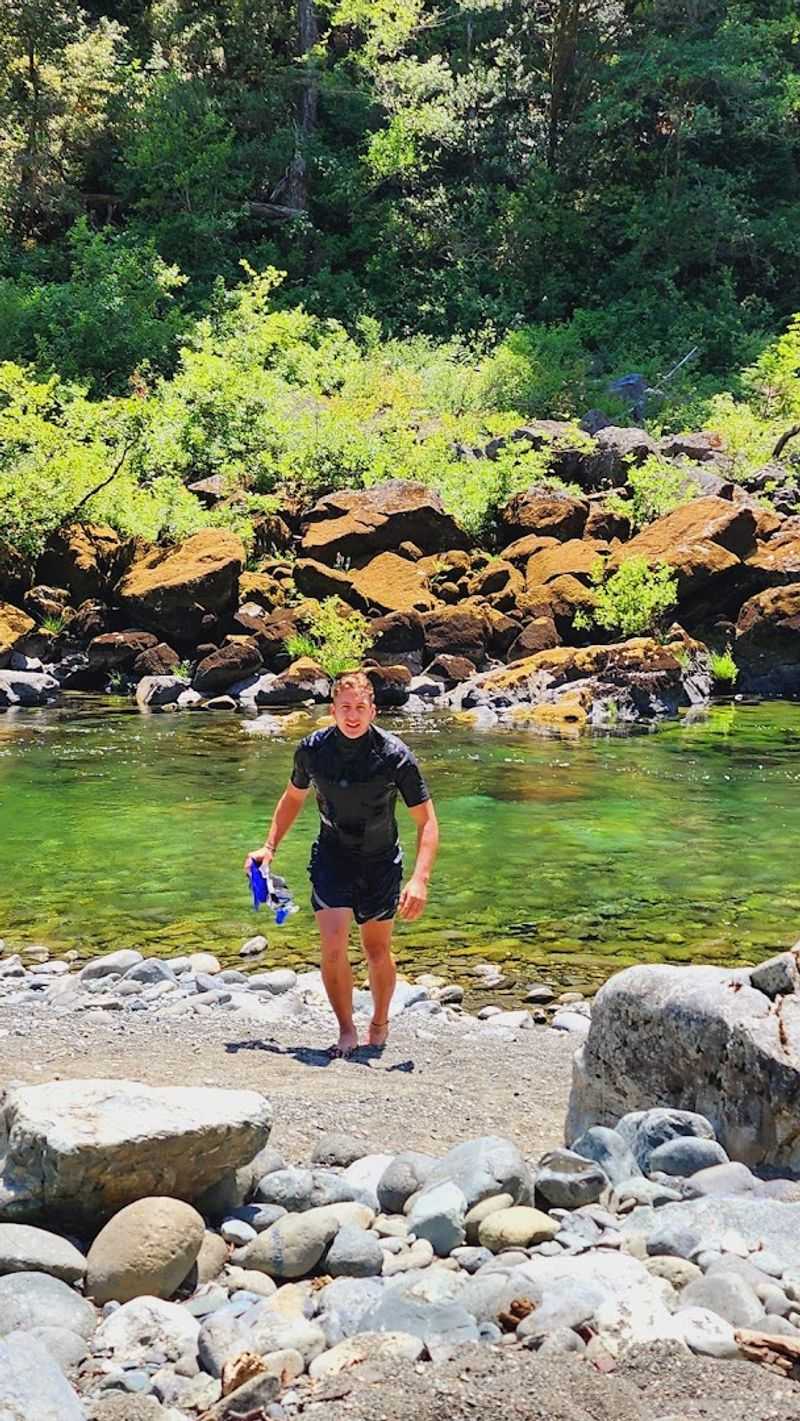
Snorkeling in a river might sound unusual, but the Smith River makes a strong case for it.
The water clarity is deep enough and consistent enough that snorkelers can actually track Chinook salmon and steelhead moving between rocks in real time.
A pool near the mouth of Craigs Creek is one of the most frequently mentioned spots for this experience, and it draws visitors specifically because of how reliably the fish can be spotted from the surface.
Del Norte County’s official tourism materials include snorkeling as one of the signature activities along the Smith River corridor, which is not something most Northern California rivers can claim.
The combination of cold, clean water and active fish populations creates an underwater scene that feels more like a nature documentary than a typical summer outing.
Visibility tends to be best during mid to late summer when water levels drop and flows stabilize.
Gear requirements are minimal since the river is calm enough in many sections to explore without strong swimming skills, though current awareness is always important.
Water temperatures in summer can be refreshing rather than frigid, especially compared to the nearby Pacific coast.
For anyone who has never considered snorkeling outside of a tropical setting, the Smith River tends to reframe that assumption entirely.
Swimming, Tubing, Rafting, And Paddling The Smith
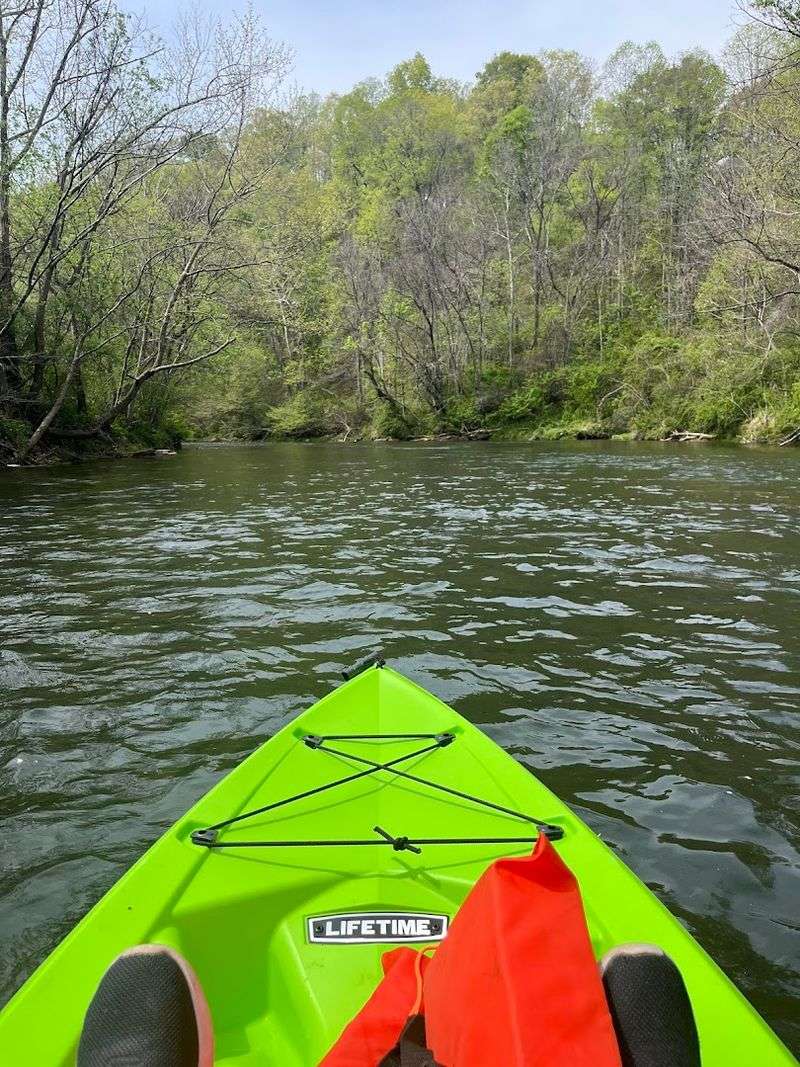
The Smith River is not just a river to admire from a distance.
Del Norte County’s tourism resources actively promote swimming, tubing, rafting, kayaking, and paddleboarding along the river, particularly around the forks and the South Fork corridor.
That range of options means the river works for different comfort levels, from calm floaters looking for a relaxing afternoon to paddlers who want more technical whitewater sections with Class III to Class V rapids.
Summer is the most practical season for water-based activities since flows drop and temperatures become more manageable for swimming.
The Forest Service describes the Smith’s waters during warmer months as ideal for swimming, rafting, and fishing, and Jedediah Smith Redwoods State Park tends to run warmer than the nearby foggy coast, which adds to the appeal on sunny days.
That inland warmth combined with clear water makes a significant difference in how enjoyable a full day on the river can feel.
Access points vary along the corridor, and some spots require a short walk from a pullout or day-use area.
Arriving earlier in the day during peak summer weekends tends to help with parking and finding a comfortable stretch of bank.
The Smith River National Recreation Area, located at 10600 Highway 199 in Gasquet, California 95543, serves as a central hub for planning and information about river access throughout the drainage.
Salmon And Steelhead In A River That Still Works
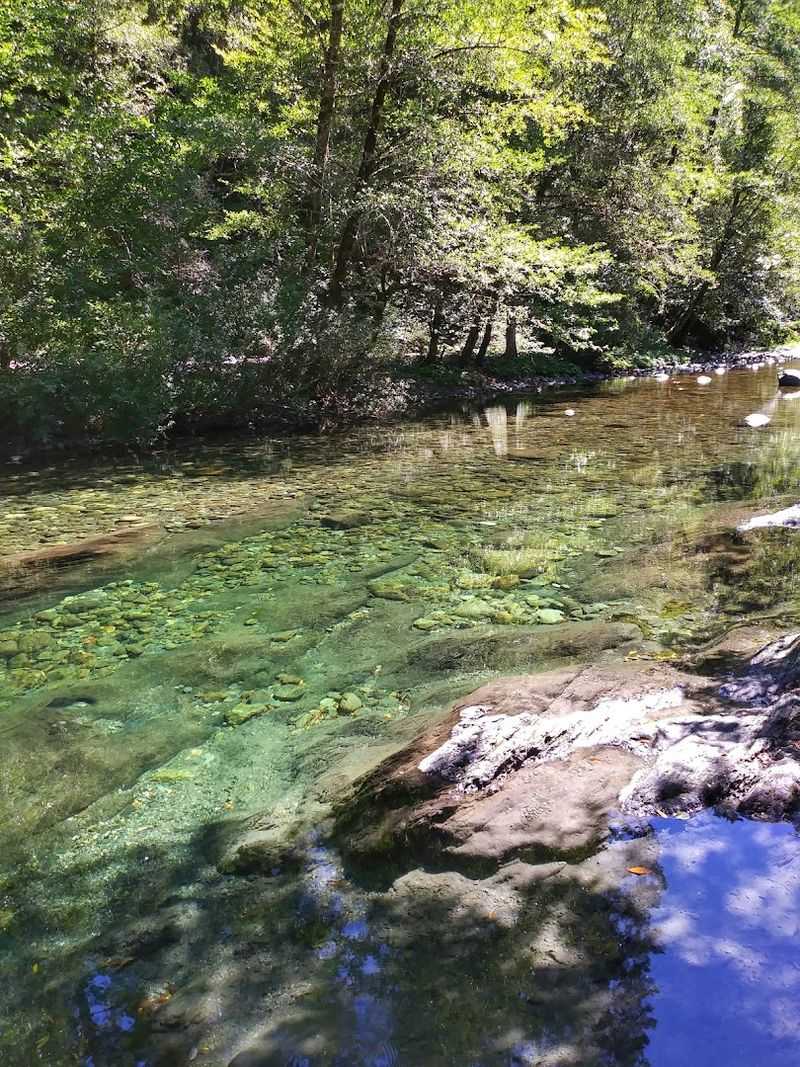
A river’s health shows most clearly in its fish.
The Smith River supports robust populations of Chinook salmon and steelhead trout, two species that require cold, clean, well-oxygenated water with intact gravel beds for spawning.
The fact that both species continue to use the Smith River as a breeding ground is a direct indicator that the watershed remains in genuinely good ecological condition.
Redwood Parks Conservancy notes that the parkland surrounding the Smith River and nearby Mill Creek includes significant tributary habitat and active spawning grounds for these fish.
That biological activity adds a layer of meaning to the visual experience of the river.
Watching a large Chinook hold position in a deep green pool is not just visually striking but also a reminder that the river is functioning as it should, which is not something that can be said about most heavily managed waterways in California.
Fishing on the Smith River draws anglers from a wide area, particularly during salmon and steelhead runs in fall and winter.
California Department of Fish and Wildlife regulations apply throughout the river, and checking current rules before any fishing trip is always recommended since seasons and limits can shift.
The fishing experience here tends to feel more like true wild-river angling than what is available on most other accessible Northern California rivers.
Why This Corner of Northern California Feels So Untouched
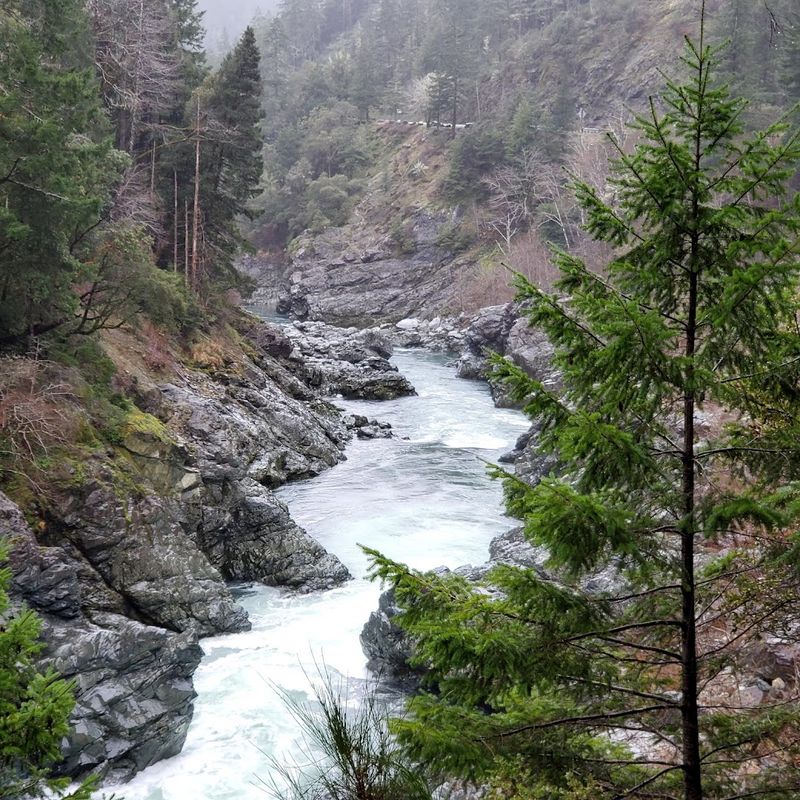
Part of what makes the Smith River feel so removed from the rest of California is simply geography.
The river sits in the far northwestern corner of the state, closer to the Oregon border than to any major California city.
That distance from population centers has historically limited development pressure, and the combination of federal wild and scenic protections and state park management has reinforced that character over time.
Highway 199, which runs alongside much of the river through the canyon, offers one of the more scenic drives in the region.
The road follows the river closely in several stretches, with pullouts that allow stops directly above the water.
The drive between Crescent City and Grants Pass along this route passes through terrain that shifts from coastal redwood forest to inland mountain canyon in a relatively short distance, making the visual variety part of the appeal.
The sense of a hidden place is not entirely accurate since the area does receive visitors, particularly in summer.
Even so, the Smith River corridor remains noticeably quieter than California’s more heavily promoted natural destinations.
The emerald water, the old trees, the salmon visible from the bank, and the cool canyon air combine into an experience that feels genuinely earned rather than packaged, which may be the strongest reason people keep coming back.
Another Reason The Smith River Feels So Memorable
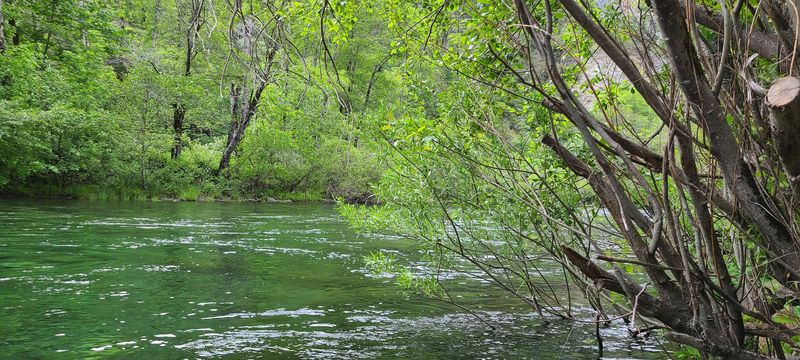
Part of what gives the Smith River such staying power is how different it can feel from one stop to the next while still holding onto the same calm, clear character.
Morning light through the redwoods gives the water a softer green glow, while brighter midday sun reveals the rocky bottom and makes the clarity feel almost unreal.
A quiet pull-off near Highway 199 creates one kind of experience, while time spent near Stout Grove, Craigs Creek, or a wider stretch used for tubing and paddling creates another.
Even after a full day along the corridor, the river rarely starts to feel repetitive because each bend, grove, and pool shows off a slightly different version of the same wild beauty.