9 Remote Wyoming Outposts Strung Along The Continental Divide
Wyoming is a big state, right? And way out there, along the Continental Divide, you’ll find some pretty remote places.
These aren’t your typical towns. Think about small outposts, scattered far apart, where life moves at a different pace.
Getting to them can be an adventure itself. I’m talking about places that really feel like the edge of the map.
It makes you wonder what it’s like to live so far from everything. Let’s take a look at these spots strung out along that famous line dividing the country.
Out here, distance isn’t just measured in miles, but in silence, sky, and the feeling of being completely on your own.
1. South Pass City
Have you ever wondered what it feels like to walk straight into a gold rush dream?
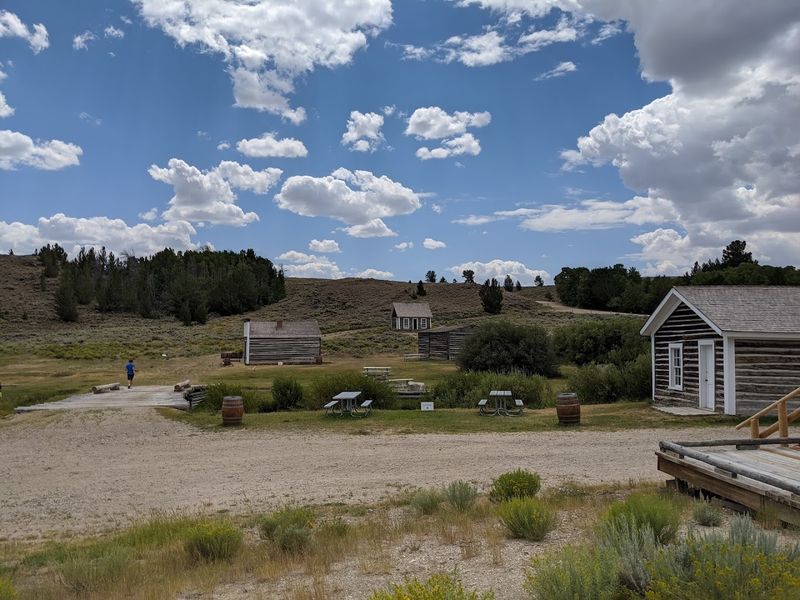
You leave the gravel road behind to enter a town that feels like a historical page. This preserved settlement on the Continental Divide was once a very busy gold mining hub.
It drew thousands of hopeful prospectors westward during the height of the great mining era. Today, the state historic site manages more than thirty original and reconstructed wooden structures.
These include a hotel, a saloon, and a blacksmith shop known as South Pass City. Everything is frozen in time with a dignity that newer tourist attractions simply cannot manufacture.
This location also holds a landmark distinction regarding the important history of American women.
The Wyoming Territory passed the first law in the United States granting women the right to vote in 1869. South Pass City became one of the earliest places where women exercised that right, giving it a meaningful place in that history.
Local residents of South Pass City were among the first to benefit from and support that historic law. The best time to visit is during the warmer months when the site is staffed.
Rangers guide you through frontier life with detail that textbooks never quite seem to capture. At an elevation of nearly 8,000 feet, the air remains crisp even in mid-summer.
The surrounding landscape of sagebrush and peaks makes every photograph look completely effortless. Gold panning remains a popular activity for visitors who want to try their luck.
2. Atlantic City
If you crave a destination where the Old West atmosphere is thick enough to touch, you will love this.
You find a thick atmosphere of the old frontier hidden deep in the high desert. A stagecoach feels like it might roll past as you explore the quiet streets.
Founded during the mining booms, this tiny community sits at a very high altitude. It has managed to hold onto its character through decades of boom and bust.
The permanent population hovers around fifty people, making it one of the state’s smallest towns. Yet, it punches well above its weight in personality, especially at Atlantic City.
The historic Mercantile building still anchors the community and has served locals for generations. The town is located just a few miles away from its neighbor, South Pass City.
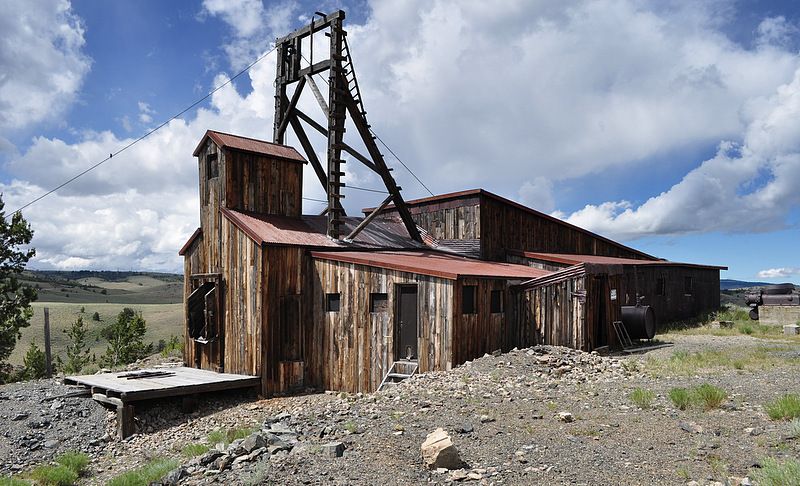
Together they make a compelling loop for anyone exploring this remote corner of Wyoming. Mining relics dot the landscape, and the views toward the mountains are genuinely stunning.
Wildflower season transforms the high meadows into something impossibly colorful against the blue sky. Getting here requires driving unpaved roads, so checking conditions beforehand is a practical habit.
The reward for that extra effort is a community untouched by the modern world’s pace. Locals often gather at the regional tavern to share stories with curious travelers passing through.
3. Wamsutter
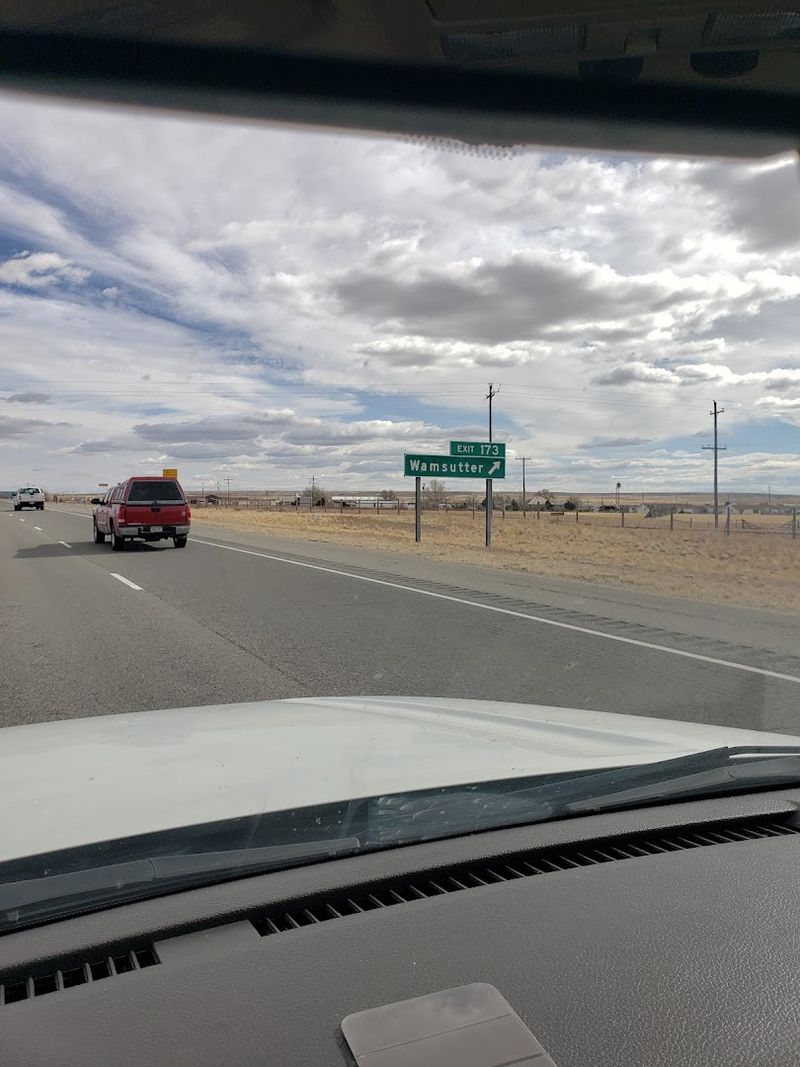
You might be surprised by how the raw power of the wind can turn a simple stop into a memory.
Few destinations on the interstate stop travelers in their tracks quite like this community. This town sits right along the path of the Continental Divide in the high desert.
The wind here is not just weather; it is a permanent and powerful resident. The population fluctuates dramatically depending on the current state of the natural gas industry.
The town’s economy is almost entirely tied to energy extraction from the Wamsutter basin. At its peak during the natural gas boom, the population increased significantly, but it remained a small community compared to other Wyoming towns.
Today it is a fraction of that, but the Red Desert remains underappreciated. It contains the largest unfenced area in the country and supports many wild horses.
You can find pronghorn antelope and a variety of wildlife throughout the vast landscape. The town sits at an elevation of 6,700 feet where the horizon is enormous.
Sunsets here have a quality that is hard to describe without sounding very dramatic. The flat terrain and unobstructed sky create light shows that make photographers stop.
Pulling off the highway gives you a rare chance to feel the unfiltered West. Rock hounds often search the nearby desert for unique geological treasures and fossilized wood.
4. Rawlins
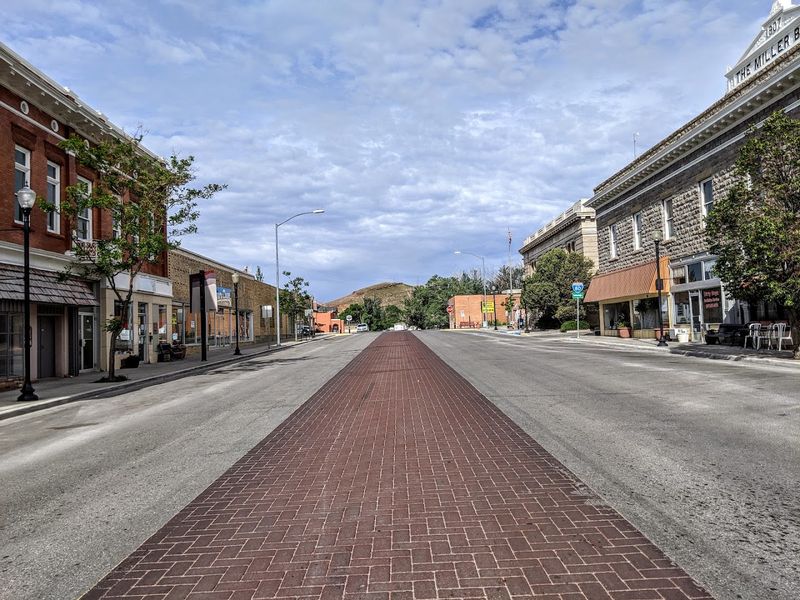
I find that there is a certain honest beauty in a town that has earned its rugged reputation.
As a substantial town in south-central Wyoming, this place has a roughness that feels earned. It began as a railroad stop and grew quickly into a wild settlement.
The old frontier prison is now one of the state’s most visited historic sites. Guided tours walk you through a fascinating chapter of Western justice at Rawlins.
The building is an imposing sandstone structure that sits like a monument to history. The town also serves as a practical base for exploring the surrounding mountain landscape.
It provides access points to the national forest and the scenic Continental Divide trail. Hikers and anglers cycle through town with regularity throughout the warmer summer months.
The high elevation keeps summers comfortable, and the wide-open skies make stargazing exceptional. Local restaurants serve hearty meals that reflect the working-class spirit of the local community.
Downtown has a handful of well-preserved buildings that reward a slow afternoon walk. The combination of history and outdoor recreation makes this an underrated stop for travelers.
Annual summer festivals bring a burst of color and energy to the historic streets.
5. Jeffrey City
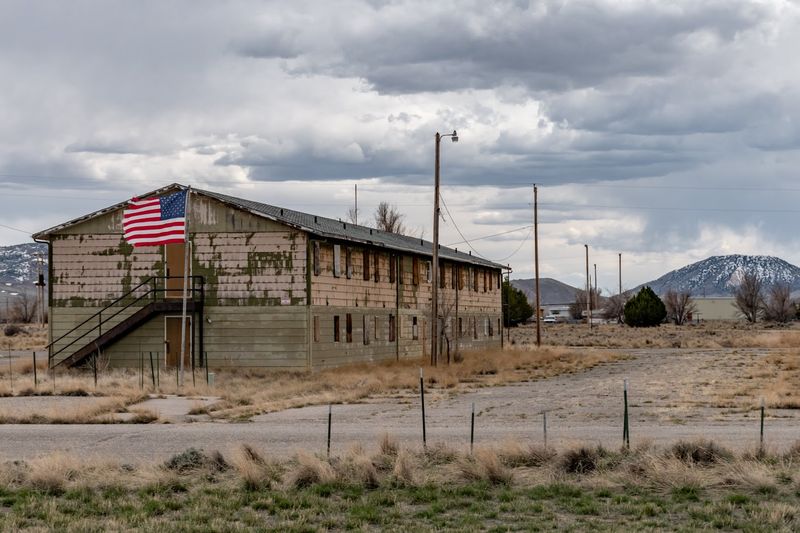
Can you imagine a bustling city of thousands turning into a silent, haunting desert relic?
You notice the silence first when driving through, followed by the sight of empty buildings. This city once housed nearly five thousand people before the local industry suddenly collapsed.
Built around uranium mining, the town boomed hard and then faded just as dramatically. What remains is a haunting landscape of abandoned structures and lots in Jeffrey City.
The population today is estimated at fewer than one hundred residents who chose to stay. The contrast between its current state and its former energy is striking to see.
A small bar and a community church still operate as anchors for the residents. Occasional outdoor recreation use has brought some renewed attention to the area in recent years.
Riders appreciate the remote terrain and the wide-open views of the high desert landscape. The surrounding plains offer sweeping views toward the distant mountains and the rolling hills.
Pronghorn antelope are a near-constant presence on the landscape surrounding the quiet town. This is not a polished tourist experience, which is precisely why it is worth stopping.
The raw honesty of a place that faded without apology is a powerful story. Artists often visit the town to capture the evocative beauty of its decaying architecture.
6. South Pass
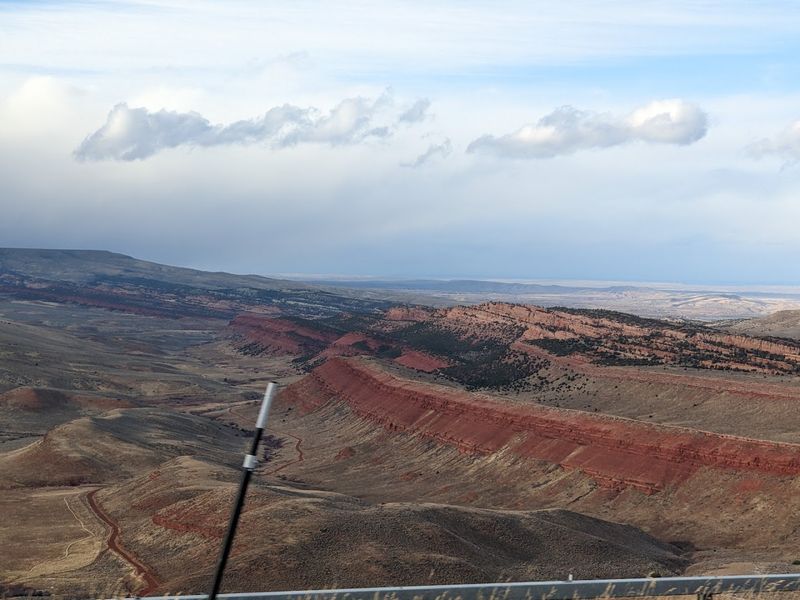
Did you know that this gentle slope was once the most vital gateway to the American dream?
This was one of the most important geographical points long before roads were paved. This broad crossing became the primary route for westward migration in the nineteenth century.
It served those on the Oregon, California, and Mormon trails during that busy era. Hundreds of thousands of pioneers crossed through this gateway to settle the American West.
The landscape looks remarkably similar to the original views when you stand there today. The crossing point is marked by a modest monument known as South Pass.
The surrounding terrain is open, windswept sagebrush country that stretches in every direction. The scale of the landscape explains why this particular route was so highly valued.
The grade is gentle enough that wagons could cross without facing any significant difficulty. It is accessible by paved and gravel roads near the state historic site nearby.
Interpretive signs along the route help connect the physical landscape to the human stories. Few places carry this density of historical significance within a single square mile area.
You can still see faint wagon ruts carved into the earth by thousands of travelers.
7. Pinedale
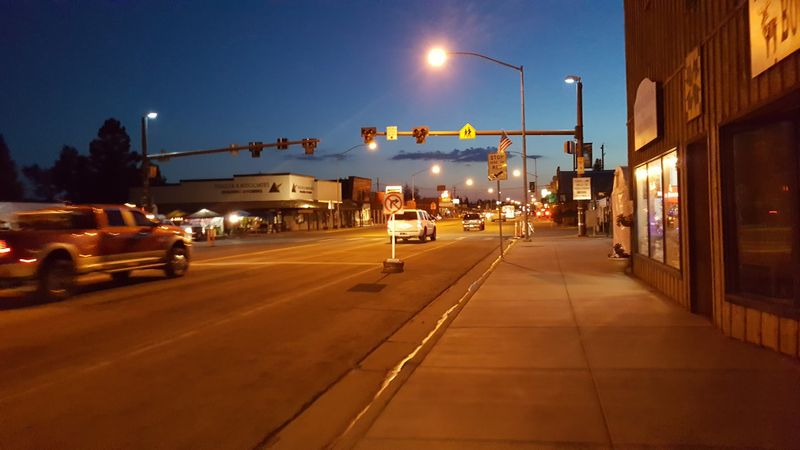
If you are looking for the perfect mountain escape, these spectacular peaks are calling your name.
This town occupies one of the most beautiful positions of any small Western community. It sits beside the Continental Divide and serves as the gateway to the mountains.
These mountains contain some of the most spectacular wilderness terrain in the entire country. The range holds more than a thousand lakes and numerous peaks over thirteen thousand feet.
It is the logical starting point for any serious backcountry adventure near Pinedale. The local history museum is a dedicated site that focuses on the fur trade.
It covers the era when this specific part of the state was a trapping center. An annual rendezvous celebrates that history with living demonstrations and a very festive atmosphere.
Fishing on the nearby rivers draws anglers from across the country for the season. The area’s lakes offer exceptional conditions for both fly fishing and backcountry paddling trips.
Wildlife is abundant throughout the region, with moose and elk regularly spotted near town. The town has a genuine warmth that outdoor-focused communities sometimes lose as they grow.
It manages to stay welcoming without feeling overrun by the modern tourist crowds. Winter brings a different magic with snowmobiling and cross-country skiing through the silent forests.
8. Lander
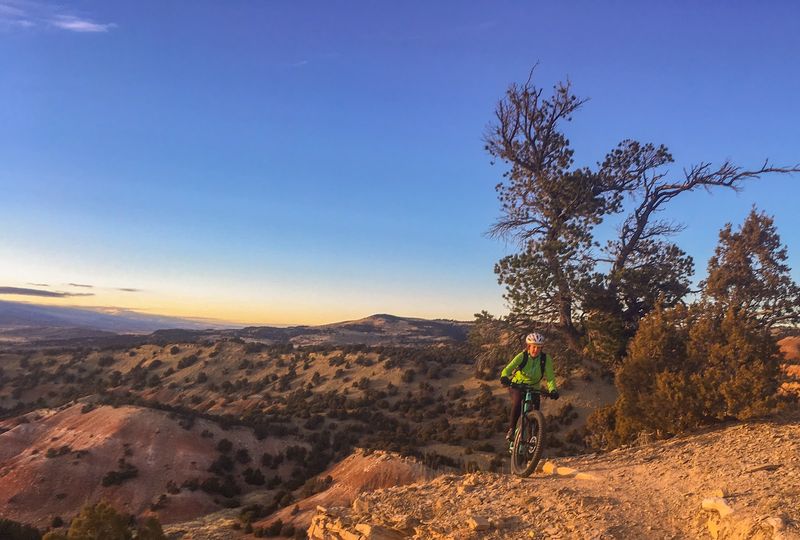
Have you ever felt the magnetic pull of a mountain town where the spirit of adventure is woven into every street corner?
This community sits at the base of the Wind River Range and offers some of the best scenery in the state. You find a perfect blend of high-desert plains and rugged alpine peaks just outside the town of Lander.
The area was originally a popular site for military outposts and early pioneers traveling along the historic trails. It has since become a popular destination for rock climbers and outdoor enthusiasts.
You can explore the nearby Sinks Canyon State Park where a river mysteriously vanishes into a limestone cavern. The downtown area features red-brick buildings that house local breweries, gear shops, and cozy western cafes.
Rich history is preserved at the local museum which documents the lives of early trappers and indigenous tribes. Thousands of visitors gather every summer for one of the oldest and most famous rodeo celebrations in the West.
The town serves as a vital supply point for hikers preparing to enter the deep wilderness of the nearby mountains. At an elevation of about 5,300 feet, the climate is remarkably mild compared to the higher mountain passes.
You will notice a strong sense of community pride as locals work to preserve both their frontier heritage and natural beauty. This stop provides a comfortable and authentic base for anyone wanting to experience the true heart of Wyoming.
Bronze statues of cowboys and pioneers stand proudly along the main boulevard, reminding everyone of the town’s rugged roots.
9. Alcova
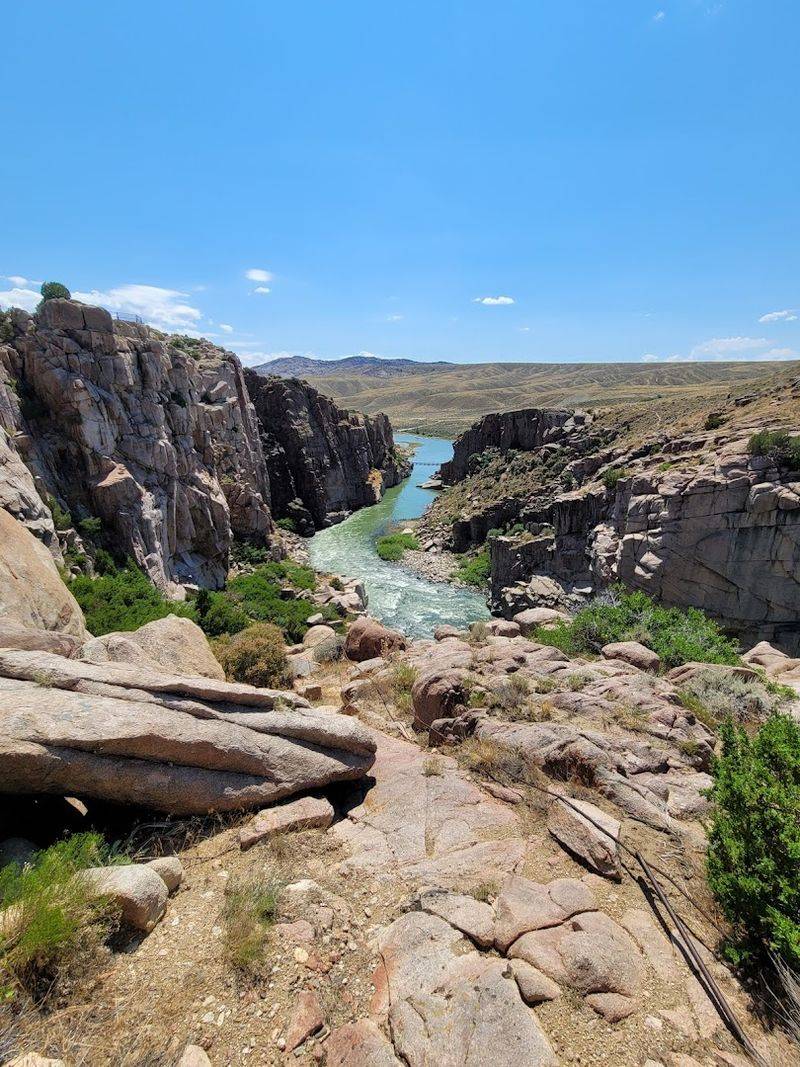
Have you ever seen a desert landscape carved into a masterpiece of red rock and water?
This area near Casper looks like it was carved with a flair for drama. A reservoir created by a dam transformed this stark terrain into a recreation hub.
It draws boaters, anglers, and campers throughout the warmer months to Alcova. The surrounding geology is extraordinary, featuring ancient red rock formations and canyon walls.
The color palette shifts from orange to purple depending on the angle of light. Fremont Canyon is a popular destination for rock climbers who test their skills here.
They climb canyon walls that rise steeply above the river below the dam. Fishing in the reservoir is productive year-round for several species of trout and walleye.
Ice fishing draws a dedicated crowd in winter when the landscape turns very quiet. The small community is minimal, consisting of a marina and some seasonal residence cabins.
Petroglyphs left by ancient inhabitants can be found in the nearby rock faces today. This location rewards travelers who slow down long enough to notice the hidden details.
Sunset boat tours offer a spectacular way to view the glowing canyon walls from the water.