The Reason Behind This Forgotten North Florida’s Suwannee River Town’s Timeless Reputation
There’s this little town on the Suwannee River that most people have probably never heard of. It’s easy to miss if you’re just passing through.
For some reason, it’s got a reputation that sticks around.
I always wondered why people talk about it like it’s frozen in time.
Maybe it’s the old buildings, or the way everyone seems to know each other. Or maybe it’s just the river itself, winding by like it always has.
Whatever the reason, this forgotten North Florida spot has a story, and I wanted to find out what makes it so special.
A Town Built On Springs
The history here predates modern resorts. It begins with ancient natural features that once drew travelers across vast distances.
Long ago, people sought out the unique bubbling waters emerging from limestone beds. This specific site, known as White Springs, became a focal point for those pursuing wellness.
Health seekers in the mid-1800s believed these mineral currents held restorative powers. Lodging houses and scenic walkways emerged to support the growing crowds.
During that period, the destination welcomed many guests annually. It remains one of the early vacation spots in the entire region.
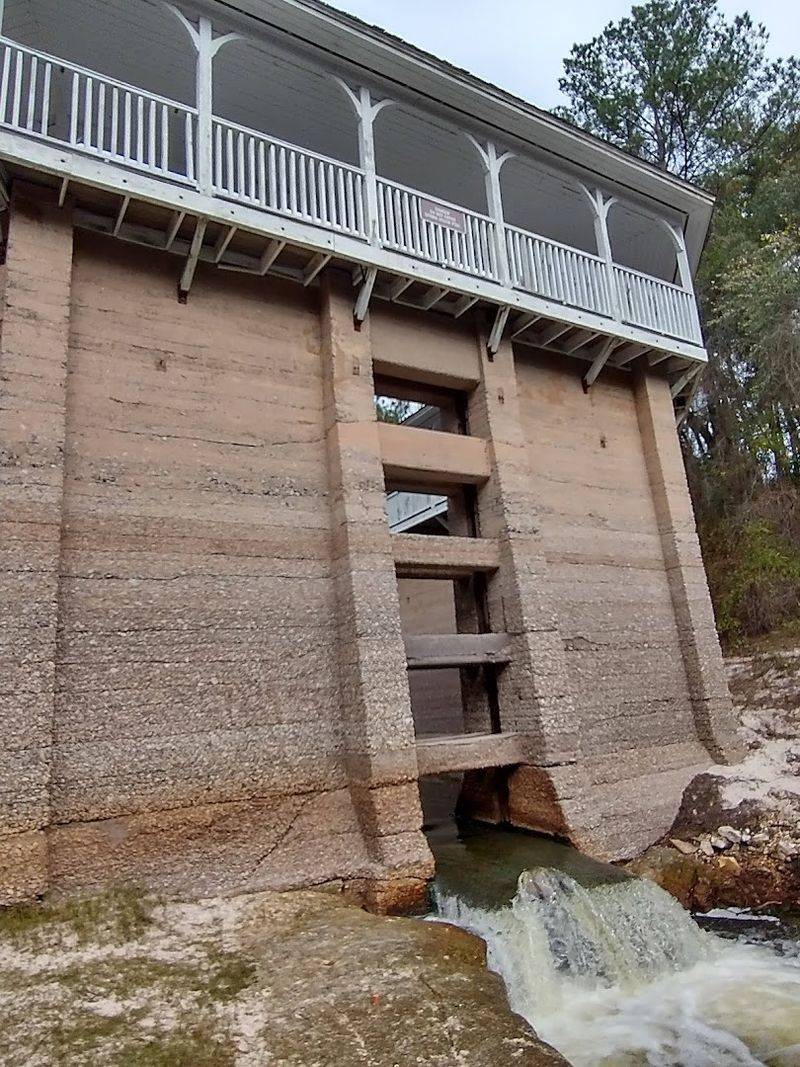
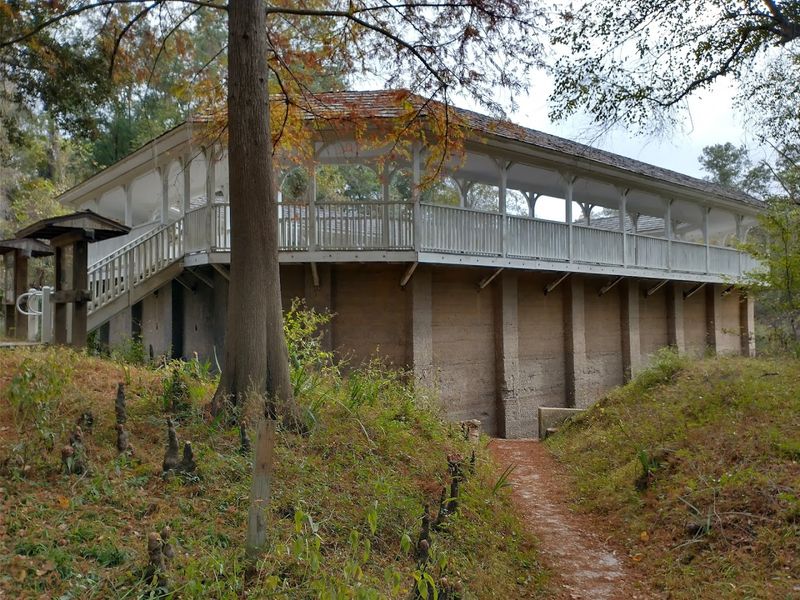
A concrete basin marks the spot where the liquid formerly surged from a steep bluff. You can discover this historical landmark nestled within the local state park.
Though the original structures have vanished, the stone foundation persists today. Standing at the brink allows a clear view into the depths below.
Exploring this area is equivalent to discovering a hidden chapter of local heritage. The blend of environmental wonder and human drive is quite interesting.
Each corner of the community gains significance once you grasp its origins. The past remains visible in every shadow and stone.
Stephen Foster’s Legacy
Musical notes often define a place. Can you believe the man who made this river famous likely never stood upon its banks?
Most individuals recognize the melody “Old Folks at Home” immediately. Stephen Foster referenced the Suwannee River in his composition, though he never visited it.
The composer selected the name from a geographical chart in 1851. He chose it simply because the syllables matched his rhythmic needs.
Despite this unusual origin, the town embraced the song as its own. A dedicated cultural center now honors his impact on the nation’s arts.
The park serves as a tribute to the melodies that shaped an era. It has grown into a known landmark for visitors and residents alike.
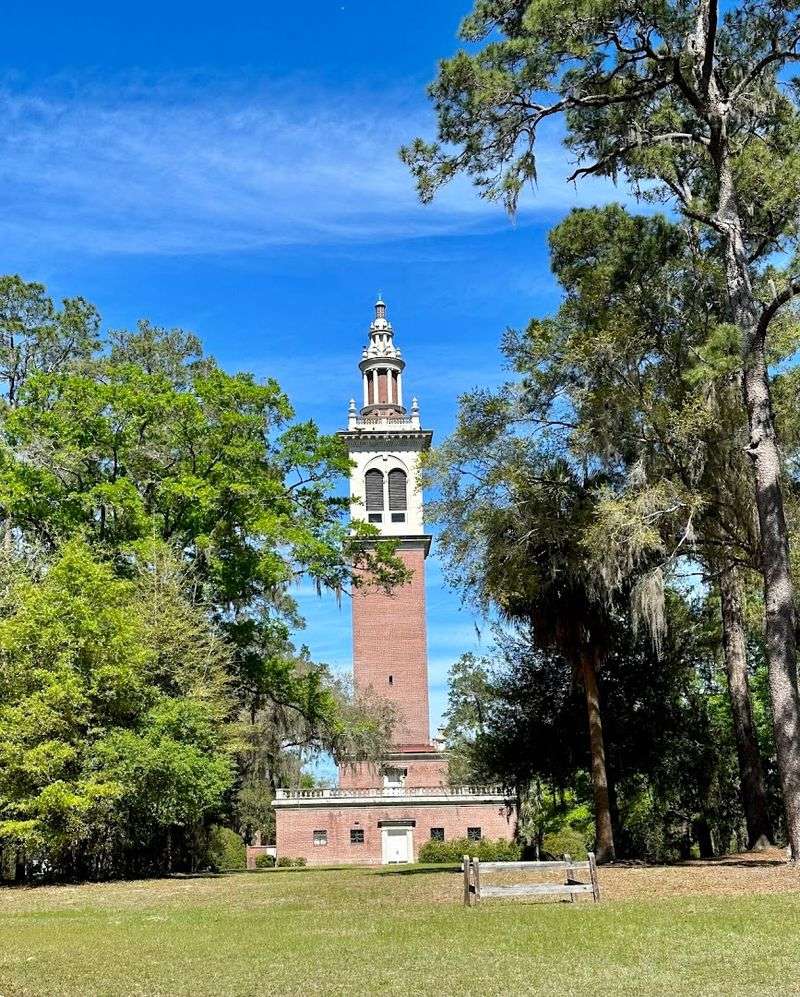
A massive tower housing ninety-seven bells serves as the primary attraction. These carillons broadcast familiar tunes throughout the afternoon air.
Hearing those sounds drift through the old trees is a distinct experience. The music creates a lasting impression that follows you home.
A museum on the property details the life and works of the artist. It includes various displays that illustrate the traditions of the deep south.
The grounds feature wide walkways that trace the edge of the high bluff. These paths provide expansive views of the dark waters winding underneath.
The site offers a journey for those fascinated by cultural myths. It bridges the gap between historical fact and artistic legend.
The Suwannee River View
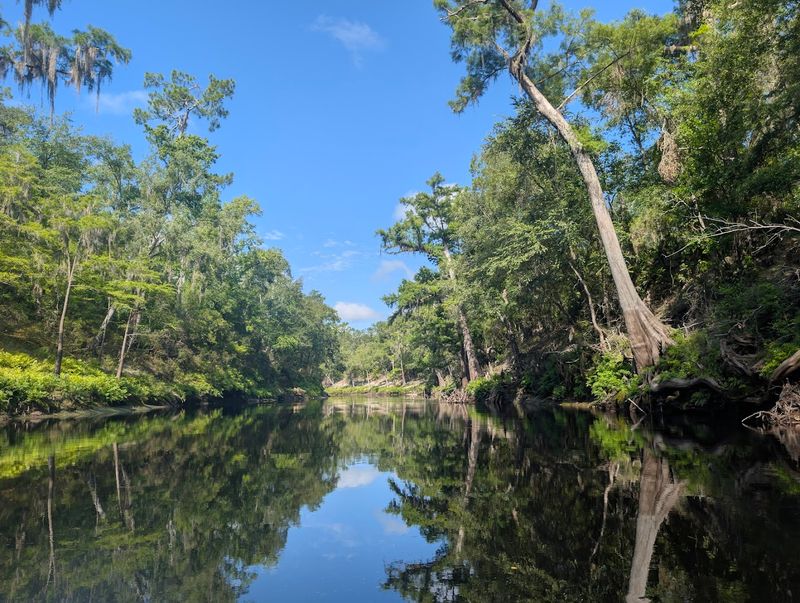
The water possesses an unusual appearance. I was surprised by how the dark amber hue creates such a somber atmosphere.
Tannins from the surrounding cypress and oak trees naturally tint the flow. This creates a mirror-like surface reflecting the overhanging branches.
The current travels at a leisurely pace toward the distant Gulf. It seems entirely unconcerned with the passage of time.
Looking out from the high banks, the vista reveals a wide curve. Morning mist frequently blankets the surface in thin layers.
The setting encourages a slow pace and quiet reflection. It is an environment for those seeking a momentary escape.
Enthusiasts often utilize the marked paddling trails for exploration. Navigating the stream by boat is a way to see the wilderness.
Local providers offer equipment for those wishing to venture onto the water. The gentle movement makes it accessible for people of all talents.
Wildlife is prevalent along the muddy shorelines. You might spot long-necked birds or otters playing in the reeds.
Softshell turtles frequently bask on fallen logs during the warmer hours. Migratory species also arrive in the colder months for a seasonal stay.
Florida Folk Festival
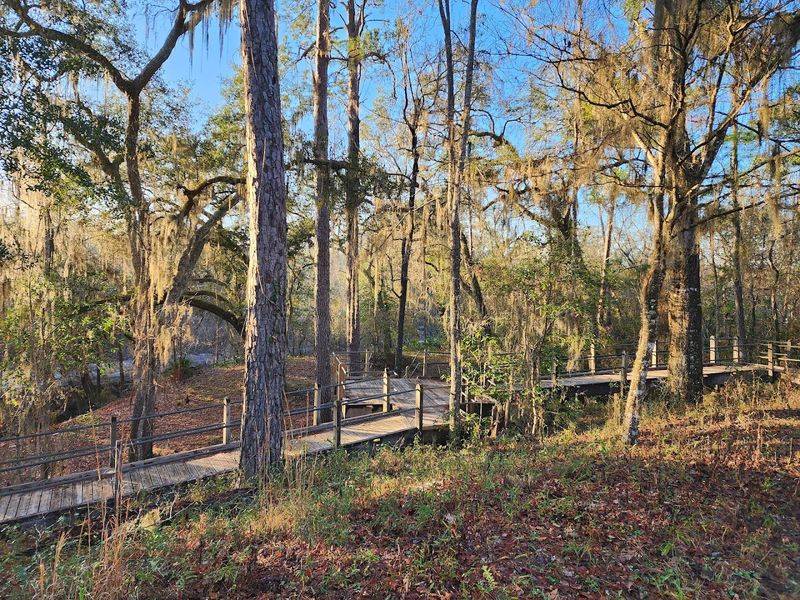
Every May brings a sudden transformation to the area. Have you ever seen a quiet town turn into a stage for heritage?
Many guests arrive at the park grounds during the holiday weekend. They come to attend one of the old acoustic events in the country.
Performers and artisans gather across various stages under the canopy. They share skills that have been passed down through many generations.
The schedule includes everything from fiddle tunes to traditional chanting. It represents a spectrum of the diverse cultures found nearby.
The gathering prioritizes accuracy and respect for the original art forms. Many participants have practiced their specific crafts for their entire lives.
The environment feels more like a communal archive than a standard show. It offers a glimpse into the soul of the region.
I spent hours moving between different demonstrations and musical sets. Watching the singers and dancers was a way to spend the day.
Regional snacks are available from various local vendors on site. The audience includes everyone from small children to the elderly.
The atmosphere makes the weekend feel like a large family reunion. It is an appropriate time to schedule a trip to the community.
Small-Town Character
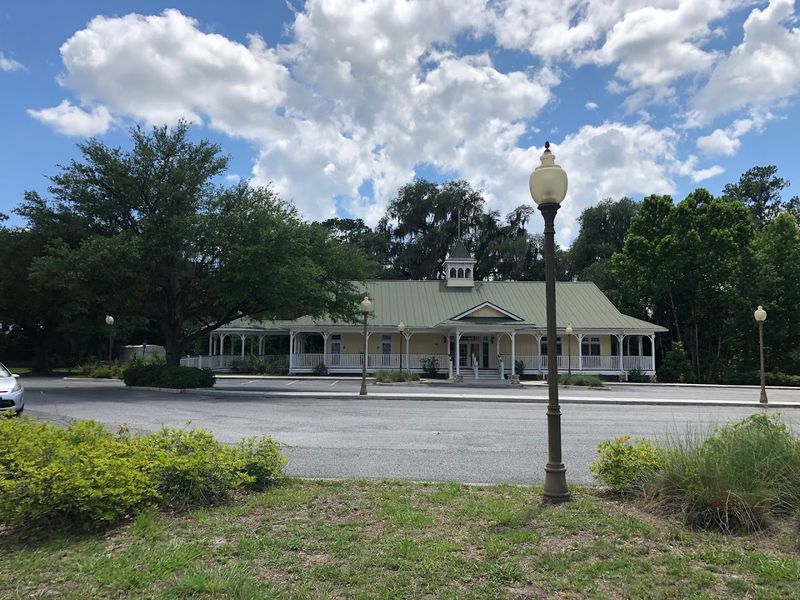
Life moves at a different speed on these streets. I was surprised to find a place where the clock seems to have stopped.
The downtown district is compact and easy to navigate without a vehicle. You can explore the central area in a short time.
Vintage architecture defines the primary roads of the village. Most of these structures date back to the late nineteenth century.
Some buildings remain in good condition while others show their age. Each one stands as a witness to the town’s former wealth.
The residents are welcoming and move without any sense of urgency. They possess a kindness that feels natural and unforced.
I stopped at a local eatery and spoke with a resident for a long time. We discussed the challenges of maintaining a small community in the modern age.
The pride they feel for their home is evident in their words. There is a collective desire to protect the atmosphere they have built.
The slow rhythm of the day is a primary draw for many visitors. It offers a grounded perspective that is often missing from busy hubs.
Northern parts of the state have a character all their own. This village captures that specific essence well.
It is a place where conversation is more important than a schedule. You will leave feeling connected to the world around you.
Nature Trails Nearby
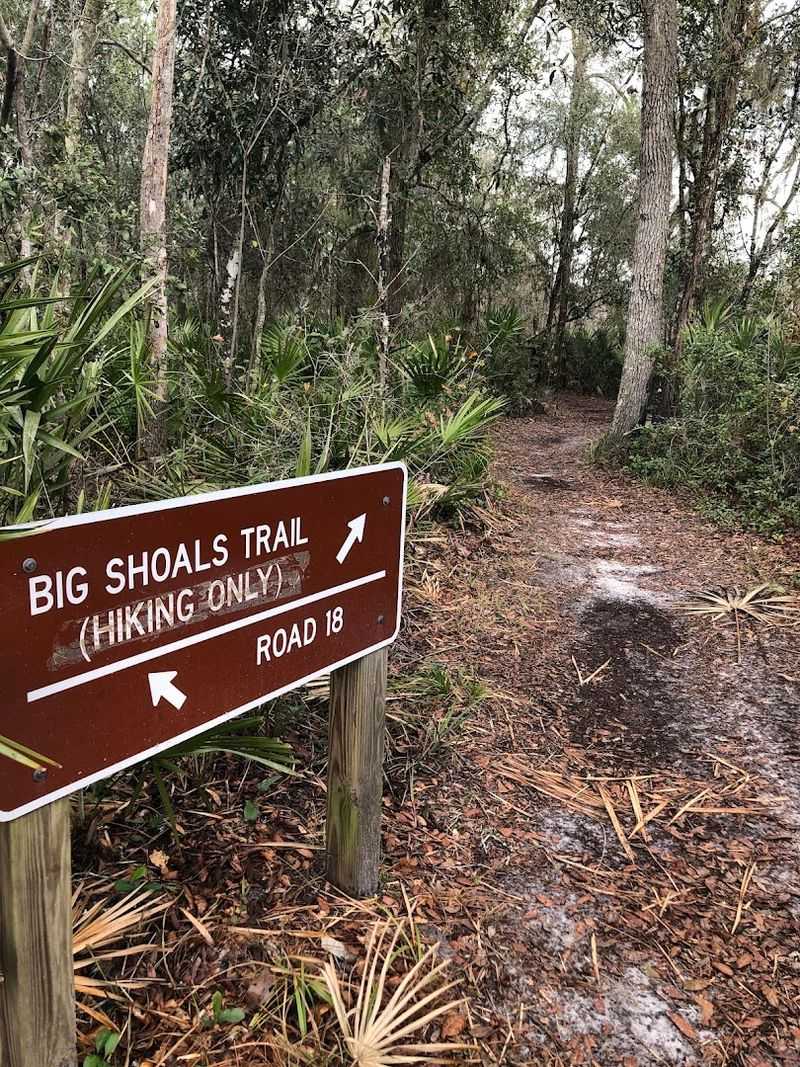
Adventure seekers find opportunities in the surrounding woods. The landscape offers variety compared to the typical flat terrain of the south.
A network of protected territory surrounds the local borders. This includes national forests and various conservation zones for wildlife.
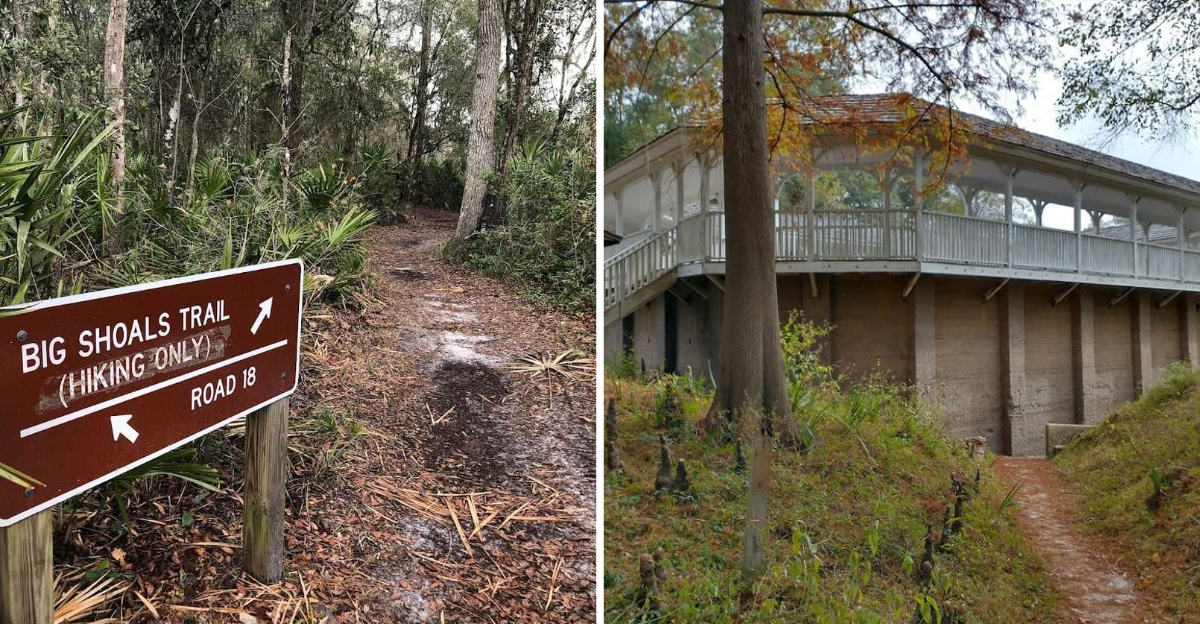
A short journey leads to the Big Shoals area. It features whitewater sections found within the state.
The river drops over a shelf of stone to create turbulent rapids. This phenomenon is rare for such a low-lying geographical region.
Walking paths wind through the pine forests and sandy flats. The ecosystem supports a variety of plants and animals.
Gopher tortoises are spotted near the edges of the trails. Birdwatchers will find the area useful throughout every season.
Anglers also frequent the banks to test their luck in the deep water. The stream is known for various species of bass and catfish.
The lack of development ensures a quiet experience for everyone. You can find a secluded spot to enjoy the silence.
The scenery feels rugged and honest rather than a polished attraction. It provides a change for those tired of theme parks.
Spending time outdoors here is satisfying for the soul. The Florida wilderness remains largely untouched by the hands of progress.
History Worth Knowing
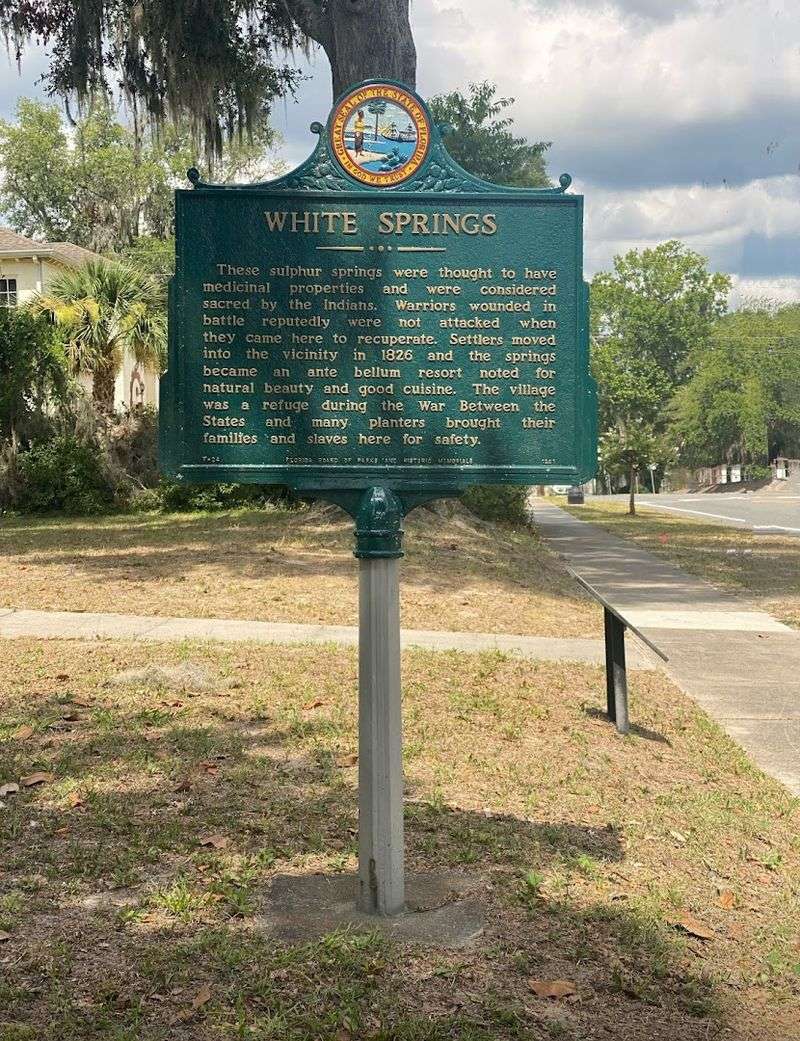
The story of this land goes back centuries. Indigenous tribes recognized the value of the water long ago.
They considered the site a place of importance for its natural properties.
By the 1800s, the location had transformed into a resort community. Families traveled from neighboring states to enjoy the social scene.
The arrival of the tracks late in the century changed everything. It made the destination accessible to a broader audience of travelers.
New businesses flourished and the population reached a high point. The reputation of the town spread across the southern border.
The decline started as a shift in public opinion. Medical views changed and the allure of mineral baths began to fade away.
Economic hardships during the thirties further impacted the local fortune. By the middle of the century, the resort era had concluded.
Today, the community has found a balance with its past. Residents do not live in the shadow of what used to be.
Historical layers remain visible for those who take the time to look. You can see it in the porch architecture and the old brick walls.
The heritage of this Florida area is not just a show for outsiders. It is a reality that defines the current spirit of the place.
Planning Your Visit
Reaching this destination is a simple task. The village is situated near a major interstate that connects the northern and southern regions.
A trip from the nearest large city takes about ninety minutes. Other nearby hubs are less than an hour away by car.
The appropriate months for a trip are during the spring or autumn. The weather is mild and the foliage is visible.
Summer heat can be intense in this part of the country. High humidity makes the shade of the riverbanks a necessary retreat.
Places to stay within the town limits are scarce. Most travelers choose to lodge in the neighboring city a short distance away.
The state park requires a payment for entry at the gate. It remains open from early morning until the sun sets each day.
Pack sturdy footwear and plenty of fluids for your exploration. This Florida environment rewards those who are willing to take their time.
There is no need to rush through a list of chores or activities. The experience is about slowing down and observing the small details.
This detour is for those who appreciate resilience in a place. It is a journey that will stay with you for a time.
White Springs provides a quiet alternative to the typical vacation. It is a corner of the world that values peace over speed.
The memories of the amber water and the bells will remain. It is the kind of trip that changes your perspective on the region.