This 17-Acre North Carolina Destination Feels Like Its Own Small World
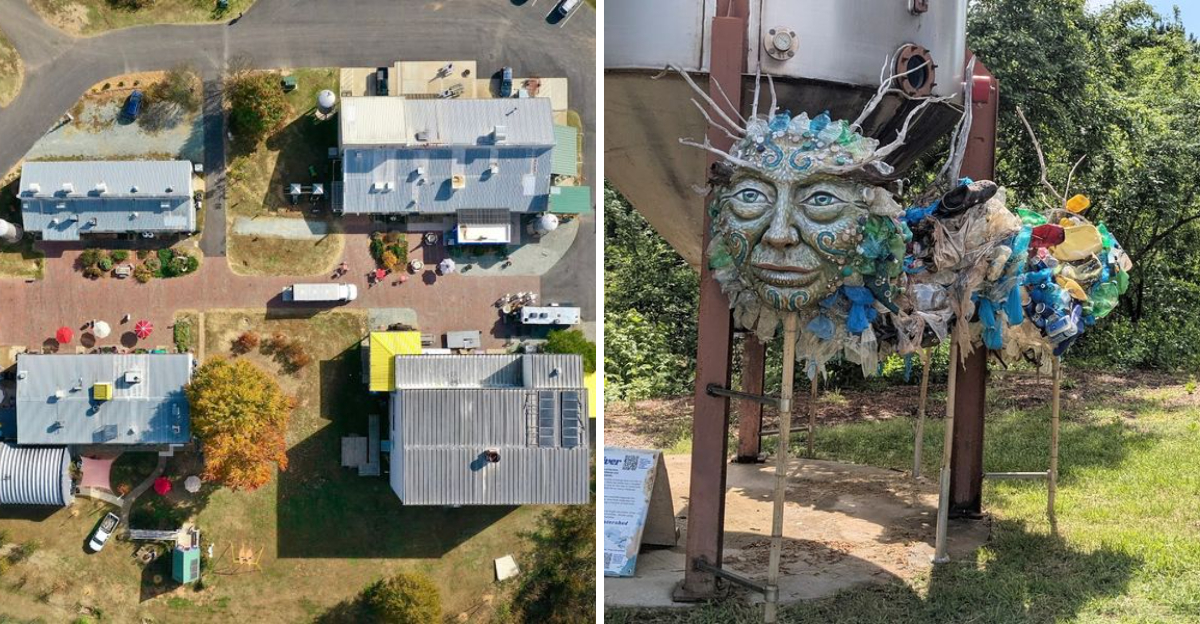
Regular errands do not usually spiral into art, live music, great food, and the strong possibility of losing track of time on purpose.
Pittsboro has one North Carolina spot that feels like someone tossed a farmers market, a festival, a creative workshop, and a very good lunch plan into the same wonderfully odd experiment.
One turn brings another small business, another surprise, and another reason to keep wandering like you have nowhere else to be.
Weird in the best way and funny without trying too hard, this place makes an ordinary afternoon feel like it accidentally got upgraded.
The Food And Drink Scene
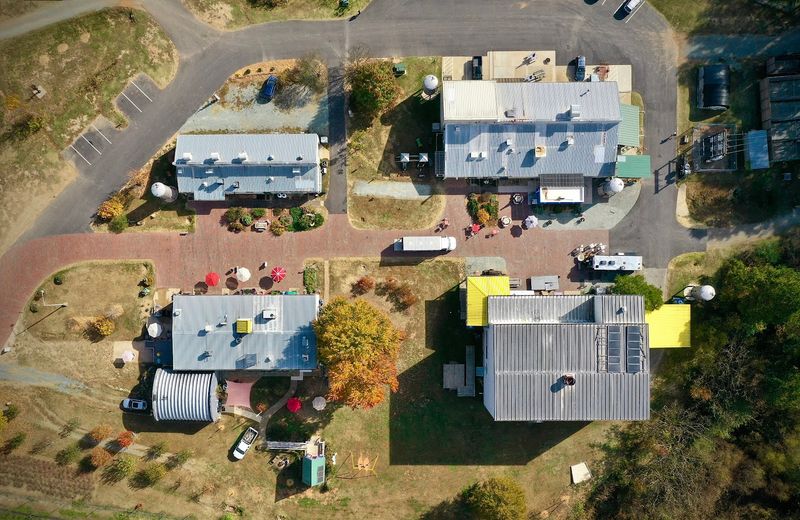
Food gives The Plant much of its identity, and at 220 Lorax Lane, Pittsboro, NC 27312, that part of the campus feels broad enough to stand on its own. Official business listings show a lineup that includes, Vortex Roasters, Kingston 99 Kitchen, Ta Contento, and Metal Brixx Café, which means one meal choice can quickly become several stops across the same grounds.
Instead of relying on one restaurant to define the destination, the campus creates a small food-and-drink ecosystem where coffee, casual bites, and multiple culinary styles all live side by side. Variety like that changes the pace of a visit.
Different people can follow different cravings, then regroup without anyone feeling boxed into a single menu or timetable. Public-facing descriptions also tie the property to sustainability, local economy, and community, which helps the whole dining experience feel rooted rather than random.
Eating here does not come across as a detached add-on to the rest of the site. Meals, drinks, and browsing all seem to feed into the same larger habit of lingering, grazing, and deciding to stay longer than expected.
Live Music Under Open Skies
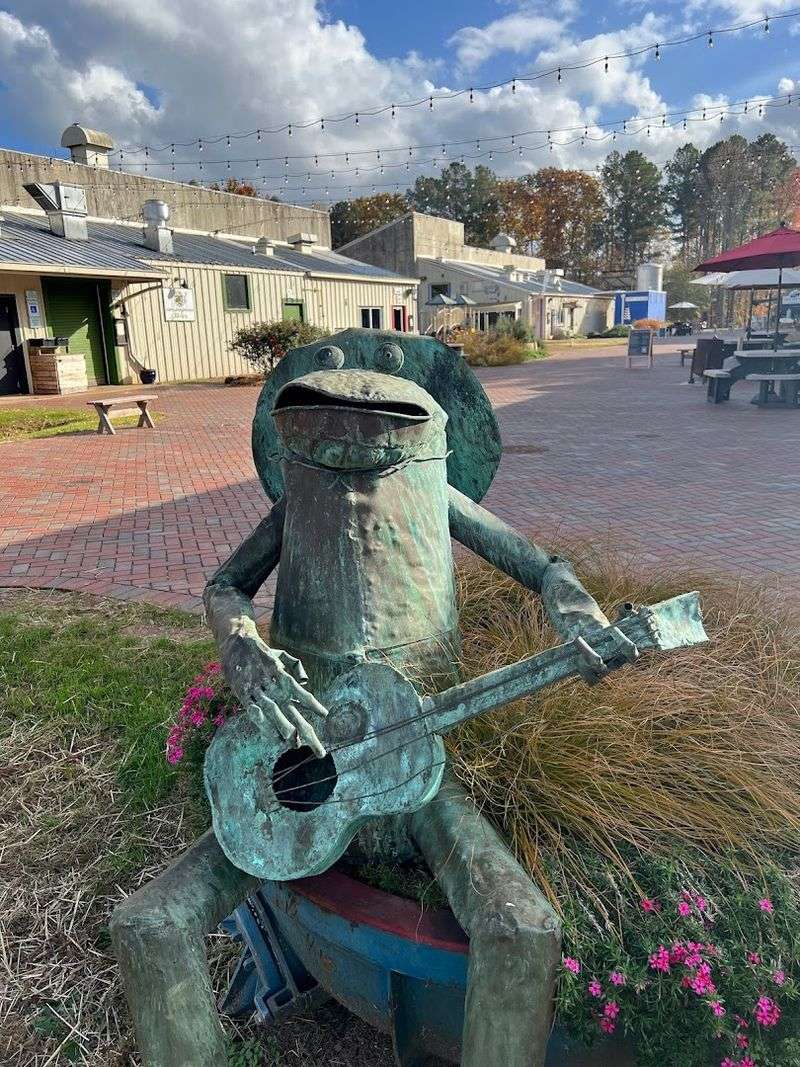
Music gives the campus a pulse that is hard to miss, and the official events pages make clear that live performance is a regular part of what happens here rather than a once-in-a-while bonus. Current 2026 listings include repeated performances such as The Velvet Beat, Popcorn Blue Band, and Qwister, all scheduled right at The Plant in Pittsboro.
Once music moves across open ground, the whole visit changes shape. People settle in more slowly, conversations run longer, and a meal or drink starts to feel like part of a larger gathering instead of a quick transaction.
Outdoor concerts work especially well in a place like this because they blend with the rest of the campus rather than pulling everyone into one fixed box. Guests can drift toward food, circle back toward the stage, wander off again, and still feel connected to the same event.
Pittsboro’s creative streak gives that atmosphere an even better home, and The Plant seems built to amplify it with enough open space and enough supporting businesses to keep the energy going. Live music here is not merely entertainment on the schedule.
It is part of the reason the property feels alive.
Axe Throwing Adventures
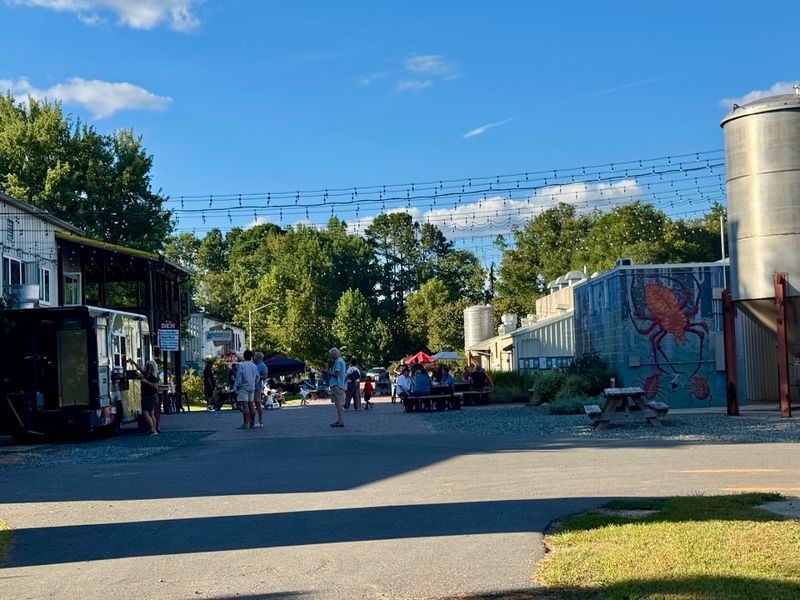
Unexpectedly, one of the clearest signs that this place refuses to behave like a standard day-trip stop is the presence of axe throwing right on site. Official Plant information says visitors can throw axes here, which immediately sets the campus apart from places content to offer only food, drinks, and passive browsing.
Activities like that matter because they shift the mood. One group may arrive planning to eat and listen to music, then end up building part of the day around friendly competition instead.
That kind of surprise is a big reason the property feels so layered. A destination becomes more memorable when it offers something slightly rougher, louder, and more playful than expected, especially in the middle of a campus already shaped by cafés, breweries, markets, and art.
Axe throwing fits the larger spirit of The Plant because the place seems to encourage visitors to follow curiosity rather than stick to one tidy plan. Nothing about the setup suggests a carefully controlled single-track outing.
Instead, the campus feels designed for detours, and this is one of the most entertaining ones. Once a property can hold that many moods at once, from relaxed to energetic, it starts to feel much bigger than its acreage alone would suggest.
The Art Gallery Experience
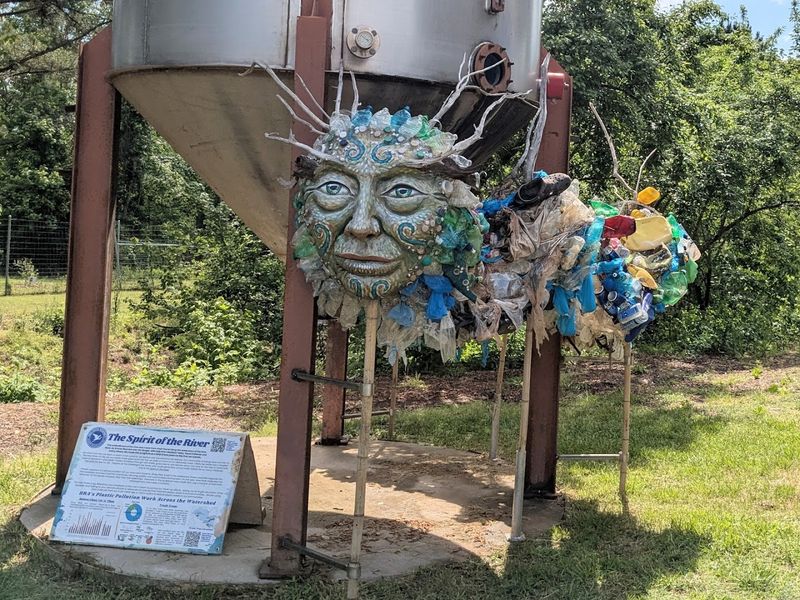
Art gives The Plant one of its quieter strengths, and that quieter side matters because it keeps the entire visit from moving at only one speed. Public site pages point to Smelt Gallery and an Art Walk as part of the campus experience, showing that visual art is woven into the property rather than tacked onto it as decoration.
A place starts feeling like its own ecosystem when music, food, and gallery space all live together naturally. Someone can move from a lively outdoor area into a more reflective indoor stop, then drift back out into the crowd with a completely different mood.
That kind of shift makes the whole campus feel more textured. Pittsboro already has a strong connection to artists and makers, so this part of The Plant reads as an extension of local culture rather than a marketing trick.
Visual art also strengthens the feeling that wandering here has rewards beyond the obvious ones. A visitor may come for lunch or an event and end up standing in front of work that changes the pace of the day entirely.
Cultural layering like that is one of the reasons the property feels so complete. Not every destination knows how to make energy and calm coexist, but this one seems to manage both without much strain.
Eco Education
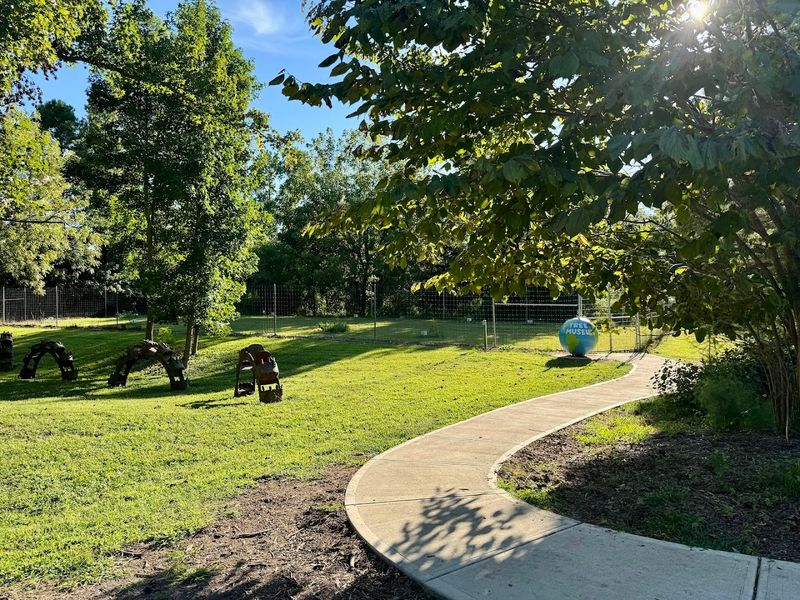
Education adds another dimension to the campus, which helps The Plant feel richer than a place built only for amusement. Official event pages for Hemparoo 2026 describe a day centered on hemp, vendors, live music, and learning about the plant’s many uses, while the broader site description frames The Plant as an eco-industrial village shaped by sustainability, local production, and creative reuse.
Programming like that matters because it gives the property intellectual texture. Visitors are not only eating, shopping, and listening.
They are also stepping into a space where agriculture, materials, and environmental thinking have a visible place. A hemp-centered event or tour fits naturally with the rest of the campus because food, local business, outdoor gathering, and eco-minded ideas already overlap here.
Someone might arrive for the festival atmosphere and leave with a deeper understanding of farming, sustainability, or regional production than expected. Depth of that kind lingers longer in memory than entertainment alone usually does.
The Plant seems strongest when it gives people more than one reason to stay engaged, and education is part of that equation. Once a destination can teach, feed, entertain, and surprise in the same afternoon, it begins to feel much less like a venue and much more like a small world with its own logic.
Saturday Morning Market On-Site
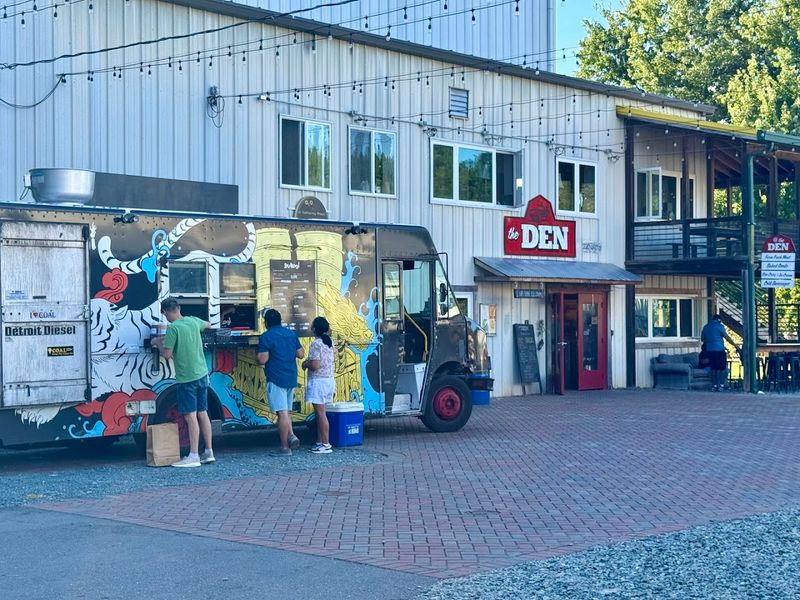
Markets bring a weekly kind of life to the property, and official event pages show that The Plant hosts recurring vendor-centered programming rather than relying only on large seasonal festivals. Current 2026 listings include a Saturday Morning Market held every third Saturday, complete with local vendors, entertainment, food, drinks, and extra activities such as tours and performances.
Recurring market culture matters because it gives the campus a rhythm people can return to regularly. Visitors can grab coffee, browse handmade goods, talk with growers or makers, then fold the rest of the property into the same outing without changing locations.
Shopping here feels more personal than ordinary retail because markets naturally invite conversation and curiosity. Buyers are not just scanning shelves.
They are meeting the people behind the goods and drifting between stalls in a setting that feels social rather than transactional. That atmosphere supports the larger identity of The Plant beautifully.
Food, art, live music, and outdoor gathering already create a sense of shared experience, and market programming strengthens that by keeping local producers visible within the same space. A place begins to feel lived in when commerce and community overlap this comfortably, and that is exactly what this campus seems to achieve.
Festival Culture And Community Events
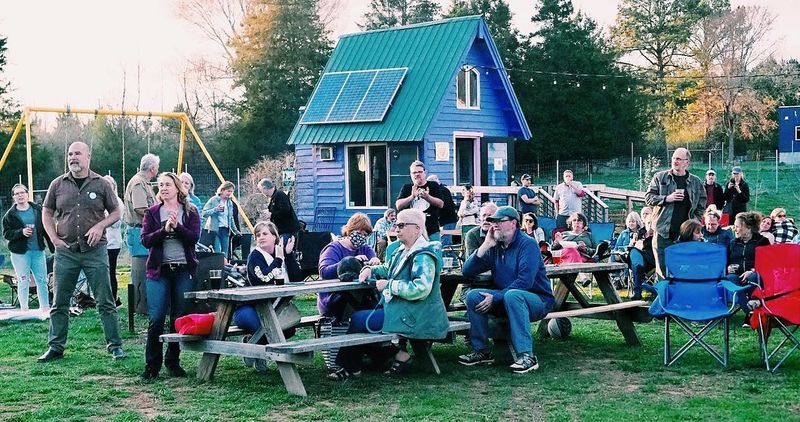
Festivals may be the strongest proof that The Plant runs on its own calendar and its own personality rather than functioning as a static attraction. Official 2026 pages list a packed lineup that includes Strawberry Social, Blackberry Festival, Blueberry Bonanza, Chatham Tomato Festival, Just Peachy Festival, Pepperfest, Green Wood Wrights Festival, Mardi Gras at The Plant, and PRIDE @ The Plant, among others.
A schedule like that does more than fill weekends. It creates returning traditions, shifting crowds, and different versions of the same property across the year.
One visit might revolve around fruit season, another around mead, another around woodworking, another around community celebration and live performance. That constant reinvention is a huge part of why the place feels like its own small world.
The Plant is not waiting for guests to bring all the meaning with them. It is actively generating reasons to return, and those reasons keep changing with the seasons.
Places with that kind of recurring public life start feeling more like communities than destinations. Event culture here does not sit on top of the campus.
It flows through it, making each return visit feel connected to the same place while still giving people something genuinely new.
Walking Trails And Native Nursery
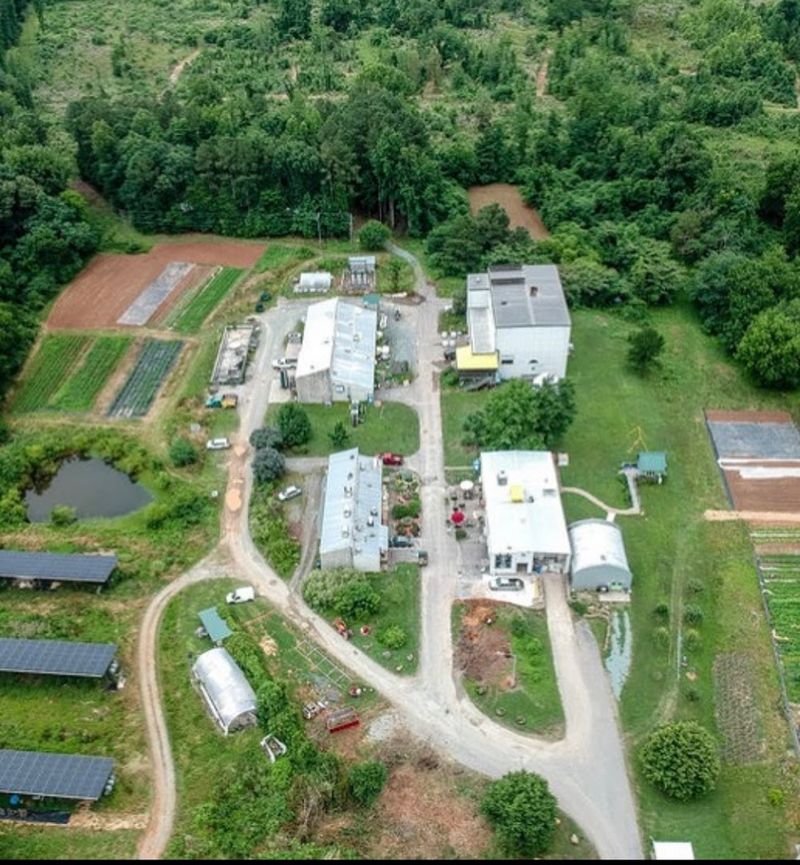
Wandering may be the least flashy feature on paper, yet it is one of the most important reasons the whole place works. Public descriptions present The Plant as a 17-acre campus with nature woven into the experience, and the about page specifically mentions a native plant nursery alongside trails, gathering spots, and plenty to explore.
Space changes everything at a destination like this. Compact venues can offer one good thing after another, but they rarely give visitors the same feeling of discovery that comes from turning a corner and finding another reason to linger.
Here, room to roam makes the campus feel loose, breathable, and full of possibility. Trails and nursery spaces also give the property a quieter side, which is important in a place already rich with music, festivals, and food.
Guests can step away from crowds, slow the pace, and reconnect with the landscape before drifting back into the busier parts of the grounds. That balance between stimulation and calm is one of the clearest reasons The Plant feels complete.
Exploring it does not require a strict route or a tight schedule. Roaming is part of the point, and the property seems designed to reward exactly that kind of curiosity.