Inside The California Museum Bringing Rare Railbus History Back To Life
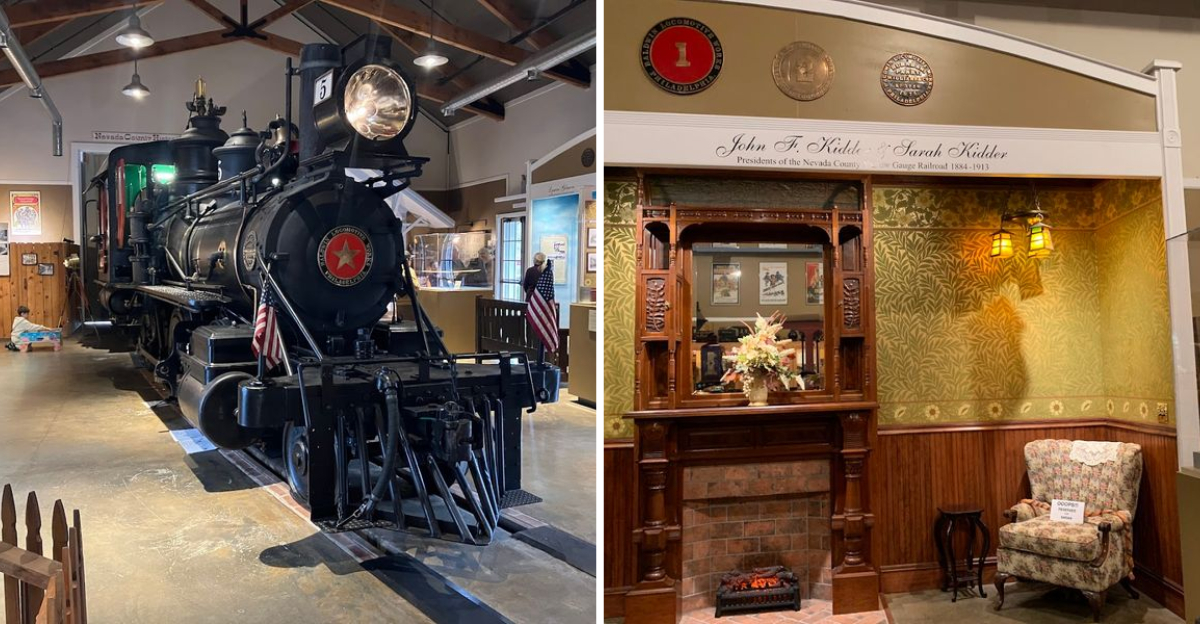
In one Nevada city, a museum focuses on railbus history, bringing attention to a topic many people haven’t explored before.
The exhibits explain how these vehicles were used and why they mattered in regional travel.
Information is presented clearly, making it easy to follow without prior knowledge.
Have you ever learned about something completely new during a visit like this? That’s what makes the experience stand out.
It introduces a lesser-known subject in a way that feels approachable. Visitors leave with a better understanding of its importance.
That focus helps preserve a piece of history that might otherwise be overlooked or forgotten over time.
The “Never Come, Never Go” Railroad History
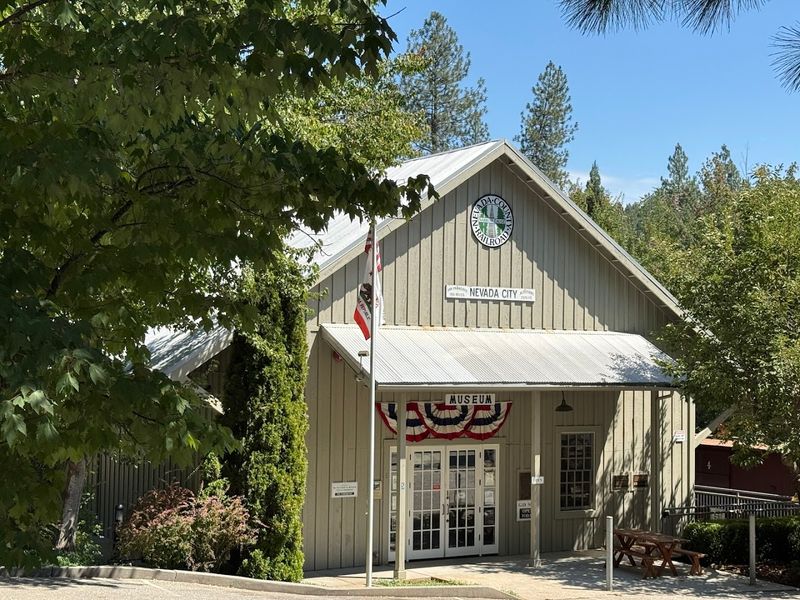
Long before paved roads crossed the Sierra Nevada foothills, a narrow-gauge railroad connected the booming gold towns of California.
The Nevada County Narrow Gauge Railroad Museum preserves the full story of this quirky but crucial rail line. Locals gave it the playful nickname “Never Come, Never Go” because its schedule was, let us say, flexible.
The railroad launched in 1876 and ran between Nevada City and Colfax. It hauled freight, passengers, and mining supplies through rugged mountain terrain.
The track gauge measured just three feet wide, which was far narrower than standard rail lines of the era.
That narrow width made construction cheaper and faster on steep hillsides. Engineers could curve the track tightly around rocky ridges that wider trains simply could not navigate.
This design choice shaped the entire character of the line.
Gold rush towns depended on this railroad for everything from mail to machinery. Without it, many communities would have been cut off for weeks at a time.
The railroad was a lifeline dressed in iron and steam.
Today, the museum at 5 Kidder Court keeps this history alive through artifacts, photographs, and restored equipment. Every exhibit connects visitors to the real people who built and rode this legendary little railroad.
Restoring Railbus No. 1 Back To Life
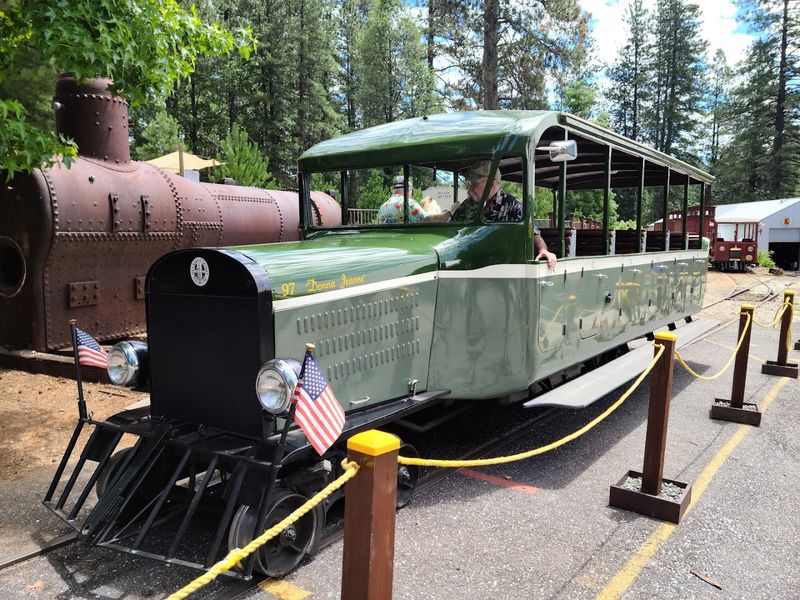
Most museums display old things behind glass. The Nevada County Narrow Gauge Railroad Museum actually fixes them and runs them.
Railbus No. 1 is the crown achievement of this hands-on restoration culture.
A railbus is exactly what it sounds like: a bus body mounted on a rail chassis. These hybrid vehicles were used in the early twentieth century to cut costs on lightly traveled routes.
They burned gasoline instead of coal, which made them cheaper to operate than full steam locomotives.
Restoring one is no small task. Volunteers have spent years sourcing period-correct parts, rebuilding the engine, and matching original paint colors.
The level of mechanical detail involved would impress any engineer.
What makes Railbus No. 1 so rare is its direct connection to Gold Country operations. Very few of these vehicles survived the scrapyard era of the mid-1900s.
Finding one in restorable condition was a stroke of genuine luck for the museum team.
Visitors can sometimes watch restoration work happening in real time at the workshop behind the main building. The smell of oil and metal fills the air in the best possible way.
A Curated Space For Curious Minds
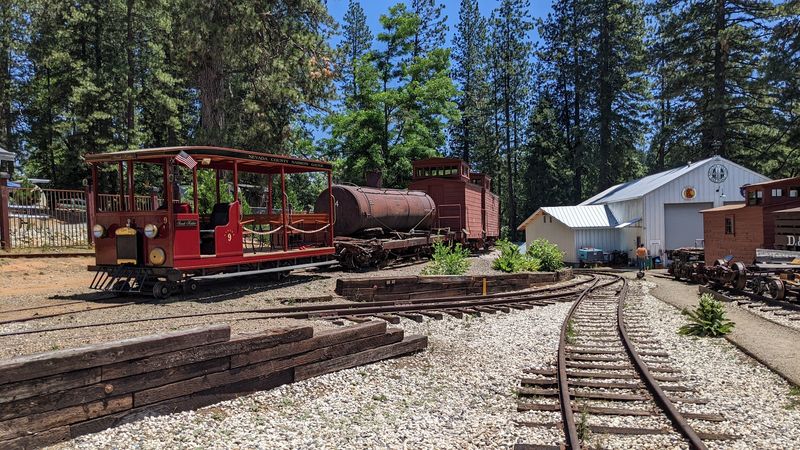
There is something quietly magnetic about arriving at a place that does not try too hard to impress you. The Nevada County Narrow Gauge Railroad Museum sits modestly at the edge of Nevada City, framed by tall pines and open meadows.
The setting alone sets the right mood before you even walk through the door.
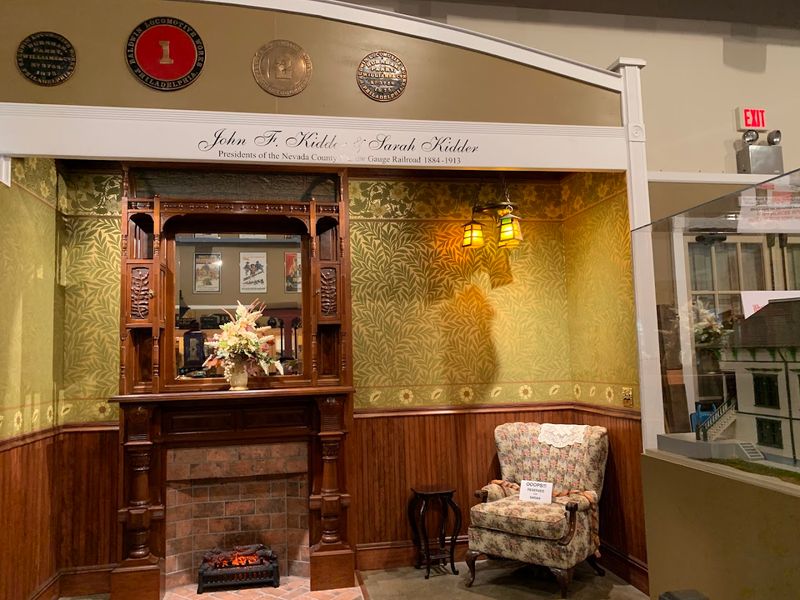
The museum building is compact but thoughtfully organized. Photographs, documents, and original artifacts line the walls in a way that feels curated but not stuffy.
You get the sense that real enthusiasts, not interior designers, put this place together.
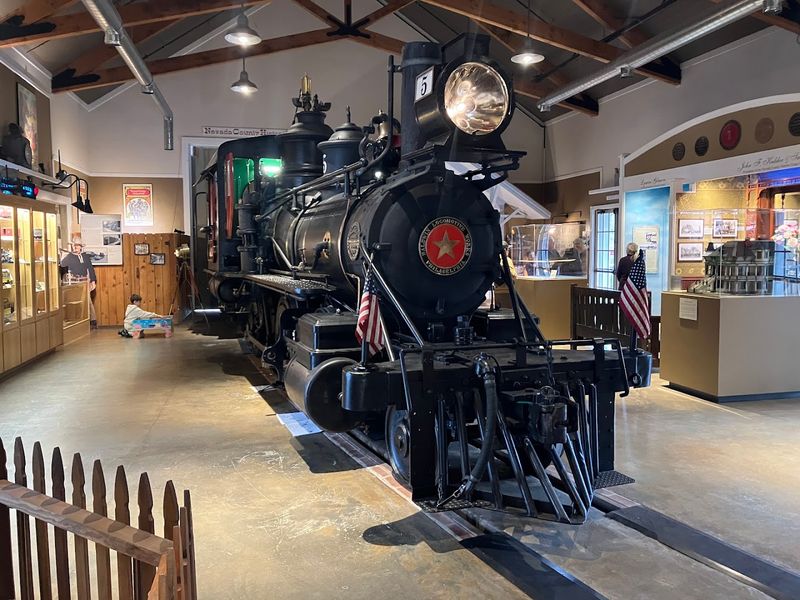
Outside, rolling stock sits on short sections of track for visitors to admire up close. You can circle a steam locomotive and actually look at the rivets.
The meadow area adds a relaxed, almost picnic-like quality to the visit. Families spread out, kids run between the cars, and docents chat casually with anyone curious enough to ask a question.
The pace here is refreshingly unhurried.
California has no shortage of museums, but few carry this combination of outdoor charm and indoor depth. The Sierra Nevada backdrop gives every photograph you take a natural grandeur.
Plan to spend at least two hours here because the grounds reward slow exploration.
Mechanical Details Of The Narrow Gauge
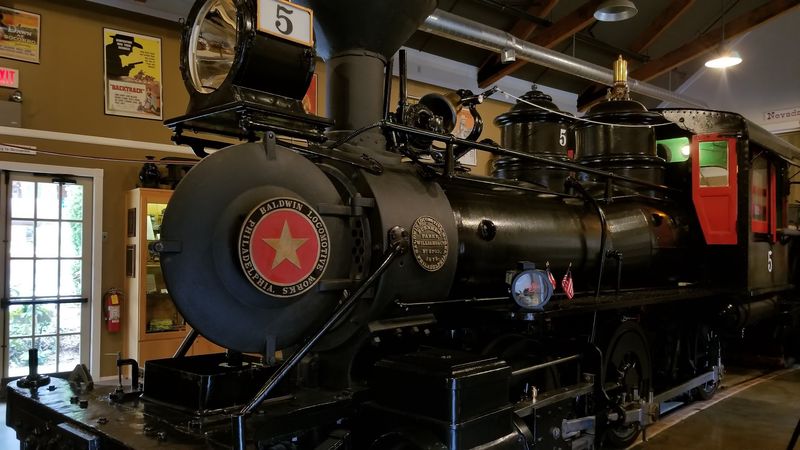
Three feet between the rails does not sound like much, but that small measurement changed everything about how this railroad was built and operated.
Narrow gauge engineering required specially designed locomotives, cars, and wheels that simply do not exist in the standard rail world.
The Nevada County Narrow Gauge Railroad Museum holds some of the finest surviving examples of this equipment in California.
Engine No. 5, built in 1885, is one of the museum’s most celebrated mechanical treasures. Seeing it up close reveals the craftsmanship of a pre-industrial-automation era.
The boilers on these locomotives were scaled down but still packed serious pressure. Firemen had to manage heat and water levels constantly during mountain runs.
One miscalculation could slow the whole train on a steep grade.
Railbuses introduced a different kind of mechanical challenge. Their gasoline engines had to handle rough tracks that would rattle a modern car apart in minutes.
Early mechanics improvised constantly to keep them running on schedule.
Museum volunteers explain these mechanical systems with impressive clarity. They point out the original throttle mechanisms, brake linkages, and coupling systems that kept these trains moving for decades.
Understanding how all these parts worked together gives you a deep respect for the engineers who operated them daily without any modern diagnostic tools.
The Volunteer Culture That Drives It All
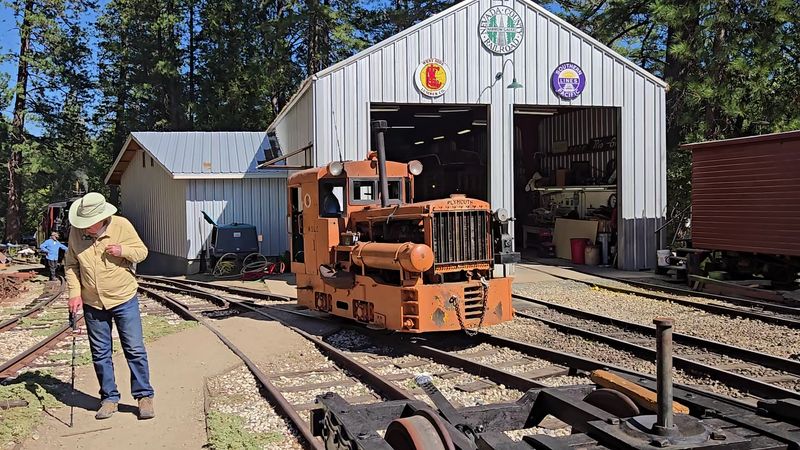
Ask any visitor what surprised them most, and the answer is almost always the volunteers. The Nevada County Narrow Gauge Railroad Museum runs entirely on the energy, knowledge, and dedication of unpaid enthusiasts.
That fact becomes obvious within minutes of arrival.
Docents greet you at the door and offer personalized tours without any pressure. They remember details about every locomotive, every photograph, and every document in the collection.
Some have been volunteering here for over a decade.
The restoration shop is where volunteer culture really shines. Skilled hands tackle metalwork, woodwork, and mechanical rebuilding with the focus of professional craftspeople.
These are retired engineers, machinists, and history lovers who bring decades of real-world experience to every project.
The museum encourages donations and gift shop purchases to support ongoing operations. A popular option is donating forty dollars to have your name placed on a railroad tie as a medallion.
That small act connects you to the mission in a tangible way.
California has many volunteer-run institutions, but few match this level of passion and technical skill. The people here are the real engine of the whole operation.
Riding The Railbus Through Gold Country
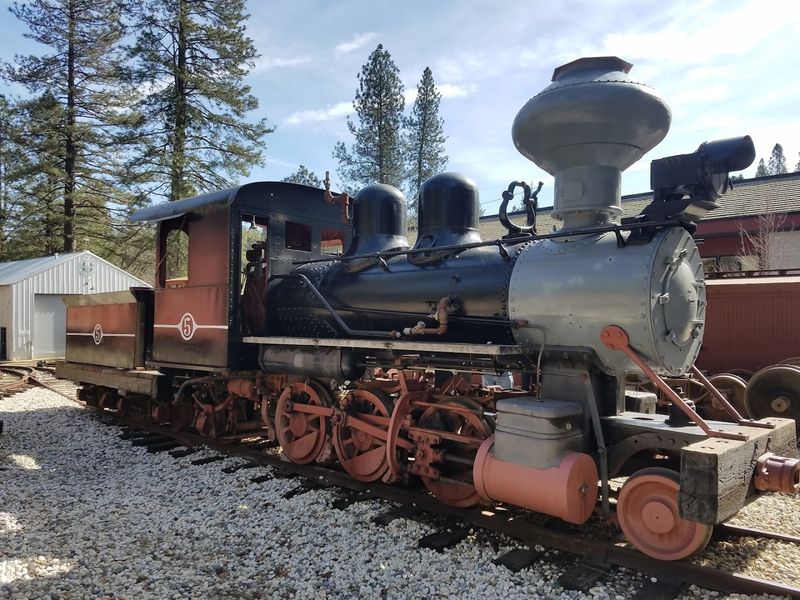
Climbing aboard a restored railbus is not like any other museum experience. The Nevada County Narrow Gauge Railroad Museum offers actual rides on running equipment, which puts this place in a completely different category from most historical collections.
The railbus rolls through a scenic route that includes tall pines and open meadows. The track curves gently through landscape that has not changed dramatically since the gold rush era.
Sitting inside the car, you can almost hear the echoes of miners heading to work a century ago.
The ride itself is smooth but lively. Narrow gauge tracks have a distinct rhythm that standard rail does not replicate.
Every small bump and sway reminds you that this is a working piece of history, not a theme park simulation.
On steam event days, visitors can also ride behind an actual steam locomotive. I would describe those rides as spectacular, with the engine pulling cars through scenery that feels genuinely cinematic.
The pacing is slow enough to take it all in.
Children and adults react the same way when the whistle blows: eyes wide, smiles instant. Kids visiting on special event weekends even get a chance to blow the train whistle themselves in the workshop area.
Special Events And Steam-Up Days
Mark your calendar carefully, because the best days at the Nevada County Narrow Gauge Railroad Museum are the ones built around steam. Steam-Up events transform the grounds from a quiet museum into a fully animated railroad scene.
During these special weekends, both operating steam locomotives are fired up and ready to run. Seasonal events add creative layers to the experience.
Planning your visit around a Steam-Up day requires checking the museum schedule in advance. The schedule changes seasonally, and popular dates fill up fast.
Arriving early on event days is strongly recommended by nearly every repeat visitor.
The October events are particularly popular among families. The cooler California weather and changing foliage make the meadow setting especially beautiful during autumn rides.
Even on non-steam days, the grounds offer plenty to see. But if you can time your visit to a Steam-Up weekend, do it without hesitation.
No-Stress Tips For Your Adventure
A few smart moves before your visit will make the whole experience significantly better. The Nevada County Narrow Gauge Railroad Museum is free to enter, but that does not mean you should show up without a plan.
Check the operating hours before you go. The museum is open Friday through Tuesday, typically from 10 AM to 2 PM on weekdays and 10 AM to 4 PM on weekends.
Wednesday and Thursday are closed, so plan accordingly.
Arrive early, especially on event days. Ride opportunities can fill up quickly, and early arrivals get the most time with docents before crowds build.
The volunteers are more available for in-depth conversations during the quieter morning hours.
Bring cash or be ready to donate through available options. While admission is free, the museum depends entirely on visitor support.
Buying something from the gift shop or contributing to the railroad tie medallion program makes a real difference.
Do not skip the restoration shop behind the main building. Many visitors miss it because it is not directly on the main path.