10 Quiet Natural Wonders In Wyoming That Deserve More Attention
Yellowstone gets all the glory. I get it.
But Wyoming has been quietly hiding some of the most jaw-dropping natural wonders on the continent, and most visitors never even know they exist. The state has this rare ability to make you feel like the first person to ever stand somewhere.
Ancient geology, untouched silence, landscapes that look borrowed from another planet. These are not backup plans for when Yellowstone feels too crowded.
These are destinations in their own right. Wyoming rewards the traveler who takes a wrong turn on purpose, who pulls over for no reason, who stays an extra day just because the light looks different.
Quiet wonders are waiting. Most people will never see them.
1. Periodic Spring
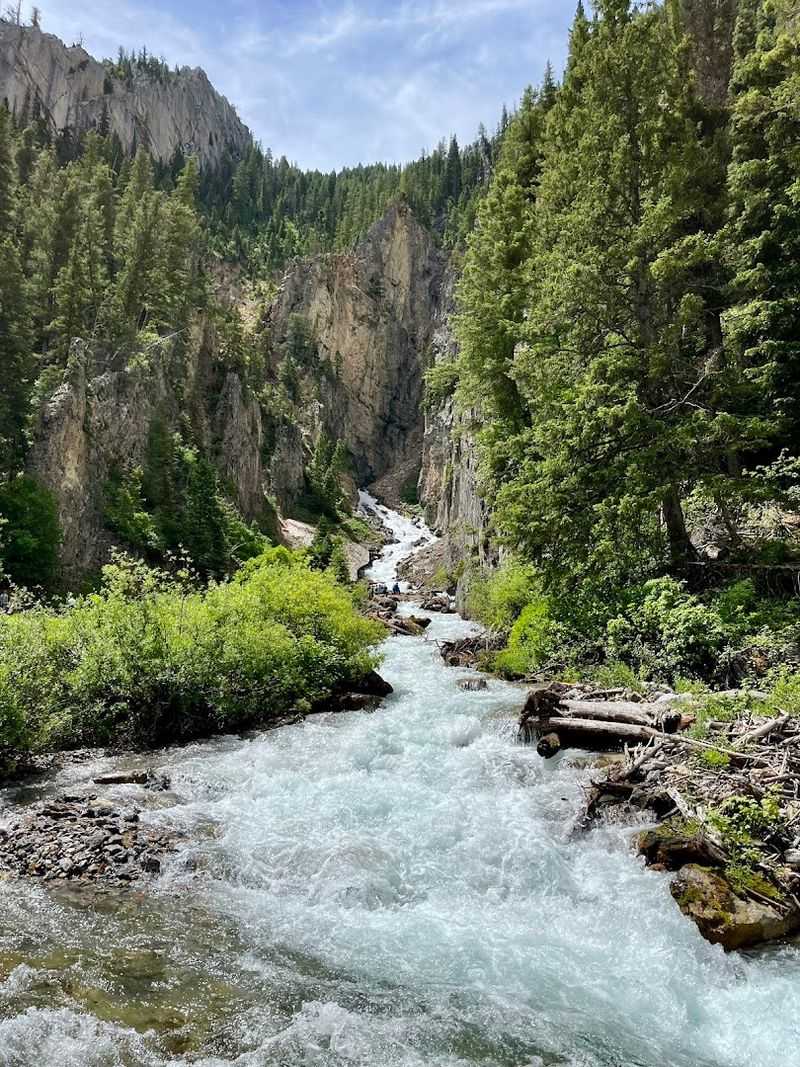
Nature has a heartbeat here, and you can actually watch it. Periodic Spring, often referred to as Intermittent Spring near Afton, pulses water every 12 to 18 minutes like clockwork.
It is recognized as the world’s largest rhythmic spring, and that title is well earned.
The science behind it involves a natural siphon deep inside the hillside. Water builds up underground, then releases in a steady rhythm.
You can sit on a rock and literally time the pulses with your watch.
The trail to reach it runs along Swift Creek Canyon Road and is an easy walk through beautiful scenery. Tall trees line the path, and the creek beside you keeps things cool even on warm days.
Plan to arrive with patience and a snack. The spring does not perform on demand, so waiting is part of the experience.
When the water surges up, it feels genuinely rewarding to witness.
The address is Swift Creek Canyon Rd, Afton, WY 83110. There are no crowds, no ticket booths, and no gift shops.
Just you, the trees, and a spring that moves on its own schedule. That kind of simplicity is hard to find anywhere.
2. Killpecker Sand Dunes
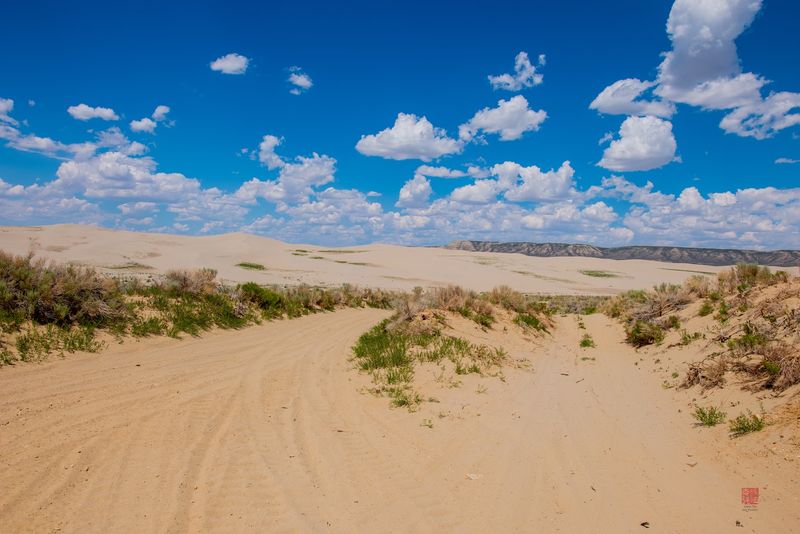
Sand dunes in Wyoming sounds like a trick question, but the Killpecker Sand Dunes are absolutely real. Stretching for miles north of Rock Springs, they rank among the largest active dunes in the United States.
The scale of the place hits you hard the first time you see it.
What makes these dunes even more unusual is the sound they produce. When wind moves across the sand at just the right speed, the dunes hum and sing.
Scientists call them singing dunes, and hearing it for the first time is genuinely strange in the best way.
Wildlife thrives out here too. Pronghorn antelope roam the edges of the dunes, and wild horses have been spotted in the area.
The contrast of golden sand against open sky makes every photo look effortless.
The dunes sit along Killpecker Dunes Rd, Rock Springs, WY 82901. No paved parking lot, no ranger station, just open land.
Bring water, sunscreen, and shoes you do not mind filling with sand.
Visiting at sunrise or sunset turns the whole landscape into something otherworldly. The light catches the ridges of the dunes and casts long dramatic shadows.
It is one of those places that earns a second visit.
3. Boar’s Tusk
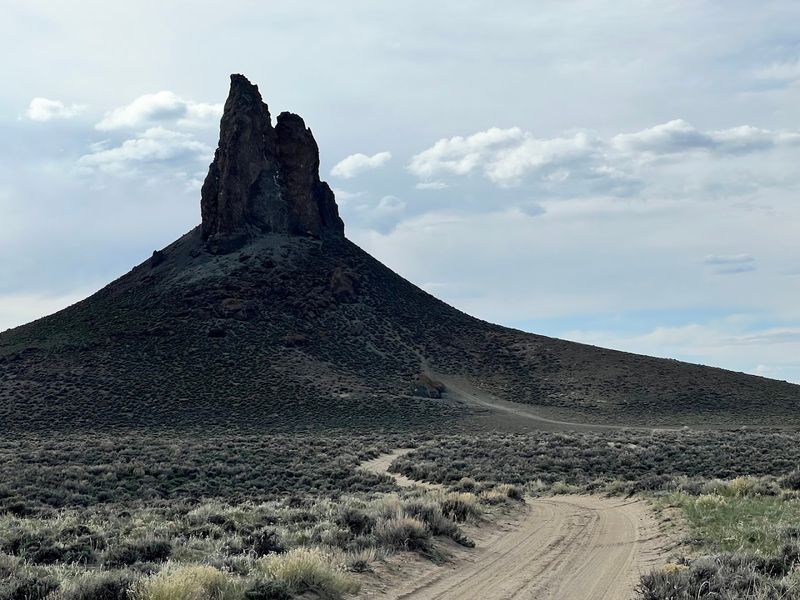
Picture a giant stone tooth jutting straight out of the desert floor. That is essentially what Boar’s Tusk looks like, and it is just as dramatic in person as it sounds.
This volcanic plug rises about 400 feet above the Red Desert near Rock Springs.
It formed millions of years ago when magma hardened inside a volcano’s vent. Over time, the softer rock around it eroded away, leaving this striking tower standing alone.
Geology does not get more theatrical than this.
The Red Desert surrounding it adds to the mood. Wide open space stretches in every direction, and the silence out there is almost physical.
Standing near the base of Boar’s Tusk, you feel genuinely small in the best possible way.
You can find it off Chilton Rd, Rock Springs, WY 82901. The road is unpaved, so a vehicle with decent clearance helps.
The drive itself is scenic and worth taking slowly.
Photographers especially love this spot at golden hour. The warm light turns the rock a deep amber color that looks almost unreal.
Pack a picnic, bring binoculars, and give yourself a full afternoon to absorb the strange beauty of this remarkable geological leftover.
4. Sinks Canyon State Park
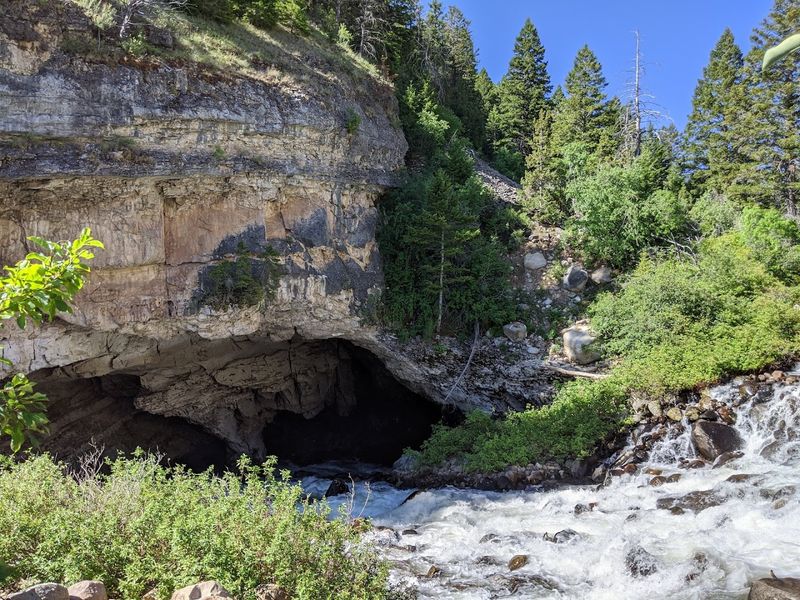
A river vanishing into the earth sounds like something from a fantasy novel. At Sinks Canyon State Park near Lander, it actually happens every single day.
The Popo Agie River flows into a limestone cavern called The Sinks and simply disappears.
Here is the twist that makes scientists scratch their heads. The river reappears about a quarter mile downstream at a pool called The Rise.
But it takes two hours longer than expected to travel that short distance underground. Nobody fully understands why.
The Rise pool is calm and crystal clear, and large trout gather there in remarkable numbers. You can watch them from the bank without needing a fishing rod.
It is one of the most peaceful and oddly hypnotic things you can do outdoors.
The park address is 3079 Sinks Canyon Rd, Lander, WY 82520. A short scenic drive leads you through the canyon with pullouts for photos along the way.
The surrounding cliffs are beautiful in every season.
Hiking trails of various difficulty levels wind through the canyon above the river. Wildflowers bloom along the paths in summer, and fall colors are spectacular.
This park packs a surprising amount of wonder into a compact and very accessible space.
5. Heart Mountain
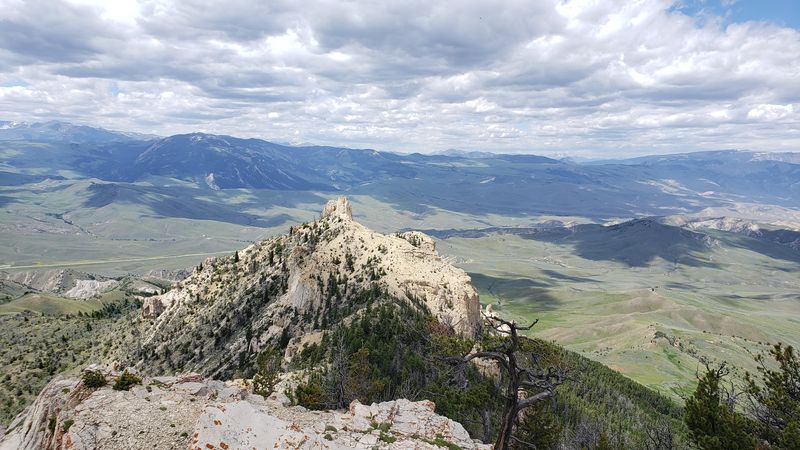
A mountain that moved 25 miles is not something you hear about every day. Heart Mountain near Powell is exactly that, a geological puzzle that has baffled scientists for decades.
The rocks on top are 250 million years older than the rocks beneath them, which is completely backward.
The current leading theory involves a massive ancient landslide that carried the peak across the landscape. Whatever happened, the result is a striking and unmistakable silhouette visible from miles away.
It looks like a wide, flat-topped crown sitting on the horizon.
The mountain sits between Cody and Powell and rises to 8,123 feet. You can hike to the summit for sweeping views of the Bighorn Basin below.
The trail is moderately challenging and rewards you with scenery that stretches seemingly forever.
Find the trailhead off Heart Mountain Rd, Powell, WY 82435. Spring and early summer bring wildflowers to the lower slopes that make the hike even more enjoyable.
Carry plenty of water since the terrain is open and exposed.
Roadside viewpoints and local geology resources help explain why this mountain has such an unusual story. Even if you skip the hike, the story of this mountain is worth knowing.
Few peaks in America come with such a genuinely mysterious backstory.
6. Devil’s Kitchen
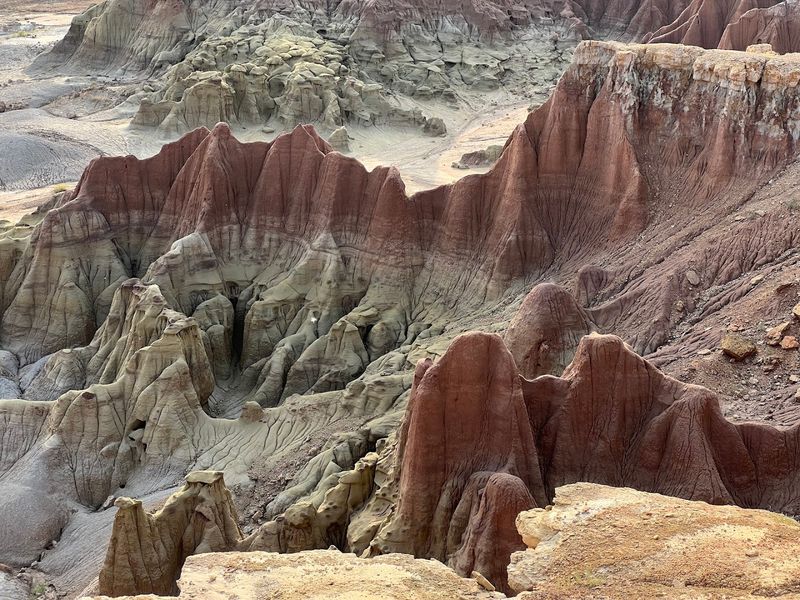
Hidden in the open landscape outside Greybull, Devil’s Kitchen is one of those places you only find if you go looking for it. The colorful clay formations shift between red, orange, and deep purple depending on the light.
It feels like a small patch of badlands that somehow stayed off most travel itineraries.
These formations were shaped over time by wind and rain carving through soft clay and ash. The result is a landscape full of unusual shapes, layered ridges, and strong color contrasts that stand out against the surrounding terrain.
It is striking without trying too hard.
You can reach the area about five miles east of Greybull, WY, along rough backroads. Conditions vary, so it is worth checking ahead before heading out.
A higher-clearance vehicle helps, especially after rain.
Because it sits away from major tourist routes, it is often quiet. That kind of space is harder to find near more visited parts of the state.
Bring a camera and take your time walking through the formations.
Early morning or late afternoon light brings out the most color in the clay. The shifting tones and textures make this spot especially rewarding for photography.
Devil’s Kitchen may not be widely known, but it leaves a strong impression once you see it in person.
7. Lake Alice
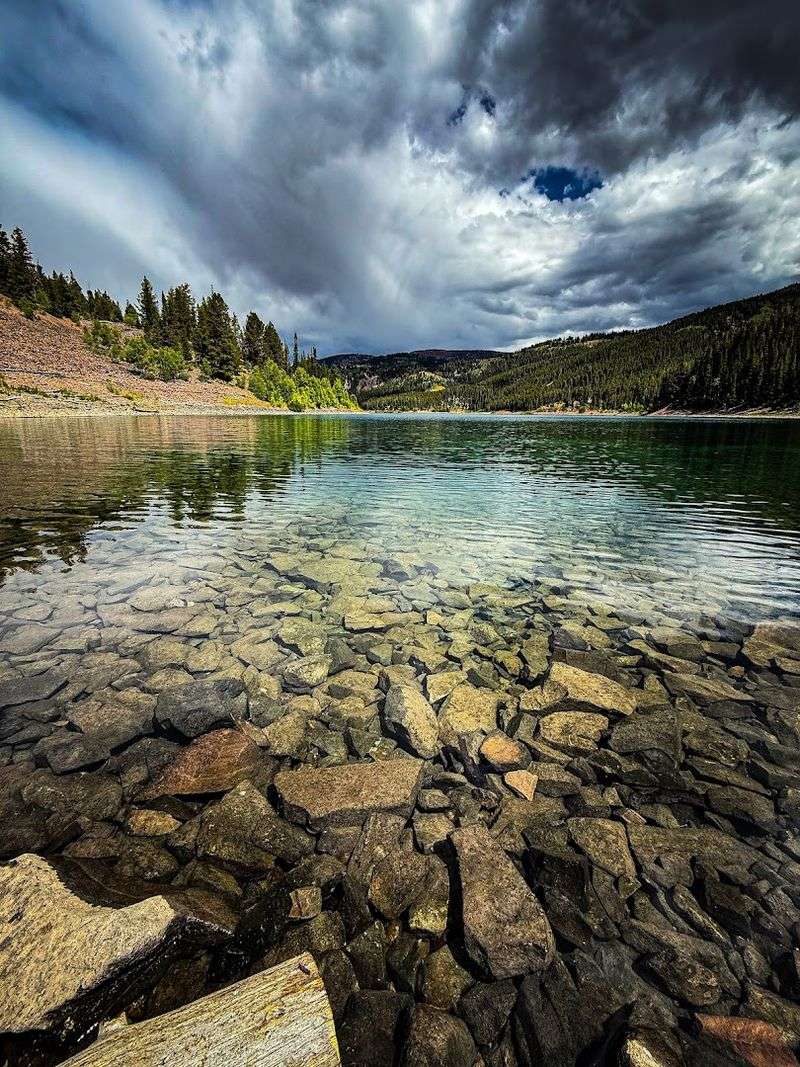
Some lakes are famous for their views. Lake Alice earns attention for its complete and total remoteness.
Sitting deep inside Bridger-Teton National Forest, this alpine lake requires effort to reach, which keeps the crowds away permanently.
The trail to Lake Alice winds through old-growth forest and crosses mountain streams along the way. Wildlife sightings are common on the approach, including moose near the water and hawks circling overhead.
The forest feels ancient and undisturbed in a way that is increasingly rare.
When you finally reach the lake, the stillness is immediate and striking. The water reflects the surrounding peaks with mirror-like clarity on calm mornings.
Fishing is excellent here, and the solitude makes every cast feel unhurried and peaceful.
The lake falls within Bridger-Teton National Forest, WY 82925. Check with the forest service before visiting, as trail conditions vary seasonally.
Snow can linger near the lake well into early summer at higher elevations.
Backpackers who camp near the shore describe waking up to absolute silence broken only by birdsong. That experience is becoming genuinely difficult to find in popular outdoor destinations.
Lake Alice offers it freely to anyone willing to earn the miles. Pack light, plan ahead, and enjoy one of the quietest corners of the entire state.
8. Bighorn Medicine Wheel
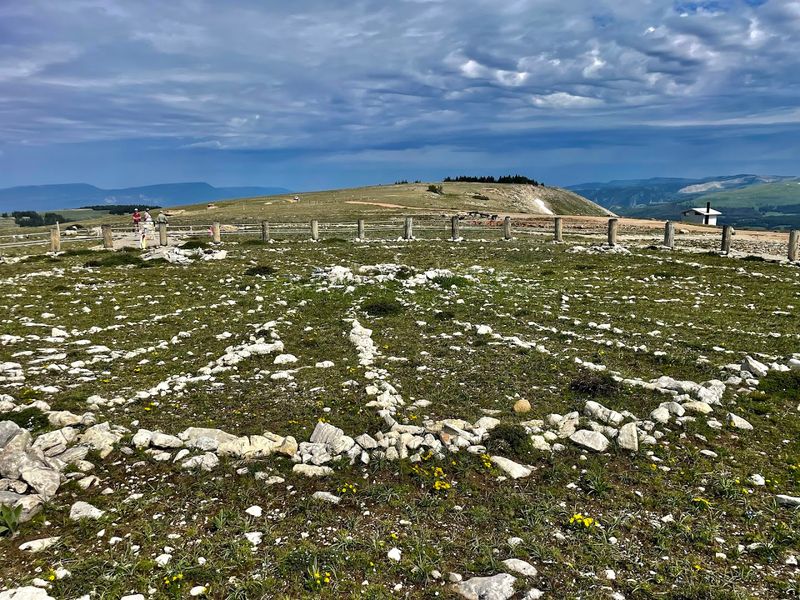
At nearly 10,000 feet above sea level, the Bighorn Medicine Wheel sits on a windswept ridge like a quiet monument to human history. This ancient stone structure is one of the best-preserved medicine wheels in North America.
Nobody knows exactly how old it is, but estimates range from 300 to over 800 years.
The wheel measures about 80 feet in diameter and consists of a central stone cairn with 28 spokes radiating outward. Several outer cairns align with sunrise and sunset during summer solstice.
The precision of the construction is remarkable for any era, let alone without modern tools.
Multiple Native American nations consider this site deeply sacred. Prayer bundles and offerings left by visitors are a common sight along the fence surrounding the wheel.
Approaching with respect and quiet is not just polite, it is expected.
The site is located off Forest Rd 12, Lovell, WY 82431 in the Bighorn National Forest. The access road is typically open from late spring through early fall.
Snow can close the route as early as October.
The views from the ridge alone justify the drive. Rolling mountains and valleys spread out in every direction below.
Standing at the wheel, you feel connected to something much older and much larger than any single visit can fully capture.
9. Wind River Range
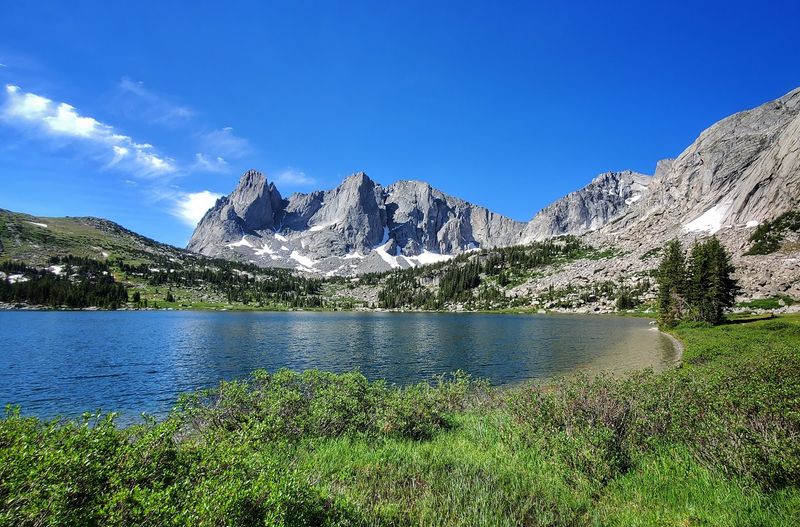
Serious hikers whisper about the Wind River Range the way others talk about a secret recipe. This mountain chain contains some of the most spectacular alpine scenery in the entire country.
Yet somehow, it remains far less visited than comparable ranges elsewhere.
The range is also home to some of the largest glaciers in the Lower 48. Gannett Peak, the highest point in the state at 13,804 feet, rises from its core.
The scale of the wilderness here is almost hard to process on a map.
The Elkhart Park Trailhead off Elkhart Park Trailhead Rd, Pinedale, WY 82941 is one of the most popular entry points. From there, trails branch out into a landscape of granite towers, crystal lakes, and meadows filled with wildflowers.
You can hike for days and barely scratch the surface.
Wildlife is abundant throughout the range. Elk, black bear, and bighorn sheep are regular sights for patient and quiet hikers.
The fishing in the high lakes is outstanding, with cutthroat trout thriving in the cold clear water.
Multi-day backpacking trips here are transformative experiences that people talk about for years. Day hikers can still access stunning scenery within the first few miles of any trailhead.
Either way, the Wind River Range delivers beauty on an enormous and humbling scale.
10. Flaming Gorge Wyoming Side
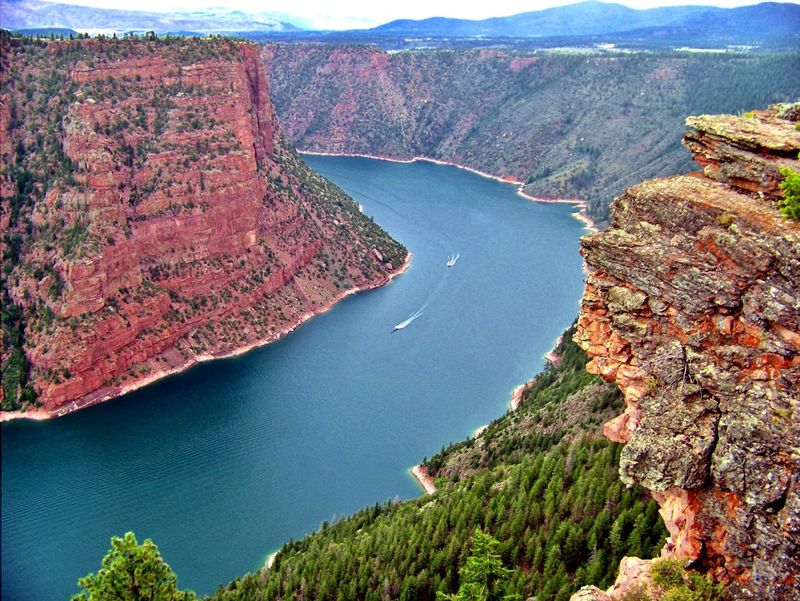
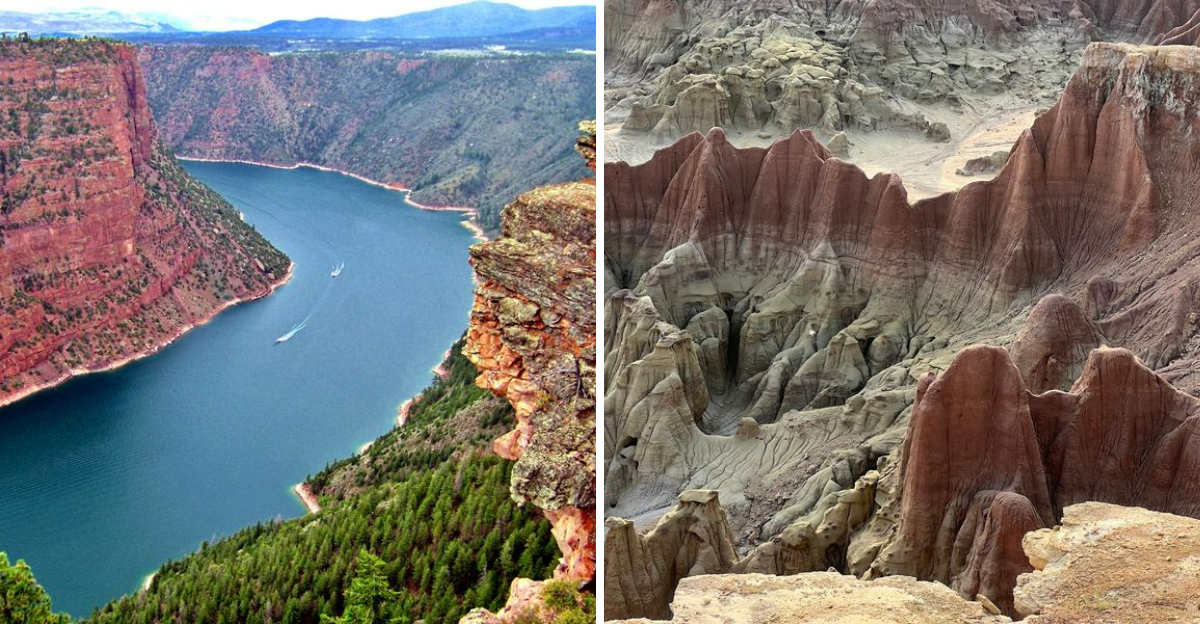
Most people associate Flaming Gorge with Utah, and they are missing half the story. The Wyoming side of this reservoir offers a completely different and equally stunning perspective.
The red canyon walls here reflect off the water in shades that genuinely look like fire at sunset.
The gorge was created when the Green River was dammed in 1964, forming a reservoir that stretches across both states. The Wyoming entrance along WY-530 near Manila, UT 84046 offers sweeping overlooks and far fewer visitors than the Utah side.
That ratio alone makes it worth the detour.
Boating and fishing are the main draws on the water. Kokanee salmon and lake trout grow large in the cold deep reservoir, making it a destination for serious anglers.
Rentals are available nearby for those who arrive without a boat.
The canyon geology tells a story spanning hundreds of millions of years. Layers of red, orange, and white rock stack up along the walls like a giant textbook left open.
Geologists and curious travelers alike find it endlessly interesting.
Camping spots along the rim offer stargazing that rivals any dark sky destination in the region. The remoteness of the area means light pollution is minimal and the Milky Way is visible on clear nights.
Flaming Gorge rewards those who take the time to explore both sides of the border.