Most People Have No Idea This Lush Botanical Garden In California Even Exists
Hidden places rarely announce themselves. They let curiosity do the work.
California has a botanical garden lush enough to feel almost unreal, the kind of place that makes the rest of the day fade a little the moment you enter.
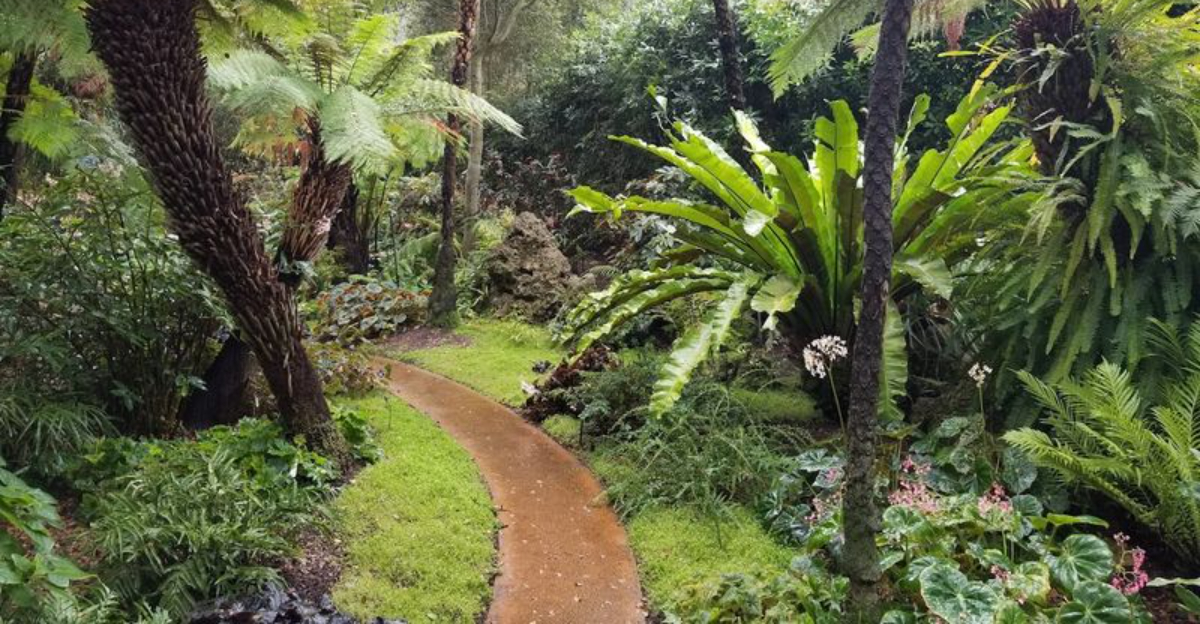
Greenery gathers around the paths in a way that feels rich, sheltered, and quietly dramatic, as if the landscape is choosing to reveal itself slowly instead of all at once.
Each turn seems to soften the noise you brought in with you. Beauty lands differently in a setting like this because it feels discovered rather than displayed.
A garden like this does not leave with you all at once. It stays in fragments: a shaded path, a sudden burst of color, and that hushed feeling you wish more places still had.
Reservation-Only Access
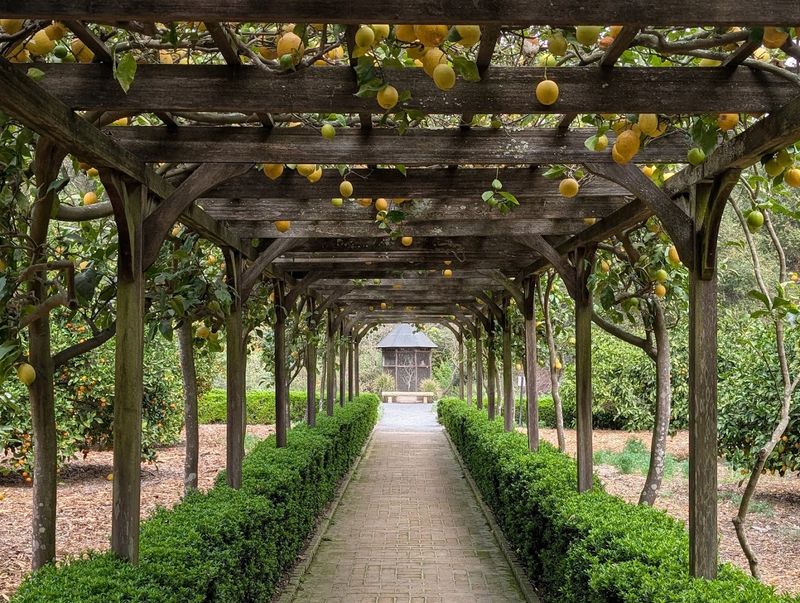
Not every garden asks you to plan weeks ahead just to walk through its gates, but Lotusland is not every garden.
The reservation-only system at this Montecito estate is one of the biggest reasons most people have never heard of it.
Without a walk-in option, casual passersby simply cannot wander in on a whim, and that keeps the whole experience feeling remarkably private and unhurried.
Tickets are purchased through the official website at lotusland.org, and spots tend to fill up quickly, especially during peak months.
Booking several weeks in advance is strongly recommended, and some visitors report needing to plan months ahead during busy seasons.
Arriving within 15 minutes of the reserved time slot is required, so some basic punctuality planning goes a long way.
The controlled entry means the gardens rarely feel crowded, which makes the visit feel calm and spacious even when the property has other guests.
Volunteers are stationed throughout to help with directions and answer questions.
The reservation requirement might seem like a barrier at first, but it genuinely shapes the quality of the experience in a positive way once visitors are actually inside.
37-Acre Montecito Estate
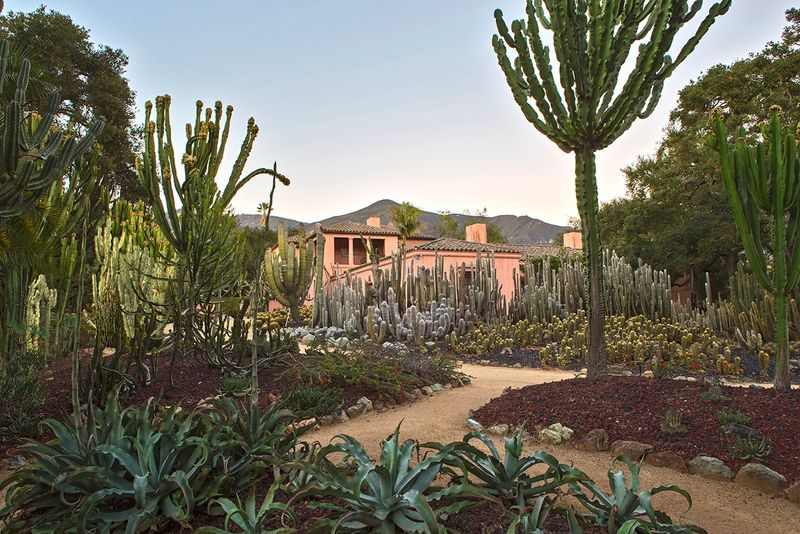
Spread across 37 acres in the hills of Montecito, this botanical estate feels less like a public attraction and more like a private world that someone accidentally left the door open to.
The scale of the property is one of the first things that surprises first-time visitors, since the gardens seem to keep unfolding the further along the paths you walk. There is a genuine sense of discovery around each turn.
Lotusland is located at Cold Spring Rd, Montecito, CA 93108, nestled in a residential area that gives no real hint of what lies beyond the entrance.
The surrounding neighborhood is quiet and leafy, which only adds to the feeling that the garden exists in its own separate pocket of the world.
The estate itself was built up over decades and reflects that layered, unhurried quality in how each section feels distinct.
Comfortable walking shoes are a practical necessity given the amount of ground to cover. The terrain is mostly manageable, though some areas may be uneven.
Wheelchairs are available for those who need them, and volunteers are happy to help navigate the property at a pace that works for each visitor.
Created By Madame Ganna Walska
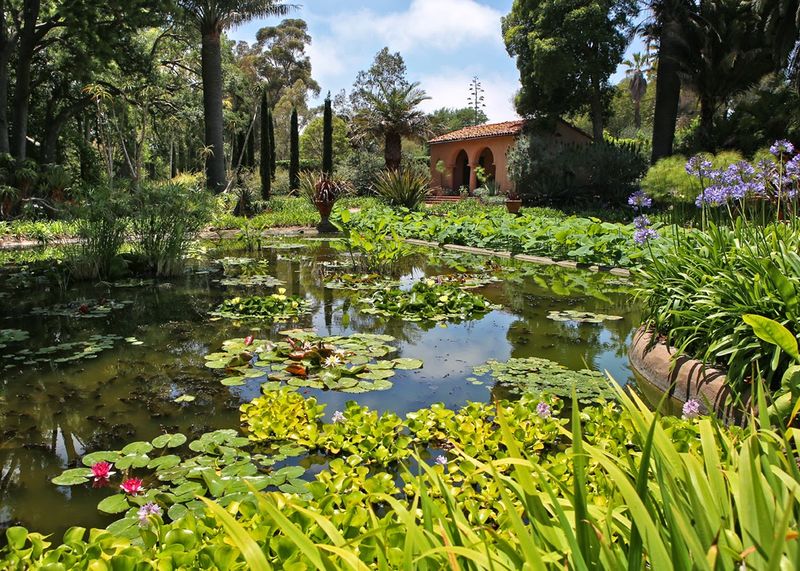
The story behind Lotusland is just as layered as the garden itself.
The property was purchased in 1941 by an opera singer and horticulture enthusiast who spent the next four decades pouring her creative energy into shaping the land into something entirely personal and theatrical.
The result was not a garden designed by committee or professional landscapers working from a standard plan, but rather a deeply individual vision made real over a lifetime.
The personality behind the design shows up in every corner of the property.
There is drama in the plant choices, playfulness in the decorative details, and a clear preference for the unusual over the conventional.
Rather than planting for mass appeal, the designer sought out rare specimens, bold textures, and combinations that felt striking rather than safe.
That original creative spirit still shapes how the garden feels today. Visitors often remark that Lotusland has an energy that is hard to define but easy to feel, a sense that the space was made with genuine passion rather than public-facing practicality.
The foundation that now manages the property works to preserve that original character, keeping the garden true to the vision that built it while keeping it accessible to new generations.
Thousands Of Rare And Exotic Plants
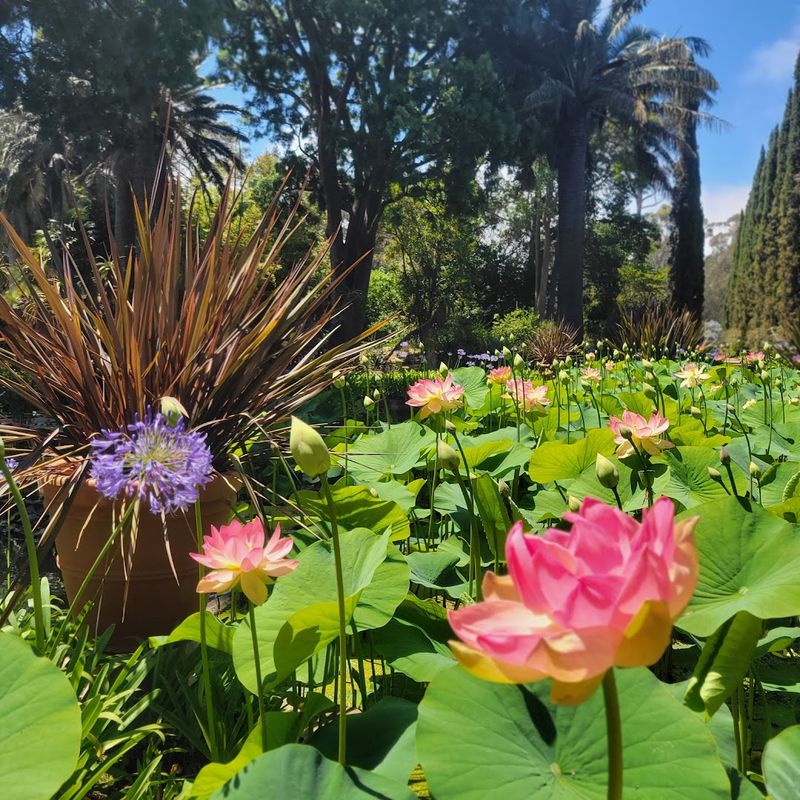
More than 3,000 plant species from around the world call this estate home, and the range is genuinely staggering for a single property.
The collection spans continents and climates, bringing together specimens that most people would never encounter in a lifetime of ordinary plant shopping.
Some of the plants on display are so unusual that even experienced gardeners find themselves stopping to stare. The diversity goes well beyond visual interest.
Each section of the garden tends to group plants by region, theme, or type, which gives the collection an educational quality without feeling like a textbook.
Walking through the property, visitors move from dense tropical groupings to arid desert arrangements to lush water-adjacent plantings, all within the same two-hour window.
For plant lovers, the depth of the collection alone is worth the ticket price.
Rare cycads, towering euphorbias, and unusual succulents appear alongside California natives and flowering specimens that attract hummingbirds and pollinators.
Staff and volunteers can answer questions about specific plants throughout the visit, and many are genuinely enthusiastic about sharing what they know.
The gift shop near the exit also sells plants, some of which are quite unusual and reasonably priced.
Famous Cycad Collection
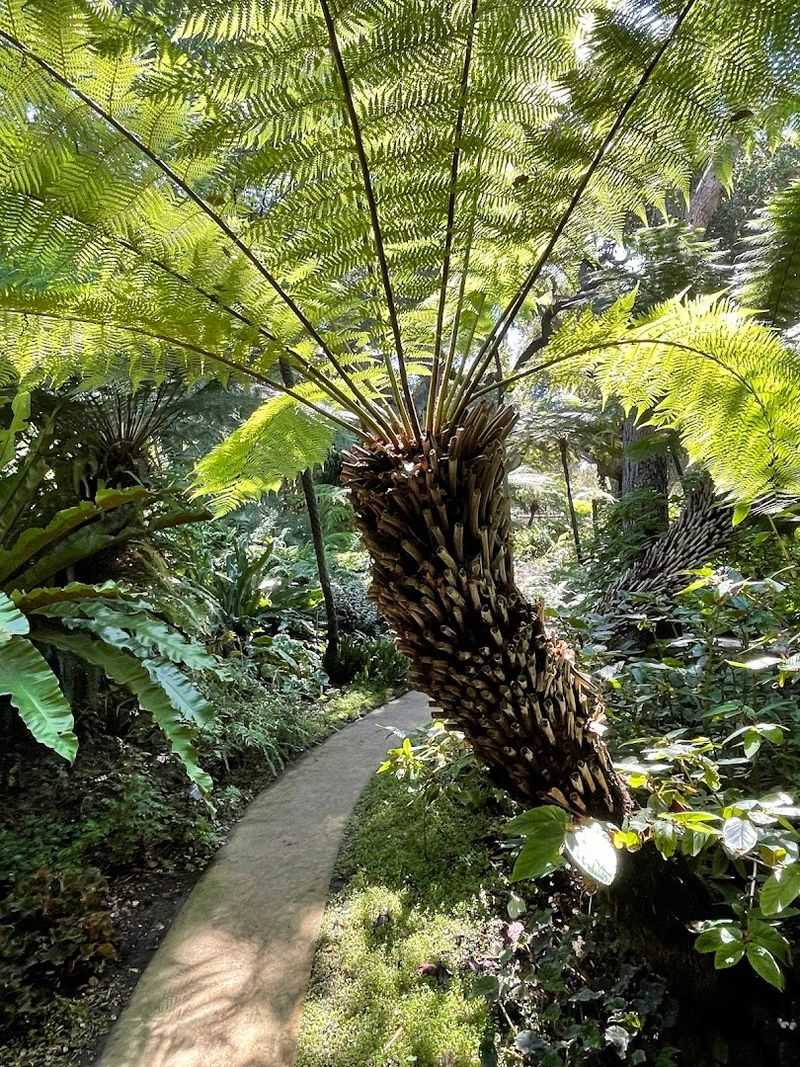
Few plant collections in the world carry the same sense of deep time as the cycad garden at Lotusland.
Cycads are among the oldest plant families on Earth, with ancestors dating back hundreds of millions of years before flowering plants even existed.
Standing among them feels less like visiting a garden and more like stepping briefly into a prehistoric landscape.
The collection at this Montecito estate includes hundreds of specimens representing a wide range of living cycad groups, making it one of the more significant collections of its kind in the country.
The plants themselves have a sculptural, almost otherworldly quality, with thick trunks, arching fronds, and a slow-growing permanence that feels entirely different from the softness of a flower garden.
Even visitors who have never thought much about cycads tend to find this section of the property memorable.
The visual weight of the plants combined with their ancient lineage gives the area a quieter, more meditative quality than some of the more colorful parts of the estate.
Photography tends to work beautifully here, especially in morning light when the fronds catch the softer angles of the sun.
The cycad garden is consistently mentioned as one of the most striking sections of the entire property.
Whimsical Details Everywhere
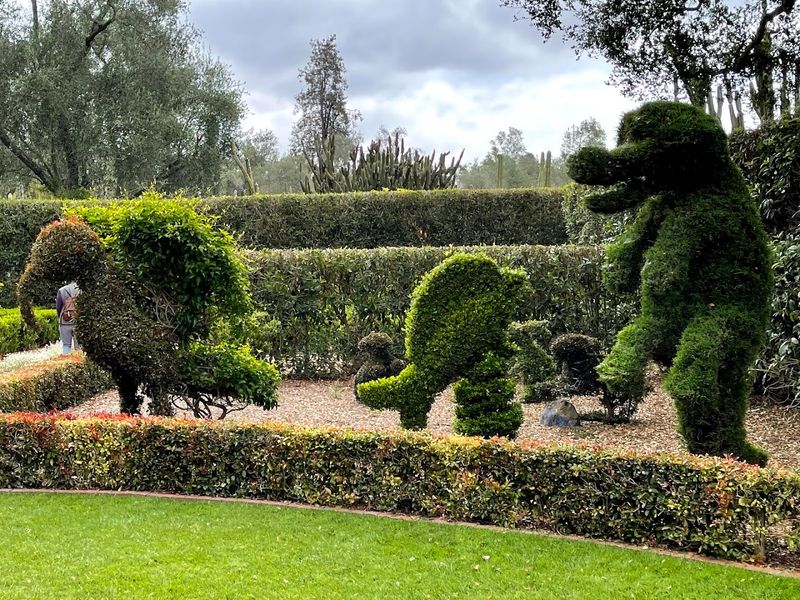
Part of what makes Lotusland feel so distinct from other botanical gardens is the layer of artistic personality woven into every corner of the property.
Abalone shells line pathways and borders, giant clamshell fountains serve as water features, and topiary forms shaped into unexpected figures appear throughout the grounds.
Nothing about the decorative choices is accidental or generic.
The theatrical quality of the design comes through clearly in the way plants and objects are grouped together.
Unusual plant combinations are placed for visual impact rather than botanical logic, and the overall effect is closer to a curated art installation than a standard horticultural display.
The personality of the original designer comes through in these details more than anywhere else on the property.
Even visitors who are not especially interested in plants tend to find the whimsical elements engaging and fun to explore.
Children often respond particularly well to the more playful sections, especially the topiary forms and the shell-lined paths.
The decorative details also make for excellent photography subjects throughout the visit.
Spending time noticing the smaller elements rather than rushing between the major garden rooms can reveal surprising details that are easy to miss on a fast-paced walkthrough of the estate.
Opened To The Public In 1993
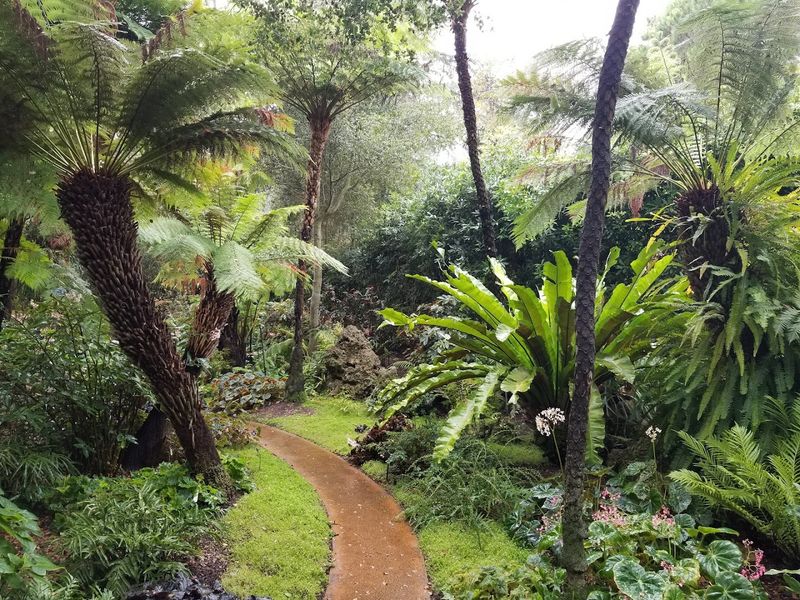
For most of its history, the Lotusland estate was entirely private, shaped and tended over decades without public access.
It was not until 1993 that the gates opened to visitors, following the establishment of a foundation dedicated to preserving the property and its collections.
That relatively recent opening helps explain why so many people, even in California, have never heard of it.
The foundation that manages the property today works to balance preservation with accessibility, keeping visitor numbers low enough to protect the plants and landscape while still sharing the collection with the public.
The reservation system is a direct result of that balancing act, and the county regulations that limit daily visitor numbers are part of what keeps the garden feeling so unhurried and well-maintained.
Just over three decades of public access is a short window compared to the decades of private development that shaped the property, and that history gives the garden a layered quality that newer attractions simply cannot replicate.
Visiting Lotusland carries a quiet sense of being let in on something that was never really designed for public consumption, which may be part of why the experience tends to feel so memorable long after the visit ends.
World-Class But Still Feels Hidden
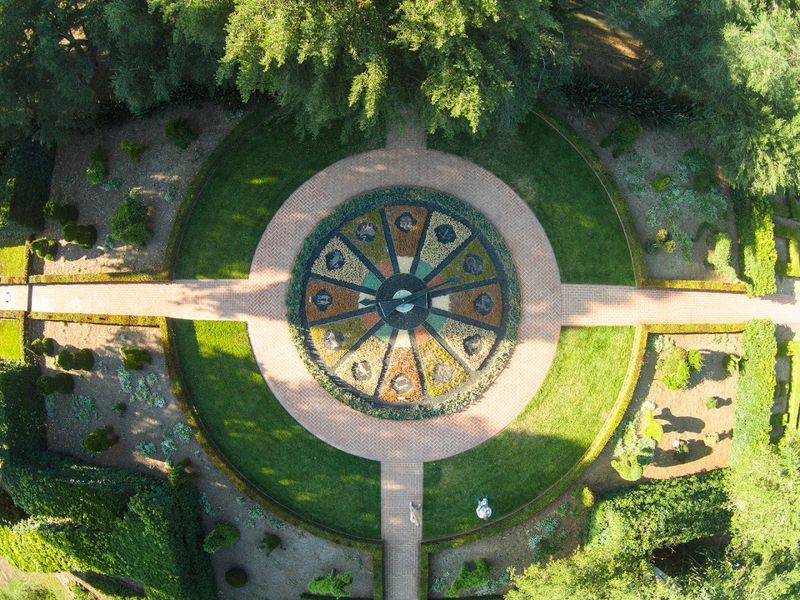
Ranked among the top botanical gardens in the world by several horticultural organizations, Lotusland holds a reputation in plant circles that far exceeds its public profile.
Outside of those communities, the garden remains genuinely obscure, and most people stumble across it only through a recommendation or a deep search for things to do near Santa Barbara. That gap between reputation and recognition is part of what makes a visit feel like a real find.
The quiet Montecito setting plays a significant role in keeping the garden under the radar. There are no large roadside signs, no bustling visitor center visible from the street, and no carnival atmosphere to signal that something remarkable is nearby.
The entrance is modest, and the neighborhood around it is residential and calm. Nothing about the approach prepares visitors for the scale and richness of what waits inside.
For travelers who enjoy discovering places that feel genuinely off the beaten path, Lotusland delivers that feeling even while operating as a well-managed, professionally staffed attraction.
The combination of world-class collections, intimate scale, and low visitor numbers creates an experience that feels rare in an era when most worthwhile destinations are thoroughly documented online.