This North Carolina Soda Fountain Still Serves Pepsi The Old Fashioned Way
Soda tastes a little more interesting when it comes with a backstory that changed American pop culture.
Long before drive-thru cups and vending machines took over, one North Carolina stop was already pouring the fizzy beginning of something far bigger than a simple afternoon refreshment.
A cold drink at the counter still feels part history lesson, part sweet little time warp, with just enough old-school charm to make modern soda runs seem wildly unromantic.
Curious travelers, nostalgia lovers, and anyone who enjoys a good origin story with bubbles will find plenty to smile about here.
The Origin Story Behind The Fizz
One pharmacy counter in downtown New Bern helped launch a name now recognized far beyond North Carolina. Caleb Bradham, a pharmacist with a talent for mixing fountain drinks, developed the beverage first called Brad’s Drink before renaming it Pepsi-Cola in 1898.
Earlier tellings sometimes describe the original formula with ingredients such as kola nut, sugar, water, caramel, lemon oil, nutmeg, and other flavorings, while the name itself connected to the period’s digestive-tonic language. Bradham later formed the Pepsi-Cola Company in late 1902, and the Pepsi-Cola trademark was registered in 1903.
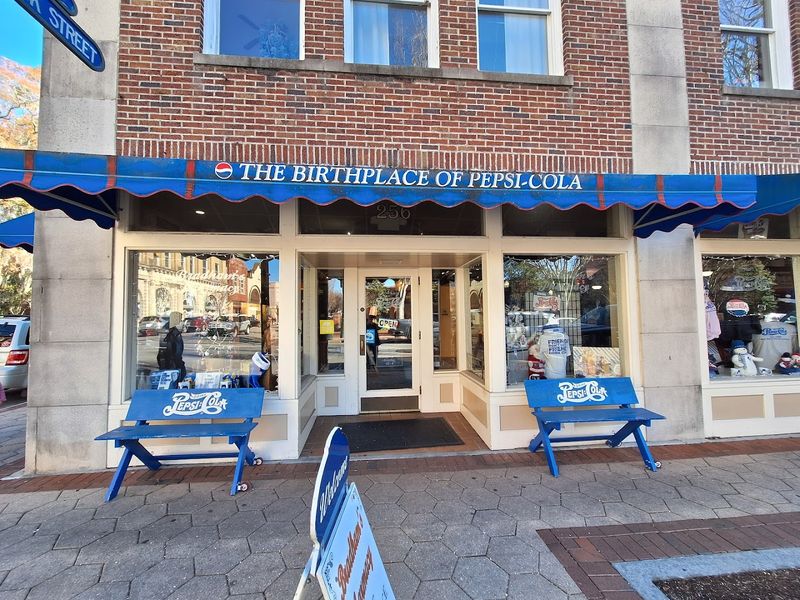
Such a timeline gives the Birthplace of Pepsi more than souvenir-shop appeal. Standing at 256 Middle St means standing at the site connected to a small-town idea that grew into a national brand within a few short years.
By 1910, Pepsi-Cola had expanded to hundreds of franchises across many states, a remarkable rise for something born from a soda fountain at his pharmacy. What makes the story so enjoyable is its scale.
Big beverage history starts here with one pharmacist, one counter, and one curious local following.
Bradham’s Original Downtown Place
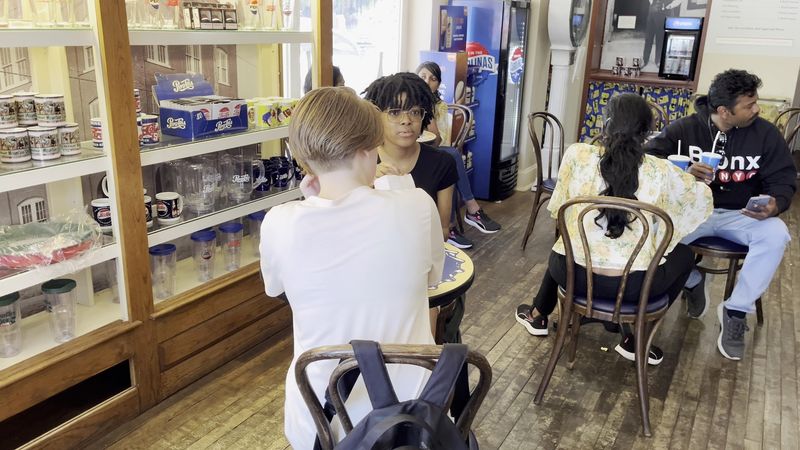
Historic authenticity gives the Birthplace of Pepsi its strongest pull before the first sip even arrives. At 256 Middle St, New Bern, NC 28560, the storefront marks the downtown site associated with Caleb Bradham’s soda fountain at his pharmacy and the early days of Pepsi-Cola.
Instead of feeling like a replica built only for tourists, the stop keeps its connection to New Bern’s older commercial core. Middle Street still has the kind of walkable rhythm that makes the setting feel right for a soda fountain story, with brick storefronts, nearby shops, and a steady downtown pace outside the door.
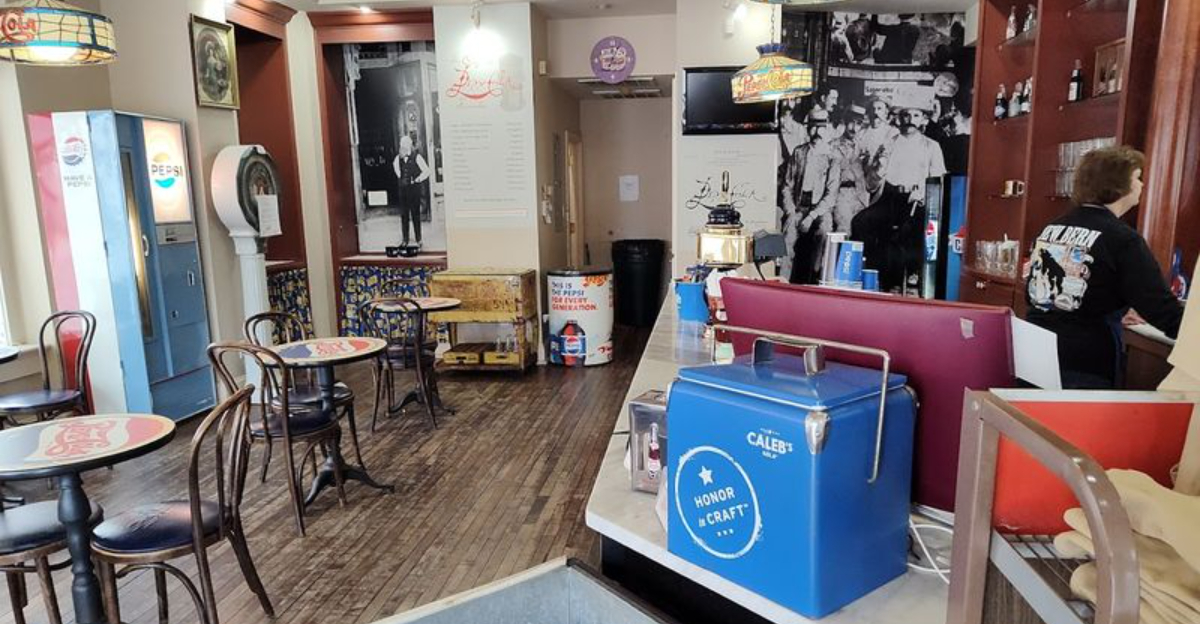
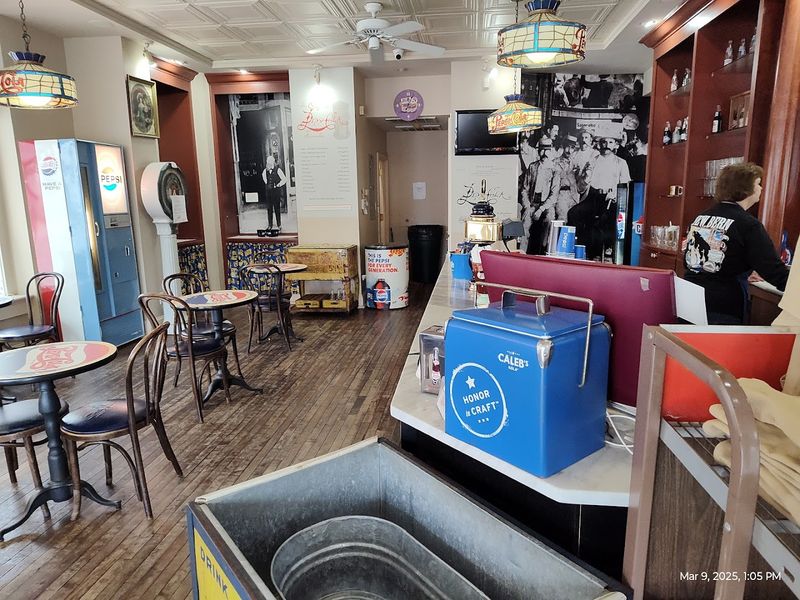
Step inside and the space shifts into a mix of brand history, memorabilia, fountain counter charm, and retail displays. Old advertisements, bottles, logos, and Pepsi-themed keepsakes help show how the drink moved from local favorite to household name.
What works best is the contrast between the brand’s global reach and the building’s human scale. A massive corporation’s origin story feels surprisingly close here, shaped not by spectacle but by a preserved storefront where a clever idea once met everyday customers.
What The Soda Fountain Experience Feels Like
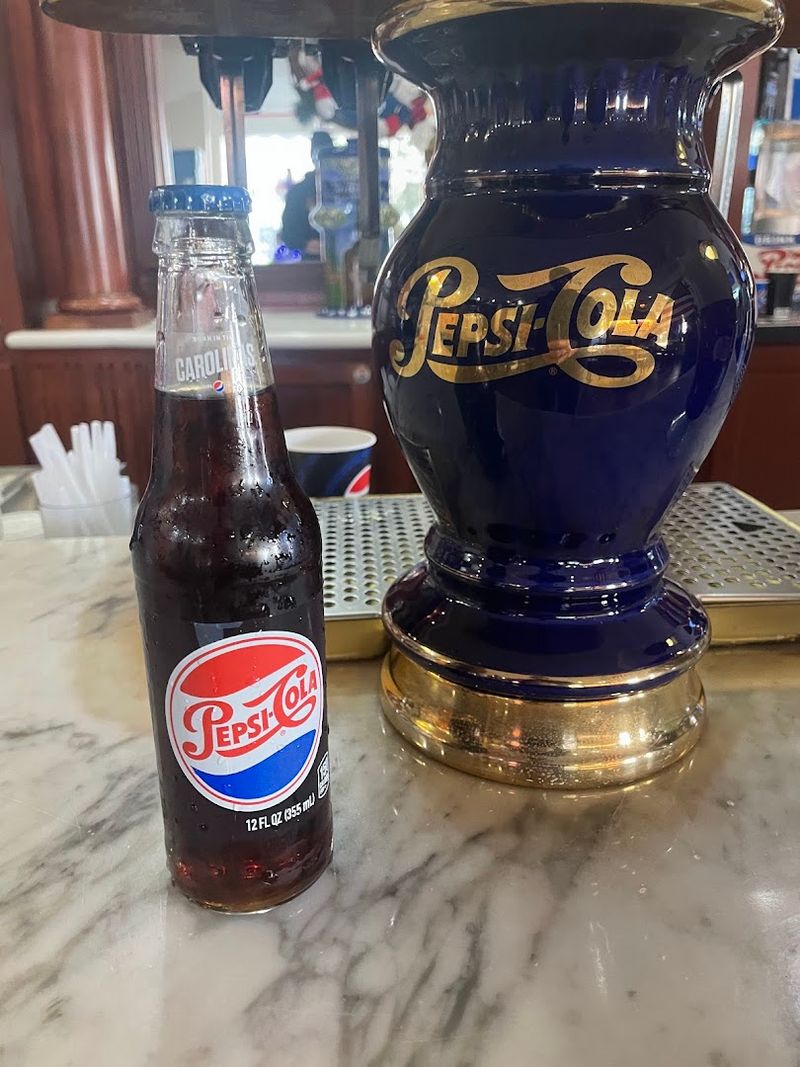
Ordering Pepsi at the counter feels different when the drink comes with more than a century of backstory. Instead of grabbing a bottle in a hurry, guests can slow down inside a space built around memory, branding, and the simple pleasure of a cold fountain drink.
Vintage-style decor, Pepsi signs, old bottles, and historical displays create a setting that feels cheerful without turning stiff or overly formal. Families can enjoy it because the stop does not demand deep beverage knowledge to make sense.
Kids notice the soda and souvenirs first, while adults often linger over the origin story and old advertising. Staffed as a visitor-friendly store rather than a hushed museum, the Birthplace of Pepsi keeps the experience approachable.
Sitting or standing near the counter adds a playful detail to any New Bern visit, especially for travelers who like attractions with a quick payoff and a clear local connection. Nothing about the fountain moment needs to be overcomplicated.
Cold soda, a historic room, and the knowledge that the Pepsi name began here do enough on their own.
Museum Meets Souvenir Shop
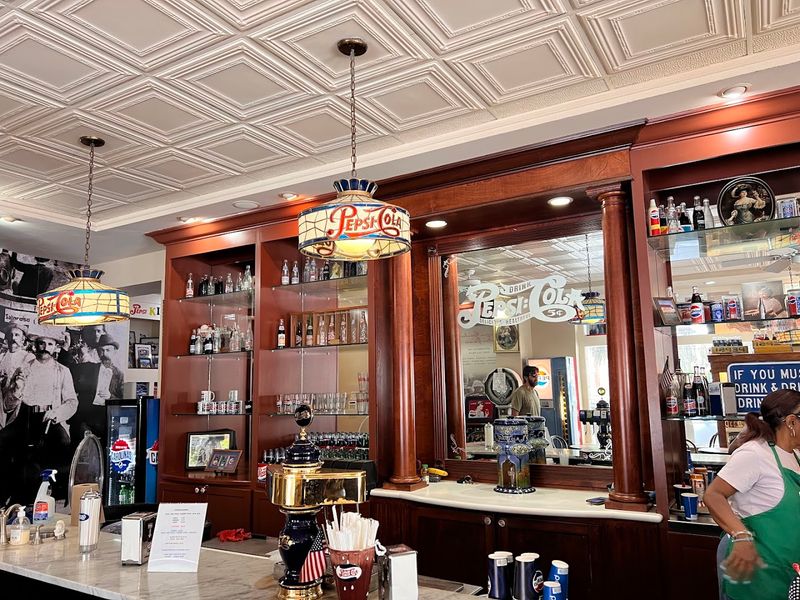
Part history stop and part cheerful retail space, the Pepsi Store manages to cover several travel cravings at once. Shelves carry Pepsi-branded gifts, collectibles, apparel, glass bottles, and small keepsakes, while nearby displays trace the brand’s path through photographs, old advertising, and packaging.
Instead of separating the museum side from the shopping side completely, the room lets both ideas work together. A visitor can read about Caleb Bradham’s rise, notice how logos changed over time, then pick up a bottle or souvenir without losing the thread of the story.
Such a setup fits New Bern well because the downtown district already invites casual wandering rather than rushed sightseeing. Nothing needs to feel overly polished to be memorable here.
Much of the appeal comes from seeing a famous brand presented through a small-town lens, with the original location still anchoring the experience. Pepsi fans will find the merchandise fun, while history-minded travelers get enough context to understand why the address matters.
For a compact stop, the space carries a surprising amount of personality, color, and local pride.
How Pepsi Grew From 1 To 250 Franchises
Growth stories usually sound abstract until a visitor sees where one of them began. Pepsi-Cola’s early rise started with Caleb Bradham’s decision to move beyond a single fountain drink and build a business around syrup, bottling, and franchising.
After forming the Pepsi-Cola Company in late 1902 and registering the trademark in 1903, Bradham helped push the drink into a much wider market. By 1908, Pepsi-Cola had 250 bottlers in 24 states, and by 1910 the company held its first bottlers’ convention in New Bern.
Such expansion says a lot about the era’s booming soda fountain culture and Bradham’s own entrepreneurial instincts. He understood that a popular local drink could travel if the product, name, and business model worked together.
Inside the Birthplace of Pepsi, this part of the story gives the visit a sharper edge. Guests are not only looking at a nostalgic soda counter.
They are seeing the starting point of a business idea that moved quickly through early 20th-century America and turned a pharmacy creation into something far larger than one storefront.
New Bern’s Most Iconic Attraction
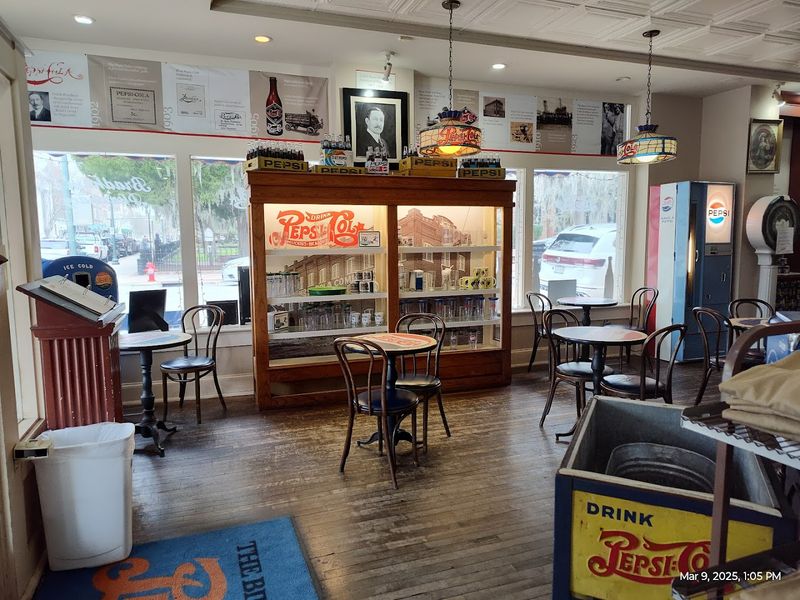
Few downtown stops connect New Bern’s local charm to national pop-culture history as neatly as the Birthplace of Pepsi. Colonial-era landmarks, waterfront views, historic homes, and walkable blocks already give the city plenty to offer, but this Middle Street storefront adds a playful twist to the itinerary.
It works because the attraction is simple, specific, and easy to understand. A pharmacist created a drink here, the name became Pepsi-Cola, and the brand eventually traveled around the world.
Visitors do not need a long tour to appreciate that arc. They can pair the store with nearby restaurants, local shops, Tryon Palace, or a stroll toward the waterfront.
New Bern’s slower downtown pace also helps the stop feel more personal than a typical brand-focused attraction. Instead of pulling visitors away from the city’s character, the Pepsi Store fits directly into it.
A quick visit can become the bright little detail that people remember later, especially because it offers a familiar drink in the one place where the origin story feels tied to the sidewalk outside.
Current Hours And Planning Your Visit
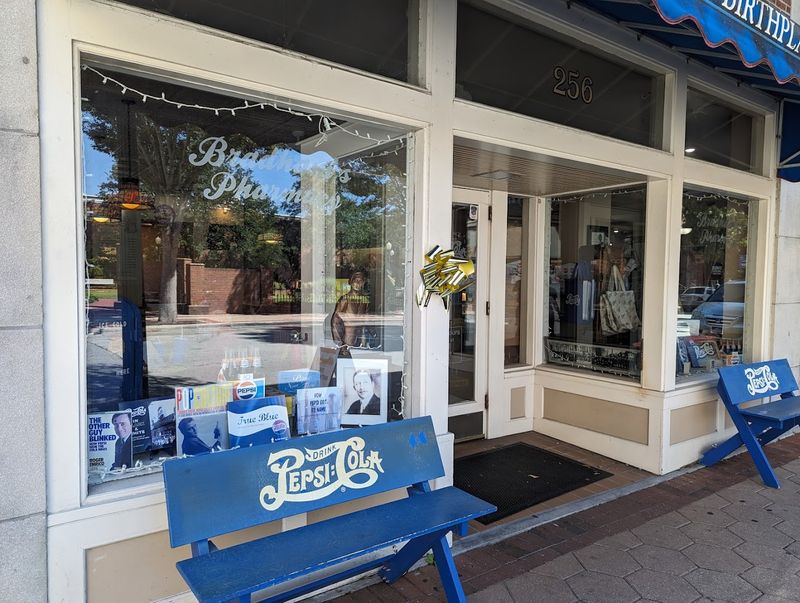
Planning works best when travelers treat the Birthplace of Pepsi as a downtown stop rather than an all-day attraction. Official visitor information lists the Pepsi Store at 256 Middle St, New Bern, NC 28560, with current hours of Monday through Saturday, 10 a.m. to 6 p.m., and Sunday, noon to 4 p.m.
Hours can change around holidays or special circumstances, so checking the official site before a long drive is still smart. Once there, the location is easy to combine with New Bern’s historic district, waterfront walks, boutiques, cafes, and restaurants.
Nearby parking and walkable blocks make the visit simple for families, couples, and road-trippers passing through eastern North Carolina. Weekday mornings often suit travelers who prefer a calmer counter experience, while weekends can feel livelier because downtown New Bern draws more foot traffic.
Give yourself enough time to browse the memorabilia, enjoy a Pepsi, and take in the storefront without rushing. A short visit is usually enough, but the surrounding neighborhood makes lingering feel natural.
The Flavor That Started Everything
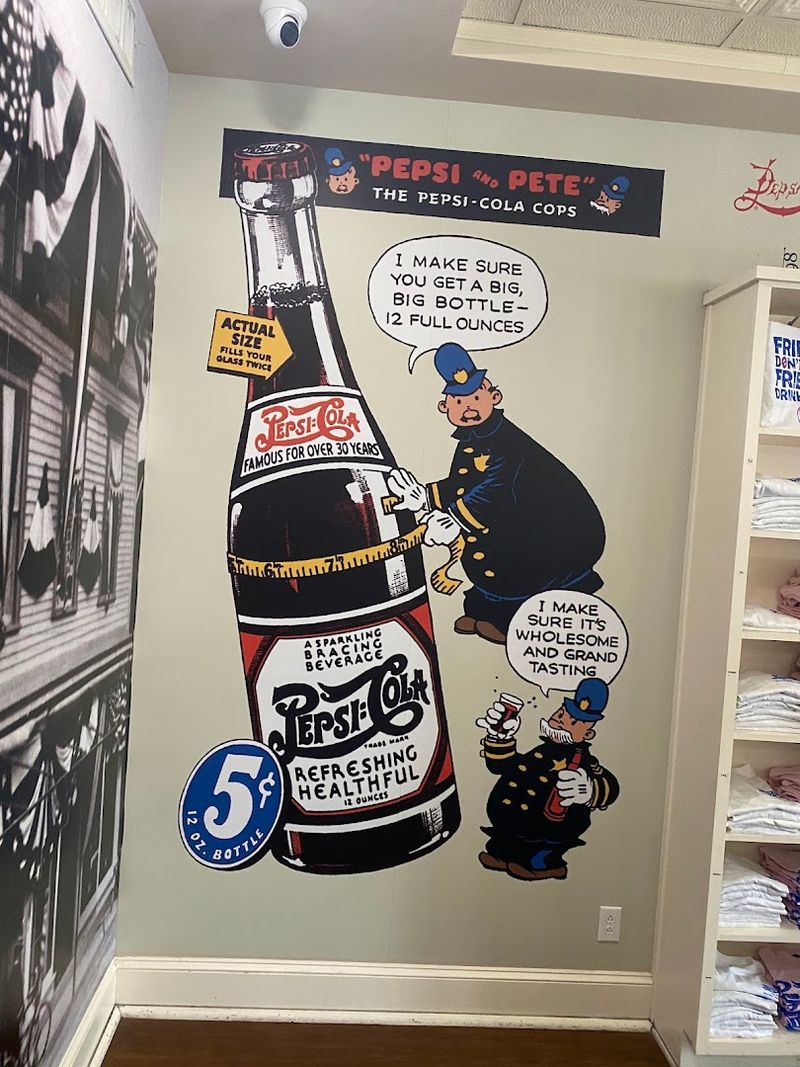
Sipping Pepsi at its birthplace adds context to a flavor many people already know by heart. Cold carbonation, familiar sweetness, and the fountain-counter setting come together in a way that feels more nostalgic than ordinary.
Caleb Bradham originally promoted his drink in the language of refreshment and digestion, which was common for soda fountain creations of the period. Modern visitors do not need to treat it as anything more serious than a classic soft drink, but the backstory makes the taste feel connected to a specific place.
That connection is the real draw. Many food-history stops ask travelers to look at artifacts behind glass, while this one lets them experience the central idea in a direct, cheerful way.
A Pepsi poured in New Bern is still just a Pepsi, yet location changes the mood completely. Suddenly the drink carries a small spark of origin-story magic.
For anyone who enjoys old soda fountains, brand history, or retro Americana, the counter moment gives the visit its most memorable detail.
Why This Stop Belongs On Every Road Trip
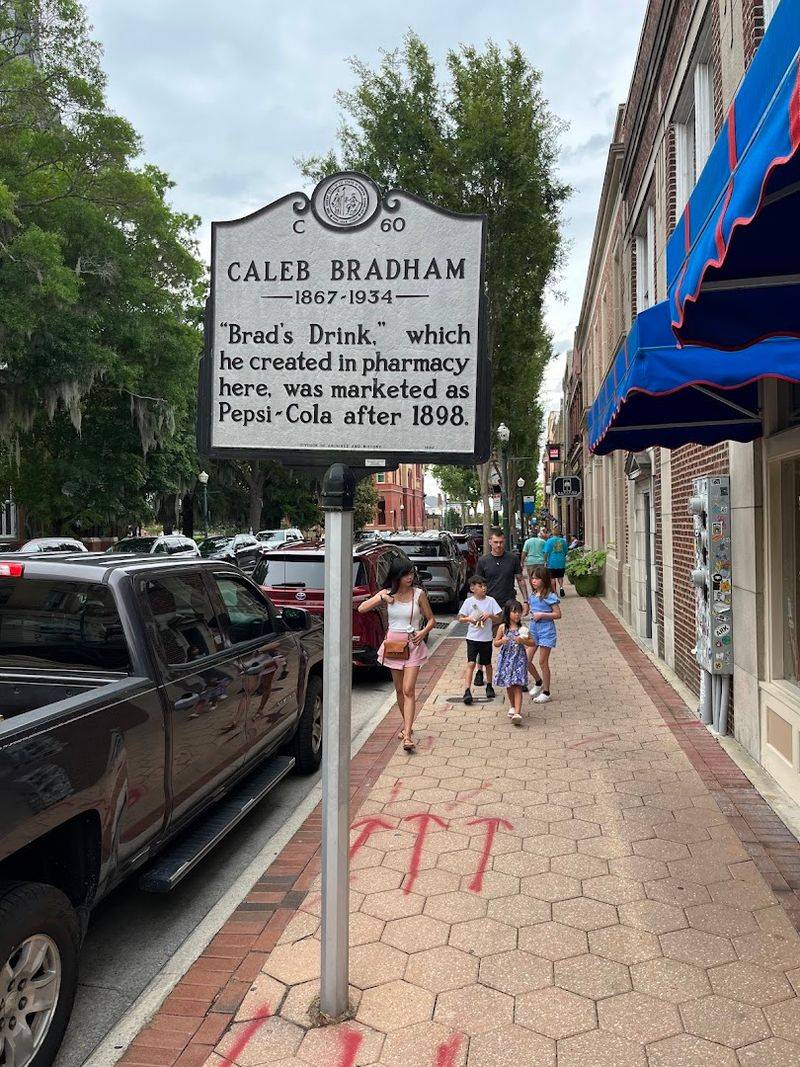
Road trips work best when a stop offers a good story without making the schedule complicated, and the Birthplace of Pepsi fits that role beautifully. It sits in a walkable downtown, connects to a world-famous brand, and gives visitors something quick, tangible, and fun to do.
Families can enjoy the soda fountain and colorful displays, while adults may appreciate the business history behind Caleb Bradham’s rise. Food-history fans get a true origin point, not just a themed tribute.
New Bern adds even more value because the surrounding district offers waterfront scenery, historic architecture, and plenty of places to eat before or after the visit. Unlike attractions that require a full afternoon, this one works as a bright, compact detour with a strong sense of place.
It also gives North Carolina another claim to American food culture, right alongside the state’s better-known barbecue, seafood, and bakery traditions. Anyone building an eastern North Carolina route should leave room for this stop, because few quick visits deliver such a recognizable story in such an easygoing package.