This North Carolina Azalea Garden Is Worth The Spring Drive
Spring can get a little show-offy, but this is the kind of bloom-filled spectacle that makes the extra drama feel fully deserved.
High in the Blue Ridge stretch of North Carolina, one grand destination turns azalea season into a full-color event where every curve in the garden seems determined to outdo the last one.
A drive like this starts with pretty scenery and quickly escalates into the sort of outing where people keep saying “just one more photo” until their camera roll starts filling up fast.
Garden fans will love it, casual road-trippers will get pulled in anyway, and anyone who thinks flowers cannot steal the whole day is about to be proven delightfully wrong.
Biltmore Estate Azalea Garden
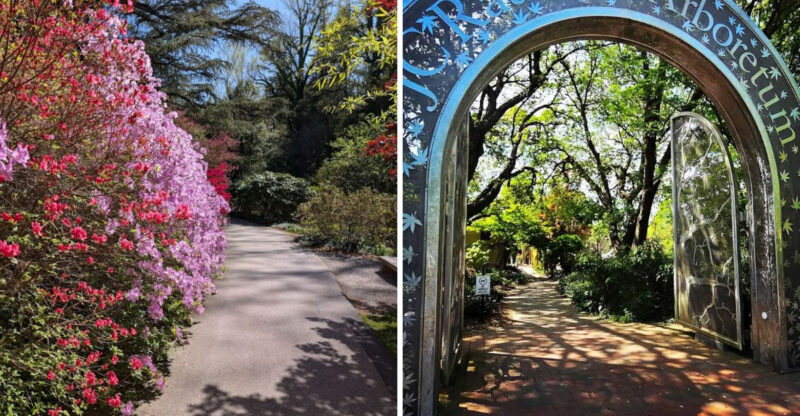
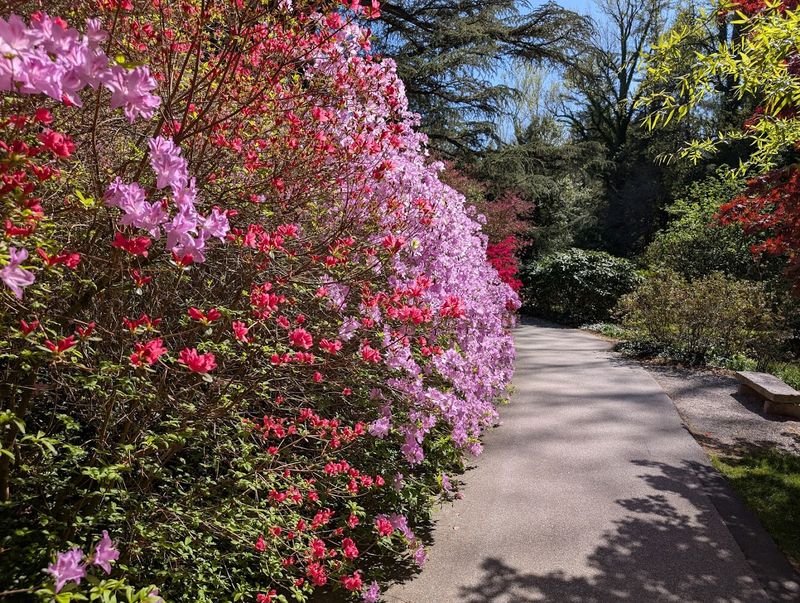
Covering an impressive 15 acres and packed with more than 20,000 individual plants, the Biltmore Estate Azalea Garden is a living masterpiece that earns every mile of the drive to Asheville. Located at One Lodge St, Asheville, NC 28803, this garden transforms into what Biltmore’s own materials describe as a glorious tapestry of hues as spring takes hold.
Colors shift and deepen week by week, giving visitors a reason to return more than once during the season.
North Carolina’s mountain climate plays a big role in the magic here. The cool air and rich soil of the Blue Ridge Mountains create the perfect conditions for azaleas to thrive and put on a show that feels almost unreal.
Bloom season typically runs from early March through late May, with April widely considered the peak window.
Planning your visit around the estate’s official bloom report is a smart move. Biltmore updates its bloom page regularly so guests can time their arrival perfectly.
Beyond the azaleas, the 8,000-acre estate offers trails, gardens, and stunning architecture that make this far more than a single-garden stop. Spring here feels like a full sensory celebration.
Spring Bloom Timing Tips
Timing matters here because Biltmore’s spring display unfolds in waves instead of all at once. Current estate pages say guests should use the Bloom Report to track what is flowering across the grounds, and the live 2026 report already shows azaleas and rhododendrons moving the season forward as April deepens.
Biltmore’s broader spring coverage also frames the estate as an evolving color sequence rather than a single-moment spectacle, which is exactly why return visits make so much sense. Early spring brings earlier bulbs and blossoms, but azaleas are one of the stars that pull the estate into its richest, most layered period.
Weekday mornings are often the smartest choice for anyone hoping for gentler pacing and cleaner photos, since the garden’s popularity rises fast once peak bloom and mild weather line up. Cloud cover is not a drawback here either.
Softer light often makes the bloom colors read even better than hard midday sun. Visitors who treat the trip casually may still luck into a beautiful day, but anyone planning around the official bloom updates gives themselves a much better shot at catching the garden when it feels truly electric.
Garden Scale And Size
Distance changes expectations once you are inside the Azalea Garden. Biltmore’s own garden guides make it clear that this is one of the estate’s larger outdoor rooms, and in practical terms that means visitors should approach it more like a destination than a quick side stop between house tours.
Fifteen acres may sound impressive on paper, but the real effect comes from how that acreage unfolds in motion. Paths, layers of planting, changing elevation, and mature growth keep resetting the visual experience so the garden never feels like one repeated block of flowers.
Some areas pull the eye outward in broad sweeps, while others narrow the focus and make individual blooms or color pairings feel more intimate. Size also makes the garden forgiving.
A busy day never empties the space of beauty because there is simply too much of it to flatten into one crowded viewpoint. Comfortable shoes are not optional if you want to see the garden properly, and extra time is even more important.
Visitors who rush it may leave impressed. Visitors who give it a full slow wander usually leave understanding why people drive here just for this.
Native Azalea Collections
Native azaleas are the real stars here, and that distinction matters more than it might sound at first. Biltmore’s own writing calls the Azalea Garden one of the largest selections of native azaleas in the country, which immediately separates it from gardens that rely mostly on showy cultivated shrubs for impact.
Native species bring a different kind of beauty. Colors can still be vivid, but the overall feel is more closely tied to the Appalachian landscape around them, which helps the garden look dramatic without losing its mountain credibility.
Biltmore’s garden history also points to Chauncey Beadle and the “Azalea Hunters,” whose work beginning in 1930 shaped the collection in ways visitors still benefit from today. That historical layer adds depth to the bloom experience because the garden is not simply beautiful by accident.
It reflects decades of collecting, planting, and shaping a living collection that still feels surprisingly alive rather than museum-like. Some visitors will come for pictures and leave happy with that alone.
Plant enthusiasts, though, get something rarer here: a major native azalea collection with real scale, clear horticultural intent, and an unusually memorable setting to show it off.
Blue Ridge Mountain Setting
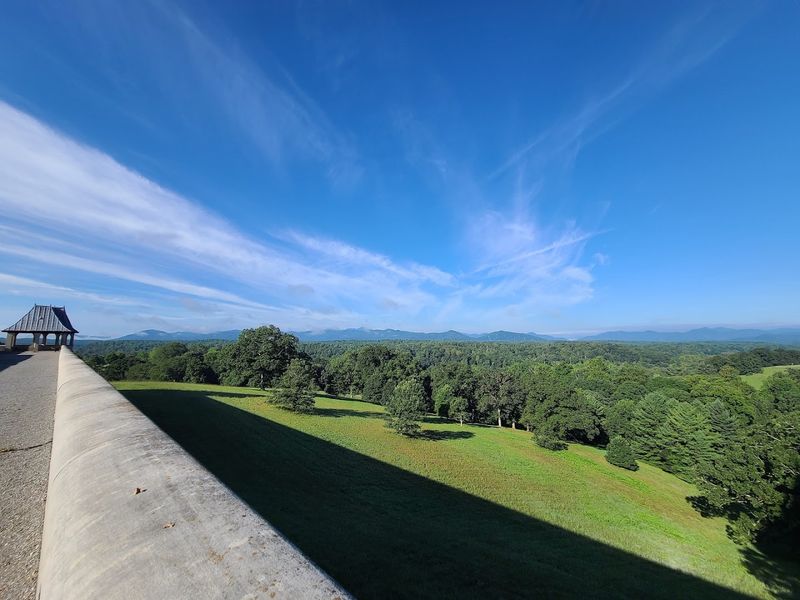
Mountain air does a lot of invisible work at Biltmore. Estate history and garden pages tie the property directly to the Blue Ridge setting that first captivated George Vanderbilt, and that broader landscape still shapes how the Azalea Garden feels today.
Even before visitors reach the blooms, the drive into Asheville and onto the estate starts setting a different mood. Terrain rises, light shifts, and the scenery feels more like an approach to an experience than a simple arrival at an attraction.
Once the garden itself comes into view, the mountain setting keeps adding quiet drama in the background. Color is the headline, but elevation, cooler spring air, and those wider Blue Ridge surroundings help the whole display feel larger and more atmospheric than it would on flatter ground.
Biltmore’s official timeline also makes clear that Vanderbilt chose this region because of its beauty, then hired Richard Morris Hunt and Frederick Law Olmsted to shape the estate around that landscape rather than against it. That choice still pays off every spring.
Bloom-heavy gardens can be lovely anywhere. Bloom-heavy gardens with mountain character behind them tend to stay in memory much longer.
Photography And Visitor Tips
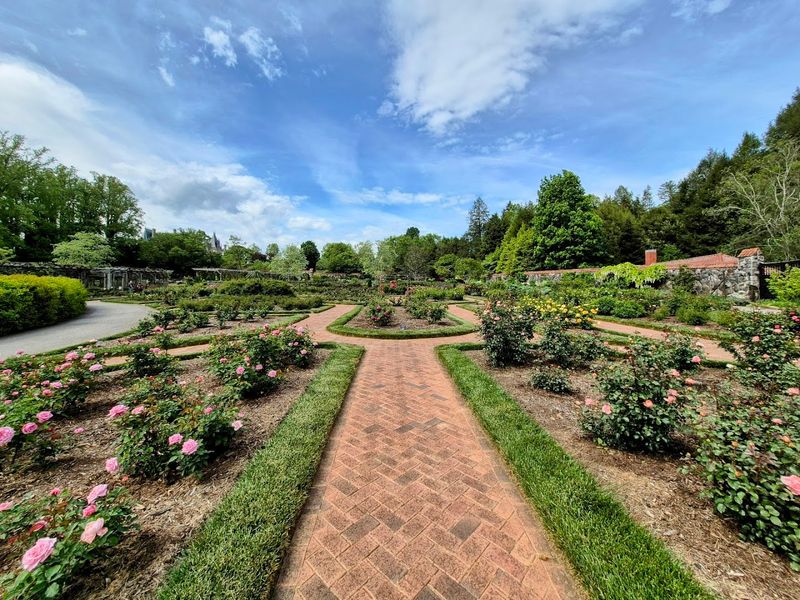
Morning light is usually the best friend a camera can have here. Biltmore’s own spring and bloom pages emphasize the estate’s changing weekly display, and that kind of movement makes early arrival especially useful for anyone hoping to photograph the garden before heavier crowds settle into the main paths.
Softer light helps preserve the nuance in the blooms, especially when pinks, corals, whites, and oranges are all competing in the same frame. Tickets should be purchased ahead of time, since Biltmore is a major destination and spring remains one of its most popular seasons.
Estate pages also make clear that the grounds extend far beyond one garden, with 20-plus miles of trails and multiple formal and informal gardens across 8,000 acres, so pacing matters if you want the Azalea Garden to feel like the centerpiece rather than a rushed checkpoint. Closed-toe shoes, light layers, water, and a willingness to linger will all improve the day more than fancy gear alone.
Visitors do not need professional cameras to leave with beautiful images. They do need time, because this is the kind of place that rarely gives up its best angles immediately.
History Of The Biltmore Estate
Built in the late 1800s by George Vanderbilt, the Biltmore Estate carries a history as impressive as its gardens. Construction on the main house began in 1889 and was completed in 1895, making it the largest privately owned home in the United States, a record it still holds today.
The estate was designed by architect Richard Morris Hunt, and its formal gardens were laid out by landscape architect Frederick Law Olmsted, the same visionary behind New York City’s Central Park.
Olmsted’s original garden plan emphasized naturalistic beauty and seasonal variety, which is exactly why the azalea plantings feel so intentional and cohesive more than a century later. His design philosophy blended formal garden elements with the wild character of the surrounding mountain landscape, creating a setting that feels both cultivated and deeply natural at the same time.
Today the Biltmore remains a family-owned estate, managed by descendants of the original Vanderbilt family. That personal ownership has helped preserve the property’s character and attention to seasonal detail in ways that a corporate attraction might not.
For history lovers visiting North Carolina, the estate offers a rare chance to walk through a living piece of Gilded Age American history surrounded by springtime beauty.
Beyond The Azaleas
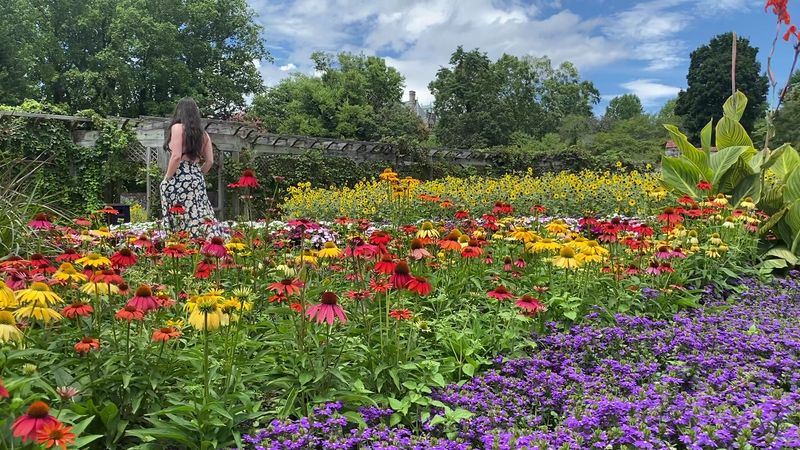
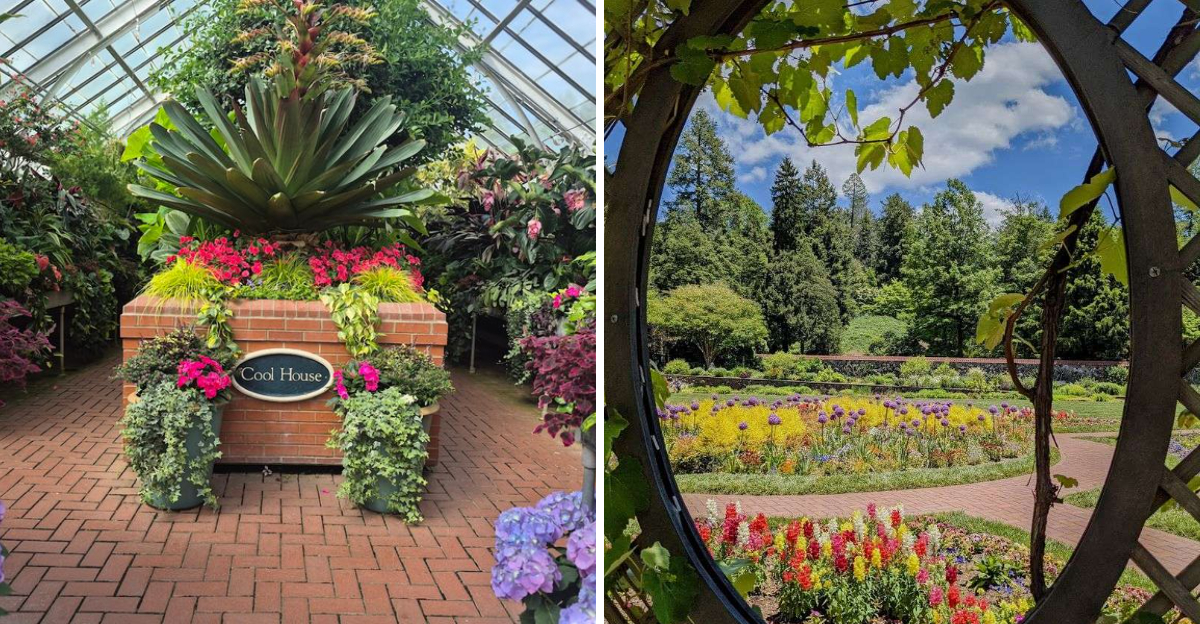
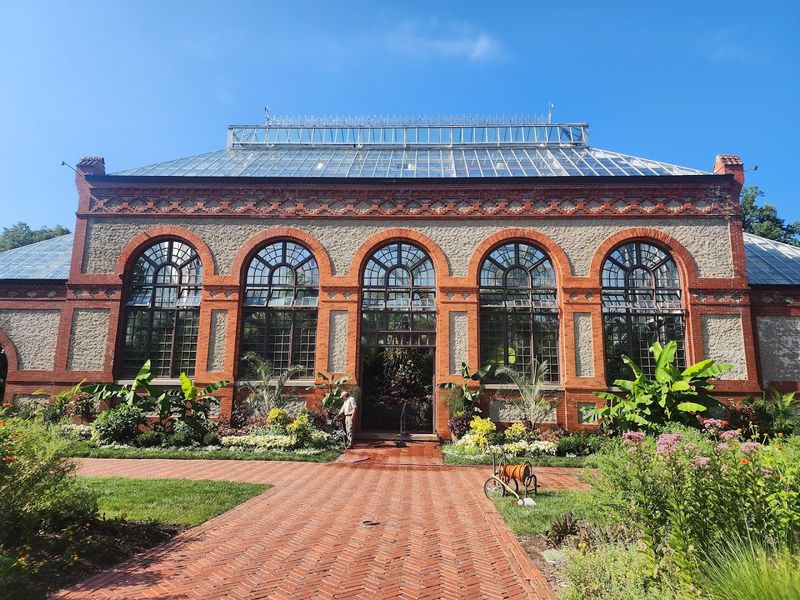
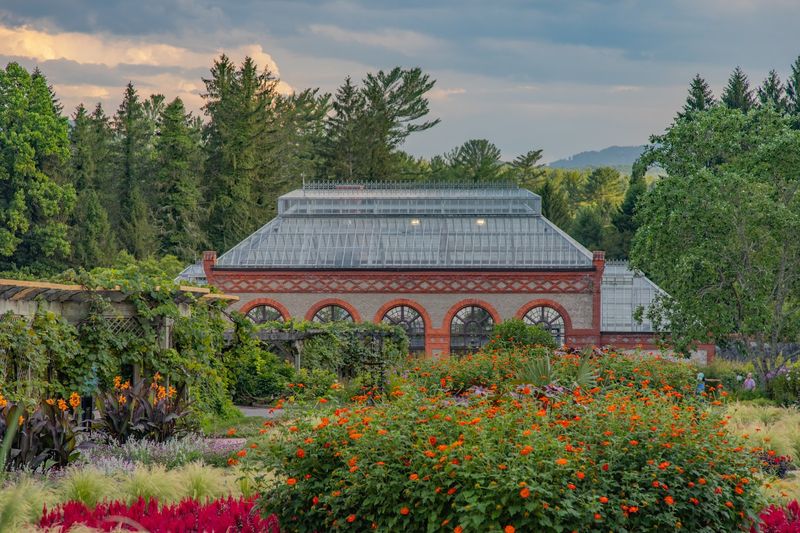
Azaleas may be the spring headline, but they are far from the estate’s only reason to linger. Biltmore’s current gardens and grounds pages describe 8,000 acres that include six formal and informal gardens, the Conservatory, and more than 20 miles of trails reaching toward the French Broad River, Deer Park, woodlands, and farm areas.
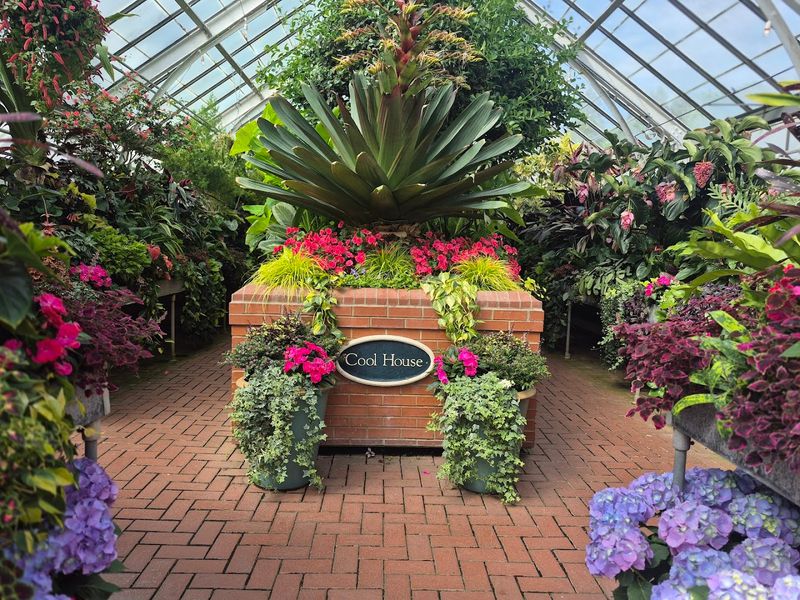
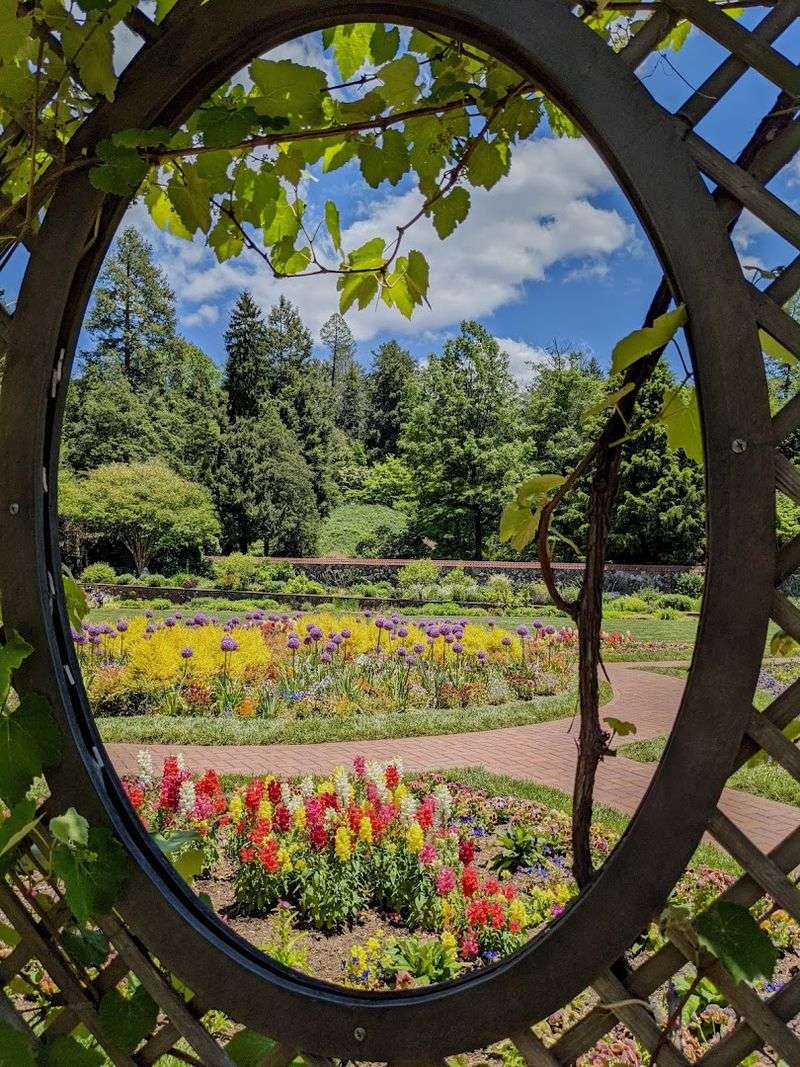
That breadth changes the whole trip because the Azalea Garden does not need to carry the full day by itself. Visitors can move from native blooms into the glasshouse world of the Conservatory, then into the more structured Walled Garden, and still have room for trails, scenic overlooks, or a meal.
Biltmore’s spring coverage reinforces that larger idea by framing the season as an estate-wide sequence of color rather than one isolated bloom event. For travelers, that is what makes the drive especially worthwhile.
The Azalea Garden is strong enough to justify the trip on its own, but the rest of the estate makes the outing feel fuller and more generous once you are already there. Few spring stops in North Carolina can match that combination of one signature display and so much worthwhile material before and after it.